Showing posts with label technology. Show all posts

Wednesday, January 27, 2016

Study: Texting negatively affects teen's sleep and academic performance

A study shows that teenagers who text at night hurts their sleep and academic performance.

Can't stop texting? If you're a teenager, it may be to blame for falling grades and increased yawning in school, according to a new Rutgers study.
The study, published in the Journal of Child Neurology, is the first of its kind to link nighttime instant messaging habits of American teenagers to sleep health and school performance.
"We need to be aware that teenagers are using electronic devices excessively and have a unique physiology," says study author Xue Ming, professor of neuroscience and neurology at Rutgers New Jersey Medical School. "They tend to go to sleep late and get up late. When we go against that natural rhythm, students become less efficient."
The American Academy of Pediatrics reports that media use among children of all ages is increasing exponentially; studies have found that children ages 8 to 18 use electronic devices approximately seven-and-a-half hours daily.
Ming's research is part of a small but growing body of evidence on the negative effects of electronics on sleep and school performance. But few studies, Ming says, have focused specifically on instant messaging.
"During the last few years I have noticed an increased use of smartphones by my patients with sleep problems," Ming says. "I wanted to isolate how messaging alone - especially after the lights are out - contributes to sleep-related problems and academic performance."
To conduct her study, Ming distributed surveys to three New Jersey high schools - a suburban and an urban public school and a private school - and evaluated the 1,537 responses contrasting grades, sexes, messaging duration and whether the texting occurred before or after lights out.
She found that students who turned off their devices or who messaged for less than 30 minutes after lights out performed significantly better in school than those who messaged for more than 30 minutes after lights out.
Students who texted longer in the dark also slept fewer hours and were sleepier during the day than those who stopped messaging when they went to bed. Texting before lights out did not affect academic performance, the study found.
Although females reported more messaging overall and more daytime sleepiness, they had better academic performance than males. "I attribute this to the fact that the girls texted primarily before turning off the light," Ming says.
The effects of "blue light" emitted from smartphones and tablets are intensified when viewed in a dark room, Ming says. This short wavelength light can have a strong impact on daytime sleepiness symptoms since it can delay melatonin release, making it more difficult to fall asleep - even when seen through closed eyelids.
"When we turn the lights off, it should be to make a gradual transition from wakefulness to sleep," Ming says. "If a person keeps getting text messages with alerts and light emission, that also can disrupt his circadian rhythm. Rapid Eye Movement sleep is the period during sleep most important to learning, memory consolidation and social adjustment in adolescents. When falling asleep is delayed but rising time is not, REM sleep will be cut short, which can affect learning and memory."
Ming notes some benefits to early-evening media use, such as facilitating collaboration for school projects, providing resources for tutoring, increasing school readiness and possibly offering emotional support systems.
She suggests that educators recognize the sleep needs of teenagers and incorporate sleep education in their curriculum. "Sleep is not a luxury; it's a biological necessity. Adolescents are not receiving the optimal amount of sleep; they should be getting 8-and-a-half hours a night," says Ming. "Sleep deprivation is a strong argument in favor of later start times for high schools - like 9 a.m."
Read more here

Monday, April 27, 2015

App offers non-medication treatment for ADD/ADHD

An app created in Israel offers a medication-free alternative treatment for children with ADD and ADHD.

Aziz Kaddan, one of the co-founders of Myndlift, didn’t flinch when asked in front of an audience at the recent BrainTech conference in Tel Aviv how he plans to go up against the better-funded American companies with his alternative non-drug treatment for attention deficit disorder (ADD) and attention deficit hyperactivity disorder (ADHD).
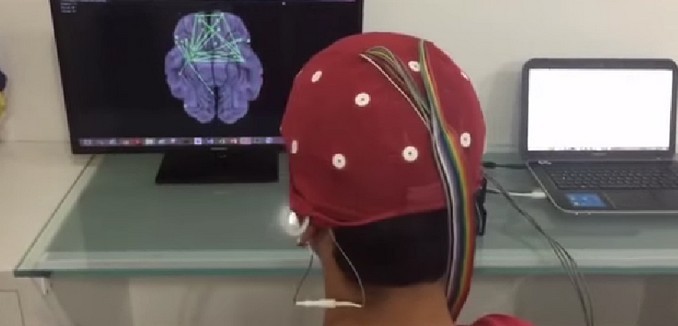
Myndlift uses neurofeedback, also known as electroencephalographic (EEG) biofeedback, to train the brain to focus. It’s a computer-based technique developed and tested by NASA to improve attention, focus, and learning. Kaddan, the 22-year-old phenom taking Israel’s brain-tech world by storm, knows the path to changing hyperactivity treatment is a tough one, but he’s positive his app-based, wearable neurofeedback solution, coupled with specially tailored mobile games that only work through concentration, can increase attention levels with just 10 minutes of play time a day.
“I know that I have a product that has a value to a lot of people,” he said, from his co-working space for high-tech entrepreneurship and innovation at Tel Aviv’s public library. Myndlift’s idea is to get sufferers of ADD and ADHD off medications like Ritalin, which suppresses appetite and has other negative side effects, and help them focus their minds using a mobile app, neurofeedback, and a brain-sensing wearable technology.
“Myndlift brings personalized neurofeedback training to mobile, making it easier for people with hyperactivity, professionals in demanding careers, students, athletes and anyone concerned about brain fitness to improve concentration abilities effectively without prescription drugs, inconvenience to visit specialized clinics and huge bills, thus saving thousands of dollars and tens of commuting hours,” according to the company’s elevator pitch.
Read more here

Saturday, April 18, 2015

Technology to help you sleep

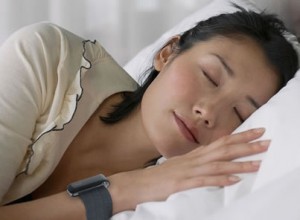
While we hear a lot about how technology keeps people up at night, some technology, like the ones described below, are made to help you sleep.
Nothing throws off your day like a lack of sleep the night before. It ruins your concentration, makes you impatient, cause memory lapses and worse. Over the long term, sleep deprivation can lead to depression, diabetes, hypertension and obesity.
It can also be deadly. According to AAA, people who only sleep 6 to 7 hours per night are twice as likely to be involved in a car accident as those who sleep 8 hours or more. Sleep less than 5 hours per night and you are four or five times more likely to be in a car accident.
That's a bigger problem when the Centers for Disease Control reports that 30 percent of adults say they sleep an average of 6 hours, and up to 70 million Americans will have a sleep disorder at some point. Fortunately, technology can actually help sleep.
1. SLEEP-RECORDING GADGETS
There's been an explosion of gadgets that are designed to monitor your sleep and help you improve it. The market for these gadgets is headed for more than $125 million in 2017.
Sense, for example, is a little orb that sits in your room monitoring noise, light, temperature, humidity and air particles, and can wake you up at the ideal part of your sleep cycle. A tiny clip attached to your pillow tracks your movements. In the morning, it can tell you through an Apple app how much sleep you really got, and if something in your environment is disturbing your rest. It's currently available for pre-order on Kickstarter for $99 and will cost $129 when it ships in November.
Some similar monitors already available include Beddit ($149), which also tracks your heart rate and breathing, and SleepRate ($100), which has an app full of useful information plus a wearable heart rate sensor. Withings Aura ($300) is another upcoming gadget that not only monitors your sleep, but it cycles through light and sound programs to try and improve your sleep.
2. SLEEP-RECORDING APPS
You probably already have a sleep-improving gadget sitting next to you at night. I'm talking, of course, about your smartphone.
A sleep-recording app coupled with your smartphone's sensors can give you a good idea of your sleep patterns. You usually just have to put your phone on the bed near your pillow and let it do the rest.
Important warning: Never put your phone under your pillow or cover it with a blanket. The phone could overheat and catch on fire.
Some popular sleep-tracking apps are Sleep Better (Android, Apple; Free), SleepBot (Android, Apple, Free) and Sleep Cycle Alarm (Android, Apple; $1). They all track your movements during sleep.
Sleep Better includes a journal to keep track of sleep-affecting factors like diet, exercise and even your dreams. So it's good for tracking down lifestyle choices that may be hurting your sleep.
SleepBot tracks your sleep like the others, but also includes sound recording so you can detect problems like sleep apnea, or find out what nighttime sounds cause you to move around.
Sleep Cycle Alarm is the one to get if you generally sleep OK, but seem to always wake up at a bad time. It uses your movements to predict the perfect time for you to wake up, and includes plenty of restful alarms.
3. HIGH-TECH MATTRESSES
Soon, you might not need a stand-alone sleep-tracking gadget. Everything you need will be built right into your mattress, and that future is now if you're willing to pay for it.
I'm sure you've seen commercials for Sleep Number mattresses. These mattresses let you continually adjust how hard or soft the mattress is to get the perfect sleeping experience. They can even have dual zones so you and your significant other can each tailor the bed to your preference.
Now, Sleep Number offers SleepIQ. The mattress includes sensors that track your breathing rate, heart rate and movements. You can then pull up your sleep statistics on the companion app to see how long you slept and how well. There's also a journal function to keep track of your diet, exercise and more that could be impacting your sleep. For those with a partner in bed, SleepIQ can track their sleep as well and even figure out how your sleep patterns affect each other.
Naturally, any new mattress is going to be a serious financial commitment, and SleepIQ is no exception, starting at $999.98 for a queen mattress. While it might be worth the cost in the long run, you might be hesitant in the short run.
If that's the case, take a look at Luna. It's a mattress cover that adds SleepIQ-style sensors and tracking to any mattress. So it keeps tabs on your sleep cycle, heart rate and breathing rate over time so you know if your sleep is improving or not. However it has some other impressive features. For example, it includes temperature adjustment so you have just the right level of comfort for sleep. There are two zones, naturally, so you and your partner won't need to argue about how warm is too warm.
Because Luna tracks your sleep cycle, it can work with your alarm clock to wake you at the ideal moment in your sleep cycle; no more groggy mornings. It can even learn your habits, so it knows when you typically go to bed and starts adjusting the temperature in advance. You can control it remotely using your smartphone. Luna is available for pre-order right now starting at $235 and should be shipping in late Summer 2015.
BONUS TIP: THE PRACTICAL OPTION
While technology is rushing to cure sleep problems, one growing cause of poor sleep is technology itself. It's easy to get sucked in to Facebook, playing a hot new game, or binge-watching a show on Netflix instead of going to bed on time. Then there's that text from a friend that makes your phone light up right as you're dropping off to dreamland.
I know forcing yourself to turn off the gadgets, or silence your phone, is tough but it is worth it. There are some ways you can help yourself out if you're struggling. Go poking in your network router settings and you'll see that you can schedule it to cut off Internet access at night. The parental controls for most video game consoles include blackout times as well. For Android gadgets, an app like Tasker lets you program times and places to cut off communications.
Of course, even using technology near bedtime is still a problem. The blue light from most screens tricks your brain into thinking it is daytime even when it isn't. That's why many sleep experts recommend shutting down your gadgets at least two hours before bedtime.
If that isn't possible, a program like F.lux for computers and Apple gadgets, and Lux for Android, tints your screen red at night. That reassures your brain it's night time, and that means you'll fall asleep easier.
Read more here

Wednesday, March 11, 2015

Is my iPad disrupting my sleep?

This article explains how an iPad can disrupt a person's sleep.

Using an iPad or other backlit electronic tablet in the hours before bedtime not only prevents you from falling asleep, it may also affect your alertness the next day, according to a report published in the Proceedings of the National Academy of Sciences, Dec. 22, 2014. Researchers at Harvard-affiliated Brigham and Women’s Hospital found that the light emitted by the devices reset the body’s circadian clock, which synchronizes the daily rhythm of sleep to daylight. As a result, people reading e-books took longer to fall asleep and were less alert the next morning than when they read print books instead.

During the two-week study, 12 men and women read digital books on an iPad for four hours before bedtime each night for five consecutive nights. They also followed the same routine using printed books. When they read the iPad, participants were less sleepy before bedtime but were less alert the following morning, even after eight hours of sleep.

If you’re a bedtime reader who’s addicted to her iPad, don’t despair. The researchers used a 2010
iPad set at maximum brightness. Newer iPads and other e-readers have night-reading modes.

Read more here

Wednesday, February 11, 2015

Tips to beat insomnia

This article gives 10 tips to help you beat insomnia.

Insomnia is the inability to get enough sleep needed to wake up feeling refreshed and well-rested.  Millions of people are suffering from this sleeping disorder.   You can cure insomnia without the additional cost of medication with just little changes in your lifestyle.
  1. What you drink and eat before bedtime are also factors that can induce insomnia.  Cut down on alcohol, and do not eat heavy meals before bedtime.  Stick to light snacks and chamomile tea.Cut the caffeine – caffeine is a stimulant.  Cut down on other drinks and foods that have caffeine also, like sodas, teas, and tiramisus.  Coffee should be drank in the morning or at least eight hours before sleep.
  2. Keep a quite, dark, and cool bedroom – an uncomfortable sleeping area will not induce sleep. Noise, light, and heat interfere with sleep.
  3. The bed is for sleeping and sex – train your brain and body that the bed is for sleeping and sex. Doing office work and reading in bed is a no-no.  The goal is to associate the bed with relaxation and sleep.  Avoid watching TV while lying down in bed, watching TV stimulates your brain to think.  It may make your eyes tired, but the brain is busy converting images to thoughts.  Better yet, transfer the TV to the living room.
  4. Avoid naps – try hard not to get that super nap in the afternoon. Naps disrupts sleep at night.  If you really can’t avoid it, limit it to 30 minutes before 3 pm.
  5. Quit Smoking – nicotine, like caffeine, is a stimulant. The more you smoke, the more awake you’ll be.  Aside from the hazards of smoking, quitting will do wonders on your sleeping habits.
  6. Change the way you think about insomnia – self-defeating thoughts help fuel insomnia. Think positive.  Instead of thoughts like “It’s the same every night,  another night of misery’, think this way instead “This does not every nught, some nights I get enough rest.”  Don’t worry too much, quit this mental habit.
  7. Do away with stressful situations before bedtime – avoid heated discussions, heavy mental activities, even strenious activities before bedtime. Try some relaxing activities instead, listening to soft music with keeping the lights low will help in relaxing the brain.
  8. Ban Blue Light in the bedroom – Short waves from blue light interferes with sleep. Use devices that have blue light an hour before going to sleep.  This includes TV, cellphones, and digital clocks.
  9. Fat or Flat – not the body types, this refers to pillows. The discomfort you give your necks affects the quality of sleep, aside from having a sore neck upon waking up.  Pillows should be just the right size.  Side sleepers should have their nose align with the center of the body while sleeping.  Stomach sleeping should be avoided as this cranes the neck.
  10. Control your body clock – go to sleep and wake up around the same time daily, irregardless if its a holiday or a weekend the next day. Our bodies have biological clocks and it is light regulated.  Try getting a ray of sunshine the minute you wake up, for 5 to 30 minutes.
Read more here

Tuesday, January 20, 2015

Study: Televisions in children's bedrooms impair their sleep

A study shows that children who have a television in their bedroom have their sleep impaired.

Research has shown children who have a television in their bedrooms have later bedtimes and shorter sleep duration. A new study shows similar sleep problems in children who have a “small screen,” such as a smartphone in their room.
The study, “Sleep Duration,Restfulness, and Screens in the Sleep Environment,” published in the February 2015 Pediatrics (published online Jan. 5), surveyed 2,048 fourth- and seventh-graders about bedtimes, wake times, feelings of sleepiness and the presence of televisions, smartphones and other small screens in their bedrooms. Children who slept near a small screen and children with a television in their bedroom had shorter weekday sleep durations. Children who slept near a small screen were more likely to report perceived insufficient sleep. TV or DVD viewing and video or computer game playing were also associated with shorter weekday sleep duration and sleepiness. Children with screens in their sleep environment and more screen time also had later bedtimes.
Study authors conclude the findings caution against children’s unfettered access to screen-based media in their bedrooms.
Read more here

Thursday, January 08, 2015

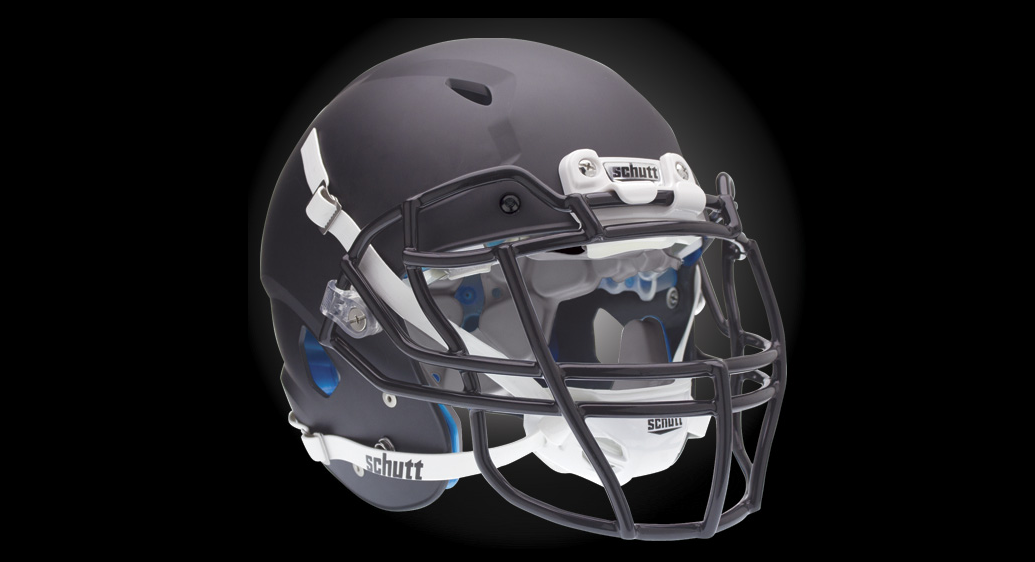
Helmet technology may help with concussions

Forbes recently published the following article explaining why current helmets cannot prevent concussions, but that new helmet technology may be able to help.

The veil of denial and misinformation that has clouded awareness of the long term dangers of athletic concussion has started to lift.  As the general public and especially families of collision sports athletes begin to realize the threat to a normal life posed by the heightened risk of Alzheimers, ALS, Parkinson’s, dementia, Chronic Traumatic Encepalopathy and depression that multiple concussions trigger–the search for solution becomes more intense. One focus in prevention is helmets. Athletes in football, baseball, hockey, field hockey, auto and horse racing all wear helmets.

There is a prevalent belief that those helmets play a major role in preventing concussion–they do not. Current helmets are primarily designed to prevent skull fracture. There obviously is some protective benefit–but the energy wave from a collision currently moves through the plastic and the liner of a helmet and enters the athlete’s head. Tate Technology, headed by CEO Jenny Tate Morgan, has devised a solution. Morgan comes from a family background in helmetry. Her grandfather, John Tate Riddell designed the first plastic helmet, and founded Riddell Football. Her father, also CEO of Riddell, co-ventured with Jack Welch and GE Plastics to use new polycarbonate materials on helmets in 1957. Riddell innovated a series of designs also used in military helmets.

Tate Technology assembled a scientific team of industry experts, engineers, PhD’s and MD’s along with a seasoned board of directors from Fortune 500 companies to find better solutions.  ”Advanced Concussion Technology” (ACT) is a solution which has gone through research, development and some testing. It uses a system of coils designed to dissipate energy and attenuate at the first point of impact. This is done through ”compression” instead of the energy flowing into “tension.” The energy wave moves directly into the head. The system of coil and compression in the helmet can reduce the impact of a hit by as much as half. This company is licensing the technology, which can adapt to any of the currently made helmets; it will not manufacture them itself.

I don’t pretend to be an engineer with in-depth knowledge of energy attentuation. But in lay terms, reducing the energy in a hit so it never penetrates the head and the brain, seems like a solution that could revolutionize helmetry. What works on sports helmets, can work on military, bicycle and motorcycle helmets. Tate’s ACT is ready to be installed in helmets now.

Kudos to those inventive individuals and companies that are trying to tackle a problem that is a largely undiagnosed public health epidemic. Otherwise, the number of concussions will continue to rise, and the trauma will manifest earlier than ever before. This is the result of larger, stronger, faster bodies colliding. It will be exciting to see how fast Jenny Morgan’s ACT technology can begin providing relief.I have always felt that once American corporations with engineering capacity worked on the helmet problem, progress would occur. In the same way neutraceutical and pharmaceutical solutions to brain damage have occurred. The race for solution is producing a variety of promising approaches, such as Prevacus nasal spray. In helmetry, Vicis Company has developed a helmet with impact absorbing filaments that also offers hope.

Read more here

Friday, September 12, 2014

Technology in a child's bedroom is associated with less sleep each night

A child sleeping with technology in his or her bedroom has been shown to be associated with up to one hour less of sleep per night.

Sleep, or lack thereof, and technology often go hand in hand when it comes to school-aged kids. Nearly three out of four children (72%) between the ages of 6 and 17 have at least one electronic device in their bedrooms while sleeping, according to a National Sleep Foundation survey. Children who leave those electronic devices on at night sleep less -- up to one hour less on average per night, according to a poll released by the foundation earlier this year.
Dr. Jill Creighton, Assistant Professor of Pediatrics, Stony Brook Children's Hospital says the key to a successful school year starts with Z's. So parents, how can you power down your kids at night and make bedtime easier? Dr. Creighton shares her tips. "First -- develop a nighttime routine," says Dr. Creighton. Whether it's a bath, reading a book or listening to soothing music, these actives will have a better impact on your child to help them relax before going to sleep.
Second -- Power off! "The hour before bed should be a no-electronics zone," says Dr. Creighton. Studies show that the light from backlit electronics (like tablets, smartphones and video games) can disrupt our ability to fall -- and stay -- asleep. Dr. Creighton says designate a spot in your home for electronics to be plugged in, then have your kids start their bedtime routine by plugging in one hour before lights out. Ban hand-held devices from the bedroom. "The burst of light from a phone (even if it's just to check the time) can break a sleep cycle," says Dr. Creighton. "A regular alarm clock is best."
If your child has a slight addiction to technology and is resistant about turning off their device, try dialing down the screen time. "Reduce screen time by 30 minutes or more each week until you reach your goal," says Dr. Creighton. "A good rule of thumb is try to limit recreational screen time to 60 minutes every day. And for every 30 minutes of screen time, make sure your kids get 30 minutes of physical activity."
Try to replace screen time with an activity. "It's sometimes hard to get kids off the couch and get them moving, especially if they think of physical activity as "exercise'' or "boring," says Dr. Creighton. "Parents, get creative and make moving fun for kids." Some of Dr. Creighton's ideas: a 20-minute family walk, 20 minutes of shooting hoops outside, walking the dog, going bike riding and doing chores (with the promise of an allowance) such as vacuuming, putting away laundry, raking leaves, shoveling snow and helping with the garbage/recycling, which are big favorites in her household.
Lastly, establish good habits. Being distracted by phones, hand-held devices and TV shows during mealtime cannot only lead to overeating, but additional unneeded screen time. And be a good role model. Parents, set a good example when it comes to screen time.
So how much sleep do your children need? General sleep guidelines from the National Heart, Lung and Blood Institute show that sleep time change as we age, but experts say there is no magic number for sleep, with individual needs varying.
• Newborns: 16-18 hours a day.
• Preschool-age children: 11-12 hours a day.
• School-age children: at least 10 hours a day.
• Teens: 9-10 hours a day.
• Adults (including the elderly): 7-8 hours a day.
Read more here

Friday, August 01, 2014

Computerized testing for ADHD

This article discusses a computerized test for ADHD in children at least six years old.

Attention Deficit Hyperactivity Disorder (ADHD) is a common childhood condition characterized by more than normal difficulty with focus, behavior control, impulsivity and hyperactivity. It affects nine percent of children younger than 18 and about approximately four percent of American adults, according to the National Institute of Mental Health. Boys are four times more likely to be diagnosed with the condition as girls but after adolescence, males and females are diagnosed in equal numbers. Some kids grow out of it, and some never do.
Arti Lal, MD, a pediatrician who specializes in treating patients at the ADHD Clinic at Scott & White in North Austin, is currently utilizing a new technology on patients which is called the Quotient® ADHD Test. It is FDA-cleared for the objective measurement of hyperactivity, impulsivity and inattention, as an aid in the assessment of ADHD. The test measures motion and analyzes shifts in attention state to give an assessment of the core symptom areas of ADHD: • Hyperactivity • Impulsivity • Inattention "Since ADHD shares traits with other mental health conditions, it can be difficult to diagnose. So, a thorough assessment by a trained professional is critical. The test is a more objective test than previous methods of diagnosis and will serve as an additional tool for us as clinicians," Dr. Lal said. "Testing can be done from age six to 55 years."
The test can also be used to quantify severity of deficits in brain function associated with controlling motion and sustaining attention. The results are objective and allow the patient, parent and physician to see the progress when treatment is working and help to guide decisions about how to optimize the treatment plan for each individual.
Bradley R. Berg, MD, PhD, Medical Director at Scott & White Clinic -- Round Rock Pediatrics says treatment for ADHD varies with age. For very young children, he explained that "After age six, medications in combination with therapy generally work best."
The test takes 15 minutes for children aged six to 12 or 20 minutes for adolescents and adults. The clinician can present a treatment plan to the patient/parent. Dr. Lal added that ""the test also has a 94% negative predictive value, which means it can say with 94% certainty that you do not have ADHD, which is a very powerful statistic." Berg added "we're also able to see patients from other pediatric or family medicine, neurology, psychiatry offices in and around the Central Texas area to help the primary care physician with a diagnosis."
Read more here

Usefulness of sleep tracking devices

This article discusses how useful sleep tracking devices are to those who may have issues sleeping.

The average adult needs at least seven hours of sleep each night, though unfortunately many get a lot less. Approximately 70 million Americans have a sleep disorder, which may be why there's tremendous interest in popular fitness trackers that allow you to quantify and evaluate the quality of your sleep -- without the expense of a sleep specialist.
Personal sleep trackers seem like a great investment for anyone suffering from insomnia or sleep deprivation. But are they accurate?
"The reason why these devices are so good is it puts greater emphasis on sleep," Michelle Primeau, clinical instructor at the Stanford Center for Sleep Sciences & Medicine told CNET reporter Sumi Das. "Most adults in the U.S. are somewhat sleep deprived."
Fitness trackers with sleep tracking capabilities, such as Fitbit, work by keeping track of how much you toss and turn in your bed to provide data on your sleep quality. This is done with accelerometers.
"They are measuring an indirect approximation of sleep through movement," said Primeau. "In order to make these estimations of deep or light sleep they are probably using an algorithm that takes into account the relative amount of movement that a person is having in the course of a night."
On the other hand, sleep specialists base their treatments and diagnoses on polysomnography, a special multifaceted test that typically involves sleeping in a controlled environment -- a sleep lab -- hooked up to plenty of wires. This gold-standard for sleep specialists measures everything from your brain activity, heart rate and breathing to your eye and muscle movements. Polysomnography generates far more information than currently any personal sleep tracker can, and is used to diagnose problems such as sleep apnea, circadian rhythm disorders, nighttime movement disorders and other health issues.
"Polysomnography is a collection of different physiological measurements that we use to define and characterize sleep," explained Primeau. "We start with EEG which are little electrical wires that measure your brainwaves. It also includes measures like a snore mic. Belts around you chest and abdomen will also record your breathing."
But some experts argue that sleeping in a controlled setting, such as a sleep lab, messes up the evaluation before it even has the chance to begin, since the person won't sleep the same as in their own bed. In general, a personal sleep tracker could be a good starting point for a better night of sleep, but these devices may not be enough to diagnose and solve your shuteye challenges.
If you're desperately tired but still skeptical, a sleep app for a smartphone may be a good place to start, since it will only set you back a few dollars compared with a hundred or more for a tracker device. Sleep Cycle, Sleep as Android and Sleepbot operate on the accelerometers built into a phone.
Read more here

Monday, July 28, 2014

App to track migraine headaches

An app, currently only available overseas, helps people track what triggers their migraine headaches.

A new migraine tracking smartphone app analyses what causes your headaches and suggests how to stop them from happening.

The app, Migraine Buddy, asks questions about your migraine, habits, and medication with a questionnaire.

It also collects data about your sleep and movement patterns using your smartphone’s sensors.

Once the app collects enough data, it creates a report highlighting when the symptoms happened, and what were the top triggers.

It also finds out the most effective medication for you by recording when you used them and comparing that information with the severity of the migraines, Mashable reported.

“It mimics how a doctor prescribes different medication to patients to figure out what works,” said Veronica Chew, co-founder of Healint, the Singapore-based company behind Migraine Buddy.

“Most other migraine apps are not as comprehensive. We collect data that’s action-driven, so that we can help patients make the right decisions,” Chew said.

Currently, the application is only available in Singapore through a neurologist that is working with Healint.

Read more here

Personalized interventions help autistic children

Personalized interventions help improve communication in children with autism.

A UCLA-led study has found that the communication skills of minimally verbal children with autism can be greatly improved through personalized interventions that are combined with the use of computer tablets.
The three-year study examined different approaches to improving communication abilities among children with autism spectrum disorder and minimal verbal skills. Approximately 30 percent of children with ASD overall remain minimally verbal even after years of intervention.
UCLA professor Connie Kasari, the paper's senior author, worked with researchers at Vanderbilt University and the Kennedy Krieger Institute. They found that children's language skills greatly improved when spoken- and social-communication therapy was tailored based on their individual progress and delivered using computer tablets.
The trial involved 61 children with ASD, ages 5 to 8. For six months, each child received communication therapy focusing on social communication gestures, such as pointing, as well as play skills and spoken language.
Half of the children were randomly selected to also use speech-generating applications on computer tablets for at least half of the time during their sessions. The tablets were programmed with audio clips of words the children were learning about during their therapy sessions and images of the corresponding objects. Working with a therapist, the child could tap a picture of a block, for example, and the tablet would play audio of the word "block." The researchers found that children who had access to the tablets during therapy were more likely to use language spontaneously and socially than the children who received the communication intervention alone -- and that incorporating the tablets at the beginning of the treatment was more effective than introducing it later in the therapy.
"It was remarkable how well the tablet worked in providing access to communication for these children," said Kasari, professor of human development and psychology in the UCLA Graduate School of Education and professor of psychiatry at UCLA's Semel Institute for Neuroscience and Human Behavior. "Children who received the behavioral intervention along with the tablet to support their communication attempts made much faster progress in learning to communicate, and especially in using spoken language."
Researchers also conducted follow-up visits with the children three months after the initial study period and found that their improvement had been maintained during that time. The study was the first ASD research to use a sequential multiple assignment randomized trial, or SMART, design. The approach, which enables researchers to tailor interventions according to how each child in the study responds, was designed by Daniel Almirall and Susan Murphy, biostatisticians at the University of Michigan who were members of the research team. It also was the first randomized, controlled trial on this underserved population of children to use a computer tablet combined with an effective behavioral intervention.
Other study authors were Rebecca Landa of Kennedy Krieger and Johns Hopkins University, and Ann Kaiser of Vanderbilt. The study was funded by a High Risk High Impact grant from the Autism Speaks Foundation.
The findings were published in the June issue of the Journal of the American Academy of Child and Adolescent Psychiatry.
Read more here

Tuesday, July 22, 2014

Sensors to immediately detect concussion

A project from Western Michigan University aims to create sensors that go inside helmets that can immediately detect a concussion.

A new piece of technology that's developed in west Michigan could soon be keeping athletes safe.

At Western Michigan University, a professor and team of students are working on sensors that can fit in any kind of helmet. 

The goal is to use them to detect concussions right after a big impact.

It may not look like much at first glance, but the first test helmet could soon bring the latest in sports safety. 

"It can be used for football and hockey helmets, as well as any other protective head gear," said WMU Professor Masood Atashbar.  

Lightweight and flexible sensors are placed in the lining of a helmet. 

They send a wireless signal to an application on a smartphone or tablet. 

"It measures and reports to the coaches any dangerous impact that athletes experience on their skull," Atashbar said.  

The program is so sharp, its creators say it can pinpoint how severe the hit was and where it happened. 

Professor Masood Atashbar said this is vital information considering athletes don't always report injuries and may not even know they have a concussion. 

"Coaches and parents can know that their kids have experienced a dangerous impact and they can act on it," Atashbar said. 

The professor and several students have been working on the cutting edge design. 

So far they've only done tests in the lab, like hitting the helmet with a hammer. 

Students are excited they have access to this right here in Kalamazoo. 

"The university has given us a lot of help in developing this technology. I'm very happy," said PHD student Binu Narakathu.  

The group has even started a company to promote the technology. 

Right now they're pricing it at $100 each; that would include the sensors and app. 

"Thinking about, okay, you can help protect these players on the field, that's pretty interesting because you're saving people's lives," said PHD student Ali Eshkeiti. 

The next step is getting funding so they can do tests outside the lab with actual athletes. 

Then they hope to get it out on the market.

Read more here

Tuesday, July 15, 2014

iPad access could help children with autism speak

A study shows that iPad access may help speaking skills for children with autism.

Adding access to a computer tablet to traditional therapy may help children with autism talk and interact more, new research suggests.
The study compared language and social communication treatment -- with or without access to an iPad computer tablet -- in 61 young children with an autism spectrum disorder (ASD) and found that the device helped boost the effect of the treatment.
"All the children improved, but they improved more if they had access to the iPad," said Connie Kasari, professor of human development and psychology and psychiatry at the University of California, Los Angeles' Semel Institute for Neuroscience and Human Behavior.
The children used the iPad when they were engaged in play, she said. "It focused on helping them initiate conversation, using the iPad to comment on what they were doing. The iPad worked because it is a visual stimulant with auditory feedback," she explained. For instance, children would mispronounce a word, hear it pronounced correctly on the iPad, and then learn to say it correctly, she said.
But, Kasari emphasized, "The iPad is just a tool." It worked because it was used within a treatment aimed at helping improve the children's communication skills, she noted.
The study was published in the June issue of the Journal of the American Academy of Child & Adolescent Psychiatry. Autism Speaks, a research and advocacy organization, funded the study.
Autism spectrum disorders are a group of developmental disorders. Communication and social problems are hallmarks of ASDs. As many as one in 68 U.S. children has an autism spectrum disorder, according to estimates from the U.S. Centers for Disease Control and Prevention.
Children in the study were between the ages of 5 and 8. All were considered "minimally verbal," which experts define as speaking fewer than 20 functional words, Kasari said. "The majority had far fewer." About 30 percent of children with an autism spectrum disorder are minimally verbal, she said, sometimes even after years of treatment.
For the first three months, all of the children received two sessions a week, totaling two to three hours a week. At the three-month mark, nearly 78 percent of children in the iPad-added group had an early response, but just 62 percent of those in the group without it did, the investigators found.
An early response was defined as an improvement of 25 percent or more in half of the 14 measures, such as the number of spoken words and the use of new words, Kasari said.
If a child was not progressing at the three-month mark, the researchers added the tablet. But adding it later was not as effective as using it from the start, Kasari's team found. The researchers followed the children for three years.
"The idea of using an iPad is a novel approach," said Dr. Ruth Milanaik, an attending physician at the Cohen Children's Medical Center in New Hyde Park, N.Y. Milanaik treats children with autism and reviewed the study's findings.
"The idea of technology being used to help children who really need different approaches is so important," she said. It's crucial, however, she agreed, to understand that the iPad "was simply a tool" and that it was an adjunct to the traditional interventions that aimed to improve communication and other developmental advances.
While a 25 percent improvement -- the measure used to define response -- may not seem like much to some, Milanaik said that "every small step, for the parents of an autistic child, is monumental."
Kasari and her team are continuing to study the iPad, planning to enroll about 200 children in four cities during a planned five-year study.
If the research continues to bear out, the hope would be to use the iPads in school programs and to train parents in its use at home, both experts agreed.
Read more here

Sunday, July 13, 2014

Autism study conducted entirely online

This article discusses a clinical trial for autism that was done completely online.

UC San Francisco researchers have completed the first Internet-based clinical trial for children with autism, establishing it as a viable and cost effective method of conducting high-quality and rapid clinical trials in this population.
In their study, published in the June 2014 issue of the Journal of the American Academy of Child and Adolescent Psychiatry, the researchers looked at whether an Internet-based trial was a feasible way to evaluate whether omega-3 fatty acids helped reduce hyperactivity in children with autism. The authors found that not only was it a valuable platform for conducting the randomized clinical trial, but that it was both cost and time effective, as well.
"Recruitment for clinical trials in children with autism is one of the biggest challenges we face in studying potential treatments, and we found that process to be accelerated and streamlined by using existing online communities for enrollment," said lead author Stephen Bent, associate professor of medicine at UCSF. "This trial can serve as a model for how to efficiently test potential treatments through the growing power of online communities."
Using the Interactive Autism Network's (IAN) robust online community of parents, the researchers enrolled 57 children from 28 states into the randomized trial.
The enrolled children were randomly assigned to either receive 1.3 grams of omega-3 fatty acids or an identical placebo daily for six weeks. Once a week the participants' parents received an email asking them to complete outcome measures on how their child was doing and report on the child's level of hyperactivity. The children's teachers reported on changes in hyperactivity as well. The parent and teacher responses were submitted to a database, allowing the researchers to access the data immediately.
Because the IAN requires that parents complete a short questionnaire and verify that their child has been professionally diagnosed in order to participate in the online network, the researchers were able to confirm the participants met the diagnostic criteria for autism without a clinic visit.
While the researchers found that the omega-3 fatty acids did not lead to a statistically significant reduction in hyperactivity, they concluded the online trial was a promising technique for evaluating treatments for autism.
"The entire study was completed in slightly more than three months from the start of enrollment, and demonstrates there are many advantages including low cost, rapid enrollment, high completion rate, convenience for participating families, and the ability to participate from virtually any location," said Bent. "We had 100 percent completion of all outcome measures from parents and teachers, indicating that there is an ease to this method of testing that engages parents at a higher rate than traditional trials."
Read more here

Friday, July 04, 2014

CDC's Heads Up app helps to spot symptoms of concussions in children

Summer concussions are from falls and accidents. I see many water sport induced brain injuries.

 If your child is not right, trust your instincts. Trust your child if they feel they are not right. See a physician! - JR

An app created by the CDC helps to spot symptoms of concussions in children.

Need a primer on how to spot the signs of a concussion for your child? The Centers For Disease Control and Prevention's Heads Up app will help you learn how to recognize the signs and symptoms, and what to do if you think a child has a concussion or other serious brain injury.

This is crucial information that you can find easily in the app to act quickly if needed. Children and teen athletes are more susceptible to concussion than older athletes, and they have an increased risk compared to adults for traumatic brain injury with greater severity and prolonged recovery due to their developing brains.

The app says that signs and symptoms generally appear soon after an injury, but the seriousness of the injury and some symptoms may not appear for hours or days. In rare cases of a hematoma (a collection of blood in the brain), you would need to take your child immediately to the emergency room. If a child does suffer from a concussion, there is information on recovery, such as when to return to school and sports.

This app can also help you pick the right helmet for your child's activity, including what to look for and what to avoid. For example, you can choose hockey to find out about the correct size and fit, tips for finding a good helmet, and how long it should last.

Besides sports, there are safety tips to prevent brain injuries at home, playground, cars, homes, and bikes.

Lastly, the CDC encourages to share information on concussions with others. In May, President Obama at the Healthy Kids and Safe Sports Concussion Summit called for the end of the culture in youth sports where kids are encouraged to “suck it up” after sustaining head injuries.

“We have to change a culture that says you suck it up,” said President. “Identifying a concussion and being able to self-diagnose that this is something that I need to take care of doesn’t make you weak - it means you’re strong.”
Read more here

Monday, June 02, 2014

An app to screen for autism

This article discusses an app that helps to screen for autism.

Most schools across the United States provide simple vision tests to their students -- not to prescribe glasses, but to identify potential problems and recommend a trip to the optometrist. Researchers are now on the cusp of providing the same kind of service for autism.
Researchers at Duke University have developed software that tracks and records infants' activity during videotaped autism screening tests. Their results show that the program is as good at spotting behavioral markers of autism as experts giving the test themselves, and better than non-expert medical clinicians and students in training.
"We're not trying to replace the experts," said Jordan Hashemi, a graduate student in computer and electrical engineering at Duke. "We're trying to transfer the knowledge of the relatively few autism experts available into classrooms and homes across the country. We want to give people tools they don't currently have, because research has shown that early intervention can greatly impact the severity of the symptoms common in autism spectrum disorders."
The study focused on three behavioral tests that can help identify autism in very young children.
In one test, an infant's attention is drawn to a toy being shaken on the left side and then redirected to a toy being shaken on the right side. Clinicians count how long it takes for the child's attention to shift in response to the changing stimulus. The second test passes a toy across the infant's field of view and looks for any delay in the child tracking its motion. In the last test, a clinician rolls a ball to a child and looks for eye contact afterward -- a sign of the child's engagement with their play partner.
In all of the tests, the person administering them isn't just controlling the stimulus, he or she is also counting how long it takes for the child to react -- an imprecise science at best. The new program allows testers to forget about taking measurements while also providing more accuracy, recording reaction times down to tenths of a second.
"The great benefit of the video and software is for general practitioners who do not have the trained eye to look for subtle early warning signs of autism," said Amy Esler, an assistant professor of pediatrics and autism researcher at the University of Minnesota, who participated in some of the trials highlighted in the paper.
"The software has the potential to automatically analyze a child's eye gaze, walking patterns or motor behaviors for signs that are distinct from typical development," Esler said. "These signs would signal to doctors that they need to refer a family to a specialist for a more detailed evaluation."
According to Hashemi and his adviser, Guillermo Sapiro, professor of electrical and computer engineering and biomedical engineering at Duke, because the program is non-invasive, it could be useful immediately in homes and clinics. Neither, however, expects it to become widely used -- not because clinicians, teachers and parents aren't willing, but because the researchers are working on an even more practical solution.
Later this year, the Duke team (which includes students and faculty from engineering and psychiatry) plans to test a new tablet application that could do away with the need for a person to administer any tests at all. The program would watch for physical and facial responses to visual cues played on the screen, analyze the data and automatically report any potential red flags. Any parent, teacher or clinician would simply need to download the app and sit their child down in front of it for a few minutes.
The efforts are part of the Information Initiative at Duke, which connects researchers from disparate fields to experts in computer programming to help analyze large data sets.
"We're currently working with autism experts at Duke Medicine to determine what sorts of easy tests could be used on just a computer or tablet screen to spot any potential concerns," said Sapiro. "The goal is to mimic the same sorts of social interactions that the tests with the toys and balls measure, but without the toys and balls. The research has shown that the earlier autism can be spotted, the more beneficial intervention can be. And we want to provide everyone in the world with the ability to spot those signs as early as possible."
Read more here