Showing posts with label migraine. Show all posts

Wednesday, January 27, 2016

Study: Migraines in children are under-treated

A study indicates that migraines in children are under-treated and usually do not received evidence-based treatment.

While evidence-based guidelines are fine-tuning a safe, effective approach to acute migraine care, it appears many younger patients are not receiving the care they need for their migraine attacks.
Nearly half of pediatric patients did not receive any treatment for their migraines, and a vast majority of children did not receive evidence-based prescriptions or recommendations, according to the results of a multi-state retrospective study.
The trend appears especially apparent in urban health care centers and emergency department (ED) facilities, where patients seem less likely to receive proper evidence-based treatments or receive any treatment at all.
“This is not just a pediatric problem, we actually know from a number studies over the last 20 years that headache is an underdiagnosed condition,” Robert A. Nicholson, PhD, LCP, FAHS, from the Mercy Clinic Headache Center & Mercy Health Research in St. Louis, Missouri, told Practical Pain Management.
When a patient presents with migraine, evidence-based guidelines typically recommend some form of abortive treatment, such as triptans or nonsteroidal anti-inflammatory drugs (NSAID). However, many patients do not receive any of these treatments, and this appears to be the case for younger patients as well.
This study does point out that, for adults and children, migraine and headache tends to be undertreated. The fact that many patients, young and older, are sent home with no specific migraine treatment is discouraging, but not surprising,” said Lawrence Robbins, MD,  a headache specialist practicing in Riverbrooks, Illinois.
Read more here

Saturday, October 24, 2015

Blood biomarker identified for episodic migraines

A biomarker in the blood has been identified that indicates episodic migraines.- JR

A team of researchers at the Johns Hopkins University School of Medicine in Baltimore claims to have identified a biomarker present in the blood for episodic migraine. According to the researchers, the study findings could potentially have significant implications in diagnosis and treatment of episodic migraine.
A person suffers from episodic migraine when he or she experiences less than 15 headaches in a month. The author of the study, published in the journal Neurology, B. Lee Peterlin, says that “while more research is required to confirm the initial findings, the possibility of discovering a new biomarker for migraine is exciting.”
During the study, the researchers analyzed the neurological exam, blood samples and body mass index of a group of 52 women with episodic migraine and 36 women with no history of migraine headaches. The first group of the women had an average of 5.6 headache days in a month.
In the blood samples, the researchers looked for a group of lipids called ceramides, which plays a role in homeostasis and also helps regulate brain inflammation. The researchers found that in women with episodic migraine, the level of ceramides decreased.
Women suffering from migraine had 6,000 nanograms per milliliter of ceramides in their blood as compared to the women with no headache, who had 10,500 nanograms per milliliter of ceramide. Therefore, the researchers associated the standard deviation increase in levels of ceramide with a 92 percent less risk of developing migraine.
In another small random study, the researchers studied the levels of ceramide in a group of 14 subjects. Based on the levels of the ceramide, the team was able to correctly identify whether the participant had episodic migraine or not.
"This study is a very important contribution to our understanding of the underpinnings of migraine and may have wide-ranging effects in diagnosing and treating migraine if the results are replicated in further studies," said Karl Ekbom of the Karolinska Institutet in Stockholm, Sweden.
Ekbom further said that some of the shortfalls of the study include non-inclusion of males and exclusion of chronic migraine.
Read more here

Friday, July 10, 2015

A new drug may be able to preemptively treat migraine headaches before they happen.

Patients may now have a solution to their migraines even before the attack happens, as experts found a new class of drugs shows great potential for migraine management. These medicines are the first of its kind that specifically target prevention of migraine. Research findings show that these drugs can greatly help alleviate the symptoms of the patients.
The drug belongs to a new class called Calcitonin Gene-Related Peptide (CGRP) monoclonal antibodies. CGRP is a neurotransmitter or chemical that transmits signals within the brain and throughout the body. So far, the compounds are exhibiting favorable effects in the management of chronic migraine and frequent but intermittent migraine.
"We've known for a long time that CGRP was involved in the mechanism of migraines, so during migraine attacks you can measure elevation of CGRP in the blood of the person having the migraine," said Dr. Richard Lipton, director of the Montefiore Headache Center at the Albert Einstein College of Medicine in New York. "If you treat it, CGRP blood levels fall."
Various pharmaceutical companies have been testing the effects of substances that target the CGRP; these companies include Amgen, Alder Pharmaceuticals, Teva Pharmaceuticals and Eli Lilly and Company.
Teva conducted its studies and submitted it to the American Headache Society meeting. In the phase IIb trials, where patients with migraine were tested, patients experienced a notable drop in the hours of headache experienced one week after the trial was started. Half of the said patients reported that the frequency of headache was reduced by 50 percent or more.
Lilly also presented how efficient their product is. They conducted their phase II trials by testing their product against a placebo, which were both administered every month. Amgen also presented their phase II data that reveal how their product was able to reduce the days of migraine attacks by 50 percent in half of their study participants in a span of 12 weeks. Alder Pharmaceutical also demonstrated their phase II trial results, but specific details were not presented at the meeting.
"The potential of these new compounds is enormous and gives us real hope that effective specific treatments for migraine may be on the near horizon," said Peter J. Goadsby, MD, PhD, Chief of the UCSF Headache Center and chair of the American Headache Society's annual Scientific Meeting. "The development of CGRP antibodies offers the simple, yet elegant and long awaited option for migraine patients to finally be treated with migraine preventives; it's a truly landmark development."
In America, more than 36 million people have migraine, which is far more than the incidence of patients with diabetes and asthma combines. Chronic migraine, which is characterized by 15 migraine days monthly, is experienced by approximately four million Americans.
Read more here

Wednesday, July 01, 2015

FDA Approved Nasal Spray to

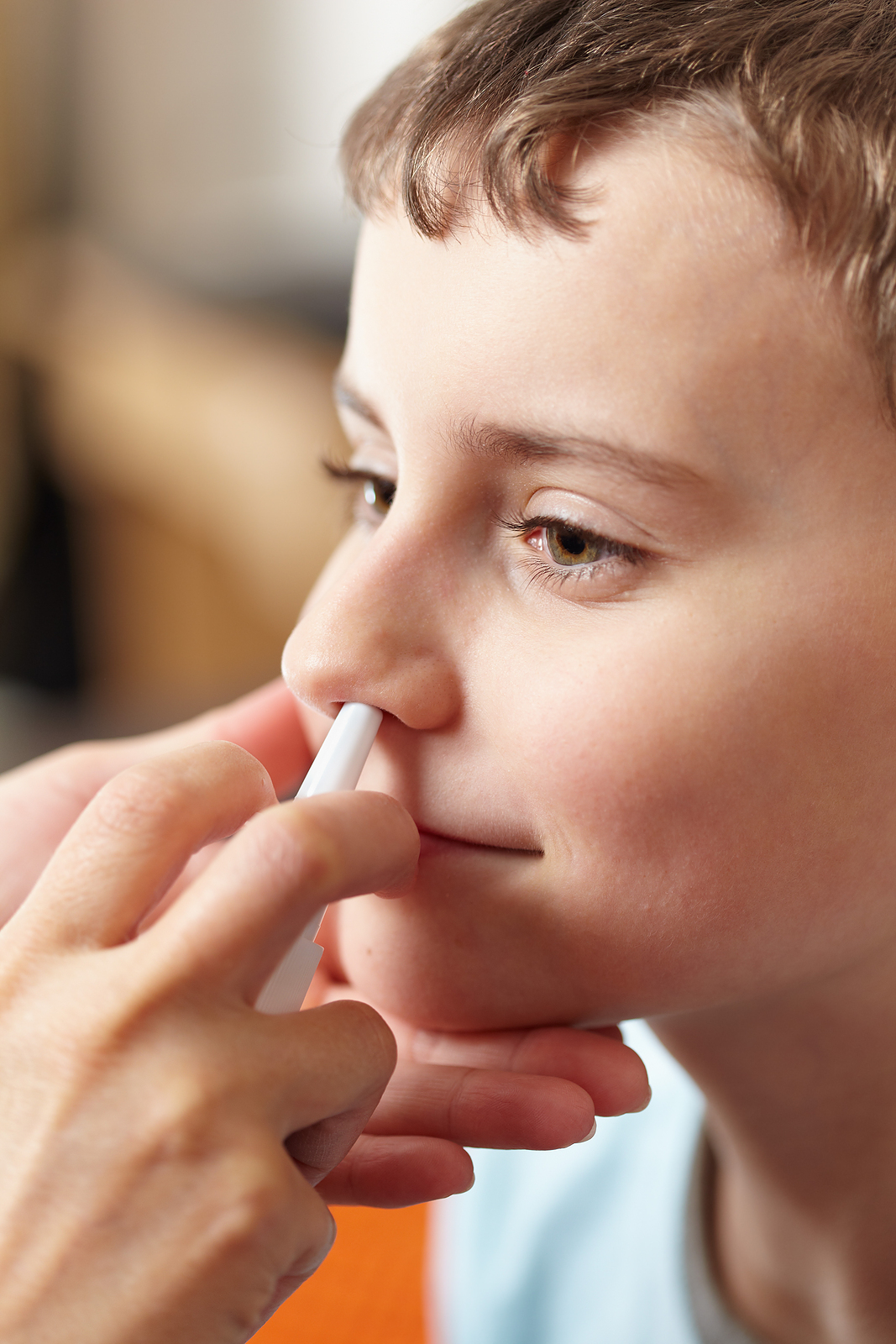
The FDA recently approved a nasal spray to treat migraines in children. Please see the entire press release for more information.

Impax Specialty Pharma, a division of Impax Laboratories, Inc. (NASDAQ: IPXL), announced today that the U.S. Food and Drug Administration (FDA) has approved ZOMIG Nasal Spray for use in pediatric patients 12 years of age and older for the acute treatment of migraine with or without aura.
ZOMIG Nasal Spray is the first nasal-delivered prescription medicine approved for the treatment of acute migraine attacks in pediatric patients. Nasal sprays may offer an alternative method of administration when patients experience migraine-associated nausea, have difficulty taking oral formulations, or do not have liquids available.
ZOMIG Nasal Spray's approval came after the FDA's review of safety and efficacy data from pivotal clinical trials demonstrating that ZOMIG Nasal Spray 5 mg is significantly more effective than placebo in providing no headache pain, relief of headache, and other associated symptoms of migraine when treating migraine in pediatric patients. In clinical trials, the medication also had a safety profile similar to that demonstrated in adults. For full safety and efficacy information, please see the prescribing information.
The American Migraine Prevalence and Prevention (AMPP) Study estimated the 1-year prevalence of migraine among US children ages 12 to 19 at 6.3%, with prevalence among boys at 5.0% and among girls 7.7%.2 "Until now, there have been few medications to treat pediatric patients with painful, debilitating attacks of migraine," said Dr. Alan M. Rapoport, Past President of the International Headache Society and Clinical Professor of Neurology at the David Geffen School of Medicine. "We are pleased that ZOMIG Nasal Spray has been approved by the FDA for use in patients ages 12 to 17."
"Treatment options have been limited for pediatric patients and we are pleased with FDA's decision and look forward to bringing migraine relief to pediatric patients by making ZOMIG Nasal Spray available to this 'school age' patient population," said Fred Wilkinson, President and Chief Executive Officer of Impax Laboratories. "This expanded indication exemplifies our strategy to broaden the reach of our current product portfolio to address unmet needs in underserved therapeutic areas, thereby adding value for patients and shareholders alike."
The recommended starting dose for ZOMIG Nasal Sprays in pediatric patients 12 years of age and older is 2.5 mg. As the individual response to ZOMIG Nasal Spray may vary, the dose should be adjusted on an individual basis. The maximum recommended single dose of ZOMIG is 5 mg. The maximum daily dose should not exceed 10 mg in any 24 hour period.
About ZOMIG Nasal Spray
ZOMIG Nasal Spray was first approved by the U.S. Food and Drug Administration (FDA) in September 2003for the acute treatment of migraine attacks, with or without aura, in adults. In clinical trials, ZOMIG Nasal Spray provided relief in as soon as 15 minutes for some patients and the maximum effect was reached within 2–4 hours for most adult patients. At 2 hours, 69% of patients taking the 5mg dose had headache response (taking the patient from moderate to severe pain to mild or no pain) and 36% were pain free.1
Read more here

Monday, June 01, 2015

Migraines linked to carpal tunnel syndrome

An association was found showing that those who suffer from carpal tunnel syndrome more prevalently have migraine headaches.

Plastic surgeons at UT Southwestern Medical Center have demonstrated for the first time an association between migraines and carpal tunnel syndrome, with migraines more than twice as prevalent in those with carpal tunnel syndrome as those without, according to the study.
Researchers found that 34 percent of patients with carpal tunnel syndrome also reported migraines, compared to 16 percent of patients reporting migraines without carpal tunnel syndrome. Researchers also found the reverse: 8 percent of patients with migraines reported having carpal tunnel syndrome, compared to 3 percent of those with migraines but no carpal tunnel syndrome.
"Because carpal tunnel syndrome and migraine headache are so common, this association is relevant to the large number of people who suffer from these conditions. The association of these two distinct disease processes is a fascinating connection that needs to be explored further," said Dr. Douglas Sammer, Associate Professor of Plastic Surgery and Orthopaedic Surgery, and Chief of the Hand and Upper Extremities Division in Plastic Surgery. "Although we have theories, at this time we simply don't know why people with carpal tunnel syndrome are more likely to have migraines, and vice versa. A deeper understanding of how and why this connection exists may lead to earlier diagnosis or even the ability to implement preventive measures."
The findings suggest it may be worthwhile for physicians to perform peripheral nerve compression exams in the head and neck on patients with migraines, the researchers concluded.
Further studies are needed to determine whether migraines may be an early indicator for future nerve compression problems such as carpal tunnel syndrome, the researchers said, as well as whether there is a hereditary component to the diseases. Because migraines are more common in younger patients, and carpal tunnel syndrome is more prevalent in older patients, it could be that migraines sensitize the central nervous system to develop pain signals from later nerve compressions, according to the study.
Read more here

Friday, April 17, 2015

How do I get relief from a migraine?

This article talks about the difference between headaches and migraines and how to get relief from them.

Everyone gets a headache now and then, but migraine headaches are characterized by recurring attacks of moderate to severe headache pain. Often called migraines, these headaches are a common neurologic condition that can negatively affect an individual’s quality of life.
If you suffer from migraines, you are not alone. According to the National Headache Foundation and the American Migraine Study, more than 37 million individuals in the United States are affected by migraines, making them the second-most common type of headache. Migraines are most common among individuals ages 25 to 50, and migraines are three times more common in females than in males.
Migraines typically start in childhood and may get better or worse as an affected individual ages. Research from the National Headache Foundation suggests that migraines tend to run in some families and that 70 to 80 percent of migraine sufferers have a family history of migraines.
Signs and Symptoms
Migraines may last four to 72 hours and can disrupt your life. Some individuals who get migraines experience warning symptoms, known as an aura, before the onset of the migraine. An aura involves a group of symptoms including vision changes. The most common symptom associated with migraines is a throbbing pain on one side of the head.
The signs and symptoms vary among individuals and may include:
  • Nausea
  • Vomiting
  • Blurred vision and/or a temporary blind spot
  • A zigzagging or flashing light
  • Sensitivity to light, smell and sound
  • Dizziness
  • Fatigue
  • Difficulty concentrating
Cause and Common Triggers
While the exact cause of migraines is not known, genetics and environmental factors have been identified as possible causes. Several triggers include:
  • Stress
  • Fatigue
  • Anxiety
  • Caffeine withdrawal
  • Changes in weather, altitude and/or air pressure
  • Hormonal changes, like those that occur during a menstrual cycle or pregnancy
  • Environmental factors, such as noise, bright lights or certain odors
  • Consumption of vasoactive substances in certain foods, such as nitrates, tyramine (i.e. in aged cheese) red wine and monosodium glutamate
  • Alcohol consumption
  • Use of certain pharmacologic agents, such as nitrates, oral contraceptives, nifedipine and postmenopausal hormones
  • Changes in sleep or eating patterns
  • Smoking
Diagnosis
There is no single test for diagnosing migraines. If you suspect you are having a migraine, your doctor will review your medical history and symptoms as well as conduct complete physical and neurologic exams. Other medical tests, such as computed tomography or magnetic resonance imaging, may be ordered to rule out other medical conditions.
Treatment
The medications used for managing migraines are typically classified as preventive or pain-relieving medications. Treatment is determined by the frequency and severity of your migraines, the cause of your migraines, your other medical conditions, and your allergy history. Your pharmacist will explain how to take your medication. Some medications are taken daily, while others are taken at the onset of a migraine. In addition, several OTC products are marketed for the treatment of mild to moderate migraines. These products contain analgesics such as acetaminophen, ibuprofen and aspirin, as well as caffeine.
It is important to note that self-treatment of migraines is only recommended after a diagnosis has been confirmed. To prevent drug interactions, contraindications or adverse reactions, it is important to discuss the use of these products with your doctor or pharmacist beforehand.
Some patients with migraines may find relief by using alternative remedies such asbiofeedback, acupuncture, relaxation techniques and nutritional supplements.
Management and Prevention
The best way to prevent migraines is to take your medication at the first sign of a migraine or before being exposed to a known trigger. Keeping a headache diary may help you identify possible triggers. Lifestyle modifications may reduce the frequency and severity of migraines; modifications include avoiding known triggers, exercising regularly, taking medication as directed and not skipping meals.
You can ease the pain and discomfort associated with migraines by:
• Getting sufficient sleep

• Keeping a headache diary to determine your headache triggers

• Resting and relaxing when possible, and reducing stress
Conclusion
Migraine pain can be unbearable, so it is important for you to take your medication as directed and to seek immediate medical care if you do not obtain relief or if your migraine worsens. If you are taking any other medications, have other medical conditions, or are pregnant or breast-feeding, you should never take any medication until you have consulted your primary health care provider.
Read more here

Saturday, February 28, 2015

Migraines in children

This article discusses how migraines manifest themselves in children.

Migraines aren't just a problem for adults -- about 6 percent of children and more than one-quarter of teens aged 15 to 17 have migraines, according to the American Migraine Foundation (AMF).
"There are many things that can be done if your child suffers from migraine, or if you suspect that he or she does," foundation chair Dr. David Dodick, a professor of medicine at the Mayo Clinic College of Medicine in Scottsdale, Ariz., said in an AMF news release.
If you suspect your child has migraines, take him or her to a doctor to be assessed and receive treatment if necessary. Options include treatment to stop the pain and prevent a migraine from getting worse, along with measures to prevent or reduce the frequency, severity and duration of migraines.
If your child is prescribed a migraine medication, it's important for you to make sure he or she takes the medicine as directed. Inform your doctor if there are changes in your child's migraines, such as becoming more frequent or severe. A new treatment approach may be required, according to the headache experts.
A number of factors may contribute to your child's migraines, such as too little or too much sleep or stress. Parents need to help their children follow healthy lifestyles and cope with stress. Recent research in stress management suggests that a type of counseling called cognitive behavioral therapy can benefit children with chronic headache, according to the AMF.
Other potentially helpful stress-control techniques include relaxation therapy and biofeedback.
Keeping a migraine diary can help youngsters understand why they get migraines and how to prevent them. The diary tracks migraines, the severity, how long they last, what patients were doing before and during the migraine, and what foods they ate.
Mobile phone apps may be an ideal way for children and teens to tracks their migraines and to take their medications as prescribed, the experts suggested.
Read more here

Tuesday, January 20, 2015

Plans for a national migraine registry

There are plans for a national migraine registry headed by the American Migraine Foundation.

The American Migraine Foundation has announced their proposal for the nation's first Migraine Patient Registry and Biorepository.
The database will house information on patients with migraine; samples of saliva, blood, and other genetic materials and biological fluids; and brain images, all of which can be used for migraine research.  
"The goal of the American Migraine Foundation is to develop a multicenter patient registry and biorepository that will transform migraine research and lead to substantial treatment breakthroughs," said David W. Dodick, MD, Foundation chair and professor, medicine, Mayo Clinic College of Medicine, Rochester, Minnesota, in a press release.
"We hope to be able to assemble a treasure trove of data that researchers can access to find powerful clues to migraine causes and treatments," he adds. "The data collected in the registry will also help treatment providers tailor existing therapies to specific types of migraine."
The American Migraine Foundation is a nonprofit foundation supported by the American Headache Society and donors. Its mission is to support innovative research that will lead to improvement in the lives of patients with migraine and other disabling headaches.
Treasure Trove
While statewide and nationwide patient databases exist for most neurologic diseases, including epilepsy, Parkinson's disease, amyotrophic lateral sclerosis, and Huntington's disease, this is the first for migraine.
Biorepositories for other neurologic disorders have been highly successful, the press release notes. For example, the Alzheimer's Disease Neuroimaging Initiative in 2004 has been used by almost 2500 researchers and resulted in the publication of more than 350 scientific papers. This database has led to the development of approaches for early detection and the creation of standardized methods for clinical tests, collaboration among researchers worldwide, and major discoveries in the genetics of the disease.
"Although progress has been made in understanding the characteristics of many primary headache disorders, large-scale, long-term studies are needed to better explain disease processes, genetic factors and indicators of the progression of disease," said Dr Dodick. "A combination patient registry and biorepository will make these studies possible."
Creation of this research resource is a major goal of the Foundation's 36 Million Migraine Campaign. According to the Foundation website, the purpose of this campaign is to put migraine front and center among national health priorities and to raise as much as $36 million to support medical research — one dollar for every American who struggles with migraine.
The 36 million Americans living with migraine exceed the number with asthma and diabetes combined.  An estimated 3 to 7 million Americans live with chronic migraine, which is especially disabling.
Migraine can be extremely costly, accounting for more than $20 billion annually in direct costs, such as doctor visits and medications, and indirect costs, including missed work and lost productivity, in the United States.
Read more here

Thursday, January 08, 2015

Study: No link between migraines and breast cancer risk

A study found no association between migraine headaches and breast cancer risk in women.

A large, new study should reassure the millions of American women who have migraine: The debilitating headaches don't raise the risk for breast cancer.
"There is no association between migraine and breast cancer risk," said lead researcher Rulla Tamimi, an associate professor of medicine at Harvard Medical School. "There is no positive association, so there is no reason for concern, and there is no protective effect either."
About 18 percent of American women and 6 percent of men suffer from migraine, according to the Migraine Research Foundation. Migraine is a syndrome involving severe headaches that are often accompanied by visual disturbances, nausea, vomiting and sensitivity to sound and light. Attacks can last from four to 72 hours.
The idea that migraine and breast cancer might be connected arose because both involve sex hormone levels, Tamimi explained.
"We don't really understand the cause of migraines, but there has been a suggestion that they may be triggered by hormone levels," she said. "We know that hormone levels are also associated with breast cancer, so perhaps there could be a link between migraine and breast cancer."
But the report -- based on more than 100,000 women -- observed no association between migraine and breast cancer or migraine and female sex hormones, Tamimi said. The findings were published Dec. 12 in the Journal of the National Cancer Institute.
The research data, which included analysis of four other studies, hinted that migraine might even lower the risk for breast cancer, but that appeared to be a result of study design and not necessarily a real link, the researchers said.
Dr. Mark Green, a professor of neurology at Mount Sinai Hospital in New York City, said that the idea that migraines might be protective against breast cancer is intriguing.
"There is a suggestion that migraine is linked to a lower incidence of breast cancer. However, the numbers were small, and it's not appropriate to suggest that yet, but it's an interesting idea," said Green, who was not involved with the study.
Dr. Stephanie Bernik, chief of surgical oncology at Lenox Hill Hospital in New York City, discussed the study's significance: "In the ongoing quest to find out what contributes to the causes of cancer, sometimes a negative association can also shed light on the subject," she said. "This study will give relief to many migraine sufferers, and give them one less thing to worry about."
The study relied on data on over 115,000 women who took part in the Nurses' Health Study II, about 18,000 of whom suffered from migraine. Over 20 years of follow-up, no association with breast cancer was observed.
Tamimi's team also looked at the levels of sex hormones of about 2,000 premenopausal women and found no link between hormone levels and migraines.
Read more here

Friday, November 21, 2014

Nasal spray to treat migraines

This article explains a nasal spray being developed to treat migraines.

Scientists from Nevada's Roseman University of Health Sciences presented their work on a nasal spray formulation of the antipsychotic prochlorperazine for the treatment of migraines at the American Association of Pharmaceutical Scientists annual meeting in San Diego.

"Prochlorperazine is a dopamine receptor antagonist that is widely used as an anti-nausea medication," said Venkata Yellepeddi, assistant professor of pharmaceutical sciences at Roseman University, in a statement. "Comparative clinical studies have shown that prochlorperazine provides better pain relief than other anti-migraine drugs such as sumatriptan, metoclopramide and ketorolac. Currently, there are no marketed nasal spray formulations of prochlorperazine available for the treatment of migraine. Prochlorperazine is only available in tablet form, which has delayed onset of action."

According to the FDA and the National Institutes of Health's medicine library, the generic drug prochlorperazine maleate is available in tablet form from Sandoz, the generics unit of Novartis, and Teva for the treatment of severe nausea and vomiting, schizophrenia and the short-term treatment of generalized nonpsychotic anxiety.

The Roseman University team hypothesizes that the reformulation will be effective, fast-acting and improve patient adherence, according to the release. It also avoids side effects associated with the use of preservatives.

Using high-performance liquid chromatography and microbiological assays, Yellepeddi showed that the nasal spray remained stable for up to 120 days, according to the release. Next, he will test the safety, efficacy and pharmacokinetics of the spray in rats. His research is being funded by a grant from the International Academy of Compounding Pharmacists Foundation.

While Yellepeddi's research is still in the early stages, in June, Avanir Pharmaceuticals touted positive results from a Phase III trial of its AVP-825 sumatriptan intranasal powder for migraines as compared with an oral formulation of the same treatment.
- read the release

Read more here

Sunday, November 09, 2014

Migraines in children from toddlers to teens

This article discusses migraine headaches and how they present in children from toddlers to teenagers.

A toddler is having bouts of projectile vomiting, quite frequently but not every day. Fearing something is "terribly wrong" with her daughter's digestive system, her mother takes her to the doctor. Within 20 minutes, the pediatrician has traced the girl's symptoms to motion sickness – she gets sick every time she rides in the car, or shortly after. Although she's never had a headache, by age 3 the girl is diagnosed with the neurological disorder called migraine.
What Is Migraine?
A simple definition is a “recurrent, episodic headache, or head pain, that typically lasts between two and 72 hours untreated,” says Andrew Hershey, chair and a professor of neurology at Cincinnati Children's Hospital Medical Center​​​​. For some people,​ migraine comes with nausea or vomiting, while others experience light and sound sensitivity. Headaches are usually throbbing and partial​​ (involving one side of the head) and moderately or severely intense.​ Migraine has a strong genetic component.
Hershey, director of the CCHMC Headache Center, says while most migraine episodes come and go, they can evolve into chronic migraine: “About a third of our patients get to the point that the headache just never leaves them.”
At least 10 percent of kids have migraine, Hershey says.​ While the rate is about 4 percent in preschoolers, by late teens it affects up to 15 percent of boys and 20 to 25 percent of girls. The youngest patient Hershey ever treated started at 10 months old.
What Triggers Migraine​?
“Migraine is more than a headache. It’s a generalized disturbance of function that involves brain and body,” says Joel Saper,​ a neurologist and director of the Michigan Head Pain and Neurological Institute in Ann Arbor.
Although many people believe stress "causes" migraine, researchers are still working to determine the complex causes for the condition. What's known is that children have a variety of migraine triggers that can set off an episode, including food sensitivities, fatigue, bright lights, loud noises and sleep changes.​
In younger kids, non-headache signs or “migraine equivalents” can include stomach pain, episodes of dizziness, vertigo (spinning), visual disturbances and sudden mood changes, Saper says. Motion sickness is migraine equivalent, he notes, and it’s been recently established that colic in babies is a forerunner to migraine.
Before starting any kind of treatment, it’s crucial to pin down the diagnosis. Some 300 other medical conditions cause headache in kids, Saper says. Emotional causes also have to be ruled out – like school avoidance in a kid who’s anxious or being bullied.
For parents, Saper says it’s key to find a knowledgeable health care provider, whether it’s a specialist, family practice doctor, nurse practitioner or physician assistant.
Life With Migraine for Kids
Two decades ago, Cathy Glaser ​was concerned about her 3-year-old daughter Samantha, who was having cyclical bouts of vomiting and upset stomach. Through careful questioning, the pediatrician traced the episodes to motion sickness.
Glaser knows a lot about migraine. “We like to say my daughter was doomed since both parents have migraine. It runs through both of our families,” says Glaser, who eventually started the Migraine Research Foundation in New York.
Although Samantha was stoic, Glaser could always tell when she had a migraine coming on. “I could look into my daughter’s eyes and see she was getting a headache,” she says. “I could look at her face – she was ashen. All of a sudden those sparkly child’s eyes were absolutely dead. And her whole affect changed.”
Migraine invaded every aspect of Samantha’s childhood, and she visited the emergency room several times a year. It hijacked family trips. On their way to a family reunion at Hersheypark in Pennsylvania, they were forced to pull off the New Jersey Turnpike, because Samantha was green with motion sickness.
School presents many challenges for kids with migraine. Glaser says that as a parent, you need to be your child’s advocate. And you have to be proactive.
“I used to go to school every year at the beginning, or before, with a doctor’s note about migraine and my own daughter’s treatment explain when she raises her hand and says, ‘I need to take my medication now,’ they need to let her go,” she recalls.
Samantha “didn’t want to miss her life,” Glaser says. Even as an 8-year-old, she would say “Mom, I can be alone and feeling horrible, or I can be at school with my friends feeling horrible. I choose school.”
Every summer Samantha's parents sent her off to sleep-away camps, ​and every time they got calls in the middle of the night to come get her – the camp couldn’t handle it. “This is the life of a child who has regular headaches who insists on living the life of a kid,” Glaser says.
Sameness Helps
Boys and girls get headaches equally until age 12 or 13 – but when girls start their periods, the picture changes. Migraine is an “estrogen-vulnerable” disorder, Saper explains. Hormone cycling in girls and later women – from menstruation, oral contraceptives and menopause – can make migraines worse. Boys are more likely to grow out of migraines than girls.
As she entered her teens, Samantha developed menstrual migraine. (She also gets weather headaches, when there’s a change in barometric pressure or a storm’s coming on.)
With migraine, “Sameness helps,” Saper says. Sleep is a big issue, and regular bedtimes and waking times are important. If kids have trouble sleeping, he says melatonin “is a particularly good medicine” to help.
Some children with migraine are food sensitive. “What they eat may make a difference, whether it be the gluten, cheese or dairy products – there’s a long list,” Saper says. Kids shouldn’t miss meals or skip breakfast.
Dehydration can also trigger migraines, and healthy habits include drinking plenty of water or other non-caffeine drinks. Exercise also helps, and so do relaxation and stress-management techniques
Not Your Parents’ Headache
For migraine that goes beyond a headache or two a month, research suggests the best approach combines medication and cognitive behavioral therapy. The two main drug categories are medications for treatment and for prevention.
NSAIDs such as Aleve and Ibuprofen are used to break acute headaches in kids, Hersey says ­– aspirin should be avoided because of the risk of liver problems. And parents and patients should be alert to overuse. For prevention, the drugs amitriptyline and topiramate are most commonly prescribed.
At Cincinnati Children’s Headache Center, after kids undergo a neurological and headache exam, the team comes up with a multipronged treatment plan, including medication choices and learning healthy habits. Kids with chronic headaches return for cognitive behavioral therapy, which takes about six weeks to absorb.
Part of the goal is getting kids to accept that they have a chronic illness and teaching them to manage their own care, Hershey says: “We often say to the kids, ‘It’s your headache – it’s not your mom and dad’s.”
Scott Powers, a pediatric psychologist at the center, is working with his team to fine-tune a migraine app that kids can use to track their episodes and symptoms electronically. The app also allows researchers to better connect the dots between triggers and headache timing.
College and Migraines
With the importance of regular sleep, healthy eating habits and keeping stress on an even keel – what could possibly go wrong when kids with migraine leave for college?
But when the time came, Samantha insisted on going away to a big school, Glaser says. After much discussion they agreed that Samantha would go to a school within driving distance, near a hospital and with a well-staffed campus health center.
“Her view about college was ‘I want to stop being 'Migraine Girl,'" Glaser recalls her daughter saying. “’I want to stop being defined by my disease.’” 
Read more here

Link found between migraines and seizures

This article explains a link found in the brain between migraine headaches and seizures.

Seizures and migraines have always been considered separate physiological events in the brain, but now a team of engineers and neuroscientists looking at the brain from a physics viewpoint discovered a link between these and related phenomena.

Scientists believed these two brain events were separate phenomena because they outwardly affect people very differently. Seizures are marked by electrical hyperactivity, but migraine auras -- based on an underlying process called spreading depression -- are marked by a silencing of electrical activity in part of the brain. Also, seizures spread rapidly, while migraines propagate slowly.

"We wanted to make a more realistic model of what underlies migraines, which we were working on controlling," said Steven J. Schiff, Brush Chair Professor of Engineering and director of the Penn State Center for Neural Engineering. "We realized that no one had ever kept proper track of the neuronal energy being used and all of the ions, the charged atoms, going into and out of brain cells."

Potassium and sodium contribute the ions that control electricity in the brain. The Penn State researchers added fundamental physics principles of conservation of energy, charge and mass to an older theory of this electricity. They kept track of the energy required to run a nerve cell, and kept count of the ions passing into and out of the cells.

The brain needs a constant supply of oxygen to keep everything running because it has to keep pumping the ions back across cell membranes after each electrical spike. The energy supply is directly linked to oxygen concentrations around the cell and the energy required to restore the ions to their proper places is much greater after seizures or migraines.

"We know that some people get both seizures and migraines," said Schiff. "Certainly, the same brain cells produce these different events and we now have increasing numbers of examples of where single gene mutations can produce the presence of both seizure and migraines in the same patients and families. So, in retrospect, the link was obvious -- but we did not understand it."

The researchers, who also included Yina Wei, recent Penn State Ph.D. in engineering science and mechanics, currently a postdoctoral fellow at University of California-Riverside, and Ghanim Ullah, former Penn State postdoctoral fellow, now a professor of physics at University of South Florida, explored extending older models of brain cell activity with basic conservation principles. They were motivated by previous Penn State experiments that showed the very sensitive link between oxygen concentration with reliable and rapid changes in nerve cell behavior.

What they found was completely unexpected. Adding basic conservation principles to the older models immediately demonstrated that spikes, seizures and spreading depression were all part of a spectrum of nerve cell behavior. It appeared that decades of observations of different phenomena in the brain could share a common underlying link.

"We have found within a single model of the biophysics of neuronal membranes that we can account for a broad range of experimental observations, from spikes to seizures and spreading depression," the researchers report in a recent issue of the Journal of Neuroscience. "We are particularly struck by the apparent unification possible between the dynamics of seizures and spreading depression."

While the initial intent was to better model the biophysics of the brain, the connection and unification of seizures and spreading depression was an emergent property of that model, according to Schiff.

"No one, neither us nor our colleagues anticipated such a finding or we would have done this years ago," said Schiff. "But we immediately recognized what the results were showing and we worked intensively to test the integrity of this result in many ways and we found out how robust it was. Although the mathematics are complex, the linking of these phenomena seems rock solid."

The ability to better understand the difference between normal and pathological activity within the brain may lead to the ability to predict when a seizure might occur.

"We are not only interested in controlling seizures or migraines after they begin, but we are keen to seek ways to stabilize the brain in normal operating regimes and prevent such phenomena from occurring in the first place," said Schiff. "This type of unification framework demonstrates that we can now begin to have a much more fundamental understanding of how normal and pathological brain activities relate to each other. We and our colleagues have a lot on our plate to start exploring over the coming years as we build on this finding."

The National Institutes of Health and the Mathematical Biosciences Institute of the National Science Foundation supported this work.

Read more here