Showing posts with label cell phone. Show all posts

Wednesday, January 27, 2016

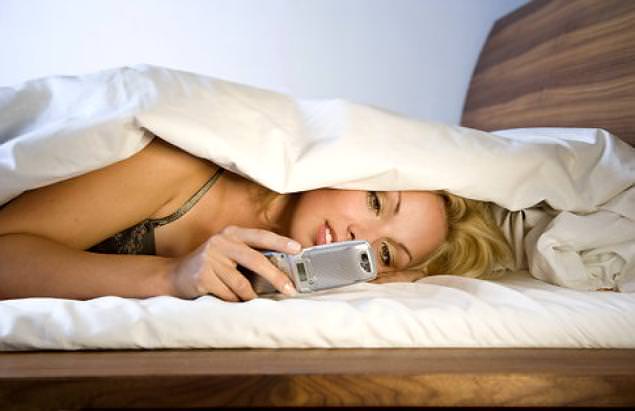
Study: Texting negatively affects teen's sleep and academic performance

A study shows that teenagers who text at night hurts their sleep and academic performance.

Can't stop texting? If you're a teenager, it may be to blame for falling grades and increased yawning in school, according to a new Rutgers study.
The study, published in the Journal of Child Neurology, is the first of its kind to link nighttime instant messaging habits of American teenagers to sleep health and school performance.
"We need to be aware that teenagers are using electronic devices excessively and have a unique physiology," says study author Xue Ming, professor of neuroscience and neurology at Rutgers New Jersey Medical School. "They tend to go to sleep late and get up late. When we go against that natural rhythm, students become less efficient."
The American Academy of Pediatrics reports that media use among children of all ages is increasing exponentially; studies have found that children ages 8 to 18 use electronic devices approximately seven-and-a-half hours daily.
Ming's research is part of a small but growing body of evidence on the negative effects of electronics on sleep and school performance. But few studies, Ming says, have focused specifically on instant messaging.
"During the last few years I have noticed an increased use of smartphones by my patients with sleep problems," Ming says. "I wanted to isolate how messaging alone - especially after the lights are out - contributes to sleep-related problems and academic performance."
To conduct her study, Ming distributed surveys to three New Jersey high schools - a suburban and an urban public school and a private school - and evaluated the 1,537 responses contrasting grades, sexes, messaging duration and whether the texting occurred before or after lights out.
She found that students who turned off their devices or who messaged for less than 30 minutes after lights out performed significantly better in school than those who messaged for more than 30 minutes after lights out.
Students who texted longer in the dark also slept fewer hours and were sleepier during the day than those who stopped messaging when they went to bed. Texting before lights out did not affect academic performance, the study found.
Although females reported more messaging overall and more daytime sleepiness, they had better academic performance than males. "I attribute this to the fact that the girls texted primarily before turning off the light," Ming says.
The effects of "blue light" emitted from smartphones and tablets are intensified when viewed in a dark room, Ming says. This short wavelength light can have a strong impact on daytime sleepiness symptoms since it can delay melatonin release, making it more difficult to fall asleep - even when seen through closed eyelids.
"When we turn the lights off, it should be to make a gradual transition from wakefulness to sleep," Ming says. "If a person keeps getting text messages with alerts and light emission, that also can disrupt his circadian rhythm. Rapid Eye Movement sleep is the period during sleep most important to learning, memory consolidation and social adjustment in adolescents. When falling asleep is delayed but rising time is not, REM sleep will be cut short, which can affect learning and memory."
Ming notes some benefits to early-evening media use, such as facilitating collaboration for school projects, providing resources for tutoring, increasing school readiness and possibly offering emotional support systems.
She suggests that educators recognize the sleep needs of teenagers and incorporate sleep education in their curriculum. "Sleep is not a luxury; it's a biological necessity. Adolescents are not receiving the optimal amount of sleep; they should be getting 8-and-a-half hours a night," says Ming. "Sleep deprivation is a strong argument in favor of later start times for high schools - like 9 a.m."
Read more here

Wednesday, November 04, 2015

Health consequences of texting in bed

A study indicates that texting in bed can lead to losing sleep in addition to poor school performance in teens.

Many American teens text in bed, leading to lost sleep, daytime drowsiness and poorer school performance, a new study says.
Researchers from New Jersey looked at nearly 3,200 middle and high school students in the state. They found that nearly 62 percent of the kids used their smartphones in some capacity after bedtime; nearly 57 percent texted, tweeted or messaged in bed; and nearly 21 percent awoke to texts.
"Our study confirms that many teenagers are texting late at night when they should be sleeping. This behavior is more common among older teenagers, especially those in high school, and among girls," said study co-author Vincent DeBari. He is director of research at the Seton Hall University School of Health and Medical Sciences, in South Orange.
"One of the most worrisome aspects of our findings is that in addition to affecting the quality and amount of sleep teenagers are getting, bedtime smartphone use seems to be having a negative impact on their level of alertness during the day and on their grades in school," DeBari said in a university news release.
His study co-author, Dr. Peter Polos, added that teens whose sleep is disrupted by incoming texts may feel compelled to respond to those texts immediately. These exchanges can go on for hours.
"This leads to excessive stimulation at night. Light from electronic devices can suppress the secretion of melatonin, a hormone that promotes sleep. All of these factors combine to make sleep difficult in the face of excessive smartphone use at night," said Polos, a member of the sleep medicine division of the JFK Neuroscience Institute in Edison, N.J.
The researchers also found that smartphone use just before or after bedtime may worsen teens' tendency to go to bed much later and sleep until late morning. This behavior has been linked with depression, anxiety and attention-deficit hyperactivity disorder, the study authors said.
"Repeatedly, studies have shown that today's adolescent students are seriously sleep-deprived, and that it affects their health, their mood and their safety behind the wheel. Our study shows that the unrestricted use of smartphones at night may be a major contributing factor," Dr. Sushanth Bhat, an assistant professor of neuroscience at Seton Hall, said in the news release.
"Since getting the proper amount of sleep is very important for brain development and learning in the teenage years, our study should prompt parents and guardians to consider placing reasonable limitations on adolescent smartphone usage at night," Bhat concluded.
The study findings appear in the October issue of the Journal of Adolescence.
Read more here

Monday, July 07, 2014

Cell phones cause sleep problems for people

This article discusses how checking your phone before bed can affect your sleep.


Checking your phone before bed and keeping it close by as you sleep is now believed to cause serious sleep problems, which could lead to poor health.
Wayne Conn, a sleep coordinator at Texoma Medical Center, said using your phone right before bed is unhealthy.
"It wakes the brain up. It gets you overstimulated and you're not going to be able to fall asleep," he said. "It's almost like a two year old that's really excited for a birthday party."
Conn said you should stop using your phone two hours before going to sleep. If you really need to make a phone call, use a land line phone.
He equated using your cell before bed to exercising. You don't exercise before sleep, so you shouldn't stimulate your brain, either.
And when falling asleep, another cell phone related problem could occur.
"Radio frequency with cell phones is thought to possibly sleep latency, which means when you got to sleep it might take you ten minutes as opposed to fifteen minutes to fall asleep," he said.
But the problem with cell phones and sleep doesn't stop there.
Even once you're asleep, it can still create a problem, even if you're unaware of it.
A phone that lights up during the night could cause a change in melatonin production.
"Any blue lights or yellow lights may cause some problems where you might not be able to go to sleep," he explained. "Any red lights are okay. You're going to have good production and sleep regularly."
The solution to the light problem is simple -- turn your phone over.
As for the radio frequency, however, Conn recommends placing your phone at least six feet away from you at night.
He challenged those people who sleep near their cell phones by saying, "Try it for two weeks. Put your phone six feet away. Turn it off, limit your usage before bed and throughout the night and see what happens."
The long term effect of the issue is sleep disruption, which can eventually cause high blood pressure, anxiety disorder and type 2 diabetes. 
Read more here

Friday, July 04, 2014

CDC's Heads Up app helps to spot symptoms of concussions in children

Summer concussions are from falls and accidents. I see many water sport induced brain injuries.

 If your child is not right, trust your instincts. Trust your child if they feel they are not right. See a physician! - JR

An app created by the CDC helps to spot symptoms of concussions in children.

Need a primer on how to spot the signs of a concussion for your child? The Centers For Disease Control and Prevention's Heads Up app will help you learn how to recognize the signs and symptoms, and what to do if you think a child has a concussion or other serious brain injury.

This is crucial information that you can find easily in the app to act quickly if needed. Children and teen athletes are more susceptible to concussion than older athletes, and they have an increased risk compared to adults for traumatic brain injury with greater severity and prolonged recovery due to their developing brains.

The app says that signs and symptoms generally appear soon after an injury, but the seriousness of the injury and some symptoms may not appear for hours or days. In rare cases of a hematoma (a collection of blood in the brain), you would need to take your child immediately to the emergency room. If a child does suffer from a concussion, there is information on recovery, such as when to return to school and sports.

This app can also help you pick the right helmet for your child's activity, including what to look for and what to avoid. For example, you can choose hockey to find out about the correct size and fit, tips for finding a good helmet, and how long it should last.

Besides sports, there are safety tips to prevent brain injuries at home, playground, cars, homes, and bikes.

Lastly, the CDC encourages to share information on concussions with others. In May, President Obama at the Healthy Kids and Safe Sports Concussion Summit called for the end of the culture in youth sports where kids are encouraged to “suck it up” after sustaining head injuries.

“We have to change a culture that says you suck it up,” said President. “Identifying a concussion and being able to self-diagnose that this is something that I need to take care of doesn’t make you weak - it means you’re strong.”
Read more here

Friday, May 09, 2014

An app to treat insomnia

A new phone app from the UK claims to treat insomnia more effectively than sleeping pills can.

We’ve all encountered apps capable of putting users to sleep, but that’s rarely their stated intention. Now one doctor has released a piece of software she claims will replace sleeping pills and help send insomniacs into a deep slumber.

Dr Kirstie Anderson, one of the UK’s foremost sleep experts, has made a career out of studying how humans nod off. Working with tech experts at Teeside University, Newcastle, she created an app called Sleepstation which she claimed is more effective than drugs.

She said: “I’m a neurologist that specializes in sleep disorders, there isn’t a great deal of us that work in sleep medicine. The most common sleep disorder is insomnia, which many of us will suffer from at some point in our lives.
“But the people who have chronic insomnia dread climbing the stairs and going to bed. It’s a life-altering condition that has a massive health and well-being impact.”
Her app uses Cognitive Behavioural Therapy (CBT) techniques to ensure a good night’s rest. Based on a recognized and effective treatment for insomnia, it shows users videos detailing the best ways to sleep and allows them to keep a diary .
“The CBT for insomnia program is a very good simple package with lots of research evidence for benefit,” Anderson continued. “It works at least as well as sleeping tablets, but without any of the side effects, and lasts for longer. Up to 80% of people who receive the treatment see improved sleep following the program.”
In clinical tests, more than 80 percent of insomniacs reported better sleep after using Sleepstation. Key to its success is the level of interactivity it offers. It is personalized for each user and changes its advice based on their sleep pattern. Insomniacs are first assessed by a doctor, before being supported remotely as they go through the CBT course, which is exactly the same one already offered by NHS staff.
If it’s money worries that are keeping you up at night, this app probably won’t help. At £59 ($100), it isn’t exactly the cheapest app on the market. But in the UK, the National Health Service are now prescribing it, meaning that insomniacs will be able to get it for free, or at a nominal cost.
“Between five to 10% of the population will have chronic insomnia at any stage and it affects other parts of a person’s wellbeing,” Anderson added. “If you’ve had a first bout of depression one of the most important risk factors for a second bout of depression is ongoing insomnia.
“The main treatment for insomnia at the moment is sleeping pills, with 10 million people taking then nationally. These pills come with a lot of side effects and little effect on chronic insomnia. Bearing this in mind SleepStation really could make a massive difference to potentially millions of people’s lives.”
SleepStation is not the first sleep app and is unlikely to be the last. Sleep As Android, for instance, and Sleep Cycle both monitor a snoozing person’s sleeping pattern and then wake them at the optimal point in the morning.SleepRate goes a step further by  shipping along with a heart rate monitor, which is strapped to an insomniac’s chest when they go to bed. A unique sleep plan is then drawn up based on the results. There are even apps which allows you to count sheep,  a distinctly old school method of getting your head down.
Nonetheless, Anderson’s link up with the NHS will give her app’s chances of success a clear boost, although it won’t help outside of the UK. With so many apps already on the market, Anderson had better make sure she’s not caught napping if she wants to beat the competition.
Read more here

Monday, February 24, 2014

Smartphones hurting our ability to sleep and work

An article from the Wall Street Journal discusses how smartphones make us tired which can both hurt our ability to sleep at night and to be productive during the day.

For a productive day at work tomorrow, give the smartphone a rest tonight.
Reading and sending work email on a smartphone late into the evening doesn’t just make it harder to get a decent night’s sleep. New research findings show it also exhausts workers by morning and leaves them disengaged by the next afternoon.
That means the way most knowledge workers do their jobs—monitoring their iPhones for notes from the boss long after the office day is done and responding to colleagues at all hours—ultimately makes them less effective, posit researchers from University of Florida, Michigan State University and University of Washington.
The scholars conducted two studies of workers’ nighttime technology habits, sleep duration and quality, energy and workplace engagement. In the first study, 82 mid- to high-level managers were asked every morning how many minutes they used their smartphone after 9:00 pm the night before and how many hours they slept. Then, they were asked to rate their agreement with statements like “I feel drained” and “Right now, it would take a lot of effort for me to concentrate on something.”
In the afternoon, they had to assess statements about work engagement, such as “Today while working, I forgot everything else around me.”
Prior studies have shown that staying focused and resisting distractions takes a lot of effort, so when smartphone use interferes with sleep, it takes a toll the next day.
“The benefit of smartphone use may…be offset by the inability of employees to fully recover from work activities while away from the office,” the researchers write.
After accounting for sleep quality, the researchers found that work-related smartphone use in the evening was associated with fewer hours of sleep. The subjects who recorded shorter nights also reported depleted reserves of self-control, and those who felt morning exhaustion also indicated they were less engaged during the day, a domino effect that shows how an unending workday ultimately leads to poorer work.
The second study, which involved 161 workers, measured how late-night tech use—on smartphones, laptops, tablets and TV—can disrupt sleep and next-day work engagement.
In her book, “Sleeping With Your Smartphone,” Harvard Business School professor Leslie Perlow studied executives at Boston Consulting Group who were given a chance to disconnect on a regular basis. The executives became more excited about their work, felt more satisfied about their professional and personal lives and even became more collaborative and efficient.
Using any kind of electronic device affects sleep quantity and focus the following day, but smartphones are especially draining. That’s partly because the always-on, always-handy phone the first device we turn to, says Christopher M. Barnes, an assistant professor of management at University of Washington’s Michael G. Foster School of Business and a co-author of the paper. Having a screen so close to our faces probably doesn’t help us prepare for sleep, he adds.
The researchers don’t yet know if there’s a particular threshold at which smartphone use begins to affect sleep habits, but even 30 minutes before bedtime can take a toll, Barnes says.
The fix, researchers say, is to put down the phone and enjoy the evening. But that’s easier said than done, so long as managers send emails at 10:30 p.m. and expect responses by 10:31 pm. Barnes says real change will have to come from the top, with managers setting an example by not sending those messages in the first place, or at least toning down expectations on response time.
Read more here

Thursday, February 13, 2014

Blue light can fight fatigue during the day

A study shows that blue light from phones and computers can alleviate fatigue throughout the day.

Researchers from Brigham and Women's Hospital (BWH) have found that exposure to short wavelength, or blue light, during the biological day directly and immediately improves alertness and performance. These findings are published in the February issue ofSleep.
"Our previous research has shown that blue light is able to improve alertness during the night, but our new data demonstrates that these effects also extend to daytime light exposure," said Shadab Rahman, PhD, a researcher in BWH's Division of Sleep Medicine and lead author of this study. "These findings demonstrate that prolonged blue light exposure during the day has an an alerting effect."
In order to determine which wavelengths of light were most effective in warding off fatigue, the BWH researchers teamed with George Brainard, PhD, a professor of neurology at Thomas Jefferson University, who developed the specialized light equipment used in the study. Researchers compared the effects of blue light with exposure to an equal amount of green light on alertness and performance in 16 study participants for 6.5 hours over a day. Participants then rated how sleepy they felt, had their reaction times measured and wore electrodes to assess changes in brain activity patterns during the light exposure.
The researchers found that participants exposed to blue light consistently rated themselves as less sleepy, had quicker reaction times and fewer lapses of attention during the performance tests compared to those who were exposed to green light. They also showed changes in brain activity patterns that indicated a more alert state.
"These results contribute to our understanding of how light impacts the brain and open up a new range of possibilities for using light to improve human alertness, productivity and safety," explained Steven Lockley, PhD, neuroscientist at BWH and senior investigator of the study. "While helping to improve alertness in night workers has obvious safety benefits, day shift workers may also benefit from better quality lighting that would not only help them see better but also make them more alert."
Researchers note that the next big challenge is to figure out how to deliver better lighting. While natural light is ideal, many people do not have access to daylight in their schools, homes or work places. In addition to improvements in daylight access, the advent of new, more controllable lighting technologies may help enable researchers to develop 'smart' lighting systems designed to maximize the beneficial effects of light for human health, productivity and safety.
Read more here

Friday, November 22, 2013

Why technology doesn't belong in a child's bedroom

This article discusses why technology in a child's bedroom is detrimental to their sleep quality.

Technology such as computers and smartphones in children's bedrooms can cause anxiety and sleep loss, scientists at Canada's Dalhousie University report.

Having technology such as televisions, smartphones and game consoles in the bedroom teaches the brain to see the room as an entertainment experience rather than a place for quiet and rest, they said.

Playing violent video games in the bedroom conditions the brain to see it as a place of danger, leading it to stay in a state of alert rather than resting, they added.

"One of the biggest culprits for inadequate and disturbed sleep is technology," Dalhousie researcher Jennifer Vriend, the study's lead author, said.

"Many teenagers sleep with their phones and they are awakened regularly by it ringing or vibrating throughout the night when they get a text, email or Facebook message.

"Having televisions and game consoles in the bedroom is also a problem," she said. "It sets up the brain to see the room as an entertainment zone rather than a quiet, sleepy environment."

Losing just one hour's sleep can reduce a child's performance at school, the study published in the Journal of Pediatric Psychology found.

"Even modest differences in sleep duration, accumulated over a few days, can affect critical cognitive and emotional functions in children," the study authors wrote.

Read more here

Friday, August 30, 2013

Risks of sleep texting

This article discusses the new phenomenon of sleep texting and how it could be harmful for your health.

While smartphone owners use their devices to text and email throughout the day, some people are taking their addictions to new heights and texting while sleeping, reports say.

A phenomenon called "sleep-texting" is on the rise, with sleep disorder specialists reporting that more and more people are texting several times a night while they're asleep, according to CBS New York last week.

WebMD writes that teens are especially at risk of "sleep-texting," with more and more kids reaching for the phones during the night, sending texts, and waking up with no recollection of what took place.

"Four o'clock in the morning, 3 o'clock in the morning -- it would just be a sentence of jumbled-up stuff," sleep-texter Megan told CBS New York.

"I guess I got up and texted, and went back to bed, but I don't remember it."

Aside from the risk of sending bizarre texts to your contacts, sleep-texting isn't good for your health in that it interrupts deep, restful REM sleep, experts say.

"Sleep is a very important restorative process," Dr. Josh Werber, a sleep and snoring specialist, told US News. "And when we're not fully engaged in it, and not getting the amount we need, we're not having the same restorative effect on our brains -- and that affects our cognitive ability the next day."

Best way to resolve the problem? Experts recommend shutting off your smartphone before bed or even moving your devices out the bedroom entirely.

Also wean yourself off using gadgets in the evenings, in that research has shown that light-emitting screens from tablets and smartphone can suppress the release of the sleep-promoting hormone melatonin and enhance alertness, making it more difficult to sleep.

Read more here

Tuesday, June 04, 2013

Technology hurting your sleep

Light from phones, tablets and computers can interfere with a person's natural melatonin production and interfere with sleep.

Smartphones and tablets can make for sleep-disrupting bedfellows. One cause is believed to be the bright light-emitting diodes that allow the use of mobile devices in dimly lit rooms; the light exposure can interfere with melatonin, a hormone that helps control the natural sleep-wake cycle. But there may be a way to check your mobile device in bed and still get a good night's sleep. A Mayo Clinic study suggests dimming the smartphone or tablet brightness settings and holding the device at least 14 inches from your face while using it will reduce its potential to interfere with melatonin and impede sleep.


The research was among Mayo Clinic studies being presented at SLEEP 2013, the Associated Professional Sleep Societies annual meeting in Baltimore.
"In the old days people would go to bed and read a book. Well, much more commonly people go to bed and they have their tablet on which they read a book or they read a newspaper or they're looking at material. The problem is it's a lit device, and how problematic is the light source from the mobile device?" says co-author Lois Krahn, M.D., a psychiatrist and sleep expert at Mayo Clinic in Scottsdale, Ariz.
"There's a lot of concern about using mobile devices and that prompted me to wonder, are they always a negative factor for sleep?" Dr. Krahn says. "We found that only at the highest setting was the light over a conservative threshold that might affect melatonin levels. If it's at the mid setting or at a low setting it's bright enough to use."
In the study, researchers experimented with two tablets and a smartphone in a dark room, using a meter on its most sensitive setting to measure the light the devices emitted at various settings when held various distances from a person's face. They discovered that when brightness settings were lowered and the devices were held just over a foot from a user's face, it reduced the risk that the light would be bright enough to suppress melatonin secretion and disrupt sleep.
Other Mayo research presented at the conference includes the finding that some sleep apnea patients may not need annual follow-up visits. Patients with obstructive sleep apnea being treated with positive airway pressure are less likely to need a yearly check-up.
The researchers suggest developing a screening tool to assess which of these patients need annual follow-up visits.
Read more here

Thursday, May 02, 2013

Texting children with asthma improves health outcomes

Providing information to children with asthma through text messages resulted improved health outcomes.

Simply sending children with asthma a text message each day asking about their symptoms and providing knowledge about their condition can lead to improved health outcomes.


In a study by the Georgia Institute of Technology, pediatric patients who were asked questions about their symptoms and provided information about asthma via SMS text messages showed improved pulmonary function and a better understanding of their condition within four months, compared to other groups.
"It appears that text messages acted as an implicit reminder for patients to take their medicine and by the end of the study, the kids were more in tune with their illness," said study leader Rosa Arriaga, senior research scientist in the College of Computing's School of Interactive Computing at Georgia Tech.
T.J. Yun, former Georgia Tech Ph.D. student, and Arriaga will present their research, "A Text Message a Day Keeps the Pulmonologist Away", today at the ACM SIGCHI Conference on Human Factors in Computing Systems 2013 in Paris.The research won a best paper award in the Replichi category, which highlights best practices in study methodology.
It is also a replication study of an SMS health intervention for pediatric asthma patients originally published in early 2012 in the Proceedings of the 2nd ACM SIGHIT International Health Informatics Symposium.
The results of the research hold promise for the future of mHealth studies, a trend based on the idea that mobile devices can be used to improve health and wellness.
Asthma is the most prevalent chronic respiratory disorder in the U.S., affecting about 17.3 million individuals, including more than 5 million children. Medication is the main way patients manage symptoms, but research shows less than 30 percent of teens use their inhalers regularly.
Texting, on the other hand, is something teens do regularly and enjoy. Nearly 75 percent of American teens have mobile devices. Georgia Tech researchers were interested in seeing if this ubiquitous, easy-to-use technology could help young patients manage their asthma.
In both studies, the researchers randomly assigned 30 asthmatic children from a private pediatric pulmonology clinic in Atlanta into three groups -- a control group that did not receive any SMS messages; a group that received text messages on alternate days and a group that received texts every day. The children were between 10 and 17 years old, owned a mobile phone and could read at least at a fifth grade level.
Over four months, the intervention groups received and responded to SMS messages 87 percent of the time, and the average response time was within 22 minutes. After the study, the research team analyzed patients who had follow-up visits with their physician and found that sending at least one text message a day, whether it was a question about symptoms or about asthma in general, improved clinical outcomes.
"The results indicate that both awareness and knowledge are crucial to individuals engaging in proactive behavior to improve their condition," Arriaga said.
In another mHealth study that highlighted the role that online social networks can have on wellness, Arriaga, Georgia Tech Regents Professor of Interactive Computing Gregory Abowd and graduate student Hwajung Hong investigated whether social networking could help individuals with autism improve their social connectedness.
One of the challenges individuals with autism face is not having a large enough network of people who can provide advice about everyday situations, such as home upkeep, financial planning or relationships. They tend to over-rely on a primary caregiver, which limits their independence and may burden the caregiver.
The study involved three individuals with Asperger's Syndrome, a diagnosis that reflects average or above average language skills, but impaired social skills and patterns of behaviors and interests. Individuals with Asperger's Syndrome can have difficulty using traditional social networking sites such as Facebook because it requires a degree of social nuance. They also may be vulnerable to users trying to take advantage of them.
To address this issue, Georgia Tech researchers set up a specialized social network for participants using the commercial cross-platform service, GroupMe. Each participant was linked with a small, pre-determined number of family and friends that he or she could reach out to about everyday life issues and questions.
Over four weeks, GroupME motivated each participant to communicate with this trusted circle of members and reduce reliance on his or her primary caregiver. The circle actively engaged and shared the responsibility for responding to the participant's queries. Primary caregivers gave positive reviews of the specialized social network, saying that they were happy with the diversity of feedback that the system provided and that the load felt lighter thanks to the help of the circle members. Results indicate that positive online interactions lead to real-life interactions between the individuals and their circle members.
Read more here

Saturday, March 30, 2013

Rising number of children with sleep disorders

This article discusses how sleep issues in children are rising through stories of specific children and the stories of their sleep issues.


When it came to her son's sleeping habits Sherrie Sharlow considered herself lucky. It was common for her 1-year-old son Ethan Cain to sleep for a solid 12 hours, providing a respite for his parents.

Facts

Sleep Tips for Children and Infants 


Babies up to 1 year old should always be placed on their backs on a firm surface to reduce the risk of Sudden Infant Death Syndrome.
- Establish a routine by setting your child's bedtime at the same time each night and doing similar activities before bed.
- All children and adolescents who snore regularly should be tested for sleep apnea. Additional symptoms can include labored breathing during sleep, gasps, snorts or pauses in breath.
- Create a technology curfew by requiring children to hand over devices such as laptops, tablets, cellphones and turning off television before bedtime.

SOURCE: American Academy of Pediatrics
But despite the child's long slumbers, he was always tired. Sharlow, 44, also noticed that her son would gasp for air while sleeping and would frequently snore. A doctor confirmed Ethan Cain had obstructive sleep apnea, a condition in which breathing slows or decreases during sleep due to a narrow or blocked airway.
"He was such a good baby," the Port Orange resident recalled. "He would just fall asleep on me or we'd be out and the next thing I knew, he was sleeping. Everyone said I was so lucky, but the whole while sleep was doing damage to my child and I had no idea."
Like the majority of children diagnosed with sleep apnea, Ethan Cain had surgery to remove his tonsils and adenoids. Sharlow said her son, now 9, is able to sleep throughout the night and she's seen an improvement in his behavior and mood.
Sleep disorders affect 20 to 25 percent of children and adolescents, according to the American Academy of Pediatrics. While childhood obesity is a contributing factor to disorders like sleep apnea, sleepless nights also appear to be intensified by modern life's hectic schedules and dependence on technology, said Dr. Mary Wagner, director of the pediatric sleep lab at the University of Florida.
"Sometimes there are other disruptions that are causing kids to stay up late," Wagner said. "Maybe they are on their phones or texting. Because there is so much fun stuff do to 24/7, sometimes it's hard to get in bed, turn the lights off and go to sleep."
Edgewater resident Kimberly Adams believes that placing her 1-year-old daughter, Zoe, and 4-year-old son, Zane, on a strict bedtime schedule has made a difference in their behavior. Because her husband wakes up for work each morning at 4:30, the entire family goes to bed at 8 p.m., she said.
"We try not to do a lot of running around during the week," Adams said. "We sit down to dinner every night at 6, and then shower and get ready for bed. We have always had a consistent schedule from when my son was first born."
The AAP recommends children ages 5 to 13 receive 10 hours of sleep per night, and eight to nine hours each night for 14- to 18-year-olds. Irregular or disrupted sleep in children can cause side effects such as lack of concentration, impulsiveness and irritability. Researchers are studying the correlation between sleep disorders and attention deficit hyperactivity disorder because of the similar side effects.
"We are seeing an increase in children and teens with sleep disorders, especially with obstructive sleep apnea because of obesity and weight issues," said Amy Korn-Reavis, program director of the neurodiagnostic technology program at Concorde Career Institute in Orlando. "We don't know if there is a correlation but the symptoms of sleep disorders and ADHD are exactly the same."
A 2007 study published in the Journal of the AAPfound that 50 percent of parents of children and adolescents with ADHD reported sleep problems but the relationship is not well understood.
"It's unclear whether the sleep problem or the psychiatric disorder is the primary problem," researchers wrote in the study.
Joellen Salce Rogers, a licensed school psychologist and behavioral analyst in Daytona Beach, said the ADHD screenings she conducts with her patients evaluate habits such as eating and sleeping.
"If they don't sleep well or fitfully there is a possibility that there is a correlation and it warrants looking into," Rogers said. "There is no question that our lives are crazier now and we are running in different directions. But there is also a huge genetic component associated with ADHD."
Wagner said that education among doctors, parents and psychologists is important for making sure a child is receiving the best treatment for sleep and behavioral disorders. She also recommends that children who are being tested for ADHD are also screened for sleep disorders.
"We are getting better at making diagnoses, but the people who know children best are the parents," Wagner said. "They should bring concerns to the attention of a primary care provider."
Read more here

Thursday, October 11, 2012

Study: Teens using mobiles after 'lights out' risk of mental health issues


A study from Japan shows many mental health issues associated with teenagers and cell phone use.

A new Japanese study finds that teens who use their mobile phones late at night may have an increased risk for not only sleep deprivation but also mental health issues.

Published in the October issue of the Journal of Pediatric Psychology, researchers found a link betweenteens who used mobile phones after they went to bed and poor mental health and suicidal thoughts compared to those who did not use their phones at this time of night. The researchers controlled for other factors, including alcohol and drug usage.

In the study, researchers investigated nearly 18,000 children in junior high and high schools in Japan, with subjects answering questions about their mental health, in addition to sleep and mobile phone habits.

The study follows prior research that finds poor sleep is associated with mental problems in teens. For example, a study published last year in the Journal of Psychiatric Research found teens who had difficulty sleeping were at an increased risk for suicidal thoughts.

Additionally, Rensselaer Polytechnic Institute's Lighting Research Center in the US found that looking at the backlit screen of certain electronic devices can suppress melatonin, a hormone produced during sleep, and cause sleeplessness. This study was published recently in the journal Applied Ergonomics.
While according to a recent study ‘Walking Safely: A Report to the Nation’ conducted by Safe Kids worldwide, a global non-profit organisation with the aim to ‘protect kids from unintentional injuries', pedestrian injuries and deaths, particularly among teens between the ages of 16 to 19 years-old in the U.S, has increased by 25% in the last five years due to their inability to put their phones down.

“We suspect one cause of this disturbing trend is distraction, since the increase in teen injuries seems to correlate with the prevalence of cell phone use, both among walkers and drivers,” said president and CEO of Safe Kids Worldwide, Kate Carr.

Due to this, the study suggests that teens in the age group 14-19 ‘account for 50% of child pedestrian injuries in the U.S.’

There has, however, been a significant decrease in the number of deaths and injuries among children between the ages of 5-9 who have previously been at the highest risk. According to Safe Kids, deaths in the younger age group have had a 53% decrease, while pedestrian injuries have dropped by 44% since 1995.

Read more here

Tuesday, March 27, 2012

Learning to Drive With A.D.H.D.


The first time Jillian Serpa tried to learn to drive, the family car wound up straddling a creek next to her home in Ringwood, N.J.

Ms. Serpa, then 16, had gotten flustered trying to sort out a rapid string of directions from her father while preparing to back out of their driveway. “There was a lack of communication,” she said. “I stepped on the gas instead of the brake.”

On her second attempt to learn, Ms. Serpa recalled, she “totally freaked out” at a busy intersection. It was four years before she tried driving again. She has made great progress, but so far has still fallen short of her goal: Two weeks ago she knocked over a cone while parallel parking and failed the road test for the fourth time.

Learning to drive is hard and scary for many teenagers, and driving is far and away the most dangerous thing teenagers do. But the challenges are significantly greater for young people who, like Ms. Serpa, have attention problems.

A number of cognitive conditions can affect driving, and instructors report a recent increase in the number of teenagers with Asperger syndrome seeking licenses. But the largest group of challenged teenage drivers — and the mostly closely studied — appears to be those with attention deficit hyperactivity disorder. A 2007 study, by Russell A. Barkley of the Medical University of South Carolina and Daniel J. Cox of the University of Virginia Health System, concluded that young drivers with A.D.H.D. are two to four times as likely as those without the condition to have an accident — meaning that they are at a higher risk of wrecking the car than an adult who is legally drunk.

Researchers say that many teenagers with attention or other learning problems can become good drivers, but not easily or quickly, and that some will be better off not driving till they are older — or not at all.

The most obvious difficulty they face is inattention, the single leading cause of crashes among all drivers, said Bruce Simons-Morton, senior investigator at the National Institute for Child Health and Human Development in Bethesda, Md.

“When a driver takes his eyes off the road for two seconds or more, he’s doubled the risk of a crash,” he said.

Inexperienced drivers usually are distractible drivers. Dr. Simons-Morton cited a study on a closed course in which teenagers proved much more adept than adults at using cellphones while driving — and missed more stop signs.

The situation isn’t helped by how “noisy” cars have become, with cellphones, iPods and Bluetooth devices, said Lissa Robins Kapust, a social worker and coordinator of a driving program at Beth Israel Deaconess Medical Center in Boston. “Driving is so busy on the inside and the outside of the car — it’s the most complex thing we do.”

But A.D.H.D. involves more than distractibility. Its other major trait is impulsiveness, which is often linked to high levels of risk-taking, said Dr. Barkley.

“It’s a bad combination” for young drivers, he said. “They’re more prone to crashes because of inattention, but the reason their crashes are so much worse is because they’re so often speeding.” Many drivers with A.D.H.D. overestimate their skills behind the wheel, Dr. Barkley noted.

Far better, researchers say, to have the attitude that Ms. Serpa does — not minimizing the difficulties or being daunted by them. “I am persistent,” said Ms. Serpa, now 21. “I don’t quit. And if there are people who think I am struggling with driving, I will tell them the truth.”

Ms. Serpa heads back to the road test on Thursday, with “a whole new level of confidence” after more intensive practice — plus a new string of kabbalah beads and a lucky pendant.

Fortunately, researchers and special instructors are discovering more tangible ways to help teenagers like her. The first step: deciding whether a 16-year-old is ready to learn, or really needs to drive at all.

Dr. Simons-Morton thinks that almost any reason to put off starting lessons is a good one. “If I were the parent of an A.D.H.D. or other special-needs kid, my goal would be to delay licensing,” he said. “They mature, they accommodate to their deficits and they’re more likely to take medication.”

Some instructors believe that there’s no way to judge readiness until the child gets behind the wheel. “You can’t tell from a diagnosis or first impression — you have to drive with them a while,” said Thomas Kalina, a driving rehabilitation instructor at Bryn Mawr Rehab in Malvern, Pa.

Maturity also has to be considered. If a teenager with A.D.H.D. is showing consistent poor judgment or has earned only limited independence, he may not be ready. Behavioral problems can be a red flag, regardless of whether they have to do with driving.

“If your kid is that oppositional and defiant, she shouldn’t be driving,” said Dr. Patty Huang, a pediatrician at the Children’s Hospital of Philadelphia.

Even before the child reaches driving age, instructors recommend preparing by making sure the child can ride a bike, or by “narrating” a parent’s driving, both of which help raise the teenager’s awareness of what’s involved in maneuvering through space and traffic.

When a child with A.D.H.D. is ready for lessons, experts say the first stop is not the driving school — it’s the doctor’s office.

Most young drivers with A.D.H.D. should be taking medication, they say; many studies have found that stimulants that help focus attention, like Ritalin and Adderall, can reduce the risk of accidents. “Medication should not really be optional,” Dr. Barkley said. He recommends considering extended-release formulations that remain effective at night, when accidents are most common.

A doctor’s exam might also uncover hidden issues. When Ms. Serpa decided to try again at age 20, for instance, an eye exam turned up a visual processing problem that may have contributed to her earlier driving difficulties.

More than most other teenagers, those with A.D.H.D. benefit from professional instruction — in some cases, with a driving rehabilitation specialist. The field developed to meet the needs of stroke patients and the elderly, but instructors now see a growing number of special-needs teenagers.

All involved should be prepared for training to take as long as is necessary for the young driver to develop competence — which may be a long time. The instructor should coach parents as well, since they oversee the bulk of practicing.

As any parent knows, it’s easy for sessions to turn acrimonious. But learning happens more quickly in a positive atmosphere. “It’s important to remind parents to work on catching your teen doing the right thing,” said Gregory A. Fabiano, a professor ofpsychology at the University at Buffalo.

Most states require only 40 or 50 hours of road practice before a driver is eligible for a licensing exam. Researchers generally agree that all teenagers should have more practice, and for children with learning disabilities the amount should be much greater, even if it means keeping them in the learner permit stage longer than strictly necessary.

For parents anxious about safety during practice, installing a temporary passenger-side brake can cost less than repairing a significant dent. And experts say parents may find that a child learns better in a car with a manual transmission, which gives the attention less time to wander.

Special measures may be helpful even after a teenager with A.D.H.D. earns a license. Many experts recommend that parents adopt a ramped-up version of the graduated licensing common in most states. Dr. Barkley encourages parents to carry out a strict program of monitoring that is relaxed bit by bit. Sign a contract on safe driving practices. Set up a logbook that teenagers can use to record medication, sign cars in and out and list where they’re going and who with. Cellphones should be strictly forbidden. The household contract can be tougher than the law, he said: “Tell them that even if the state doesn’t take their license away, we’re going to.”

It isn’t easy, but with these techniques children with A.D.H.D. are learning to drive, and safely. Indeed, sometimes they are their own best instructors. When he was learning, Josh Nabours, 21, a student with A.D.H.D. in Phoenix, found that his mind wandered whenever he waited at a red light.

“If I’m not doing anything, my mind starts going five times as fast,” he said. His solution? Turning on the radio, which provides just enough engagement to keep him rooted in the present.

These days, Mr. Nabours drives himself to classes at a community college, and he has never been in an accident or received a ticket.

Read more here

Sunday, March 18, 2012

Study Suggests Cell Phone Use in Pregnancy May Cause ADHD / Behavioral Disorders in Offspring


I expect that this study will have to be confirmed in humans and not just mice....BTW, Do mice text each other too?  :-) JR


Exposure to radiation from cell phones during pregnancy affects the brain development of offspring, potentially leading to hyperactivity, Yale School of Medicine researchers have determined.
The results, based on studies in mice, are published in the March 15 issue of Scientific Reports, a Nature publication.
"This is the first experimental evidence that fetal exposure to radiofrequency radiation from cellular telephones does in fact affect adult behavior," said senior author Dr. Hugh S. Taylor, professor and chief of the Division of Reproductive Endocrinology and Infertility in the Department of Obstetrics, Gynecology & Reproductive Sciences.
Taylor and co-authors exposed pregnant mice to radiation from a muted and silenced cell phone positioned above the cage and placed on an active phone call for the duration of the trial. A control group of mice was kept under the same conditions but with the phone deactivated.
The team measured the brain electrical activity of adult mice that were exposed to radiation as fetuses, and conducted a battery of psychological and behavioral tests. They found that the mice that were exposed to radiation tended to be more hyperactive and had reduced memory capacity. Taylor attributed the behavioral changes to an effect during pregnancy on the development of neurons in the prefrontal cortex region of the brain.
Attention deficit hyperactivity disorder (ADHD), is a developmental disorder associated with neuropathology localized primarily to the same brain region, and is characterized by inattention and hyperactivity.
"We have shown that behavioral problems in mice that resemble ADHD are caused by cell phone exposure in the womb," said Taylor. "The rise in behavioral disorders in human children may be in part due to fetal cellular telephone irradiation exposure."
Taylor said that further research is needed in humans to better understand the mechanisms behind these findings and to establish safe exposure limits during pregnancy. Nevertheless, he said, limiting exposure of the fetus seems warranted.
First author Tamir Aldad added that rodent pregnancies last only 19 days and offspring are born with a less-developed brain than human babies, so further research is needed to determine if the potential risks of exposure to radiation during human pregnancy are similar.
"Cell phones were used in this study to mimic potential human exposure but future research will instead use standard electromagnetic field generators to more precisely define the level of exposure," said Aldad.
Other Yale authors on the study include Geliang Gan and Xiao-Bing Gao.
The study was funded by grants from the Eunice Kennedy Shriver National Institute of Child Health & Human Development, and Environment and Human Health, Inc.
Read more here

Tuesday, October 25, 2011

Biggest Ever Study Shows No Link Between Mobile Phone Use and Tumors


There is no link between long-term use of mobile phones and tumours of the brain or central nervous system, finds new research published online in the British Medical Journal.


In what is described as the largest study on the subject to date, Danish researchers found no evidence that the risk of brain tumours was raised among 358,403 mobile phone subscribers over an 18-year period.
The number of people using mobile phones is constantly rising with more than five billion subscriptions worldwide in 2010. This has led to concerns about potential adverse health effects, particularly tumours of the central nervous system.
Previous studies on a possible link between phone use and tumours have been inconclusive particularly on long-term use of mobile phones. Some of this earlier work took the form of case control studies involving small numbers of long-term users and were shown to be prone to error and bias. The International Agency for Research on Cancer (IARC) recently classified radio frequency electromagnetic fields, as emitted by mobile phones, as possibly carcinogenic to humans.
The only cohort study investigating mobile phone use and cancer to date is a Danish nationwide study comparing cancer risk of all 420,095 Danish mobile phone subscribers from 1982 until 1995, with the corresponding risk in the rest of the adult population with follow-up to 1996 and then 2002. This study found no evidence of any increased risk of brain or nervous system tumours or any cancer among mobile phone subscribers.