Showing posts with label brain injury. Show all posts

Sunday, September 20, 2015

Drinking energy drinks linked to traumatic brain injuries in teens

Drinking energy drinks is linked to traumatic brain injuries in teenagers.

Teens who reported a traumatic brain injury in the past year were seven times more likely to have consumed at least five energy drinks in the past week than those without a history of TBI, according to a study published in PLOS ONE.
Researchers also found that teens who reported sustaining a TBI within the past year were at least twice as likely to have consumed energy drinks mixed with alcohol than teens who reported sustaining a TBI more than a year previously.
"We've found a link between increased brain injuries and the consumption of energy drinks or energy drinks mixed with alcohol," said Dr. Michael Cusimano, a neurosurgeon at St. Michael's Hospital. "This is significant because energy drinks have previously been associated with general injuries, but not specifically with TBI."
Dr. Cusimano said energy drink consumption could interfere with recovery efforts for teens who have sustained a TBI. "Energy drinks, such a Red Bull and Rockstar, contain high levels of caffeine and change the chemical state of the body, which can prevent people from getting back on track after a TBI," said Dr. Cusimano. "Brain injuries among adolescents are particularly concerning because their brains are still developing."
At a time when energy drink consumption is rising among teens in Canada and the United States, the study also suggests that the caffeinated drinks are particularly linked with those who play sports.
"I think that energy drinks appeal to teens, especially athletes, because the drinks provide temporary benefits such as increased alertness, improved mood and enhanced mental and physical states," said Dr. Cusimano. "Advertisements for the drinks also often feature prominent athletes."
Teens who reported suffering a TBI in the past year while playing sports were twice as likely to consume energy drinks as teens who reported a TBI from other injuries in the same time period.
Data for the study was collected by the Centre for Addiction and Mental Health's 2013 Ontario Student Drug Use and Health Survey. Approximately 10,000 students ages 11 to 20 participated in the self-administered, in-classroom survey. TBI was defined as an injury resulting in the loss of consciousness for at least five minutes, or being hospitalized for at least one night.
"It is particularly concerning to see that teens who report a recent TBI are also twice as likely to report consuming energy drinks mixed with alcohol," said Dr. Robert Mann, senior scientist at the Centre for Addiction and Mental Health in Toronto and director of the OSDUHS. "While we cannot say this link is causal, it's a behaviour that could cause further injury and so we should be looking at this relationship closely in future research."
About 22 per cent of all students surveyed reported they'd experienced a TBI, with sports injuries accounting for almost half of TBI cases experienced in the past year.
Previous research at St. Michael's Hospital found that TBI is associated with poor academic performance, mental health issues, violence, substance abuse and aggression in both teens and adults -- factors that can interfere with rehabilitation, said Dr. Cusimano.
According to the new study, a better understanding of the link between TBI and energy drinks could help medical professionals, parents, teachers and coaches understand how to better prevent, diagnose and treat brain injuries.
Read more here

Tuesday, August 25, 2015

What determines recovery time for a child after a traumatic brain injury?

This article explains why it takes children different amounts of time to recover from traumatic brain injury.

Why do some youngsters bounce back quickly from a traumatic brain injury, while others suffer devastating side effects for years?
New UCLA/USC research suggests that damage to the fatty sheaths around the brain's nerve fibers--not injury severity-- may explain the difference. Published in the July 15 edition of the Journal of Neuroscience, the finding identifies possible biomarkers that physicians could use to predict higher-risk patients who require closer monitoring.
The study is the first to combine imaging scans with recording of the brain's electrical activity to reveal how damage to the protective coating around the brain's circuitry affects how quickly children and teens can process and recall information after a concussion or other head trauma.
"Just as electricians insulate electrical wires to shield their connections, the brain's nerve fibers are encased in a fatty tissue called myelin that protects signals as they travel across the brain," explained Dr. Christopher Giza, director of the UCLA Steve Tisch BrainSPORT Program and a professor of pediatrics and neurosurgery at UCLA's David Geffen School of Medicine and Mattel Children's Hospital. "We suspected that trauma was damaging the myelin and slowing the brain's ability to transmit information, interfering with patients' capacity to learn."
To test their hypothesis, the scientists assigned a series of mental tasks to 32 youngsters ages 8 to 19. Each had suffered a moderate to severe brain injury in the past five months. The tests evaluated the children's processing speed, short-term memory, verbal learning and cognitive flexibility.
The UCLA team recorded the kids' brains' electrical activity to test how quickly their nerve fibers could transmit information, and then imaged the wiring to assess its structural soundness.
When the scientists compared the patients' results to those of a matched control group of 31 healthy children, they discovered dramatic differences.
Half of the brain-injury group showed widespread damage to the myelin insulating their brain's circuitry. These patients performed 14 percent more poorly on the cognitive tests and their wiring worked three times slower than healthy children's.
Scans of the other 16 patients in the brain-injury group showed their myelin was nearly intact; and their brains were able to process information as quickly as healthy children's. They performed 9 percent better on the cognitive tasks than the youngsters with more myelin damage, though not as well as the uninjured kids.
"Our research suggests that imaging the brain's wiring to evaluate both its structure and function could help predict a patient's prognosis after a traumatic brain injury," said first author Emily Dennis, a postdoctoral researcher at USC's Keck School of Medicine.
"Our next step will be to explore how brain biomarkers change during a patient's first year of recovery when most people recapture some cognitive function," said principal investigator Robert Asarnow, a professor of psychiatry and psychology at UCLA's Semel Institute for Neuroscience and Human Behavior and College of Letters and Science.
Traumatic brain injury is the single most common cause of death and disability in children and teens, according to the U.S. Centers for Disease Control.
The research was supported by funding from the Eunice Kennedy Shriver National Institute of Child Health and Human Development, the National Institute of Biomedical Imaging and Bioengineering, and the National Cancer Institute.
Read more here

Saturday, April 04, 2015

A 24 year-old NFL player retired due to concussion risks

This article explains why Chris Borland, a linebacker for the 49ers, retired from the NFL at age 24 due to the high risks of concussions.

One of the NFL's most promising young players has announced that he is quitting professional football today, blaming the risk of concussion and serious brain injury on his decision to walk away from the sport. Chris Borland, linebacker for the San Francisco 49ers, told ESPN that he was retiring because he wanted to do what was best for his health, and didn't think football was "worth the risk." By leaving the league at only 24 years old, after a stellar rookie season, Borland rapidly becomes one of the most damning examples of the NFL's ongoing concussion crisis.
Borland says his decision to quit came from him wanting to "be proactive," leaving the sport while his brain is still healthy. The linebacker began to have doubts about his long-term career as a professional football player in his very first NFL training camp, during which he received a suspected concussion on a running play but decided to play through it in a bid to make the team. He told ESPN "I just thought to myself, 'What am I doing? Is this how I'm going to live my adult life, banging my head, especially with what I've learned and knew about the dangers?'" After the fourth game of his rookie season, Borland told his parents his time as a pro player would be short.
The linebacker told ESPN that he currently feels as sharp as he's ever been, but that he had researched the issue heavily, speaking with concussion researchers and former players, more than 4,500 of whom have sued the NFL for failing to adequately protect them from head injuries during their time in the league.
In his statement, Borland thanked the 49ers, saying the team "truly looked out for players' best interests," but his departure from the league is made even more notable by coinciding with the exit of several prominent young players. Borland was scheduled to be one of the stars of the San Francisco 49ers defense, playing the last season as the heir apparent to Patrick Willis, another top-tier defensive player who chose this year to retire from the sport after developing chronic pain in his feet. He was joined by by Steelers linebacker Jason Worilds, who announced this month that he was retiring from pro football to pursue other interests.
The NFL has had a long-running problem with concussions and head injuries, and its lackluster methods of protecting players, as detailed in the PBS documentary League of Denial. Many who have played the sport have gone on to suffer debilitating brain diseases. A number of players, including standout San Diego Chargers and New England Patriots linebacker Junior Seau, have committed suicide in the years after their retirement. Seau shot himself in the chest so his brain could be studied after his death — after autopsy, it was determined that he had been from chronic traumatic encephalopathy (CTE), a type of degenerative brain damage found in other players.
The NFL has made advances in technology designed to help reduce head injuries, but players such as Jahvid Best, a former first-round draft pick who sued both the NFL and helmet maker Riddell after receiving three concussions in two years, are still receiving knockout blows on the field of play that could disable them in later life. The league has also come under fire for a too-weak concussion protocol that allows clearly woozy players back onto the field. In October last year, Chargers defensive back Jahleel Addae played an entire game after being knocked out on the first play. In the fourth quarter, several hours after taking the blow to the head, Addae seemed to lose control of his body after making another hit, jerking his limbs and stepping awkwardly as he attempted to stay upright.
By stepping away from the sport at 24, Borland will avoid the kind of head injuries that could leave him crippled, with diminished mental faculties, or prone to fly into uncontrollable rages. Meanwhile, instead of pouring its efforts into keeping its players safe, the NFL still appears to be in favor of extending the regular season to a gruelling 18 games, despite arguments from the people who actually play the sport.
Read more here

Saturday, February 28, 2015

Brain imaging study of youth hockey players shows early markers for concussion damage.

A brain imaging study of youth hockey players shows early markers for concussion damage.

James Hudziak, M.D., has two children who love ice hockey. His son skates for his college team and one of his daughters plays in high school.
As a pediatric neuropsychiatrist and director of the Vermont Center for Children, Youth and Families at the University of Vermont (UVM) College of Medicine, Hudziak believes in the benefits of ice hockey and other sports for kids. Athletic activities help a young person build organizational skills, improve motor and emotional control, reduce anxiety and boost confidence.
Now, though, Hudziak is looking into the potential dangers of ice hockey for young athletes. He and UVM colleagues Matthew Albaugh, Ph.D., Catherine Orr, Ph.D., and Richard Watts, Ph.D., have published a groundbreaking study in the February issue of TheJournal of Pediatrics that shows a relationship between concussions sustained by young ice hockey players and subtle changes in the cortex, the outer layer of the brain that controls higher-level reasoning and behavior.
Each year, more than 300,000 sports-related concussions (SRC) occur across all sports and all levels in the United States, according to a 2013 "Ice Hockey Summit II" report to which Hudziak and Boston University (BU) School of Medicine's Ann McKee, M.D., contributed. The report's authors advised the elimination of head hits from all levels of hockey, a change in body-checking policies and the elimination of fighting in all amateur and professional hockey. "Ice hockey SRC prevalence is high," the report states. "Hockey players compete at high speeds as they mature, risking injury from intentional and accidental collisions, body checks, illegal on-ice activity and fighting."
The UVM team used advanced imaging technology and cognitive testing to assess 29 Vermont ice hockey players between ages 14 and 23, some diagnosed with a sports-related concussion. As the severity of the athletes' concussion symptoms increased, the researchers found, the cortex got thinner in areas where it should be dense at those players' ages -- areas that relate to attention control, memory, and emotion regulation.
"We believe that injury to a developing brain may be more severe than injury to an adult brain," Hudziak says.
What the study indicates for the future health and function of an ice hockey player is unclear. The researchers hope to do further studies, ideally following the brains of these athletes over a couple of decades and factoring for their involvement and time in the sport as well as other influences, such as smoking and alcohol use.
"The concern is that what we are finding may be an early marker of brain damage," Albaugh says. "Years of playing contact sports and repeatedly getting your head knocked around probably isn't good for the brain, especially in young children whose brains are still maturing" he adds.
Their findings contribute to research into the consequences of brain injury in other sports, including the brain damage discovered in older professional football players by McKee, a neurology and pathology professor at BU and director of the "brain banks" in various centers of study for the university and the Veterans Administration. Her work was a cornerstone of "League of Denial: The NFL's Concussion Crisis," an investigative report by the public television program "Frontline" on the National Football League's response to players' brain trauma.
"It just adds to our information base about young athletes playing contact sports," McKee says of Hudziak's study. "It's a first step. It needs to be looked at longitudinally. We need to know if these athletes recover."
McKee says she wouldn't necessarily expect the brain changes in young hockey players to lead to chronic traumatic encephalopathy (CTE), a serious but uncommon disease that she found prevalent in retired NFL players. Instead, she expects that further study in the ice hockey arena will show that young players' brains can recover from early blows. Brains have a chance for rehabilitation after injury, she says.
"We're hopeful that these changes can be reversed," she says of the cortex thinning observed in Hudziak's study. "I would look at this as an opportunity to make a difference, and not a cause of irrevocable damage in these players."
Hudziak and his UVM colleagues would like to help the organizations running professional, collegiate, junior and youth hockey leagues make better decisions about how best to treat players' head injuries; how and when to return players to the ice after an injury; when to pull them from the sport entirely; and how to prevent injuries from occurring. Players and coaches at the national, college and youth levels of hockey have talked to Hudziak about his findings, he says.
In Hudziak's study, he and his colleagues cite research indicating "that cerebral concussion accounts for 15 to 22.2 percent of all reported injuries" in hockey.
The key challenges for them, says Hudziak, are that the definition of "concussion" is so slippery and reports of the incidence of concussions are inconsistent. Some people think a concussion happens when someone is hit in the head or gets dizzy; others think a person has to be "knocked out" to have a concussion.
His study focuses on the symptoms recorded after a diagnosed concussion. But Hudziak wonders whether lesser head injuries, what he calls sub-concussive events, could have as many or more consequences for the brain over time as a single major blow.
On the computer in his office, Hudziak shows a video of a professional hockey game during which a player gets body checked. It doesn't look like a very serious hit, though he's carried off the ice.
Then, the video reverses to just a few minutes earlier in the game, when that same player collides with another and flips violently backwards, throwing off his helmet before his head hits the ice. That suggests the potential harm inside a person's skull that can occur from cumulative assault.
As Hudziak puts it, "The sum is greater than the individual parts."
That player flew into Burlington, Vt. to meet with Hudziak and his team, so they can learn more from his brain.
Ideally, Hudziak says, they want to apply their current study to female and male ice hockey players ages 8 to 14, then to college-age skaters of both genders and finally to retired professional hockey players. They'd like to compare their findings at each age group to nonathletes and to the same groups in soccer -- a sport typically involving less-severe head injuries.
"We don't have any sense that hockey's going to be worse than soccer," Hudziak points out.
Already, in a follow-up study, Hudziak's team has found more evidence of increased problems in the brains of athletes, compared with nonathletes. This work focuses on "hyperintensities," which look like little bright white spots on a brain image. His research suggests a higher volume of these bright spots may correlate with decreased thickness in the cortex.
"As a general rule of thumb, you're allowed one of these bright spots every 10 years of your life," Albaugh says.
So a 50-year-old should have about five of these bright spots. One of the college-age athletes in the study has 18 spots, Albaugh says. Hudziak now has to call some parents to tell them of the "clinically concerning findings" in their children's brain images.
Hudziak doesn't want to warn parents to keep their kids out of hockey or other team play. As the founder of the unique Vermont Family-Based Approach, which incorporates all aspects of a child's life to address emotional and behavioral problems, he prescribes hockey, soccer and other sports to help eliminate behavior, attention and psychological disorders. It is his hope that through brain training and health promotion the brain may recover.
"My goal is not to rid the world of these sports," Hudziak says. "My goal is to make these sports safer, so that more people can play them."
Read more here

Friday, February 06, 2015

Inflammation thought to cause long-term problems after traumatic brain injury

A recent study claims that inflammation causes long-term problems, such as chronic degenerative problems, after a traumatic brain injury.

A new paper by researchers at the University of Maryland School of Medicine (UM SOM) argues that there is a widespread misunderstanding about the true nature of traumatic brain injury and how it causes chronic degenerative problems.
In a perspective article published in the latest issue ofNeurotherapeutics, the two authors -- Alan Faden, MD, a neurologist and professor of anesthesiology, and David Loane, PhD, an assistant professor of anesthesiology, propose that chronic brain damage and neuropsychiatric problems after trauma are to a large degree caused by long-term inflammation in the brain. In their view, this inflammation is a key culprit behind the myriad symptoms that have been linked with traumatic brain injury and mild traumatic brain injury, including brain atrophy, depression and cognitive decline.
Dr. Faden and Dr. Loane also say that there has been too much emphasis on a specific diagnosis known as chronic traumatic encephalopathy (CTE), the set of symptoms and pathology that has been found in some former professional football players. They argue that this may deflect focus from other mechanisms, which may be more important and treatable. They say that although chronic traumatic encephalopathy is a serious problem, relatively few people have been diagnosed with this condition. Instead, they contend, researchers and journalists should focus more on the fact that even repeated concussive impacts or mild traumatic brain injury may trigger chronic brain inflammation that can persist for years and cause lasting damage.
"Brain inflammation is a key issue, and it has been under-emphasized," says Dr. Faden. "Recent brain imaging studies, including those in former professional football players, indicate that persistent brain inflammation after a single moderate head injury or repeated milder traumatic brain injury may be very common, and may contribute to cognitive problems. In addition, larger studies indicate that brain inflammation persists for many months or years in many people with traumatic brain injury."
The paper also points out that chronic brain inflammation related to traumatic brain injury may be treatable. Dr. Faden and Dr. Loane say recent research shows that some experimental drugs, as well as carefully controlled exercise programs, can block brain inflammation caused by traumatic brain injury. They maintain that these avenues should be pursued vigorously.
The paper follows two recent groundbreaking publications by Dr. Faden, which appeared several months ago. The papers, which looked at animal models of traumatic brain injury, examined the mechanisms by which even mild brain injuries can cause sustained cognitive and psychiatric problems. This work elucidated how this process occurs, and appeared in of the Journal of Neuroscience and the Journal of Cerebral Blood Flow and Metabolism.
"These studies show how repeated mild injuries can lead to the same kinds of injuries that occur after a single moderate or severe traumatic brain injury," said Dr. Faden. "The brain inflammation and loss of brain cells look remarkably similar in both cases. Now that we understand more about the mechanism behind the damage, we can develop strategies to prevent or minimize the problems."
For the paper in the Journal of Cerebral Blood Flow and Metabolism, Dr. Faden and his colleagues found that the brains of animals with mild traumatic brain injury showed substantial loss of neurons, as well as increases in microglia, a kind of inflammatory immune cell active in the brain. These changes lasted for several weeks after the injury. The researchers also found that repeated mild traumatic brain injury, and the resulting inflammation, were associated with decreased function in a part of the brain called the hippocampus, which is crucial for memory.
In the other paper, in the Journal of Neuropathology and Experimental Neurology, which included Dr. Loane as the lead author, the scientists found that traumatic brain injury triggers specific long-term molecular changes that causes increased inflammation lasting up to a year and leads to the death of brain neurons and cognitive loss. "Traumatic brain injury is a major social problem, in athletics, the military and elsewhere," said Dean E. Albert Reece, MD, PhD, MBA, who is vice president for Medical Affairs, University of Maryland, and the John Z. and Akiko K. Bowers Distinguished Professor and Dean of the School of Medicine. "This work by Dr. Faden and his colleagues helps illuminate more about the causes of traumatic brain injury, and possible treatments."
Read more here

Saturday, January 17, 2015

Reducing severity of brain injury in children - Recreational Safety

A study of brain injury in children indicated that education and attempts at prevention can reduce the severity of a brain injury.

An exhaustive analysis of data from more than 40,000 cases of brain trauma in children -- published by the New England Journal of Medicine -- provides convincing evidence that protecting children in advance from head injuries is the key to reducing their severity.


The new findings, obtained during one of the largest multi-center prospective studies of its kind ever conducted in the United States, show that the most common cause of brain injury among children younger than 12 is falling -- typically from a moving bicycle, scooter or other wheeled device. Among U.S. adolescents, the three major causes of brain trauma are automobile accidents, assaults and sports-related injuries. Based on a previous study of pediatric brain trauma that studied children's medical histories at 25 sites in the Pediatric Emergency Care Applied Research Network (PECARN), the newly-released findings send a clear safety message to parents and caregivers alike, said Children's Hospital of Michigan Division Chief and Research Director of Emergency Medicine Prashant V. Mahajan, M.D., one of the authors.

"We studied a very large cohort of patients in our secondary analysis of this previously collected data," said Dr. Mahajan, professor of pediatrics and emergency medicine at the Wayne State University School of Medicine, "and the good news for all of us is that they demonstrate clearly the importance of prevention in protecting children from brain trauma. The bottom line on this prospective study of more than 43,000 pediatric brain injuries is that it identifies falls -- often from bicycles -- as the major cause of trauma in children under age 12. Knowing that, we're now better able to help educate parents and policymakers alike about the great value of safety helmets for this population of kids."

Dr. Mahajan said the data on adolescent brain trauma similarly underlines the vital importance of providing sports safety equipment and automobile seatbelts for teenagers.

"Once again, the implications of this very large study are crystal clear," said Dr. Mahajan, who has spent the past 18 years treating injured tots and teenagers at the Children's Hospital of Michigan, part of the Detroit Medical Center. "Our study really emphasizes the importance for pediatricians of educating parents as a key strategy for reducing the severity of such brain injuries among children everywhere."

Dr. Mahajan said his 18 years in pediatric emergency rooms have shown him the importance of prevention, and sometimes in very dramatic fashion. "As a specialist in emergency medicine, I've seen how important such preventive measures as bike safety helmets and automobile seatbelts truly are."

"On several occasions," he added, "I've treated injured children who had been protected by safety equipment and also injured children who have not been protected, during the same eight-hour shift in the emergency room. In most cases, the children who had benefited from wearing the helmets or seatbelts sustained less severe injuries.

"That's the lifesaving message contained in this study -- and it's the message I want to convey to parents and pediatricians everywhere, as a doctor who cares passionately about preventing fatal or disabling brain trauma in children."

Dr. Steven E. Lipshultz, pediatrician-in-chief at the Children's Hospital of Michigan and chair of pediatrics for the Wayne State University School of Medicine, noted, "Dr. Mahajan has long been a dedicated researcher with a great passion for conducting clinical studies that help improve patient care. As his new study reveals in compelling detail, the knowledge that our Children's Hospital of Michigan researchers gain every day is extremely important in improving the quality of the health care we provide to children day in and day out."
Read more here

Thursday, January 08, 2015

Players may be protected from concussions by 3D printed materials in helmets

3D printed materials may be able to replace foam inside helmets to help protect players from concussions.

A team of researchers from UCLA and Architected Materials that is developing breakthrough technology to reduce the number and severity of head injuries to football players today was named a winner of the Head Health Challenge II.

The Head Health Challenge is part of the four-year, $60 million Head Health Initiative, which is sponsored by the National Football League, General Electric and Under Armour. It is focused on improving the prevention, diagnosis and treatment of concussions and traumatic brain injury. Seven winning research teams were selected from among more than 450 Head Health Challenge II entrants from 19 countries.

The award comes with a grant of $500,000 for research, testing and development of the technology in the first year, with the potential for another $1 million in the second year.

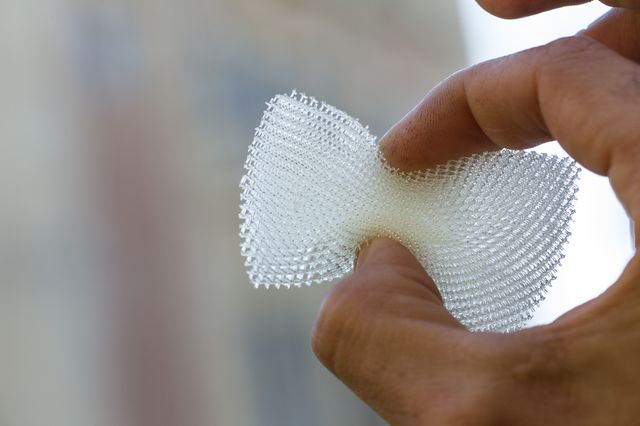
The UCLA–Architected Materials group is developing a novel, energy-absorbing microlattice material, Architected Lattice, to improve the performance of football helmets. The material, designed to replace the foam used inside of today’s football helmets, will help prevent concussion and traumatic brain injury by absorbing energy upon impact while limiting peak loads.

Architected Lattice is light and breathable, and can be enhanced with a strain-sensing “smart lattice” to detect and transmit data about the impact of a collision. This data could help engineers and product designers make further improvements in helmet design and performance.

“We are honored to have been selected by the NFL, Under Armour and General Electric, and excited about the potential impact of developing the next generation of helmet pads with the Architected Lattice,” said Larry Carlson, director of advanced materials at the Institute for Technology Advancement at the UCLA Henry Samueli School of Engineering and Applied Science. “We believe that in addition to preventing or reducing injuries from high-impact collisions on the football field, this material can be used in a variety of sports and recreational applications.”

The research team includes material designers from Ventura, California-based Architected Materials, mechanical impact experts from UCLA Engineering, and brain science specialists at the David Geffen School of Medicine at UCLA. Along with Carlson, the research’s principal investigators are Alan Jacobsen, co-founder of Architected Materials, and Dr. Christopher Giza, director of the UCLA Steve Tisch BrainSPORT Program and a professor of pediatrics and neurosurgery.

“One of the key innovations with our Architected Lattice technology is that it can be manufactured quickly and cost-effectively, which differentiates our technology from traditional 3-D printing techniques,” Jacobsen said.
In preliminary tests, the material has outperformed commonly used vinyl nitrile for reducing transmitted peak force, a key metric for helmet pads.

“In addition to offering the potential to reduce sports concussions, the helmet’s unique material functions as a sensor that monitors impact to the brain,” Giza said. “Collaborative efforts like these powerfully showcase UCLA research teams’ role in developing innovative new ways to benefit public health.” 

With more than 500 neuroscientists throughout campus, UCLA is a leader in research to understand the human brain, including efforts to treat, cure and prevent traumatic brain injury and brain disorders such as Alzheimer’s disease and epilepsy. The BrainSPORT Program was founded by Giza in 2012 and supported by a $10 million gift in May 2014 from philanthropist Steve Tisch.

In this video produced by General Electric, Under Armour and the NFL, researchers display a new helmet liner that absorbs significantly more energy than current materials, better protecting athletes from brain injury.

Read more here

Saturday, November 08, 2014

Study: Traumatic brain injury and dementia in older adults

A study shows that older adults who previously had a traumatic brain injury are at a higher risk of developing dementia.

Traumatic brain injury (TBI) appears to be associated with an increased risk of dementia in adults 55 years and older, according to a study published online by JAMA Neurology.
Controversy exists about whether there is a link between a single TBI and the risk of developing dementia because of conflicting study results. The Centers for Disease Control and Prevention says that Americans 55 years and older account for more than 60 percent of all hospitalizations for TBI, with the highest rates of TBI-related emergency department (ED) visits, inpatient stays and deaths happening among those patients 75 years and older. Therefore, understanding the effects of a recent TBI and the subsequent development of dementia among middle or older adults has important public health implications.
Researchers Raquel C. Gardner, M.D., of the University of California, San Francisco, and colleagues examined the risk of dementia among adults 55 years and older with recent TBI compared with adults with non-TBI body trauma (NTT), which was defined as fractures but not of the head or neck. The study included 164,661 patients identified in a statewide California administrative health database of ED and inpatient visits.
In the study, a total of 51,799 patients with trauma (31.5 percent) had TBI. Of those, 4,361 patients (8.4 percent) developed dementia compared with 6,610 patients (5.9 percent) with NTT. The average time from trauma to dementia diagnosis was 3.2 years and it was shorter in the TBI group compared with the NTT group (3.1 vs. 3.3 years). Moderate to severe TBI was associated with increased risk of dementia at 55 years or older, while mild TBI at 65 years or older increased the dementia risk.
"Whether a person with TBI recovers cognitively or develops dementia, however, is likely dependent on multiple additional risk and protective factors, ranging from genetics and medical comorbidities to environmental exposures and specific characteristics of the TBI itself," the authors note.
Editorial: Role of Big Data in Understanding Late-Life Cognitive Decline
In a related editorial, Steven T. DeKosky, M.D., of the University of Pittsburgh School of Medicine, writes: "In this issue of JAMA Neurology, Gardner and colleagues used a very large database to examine the risk of dementia following significant trauma, specifically whether body trauma (fractures) or traumatic brain injury (TBI) differed in dementia incidence during follow-up."
"Unfortunately, there was not a nontrauma control group included, which may have answered the question of whether NTT (i.e. body trauma itself) raised the risk of dementia significantly above age-equivalent controls without nonbrain trauma (perhaps from inflammation or other complications)," DeKosky continues.
"Judicious use of data by skilled researchers who are familiar with the entire range of dementia research from pathobiology to health care needs will enable us to ask important questions, evolve new or more informed queries, and both lead and complement the translational questions that are before us. Dementia is both a global problem and a pathological conundrum; thus, the complementary use of big data and basic neuroscience analyses offers the most promise," he concludes.
Read more here

Saturday, October 25, 2014

Timing of traumatic brain injury treatment

This article explains the importance of timely treatment for traumatic brain injury in the hospital / critical care setting.

Researchers at the University of Adelaide have discovered two potential treatments for traumatic brain injury that are most effective when given at different stages after the injury has occurred.
Laboratory studies conducted in the University's School of Medical Sciences have confirmed that changes in brain water channels over time play a critical role in traumatic brain injury.
For his PhD at the University, researcher Dr Joshua Burton tested two compounds that alter the natural flow of water activity in and out of the brain. He found that recovery from brain injury can be greatly assisted when these compounds are given at the right times.
Dr Burton's work could point to the potential development of new drugs as well as new approaches to preventing brain damage and death. The research also has implications for treatment of brain swelling after stroke.
"One of the serious consequences of traumatic brain injury is an increase in brain moisture content and associated brain swelling, which significantly impacts patients' neurological outcomes. This swelling can occur for days after the initial injury and is frequently life-threatening," Dr Burton says.
"The water channels normally function to protect the brain, but in the case of traumatic injury or stroke they become a pathway of vulnerability that allows swelling. Unfortunately, the swelling creates pressure within the skull -- there's nowhere for the brain to expand to -- decreasing oxygen levels and blood to the brain."
Dr Burton has found that applying a drug that closes the water channels can inhibit initial water entry, helping to close the window of vulnerability. A second drug used later in the progression of the injury acts to enhance the water channel activity, letting superfluous moisture out when needed. "By using both of these compounds -- a blocker at the early stage of injury, and an activator at the later stage -- we're able to complement the brain's natural healing processes and maintain a reduced level of swelling," he says.
This work builds on more than a decade of research conducted by the University of Adelaide's Professor Andrea Yool on the water channel proteins known as "aquaporins."
"Dr Burton's work is groundbreaking because it clarifies the roles of aquaporins in the brain during the short and long-term responses to traumatic head injury. This work also demonstrates for the first time that recently discovered drug-like compounds can be used in series to initially reduce water entry and then enhance water exit over time," Professor Yool says.
"Most current therapeutic approaches are limited in their ability to reduce injury-induced brain swelling, and no treatments are available to resolve excess fluid at a later stage. While much more research is needed, there is exciting potential here for new interventions in clinical situations. New approaches that can improve the outlook for patients, especially in the later stages of injury development, would be of great benefit," she says.
Read more here

Wednesday, October 22, 2014

Concussions in the U.S. - Some helpful information on brain injury

This article explains all about concussion in the U.S., how to treat them, and common misconceptions about concussions.

Concussion, sometimes referred to as mild traumatic brain injury, is one of the most commonly encountered sports injuries. Studies vary but rates are estimated at two million sport related concussions per year in the United States. It is also commonly believed that these are under reported injuries due to lack of recognition of the concussion and the desire of athletes to not miss time from their activity.


Research has led to change in our approach to treatment of the injuries. New guidelines do not use a set time away from activity and emphasize a gradual return to play. While concussions often occur from direct contact to the head or face, they may also occur from rotational forces without contact such as a tumbling fall. Although research continues to help understand what happens to the brain in a concussion, it appears that the neurons (brain cells) sustain a small injury that creates an "energy crisis." This generally lasts 7-10 days and physical or cognitive activity during this time period may worsen symptoms and prolong recovery. ...

Collision sports (football, hockey, etc.) generally have the highest overall rates of concussion; however, they can be seen in all sporting activity. Fortunately, the overall rates of concussions are relatively low even in collision sports. Certain risk factors are associated with an increased risk of concussion or prolonged recovery. Genetics, gender, playing position, migraines, history of multiple concussions and mental disorders (depression, anxiety and ADHD) all may play a role in how an athlete is affected by a concussive injury.
However it is still unclear how much influence each of these factors has on an individual athlete's risk. The diagnosis of a concussion can be complex as the signs and symptoms of concussions can be found in many other conditions and there is not a singular test we can use to determine if a concussion has occurred. Sometimes the diagnosis is very straight forward, for example when there has been a brief loss of consciousness, but many times the changes seen in the athlete are very subtle. The diagnosis of a concussion is mainly based on the history and physical examination. Symptoms of a concussion may include headache, dizziness, nausea/vomiting, amnesia, brief loss of consciousness and inability to concentrate. These symptoms may last for several days to a few weeks.
Imaging, CT scan or MRI, rarely indicate concussions, unless there is a finding on examination that suggests a structural injury ( e.g. bleeding or swelling). Newer computerized tests may add value in some cases, but these tests are not used to diagnose concussions and it is unclear if using these tests improve the outcomes of concussed athletes. Previous grading scales used symptoms at the time of the concussion to determine the severity of the concussion. New guidelines now suggest that we not grade concussions at all and that we only determine that a concussion has occurred. The reasoning for this lies in newer research that shows symptoms at the time of the initial injury do not correlate with the severity of the injury and recovery time. Additionally, grading does not change our treatments as resting until symptoms have resolved is the initial treatment regardless of the injury.
Treatment
When an athlete is suspected of having a concussion, they should be removed immediately from competition. Symptoms should be monitored and the athlete should not be returned to competition until they are evaluated by a qualified medical professional. This evaluation should occur as soon as possible. The athlete should be monitored closely for several hours after a concussion. It is important to stress that both physical and mental rest speed the recovery of concussions. It is okay for the athlete to sleep and should avoid over stimulation such as video games or loud crowded activities. Athletes may need to stay out of school or have modified class schedules.
Ask your health care provider for more specific recommendations. Returning the athlete to play starts when the athlete is symptom free. It will take 3-7 days for full return to sports (depending on the sport) with an athlete gradually increasing their activity level every 24 hrs. Returning to class can occur over the same timeframe and athletes should be monitored as well for any increase or recurrence of symptoms. Activity can surface underlying concussion symptoms and athletes should be instructed to notify their coach, trainer or physician if they redevelop any symptoms during the recovery period. This process allows faster and safer return to sporting activity. Computerized neuropsychological testing is sometimes used to help monitor an athlete's progress but is never used on its own to determine a diagnosis or an athlete's readiness to return to play. There are many common misconceptions about concussive injuries.
The following are several myths about concussion:
Every athlete who sustains a hard hit must have a concussion. Although our knowledge about the forces involved in concussion is improving we still have not found a level of force that definitely causes a concussion. At times high forces do not cause an injury and relatively lower ones may. This means that we should not overact to every head impact but also need to listen to athletes who complain of concussive like symptoms after any head contact. Because there is no known force level for concussion in-helmet devices that are marketed to consumers as "concussion alarms," they are not recommended as they will likely lead to both over and under diagnosis of concussive injuries.
Better helmets and mouth guards will prevent concussions. Unfortunately there is no good scientific evidence that helmets of any type (hard shells, soft-padded or head bands) or mouth guards can prevent or reduce the risk of concussions. Hard helmets can reduce the risk of more serious head injuries (bleeding, skull fractures etc.) and should be worn in high risk sports. Mouth guards can prevent dental injuries and should be worn for sports with a high risk of these injuries. Helmet-add ons additionally are not effective in concussion prevention and using these will generally void any warranties associated with the helmet. Risk reduction may be possible in some settings with rule changes (e.g. no hitting from behind in hockey) and behavior changes (e.g. tackling technique in football).
Once you have a concussion you will always be more susceptible to having another one. While there appears to be an increased risk of recurrence in the first few weeks after a concussive injury it is unclear what factors may influence the risk of another injury in the future. Despite being a commonly held belief there is no evidence to suggest that athletes develop a decreasing force threshold after each injury. A few small studies have found the opposite....
Read more here

Friday, August 22, 2014

Researchers make functional tissue like a brain

Researchers have made a functional brain-like tissue that could have huge implications for studying neural diseases.

Researchers who created functional 3-D brain-like tissue say it could help scientists find new treatments for brain injuries and diseases and improve knowledge about normal brain function.
The tissue, which can be kept alive in the laboratory for more than two months, is structurally similar to tissue in a rat's brain. It's also functionally like brain tissue.
In early experiments with the tissue, researchers used it to study chemical and electrical changes that occur immediately after brain injury and the changes that occur in response to a drug.
The tissue was developed at Tuft University's Tissue Engineering Resource Center, which is funded by the U.S. National Institute of Biomedical Imaging and Bioengineering (NIBIB). The research is described in an article published online Aug. 11 in the Proceedings of the National Academy of Sciences.
"This work is an exceptional feat," Rosemarie Hunziker, program director of Tissue Engineering at NIBIB, said in an agency news release. "It combines a deep understand of brain physiology with a large and growing suite of bioengineering tools to create an environment that is both necessary and sufficient to mimic brain function."
This tissue offers advantages over using live animals to study brain injury, according to project leader David Kaplan, a professor of engineering at Tufts and director of the Tissue Engineering Resource Center.
In live animals, researchers can't start assessing the effects of a brain injury immediately after it occurs. That's because the animal's brain has to be dissected and prepared for experiments.
With the new 3-D brain-like tissue, "you can essentially track the tissue response to traumatic brain injury in real time," Kaplan said. "Most importantly, you can also start to track repair and what happens over longer periods of time."
The longevity of the tissue also makes it valuable for studying brain diseases and disorders.
"The fact that we can maintain this tissue for months in the lab means we can start to look at neurological diseases in ways that you can't otherwise because you need long timeframes to study some of the key brain diseases," Kaplan said.
He and his colleagues are now trying to find ways to make the tissue model even more brain-like.
Read more here

Friday, August 01, 2014

Katy's coaches and players taught to spot concussions

Football players and coaches in Katy, Texas are being educated to make sure they know how to spot concussions.

Players and coaches from Katy Youth Football completed their first of at least four safety training sessions Saturday to make sure all are properly educated on how to understand, as well as avoid, head trauma on the field.
Taking place at Cinco Ranch High School, Saturday’s seminar featured the “Heads Up” program, an initiative by USA Football — the sport’s national governing body — to certify that coaches know current standards for concussion awareness and equipment fit, as well as heat and hydration. Through “Heads Up”, USA Football is striving to create standards for terminology and technique from the little league level, up to the pro level.
“Where we’re seeing more concussions is actually during the tackle,” said Chad Hester, USA Football master trainer. “So we’re starting with ‘Heads Up Tackling’. We’re teaching them proper tackling techniques to get the head out of the game — where they should be making first contact, instead of the head.”
USA Football teaches players by advancing through “levels of contact”, where technique is learned through different types of resistance — beginning with air, to bags, designated winners and losers, with the final stage called “thud”. Thud is a term by USA Football used to designate an assigned drill where players stay on their feet, and all contact is above the waist — a quick whistle ending play.
KYF President Anthony Biello said 2014 is the second year for KYF to participate in Heads Up. Besides just learning technique, KYF is limiting the amount of “live-action” players participate in during practice. The 35-year old league, boasting 1,500 players, has adopted the UIL’s standard of no more than 90 minutes of full-contact per week, per player. Full-contact is defined as game speed, where players tackle and block to the ground.
“If we have coaches that are out there just banging kids into each other, we have talks with those coaches. In some cases, we remove those kinds of coaches,” Biello said. “If you’re lining two kids up, five or ten yards apart and tell them to run full-speed and hit each other head-on — we don’t want to see that happen on our fields.”
He said the league doesn’t endorse several old-school contact exercises, such as “Bull in the Ring”, where players line up in a circle around one player, targeting the man in the middle for hit after hit, or the “Oklahoma Drill”, where a blocker and ball-carrier are pitted against a defender head-on within a tight width of space.
Kenneth Podell, neuropsychologist from the Methodist Neurological Institute, came to KYF’s training to educate coaches and players on what concussions actually are, as well as how to recognize and treat them. Podell remembers when some football coaches didn’t actually consider concussions a legitimate injury.
“At one time, a concussion test might have been, ‘how many fingers am I holding up?” Podell said. He indicated that has changed, where now medical staff uses a Standardized Concussion Assessment Tool (SCAT), where players go through a variety of mental assessments, also participating in balance and coordination tests.
“We try to objectify this is much as possible,” he said.
However, if there’s even an inkling of head injury by game officials, training staff or coaches, Biello said KYF requires players to sit out for at least a week and to be cleared medically by a qualified physician before returning to play.
While lawsuits against the NFL by former players diagnosed with the disease called CTE — thought by some to be caused by multiple sub-concussive hits — have spurred the movement for concussion awareness, Podell said he considers this a different type of injury, and one that’s still being studied by doctors. At this point in time, Podell said he believes athletes from little league on to high school bare significantly less risk than college or pro players, but that every parent must access their own risk level.

Hester recommends that parents look for a USA Football certified league when signing their kids up to play, as leagues that aren’t aligned with USA Football may not have the same level of standards. He hopes through these types of trainings, players will develop muscle memory for the Heads Up techniques. USA Football is looking to add “Heads Up Blocking” to their current instruction in future years.
Read more here

Monday, July 28, 2014

Brain damage can occur even in mild brain injuries

A study shows that even a mild brain injury can cause lasting brain damage.

Even mild traumatic brain injury may cause brain damage and thinking and memory problems, according to a study published in the July 16, 2014, online issue of Neurology®, the medical journal of the American Academy of Neurology.
For the study, 44 people with a mild traumatic brain injury and nine people with a moderate traumatic brain injury were compared to 33 people with no brain injury. All of the participants took tests of their thinking and memory skills. At the same time, they had diffusion tensor imaging scans, a type of MRI scan that is more sensitive than traditional MRI for detecting damage to brain cells and helps map fiber tracts that connect brain regions. The people with brain injuries had their scans an average of six days after the injury. A year later, 23 of those with injuries had another scan and took the cognitive tests again.
Compared to the people with no brain injury, those with injuries had brain damage in brain white matter consisting of disruption to nerve axons, those parts of nerve cells that make up white matter and that allow brain cells to transmit messages to each other.
The study found that patient scores on the verbal letter fluency task, a test of thinking and memory skills, were 25 percent lower than in the healthy people. This was strongly related to the imaging measures of white matter damage.
“Most of the studies thus far have focused on people with severe and chronic traumatic brain injury,” said study author Andrew Blamire, PhD, of Newcastle University in the United Kingdom. “We studied patients who had suffered clinically mild injuries often from common accidents such as falling from a bicycle, or slow speed car accidents. This finding is especially important, as 90 percent of all traumatic brain injuries are mild to moderate.”
One year after the injury, the scores on thinking and memory tests were the same for people with brain injuries and those with no injuries, but there were still areas of brain damage in people with injuries. “These results show that thinking skills were recovering over time,” Blamire said. “The areas of brain damage were not as widespread across the brain as previously, but focused in certain areas of the brain, which could indicate that the brain was compensating for the injuries.”
Read more here

Thursday, July 17, 2014

Do doctors have an obligation to protect athletes from concussions?

This article discusses if doctors have an ethical obligation to teach and protect athletes from concussions.

The American Academy of Neurology (AAN), the largest professional association of neurologists and a leading authority on sports concussion, is releasing a new position paper that states doctors have an ethical obligation to educate and protect athletes from sports concussion and clear them to play only when the athlete is medically ready, standing firm against objections from players, parents or coaches. The statement is published in the July 9, 2014, online issue of Neurology®, the medical journal of the AAN, and is being released ahead of The Sports Concussion Conference, July 11-13, 2014, in Chicago, where the AAN will share the latest scientific advances in diagnosing and treating sports concussion.
The AAN position statement calls for doctors to safeguard the future mental and physical health of athletes as a top priority, especially regarding return-to-play decision-making. Physicians also must educate patients and their families about the dangers of concussion in all relevant sports, according to the statement.
The Academy has spent several years analyzing all of the available research and ethical issues to develop this official position paper, which corresponds with the AAN's guideline on sports concussion.
"With nearly four million sports-related concussions in the US each year, it is imperative doctors are educated and protect these athletes who may have sustained a concussion," said lead author Matthew P. Kirschen, MD, PhD, a neurologist with The Children's Hospital of Philadelphia and a member of the American Academy of Neurology. "Concussions can have devastating effects such as short-term impairments in athletes' cognitive and athletic performance. Repeat concussions have been linked to long-term impairments in brain function, such as problems with learning, memory and behavior."
The statement also:
• Supports wider use of baseline cognitive testing
• Recommends that concussion evaluation and management training be added to neurology residency programs
• Suggests the development of a national concussion registry with mandatory reporting, which may help to document more rigorously the incidence and recurrence of concussion at all levels of play
Ethically, the statement concludes that physicians caring for athletes during and after a sports-related concussion should have adequate training and experience in the recognition and evaluation of both the existence and severity of potential brain injury.
"These strategies could help identify the threshold at which the number and severity of head injuries leads to irreversible brain injury. They may also help to clarify how concussion risk varies with factors like age, gender, puberty stage and ethnicity so athletes and parents can make informed decisions about playing contact sports," said Kirschen.
Read more here