Showing posts with label head injury. Show all posts

Saturday, April 04, 2015

A 24 year-old NFL player retired due to concussion risks

This article explains why Chris Borland, a linebacker for the 49ers, retired from the NFL at age 24 due to the high risks of concussions.

One of the NFL's most promising young players has announced that he is quitting professional football today, blaming the risk of concussion and serious brain injury on his decision to walk away from the sport. Chris Borland, linebacker for the San Francisco 49ers, told ESPN that he was retiring because he wanted to do what was best for his health, and didn't think football was "worth the risk." By leaving the league at only 24 years old, after a stellar rookie season, Borland rapidly becomes one of the most damning examples of the NFL's ongoing concussion crisis.
Borland says his decision to quit came from him wanting to "be proactive," leaving the sport while his brain is still healthy. The linebacker began to have doubts about his long-term career as a professional football player in his very first NFL training camp, during which he received a suspected concussion on a running play but decided to play through it in a bid to make the team. He told ESPN "I just thought to myself, 'What am I doing? Is this how I'm going to live my adult life, banging my head, especially with what I've learned and knew about the dangers?'" After the fourth game of his rookie season, Borland told his parents his time as a pro player would be short.
The linebacker told ESPN that he currently feels as sharp as he's ever been, but that he had researched the issue heavily, speaking with concussion researchers and former players, more than 4,500 of whom have sued the NFL for failing to adequately protect them from head injuries during their time in the league.
In his statement, Borland thanked the 49ers, saying the team "truly looked out for players' best interests," but his departure from the league is made even more notable by coinciding with the exit of several prominent young players. Borland was scheduled to be one of the stars of the San Francisco 49ers defense, playing the last season as the heir apparent to Patrick Willis, another top-tier defensive player who chose this year to retire from the sport after developing chronic pain in his feet. He was joined by by Steelers linebacker Jason Worilds, who announced this month that he was retiring from pro football to pursue other interests.
The NFL has had a long-running problem with concussions and head injuries, and its lackluster methods of protecting players, as detailed in the PBS documentary League of Denial. Many who have played the sport have gone on to suffer debilitating brain diseases. A number of players, including standout San Diego Chargers and New England Patriots linebacker Junior Seau, have committed suicide in the years after their retirement. Seau shot himself in the chest so his brain could be studied after his death — after autopsy, it was determined that he had been from chronic traumatic encephalopathy (CTE), a type of degenerative brain damage found in other players.
The NFL has made advances in technology designed to help reduce head injuries, but players such as Jahvid Best, a former first-round draft pick who sued both the NFL and helmet maker Riddell after receiving three concussions in two years, are still receiving knockout blows on the field of play that could disable them in later life. The league has also come under fire for a too-weak concussion protocol that allows clearly woozy players back onto the field. In October last year, Chargers defensive back Jahleel Addae played an entire game after being knocked out on the first play. In the fourth quarter, several hours after taking the blow to the head, Addae seemed to lose control of his body after making another hit, jerking his limbs and stepping awkwardly as he attempted to stay upright.
By stepping away from the sport at 24, Borland will avoid the kind of head injuries that could leave him crippled, with diminished mental faculties, or prone to fly into uncontrollable rages. Meanwhile, instead of pouring its efforts into keeping its players safe, the NFL still appears to be in favor of extending the regular season to a gruelling 18 games, despite arguments from the people who actually play the sport.
Read more here

Thursday, January 08, 2015

Players may be protected from concussions by 3D printed materials in helmets

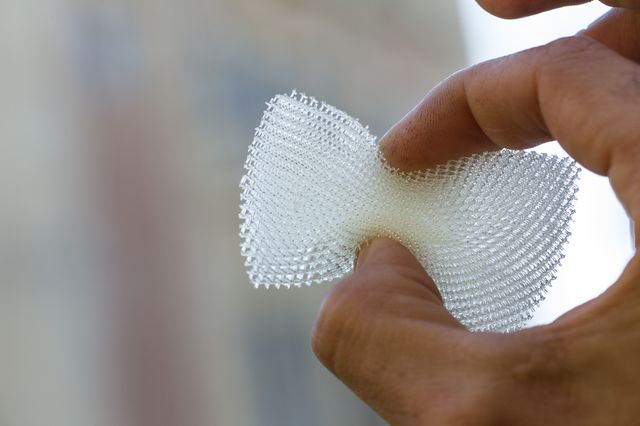
3D printed materials may be able to replace foam inside helmets to help protect players from concussions.

A team of researchers from UCLA and Architected Materials that is developing breakthrough technology to reduce the number and severity of head injuries to football players today was named a winner of the Head Health Challenge II.

The Head Health Challenge is part of the four-year, $60 million Head Health Initiative, which is sponsored by the National Football League, General Electric and Under Armour. It is focused on improving the prevention, diagnosis and treatment of concussions and traumatic brain injury. Seven winning research teams were selected from among more than 450 Head Health Challenge II entrants from 19 countries.

The award comes with a grant of $500,000 for research, testing and development of the technology in the first year, with the potential for another $1 million in the second year.

The UCLA–Architected Materials group is developing a novel, energy-absorbing microlattice material, Architected Lattice, to improve the performance of football helmets. The material, designed to replace the foam used inside of today’s football helmets, will help prevent concussion and traumatic brain injury by absorbing energy upon impact while limiting peak loads.

Architected Lattice is light and breathable, and can be enhanced with a strain-sensing “smart lattice” to detect and transmit data about the impact of a collision. This data could help engineers and product designers make further improvements in helmet design and performance.

“We are honored to have been selected by the NFL, Under Armour and General Electric, and excited about the potential impact of developing the next generation of helmet pads with the Architected Lattice,” said Larry Carlson, director of advanced materials at the Institute for Technology Advancement at the UCLA Henry Samueli School of Engineering and Applied Science. “We believe that in addition to preventing or reducing injuries from high-impact collisions on the football field, this material can be used in a variety of sports and recreational applications.”

The research team includes material designers from Ventura, California-based Architected Materials, mechanical impact experts from UCLA Engineering, and brain science specialists at the David Geffen School of Medicine at UCLA. Along with Carlson, the research’s principal investigators are Alan Jacobsen, co-founder of Architected Materials, and Dr. Christopher Giza, director of the UCLA Steve Tisch BrainSPORT Program and a professor of pediatrics and neurosurgery.

“One of the key innovations with our Architected Lattice technology is that it can be manufactured quickly and cost-effectively, which differentiates our technology from traditional 3-D printing techniques,” Jacobsen said.
In preliminary tests, the material has outperformed commonly used vinyl nitrile for reducing transmitted peak force, a key metric for helmet pads.

“In addition to offering the potential to reduce sports concussions, the helmet’s unique material functions as a sensor that monitors impact to the brain,” Giza said. “Collaborative efforts like these powerfully showcase UCLA research teams’ role in developing innovative new ways to benefit public health.” 

With more than 500 neuroscientists throughout campus, UCLA is a leader in research to understand the human brain, including efforts to treat, cure and prevent traumatic brain injury and brain disorders such as Alzheimer’s disease and epilepsy. The BrainSPORT Program was founded by Giza in 2012 and supported by a $10 million gift in May 2014 from philanthropist Steve Tisch.

In this video produced by General Electric, Under Armour and the NFL, researchers display a new helmet liner that absorbs significantly more energy than current materials, better protecting athletes from brain injury.

Read more here

Wednesday, October 22, 2014

Concussions in the U.S. - Some helpful information on brain injury

This article explains all about concussion in the U.S., how to treat them, and common misconceptions about concussions.

Concussion, sometimes referred to as mild traumatic brain injury, is one of the most commonly encountered sports injuries. Studies vary but rates are estimated at two million sport related concussions per year in the United States. It is also commonly believed that these are under reported injuries due to lack of recognition of the concussion and the desire of athletes to not miss time from their activity.


Research has led to change in our approach to treatment of the injuries. New guidelines do not use a set time away from activity and emphasize a gradual return to play. While concussions often occur from direct contact to the head or face, they may also occur from rotational forces without contact such as a tumbling fall. Although research continues to help understand what happens to the brain in a concussion, it appears that the neurons (brain cells) sustain a small injury that creates an "energy crisis." This generally lasts 7-10 days and physical or cognitive activity during this time period may worsen symptoms and prolong recovery. ...

Collision sports (football, hockey, etc.) generally have the highest overall rates of concussion; however, they can be seen in all sporting activity. Fortunately, the overall rates of concussions are relatively low even in collision sports. Certain risk factors are associated with an increased risk of concussion or prolonged recovery. Genetics, gender, playing position, migraines, history of multiple concussions and mental disorders (depression, anxiety and ADHD) all may play a role in how an athlete is affected by a concussive injury.
However it is still unclear how much influence each of these factors has on an individual athlete's risk. The diagnosis of a concussion can be complex as the signs and symptoms of concussions can be found in many other conditions and there is not a singular test we can use to determine if a concussion has occurred. Sometimes the diagnosis is very straight forward, for example when there has been a brief loss of consciousness, but many times the changes seen in the athlete are very subtle. The diagnosis of a concussion is mainly based on the history and physical examination. Symptoms of a concussion may include headache, dizziness, nausea/vomiting, amnesia, brief loss of consciousness and inability to concentrate. These symptoms may last for several days to a few weeks.
Imaging, CT scan or MRI, rarely indicate concussions, unless there is a finding on examination that suggests a structural injury ( e.g. bleeding or swelling). Newer computerized tests may add value in some cases, but these tests are not used to diagnose concussions and it is unclear if using these tests improve the outcomes of concussed athletes. Previous grading scales used symptoms at the time of the concussion to determine the severity of the concussion. New guidelines now suggest that we not grade concussions at all and that we only determine that a concussion has occurred. The reasoning for this lies in newer research that shows symptoms at the time of the initial injury do not correlate with the severity of the injury and recovery time. Additionally, grading does not change our treatments as resting until symptoms have resolved is the initial treatment regardless of the injury.
Treatment
When an athlete is suspected of having a concussion, they should be removed immediately from competition. Symptoms should be monitored and the athlete should not be returned to competition until they are evaluated by a qualified medical professional. This evaluation should occur as soon as possible. The athlete should be monitored closely for several hours after a concussion. It is important to stress that both physical and mental rest speed the recovery of concussions. It is okay for the athlete to sleep and should avoid over stimulation such as video games or loud crowded activities. Athletes may need to stay out of school or have modified class schedules.
Ask your health care provider for more specific recommendations. Returning the athlete to play starts when the athlete is symptom free. It will take 3-7 days for full return to sports (depending on the sport) with an athlete gradually increasing their activity level every 24 hrs. Returning to class can occur over the same timeframe and athletes should be monitored as well for any increase or recurrence of symptoms. Activity can surface underlying concussion symptoms and athletes should be instructed to notify their coach, trainer or physician if they redevelop any symptoms during the recovery period. This process allows faster and safer return to sporting activity. Computerized neuropsychological testing is sometimes used to help monitor an athlete's progress but is never used on its own to determine a diagnosis or an athlete's readiness to return to play. There are many common misconceptions about concussive injuries.
The following are several myths about concussion:
Every athlete who sustains a hard hit must have a concussion. Although our knowledge about the forces involved in concussion is improving we still have not found a level of force that definitely causes a concussion. At times high forces do not cause an injury and relatively lower ones may. This means that we should not overact to every head impact but also need to listen to athletes who complain of concussive like symptoms after any head contact. Because there is no known force level for concussion in-helmet devices that are marketed to consumers as "concussion alarms," they are not recommended as they will likely lead to both over and under diagnosis of concussive injuries.
Better helmets and mouth guards will prevent concussions. Unfortunately there is no good scientific evidence that helmets of any type (hard shells, soft-padded or head bands) or mouth guards can prevent or reduce the risk of concussions. Hard helmets can reduce the risk of more serious head injuries (bleeding, skull fractures etc.) and should be worn in high risk sports. Mouth guards can prevent dental injuries and should be worn for sports with a high risk of these injuries. Helmet-add ons additionally are not effective in concussion prevention and using these will generally void any warranties associated with the helmet. Risk reduction may be possible in some settings with rule changes (e.g. no hitting from behind in hockey) and behavior changes (e.g. tackling technique in football).
Once you have a concussion you will always be more susceptible to having another one. While there appears to be an increased risk of recurrence in the first few weeks after a concussive injury it is unclear what factors may influence the risk of another injury in the future. Despite being a commonly held belief there is no evidence to suggest that athletes develop a decreasing force threshold after each injury. A few small studies have found the opposite....
Read more here

Monday, August 11, 2014

Neck injuries versus concussions

Concussions and neck injuries have similar symptoms, so diagnosing and differentiating these conditions is often difficult.

Athletes and others reporting cognitive difficulties after a head injury are usually diagnosed as having had a concussion. But is it really a concussion? A new study published by University at Buffalo medical faculty finds that many of the same symptoms are common to concussions and to injuries to the neck and/or balance system, known collectively as cervical/vestibular injuries.
The research was based on responses about symptoms from 128 patients -- some of whom were professional athletes -- who were being treated at UB's Concussion Management Clinic in the School of Medicine and Biomedical Sciences.
It was published online ahead of print last week in the Clinical Journal of Sport Medicine.
The purpose of the study was to determine how to distinguish between concussion injury and neck injury, based on symptoms.
"Based on our research, we conclude that some patients who have been told they've suffered a concussion, and whose symptoms persist for several months may actually have suffered a neck injury, rather than a concussion, or in addition to a concussion," says John J. Leddy, MD, clinical professor in the UB Department of Orthopaedics and senior author.
He embarked on the study based on his experience as director of the UB Concussion Management Clinic.
"I'd seen enough patients in our clinic, some previously diagnosed with post-concussion syndrome, who continued to experience symptoms even after passing our treadmill test, which indicates full recovery from concussion," says Leddy, who sees patients through UBMD, the physician practice plan of the UB medical school.
"The symptoms for both conditions are so nonspecific that it's really hard to make a diagnosis based on them," Leddy continues, "so we had to find another way to discriminate between them."
To determine which of the respondents had probably sustained a concussion and which more likely had a neck injury, the UB researchers used the graded treadmill test developed by Leddy and co-author Barry Willer, PhD, UB professor of psychiatry.
"The treadmill test helps us make a first delineation between what I call physiologic concussion and other possible causes of cognitive symptoms," says Leddy.
"Because a concussion is a brain injury, we thought that cognitive symptoms would be more likely associated with concussions," he says. "Surprisingly, that didn't turn out to be the case. People who have had neck injuries can also have problems with concentration and with memory. They feel like they're in a fog, which is exactly what people report after concussion."
Symptoms reported by both groups were headache, dizziness, blurred vision, poor concentration and memory deficits.
Patients in both groups filled out a detailed questionnaire concerning their symptoms. These responses were then correlated to their treadmill test results. "Then we did some sophisticated statistical analysis," says Leddy. "Even when we looked at the data in multiple ways, there was really no way to separate out the two groups based on their symptom patterns alone."
Determining which condition a patient has experienced is critical, Leddy explains, because courses of treatment are very different.
"The treatment for a neck injury is actually to be more active, to do physical and vestibular therapy, to have a more active intervention, whereas after a concussion, exercise must begin slowly and incrementally after a period of rest," he says.
Leddy notes that more research should be done on larger samples concerning concussion and neck injury.
In the meantime, he says, patients who think they've had a concussion and whose symptoms have not diminished after several months, should instead be examined for neck and vestibular injury by a sports medicine physician, a neurologist or a physiatrist, a specialist in rehabilitation medicine.
"I think a lot of practitioners listen to the symptoms and just chalk it up to concussion," he adds, "but if they also examined the neck in these people, they might discover that a neck injury is involved and that's a treatable problem."
Physical symptoms that may indicate a neck injury include tenderness, muscle spasm, reduced motion and/or reduced cervical proprioception, Leddy explains.
Co-authors with Leddy and Willer are John G. Baker, PhD, UB Department of Nuclear Medicine; Asim Merchant, MD and Jason Matuszak, MD, of the UB Department of Family Medicine; John Picano, an MD candidate at UB and Daniel Gaile, PhD, of the UB Department of Biostatistics.
The UB Concussion Management Clinic is a joint effort between the Department of Orthopaedics and the Department of Psychiatry.
The research was supported by the Robert Rich Family Foundation, the Buffalo Sabres Foundation, the Program for Understanding Childhood Concussion and Stroke, the Ralph C. Wilson Foundation and the National Football League Charities.
Read more here

Thursday, July 17, 2014

Do doctors have an obligation to protect athletes from concussions?

This article discusses if doctors have an ethical obligation to teach and protect athletes from concussions.

The American Academy of Neurology (AAN), the largest professional association of neurologists and a leading authority on sports concussion, is releasing a new position paper that states doctors have an ethical obligation to educate and protect athletes from sports concussion and clear them to play only when the athlete is medically ready, standing firm against objections from players, parents or coaches. The statement is published in the July 9, 2014, online issue of Neurology®, the medical journal of the AAN, and is being released ahead of The Sports Concussion Conference, July 11-13, 2014, in Chicago, where the AAN will share the latest scientific advances in diagnosing and treating sports concussion.
The AAN position statement calls for doctors to safeguard the future mental and physical health of athletes as a top priority, especially regarding return-to-play decision-making. Physicians also must educate patients and their families about the dangers of concussion in all relevant sports, according to the statement.
The Academy has spent several years analyzing all of the available research and ethical issues to develop this official position paper, which corresponds with the AAN's guideline on sports concussion.
"With nearly four million sports-related concussions in the US each year, it is imperative doctors are educated and protect these athletes who may have sustained a concussion," said lead author Matthew P. Kirschen, MD, PhD, a neurologist with The Children's Hospital of Philadelphia and a member of the American Academy of Neurology. "Concussions can have devastating effects such as short-term impairments in athletes' cognitive and athletic performance. Repeat concussions have been linked to long-term impairments in brain function, such as problems with learning, memory and behavior."
The statement also:
• Supports wider use of baseline cognitive testing
• Recommends that concussion evaluation and management training be added to neurology residency programs
• Suggests the development of a national concussion registry with mandatory reporting, which may help to document more rigorously the incidence and recurrence of concussion at all levels of play
Ethically, the statement concludes that physicians caring for athletes during and after a sports-related concussion should have adequate training and experience in the recognition and evaluation of both the existence and severity of potential brain injury.
"These strategies could help identify the threshold at which the number and severity of head injuries leads to irreversible brain injury. They may also help to clarify how concussion risk varies with factors like age, gender, puberty stage and ethnicity so athletes and parents can make informed decisions about playing contact sports," said Kirschen.
Read more here

Wednesday, June 25, 2014

Will sensors be in all helmets by 2015?

A research study is looking into adding sensors into helmets. The results may be strong enough to put sensors into all helmets by 2015.

A pilot program designed to provide more information for concussion research could become more widespread, and put sensors in every helmet by 2015.
According to Tom Pelissero of USA Today, two teams participated in the program for part of last year, and researchers are trying to fine-tune the technology to measure head impact in games.
The work is being done by University of North Carolina researcher Kevin Guskiewicz, who is a member of both league and union safety committees.
We need a sample of these players across all positions and studying every play type possible,” Guskiewicz said. “So, that’s the next step. Then I hope from there that, if we find (the devices) have utility that could actually help an individual player … my hope would be that we would go league-wide.”
Guskiewicz said the project still needs to be approved by the league and union, and getting that kind of agreement has been an issue in the past.
But he said he was “thrilled” that teams are buying into the idea of collecting data, though hurdles remain.
“I personally believe that there is valuable information to be gained for a player to learn how to perhaps modify his behavior, to track the way in which he’s leading with his head possibly or positioning his body on a certain play type that could help protect him,” Guskiewicz said.
“So, we just sort of have to go through this in a methodical approach to work on the feasibility. This year, I hope that we’re able to move forward with answering some of the questions that we have around potential rules changes, and then the following year, who knows?”
As with most issues, getting players and management to agree to anything is difficult, but if the technology can present a step forward in the accurate diagnosis of concussions and head injuries, then players and the league need to find a way to implement.
Read more here

Thursday, May 29, 2014

Children's concussion symptoms stay after injury

A study shows that the symptoms of concussions in children stay long after the injury occurrence.

Kids who suffer a concussion can have lingering effects long after the physical symptoms fade away, U.S. researchers report.
In a study from the emergency medicine division at Boston Children's Hospital, doctors found that, while headache, dizziness and blurry vision can appear right after a concussion, emotional and mental symptoms, such as irritability and frustration, show up much later and stay longer.
"Patients and their families should expect the physical symptoms that they experience after a head injury to get better over the next few weeks, but that emotional symptoms may come on later, even as the physical symptoms subside," said lead researcher Dr. Matthew Eisenberg.
"Only by knowing what symptoms can be expected after a concussion can we help reassure patients and families that what they experience is normal, know when to seek additional help, and make sure that children are taking appropriate precautions in regard to school and sports to achieve a full recovery," Eisenberg added.
For the study, published online May 12 and in the June print issue of Pediatrics, Eisenberg's team used questionnaires to keep track of 235 children and young adults, aged 11 to 22, who suffered a concussion and went to a pediatric emergency department.
The patients were followed for three months after their injury, or until all their symptoms were gone. During that time they were asked about symptoms, sports activity, and school and athletic performance.
The most common physical symptoms were headache, dizziness and fatigue, which tended to start right after the injury and got better over time. Most also had mental symptoms, such as difficulty concentrating and taking longer to think, the researchers found.
While most children recovered within two weeks after the injury, 25 percent still had headache a month after their injury, the investigators found.
In addition, more than 20 percent suffered from fatigue, and nearly 20 percent reported taking longer to think for a month after their concussion.
For many, emotional symptoms -- such as frustration and irritability -- were not as common right after the injury, but developed later, the study authors noted.
Dr. John Kuluz, director of traumatic brain injury and neurorehabilitation at Miami Children's Hospital, said, "It takes longer than people think to fully recover from a concussion. My experience is that kids who still have symptoms two weeks after a concussion are going to have a very hard time, and it's going to be a struggle to get them to the point where they have no symptoms."
In addition to physical and mental rest, Kuluz believes in treating the symptoms. He prescribes ibuprofen and other medications to relieve headache, and melatonin and other drugs to help patients sleep.
Kuluz also recommends physical therapy to help children recover. Therapy includes working on balance and helping with any vision problems. "Therapy also helps you find your threshold for exertion. Many of my kids find that very helpful," he said.
He also recommends keeping children out of school for a couple of days after the injury and then gradually letting them get back to a normal routine.
"Keeping a child out of school for too long will have a negative effect on their mental health. They will become anxious, they'll become irritable, because they worry about falling behind," he said. "But if they go back too soon without teachers being aware of their condition, they can fail, and it happens a lot."
Kuluz tries to get kids back to school for half a day or as much as they can tolerate until they get better. Children should not start sports again until all symptoms have disappeared and then only gradually, he added.
If a child still has symptoms two or three days after a concussion, Kuluz recommends seeing a doctor who is experienced in dealing with concussions or going to a concussion clinic.
Read more here

Sunday, April 27, 2014

Social skills could suffer after head injuries in children

A study shows that after children have a head injury, their social skills could suffer.

Serious head injuries may be linked to children's lack of ability to interact with others, a new study indicates.
Researchers looked at a group of children who had suffered a traumatic brain injury three years earlier, most often in car crashes.
Those with lingering damage in the brain's frontal lobes had lower-quality social lives, according to the Brigham Young University (BYU) study in the April 10 issue of the Journal of Head Trauma Rehabilitation. The study did not determine a cause-and-effect relationship, only an association.
"The thing that's hardest about brain injury is that someone can have significant difficulties but they still look OK," neuropsychologist and study author Shawn Gale said in a university news release.
"But they have a harder time remembering things and focusing on things as well, and that affects the way they interact with other people. Since they look fine, people don't cut them as much slack as they ought to," Gale explained.
The researchers found that the problem may be something called cognitive proficiency, a combination of short-term memory and brain-processing speed.
"In social interactions we need to process the content of what a person is saying in addition to simultaneously processing nonverbal cues," study co-author Ashley Levan, a doctoral student at BYU, said in the news release. "We then have to hold that information in our working memory to be able to respond appropriately. If you disrupt working memory or processing speed, it can result in difficulty with social interactions."
Attention-deficit/hyperactivity disorder also affects the frontal lobes, and previous research has shown that therapy can improve working memory in children with ADHD.
"This is a preliminary study, but we want to go into more of the details about why working memory and processing speed are associated with social functioning and how specific brain structures might be related to improve outcome," Gale said.
Read more here

Monday, April 07, 2014

Causes of childhood concussion in rural versus urban areas

A study of causes of childhood concussions in rural versus urban areas shows that children living in rural areas get concussions from motorized vehicles and children living in urban areas get concussions from sports.

Researchers at Western University (London, Canada) have found youth living in rural areas are more likely to sustain concussions from injuries involving motorized vehicles such as all-terrain vehicles and dirt bikes, whereas youth living in urban areas suffer concussions mostly as a result of sports. Hockey accounts for 40 per cent of those injuries. The study which reveals where and how children are receiving concussions is published in the Journal of Trauma and Acute Care Surgery.
Dr. Doug Fraser, a scientist with the Children's Health Research Institute at Lawson Health Research Institute and Tanya Charyk Stewart, the Injury Epidemiologist for the Trauma Program at Children's Hospital, London Health Sciences Centre (LHSC) and their team tracked all the youth under the age of 18 who presented to the LHSC emergency departments with a concussion over a six year period. There were 2,112 paediatric concussions, with a steady increase in number treated each year.
"It was important for us to learn about who is getting injured, where they're getting injured, and why they're getting injured. Once you answer those questions, then you can implement targeted injury prevention programs," says Dr. Fraser, an associate professor in the Departments of Paediatrics, Physiology & Pharmacology and Clinical Neurological Sciences at Western's Schulich School of Medicine & Dentistry.
Concussions are a particular concern for children and adolescents because their brains are still developing and they are more susceptible to effects of a head injury. The goal following this research is to create injury prevention programs that target and educate those at high risk of sustaining a concussion.
Concussions can often be predictable. Along with properly following the rules of the sport and wearing the protective equipment, Charyk Stewart suggests, "In sports, if you have been hit, then just get off the field immediately and stop play. If you are experiencing any symptoms, be seen by a doctor."
Dr. Fraser explained what to look for in a child who has experienced a head injury, "Watch the person carefully. In young children look for symptoms like, irritability or an inability to console the child. If the care giver has any concerns at all; if a person has any symptoms whatsoever in conjunction with an injury, they should immediately go and be seen by a doctor. Better safe than sorry, so be seen."
Read more here

Sunday, March 16, 2014

Vision tests may help spot concussions

Research shows that a vision testing on the sidelines at games can help determine if a player has had a concussion or not. Caution if the athlete has a reading disorder. JR

A simple vision test given on the sidelines can help identify athletes who've suffered a concussion, a new study finds.
Researchers found that the test -- known as the King-Devick, or K-D -- was able to detect 79 percent of concussions among college athletes who were followed over a season. When the results were combined with those of two other screening tests, all of the concussions were caught.
The findings were released Wednesday by the American Academy of Neurology (AAN), ahead of its annual meeting this spring.
Experts said the study bolsters evidence that the K-D is a reliable way to help spot athletes' head injuries -- though the test, by itself, is not enough.
"People have been looking for quick, on-the-field screening tests," said Steven Broglio, an athletic trainer and director of the NeuroSport Research Laboratory at the University of Michigan in Ann Arbor.
The new findings suggest the K-D is "one option," said Broglio, who was not involved in the study. "But it's not definitive, and you wouldn't want to rely on this alone," he added.
The K-D takes a minute or two, and it can be given by an athletic trainer, coach or even a parent right on the sidelines. It requires test-takers to read a few rows of single-digit numbers that are unevenly spaced, as quickly and accurately as possible. If they are slower to finish than they were on their "baseline" test -- taken before the season starts -- that's a potential sign of a concussion.
There are other sideline screening tests already in use, including ones that test balance and short-term memory.
But the K-D test "fills a gap" by looking for vision-related problems, explained study co-author Dr. Steven Galleta, chair of neurology at NYU Langone Medical Center in New York City.
Concussions can cause a wide range of symptoms that are often subtle at first. Symptoms like worsening headache, dizziness, nausea, fatigue and confusion might not become obvious until hours after the knock to the head. Plus, even when athletes are suffering immediate problems, they might not tell anyone.
"Some athletes don't recognize the symptoms, and some try to hide them because they want to stay in the game," Galleta said.
A number of professional groups, such as the AAN and National Athletic Trainers' Association, say that athletes who've potentially suffered a concussion should be taken out of the game or practice immediately.
For the new study, Galleta and his colleagues followed 217 athletes at the University of Florida -- including male football players, and female lacrosse and soccer players.
At the start of the season, they all took the K-D, as well as two other sideline screening tests: the BESS, which measures balance; and the SAC, which measures abilities such as short-term memory (asking the athlete to memorize and recall five words) and "orientation" (asking the player to name the day, month and year).
Over one season, 30 athletes were diagnosed with a concussion. And when the researchers looked at their sideline test results, 79 percent showed slower times on the K-D, compared with their pre-season performance. Adding the SAC and BESS results improved the detection rate to 100 percent.
Part of the appeal of the K-D is its simplicity; it can be used by "laypeople," including coaches and parents, Galleta noted. That raises the question of whether it can be used in high school and youth sports -- where there is often no athletic trainer or other health professional on the sidelines.
Studies are currently testing the K-D's usefulness for kids as young as 6, said Dr. Laura Balcer, a professor of neurology at NYU Langone who also worked on the study.
But regardless of what the K-D or other screening test shows on the sidelines, Balcer said there is "no substitute" for parents' judgment. If they notice any potential signs of concussion after a game or practice, they should take their child to the doctor immediately, she said.
"Parents know their kids best," Broglio agreed. "If you notice a change in their behavior, it's probably worth it to have them evaluated."
According to the U.S. Centers for Disease Control and Prevention, more than 173,000 U.S. children and teens land in the ER each year because of a concussion suffered during sports or recreational activities, like bike riding.
But the overall number -- including kids not seen in the ER -- is probably much larger: the CDC estimates that across age groups, up to 3.8 million Americans sustain a sports-related concussion each year.
In general, experts say kids with concussions should be symptom-free and get a doctor's OK before returning to sports. The biggest concern is that, if they sustain another knock to the head while they are still recovering from the first concussion, they could suffer so-called second-impact syndrome -- which can cause potentially fatal bleeding inside the skull and brain swelling.
The data and conclusions of research presented at meetings should be viewed as preliminary until published in a peer-reviewed journal.
Read more here

Friday, January 17, 2014

Depression risk in teens increased by concussions, study claims

A new study claims that concussions in teens makes them three times more likely to suffer from depression.

Teens with a history of concussions are more than three times as likely to suffer from depression as teens who have never had a concussion, finds a new study in the Journal of Adolescent Health.
"What this study suggests is that teens who have had a concussion should be screened for depression," said lead study author Sara Chrisman, M.D., a pediatrician at Seattle Children's Hospital.
Concussion, considered a mild traumatic brain injury, can also have serious psychological effects. Most prior research on these psychological effects has focused on adults. However, many teens experience concussions through sports injuries or accidents, and less is known about long-term complications in adolescents.
The study used data from the 2007-2008 National Survey of Children's Health and included health information from over 36,000 adolescents ages 12 to 17. 2.7 percent of the sample had had a concussion and 3.4 percent had a current depression diagnosis.
Teens who were 15 years or older, lived in poverty or who had a parent with mental health problems were more likely to be depressed than other teens, said Chrisman, "but what was surprising was when we took those factors into consideration, it didn't take away from the association between depression and a history of concussion."
Chrisman also cautioned that it's not known what exactly might account for higher rates of depression in teens with a history of concussion. It could be the brain injury itself, diagnostic bias due to repeated medical visits for concussion, doctors mistaking symptoms of a concussion for depression, or from the social isolation that they may experience while recovering.
Jeffrey Max, M.D., a psychiatrist who specializes in psychiatric outcomes of traumatic brain injury in children and adolescents at the University of California, San Diego noted, "In our research, we've found that about 10 percent of the kids had a full depressive disorder or subclinical depressive disorder 6 months after a concussion." Children who have a history of concussion are more likely to develop attention-deficit/hyperactivity disorder (ADHD) and have difficulties controlling their moods, especially anger, rather than experience depression, Max added.
Unlike Chrisman, however, Max observed that the actual brain injury associated with concussions is probably a major cause of depression in the first few months after injury. "In the clinic, we've certainly seen cases where within hours [of sustaining a concussion], a kid who's never had depression before is suddenly depressed and suicidal. One of our studies found that the brain images in children with traumatic brain injury and depression were actually quite similar to those seen in adults who develop depression as a result of traumatic brain injury."
Read more here

Monday, December 30, 2013

NIH and NFL will research long-term effects of concussions

This article outlines research that will be done on the long-term effects and consequences of concussions. This research will be done as a partnership between the National Institutes of Health (NIH) and the National Football League (NFL).

The U.S. National Institutes of Health is teaming up with the National Football League on research into the long-term effects of repeated head injuries and improving concussion diagnosis.
The projects will be supported largely through a $30 million donation made last year to the Foundation for the National Institutes of Health by the NFL, which is wrestling with the issue of concussions and their impact on current and former players.
There's growing concern about the potential long-term effects of repeated concussions, particularly among those most at risk, including football players and other athletes and members of the military.
Current tests can't reliably diagnosis concussion. And there's no way to predict which patients will recover quickly, suffer long-term symptoms or develop a progressive brain disease called chronic traumatic encephalopathy (CTE), according to an NIH press statement released Monday.
"We need to be able to predict which patterns of injury are rapidly reversible and which are not. This program will help researchers get closer to answering some of the important questions about concussion for our youth who play sports and their parents," Story Landis, director of the National Institute of Neurological Disorders and Stroke (NINDS), said in the news release.
Two of the projects will receive $6 million each and will focus on determining the extent of long-term changes that occur in the brain years after a head injury or after numerous concussions. They will involve researchers from NINDS, the National Institute of Child Health and Human Development and academic medical centers.
One of the projects will attempt to define a clear set of criteria for various stages of CTE. It will also seek to distinguish it from Alzheimer's disease, amyotrophic lateral sclerosis (Lou Gehrig's disease) and other degenerative brain diseases that as of now can only be determined in brain tissue samples collected after death. The objective is to find medical signs of CTE that might eventually be used to diagnose the illness in living people.
The other project will seek to identify the long-term effects of mild, moderate and severe traumatic brain injury (TBI) and compare them with features of CTE. The goal is to identify signs that could be used to diagnose brain degeneration linked to traumatic brain injury in patients.
While the two projects focus on different aspects of traumatic brain injury, "their combined results promise to answer critical questions about the chronic effects of single versus repetitive injuries on the brain, how repetitive TBI (traumatic brain injury) might lead to CTE, how commonly these changes occur in an adult population, and how CTE relates to neurodegenerative disorders like Alzheimer's disease," Landis said.
Six other pilot projects will receive a total of just over $2 million and last up to two years. They will concentrate on improving the diagnosis of concussions and identifying potential medical signs that can be used to assess a patient's recovery. If the early results are promising, these projects may form the basis of more extensive research, the news release said.

Tuesday, December 17, 2013

Head impacts lead to lower test scores

A new study shows that non-concussion head impacts can result in lower test scores and brain changes over time.

Repeated blows to the head during a season of contact sports may cause changes in the brain's white matter and affect cognitive abilities even if none of the impacts resulted in a concussion, according to a study published today in the journalNeurology.
Using a form of magnetic resonance imaging, or MRI, researchers at the Indiana University School of Medicine and the Geisel School of Medicine at Dartmouth College found significant differences in brain white matter of varsity football and hockey players compared with a group of noncontact-sport athletes following one season of competition. White matter is composed primarily of axons, the long fibers that transmit signals between neurons.
"The contact sports and noncontact-sports groups differed, and the number of times the contact sports participants were hit, and the magnitude of the hits they sustained, were correlated with changes in the white matter measures," said Thomas W. McAllister, M.D., chair of the IU Department of Psychiatry.
"In addition, there was a group of contact sports athletes who didn't do as well as predicted on tests of learning and memory at the end of the season, and we found that the amount of change in the white matter measures was greater in this group," Dr. McAllister said.
The study was conducted while Dr. McAllister was Millennium Professor of Psychiatry at Dartmouth.
"This study raises the question of whether we should look not only at concussions but also the number of times athletes receive blows to the head and the magnitude of those blows, whether or not they are diagnosed with a concussion," Dr. McAllister said.
Two groups of Dartmouth athletes were studied: 80 football and ice hockey players in the contact sports group, and 79 athletes drawn from such noncontact sports as track, crew and Nordic skiing. The football and hockey players wore helmets equipped with accelerometers, which enabled the researchers to compile the number and severity of impacts to their heads. Players who sustained a concussion during the season were not included in the analysis.
The athletes were administered a form of MRI test known as diffusion tensor imaging, which is used to measure the integrity of the white matter. They were also given the California Verbal Learning Test II, a measure of verbal learning and memory.
The study did not find "large-scale, systematic differences" in the brain scan measures at the end of the season, which the authors found "somewhat reassuring" and consistent with the fact that thousands of individuals have played contact sports for many years without developing progressive neurodegenerative disorders.
However, the results do suggest that some athletes may be more susceptible to repeated head impacts that do not involve concussions, although much more research would be necessary to determine how to identify those athletes.
More work would also be necessary to determine whether the effects of the head impacts are long-lasting or permanent, and whether they are cumulative.
Read more 

Study: Concussion can mean depression years later

A study done in mice shows that concussions can lead to the development of depression later in life.

A head injury can lead immune-system brain cells to go on "high alert" and overreact to later immune challenges by becoming excessively inflammatory -- a condition linked with depressive complications, a new animal study suggests.
The findings could help explain some of the midlife mental-health issues suffered by individuals who experience multiple concussions as young adults, researchers say. And these depressive symptoms are likely inflammation-related, which means they may not respond to common antidepressants.
An added complication is that aging already increases brain inflammation. So on top of normal aging concerns, people who have had a traumatic brain injury (TBI) experience added inflammation caused by magnified immune responses to so-called "secondary challenges," such as a second head injury, infections or other stressors.
In mice, these high-alert cells in the brain -- called microglia -- had an exaggerated response to an immune challenge one month after a moderate brain injury. This increased brain inflammation corresponded with the development of depressive behaviors that were not observed in uninjured mice.
"If we had waited three, six or nine months, the symptoms probably would have gotten even worse," said lead author Jonathan Godbout, associate professor of neuroscience at The Ohio State University and a researcher in the Institute for Behavioral Medicine Research.
"A lot of people with a history of head injury don't develop mental-health problems until they're in their 40s, 50s or 60s. That suggests there are other factors involved, and that's why we're looking at this two-hit idea -- the brain injury being the first and then an immune challenge. It's as if one plus one plus one equals 15. There can be a multiplier effect."
The research is published online in the journal Biological Psychiatry.
This work applies to concussive brain injuries that result in a diffuse -- or spread out -- trauma to the brain. These are also concussive injuries from which people and animals recover fairly quickly, typically showing no problems with thinking or moving about a week after the injury to the brain.
In the study, researchers compared uninjured mice with mice that had experienced a moderate TBI. Injured mice showed some initial coordination problems, but those resolved within a week.
The injured mice also showed signs of depressive symptoms that improved within one month. Godbout and colleagues attributed those symptoms to the expected neuroinflammation that occurs after a traumatic brain injury. In these mice, most of the inflammation had cleared within seven days.
Thirty days after injury, researchers examined the brains of the injured mice to determine whether immune cells had remained on high alert since the injury. As expected, the injured brains contained microglia that had stayed in a "primed" state -- meaning they were on standby to respond to a challenge to the immune system. The cells in the brains of uninjured mice did not have the same characteristics.
Under normal circumstances, microglia are the first line of defense and help protect the brain after injury or infection by making proteins and other chemicals that generate just enough inflammation to repair the problem. When they are primed, however, these cells are in a higher state of alert and when they are activated, they generate an amplified immune response that lasts longer than necessary. When these systems are activated with nothing to fight, the circulating chemicals and proteins generate excessive inflammation.
"The young adult mice that have a diffuse head injury basically recover to normal, but not everything is normal. The brain still has a more inflammatory makeup that is permissive to hyperactivation of an immune response," Godbout said.
At 30 days after TBI, the mice were injected with lipopolysaccharide (LPS) -- the dead, outer cell wall of bacteria that stimulates an immune reaction in animals. Tests showed that over the course of 24 hours after the injection, TBI mice were much less social than uninjured mice -- one type of depressive symptom in these animals. The brains of the TBI mice also had dramatically higher levels of two inflammation-related proteins than did brains from normal mice.
Seventy-two hours after the LPS challenge, injured mice showed additional depressive symptoms, including minimal interest in sugar water -- a sign that they avoided what is typically a pleasurable activity. They also showed increased resignation, or a sign of "giving up."
Uninjured mice behaved normally and the levels of inflammatory proteins in their brains had returned to baseline over the same time period.
"These results tell us the TBI mice are having an amplified and prolonged activation of microglia, and that was associated with development of depressive symptoms in the mice," Godbout said.
His lab is now investigating potential treatments that could either prevent the priming of microglia immediately after injury or later reverse the high-alert characteristics of these cells.
Read more here