Showing posts with label traumatic brain injury. Show all posts

Sunday, September 20, 2015

Drinking energy drinks linked to traumatic brain injuries in teens

Drinking energy drinks is linked to traumatic brain injuries in teenagers.

Teens who reported a traumatic brain injury in the past year were seven times more likely to have consumed at least five energy drinks in the past week than those without a history of TBI, according to a study published in PLOS ONE.
Researchers also found that teens who reported sustaining a TBI within the past year were at least twice as likely to have consumed energy drinks mixed with alcohol than teens who reported sustaining a TBI more than a year previously.
"We've found a link between increased brain injuries and the consumption of energy drinks or energy drinks mixed with alcohol," said Dr. Michael Cusimano, a neurosurgeon at St. Michael's Hospital. "This is significant because energy drinks have previously been associated with general injuries, but not specifically with TBI."
Dr. Cusimano said energy drink consumption could interfere with recovery efforts for teens who have sustained a TBI. "Energy drinks, such a Red Bull and Rockstar, contain high levels of caffeine and change the chemical state of the body, which can prevent people from getting back on track after a TBI," said Dr. Cusimano. "Brain injuries among adolescents are particularly concerning because their brains are still developing."
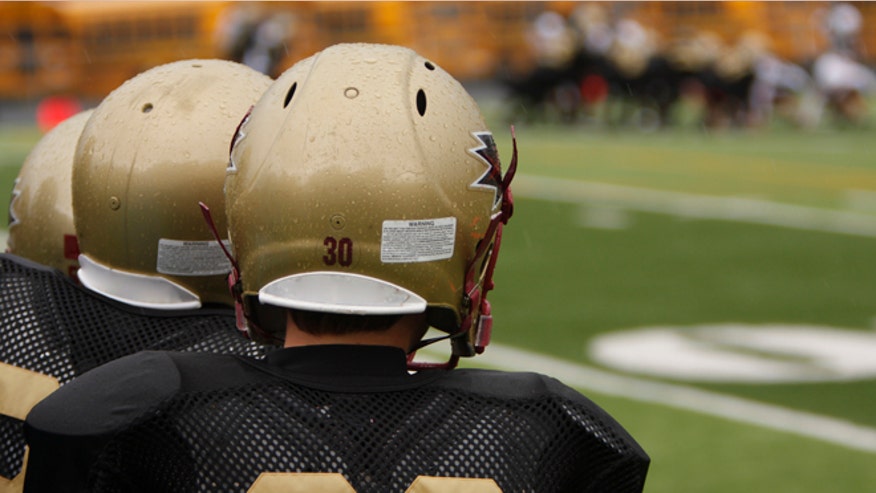
At a time when energy drink consumption is rising among teens in Canada and the United States, the study also suggests that the caffeinated drinks are particularly linked with those who play sports.
"I think that energy drinks appeal to teens, especially athletes, because the drinks provide temporary benefits such as increased alertness, improved mood and enhanced mental and physical states," said Dr. Cusimano. "Advertisements for the drinks also often feature prominent athletes."
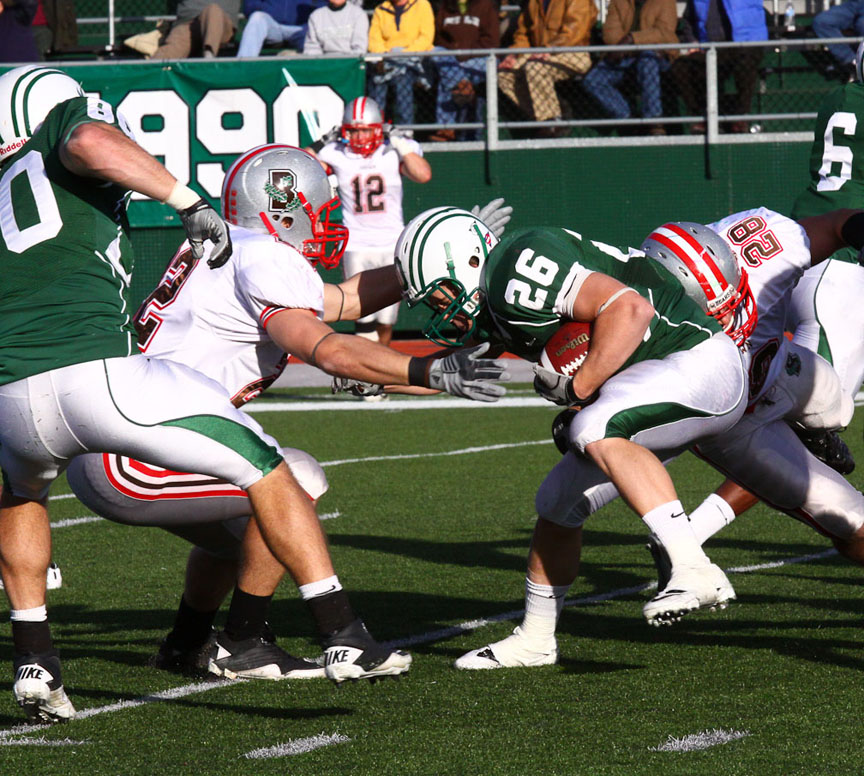
Teens who reported suffering a TBI in the past year while playing sports were twice as likely to consume energy drinks as teens who reported a TBI from other injuries in the same time period.
Data for the study was collected by the Centre for Addiction and Mental Health's 2013 Ontario Student Drug Use and Health Survey. Approximately 10,000 students ages 11 to 20 participated in the self-administered, in-classroom survey. TBI was defined as an injury resulting in the loss of consciousness for at least five minutes, or being hospitalized for at least one night.
"It is particularly concerning to see that teens who report a recent TBI are also twice as likely to report consuming energy drinks mixed with alcohol," said Dr. Robert Mann, senior scientist at the Centre for Addiction and Mental Health in Toronto and director of the OSDUHS. "While we cannot say this link is causal, it's a behaviour that could cause further injury and so we should be looking at this relationship closely in future research."
About 22 per cent of all students surveyed reported they'd experienced a TBI, with sports injuries accounting for almost half of TBI cases experienced in the past year.
Previous research at St. Michael's Hospital found that TBI is associated with poor academic performance, mental health issues, violence, substance abuse and aggression in both teens and adults -- factors that can interfere with rehabilitation, said Dr. Cusimano.
According to the new study, a better understanding of the link between TBI and energy drinks could help medical professionals, parents, teachers and coaches understand how to better prevent, diagnose and treat brain injuries.
Read more here

Tuesday, August 25, 2015

What determines recovery time for a child after a traumatic brain injury?

This article explains why it takes children different amounts of time to recover from traumatic brain injury.

Why do some youngsters bounce back quickly from a traumatic brain injury, while others suffer devastating side effects for years?
New UCLA/USC research suggests that damage to the fatty sheaths around the brain's nerve fibers--not injury severity-- may explain the difference. Published in the July 15 edition of the Journal of Neuroscience, the finding identifies possible biomarkers that physicians could use to predict higher-risk patients who require closer monitoring.
The study is the first to combine imaging scans with recording of the brain's electrical activity to reveal how damage to the protective coating around the brain's circuitry affects how quickly children and teens can process and recall information after a concussion or other head trauma.
"Just as electricians insulate electrical wires to shield their connections, the brain's nerve fibers are encased in a fatty tissue called myelin that protects signals as they travel across the brain," explained Dr. Christopher Giza, director of the UCLA Steve Tisch BrainSPORT Program and a professor of pediatrics and neurosurgery at UCLA's David Geffen School of Medicine and Mattel Children's Hospital. "We suspected that trauma was damaging the myelin and slowing the brain's ability to transmit information, interfering with patients' capacity to learn."
To test their hypothesis, the scientists assigned a series of mental tasks to 32 youngsters ages 8 to 19. Each had suffered a moderate to severe brain injury in the past five months. The tests evaluated the children's processing speed, short-term memory, verbal learning and cognitive flexibility.
The UCLA team recorded the kids' brains' electrical activity to test how quickly their nerve fibers could transmit information, and then imaged the wiring to assess its structural soundness.
When the scientists compared the patients' results to those of a matched control group of 31 healthy children, they discovered dramatic differences.
Half of the brain-injury group showed widespread damage to the myelin insulating their brain's circuitry. These patients performed 14 percent more poorly on the cognitive tests and their wiring worked three times slower than healthy children's.
Scans of the other 16 patients in the brain-injury group showed their myelin was nearly intact; and their brains were able to process information as quickly as healthy children's. They performed 9 percent better on the cognitive tasks than the youngsters with more myelin damage, though not as well as the uninjured kids.
"Our research suggests that imaging the brain's wiring to evaluate both its structure and function could help predict a patient's prognosis after a traumatic brain injury," said first author Emily Dennis, a postdoctoral researcher at USC's Keck School of Medicine.
"Our next step will be to explore how brain biomarkers change during a patient's first year of recovery when most people recapture some cognitive function," said principal investigator Robert Asarnow, a professor of psychiatry and psychology at UCLA's Semel Institute for Neuroscience and Human Behavior and College of Letters and Science.
Traumatic brain injury is the single most common cause of death and disability in children and teens, according to the U.S. Centers for Disease Control.
The research was supported by funding from the Eunice Kennedy Shriver National Institute of Child Health and Human Development, the National Institute of Biomedical Imaging and Bioengineering, and the National Cancer Institute.
Read more here

Friday, July 10, 2015

Study: Children can experience disturbed sleep after traumatic brain injury

A study indicates that children's sleep can be disturbed following a traumatic brain injury.

Children who sustain traumatic brain injury (TBI) are more likely to experience greater daytime sleepiness, sleep disturbances, and poorer overall sleep quality, and to have impaired emotional, physical, and social functioning, when compared with children without TBI, a small study suggests.
"For clinicians treating children with TBI, it's worth asking children or their parents about their sleep," principal investigator Kimberly Allen, PhD, RN, from the Center for Narcolepsy, Sleep and Health Research, Department of Women Children and Family Health Science, University of Illinois-Chicago, noted in an interview withMedscape Medical News.
She presented the study at SLEEP 2015: the Annual Meeting of the Associated Professional Sleep Societies.
Research Gaps
Pediatric TBI is common. Each year in the United States over 500,000 children are admitted to the hospital with a TBI. The short- and long-term consequences can include motor and sensory impairments; cognitive, emotional, and psychosocial impairments; and sleep problems, although sleep is less well studied, Dr Allen said.
She and her colleagues assessed the sleep of 15 children with TBI (3 with mild TBI, 5 with moderate TBI, 6 with severe TBI, and 1 with unknown TBI severity) compared with that of 15 healthy children, matched on age, race, and maternal education level. The children were about 11 years of age on average. Those with TBI were an average of 594 days post-injury (range, 26 to 1076 days).
As hypothesized, compared with healthy children, children with TBI demonstrated statistically significant increases in daytime sleepiness on the modified Epworth Sleepiness Scale (P = .03), poorer sleep quality on the Child Sleep Wake Scale (P = .001), and poorer functional status on the Pediatric Quality of Life Inventory (P < .001). Overall, the effect sizes were "high and clinically relevant," the researchers note in their poster.
"Sleep is something physicians need to ask about in children with TBI," Dr Allen said.
She noted that "in most studies of pediatric TBI and sleep, sleep has been a secondary aim, not a primary aim," and they haven't used standardized sleep measures.
"This study," Dr Allen said, "provides a first glance at what children with TBI look like in terms of sleep compared to their peers that are healthy, typically developing children. We need more research in this area."
It should be noted, she added, that most children with TBI were hospitalized for more than 1 week and required rehabilitation, which may play a role in why they experienced daytime sleepiness, poorer sleep quality, and poorer functional status.
"Important" Study
Reached by email for comment, Suresh Kotagal, MD, consultant in neurology, pediatrics and sleep medicine, Mayo Clinic, Rochester, Minnesota, said, "The results are important as they address an important gap in pediatric sleep medicine, i.e., hypersomnia, that develops after head injury."
Dr Kotagal, who wasn't involved in the study, said there are likely "multiple factors underlying excessive daytime sleepiness after head injury. To start with, one has to consider variables prior to trauma that can impact sleep such as hyperactivity and anxiety. The head injury itself could also lead to central neurotransmitter imbalance or hypocretin deficiency that predispose to drowsiness. Medications utilized in head injured children such as antiepileptic drugs and antispasticity agents like baclofen can also contribute to drowsiness."
"Pediatric physical medicine and rehabilitation programs need to pay more attention to post-traumatic hypersomnia as an important treatable symptom that influences cognitive function and the overall quality of life," Dr Kotagal told Medscape Medical News.
Shalini Paruthi, MD, fellow of the American Academy of Sleep Medicine and director of the Pediatric Sleep and Research Center at SSM Cardinal Glennon Children's Medical Center, St. Louis, Missouri, toldMedscape Medical News that sleep in children with TBI "hasn't been studied enough, so it's great to have this pilot data. Being able to recognize that sleep problems might be part of the TBI effects is very important."
"As part of comprehensive care for our kids who have traumatic brain injuries, we should also be thinking about their sleep. Better sleep may have an impact on healing. We don't know that yet, but it's possible," added Dr Paruthi, who wasn't involved in the study.
Read more here

Wednesday, March 11, 2015

Concussion risk not lowered by helmet add-ons

A study on helmet add-ons indicated that the add-ons may not reduce the risk of having a concussion. 


While the sporting industry continues to cash in on equipment that promises to reduce the risk of player injury, a new study on helmet add-ons suggests that the buyer should beware.
The study conducted by Florida’s BRAINS Inc. and presented at the American Academy of Neurology, tested four different sporting technologies targeting football helmets that are sold on the premise of reducing head injuries.
A concussion, a type of traumatic brain injury (TBI), can be caused by a bump, blow or jolt to the head, or by a blow to the body that causes the head and brain to move rapidly back and forth, according to the Centers for Disease Control and Prevention (CDC). The sudden movement can cause the brain to bounce around or twist in the skull, stretching and damaging brain cells which may create chemical changes in the brain.
Researchers used a crash test dummy head and neck to simulate head impact by modifying the standard drop test system approved by the National Operating Committee on Standards for Athletic Equipment. Sensors were placed in the dummy’s head to measure linear and angular rotational responses to helmet impacts at 10, 12 and 14 miles per hour.
They then evaluated four football helmet add-ons currently on the market: Guardian Cap, UnEqual Technologies’ Concussion Reduction Technology, Shockstrips and Helmet Glide. Each technology was placed on the Riddell Revolution Speed and Xenith X1 football helmet and impacted five times from drop heights of 1.0, 1.5 and 2.0 meters.
Researchers found that while the helmet add-ons reduced linear acceleration impact by about 11 percent, they only reduced angular acceleration impact by 2 percent. The Helmet Glide was even shown to have no effect on either.
“Currently helmets and helmet add-ons are only designed to reduce the linear acceleration, not the angular acceleration. The linear acceleration is responsible for the contusion injuries on the brain, skull fractures and bruising on the head. Angular accelerations are the forces associated with concussions,” study author Dr. John Llyod, the research director at BRAINS Inc. and board certified ergonomist and brain injury specialist in Florida, told FoxNews.com. 
The researchers noted that manufactures do not test the angular metric of injury prevention-based sporting equipment, but also that the add-ons do not have any negative affect on a player.
“The main issue with the add-ons is if you as a parent or even as an individual walk into Sports Authority or Dick’s Sporting, you ask ‘What are these for?’ and [salesmen] are going to say ‘They’re for preventing concussions,’” study co-author Dr. Francis Conidi, assistant professor of neurology at Florida State University College of Medicine and concussion specialist told FoxNews.com.
“First and most importantly, their intent is to market them to prevent concussions and they’re not training the individuals selling the devices. The parents are getting a false sense of safety, while the results show they offer little to no protection of concussion,” Conidi said.
Conidi explained that a concussion is more-so a whiplash-type injury than a straight-on impact, which is what the linear testing measures.
“If I hit you straight on with a baseball bat, I would not induce concussion,” he said. “I would probably fracture your skull, but I would not concuss it.”
“It’s really the angular and rotational mechanism of the skull that causes the tearing of brain cells, which causes the ion cells to leak out,” Conidi said.
The researchers conclude that because there is no device on the market right now that adequately protects an athlete against a concussion, athletes must be taught proper tackling techniques from an early age.
Conidi, who has treated numerous athletes of all levels for concussions, suggested working with the athlete to strengthen the cervical muscles so the head doesn’t bend to the side or rotate as easily.
“Most importantly, be educated on the signs and symptoms, especially the athletes themselves, and the parents and coaches. When in doubt, sit them out,” he said.
Currently, an estimated 173,285 sports and recreation-related TBIs are treated among children and adolescents in the U.S. each year. According to the CDC, for males aged 10-19 years, sports-and recreation-related TBIs occurred most often while playing football or bicycling.
The study’s authors hope their findings will lead to more rigorous testing of helmets and add-ons.
Read more here

Friday, February 06, 2015

Inflammation thought to cause long-term problems after traumatic brain injury

A recent study claims that inflammation causes long-term problems, such as chronic degenerative problems, after a traumatic brain injury.

A new paper by researchers at the University of Maryland School of Medicine (UM SOM) argues that there is a widespread misunderstanding about the true nature of traumatic brain injury and how it causes chronic degenerative problems.
In a perspective article published in the latest issue ofNeurotherapeutics, the two authors -- Alan Faden, MD, a neurologist and professor of anesthesiology, and David Loane, PhD, an assistant professor of anesthesiology, propose that chronic brain damage and neuropsychiatric problems after trauma are to a large degree caused by long-term inflammation in the brain. In their view, this inflammation is a key culprit behind the myriad symptoms that have been linked with traumatic brain injury and mild traumatic brain injury, including brain atrophy, depression and cognitive decline.
Dr. Faden and Dr. Loane also say that there has been too much emphasis on a specific diagnosis known as chronic traumatic encephalopathy (CTE), the set of symptoms and pathology that has been found in some former professional football players. They argue that this may deflect focus from other mechanisms, which may be more important and treatable. They say that although chronic traumatic encephalopathy is a serious problem, relatively few people have been diagnosed with this condition. Instead, they contend, researchers and journalists should focus more on the fact that even repeated concussive impacts or mild traumatic brain injury may trigger chronic brain inflammation that can persist for years and cause lasting damage.
"Brain inflammation is a key issue, and it has been under-emphasized," says Dr. Faden. "Recent brain imaging studies, including those in former professional football players, indicate that persistent brain inflammation after a single moderate head injury or repeated milder traumatic brain injury may be very common, and may contribute to cognitive problems. In addition, larger studies indicate that brain inflammation persists for many months or years in many people with traumatic brain injury."
The paper also points out that chronic brain inflammation related to traumatic brain injury may be treatable. Dr. Faden and Dr. Loane say recent research shows that some experimental drugs, as well as carefully controlled exercise programs, can block brain inflammation caused by traumatic brain injury. They maintain that these avenues should be pursued vigorously.
The paper follows two recent groundbreaking publications by Dr. Faden, which appeared several months ago. The papers, which looked at animal models of traumatic brain injury, examined the mechanisms by which even mild brain injuries can cause sustained cognitive and psychiatric problems. This work elucidated how this process occurs, and appeared in of the Journal of Neuroscience and the Journal of Cerebral Blood Flow and Metabolism.
"These studies show how repeated mild injuries can lead to the same kinds of injuries that occur after a single moderate or severe traumatic brain injury," said Dr. Faden. "The brain inflammation and loss of brain cells look remarkably similar in both cases. Now that we understand more about the mechanism behind the damage, we can develop strategies to prevent or minimize the problems."
For the paper in the Journal of Cerebral Blood Flow and Metabolism, Dr. Faden and his colleagues found that the brains of animals with mild traumatic brain injury showed substantial loss of neurons, as well as increases in microglia, a kind of inflammatory immune cell active in the brain. These changes lasted for several weeks after the injury. The researchers also found that repeated mild traumatic brain injury, and the resulting inflammation, were associated with decreased function in a part of the brain called the hippocampus, which is crucial for memory.
In the other paper, in the Journal of Neuropathology and Experimental Neurology, which included Dr. Loane as the lead author, the scientists found that traumatic brain injury triggers specific long-term molecular changes that causes increased inflammation lasting up to a year and leads to the death of brain neurons and cognitive loss. "Traumatic brain injury is a major social problem, in athletics, the military and elsewhere," said Dean E. Albert Reece, MD, PhD, MBA, who is vice president for Medical Affairs, University of Maryland, and the John Z. and Akiko K. Bowers Distinguished Professor and Dean of the School of Medicine. "This work by Dr. Faden and his colleagues helps illuminate more about the causes of traumatic brain injury, and possible treatments."
Read more here

Saturday, November 08, 2014

Study: Traumatic brain injury and dementia in older adults

A study shows that older adults who previously had a traumatic brain injury are at a higher risk of developing dementia.

Traumatic brain injury (TBI) appears to be associated with an increased risk of dementia in adults 55 years and older, according to a study published online by JAMA Neurology.
Controversy exists about whether there is a link between a single TBI and the risk of developing dementia because of conflicting study results. The Centers for Disease Control and Prevention says that Americans 55 years and older account for more than 60 percent of all hospitalizations for TBI, with the highest rates of TBI-related emergency department (ED) visits, inpatient stays and deaths happening among those patients 75 years and older. Therefore, understanding the effects of a recent TBI and the subsequent development of dementia among middle or older adults has important public health implications.
Researchers Raquel C. Gardner, M.D., of the University of California, San Francisco, and colleagues examined the risk of dementia among adults 55 years and older with recent TBI compared with adults with non-TBI body trauma (NTT), which was defined as fractures but not of the head or neck. The study included 164,661 patients identified in a statewide California administrative health database of ED and inpatient visits.
In the study, a total of 51,799 patients with trauma (31.5 percent) had TBI. Of those, 4,361 patients (8.4 percent) developed dementia compared with 6,610 patients (5.9 percent) with NTT. The average time from trauma to dementia diagnosis was 3.2 years and it was shorter in the TBI group compared with the NTT group (3.1 vs. 3.3 years). Moderate to severe TBI was associated with increased risk of dementia at 55 years or older, while mild TBI at 65 years or older increased the dementia risk.
"Whether a person with TBI recovers cognitively or develops dementia, however, is likely dependent on multiple additional risk and protective factors, ranging from genetics and medical comorbidities to environmental exposures and specific characteristics of the TBI itself," the authors note.
Editorial: Role of Big Data in Understanding Late-Life Cognitive Decline
In a related editorial, Steven T. DeKosky, M.D., of the University of Pittsburgh School of Medicine, writes: "In this issue of JAMA Neurology, Gardner and colleagues used a very large database to examine the risk of dementia following significant trauma, specifically whether body trauma (fractures) or traumatic brain injury (TBI) differed in dementia incidence during follow-up."
"Unfortunately, there was not a nontrauma control group included, which may have answered the question of whether NTT (i.e. body trauma itself) raised the risk of dementia significantly above age-equivalent controls without nonbrain trauma (perhaps from inflammation or other complications)," DeKosky continues.
"Judicious use of data by skilled researchers who are familiar with the entire range of dementia research from pathobiology to health care needs will enable us to ask important questions, evolve new or more informed queries, and both lead and complement the translational questions that are before us. Dementia is both a global problem and a pathological conundrum; thus, the complementary use of big data and basic neuroscience analyses offers the most promise," he concludes.
Read more here

Saturday, October 25, 2014

Timing of traumatic brain injury treatment

This article explains the importance of timely treatment for traumatic brain injury in the hospital / critical care setting.

Researchers at the University of Adelaide have discovered two potential treatments for traumatic brain injury that are most effective when given at different stages after the injury has occurred.
Laboratory studies conducted in the University's School of Medical Sciences have confirmed that changes in brain water channels over time play a critical role in traumatic brain injury.
For his PhD at the University, researcher Dr Joshua Burton tested two compounds that alter the natural flow of water activity in and out of the brain. He found that recovery from brain injury can be greatly assisted when these compounds are given at the right times.
Dr Burton's work could point to the potential development of new drugs as well as new approaches to preventing brain damage and death. The research also has implications for treatment of brain swelling after stroke.
"One of the serious consequences of traumatic brain injury is an increase in brain moisture content and associated brain swelling, which significantly impacts patients' neurological outcomes. This swelling can occur for days after the initial injury and is frequently life-threatening," Dr Burton says.
"The water channels normally function to protect the brain, but in the case of traumatic injury or stroke they become a pathway of vulnerability that allows swelling. Unfortunately, the swelling creates pressure within the skull -- there's nowhere for the brain to expand to -- decreasing oxygen levels and blood to the brain."
Dr Burton has found that applying a drug that closes the water channels can inhibit initial water entry, helping to close the window of vulnerability. A second drug used later in the progression of the injury acts to enhance the water channel activity, letting superfluous moisture out when needed. "By using both of these compounds -- a blocker at the early stage of injury, and an activator at the later stage -- we're able to complement the brain's natural healing processes and maintain a reduced level of swelling," he says.
This work builds on more than a decade of research conducted by the University of Adelaide's Professor Andrea Yool on the water channel proteins known as "aquaporins."
"Dr Burton's work is groundbreaking because it clarifies the roles of aquaporins in the brain during the short and long-term responses to traumatic head injury. This work also demonstrates for the first time that recently discovered drug-like compounds can be used in series to initially reduce water entry and then enhance water exit over time," Professor Yool says.
"Most current therapeutic approaches are limited in their ability to reduce injury-induced brain swelling, and no treatments are available to resolve excess fluid at a later stage. While much more research is needed, there is exciting potential here for new interventions in clinical situations. New approaches that can improve the outlook for patients, especially in the later stages of injury development, would be of great benefit," she says.
Read more here

Wednesday, October 22, 2014

Concussions in the U.S. - Some helpful information on brain injury

This article explains all about concussion in the U.S., how to treat them, and common misconceptions about concussions.

Concussion, sometimes referred to as mild traumatic brain injury, is one of the most commonly encountered sports injuries. Studies vary but rates are estimated at two million sport related concussions per year in the United States. It is also commonly believed that these are under reported injuries due to lack of recognition of the concussion and the desire of athletes to not miss time from their activity.


Research has led to change in our approach to treatment of the injuries. New guidelines do not use a set time away from activity and emphasize a gradual return to play. While concussions often occur from direct contact to the head or face, they may also occur from rotational forces without contact such as a tumbling fall. Although research continues to help understand what happens to the brain in a concussion, it appears that the neurons (brain cells) sustain a small injury that creates an "energy crisis." This generally lasts 7-10 days and physical or cognitive activity during this time period may worsen symptoms and prolong recovery. ...

Collision sports (football, hockey, etc.) generally have the highest overall rates of concussion; however, they can be seen in all sporting activity. Fortunately, the overall rates of concussions are relatively low even in collision sports. Certain risk factors are associated with an increased risk of concussion or prolonged recovery. Genetics, gender, playing position, migraines, history of multiple concussions and mental disorders (depression, anxiety and ADHD) all may play a role in how an athlete is affected by a concussive injury.
However it is still unclear how much influence each of these factors has on an individual athlete's risk. The diagnosis of a concussion can be complex as the signs and symptoms of concussions can be found in many other conditions and there is not a singular test we can use to determine if a concussion has occurred. Sometimes the diagnosis is very straight forward, for example when there has been a brief loss of consciousness, but many times the changes seen in the athlete are very subtle. The diagnosis of a concussion is mainly based on the history and physical examination. Symptoms of a concussion may include headache, dizziness, nausea/vomiting, amnesia, brief loss of consciousness and inability to concentrate. These symptoms may last for several days to a few weeks.
Imaging, CT scan or MRI, rarely indicate concussions, unless there is a finding on examination that suggests a structural injury ( e.g. bleeding or swelling). Newer computerized tests may add value in some cases, but these tests are not used to diagnose concussions and it is unclear if using these tests improve the outcomes of concussed athletes. Previous grading scales used symptoms at the time of the concussion to determine the severity of the concussion. New guidelines now suggest that we not grade concussions at all and that we only determine that a concussion has occurred. The reasoning for this lies in newer research that shows symptoms at the time of the initial injury do not correlate with the severity of the injury and recovery time. Additionally, grading does not change our treatments as resting until symptoms have resolved is the initial treatment regardless of the injury.
Treatment
When an athlete is suspected of having a concussion, they should be removed immediately from competition. Symptoms should be monitored and the athlete should not be returned to competition until they are evaluated by a qualified medical professional. This evaluation should occur as soon as possible. The athlete should be monitored closely for several hours after a concussion. It is important to stress that both physical and mental rest speed the recovery of concussions. It is okay for the athlete to sleep and should avoid over stimulation such as video games or loud crowded activities. Athletes may need to stay out of school or have modified class schedules.
Ask your health care provider for more specific recommendations. Returning the athlete to play starts when the athlete is symptom free. It will take 3-7 days for full return to sports (depending on the sport) with an athlete gradually increasing their activity level every 24 hrs. Returning to class can occur over the same timeframe and athletes should be monitored as well for any increase or recurrence of symptoms. Activity can surface underlying concussion symptoms and athletes should be instructed to notify their coach, trainer or physician if they redevelop any symptoms during the recovery period. This process allows faster and safer return to sporting activity. Computerized neuropsychological testing is sometimes used to help monitor an athlete's progress but is never used on its own to determine a diagnosis or an athlete's readiness to return to play. There are many common misconceptions about concussive injuries.
The following are several myths about concussion:
Every athlete who sustains a hard hit must have a concussion. Although our knowledge about the forces involved in concussion is improving we still have not found a level of force that definitely causes a concussion. At times high forces do not cause an injury and relatively lower ones may. This means that we should not overact to every head impact but also need to listen to athletes who complain of concussive like symptoms after any head contact. Because there is no known force level for concussion in-helmet devices that are marketed to consumers as "concussion alarms," they are not recommended as they will likely lead to both over and under diagnosis of concussive injuries.
Better helmets and mouth guards will prevent concussions. Unfortunately there is no good scientific evidence that helmets of any type (hard shells, soft-padded or head bands) or mouth guards can prevent or reduce the risk of concussions. Hard helmets can reduce the risk of more serious head injuries (bleeding, skull fractures etc.) and should be worn in high risk sports. Mouth guards can prevent dental injuries and should be worn for sports with a high risk of these injuries. Helmet-add ons additionally are not effective in concussion prevention and using these will generally void any warranties associated with the helmet. Risk reduction may be possible in some settings with rule changes (e.g. no hitting from behind in hockey) and behavior changes (e.g. tackling technique in football).
Once you have a concussion you will always be more susceptible to having another one. While there appears to be an increased risk of recurrence in the first few weeks after a concussive injury it is unclear what factors may influence the risk of another injury in the future. Despite being a commonly held belief there is no evidence to suggest that athletes develop a decreasing force threshold after each injury. A few small studies have found the opposite....
Read more here

Friday, August 22, 2014

Top-of-head concussions are more severe

A study claims that concussions on the top of a person's head have a higher level of severity than other concussions.

As we head into the start of the new school year, many young people will begin signing up for the football team. Though team sports are a great way for kids to boost their self-esteem and increase physical activity, there are certain risks involved with contact sports, including concussions. Now, a recent study from the American Academy of Pediatrics investigates how the location of impact could affect concussion severity.
Prior to this study, published in the journal Pediatrics, very little research had focused on how location of impact on the head could yield differentconcussion outcomes.
According to the Centers for Disease Control and Prevention (CDC), a concussion is a traumatic brain injury(TBI) that is the result of a bump, blow or jolt to the head that can change how the brain normally works.
To investigate further, researchers used data from the National High School Sports-Related Injury Surveillance Study to calculate rates and circumstances of concussions that occurred during football as a result of player-to-player collisions.
The team observed that most concussions of this type (44.7%) occurred on the front of the head, while 22.3% occurred on the side of the head. Based on where the impact occurred, the number and type of symptoms, symptom resolution time, and length of time before returning to play did not vary significantly.
But the data revealed that more football players whose concussions resulted from top-of-head impacts lost consciousness than those whose impacts were located elsewhere on the head.
In detail, 8% of players with top-of-head concussions experienced loss of consciousness, compared with only 3.5% of those with impacts on other areas.
Read more here


Tuesday, July 08, 2014

Long-term outcomes of TBI treatment

A study looked into different TBI treatments and their long-term neurological outcomes.

In patients with a traumatic brain injury (TBI), neither the administration of the hormone erythropoietin (EPO) or maintaining a higher hemoglobin concentration through blood transfusion resulted in improved neurological outcome at 6 months, according to a study in the July 2 issue of JAMA. Transfusing at higher hemoglobin concentrations was associated with a higher risk of adverse events

Patients with severe traumatic brain injury commonly develop anemia. For patients with neurological injury, anemia is a potential cause of secondary injury, which may worsen neurological outcomes. Treatment of anemia may include transfusions of packed red blood cells or administration of erythropoietin. There is limited information about the effect of erythropoietin or a high hemoglobin transfusion threshold (if the hemoglobin concentration drops below a certain level, a transfusion is performed) after a TBI, according to background information in the article.
Claudia S. Robertson, M.D., of the Baylor College of Medicine, Houston, and colleagues conducted a randomized clinical trial that included 200 patients (erythropoietin, n = 102; placebo, n = 98) with a closed head injury at neurosurgical intensive care units in two U.S. level I trauma centers between May 2006 and August 2012. Patients were enrolled within 6 hours of injury and had to be unable to follow commands after initial stabilization. Erythropoietin or placebo was initially dosed daily for 3 days and then weekly for 2 more weeks (n = 74). There were 99 patients assigned to a hemoglobin transfusion threshold of 7 g/dL and 101 patients assigned to 10 g/dL.
In the placebo group, 34 patients (38.2 percent) recovered to a favorable outcome (defined as good recovery and moderate disability, as measured by a functional assessment inventory) compared with 17 patients (48.6 percent) in the erythropoietin 1 group (first dosing regimen) and 17 patients (29.8 percent) in the erythropoietin 2 group (second dosing regimen). Thirty-seven patients (42.5 percent) assigned to the transfusion threshold of 7 g/dL recovered to a favorable outcome compared with 31 patients (33.0 percent) assigned to the transfusion threshold of 10 g/dL.
There was a higher incidence of thromboembolic events for the transfusion threshold of 10 g/dL (21.8 percent) vs (8.1 percent) for the threshold of 7 g/dL.
"Among patients with closed head injury, neither the administration of erythropoietin nor maintaining hemoglobin concentration of at least 10 g/dL resulted in improved neurological outcome at 6 months. These findings do not support either approach in patients with traumatic brain injury," the authors conclude.
Read more here

Monday, July 07, 2014

How to treat sleep problems following a concussion

New clinical guidelines have been released regarding how to treat sleep problems in people following a concussion.

The Defense and Veterans Brain Injury Center has released new clinical recommendations and support tools to assist in the identification and treatment of a sleep disturbance occurring in patients after a concussion (mild traumatic brain injury or mTBI). The suite of products assists health care providers in the identification of a sleep problem and provides recommendations for its treatment.
"Sleep disorders are common after a person sustains a concussion," said Col. Sidney Hinds, II, M.D., Defense and Veterans Brain Injury Center's, or DVBIC's, national director. "The prompt identification and treatment of sleep disorders are an important part of the recovery process for concussion. Sleep is critical to the brain's healing and recovery processes. Research shows that if sleep is regular and adequate, restorative processes are promoted." 

Since 2000, more than 300,000 U.S. service members have sustained a traumatic brain injury.

Common sleep disorders associated with traumatic brain injury, referred to as TBI, include insomnia, circadian rhythm sleep wake disorder and obstructive sleep apnea. Insomnia is the most common sleep disturbance after concussion.

The new Management of Sleep Disturbances following Acute Concussion/Mild TBI Clinical Recommendations suite is composed of clinical recommendations, a clinical support tool, a provider education slide deck and a patient education fact sheet.

"These clinical recommendations advise that all patients with concussion symptoms should be screened for the presence of a sleep disorder," said U.S. Public Health Service Capt. Cynthia Spells, DVBIC's clinical affairs officer. "Patients should be asked if they are experiencing frequent difficulty in falling or staying asleep, excessive daytime sleepiness or unusual events during sleep. The initial step in the diagnosis of a sleep disorder includes a focused sleep assessment."

Non-pharmacological measures to treat insomnia that focus on stimulus control and good sleep hygiene are the preferred methods of treatment. Short-term use of sleep medication may be necessary in addition to these measures if they are not effective by themselves.

Spells said stimulus control means controlling your environment to help promote sleep. Examples of stimulus control measures include relaxing before bedtime, going to bed only when sleepy, getting out of bed when unable to sleep, removing electronics (TV, smart phone, computer) from the bedroom and using the bedroom only for sleep and intimacy.

Sleep hygiene habits include avoiding caffeine and other stimulants close to bedtime, daily physical activity but not exercising close to bedtime, arising at the same time every morning, getting natural light exposure every day, and avoiding alcohol, nicotine and large meals close to bedtime.

Spells said the new sleep disturbance clinical recommendations and support tool product suite was developed by the Department of Defense in collaboration with the Department of Veterans Affairs and civilian medical professionals.

"Although tailored for the military and VA health care systems, these recommendations may be used by civilian health care providers treating concussion associated sleep disorders," Spells said. "Many service members and veterans, especially those serving in the National Guard and Reserve, receive care from civilian health care specialists." 

DVBIC serves as the Department of Defense subject matter expert on TBI and manager of the TBI pathway of care.

Read more here

Friday, May 09, 2014

Better-educated people have easier recoveries from TBI

A study shows that those who are more highly educated have better recoveries from traumatic brain injury.

Better-educated people appear to be significantly more likely to recover from a moderate to severe traumatic brain injury (TBI), suggesting that a brain's "cognitive reserve" may play a role in helping people get back to their previous lives, new Johns Hopkins research shows.
The researchers, reporting in the journal Neurology, found that those with the equivalent of at least a college education are seven times more likely than those who didn't finish high school to be disability-free one year after a TBI serious enough to warrant inpatient time in a hospital and rehabilitation facility.
The findings, while new among TBI investigators, mirror those in Alzheimer's disease research, in which higher educational attainment -- believed to be an indicator of a more active, or more effective, use of the brain's "muscles" and therefore its cognitive reserve -- has been linked to slower progression of dementia.
"After this type of brain injury, some patients experience lifelong disability, while others with very similar damage achieve a full recovery," says study leader Eric B. Schneider, Ph.D., an epidemiologist at the Johns Hopkins University School of Medicine's Center for Surgical Trials and Outcomes Research. "Our work suggests that cognitive reserve ¬ -- the brain's ability to be resilient in the face of insult or injury -- could account for the difference."
Schneider conducted the research in conjunction with Robert D. Stevens. M.D., a neuro-intensive care physician with Johns Hopkins' Department of Anesthesiology and Critical Care Medicine.
For the study, the researchers studied 769 patients enrolled in the TBI Model Systems database, an ongoing multi-center cohort of patients funded by the National Institute on Disability and Rehabilitation Research. The patients had been hospitalized with a moderate to severe TBI and subsequently admitted to a rehabilitation facility.
Of the 769 patients, 219 -- or 27.8 percent -- were free of any detectable disability one year after their injury. Twenty-three patients who didn't complete high school -- 9.7 percent of those at that education level -- recovered, while 136 patients with between 12 and 15 years of schooling -- 30.8 percent of those at that educational level -- did. Nearly 40 percent of patients -- 76 of the 194 -- who had 16 or more years of education fully recovered.
Schneider says researchers don't currently understand the biological mechanisms that might account for the link between years of schooling and improved recovery.
"People with increased cognitive reserve capabilities may actually heal in a different way that allows them to return to their pre-injury function and/or they may be able to better adapt and form new pathways in their brains to compensate for the injury," Schneider says. "Further studies are needed to not only find out, but also to use that knowledge to help people with less cognitive reserve."
Meanwhile, he says, "What we learned may point to the potential value of continuing to educate yourself and engage in cognitively intensive activities. Just as we try to keep our bodies strong in order to help us recover when we are ill, we need to keep the brain in the best shape it can be."
Adds Stevens: "Understanding the underpinnings of cognitive reserve in terms of brain biology could generate ideas on how to enhance recovery from brain injury."
Read more here

Study: Nearly half of homeless men have had traumatic brain injury

A study examined homeless men and found that nearly half of them have had a traumatic brain injury during their lifetime.

Almost half of all homeless men who took part in a study by St. Michael's Hospital had suffered at least one traumatic brain injury in their life and 87 per cent of those injuries occurred before the men lost their homes.
While assaults were a major cause of those traumatic brain injuries, or TBIs, (60 per cent) many were caused by potentially non-violent mechanisms such as sports and recreation (44 per cent) and motor vehicle collisions and falls (42 per cent).
The study, led by Dr. Jane Topolovec-Vranic, a clinical researcher in the hospital's Neuroscience Research Program, was published today in the journal CMAJ Open.
Dr. Topolovec-Vranic said it's important for health care providers and others who work with homeless people to be aware of any history of TBI because of the links between such injuries and mental health issues, substance abuse, seizures and general poorer physical health.
The fact that so many homeless men suffered a TBI before losing their home suggests such injuries could be a risk factor for becoming homeless, she said. That makes it even more important to monitor young people who suffer TBIs such as concussions for health and behavioural changes, she said.
Dr. Topolovec-Vranic looked at data on 111 homeless men aged 27 to 81 years old who were recruited from a downtown Toronto men's shelter. She found that 45 per cent of these men had experienced a traumatic brain injury, and of these, 70 per cent were injured during childhood or teenage years and 87 per cent experienced an injury before becoming homeless.
In men under age 40, falls from drug/alcohol blackouts were the most common cause of traumatic brain injury while assault was the most common in men over 40 years old.
Recognition that a TBI sustained in childhood or early teenage years could predispose someone to homelessness may challenge some assumptions that homelessness is a conscious choice made by these individuals, or just the result of their addictions or mental illness, said Dr. Topolovec-Vranic.
This study received funding from the Canadian Institutes of Health Research and the Ontario Neurotrauma Foundation.
Separately, a recent study by Dr. Stephen Hwang of the hospital's Centre for Research on Inner City Health, found the number of people who are homeless or vulnerably housed and who have also suffered a TBI may be as high as 61 per cent -- seven times higher than the general population.
Dr. Hwang's study, published in the Journal of Head Trauma Rehabilitation, is one of the largest studies to date investigating TBI in homeless populations. The findings come from the Health and Housing in Transition Study, which tracks the health and housing status of homeless and vulnerably housed people in Toronto, Vancouver and Ottawa.
Read more here

Sunday, April 27, 2014

Social skills could suffer after head injuries in children

A study shows that after children have a head injury, their social skills could suffer.

Serious head injuries may be linked to children's lack of ability to interact with others, a new study indicates.
Researchers looked at a group of children who had suffered a traumatic brain injury three years earlier, most often in car crashes.
Those with lingering damage in the brain's frontal lobes had lower-quality social lives, according to the Brigham Young University (BYU) study in the April 10 issue of the Journal of Head Trauma Rehabilitation. The study did not determine a cause-and-effect relationship, only an association.
"The thing that's hardest about brain injury is that someone can have significant difficulties but they still look OK," neuropsychologist and study author Shawn Gale said in a university news release.
"But they have a harder time remembering things and focusing on things as well, and that affects the way they interact with other people. Since they look fine, people don't cut them as much slack as they ought to," Gale explained.
The researchers found that the problem may be something called cognitive proficiency, a combination of short-term memory and brain-processing speed.
"In social interactions we need to process the content of what a person is saying in addition to simultaneously processing nonverbal cues," study co-author Ashley Levan, a doctoral student at BYU, said in the news release. "We then have to hold that information in our working memory to be able to respond appropriately. If you disrupt working memory or processing speed, it can result in difficulty with social interactions."
Attention-deficit/hyperactivity disorder also affects the frontal lobes, and previous research has shown that therapy can improve working memory in children with ADHD.
"This is a preliminary study, but we want to go into more of the details about why working memory and processing speed are associated with social functioning and how specific brain structures might be related to improve outcome," Gale said.
Read more here

Sunday, March 02, 2014

Helmets do not protect the side of your head

This article reports that helmets do not adequately protect the side of an athlete's head from injury.

Players using current football helmets aren't adequately protected against hits to the side of the head, which can lead to sometimes-lethal concussions and brain swelling, researchers said.

Ten helmets tested by researchers reduced the likelihood of traumatic brain injury by an average of 20 percent compared with no helmet in a simulation using crash test dummies. The most effective helmet reduced the risk by only 30 percent, according to data released Monday.

Concussion risks in sports are under increasing scrutiny as some deaths among young football players may have been prevented if those with head injuries had been kept off the field, according to a 2011 study in the journal Pediatrics. Research published in January 2013 found abnormalities in the brains of former National Football League players compared with those who didn't play the game. Current tests of helmets focus on impacts that lead to broken skulls, and don't adequately assess the chances of traumatic brain injury, researchers said.

"None of them are fantastic, sadly, and maybe that's the take-home message," John Lloyd, the study author and the research director at San Antonio, Florida-based Brains Inc., said in a telephone interview. "Maybe if football players realized that their helmet only reduced their concussion risk by 20 to 30 percent, they'd lead with the head less often."

Professional sports leagues, including the NFL and Major League Baseball, have changed their medical protocols for treating players with head injuries in response to concussion data. Football is the deadliest sport among youths, and 12 percent of football deaths are caused by head or neck injuries involving students who returned to the game after a concussion. Helmets may provide another target to make sports safer, Lloyd said.

The researchers used a crash-test dummy head and neck to see how well they'd respond with and without helmets to 12 mile- per-hour impacts. They conducted 300 tests, and also tried to measure how much the brain twists in the head. The tests allowed the neck to flex on impact, to better simulate rotational forces.

"When the head comes to a sudden stop, if it's rotating, the brain material is twisting inside the head," Lloyd said. "That can cause concussion and brain injury, including life- threatening subdural hematomas."

The best helmet reduced the likelihood of concussion by 30 percent, Lloyd said. That may be because it was lighter than the other helmets, causing the head and neck to rotate less. It wasn't as good at providing protection against direct impacts that might shatter the skull, and didn't perform as well on standard tests, he said.

The study also found that football helmets fared better against linear impacts, which lead to bruising and skull fracture. Compared with dummies with no helmets, the football helmets reduced the risk of skull fracture by 60 to 70 percent and reduced the risk of brain bruising by 70 to 80 percent.

The research was released in advance of a presentation at the American Academy of Neurology's annual meeting starting April 26 in Philadelphia.

Lloyd suggested that taking the facemask off the helmet and switching to a soft helmet may help diffuse the impact, leading to fewer brain injuries. This is how the scalp works to protect the brain, moving to allow force to be spread and absorbed, he said. Helmets made of softer materials and without facemasks were used in football more than 50 years ago.

"If we got away from hard helmets, we could use advanced materials to provide protection for the head and brain," he said. "The only downside is you wouldn't have anything to attach a faceguard to."

Brains Inc., a company focused on the biomechanics of traumatic brain injury, supported the study.

Read more here