Showing posts with label football. Show all posts

Saturday, October 31, 2015

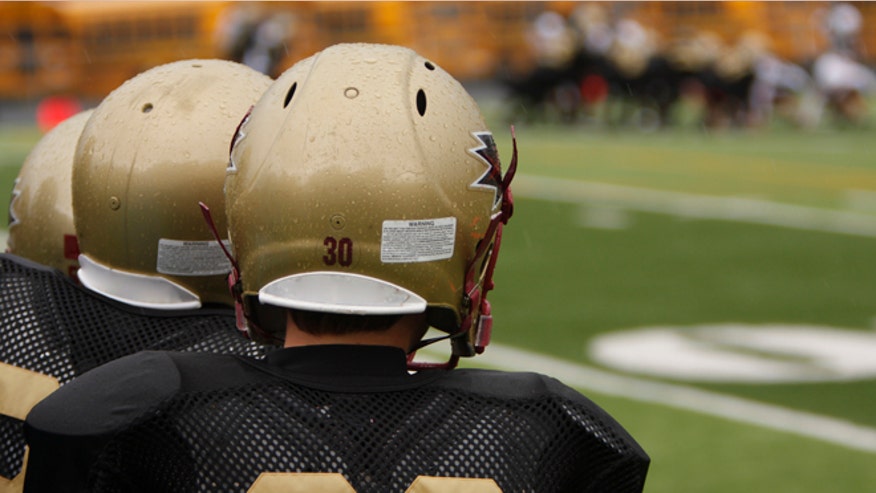
Concerns about concussions in high school football

Concussion awareness is raising concerns about the safety of football for high schoolers.- JR

Awareness of the seriousness of concussions has been at the forefront of recent discussions involving the dangers of playing football.

Earlier this year, the NFL settled a class-action lawsuit with more than 5,000 ex-players who asserted that the league willfully hid information about the dangers of concussions.

While many hailed that as progress, high school coaches wonder if the risks involved with concussions will affect the numbers of participants in the future.

“As a high school coach, my big worry is that parents start moving kids away from the game,” Steele coach Scott Lehnhoff said. “We’re going to do everything we can to make sure protocols are followed and kids aren’t going back until it’s completely safe for them.”

The University Interscholastic League, which governs most high school sports in Texas, has a “return-to-play” protocol in which an athlete who has been diagnosed with a concussion must get a doctor’s approval before returning to play.

“If something looks like a possible concussion, then we get him out of there and make sure there are no coaches jumping in and saying, ‘Get him back in there,’” Highlands coach Juan Morales said.
But what more can be done?

Some things are already in place. Players are penalized for leading with their helmets. Helmet-to-helmet contact is also flagged as a penalty. Therefore, players are being taught not to lead with the heads.

“We need to try to take the head out of the game as much as possible,” Lehnhoff said. “As a coach in the past, maybe if a kid tackled with his head, you didn’t say anything, but now you are going to say something.”

Read more here

Wednesday, July 01, 2015

Concussions occur during youth football practice

Many concussions happen during youth football practice, a recent study claims.

Most concussions among high school and college football players occur during practice, a new study finds.
Data on more than 20,000 young football players across the United States revealed that more than 57 percent of concussed high school and college players were injured at practice, not games.
Among youth football players, almost half of concussions were sustained during practice, according to the study published online May 4 in the journal JAMA Pediatrics.
Evaluating and modifying techniques used during practice may offer opportunities for prevention, experts say.
"While it is harder to change concussion incidence during games without major rule changes, a substantial number of concussions occur during practice across all levels," said lead researcher Thomas Dompier, president of Datalys Center for Sports Injury Research and Prevention Inc., in Indianapolis.
Policy makers and coaches could reduce the odds of serious head injury by limiting player-to-player, or full body, contact during practices, Dompier said.
Dr. John Kuluz, concussion director at Nicklaus Children's Hospital in Miami, said he isn't surprised so many concussions occur during football practice.
"There are a lot of concussions occurring in practices, but of course there are a lot more practices than games," he said. Kuluz pointed out that, according to the study, younger players had about three practices for each game; high school players had about four practices for each game; and college players had nearly 10 practices for a game.
Despite the greater number of practices, games are still more dangerous in terms of head trauma, Kuluz said.
Kuluz agreed that modifying physical contact -- the main cause of concussions -- would help reduce the odds of injury.
"You can't eliminate all player-to-player contact in practice," he said. "But there are alternatives -- like hitting dummies or using sleds -- rather than hitting each other," he said.
As awareness of long-term brain trauma increases, sports-related concussions are a growing public health concern, the researchers pointed out.
Schools are more aware than ever of the risk of concussions, Kuluz said. "All the schools I talk to are aware that there is a big risk of concussion when you play football," he said.
The study results are based on an analysis of data from three sources: the Youth Football Surveillance System; the National Athletic Treatment, Injury and Outcomes Network; and the National Collegiate Athletic Association Injury Surveillance Program.
The researchers found that during the 2012 and 2013 seasons 1,198 concussions occurred -- almost 12 percent of them among youth athletes, 66 percent among high school players, and 22 percent on the college field.
In all, concussions accounted for 9.6 percent of reported youth injuries, 4 percent of high school injuries and 8 percent of college injuries, the researchers found.
During practice, concussion rates were lower among college players than among high school players, the study found.
In 2012 and 2013, youth football players had the lowest concussion risk -- less than 4 percent both seasons. The one-season concussion risk was highest in high school at nearly 10 percent, and college players at 5.5 percent, the researchers said.
Among kids ages 5 to 7 there were no football-related concussions during that study period, researchers say.
Each year, approximately 3 million youth athletes, 1.1 million high school athletes and 100,000 college athletes play football, the researchers noted.
"Across all levels of football, policy makers, coaches, researchers and sports medicine officials should continue to seek ways to reduce concussion incidence," Dompier said.
Read more here

Saturday, April 04, 2015

A 24 year-old NFL player retired due to concussion risks

This article explains why Chris Borland, a linebacker for the 49ers, retired from the NFL at age 24 due to the high risks of concussions.

One of the NFL's most promising young players has announced that he is quitting professional football today, blaming the risk of concussion and serious brain injury on his decision to walk away from the sport. Chris Borland, linebacker for the San Francisco 49ers, told ESPN that he was retiring because he wanted to do what was best for his health, and didn't think football was "worth the risk." By leaving the league at only 24 years old, after a stellar rookie season, Borland rapidly becomes one of the most damning examples of the NFL's ongoing concussion crisis.
Borland says his decision to quit came from him wanting to "be proactive," leaving the sport while his brain is still healthy. The linebacker began to have doubts about his long-term career as a professional football player in his very first NFL training camp, during which he received a suspected concussion on a running play but decided to play through it in a bid to make the team. He told ESPN "I just thought to myself, 'What am I doing? Is this how I'm going to live my adult life, banging my head, especially with what I've learned and knew about the dangers?'" After the fourth game of his rookie season, Borland told his parents his time as a pro player would be short.
The linebacker told ESPN that he currently feels as sharp as he's ever been, but that he had researched the issue heavily, speaking with concussion researchers and former players, more than 4,500 of whom have sued the NFL for failing to adequately protect them from head injuries during their time in the league.
In his statement, Borland thanked the 49ers, saying the team "truly looked out for players' best interests," but his departure from the league is made even more notable by coinciding with the exit of several prominent young players. Borland was scheduled to be one of the stars of the San Francisco 49ers defense, playing the last season as the heir apparent to Patrick Willis, another top-tier defensive player who chose this year to retire from the sport after developing chronic pain in his feet. He was joined by by Steelers linebacker Jason Worilds, who announced this month that he was retiring from pro football to pursue other interests.
The NFL has had a long-running problem with concussions and head injuries, and its lackluster methods of protecting players, as detailed in the PBS documentary League of Denial. Many who have played the sport have gone on to suffer debilitating brain diseases. A number of players, including standout San Diego Chargers and New England Patriots linebacker Junior Seau, have committed suicide in the years after their retirement. Seau shot himself in the chest so his brain could be studied after his death — after autopsy, it was determined that he had been from chronic traumatic encephalopathy (CTE), a type of degenerative brain damage found in other players.
The NFL has made advances in technology designed to help reduce head injuries, but players such as Jahvid Best, a former first-round draft pick who sued both the NFL and helmet maker Riddell after receiving three concussions in two years, are still receiving knockout blows on the field of play that could disable them in later life. The league has also come under fire for a too-weak concussion protocol that allows clearly woozy players back onto the field. In October last year, Chargers defensive back Jahleel Addae played an entire game after being knocked out on the first play. In the fourth quarter, several hours after taking the blow to the head, Addae seemed to lose control of his body after making another hit, jerking his limbs and stepping awkwardly as he attempted to stay upright.
By stepping away from the sport at 24, Borland will avoid the kind of head injuries that could leave him crippled, with diminished mental faculties, or prone to fly into uncontrollable rages. Meanwhile, instead of pouring its efforts into keeping its players safe, the NFL still appears to be in favor of extending the regular season to a gruelling 18 games, despite arguments from the people who actually play the sport.
Read more here

Wednesday, March 11, 2015

Concussion risk not lowered by helmet add-ons

A study on helmet add-ons indicated that the add-ons may not reduce the risk of having a concussion. 


While the sporting industry continues to cash in on equipment that promises to reduce the risk of player injury, a new study on helmet add-ons suggests that the buyer should beware.
The study conducted by Florida’s BRAINS Inc. and presented at the American Academy of Neurology, tested four different sporting technologies targeting football helmets that are sold on the premise of reducing head injuries.
A concussion, a type of traumatic brain injury (TBI), can be caused by a bump, blow or jolt to the head, or by a blow to the body that causes the head and brain to move rapidly back and forth, according to the Centers for Disease Control and Prevention (CDC). The sudden movement can cause the brain to bounce around or twist in the skull, stretching and damaging brain cells which may create chemical changes in the brain.
Researchers used a crash test dummy head and neck to simulate head impact by modifying the standard drop test system approved by the National Operating Committee on Standards for Athletic Equipment. Sensors were placed in the dummy’s head to measure linear and angular rotational responses to helmet impacts at 10, 12 and 14 miles per hour.
They then evaluated four football helmet add-ons currently on the market: Guardian Cap, UnEqual Technologies’ Concussion Reduction Technology, Shockstrips and Helmet Glide. Each technology was placed on the Riddell Revolution Speed and Xenith X1 football helmet and impacted five times from drop heights of 1.0, 1.5 and 2.0 meters.
Researchers found that while the helmet add-ons reduced linear acceleration impact by about 11 percent, they only reduced angular acceleration impact by 2 percent. The Helmet Glide was even shown to have no effect on either.
“Currently helmets and helmet add-ons are only designed to reduce the linear acceleration, not the angular acceleration. The linear acceleration is responsible for the contusion injuries on the brain, skull fractures and bruising on the head. Angular accelerations are the forces associated with concussions,” study author Dr. John Llyod, the research director at BRAINS Inc. and board certified ergonomist and brain injury specialist in Florida, told FoxNews.com. 
The researchers noted that manufactures do not test the angular metric of injury prevention-based sporting equipment, but also that the add-ons do not have any negative affect on a player.
“The main issue with the add-ons is if you as a parent or even as an individual walk into Sports Authority or Dick’s Sporting, you ask ‘What are these for?’ and [salesmen] are going to say ‘They’re for preventing concussions,’” study co-author Dr. Francis Conidi, assistant professor of neurology at Florida State University College of Medicine and concussion specialist told FoxNews.com.
“First and most importantly, their intent is to market them to prevent concussions and they’re not training the individuals selling the devices. The parents are getting a false sense of safety, while the results show they offer little to no protection of concussion,” Conidi said.
Conidi explained that a concussion is more-so a whiplash-type injury than a straight-on impact, which is what the linear testing measures.
“If I hit you straight on with a baseball bat, I would not induce concussion,” he said. “I would probably fracture your skull, but I would not concuss it.”
“It’s really the angular and rotational mechanism of the skull that causes the tearing of brain cells, which causes the ion cells to leak out,” Conidi said.
The researchers conclude that because there is no device on the market right now that adequately protects an athlete against a concussion, athletes must be taught proper tackling techniques from an early age.
Conidi, who has treated numerous athletes of all levels for concussions, suggested working with the athlete to strengthen the cervical muscles so the head doesn’t bend to the side or rotate as easily.
“Most importantly, be educated on the signs and symptoms, especially the athletes themselves, and the parents and coaches. When in doubt, sit them out,” he said.
Currently, an estimated 173,285 sports and recreation-related TBIs are treated among children and adolescents in the U.S. each year. According to the CDC, for males aged 10-19 years, sports-and recreation-related TBIs occurred most often while playing football or bicycling.
The study’s authors hope their findings will lead to more rigorous testing of helmets and add-ons.
Read more here

Thursday, January 08, 2015

Players may be protected from concussions by 3D printed materials in helmets

3D printed materials may be able to replace foam inside helmets to help protect players from concussions.

A team of researchers from UCLA and Architected Materials that is developing breakthrough technology to reduce the number and severity of head injuries to football players today was named a winner of the Head Health Challenge II.

The Head Health Challenge is part of the four-year, $60 million Head Health Initiative, which is sponsored by the National Football League, General Electric and Under Armour. It is focused on improving the prevention, diagnosis and treatment of concussions and traumatic brain injury. Seven winning research teams were selected from among more than 450 Head Health Challenge II entrants from 19 countries.

The award comes with a grant of $500,000 for research, testing and development of the technology in the first year, with the potential for another $1 million in the second year.

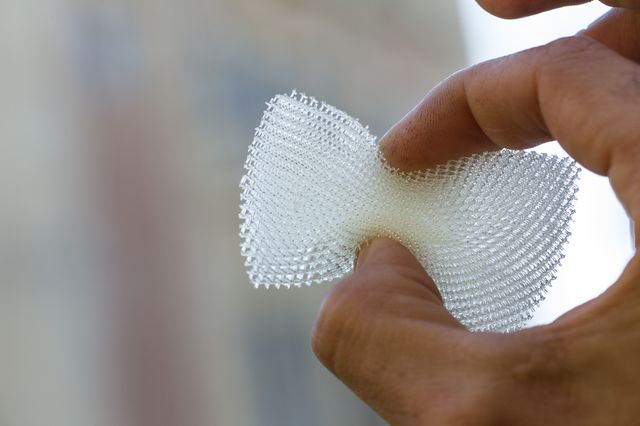
The UCLA–Architected Materials group is developing a novel, energy-absorbing microlattice material, Architected Lattice, to improve the performance of football helmets. The material, designed to replace the foam used inside of today’s football helmets, will help prevent concussion and traumatic brain injury by absorbing energy upon impact while limiting peak loads.

Architected Lattice is light and breathable, and can be enhanced with a strain-sensing “smart lattice” to detect and transmit data about the impact of a collision. This data could help engineers and product designers make further improvements in helmet design and performance.

“We are honored to have been selected by the NFL, Under Armour and General Electric, and excited about the potential impact of developing the next generation of helmet pads with the Architected Lattice,” said Larry Carlson, director of advanced materials at the Institute for Technology Advancement at the UCLA Henry Samueli School of Engineering and Applied Science. “We believe that in addition to preventing or reducing injuries from high-impact collisions on the football field, this material can be used in a variety of sports and recreational applications.”

The research team includes material designers from Ventura, California-based Architected Materials, mechanical impact experts from UCLA Engineering, and brain science specialists at the David Geffen School of Medicine at UCLA. Along with Carlson, the research’s principal investigators are Alan Jacobsen, co-founder of Architected Materials, and Dr. Christopher Giza, director of the UCLA Steve Tisch BrainSPORT Program and a professor of pediatrics and neurosurgery.

“One of the key innovations with our Architected Lattice technology is that it can be manufactured quickly and cost-effectively, which differentiates our technology from traditional 3-D printing techniques,” Jacobsen said.
In preliminary tests, the material has outperformed commonly used vinyl nitrile for reducing transmitted peak force, a key metric for helmet pads.

“In addition to offering the potential to reduce sports concussions, the helmet’s unique material functions as a sensor that monitors impact to the brain,” Giza said. “Collaborative efforts like these powerfully showcase UCLA research teams’ role in developing innovative new ways to benefit public health.” 

With more than 500 neuroscientists throughout campus, UCLA is a leader in research to understand the human brain, including efforts to treat, cure and prevent traumatic brain injury and brain disorders such as Alzheimer’s disease and epilepsy. The BrainSPORT Program was founded by Giza in 2012 and supported by a $10 million gift in May 2014 from philanthropist Steve Tisch.

In this video produced by General Electric, Under Armour and the NFL, researchers display a new helmet liner that absorbs significantly more energy than current materials, better protecting athletes from brain injury.

Read more here

Thursday, December 04, 2014

Magnets in helmets may help reduce concussions

This article explains how adding magnets to football helmets could help reduce concussions by using a magnet's the repulsive forces.

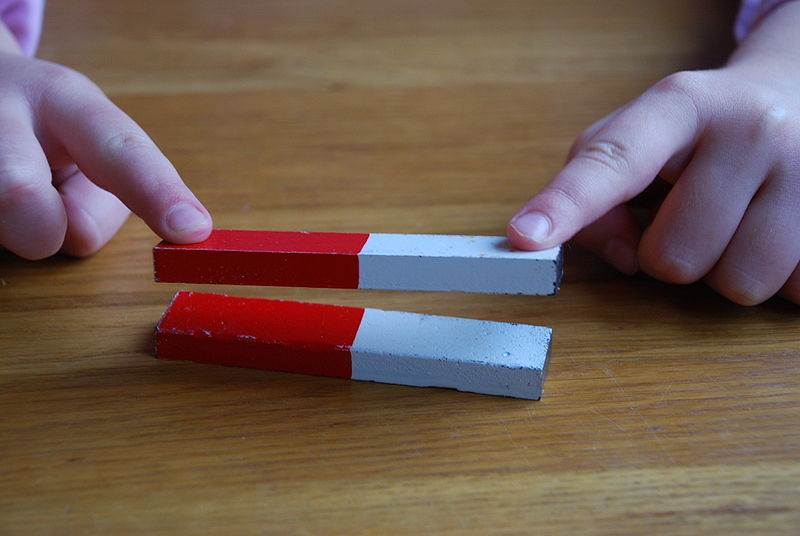
Adding magnets to football helmets could reduce the risk of concussions, new research suggests. When two players collide, the magnets in their helmets would repel each other, reducing the force of the collision.

“All helmet design companies and manufacturers have the same approach, which is to try to disperse the impact energy after the impact’s already occurred,” neuroscientist Raymond Colello said November 15 at the annual meeting of the Society for Neuroscience.

The magnets, he says, would put a brake on the impact before it happens.

The idea hasn’t been tested yet in helmets with real players, said Judy Cameron, a neuroscientist at the University of Pittsburgh. “But a lot of thought has gone into it, and the data that was shown about the ability of the magnets to actually repel each other looked extremely promising.” 

On the field, football players can run at nearly 20 miles per hour and can experience up to 150 g’s of force upon impact. Concussions readily occur at impacts greater than 100 g’s. Every year there are 100,000 concussions at all levels of play among the nearly 1.2 million people who play football in the United States.

Colello, of Virginia Commonwealth University in Richmond, is testing magnets made in China from the rare-earth element neodymium. They are the most powerful commercially available magnets and weigh about one-third of a pound each (football helmets weigh from 3.5 to 5.5 pounds). When placed one-fourth of an inch away from each other, two magnets with their same poles face-to-face exert nearly 100 pounds of repulsive force.

Colello tested his magnets with the same procedure that the National Operating Committee on Standards for Athletic Equipment uses to evaluate football helmets. He placed magnets on the front of a weight and let it drop from various heights onto another magnet. The heights Colello tested (between 6 inches and 4 feet) represent the impact forces athletes normally experience on the playing field.

“At 48 inches, if you dropped a standard helmet and it hit a stationary object, it would create 120 g’s of force,” says Colello. “With the magnets we drop that below 100 g’s.”

The magnets would complement existing helmet safety features. Colello speculates that adding magnets to a helmet would raise the price by $50 to $100. (Professional helmets today can cost several hundred dollars.) Amateur players, who will not experience impacts as crushing as pros do, could use helmets with cheaper, less powerful magnets.

Though the magnets do attract metallic objects, the National Football League prohibits athletes from wearing jewelry during games. Another safety concern is whether the magnets are dangerous to have near human heads. Colello says that a 30 minute- to one-hour MRI procedure produces magnetic fields 10 to 30 times as strong as those in helmet magnets.

Colello is now awaiting customized arc-shaped magnets that can be fitted inside helmets so he can begin field-testing them. First he will run crash-test dummy heads donning the helmets on a zip line; when the heads collide, accelerometers will measure the linear and rotational forces caused by the impact.

If the magnets make it through field tests, they could theoretically reduce the relative risk of concussions by up to 80 percent without changing the appearance or intensity of the game, Colello says.

Read more here

Sunday, November 30, 2014

Brain damage from mild concussions

This article explains how football players can have brain damage from milder concussions.

A new, enhanced MRI diagnostic approach was, for the first time, able to identify significant damage to the blood-brain barrier (BBB) of professional football players following "unreported" trauma or mild concussions. Published in the current issue of JAMA Neurology, this study could improve decision making on when an athlete should "return to play."
According to Prof. Alon Friedman, from the Ben-Gurion University Brain Imaging Research Center and discoverer of the new diagnostic, "until now, there wasn't a diagnostic capability to identify mild brain injury early after the trauma. In the NFL, other professional sports and especially school sports, concern has grown about the long-term neuropsychiatric consequences of repeated mild Traumatic Brain Injury (mTBI) and specifically sports-related concussive and sub-concussive head impacts."
The paper, published by researchers at Ben-Gurion University of the Negev (BGU) and Soroka University Medical Center, describes a new diagnostic approach using Magnetic Resonance Imaging (MRI) for detection and localization of vascular pathology and blood-brain barrier breakdown in football players.
The images from the Ben-Gurion University of the Negev JAMA Neurology study represent Blood-Brain Barrier (BBB) Permeability in Football Players (A) vs. a control group (B). The players in the pathological-BBB group (B) presented focal BBB lesions in different cortical regions including the temporal (player 4), frontal (player 5), and parietal (player 6) lobes. Both gray and white matter were involved.
"The goal of our study was to use our new method to visualize the extent and location of BBB dysfunction in football players using Dynamic Contrast-Enhanced Magnetic Resonance Imaging (DCE-MRI) on a Phillips 3-T Ingenia. Specifically, it generates more detailed brain maps showing brain regions with abnormal vasculature, or a 'leaky BBB.' "
Study participants included 16 football players from Israel's professional football team, Black Swarm, as well as 13 track and field athletes from Ben-Gurion University who served as controls. All underwent the newly developed MRI-based diagnostic.
The DCE-MRIs were given between games during the season and revealed significant damage.
Forty percent of the examined football players with unreported concussions had evidence of "leaky BBB" compared to 8.3 percent of the control athletes.
"The group of 29 volunteers was clearly differentiated into an intact-BBB group and a pathological-BBB group," Friedman explains. "This showed a clear association between football and increased risk for BBB pathology that we couldn't see before. In addition, high-BBB permeability was found in six players and in only one athlete from the control group."
Friedman also explains that not all the players showed pathology. This indicates that repeated, mild concussive events might impact some players differently than others. This level of diagnosis of individual players can provide the basis of more rational decision making on "return to play" for professionals as well amateurs of any age.
"Generally, players return to the game long before the brain's physical healing is complete, which could exacerbate the possibility of brain damage later in life," says Friedman.
A decade of research in the BGU Laboratory for Experimental Neurosurgery has shown that vascular pathology, and specifically dysfunction of the blood-brain barrier (BBB), plays a key role in brain dysfunction and degeneration, and may be an underlying cause of neurodegenerative complications after brain injuries.
The BBB is a highly selective permeable membrane that separates circulating blood from extracellular fluid. It protects the brain by preventing many dangerous substances from penetrating, and therefore is not meant to be damaged.
Medical researchers, including Friedman's group at BGU, are working to find ways to find drugs that will target the BBB and facilitate its repair, allowing for the prevention of Alzheimer's disease and other brain-related disease.
"Prof. Friedman has been able to conduct this breakthrough brain research using the state-of-the-art MRI machine donated as a result of contributions from American Associates, Ben-Gurion University of the Negev (AABGU)," explains Doron Krakow, AABGU executive vice president. "We believe that with continued support, Prof. Friedman and the DCE-MRI can help render more accurate and informed decisions by athletes and others exposed to mild concussions about when to resume activities."
Read more here

Thursday, August 28, 2014

Age and brand of football helmet do not influence concussion risk

A recent study shows that both the brand and age of a football helmet do not change the risk of concussion for high school students.

A University of Wisconsin study suggests there is no difference in concussion risk for high school football players based on different brands or ages of helmets, according to a release.
The study involved 2,081 football players at 34 high schools in Wisconsin during the 2012 and 2013 football seasons, according to the release. Players completed a pre-season demographic and injury questionnaire, and sport-related concussions were recorded throughout the year.
A total of 206 players, about 9 percent, sustained a total of 211 SRCs during the study, officials said. During the study, players wore Riddell, Schutt and Xenith helmets.
The study also found that custom-fitted mouth guards increased SRC risk by 60 percent compared to generic guards; the rate of SRC was nearly seven times higher during competition than practice and four times higher during full-contact practice than no-contact practice; and age, BMI, grade in school or competition level was not associated with an increased risk of SRC.
Another important finding was that players who sustained an SRC during the previous 12 months were almost twice as likely to sustain another one compared to players with a history of SRC, according to the release.
“This was surprising because we found that the increased risk exists even when controlling for the players’ use of protective equipment, years of football experience and player characteristics, such as their grade in school and competition level,” said Tim McGuine, UW sports medicine researcher and co-author of the study. “These results highlight the need for medical providers to document a history of SRC in young football players and for more education among parents, coaches and the players about the increased concussion risk in these individuals.”
The researchers said other than learning appropriate tackling and other on-field techniques, properly maintained and fitted helmets remain one of the most important ways to prevent skull fractures and scalp lacerations in football players.
Read more here

Friday, August 22, 2014

Top-of-head concussions are more severe

A study claims that concussions on the top of a person's head have a higher level of severity than other concussions.

As we head into the start of the new school year, many young people will begin signing up for the football team. Though team sports are a great way for kids to boost their self-esteem and increase physical activity, there are certain risks involved with contact sports, including concussions. Now, a recent study from the American Academy of Pediatrics investigates how the location of impact could affect concussion severity.
Prior to this study, published in the journal Pediatrics, very little research had focused on how location of impact on the head could yield differentconcussion outcomes.
According to the Centers for Disease Control and Prevention (CDC), a concussion is a traumatic brain injury(TBI) that is the result of a bump, blow or jolt to the head that can change how the brain normally works.
To investigate further, researchers used data from the National High School Sports-Related Injury Surveillance Study to calculate rates and circumstances of concussions that occurred during football as a result of player-to-player collisions.
The team observed that most concussions of this type (44.7%) occurred on the front of the head, while 22.3% occurred on the side of the head. Based on where the impact occurred, the number and type of symptoms, symptom resolution time, and length of time before returning to play did not vary significantly.
But the data revealed that more football players whose concussions resulted from top-of-head impacts lost consciousness than those whose impacts were located elsewhere on the head.
In detail, 8% of players with top-of-head concussions experienced loss of consciousness, compared with only 3.5% of those with impacts on other areas.
Read more here


Friday, August 01, 2014

Katy's coaches and players taught to spot concussions

Football players and coaches in Katy, Texas are being educated to make sure they know how to spot concussions.

Players and coaches from Katy Youth Football completed their first of at least four safety training sessions Saturday to make sure all are properly educated on how to understand, as well as avoid, head trauma on the field.
Taking place at Cinco Ranch High School, Saturday’s seminar featured the “Heads Up” program, an initiative by USA Football — the sport’s national governing body — to certify that coaches know current standards for concussion awareness and equipment fit, as well as heat and hydration. Through “Heads Up”, USA Football is striving to create standards for terminology and technique from the little league level, up to the pro level.
“Where we’re seeing more concussions is actually during the tackle,” said Chad Hester, USA Football master trainer. “So we’re starting with ‘Heads Up Tackling’. We’re teaching them proper tackling techniques to get the head out of the game — where they should be making first contact, instead of the head.”
USA Football teaches players by advancing through “levels of contact”, where technique is learned through different types of resistance — beginning with air, to bags, designated winners and losers, with the final stage called “thud”. Thud is a term by USA Football used to designate an assigned drill where players stay on their feet, and all contact is above the waist — a quick whistle ending play.
KYF President Anthony Biello said 2014 is the second year for KYF to participate in Heads Up. Besides just learning technique, KYF is limiting the amount of “live-action” players participate in during practice. The 35-year old league, boasting 1,500 players, has adopted the UIL’s standard of no more than 90 minutes of full-contact per week, per player. Full-contact is defined as game speed, where players tackle and block to the ground.
“If we have coaches that are out there just banging kids into each other, we have talks with those coaches. In some cases, we remove those kinds of coaches,” Biello said. “If you’re lining two kids up, five or ten yards apart and tell them to run full-speed and hit each other head-on — we don’t want to see that happen on our fields.”
He said the league doesn’t endorse several old-school contact exercises, such as “Bull in the Ring”, where players line up in a circle around one player, targeting the man in the middle for hit after hit, or the “Oklahoma Drill”, where a blocker and ball-carrier are pitted against a defender head-on within a tight width of space.
Kenneth Podell, neuropsychologist from the Methodist Neurological Institute, came to KYF’s training to educate coaches and players on what concussions actually are, as well as how to recognize and treat them. Podell remembers when some football coaches didn’t actually consider concussions a legitimate injury.
“At one time, a concussion test might have been, ‘how many fingers am I holding up?” Podell said. He indicated that has changed, where now medical staff uses a Standardized Concussion Assessment Tool (SCAT), where players go through a variety of mental assessments, also participating in balance and coordination tests.
“We try to objectify this is much as possible,” he said.
However, if there’s even an inkling of head injury by game officials, training staff or coaches, Biello said KYF requires players to sit out for at least a week and to be cleared medically by a qualified physician before returning to play.
While lawsuits against the NFL by former players diagnosed with the disease called CTE — thought by some to be caused by multiple sub-concussive hits — have spurred the movement for concussion awareness, Podell said he considers this a different type of injury, and one that’s still being studied by doctors. At this point in time, Podell said he believes athletes from little league on to high school bare significantly less risk than college or pro players, but that every parent must access their own risk level.

Hester recommends that parents look for a USA Football certified league when signing their kids up to play, as leagues that aren’t aligned with USA Football may not have the same level of standards. He hopes through these types of trainings, players will develop muscle memory for the Heads Up techniques. USA Football is looking to add “Heads Up Blocking” to their current instruction in future years.
Read more here

Monday, July 21, 2014

No difference in helmet brands

A study shows that there is no difference in how many concussions player get based on helmet brand.

The University of Wisconsin reports that its new study showed no difference in the rate of concussions based on what helmet brand is used.

The university recently completed the first large-scale, prospective study in a field-based sports setting to examine if the rate of concussion is affected by the protective equipment that is worn by high school football players.

Not only did the brand not make a difference in the rate of concussions, there also was no difference in the severity of those concussions, either.

The research concluded that well-maintained and fitted football helmets remain important to reduce the risk of skull fracture and intracranial hemorrhage, but there is serious doubt to whether a helmet can ever be designed to prevent concussions.

In addition, the research found a similar concussion risk regardless of the age of the helmet.

Dr. Alison Brooks, assistant professor at University of Wisconsin-Madison, spearheaded the study with Dr. Tim McGuine. Brooks called out the increased risk among previously injured athletes.

“Players in this study who had a history of previous concussion were at higher risk of sustaining another concussion, regardless of the helmet brand worn,” said Brooks. “Rather than focus on the belief that a specific helmet can ‘prevent’ concussions, which is not supported by the current scientific literature, our efforts may be better spent educating players, parents and coaches about the increased risk of concussion in these previously concussed young athletes.”

A concussion in football is a very complex event involving different and changing forces, linear (straight motion or direct hit) and rotational (circular motion of head or torque) accelerations, helmet fit, player position, impact duration, player concussion history and overall health.

Schutt Sports has the two highest 5 STAR helmets in 2014, yet the company admits that the ratings do not support a conclusion that the helmets will limit or prevent concussions.

“Schutt Sports would never represent to somebody that they’re not going to get a concussion if they wear one of our helmets,” said Robert Erb, CEO of Schutt Sports. “As a manufacturer of a helmet considered by this rating system to be the best available, I believe telling people that an athlete is less likely to get a concussion if they use a 5 STAR helmet is irresponsible. The best helmet is the one that carries NOCSAE certification, fits the player, fits the position, is configured with the proper mask and the player is comfortable in it.”

Consumers should also know that the rating given to helmets applies only to size large adult.

According to the Virginia Tech website, “It is possible that the same helmet models of different size may produce different results; however, we do not have any data on this, and we only tested large helmets as a first step.”

Read more here

Wednesday, June 25, 2014

Will sensors be in all helmets by 2015?

A research study is looking into adding sensors into helmets. The results may be strong enough to put sensors into all helmets by 2015.

A pilot program designed to provide more information for concussion research could become more widespread, and put sensors in every helmet by 2015.
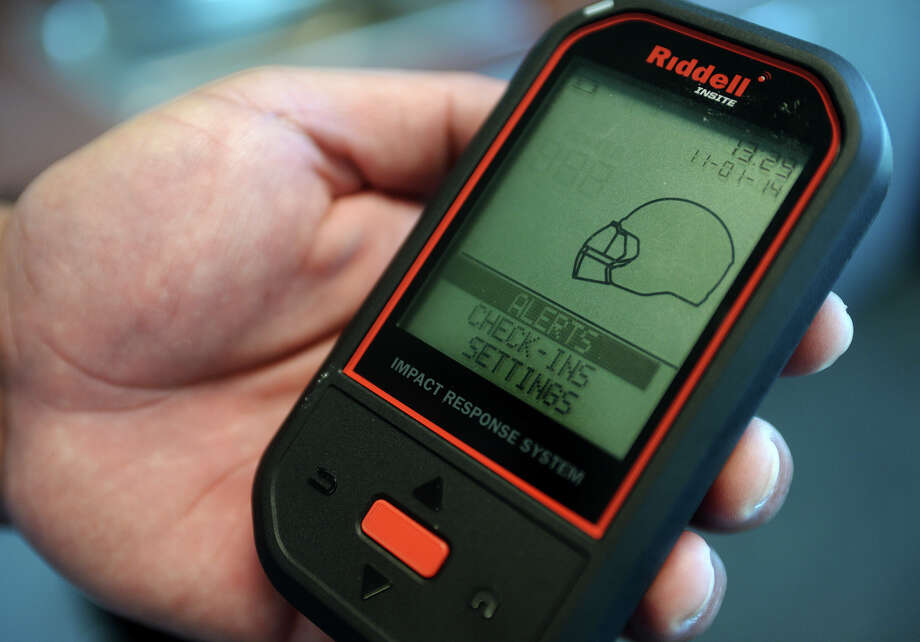
According to Tom Pelissero of USA Today, two teams participated in the program for part of last year, and researchers are trying to fine-tune the technology to measure head impact in games.
The work is being done by University of North Carolina researcher Kevin Guskiewicz, who is a member of both league and union safety committees.
We need a sample of these players across all positions and studying every play type possible,” Guskiewicz said. “So, that’s the next step. Then I hope from there that, if we find (the devices) have utility that could actually help an individual player … my hope would be that we would go league-wide.”
Guskiewicz said the project still needs to be approved by the league and union, and getting that kind of agreement has been an issue in the past.
But he said he was “thrilled” that teams are buying into the idea of collecting data, though hurdles remain.
“I personally believe that there is valuable information to be gained for a player to learn how to perhaps modify his behavior, to track the way in which he’s leading with his head possibly or positioning his body on a certain play type that could help protect him,” Guskiewicz said.
“So, we just sort of have to go through this in a methodical approach to work on the feasibility. This year, I hope that we’re able to move forward with answering some of the questions that we have around potential rules changes, and then the following year, who knows?”
As with most issues, getting players and management to agree to anything is difficult, but if the technology can present a step forward in the accurate diagnosis of concussions and head injuries, then players and the league need to find a way to implement.
Read more here

Friday, June 20, 2014

NOCSAE statement on concussions and helmets

The following article discusses a comment made by the NOCSAE on helmets and concussions.

The National Operating Committee on Standards for Athletic Equipment (NOCSAE) applauds and encourages the growing research in the area of concussion protection for athletes, including the work released this month by Virginia Tech. Coaches, consumers and parents should be aware that while the STAR rating system suggests the purchase of specific football helmets, scientific evidence does not support the claim that a particular helmet brand or model is more effective in reducing the occurrence of concussive events.
“Helmets which meet the NOCSAE standard are extremely effective at doing what they are designed to do, limiting linear accelerations that result from impacts to the head and helmet,” said Mike Oliver, NOCSAE executive director. “The STAR ratings are not standards. They are a theoretical method of comparing one helmet against another. Unfortunately many have misunderstood the purpose and limitations of the STAR ratings. A 5 STAR rating does not mean that the helmet is great at preventing concussions. It simply means that it might be better than another helmet with a lower rating. Because of this misunderstanding, the effectiveness of helmets in protecting against concussions has become exaggerated, taking focus away from steps known to have a more immediate and much greater effect on concussion reduction.”
For concussion protection to be truly effective, actions must be taken on and off the field by student athletes, parents and coaches. According to the CDC Foundation’s Heads Up to Parents program, making sure equipment fits properly, ensuring young athletes are taught proper blocking and tackling techniques and demanding enforcement of rules that prohibit players from leading with their helmets to hit other players are important ways to reduce concussion risk.
The University of Wisconsin recently completed the first large scale, prospective study in a field-based sports setting to examine if the rate of sport-related concussion is affected by the protective equipment that is worn by high school football players. The results show no difference in the rate of concussions or severity of concussions by helmet brand. The research concluded that well maintained and fitted football helmets remain important to reduce the risk of skull fracture and intracranial hemorrhage, but there is serious doubt to whether a helmet can ever be designed to prevent concussions. In addition, the research found a similar concussion risk regardless of the age of the helmet.
Dr. Alison Brooks, assistant professor at University of Wisconsin-Madison, spearheaded the study with Dr. Tim McGuine. Dr. Brooks would prefer to see emphasis on rule enforcement and coaching education on tackling technique to limit or avoid contact to the head. She also called out the increased risk among previously injured athletes.
“Players in this study who had a history of previous concussion were at higher risk of sustaining another concussion, regardless of the helmet brand worn,” said Dr. Brooks. “Rather than focus on the belief that a specific helmet can ‘prevent’ concussions, which is not supported by the current scientific literature, our efforts may be better spent educating players, parents and coaches about the increased risk of concussion in these previously concussed young athletes.”
A concussion in football is a very complex event involving different and changing forces, linear (straight motion or direct hit) and rotational (circular motion of head or torque) accelerations, helmet fit, player position, impact duration, player concussion history and overall health.
Schutt Sports has the two highest 5 STAR helmets in 2014, yet they admit that the ratings do not support a conclusion that the helmets will limit or prevent concussions. “Schutt Sports would never represent to somebody that they’re not going to get a concussion if they wear one of our helmets,” said Robert Erb, CEO of Schutt Sports. “As a manufacturer of a helmet considered by this rating system to be the best available, I believe telling people that an athlete is less likely to get a concussion if they use a 5 STAR helmet is irresponsible. The best helmet is the one that carries NOCSAE certification, fits the player, fits the position, is configured with the proper mask and the player is comfortable in it.”
Consumers should also know that the rating applies only to size large adult helmets. According to the Virginia Tech website, “It is possible that the same helmet models of different size may produce different results; however, we do not have any data on this, and we only tested large helmets as a first step.” No adult X-Large, Medium, Small, X-Small or any youth-size helmets were tested as part of this rating. Until other sizes are tested, the only helmet that can claim any STAR rating are adult large. The rating is based on a theoretical calculation from collegiate level data. When helmets receive a higher rating, it does not mean the helmet has met a safe level of concussion protection; instead it is an attempt to compare one helmet to another based on the results. According to an independent statistical review of the Virginia Tech test data there is no significant statistical difference between 5 STAR, 4 STAR and 3 STAR helmets.
“The Virginia Tech Helmet Ratings™ system approaches the very broad and complex issue of concussion protection from a narrow vantage point of linear accelerations only and does not address other biomechanical variables such as rotational accelerations,” said Oliver. “Scientific experts agree that rotational accelerations are involved in most concussive events, but there is still no agreement on what level of rotational force can be considered safe or dangerous for athletes.”
Read more here