Showing posts with label neurologist. Show all posts

Thursday, July 17, 2014

Do doctors have an obligation to protect athletes from concussions?

This article discusses if doctors have an ethical obligation to teach and protect athletes from concussions.

The American Academy of Neurology (AAN), the largest professional association of neurologists and a leading authority on sports concussion, is releasing a new position paper that states doctors have an ethical obligation to educate and protect athletes from sports concussion and clear them to play only when the athlete is medically ready, standing firm against objections from players, parents or coaches. The statement is published in the July 9, 2014, online issue of Neurology®, the medical journal of the AAN, and is being released ahead of The Sports Concussion Conference, July 11-13, 2014, in Chicago, where the AAN will share the latest scientific advances in diagnosing and treating sports concussion.
The AAN position statement calls for doctors to safeguard the future mental and physical health of athletes as a top priority, especially regarding return-to-play decision-making. Physicians also must educate patients and their families about the dangers of concussion in all relevant sports, according to the statement.
The Academy has spent several years analyzing all of the available research and ethical issues to develop this official position paper, which corresponds with the AAN's guideline on sports concussion.
"With nearly four million sports-related concussions in the US each year, it is imperative doctors are educated and protect these athletes who may have sustained a concussion," said lead author Matthew P. Kirschen, MD, PhD, a neurologist with The Children's Hospital of Philadelphia and a member of the American Academy of Neurology. "Concussions can have devastating effects such as short-term impairments in athletes' cognitive and athletic performance. Repeat concussions have been linked to long-term impairments in brain function, such as problems with learning, memory and behavior."
The statement also:
• Supports wider use of baseline cognitive testing
• Recommends that concussion evaluation and management training be added to neurology residency programs
• Suggests the development of a national concussion registry with mandatory reporting, which may help to document more rigorously the incidence and recurrence of concussion at all levels of play
Ethically, the statement concludes that physicians caring for athletes during and after a sports-related concussion should have adequate training and experience in the recognition and evaluation of both the existence and severity of potential brain injury.
"These strategies could help identify the threshold at which the number and severity of head injuries leads to irreversible brain injury. They may also help to clarify how concussion risk varies with factors like age, gender, puberty stage and ethnicity so athletes and parents can make informed decisions about playing contact sports," said Kirschen.
Read more here

Tuesday, October 08, 2013

Reasons why the NFL's new concussion rules aren't working

This article details issues with the NFL's new concussion rules and determines that the issues in football safety lie inherently within the sport.

In January, the NFL announced that, starting with the 2013 season, all games would be played with an independent neurologist on the sidelines to assist with the evaluation and treatment of head injuries. It looked like the league had done a good thing. It was establishing a new, unbiased procedure to promote player safety—an effort made all the better by the fact that it didn't involve placing the burden on the players themselves.

But the fundamental problem with football safety is football, and the league's new program is proving it.

Let's start with some background on the new rule. The players union had long demanded that the league require the presence of independent neurotrauma specialists who could evaluate players without interference or influence from any teams. To wit: On the same day the NFL made its announcement, the NFLPA cited a poll indicating that 78 percent of players didn't trust their own teams' medical staffs.

The league's decision to require these unaffiliated consultants was announced at a news conference held just before the NFLPA's annual Super Bowl week news conference. Also on that same day, NFLPA executive director DeMaurice Smith said the union had not been notified of the league's plan to make the change. And all this was at a time when the NFL was still preparing for a court battle against the concussion-related lawsuits involving thousands of former players who accused it of distorting information about the long-term effects of head trauma. Those suits have since been settled.

The two sides eventually smoothed over their differences, and soon the NFLPA was on board with the plan to have independent neurologists on the sidelines. An NFLPA spokesman told me the league and the union have since worked out an agreement by which they both have input in selecting those independent sideline consultants. Those consultants are picked from a list of experts in all 31 NFL cities. The consultants must not be affiliated with any NFL teams. TheNFL's concussion protocol also spells out that the each consultant must be "board certified or board eligible in neurology, neurological surgery, emergency medicine, physical medicine and rehabilitation or any primary care CAQ sports medicine certified physician and [have] documented competence and experience in the treatment of acute head injuries." Since last year, the protocol also mandates that an athletic trainer must be present up in the booth serve as a "spotter" for both teams by reviewing video and replay technology.

So what could go wrong? Why would there be any problems with diagnosing and handling concussions? Let's look at three situations involving three players in three games. Each one illustrates what the NFLPA spokesman told me was an "area of concern" for the players association after the first month of the new season.

The scenario: In Week 1, Jeremy Kerley of the Jets was concussed when he caught a pass over the middle toward the end of the first half against the Bucs. Kerley was hit by three different players, and Tampa's Mark Barron was flagged for unnecessary roughness:

Kerley was taken to the locker room and given the concussion tests, but he later returned to the game. The following day, he was held out of practice when he was evaluated again and diagnosed with concussion symptoms. The Jets had a short week heading into their next game, and Kerley missed their Week 2 game against the Patriots before returning to play in Week 3 against the Bills. 

The problem: Players don't always show concussion symptoms immediately.

The scenario: In Week 3, the Raiders' Terrelle Pryor took a helmet-to-helmet hit from the Broncos' Wesley Woodyard. Pryor had tucked the ball and made himself a runner, and the hit occurred inside the tackle box, so Woodyard was not penalized:Pryor lay on the turf momentarily but played two more snaps. After the Raiders turned the ball over on downs, he started showing symptoms during a sideline evaluation and was removed from the game. The next day, Pryor tweeted, "I don't remember much!" He returned to practice in a limited role later in the week and was ultimately held out of Sunday's game against the Redskins. The league's concussion protocol says that "if the occurrence of a concussion is unclear, or a player sustains a mechanism of injury ('big hit') that is reasonably expected to give rise to a concussion... the player shall be removed immediately from the field by Club medical personnel." The hit Pryor took certainly seems to fit that definition, and the NFLPA isinvestigating the Raiders' handling of Pryor to determine why he remained in the game. Per Mike Florio, the NFLPA does not want the typical sideline chaos to be used as an excuse for any failure to be properly vigilant in following the mandated protocols. The union spokesman told me that, depending on the outcome of its investigation, the NFLPA could consider filing a grievance.

The problem: A possible breakdown in protocol.

The scenario: In Week 2, Steelers running back Isaac Redman was injured on the opening kickoff after taking a helmet-to-helmet hit from the Bengals' Jayson DiManche. Redman was blocking on the play, and the collision happened away from the ball. Here, you can see Redman go down around the 30-yard line just as the action stops:

The problem: The tendency of players to not want to come out of the game.

These aren't rare, exotic scenarios. They're all things that come up normally in the course of play, like two-point conversions and onside kicks, and that's the issue. The new program is designed to keep concussed players from playing, yet that's not what's happening. These are problems that can't be solved via fiat and bureaucracy, and there's a simple inference to be drawn from that fact: you can't really fix football without turning it into another sport.

Read more, and see the videos referenced here

Friday, September 14, 2012

Bálint's Syndrome: Her Vision Is 20/20, but She Can't Make Sense of What She Sees

This article discusses two cases of Bálint's Syndrome where a person has perfect vision, but they can't make sense of what they see.

It was a quiet Thursday afternoon when AS, a 68-year-old woman from a suburb of Chicago, awakened from a nap to the realization that something was terribly wrong.

Thus begins a Loyola University Medical Center paper on a rare and baffling neurological disorder called Balint's syndrome, which badly impairs a patient's ability to make sense of what he or she sees.
The article describes, in novelistic detail, the difficult adjustments two patients have had to make in their lives. The article is published in the Sept. 11, 2012, issue of Neurology®, the medical journal of the American Academy of Neurology. The paper was written by Jose Biller, MD, Murray Flaster, MD, and first author Jason Cuomo. Biller and Flaster are neurologists and Cuomo is a fourth-year medical student at Loyola University Chicago Stritch School of Medicine.
The authors note that amid the rigors of clinical practice, physicians can content themselves with understanding the phenomenon of disease to the exclusion of understanding the patient's experience. Their article "is an attempt to inform both our clinical and subjective understandings of Balint's syndrome through narratives of two patients suffering from this rare and unique neurological disorder."
Balint's syndrome is named after Austro-Hungarian neurologist Rezső Bálint, who first described it. The condition is caused by one or more strokes in certain regions of the brain. It causes three deficits: Difficulty initiating voluntary eye movements (such as following a physician's finger); inaccurate arm pointing (a patient can see an object, but is unable to pick it up); and constriction of the visual field (ask a patient to look at a parking lot, and all she sees is a lamp post or a car.)
When AS woke from her nap, she couldn't find where doors or cabinets were. She couldn't name or distinguish familiar household objects. She couldn't read a book or the numbers on her telephone. She couldn't see where the bedroom wall ended and the door began. Yet when she saw an ophthalmologist, her vision with glasses was 20/20. She and her husband left the ophthalmologist's office with a referral to see a neurologist, and "wondering what sort of ailment could rob her of her ability to see the bathroom sink, while leaving her with what we typically think of as perfect vision."
The second patient, JD, was a robust, hard-working owner of a trucking business. While driving to his son's house for Thanksgiving, he began to swerve. And at Thanksgiving dinner, he held the spoon upside down. He then experienced left-sided weakness and facial drooping, before losing consciousness. Doctors believe he had suffered a massive stroke, followed by a series of mini strokes.
AD has made many adjustments. For example, while getting ready in the morning, she must touch the sink at all times to remain oriented. While showering, she has to keep her hand on the shower bar. Before brushing her teeth, she puts the toothpaste directly in her mouth, then moves the toothbrush by trial and error to meet it. She has stopped driving. And because she can no longer read, she listens to audio books.
JD has suffered depression, a first for him. "He never once cried before," his wife said, "but now he cries often."
AD said she would not wish Balint's syndrome on anyone, "because not only is this a life-change, it's a mind change."
AD hopes her story will motivate physicians to seek better treatments and therapies.
Read more here

Tuesday, September 04, 2012

Special concerns for pregnant women with epilepsy


This article discusses how women who are epileptic need to see a neurologist before becoming pregnant.

Epilepsy, a health condition characterised by seizures is in some cases known to cause an overstimulation of the brain cells, or an abnormal electrical activity in the brain. This condition more often than not requires lifelong medication.
Epilepsy may cause lifestyle restrictions in some, which include restriction to drive or hold some jobs owing to unpredictability of seizures.
Even so, can epileptic women conceive and carry the pregnancy to term? Ideally, women who suffer from this condition must see a neurologist first who will assess the number of seizure you experience in a given period of time. If you have been seizure free for about two years, the doctor can reduce the number of anti-epileptic medication or stop them altogether before you conceive.
Usually, the type of epilepsy and the need to balance the risk of recurring seizures influence the decision. Seizures taking place when you are pregnant puts you and the foetus at risk.?
If you had not planned and just discovered you are pregnant, see your doctor immediately whether you are on epileptic medication or not.
All pregnant women needs to take Folic acid to prevent neural tube defect conditions in newborn children and this is no exception for women who are epileptic.
Strict supervision
Research shows that women taking anti-epileptic medication have two or three greater chances of giving birth to children with neural tube defect compared to women without.
At the same time, high doses of Folic acid can affect anti-epileptic medication and hence must be taken under strict supervision of the doctor.
Up to 90 per cent of epileptic women experience uncomplicated pregnancies.
However, here are a few things you ought to do during your pregnancy.
• Ensure you are under the supervision of a physician and a gynaecologist.
• The doctor might increase your anti-epileptic medication in the first trimester.
•Anti-epileptic medication deplete levels of vitamin K, therefore, you may require to take vitamin K supplements during the last four weeks of your pregnancy.
Read more here

Q and A on West Nile Virus including Neurological Complications


This article discusses common questions and answers on West Nile Virus due to the rise in cases recently. This is important due to the neurological complications in serious cases of West Nile Virus.

The outbreak of West Nile virus this year has spread to nearly every state and is shaping up to be the largest one on record since the first human cases were reported in the United States in 1999.

But for all the fear and concerns in some parts of the country, health officials say the reality is that most people who become infected will not have any symptoms, and of those who do, only a fraction will develop severe illness. To find out more about the disease and the factors fueling the current outbreak, we spoke with Dr. Erin Staples, a medical epidemiologist at the Centers for Disease Control and Prevention.

Q.

Is it true that many of the symptoms of West Nile are easily overlooked? How many people probably have it and don’t know it?

A.

From studies we know that only about one in every five people who get infected with West Nile will actually develop symptoms. The most common ones are fever, headaches, body ache, joint pain, vomiting, diarrhea and rash. A lot of people who develop symptoms usually just wait it out at home. Or they’ll go to a medical doctor and end up recovering from their illness and feeling much better within several weeks. Sometimes, people will complain of fatigue or report feeling not quite themselves for several months.

Q.

How does a person know if he or she has a more serious form of the illness? What symptoms should prompt you to see a doctor?

A.

Symptoms of severe neurological disease due to West Nile virus infection can include high fever, headache, neck stiffness, stupor, disorientation, coma, tremors, convulsions, muscle weakness, vision loss, numbness and paralysis. These symptoms may last several weeks, and neurological effects may be permanent.

Less than 1 percent of people who are infected will develop such symptoms of more serious neurological illness, like encephalitis or meningitis, which is inflammation of the brain or surrounding tissue.

But people with the serious neurological symptoms are more likely to seek treatment and find out that they have it. With the serious neurological symptoms, about 10 percent of people will die as a result.

Q.

How do you find out if you have West Nile? Is there a test?

A.

People who have symptoms that concern them should see a health care provider. If they think they have West Nile, they can have their blood tested for the presence of antibodies or, in more severe cases that affect the central nervous system, a doctor can take samples of the cerebrospinal fluid that surrounds the brain and spinal cord.

Usually people are hospitalized if they have more serious symptoms.

Q.

Are certain groups at higher risk?

A.

Anyone who is outdoors during times when mosquitoes are active is at a higher risk — so that means people who go outside at dusk and dawn who haven’t done anything to prevent getting bitten, like using repellents or wearing pants and long sleeves.

We do know that there are certain groups that are also at risk of having more severe disease. The groups we’ve identified include people over the age of 50, and people who have medical conditions like cancer, diabetes, hypertension, kidney disease and organ transplants.

We know this from data we’ve collected from state health departments. For a lot of these high-risk groups, it probably deals with their ability to fight infection. You may have people with cancer, for example, who are receiving drugs that inhibit their immune cells. Someone with diabetes may not be able to fight the infection as well as an otherwise healthy person.

With people over the age of 50, it’s most likely that as you age your immune cells are not as robust. We do have a larger proportion of people with encephalitis in the older age group. But anybody who’s out there and not using measures to prevent mosquito bites could be at risk for getting West Nile.

Q.

How widespread is the outbreak, and how are you keeping track of it?

A.

The C.D.C. reports numbers once a week. We take a snapshot, and the states know to report to us by Tuesday morning at 3 a.m.So as of Tuesday we knew that there were 1,118 cases of West Nile being reported from throughout the United States, and that included 41 deaths.

Right now, we have received reports of West Nile virus infections or activity in people, birds or mosquitoes in 47 states. It’s pretty much widespread in the continental United States. The states that have not reported any are Hawaii and Alaska, which have never reported any West Nile activity, and then Vermont. Vermont has previously reported cases, just none so far this year.

Q.

What is the regional breakdown of cases? Are most in Texas?

A.

Almost half of our cases have been reported in Texas, so that is the most affected region at this point. But about 75 percent of our cases have been reported from five states. The first is Texas, the next is Mississippi, Louisiana, then South Dakota and Oklahoma. The central region of the United States is the main area reporting the most cases, but most states are being affected, just to varying degrees.

Q.

How does this compare with other West Nile outbreaks?

A.

We definitely have received reports from state health departments of earlier and greater West Nile activity, particularly in the central states. It’s more than we’ve seen in recent years, and we’re not quite sure why. Essentially there are several factors that play a role, including the weather, the number and types of mosquitoes that spread the virus, birds that also spread the virus, what people are doing to prevent it, and whether there’s community-based spraying. All of those things may determine the size and location of an outbreak. So it makes it very difficult to predict from year to year where we may see West Nile virus outbreaks, because these things change.

Q.

Why is this outbreak so severe? Is it the biggest?

A.

There is some thought that the unusual mild winter we had, the early spring and the hot summer, may have fostered some conditions that are favorable to breeding mosquitoes that spread West Nile virus.

What we can say right now is this is the biggest outbreak. If we look at the number of cases reported to the C.D.C. over the last 10 years, through the third week of August, we’ve had an average of 390 West Nile cases reported each year, and that ranged from a low last year of 77 cases to a high in 2004 of 832 cases.

So now, having more than 1,000 cases reported to us this year through the third week of August, we’re up from what we’ve traditionally seen in the past. However, we don’t know how this is going to translate in the end of the year, for instance, if there’s going to be significant changes. Let’s say New York goes into an early frost this year. That could truncate transmissions.

Q.

What steps can people take to protect themselves?

A.

Use insect repellents when you go outdoors. Wear long sleeves and pants to prevent mosquito bites at dusk and dawn. Install or repair screens or windows to prevent mosquitoes from getting inside your home. Empty any containers of standing water around your home — things like flower pots, kiddie pools, buckets and sometimes even gutters, which can have standing water in them.

Read more here

Wednesday, May 09, 2012

Sleeping pills are not the only treatment worth considering for sleep problems


Millions of Americans might be overusing sleeping pills, which can pose health risks, a recent analysis by Consumer Reports Best Buy Drugs noted. Medication for insomnia can lead to side effects, dependency and even worse sleep problems when taken too often or in excessive doses. If you need help for short-term insomnia caused by travel or a stressful event, start with an over-the-counter sleep aid. If that doesn’t work, ask your doctor if you should try generic zolpidem. But everyone — especially those with chronic insomnia and people 55 or older — should first try these nondrug approaches:

Lifestyle changes. Behavior modification — such as changing sleep habits by getting up at the same time every day and avoiding naps — produced significant improvements for older adults with chronic insomnia, according to a 2011 study published in the Archives of Internal Medicine.

Cognitive-behavioral therapy. Seeing a therapist who specializes in insomnia might help 70 to 80 percent of people with chronic insomnia, often providing a “cure.” (Pills treat the symptoms.) To find a sleep center where CBT is offered, call the American Academy of Sleep Medicine at 630-737-9700 or go to www.sleepcenters.org. Ask your insurer about coverage.

Exercise. A study of more than 3,000 adults, published in December in the journal Mental Health and Physical Activity, found that 150 minutes a week of moderate exercise, such as brisk walking, or 75 minutes a week of vigorous activity, such as running, improved sleep quality by as much as 65 percent.

Treat the causes. If you often have trouble sleeping or wake up tired, talk with your doctor about whether one of the conditions described below might be causing the problem.

Sleep apnea. Symptoms of this disorder include frequent, loud snoring. It can cause breathing to stop for 10 seconds or longer throughout the night, disrupting sleep and increasing the risk of high blood pressure, heart disease, mood and memory problems, and driving accidents. Shedding excess pounds can alleviate it in some cases. Avoiding alcohol, smoking and sedating medication can also help, as can sleeping on your side. In moderate and severe cases, the most effective treatment is continuous positive airway pressure, or CPAP, which involves using a mask that blows air into your throat to keep the airways open. Dental appliances that reposition the lower jaw and tongue might help in mild cases.

Restless legs syndrome. The condition, marked by a strong urge to move your legs, worsens in the evening and when you’re lying down, and is often accompanied by leg-jerking before sleep. To manage symptoms, take daily walks and avoid alcohol, caffeine and smoking. Before bedtime, do calf stretches, take a hot bath, massage your legs or do relaxation exercises.

Frequent nighttime urination. This is the No. 1 cause of insomnia among older adults, because aging bodies produce less of a hormone that enables people to retain fluid. But multiple bathroom calls might also signal uncontrolled diabetes, prostate enlargement, sleep apnea or a urinary tract infection, so talk with your doctor. Limit your consumption of liquids two hours before bedtime, especially alcohol, citrus juices and drinks with caffeine or artificial sweeteners.

Heartburn. If you experience a burning sensation in your chest two or more times a week, see your doctor. You might have gastroesophageal reflux disease, or GERD, which can inflame the lining of the esophagus and awaken you at night with heartburn, indigestion, coughing or choking. Minimize symptoms by eating small meals, not lying down for three hours after eating, avoiding fatty, spicy or acidic food, not smoking and losing excess weight.

Osteoarthritis. Cognitive-behavioral therapy improved both insomnia and arthritis pain in older patients in a 2009 study in the Journal of Clinical Sleep Medicine. And gentle yoga practiced about an hour before bedtime relieved sleep disturbance in women with osteoarthritis in a 2011 pilot study in the journal Sleep Medicine. Most important, lose extra weight and try to exercise regularly to reduce arthritis pain.

Nocturnal leg cramps. These painful muscle contractions, often in the calf and sometimes in the thighs or feet, commonly awaken older people. You might find relief by pulling the top of your foot toward your shin while extending your knee, massaging the affected leg or walking.

Hot flashes. More than half of menopausal women report chronic insomnia, primarily because of hot flashes that interrupt sleep and leave them drenched in sweat and shivering. To ease night sweats, lower the bedroom thermostat or use a fan; sleep on cotton sheets and wear cotton nightclothes; take a cool shower before bed; keep ice water at your bedside; and place a frozen ice pack under your pillow, turning the pillow often.

Emotional distress. Treatment for anxiety and depression generally involves psychotherapy aimed at changing thoughts and behavior that feed the problem, often paired with newer antidepressants such as fluoxetine (Prozac and its generic cousins) and sertraline (Zoloft, for example). If those pills worsen your insomnia, ask your doctor about switching the timing or the drug. Regular exercise can help ease both anxiety and depression.

Read more here

Thursday, April 05, 2012

Tips for a Better Night's Sleep if You're Sleepy on the Job


There's no denying that sleep deprivation, and the health issues that result, are becoming more prevalent in our go-go, techno society. But a recent sleep study by the National Sleep Foundation (NSF) grabbed my attention as particular cause for concern.

Every year, the NSF releases a Sleep in America® poll. For its 2012 survey, the NSF examined the specific sleep habits and work performances of transportation workers -- pilots, train operators, and truck, bus, taxi and limousine drivers. The transportation workers were asked about the duration and quality of their sleep, specifically on work nights, and how it affects their work performance.

Some of the results of the survey were:

• About one-fourth of the train operators and pilots polled said that sleepiness has affected their job performance at least once a week.

• One in five pilots polled -- about 20 percent -- said they have made a "serious error" as a result of on-the-job sleepiness.

• One in five pilots and one in six train operators admit to a "near miss" due to on-the-job sleepiness.

• Pilots and train operators are more likely than non-transportation workers to have been involved in a sleep-related car accident while commuting.

• Among all workers surveyed, train operators and pilots report the most work day sleep dissatisfaction.

• Almost two-thirds of train operators and one-half of pilots say they rarely or never get a good night's sleep on work nights.

• About one-third of bus, taxi, and limo drivers said they rarely or never get a good night's sleep on work nights.

The results of the poll are some cause for alarm and reinforce the growing problem of sleep disorders and the potential risks they pose, such as commuter car accidents and errors by public transportation drivers responsible for many people.

Persistent sleep problems left untreated can also lead to myriad health problems, including memory and concentration problems, increased risk of high blood pressure, hypertension, stroke and heart attacks, depression, diabetes and sexual dysfunction. Severe cases of sleep apnea can even be fatal.

Besides these sobering health risks, an untreated sleep disorder can also be the root cause of poor performance at work or school, car accidents and other activities that require focus and concentration.


Common Symptoms of Sleep Disorders

Many people experience some occasional difficulty sleeping and/or daytime fatigue. But how does a person know if he or she has a temporary sleep problem that can be remedied with some simple behavioral changes or if it is a legitimate disorder, such as snoring, sleep apnea, sinusitis or nasal obstruction that should be diagnosed and treated properly?

The first step is to be aware of some common symptoms of sleep disorders. Keep in mind that symptoms vary between disorders, such as snoring, sleep apnea, insomnia, restless leg syndrome, nasal obstruction, and narcolepsy, so it pays to do some research based on what you are personally experiencing.

Some common symptoms of sleep disorders include:

• Trouble falling asleep at night

• Waking throughout the night

• Chronic snoring

• Morning headaches

• Poor memory

• Daytime sleepiness/falling asleep during the day/low energy

• Bad moods/ irritability

• Increased depression

• Trouble concentrating/driving/making decisions


The Link Between Lifestyle and Sleep Problems

If you or someone you know is experiencing some of the above common symptoms of sleep disorders, the next step is to examine if lifestyle habits are contributing to the difficulty sleeping, fatigue and irritability during the day and other symptoms.

Some behavioral and lifestyle questions to ask include:

• Am I watching TV or using the computer late at night and too close to bedtime?

• Am I consuming too much caffeine during the day?

• Am I taking a medication that may be affecting my sleep quality and duration?

• Is there something particularly stressful going on in my life that is causing me worry and anxiety?

• Am I exercising enough to help alleviate some of that stress and tension?


See a Specialist -- And Be Specific

Many sleep problems can be remedied by making some common-sense behavioral changes. However, if you or someone you know is experiencing one or more of the above symptoms on a regular basis, see a qualified ear, nose and throat doctor or otolaryngologist to get diagnosed and treated properly. There are multiple options and minimally-invasive techniques available today to treat your sleep disorder.

When you see a specialist, be specific about the symptoms you are experiencing. Many times, sleep apnea and other sleep disorders can be misdiagnosed as chronic fatigue, insomnia, depression, or some other non-specific condition. Some doctors, for example, still associate sleep apnea more with men than women, and are too quick to prescribe a medication, rather than do a full sleep disorder work up.

It may help to keep a sleep log (or, more accurately, lack-of-sleep log) next to your bed to write down what you are experiencing, when you wake and some symptoms you experience. Again, to try and avoid misdiagnosis, go to a qualified sleep specialist and be specific about your symptoms. Don't wait -- it could save your life.

To read the full report, see "Sleepy Pilots, Train Operators and Drivers" on the National Sleep Foundation website.

Read more here

Thursday, March 08, 2012

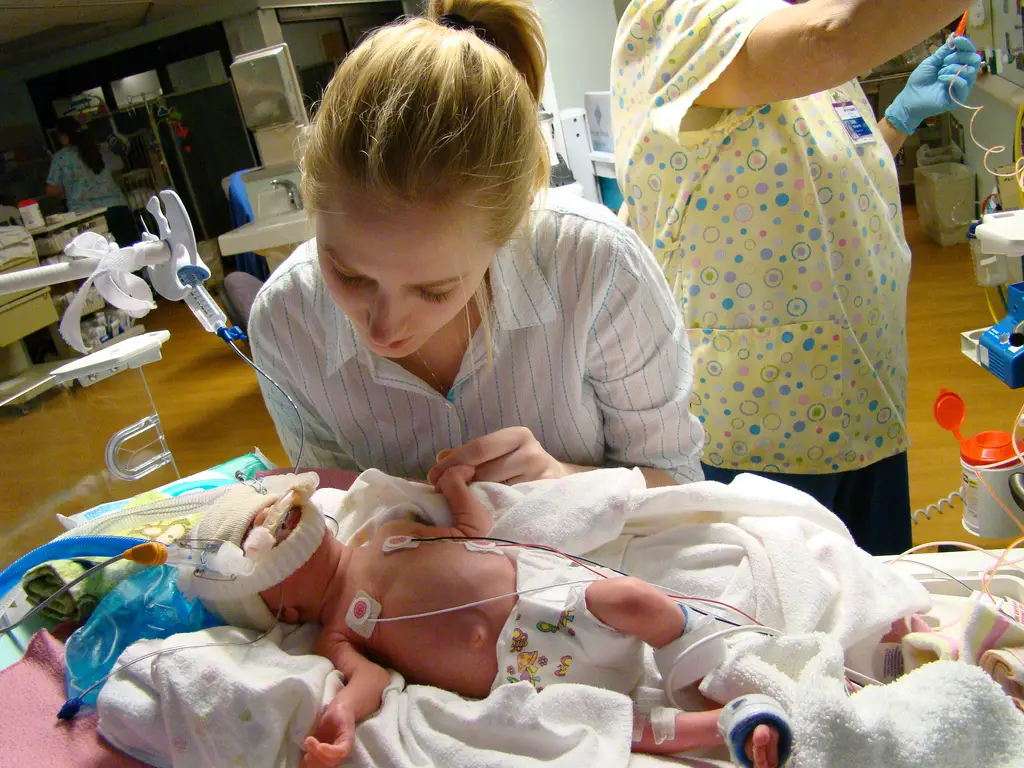
Premature baby? 6 tips for parents on how to deal


#7 - Treat every inch like its a mile. JR


Dr. Adam Wolfberg was an obstetrics resident at Brigham and Women’s Hospital a decade ago when his wife went into unexpected labor three months before her due date. But he found his medical training and previous experience raising two other children (born full term) did little to prepare him for his daughter Larissa’s first frightening weeks of life. He wrote about his days and nights in the neonatal intensive care unit and the years that followed in a new book published last month calledFragile Beginnings.
I asked Wolfberg, now a high-risk obstetrics specialist at Tufts Medical Center, to provide advice to parents of preterm infants -- what he wished he’d known then -- to help guide them through the uncertainty and tough treatment decisions. Here’s what he recommends:
1. Ask your doctor, not the internet, for information. “A little knowledge is sometimes a terrifying thing,” said Wolfberg. When Larissa developed serious bleeding in the brain, fairly common in premature babies, Wolfberg hit the medical library to learn more about brain hemorrhages and the devastation they can cause in newborns: hearing loss, blindness, severe learning disabilities, and an inability to walk or live independently in adulthood. “I was thinking there was no hope.”
Wolfberg said he frequently encounters patients with materials, often inaccurate, that they’ve googled on various health conditions. While he consulted technical medical texts, he still didn’t get a complete picture of his daughter’s condition. “I have a personality type where I really want to know as much as I can,” Wolfberg explained. “I couldn’t simply listen to the advice and guidance that Larissa’s doctors were providing. But it had a downside, scaring me about all the possible things that could happen when each child’s hemorrhage is lot more nuanced that the textbooks make it appear.”
2. Think of your child as an individual, not a statistic. At Wolfberg’s urging, his daughter’s neurologist told him some specifics on prognosis -- that babies with Larissa’s severe grade 4 type of hemorrhage had about a 50 percent chance of having a “normal” IQ, greater than 70. “Thinking back now, I really wished I hadn’t pushed so hard,” said Wolfberg.
At age 10, Larissa’s IQ is now far beyond 70, and she’s in a mainstream elementary school taking math, science, and English classes along with her peers. “She’s a pretty bright kid, but it never crossed our mind that she would have as few issues as she’s had after hearing the statistics.”
3. Be your baby’s advocate in the NICU. “The nurses really appreciated my wife Kelly’s devotion to Larissa in the NICU,” said Wolfberg. “I think that it’s natural for nurses to feel enormous empathy for parents doing their very best for their newborns.” That, in turn, can help improve care.
He said he sees some parents who spend little time in the hospital, figuring that they don’t need to start parenting until their baby comes home.
“My feeling is that parents -- to the extent they can with their work schedules and family responsibilities -- should spend as much time as possible in the NICU. It’s good for them and their baby.”
4. Live in the moment. “The NICU is a day by day place,” said Wolfberg. What’s happening with your baby on a particular day may have no influence on where your child is at in two, five, or ten years down the road. “If I had simply focused on getting through each day, I think it would have been much less anxiety provoking instead of thinking about whether Larissa would be able to walk, talk, or go to school.”
5. Do as much therapy as you can after you leave the hospital. Like most users of the US healthcare system, Wolfberg was shocked to see that while his daughter’s $500,000 hospital bills were fully covered, he needed to pay for a good portion of therapy expenses out of pocket after his daughter was sent home at three months.
But he said he scraped together money to pay extra for a nanny who had previously worked with special needs kids. Both the nanny and his wife, he said, worked with his daughter every day on physical therapy exercises taught to them by a therapist.
Regular physical therapy sessions to help premature babies develop muscle strength and coordination is usually necessary for several years. Larissa experienced low muscle tone on the right side of her body as the result of being deprived of oxygen during birth, but the therapy she had, said Wolfberg, minimized the neurological damage and enabled Larissa to reach all her developmental milestones at the appropriate time.
“Did all the therapy help? I don’t have the scientific evidence to demonstrate that, but I’m 110 percent confident that it did.”
6. Develop a support system. While it can be pretty tough for parents of preemies to get out of the house, online support groups can be helpful for getting advice on everything from sleep problems to finding the right pediatrician. Wolfberg and his wife foundhemikids.org -- for parents of kids who had brain hemorrhages as infants -- to be very helpful and said many of his patients at risk of preterm birth turn to keepemcookin.c