This article from the CDC discusses insufficient sleep issues specifically to adults in Texas. - JR


Read more on Texas adults here.
Read about sleep statistics for others states here.
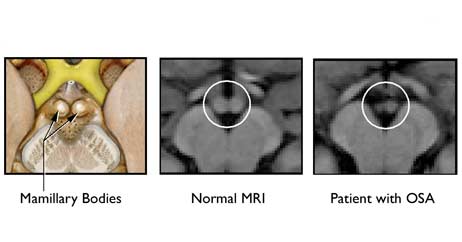 Daytime confusion and memory loss are known symptoms of sleep apnea; people with the condition often rouse hundreds of times a night (without fully waking) and are tired and forgetful the next day. But a study in the June 27, 2008, edition of the journalNeuroscience Letters suggests that there may be more to it than just that.

 Read more here
 A study claims that getting more sleep each night could reduce a person's sensitivity to pain.

 Dolphins were tested using underwater sound projectors. When they detected certain sounds, the dolphins had to press a paddle. The results are detailed online Oct. 17 in the journal PLoS ONE.

 New information shows that Rick Perry was diagnosed with sleep apnea during his Presidential campaign.


The study, authored by Flavia Giannotti, M.D., of Center of Pediatric Sleep Disorders at the University of Rome La Sapienza in Italy, was conducted on 122 children between 7 and 11 years of age, who had a major depressive disorder. All patients underwent a systematic psychiatric, cognitive and sleep evaluation and all children were medication-free. Depressed children, as well as those presenting both depression and an anxious disorder, entered the study, and their results were compared to those of 200 healthy peers.
According to the results, 82 percent of the depressed children reported problems sleeping, compared to five percent in the control group. In the group of children who suffered from both depression and anxiety, 42 percent showed a significantly higher frequency of sleep-onset insomnia, compared to 29 percent in the depression-only group. They also scored significantly higher on the “bedtime difficulties,” “sleep anxiety,” and “sleep duration” portions of the questionnaire.
Gianotti states, “Sleep problems are very common in typically developing children. Even though they are more frequent in toddlers and preschoolers, they affect also school-aged children. What was most interesting about this study was the finding that certain types of comorbid [e.g. anxiety and depression] conditions might be especially disruptive on sleep. Therefore, in childhood, considerable attention needs to be paid to the interrelation between sleep patterns and emotional disorders.”
Experts recommend that school-aged children get between 10-11 hours of sleep every night. If your child fails to get a sufficient amount of sleep of if your child is consistently tired or drowsy in the morning, he or she may have developmental or behavioral problems, like anxiety or depression.
“To ensure the most effective care, parents of sleep-disturbed children are advised to first consult with the child’s pediatrician, who may issue a referral to a sleep specialist for comprehensive testing and treatment,” Dr. Giannotti advised.
Read more here
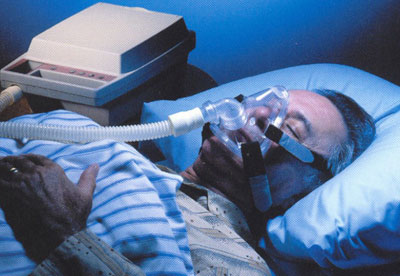
 Memo to doctor self: good advice to help initiating sleep. JR
 Research looks into how yoga can help those who suffer from chronic insomnia and other sleep problems.
According to the U.S. Centers for Disease Control and Prevention (CDC) and the National Sleep Foundation, millions of Americans suffer from sleep problems. Sleep deprivation is reported to affect two-thirds of American adults and is considered an important public health concern. Sleep experts recommend adults get 7 to 9 hours of sleep a night for good health and optimum performance, yet the majority of adults get considerably less.
No doubt the epidemic proportions of this problem stem from our nonstop society, where millions of people trade off quality sleep time for more work time. Stress, anxiety, and depression are also important causes of sleep problems, such as insomnia, sleep apnea, restless legs syndrome, and narcolepsy.
Chronic sleep deprivation can increase the risk of serious health problems, including heart disease, strokeand breast cancer.
Research reports that yoga practice can help to alleviate sleep problems. For a natural, drug-free way to promote restful sleep, try yoga for sweet dreams.
Yoga Can Help Relieve Chronic Insomnia
A study published in Applied Psychophysiology and Biofeedback found yoga helped relieve chronic insomnia.
Researchers at Harvard Medical School in Boston taught 20 study participants yoga breathing, meditation and mantra (sacred sound recitation) in one training session.
The participants practiced the yoga treatment before bedtime on their own and with brief in-person and telephone follow ups for eight weeks. The subjects maintained a sleep-wake diary for two weeks prior to treatment and for eight weeks during the treatment period.
The participants' sleep efficiency, total sleep time, total wake time, sleep onset latency, wake time after sleep onset, number of awakenings, and sleep quality measures were assessed from their sleep-wake diary entries.
Researchers found that the participants had significantly improved sleep efficiency, total sleep time, total wake time, sleep onset latency, and wake time after sleep onset at the end of treatment compared with before the treatment.
"Yoga is an effective treatment because it addresses insomnia's physical and psychological aspects," says study author Sat Bir Khalsa, Ph.D., assistant professor of medicine at Harvard Medical School and associate neuroscientist at Brigham and Women's Hospital, in a statement.
Yoga Helps Ease Sleep Problems
A 2012 randomized study, published in the journal Menopause, found yoga helps ease sleep problems and menopausal symptoms in postmenopausal women. All the participants were not on hormone therapy and were diagnosed with insomnia.
Brazilian researchers assigned 44 menopausal women with insomnia to yoga, physical therapy stretches, or no treatment for four months. Questionnaires evaluating insomnia, menopause symptoms, anxiety and depression symptoms, stress, and quality of life were obtained from the participants.
The yoga and physical therapy groups participated in sessions two times per week. The yoga program included yoga stretches and Tibetan yoga breathing.
The researchers found that the yoga participants had significantly reduced insomnia severity and menopause symptoms and improved quality of life and stress resistance compared to the control group. In addition, the yoga group had significantly fewer sleep problems than the physical therapy group.
"This study showed that a specific sequence of yoga might be effective in reducing insomnia and menopausal symptoms as well as improving quality of life in postmenopausal women with insomnia," the study authors conclude.
Read more here

