Showing posts with label sleep apnea. Show all posts

Wednesday, August 17, 2016

Are Pregnant Women Suffering From a Form of Sleep Apnea?

Israeli-US research: Pregnant women may suffer from sleep apnea

New research suggests that pregnant women may commonly suffer from gestational sleep apnea.

Researchers say that further investigation will determine therapy and criteria for the condition. - JR

Overweight adults aren’t the only ones to suffer from potentially dangerous obstructive sleep apnea (OSA); about a quarter of pregnant women have the condition, according to sleep-medicine researchers in Jerusalem and St. Louis.

Just as pregnant women may be at risk for gestational diabetes and gestational hypertension that develop while carrying their fetuses, they may also develop gestational OSA, in which one stops breathing for several seconds during sleep, the researchers said. The obese most commonly suffer from OSA, putting them at higher risk for high blood pressure, heart disease and type 2 diabetes.


Now, in an editorial in the International Journal of Obstetric Anesthesia, sleep researchers from Israel and the US recommend a new diagnosis, “Gestational Sleep Apnea” (GSA). This would allow health professionals to properly describe, diagnose and treat OSA in pregnant women.

FULL ARTICLE HERE:

“Currently there is a lack of uniform criteria to diagnose, treat and classify OSA in the pregnant population, which in turn complicates efforts to determine the risk factors for, and complications of, gestational sleep apnea,” said Prof. Yehuda Ginosar, director of the mother and child anesthesia unit at Hadassah-University Medical Center in Jerusalem’s Ein Kerem who is on the faculty of the Hebrew University’s Faculty of Medicine.

Wednesday, January 27, 2016

Treating sleep apnea helps children behave

According to this article, treating sleep apnea helps children behave.

Obstructive sleep apnea makes it nearly impossible to get a good night's sleep. Imagine air stopping in your throat, prompting you to choke anobesityAHDH, and heart disease. If that weren't reason enough to seek treatment, maybe this will: A recent study conducted by the University of Michigan Health System found remedying a child’s sleep apnea improves their behavior, no matter if they have a low or high IQ.
"When a clinician sees a pediatric patient who has a problem in school, they ask about sleep," said Dr. Ronald Chervin, neurologist and director of the University of Michigan Sleep Disorders Center, in a statement. "We wondered, in high-performing children, do we still need to worry about snoring or sleep issues?"
Chervin and his colleagues recruited 147 children between the ages of 3 and 12 who were scheduled to undergo an adenotonsillectomy — a procedure that removes the patient’s tonsils and adenoids. Adenotonsillectomy is usually performed when children are suspected of having obstructive sleep apnea, which is characterized by enlarged tonsils and adenoids that stop children from breathing up to ten seconds throughout the night.
Researchers conducted sleep tests that monitored brain wave patterns, eye movements, heart rhythm, muscle activity, airflow out the nose and mouth, chest movements, and snoring. They then asked parents to grade their child's behavior with regard to inattention, hyperactivity, social problems, and perfectionism. The results showed children from both low and high IQ groups experienced similar behavioral improvements when they were reevaluated six months after the adenotonsillectomy.
"Regardless of intellectual level, we can expect to see some behavioral improvement along with better sleep," said Dr. Bruno Giordani, a professor of neurology, psychiatry, psychology, and nursing. "Once behavior improves, attention in school improves, and emotional ability and behavioral and impulsivity control improve."
Although children with high IQs were included in the study, identifying children with high IQs and obstructive sleep apnea is difficult in practice because they don't typically show problems with school performance. Spotting a child who is struggling from a lack of good sleep is a lot tougher than an adult who almost certainly will appear to be tired the next day, if not outright complain about it. Children, on the other hand, often react to a lack of sleep by being hyperactive the next day.
"Children with obstructive sleep apnea are fidgeting and not able to stay on task, because they're doing anything they can to stay awake," said Dr. Seockhoon Chung. "Even when those behavioral problems are minimal, improvement is still possible."
Studies have shown improved behavioral problems related to sleep apnea is imperative to ensuring these behaviors don't carry over into teenage years. A study presented at SLEEP 2012 found children with untreated obstructive sleep apnea suffered more from long-term behavioral problems, including aggression, hyperactivity, difficulty in controlling their behavior, and many other social and behavioral problems.
Read more here

Sleep apnea and heart problems

This article explains heart problems that can be caused by obstructive sleep apnea.

A common sleep problem is bad for your heart, and the number of people that have it has increased by double digits over the past decade.  Studies suggest as many as 26 percent of all Americans may have mild to severe sleep apnea, and only about 10 percent are aware that they have it.
So, as many as 75 million people have a condition that many of know little about.  Sleep apnea is a condition that intrudes into daily living by causing snoring, daytime sleepiness, headache, and poor concentration, but it also can lead to potentially deadly cardiac issues.
Let’s take a look at some of the heart problems that studies have shown sleep apnea can cause:
  1. Atrial fibrillation.  Traditional treatment for the irregular heart rhythm called atrial fibrillation consists of blood thinners, medications, and an invasive, expensive procedure called ablation.  There may be a more natural approach.  Atrial fibrillation has been cured in people who are overweight and have sleep apnea.  The treatment consists of weight loss, and sometimes using a device called CPAP to improve oxygen levels during sleep.  According to the Sleep Heart Health Study, the likelihood of developing afib if you have untreated sleep apnea increases fivefold, and treatment improves the likelihood that your rhythm will stay regular into the future.   
  2. Hypertension.  There is no doubt that undiagnosed and untreated obstructive sleep apnea can result in high blood pressure.  In addition, apnea can make hypertension very difficult to treat with medication, and one-third of people with a condition called resistant hypertension have undiagnosed sleep apnea. Again, weight loss and using a CPAP mask as prescribed by a sleep specialist can make a huge difference
  3. Stroke.  Obstructive sleep apnea (called OSA), has been shown to increase the risk of both stroke and premature dementia.  An analysis published just this month in the journal PLOS One demonstrated that treating the condition with CPAP was associated with a lower incidence of stroke and cardiac events.       
  4. Coronary artery disease.  Not only does untreated OSA worsen atherosclerotic coronary disease  (the blockages that cause heart attacks), it also messes with metabolism, worsening cholesterol and sugar levels. This can lead to fatal heart attacks.   Reggie White, the Philadelphia Eagle great, died at age 43, most likely from OSA.
  5. Pulmonary hypertension. This condition, in which blood pressure in the lungs can be markedly elevated, is another cardiovascular disease with a well-established relationship to OSA.  Sleep apnea is also associated with congestive heart failure, and inflammation that may have an impact on other non-cardiac problems such as Parkinson’s disease.
Obstructive sleep apnea is often associated with being overweight, and losing weight can be a cure.   If you are a guy with a neck size over 18 inches, or a woman with a neck measuring more than 17 inches, there is an increased chance that you may have OSA.  It is more common in men than women, with up to 34% of men and 17% of women having undiagnosed OSA.
Central sleep apnea, the less common type, and is not related to weight. 
The only way to diagnose sleep apnea is to have a sleep study.  For years, this had to be done in a clinic, but now more people are being screened at home.
Treatment with a CPAP machine requires wearing a mask over your nose or mouth while sleeping, a deal breaker for many.  Newer technologies including smaller masks and mouth appliances have improved treatment, so if this fear has prevented you from getting checked out, it may be a good time to reconsider.
Seeing a sleep specialist now may avert the need to see a cardiologist in the future. 

Read more here

Friday, October 30, 2015

Health effects of sleep apnea

This article discusses the effects of sleep apnea beyond snoring.

According to the American Sleep Apnea Association, about 22 million Americans have sleep apnea and about 80 percent of those cases are undiagnosed. Sleep apnea is an involuntary sleep disorder in which breathing repeatedly stops and starts.

Sleep apnea can occur when tissue in the back of the throat blocks the airway. If the airway is blocked, the amount of oxygen delivered to the body’s organs is reduced. When blood-oxygen levels drop low enough, the body wakes itself up. Sometimes it happens so fast that it goes unnoticed to the sleeper. People with sleep apnea can stop breathing hundreds of times during the night and often for a minute or longer.

Sleep apnea can have serious and life-shortening consequences if it is not treated. These include high blood pressure, heart disease, stroke, memory problems, diabetes and depression.

Symptoms of sleep apnea:

  • loud snoring
  • fatigue
  • insomnia
  • persistent daytime sleepiness
  • awakening out of breath during the night
  • frequently waking in the morning with a dry mouth or a headache

The most widely used treatment for sleep apnea is a Continuous Positive Airway Pressure (CPAP) machine. The CPAP has a mask that goes over the nose, or sometimes nose and mouth, during sleep and supplies pressurized air that flows into the person’s throat. The increased air pressure keeps the airway open. Sometimes people still struggle with sleep apnea even after they use a CPAP. In those cases, surgery may be needed.

Sleep apnea is sometimes caused by the back of the tongue or tonsils blocking the airway. In these cases, an uvulopalatopharyngoplasty (UVPPP) is required. UVPPP involves shortening the soft palate and removing the tonsils, and it has been the most common sleep apnea surgical procedure performed in the past 25 years. In addition, robotic-assisted resection of the base of tongue is a minimally invasive approach to remove obstructive tongue tissue blocking the airway. After this surgery, sleep apnea is often corrected. At Long Beach Memorial, the da Vinci Si Robotic Surgical System is used to remove redundant tongue tissue and is performed in conjunction with the UVPPP to help our patients get a good night’s rest.

In order to properly diagnose sleep apnea, a physician must conduct a sleep study in a sleep lab, usually overnight. A sleep study monitors activity during sleep such as measuring brain waves, heart rate and rhythm, breathing patterns and oxygen levels.

Read more here

Thursday, October 29, 2015

Study: CPAP use may reverse negative changes in brain stem activity

A study shows that treating sleep apnea with a CPAP may reverse brain stem activity. -JR

Sleep apnea treatment may reverse changes in brain stem activity associated with increased risk of heart disease, a new study suggests.
The findings "highlight the effectiveness of CPAP treatment in reducing one of the most significant health issues [heart disease] associated with obstructive sleep apnea," the researchers concluded. CPAP stands for continuous positive airway pressure.
Previous research suggests that people with obstructive sleep apnea have greater activity in nerves associated with stress response, which can lead to high blood pressure and heart problems. This increased nerve activity is due to altered brain stem function caused by sleep apnea, earlier studies have shown.
In this small study, published recently in the Journal of Neurophysiology, Australian researchers found that CPAP treatment reduced that nerve activity by restoring normal brain stem function.
The study included 13 sleep apnea patients who were assessed before and after six months of CPAP treatment.
"These data strongly suggest that functional and anatomical changes within the brain stem, which we believe underlie the elevated sympathetic activity in individuals with untreated obstructive sleep apnea, can be restored to healthy levels by CPAP treatment," the University of Sydney researchers wrote.
In obstructive sleep apnea, muscles in the airway collapse during sleep and block breathing. A CPAP device keeps airways open by delivering a steady flow of air while patients sleep.
Read more here

Monday, October 26, 2015

CPAP can help adults with sleep apnea and depressive symptoms

Depressive symptoms in adults with sleep apnea are improved when the person uses a CPAP.

A new study shows that depressive symptoms are extremely common in people who have obstructive sleep apnea, and these symptoms improve significantly when sleep apnea is treated with continuous positive airway pressure therapy.
Results show that nearly 73 percent of sleep apnea patients (213 of 293 patients) had clinically significant depressive symptoms at baseline, with a similar symptom prevalence between men and women. These symptoms increased progressively and independently with sleep apnea severity.
However, clinically significant depressive symptoms remained in only 4 percent of the sleep apnea patients who adhered to CPAP therapy for 3 months (9 of 228 patients). Of the 41 treatment adherent patients who reported baseline feelings of self-harm or that they would be "better dead," none reported persisting suicidal thoughts at the 3-month follow-up.
"Effective treatment of obstructive sleep apnea resulted in substantial improvement in depressive symptoms, including suicidal ideation," said senior author David R. Hillman, MD, clinical professor at the University of Western Australia and sleep physician at the Sir Charles Gairdner Hospital in Perth. "The findings highlight the potential for sleep apnea, a notoriously underdiagnosed condition, to be misdiagnosed as depression."
Study results are published in the September issue of the Journal of Clinical Sleep Medicine.
The American Academy of Sleep Medicine reports that obstructive sleep apnea (OSA) is a common sleep disease afflicting at least 25 million adults in the U.S. Untreated sleep apnea increases the risk of other chronic health problems including heart disease, high blood pressure, Type 2 diabetes, stroke and depression.
The study group comprised 426 new patients referred to a hospital sleep center for evaluation of suspected sleep apnea, including 243 males and 183 females. Participants had a mean age of 52 years. Depressive symptoms were assessed using the validated Patient Health Questionnaire (PHQ-9), and the presence of obstructive sleep apnea was determined objectively using overnight, in-lab polysomnography. Of the 293 patients who were diagnosed with sleep apnea and prescribed CPAP therapy, 228 were treatment adherent, which was defined as using CPAP therapy for an average of 5 hours or more per night for 3 months.
According to the authors, the results emphasize the importance of screening people with depressive symptoms for obstructive sleep apnea. These patients should be asked about common sleep apnea symptoms including habitual snoring, witnessed breathing pauses, disrupted sleep, and excessive daytime sleepiness.
Read more here

Friday, July 10, 2015

Sleep disorders are more common in racial/ethic minorities

According to a recent study, sleep disturbances occur more frequently in middle-aged and older adults who are racial or ethnic minorities.

A new study suggests that sleep disturbances and undiagnosed sleep apnea are common among middle-aged and older adults in the U.S., and these sleep problems occur more frequently among racial/ethnic minorities.
Results show that 34 percent of participants had moderate or severe sleep-disordered breathing measured by polysomnography, and 31 percent had short sleep duration with less than 6 hours per night measured by actigraphy. Validated questionnaires also showed that 23 percent reported having insomnia, and 14 percent reported excessive daytime sleepiness. Only 9 percent of participants reported being told by a doctor that they had sleep apnea.
After adjustment for sex, age, and study site, blacks were most likely to have short sleep duration of less than six hours, and they were more likely than whites to have sleep apnea syndrome, poor sleep quality, and daytime sleepiness. Hispanics and Chinese were more likely than whites to have sleep-disordered breathing and short sleep duration, but Chinese were least likely to report having insomnia.
"Our findings underscore the very high prevalence of undiagnosed sleep disturbances in middle-aged and older adults, and identify racial/ethnic disparities that include differences in short sleep duration, sleep apnea and daytime sleepiness," said lead author Dr. Xiaoli Chen, research fellow in the Department of Epidemiology at Harvard T.H. Chan School of Public Health in Boston.
Study results are published in the June issue of the journalSleep.
The study population was recruited from six U.S. communities and comprised 2,230 racially/ethnically diverse men and women who were between the ages of 54 and 93 years. Data gathered by polysomnography, actigraphy and validated questionnaires were obtained between 2010 and 2013.
According to Dr. Chen and her colleagues, this is the first study that has comprehensively evaluated objective measures of sleep apnea, short sleep, and poor sleep, as well as subjective measures of habitual snoring, insomnia, and daytime sleepiness in a multi-ethnic U.S. population that includes Chinese Americans. Results suggest that sleep disturbances may contribute to health disparities among U.S. adults.
"As sleep apnea has been implicated as a risk factor for cardiovascular disease, stroke, diabetes, and mortality, our findings highlight the need to consider undiagnosed sleep apnea in middle-aged and older adults, with potential value in developing strategies to screen and improve recognition in groups such as in Chinese and Hispanic populations," said senior author Dr. Susan Redline, professor of medicine at Harvard Medical School and Division of Sleep Medicine at Brigham and Women's Hospital and Beth Israel Deaconess Medical Center in Boston. The study was supported by grants from the National Institutes of Health (NIH) and an award from the National Center for Advancing Translational Sciences (NCATS).
Read more here

Friday, June 26, 2015

Signs and treatments for obstructive sleep apnea in children

Obstructive sleep apnea in children may be missed due to misdiagnosis of symptoms such as hyperactivity, tossing and turning, and irregular breathing at night.

Is your hyperactive child having trouble learning at school? Does your son constantly toss and turn at night? Can you hear your daughter's irregular breathing during sleep?
All of these symptoms could be the result of obstructive sleep apnea, a serious but treatable disorder that can lead to health problems, behavioral issues and learning difficulties in children and adolescents.
"One to 4 percent of all children have obstructive sleep apnea, but many go undiagnosed and untreated because people do not recognize the symptoms," says Dr. Rochelle Goldberg, director of sleep medicine services at Main Line Health and an associate professor at Sidney Kimmel Medical College at Thomas Jefferson University in Philadelphia.
Further complicating matters is that some children with sleep apnea are misdiagnosed with attention deficit hyperactivity disorder because, unlike adults, disrupted sleep makes kids hyperactive, experts say.
"As many as 25 percent of children diagnosed with ADHD may in fact have obstructive sleep apnea," says Tracy Nasca, executive director of the American Sleep Apnea Association, a nonprofit organization based in the District of Columbia.
Blocked Airways Impede Breathing
Sleep apnea is caused by a blockage of the airway, usually when the soft tissue in the rear of the throat collapses and closes during sleep. People with untreated sleep apnea stop breathing repeatedly during sleep, often waking or almost waking multiple times during the night.
"The result is fragmented sleep that can impact every aspect of your life," Goldberg says.
Sleep apnea can occur at any age, but the prime ages for children to develop the condition is between 4 to 7 years, when the tonsils and adenoids are largest, Goldberg says. Those most at risk include males, children with special needs and youth who are obese.
"With increasing childhood obesity comes increasing risk for sleep apnea," Goldberg says, noting thatobesity among youth has skyrocketed in the past three decades. Obesity rates in children ages 6 to 11 increased from 7 to 18 percent from 1980 to 2012, while the rate in youth ages 12 to 19 jumped from 5 to 21 percent, according to the Centers for Disease Control and Prevention.
Hyperactivity in Sleepy Children
Diagnosing sleep disorders in children requires special expertise because youngsters respond differently than adults when it comes to a lack of sleep, says Amber McAfee, a pediatric nurse practitioner at the Sleep Center at Seattle Children's Hospital.
"Adults with sleep apnea may feel sluggish during the day," McAfee says. "But children with sleep apnea are quite active and may even be hyperactive. They may also start experiencing learning difficulties at school because they can't remember things as well."
Adds Goldberg: "Unfortunately some of these kids get mislabeled by their well-meaning teachers as having ADHD and start taking medications they don't need." She advises parents to seek the expertise of a pediatrician and pediatric sleep specialist before assuming their child has ADHD.
In recent years, more parents have been requesting sleep evaluations for children diagnosed with ADHD, McAfee says. "We have seen an improvement in hyperactivity after treatment and we have parents who report taking their children off medication for ADHD because their hyperactivity was related to sleep apnea," she says.
Nighttime symptoms between children and adults vary, too. Kids are more likely to be restless and wake up. "The symptoms are a little more subtle in kids because their brains are responsive," McAfee says. "The brain alerts them that they aren't breathing well."
Some children may sleep with their head hanging from the end of the bed as a way to extend their neck and open their air pathway, Goldberg says. At times, children with sleep apnea may experience increased bedwetting or a recurrence of bedwetting.
Expert Diagnosis and Treatment
Experts recommend that parents whose children are experiencing sleep problems or sudden difficulties at school visit a certified pediatric sleep specialist for evaluation and testing, including an overnight sleep study, to rule out or confirm a diagnosis.
"We do a lot of hand holding and comforting," says Nasca, who assures parents that pediatric specialists can provide a child-friendly diagnostic experience. "Many pediatric sleep labs allow a parent to spend the night in the testing room and also encourage the children to bring a favorite 'blankie' or stuffed animal to create a more home-like sleep setting."
At Seattle Children's Hospital, parents are welcome to stay at the Sleep Center while their children are monitored overnight. Monitors gather information about brain activity, oxygen levels, heart rate, sleep quality and stages, eye movement, air flow, limb movement and more.
"I tell kids they're going to sleep like a robot for one night," McAfee says. The Sleep Clinic conducts approximately 200 sleep studies a month.
For many youngsters, surgically removing the tonsil and adenoids can resolve sleep apnea. Children who are overweight or obese may also need to focus on weight loss, experts say.
Some children find relief by wearing a nasal mask that uses continuous positive airway pressure, also known as CPAP. "CPAP is 100 percent effective in improving your breathing," McAfee says. "But only about 40 percent of the pediatric population wear the mask effectively through the night."
Read more here

Tuesday, April 28, 2015

Poor sleep affects you over a lifetime

New research indicates that poor sleep not only affects you the next day, but over a lifetime.

A poor night's sleep can affect performance at work the next day, but over time, could disrupted sleep affect brain function in a permanent way? New evidence suggests it could.
A new study found that patients with issues like sleep apnea or heavy snoring developed problems with cognition around 10 years earlier than those without sleep-breathing troubles.
"Abnormal breathing patterns during sleep such as heavy snoring and sleep apnea are common in the elderly, affecting about 52 percent of men and 26 percent of women," explained the study's lead author, Ricardo S. Osorio, M.D., of the NYU School of Medicine in New York, in a press release.
In sleep apnea, breathing starts and stops repeatedly over the course of the night. Osorio and team wanted to see whether sleep apnea and other abnormal breathing patterns (called sleep-disordered breathing) were tied to cognitive issues.
To do so, these researchers looked at data from the Alzheimer’s Disease Neuroimaging Initiative, which involved over 2,000 adults between the ages of 55 and 90. Some patients had no cognitive problems, while some developed Alzheimer's disease or mild cognitive impairment (MCI). In MCI, cognitive issues have developed beyond what is expected in normal aging but not far enough to be considered dementia.
Osorio and team found that patients who had sleep-disordered breathing started showing signs of cognitive problems an average of 10 years earlier than those who did not have issues with abnormal breathing patterns during sleep.
When looking only at patients with cognitive issues, those with sleep-disordered breathing started showing signs of MCI at an average age of 77. The same was true for those without the breathing troubles at an average age of 90.
In this group of patients, Alzheimer's disease was also seen earlier -- at an average age of 83 among those with sleep-disordered breathing, compared to an average age of 88 among those without breathing issues.
Osorio and team also looked at the effects of treating abnormal breathing patterns with continuous positive airway pressure (CPAP). CPAP delivers air pressure through a mask during sleep, helping to keep the airways open.
Treatment with CPAP seemed to reduce the risk of developing cognitive issues earlier, Osorio and colleagues found. Patients who used CPAP developed MCI at an average age of 82, compared to an average age of 72 among those who did not receive treatment for their sleep-disordered breathing.
"These findings were made in an observational study and as such, do not indicate a cause-and-effect relationship,” Osorio noted. “However, we are now focusing our research on CPAP treatment and memory and thinking decline over decades, as well as looking specifically at markers of brain cell death and deterioration.”
This study was published online April 15 in the journal Neurology.
Several study authors received industry support within the past two years and held patents involving procedures related to the study. A number of groups funded this research, such as the Foundation for Research in Sleep Disorders and the Alzheimer’s Disease Neuroimaging Initiative.
Read more here

Sunday, April 19, 2015

Home test can diagnose sleep apnea in children


Of course this is interesting, but consider the importance of sleep studies in kids is not just to find evidence of sleep apnea. We need to identify those who have severe apnea to know who is at medical risk of complications from surgery.  

This is why the AAP recommends a sleep study BEFORE tonsillectomy.

Note that the agreement was higher in the lab for the same device. So..can you trust the results at home?

I dont like "probably" as an answer.

So, if its positive, a child needs a psg ...and..if its negative, the child needs a psg. 

Bottom line: kids are different than adults....JR


A respiratory polygraphy test that can be administered at home accurately diagnoses children with sleep apnea.

The use of home respiratory polygraphy to diagnose children with sleep apnea was reliable and comparable to the results of polysomnography and an in-laboratory respiratory polygraphy, according to study results.


‘This study shows that [home respiratory polygraphy (HRP)] provides a reasonably valid alternative to [in-laboratory polysomnography (PSG)] for the diagnosis of [obstructive sleep apnea-hypopnea syndrome (OSAS)] in children clinically referred with a high index of clinical suspicion for the presence of OSAS,” María Luz Alonso-Álvarez, MD, of the Hospital Universitario de Burgos in Spain, and colleagues wrote. “This frequent and highly prevalent pediatric condition is associated with adverse consequences and excessive and costly use of health care services.”
The researchers conducted a prospective, blinded study on 50 randomly selected children (mean age, 5.3 years) being evaluated for clinical suspicion of OSAS. Participants were given an HRP and within 2 weeks a simultaneousPSG and in-laboratory respiratory polygraphy (LRP).
Sixty-six percent of the children were diagnosed with OSAS based on a PSG-defined obstructive respiratory disturbance index (ORDI) of at least three events per hour during sleep.
Using the interclass correlation coefficient, ORDI agreement between PSG and LRP (ORDI = 96.5; 95% CI, 92.3-98.2) as well as HRP (ORDI = 86.7; 95% CI, 76.5-92.5) was greater than 80% in all cases but higher for LRP than HRP.
The researchers emphasized the importance and validity of using HRP in the diagnoses of children suspected of having OSAS, namely reduced cost and the comfort of home testing.
“We should stress, however, that when inconclusive HRP findings occur, a conventional PSG should be performed, and we further recommend incremental research efforts, particularly for the mild diagnosis of OSA using HRP in children,” the researchers wrote.
Read more here

Saturday, April 18, 2015

Oral devices to treat sleep apnea in children

This article discusses how oral devices can help treat sleep apnea in children.

Snoring and sleep apnea can affect anyone of any age.  For children, who frequently sleep alone, grinding of the teeth or reflux disease may be the first signs of the condition, and may first be noticed by a well-trained dentist.
Snoring and other signs of disturbed sleep, such as long pauses in breathing, tossing and turning in bed, chronic mouth breathing during sleep, and night sweats are possible signs of sleep apnea, according to www.sleepapnea.org.  The website states that studies suggest that as many as 25% of children diagnosed with attention-deficit hyperactivity disorder may actually have symptoms of obstructive sleep apnea, and that much of their learning difficulty and behavioral issues can be the result of chronic fragmented sleep.

Snoring occurs when the flow of air through the mouth and nose is physically obstructed.  Blocked nasal passages, poor muscle tone in the throat and tongue, bulky throat tissue (common in overweight patients), and a long soft palate or uvula can contribute to airflow obstruction.

Oral appliances for treatment of pediatric obstructive sleep apnea (OSA) can be helpful, especially in adolescents whose facial bone growth is largely incomplete.  One device, according to www.sleepapnea.com, which rapidly expands the transversal diameter of the hard palate over a six-month to one-year period, has been successfully used in patients as young as age six.

In the United States, oral devices to treat OSA can’t be sold over the counter. They must be prescribed by a physician and fitted by a dentist.  An oral breathing device used to treat pediatric OSA must be refitted periodically as the child grows.

Read more here

Wednesday, April 15, 2015

New quality measures for treating childhood sleep apnea

New quality measures for treating childhood sleep apnea have been developed to ensure that assessing and treating the condition are followed.

A work group of physicians from leading academic medical centers across the country, including NYU Langone Medical Center, has developed new quality measures for the detection and treatment of childhood obstructive sleep apnea (OSA), a potentially morbid, life-altering condition that affects hundreds of thousands of children and adolescents nationwide. The measures, commissioned and endorsed by the American Association of Sleep Medicine (AASM), are published on March 15 in a special section of The Journal of Clinical Sleep Medicine.
Several different practice guidelines already exist for diagnosing and treating childhood OSA. The newly proposed measures, however, differ from existing guidelines in that they measure and track the quality of services provided by clinicians. According to Pediatric OSA Workgroup lead author Sanjeev V. Kothare, MD, Director of the Pediatric Sleep Program at NYU Langone Medical Center, the new metrics will help to ensure that guidelines for assessing and treating childhood OSA are actually followed.
"Guidelines recommend a course of action, but quality metrics document what is actually done," says Dr. Kothare
The new quality measures have important implications for both providers and patients, according to Dr. Kothare. "Providers, especially those who don't regularly diagnose OSA as part of their clinical practices, will have greater guidance in utilizing optimal detection and treatment processes," he says. "Likewise, parents of OSA patients, as they become aware of the new metrics, will be more likely to confirm that the recommended steps are being taken by their child's physician. And payers will benefit, too. They will be able to better monitor providers' documented clinical processes. By observing the AASM-recommended quality metrics, providers also will avoid being penalized by insurers."
Currently, there is no standardization of methods for detection, management and assessing outcomes for pediatric OSA across clinical disciplines. Children with OSA may be seen by a number of different physicians: general practitioners, pediatricians, otolaryngologists, and sleep specialists, all of whom may have different approaches to assessing symptoms, performing physical exams, and creating different action plans. A primary care physician, for instance, might refer the patient to a specialist, a sleep specialist might order a polysomnogram (PSG), and an otolaryngologist might perform surgery. Each of these actions is endorsed by the American Academy of Pediatrics' clinical practice guidelines.
Recognizing this variability, the Pediatric OSA Workgroup focused on offering choices and flexibility to clinicians while ensuring that certain minimal practice standards are maintained. To develop the new metrics, the workgroup examined a total of 960 peer-reviewed journal articles that addressed quality care or metrics in OSA, concentrating on the articles that provided either an empirical basis for selection of outcome measures, or which linked processes to outcomes. The papers were graded on the strength of association between processes and desired outcome.
Through this analysis, the workgroup was able to define five desirable processes for pediatric patients with suspected OSA: 1) assessment of symptoms and risk factors, 2) initiation of an action plan, 3) evaluation of high-risk children, 4) reassessment of OSA within 12 months, and 5) documentation of positive airway pressure (PAP) adherence.
Following these processes, the researchers conclude, should lead to two desirable outcomes: 1) improved detection, and 2) reduced signs and symptoms of childhood OSA. Justifications for exceptions to each process were noted and classified as having medical, patient, or system reasons.
Pediatric OSA is thought to affect up to 5 percent of children in the U.S., although experts think the actual prevalence may be greater because OSA symptoms often go unrecognized. In the disorder, the upper airway continually collapses during sleep, leading to oxygen deprivation and multiple partial awakenings. Because OSA interferes with the deep, restorative slow wave sleep that is vital for normal childhood growth and development, it can have lingering complications that can persist through adulthood. Children with OSA may become moody and irritable and have learning and behavioral problems, including difficulty paying attention and hyperactivity, mimicking ADHD. They can develop the symptoms of metabolic syndrome, including hypertension, abnormal blood lipid levels, and type 2 diabetes. Adults whose OSA went untreated as children are at increased risk of having earlier onset for heart attacks.
OSA also creates imbalances in the body's appetite-controlling hormones, ghrelin and leptin. In a vicious cycle, the hormonal imbalance increases appetite, leading to weight gain, which can exacerbate OSA.
The most common symptom of childhood OSA is frequent snoring, sometimes accompanied by gasping or choking. Other nighttime symptoms include tossing and turning in bed, labored breathing, night sweats, and need to urinate many times throughout the night. The main causes of pediatric OSA are large tonsils or adenoids, obesity, cranio-facial abnormalities, and genetic disorders, such as Down syndrome.
An example of how the new metrics could improve care is that existing guidelines recommend that children at high risk of OSA, such as those with Down syndrome, be evaluated by having a sleep study every year. That recommendation, however, is not always followed. With adoption of the new metrics that guideline is more likely to be heeded because clinicians will risk being penalized by payers if it is not.
"Quality measures are now in place in neurology and several other specialties," says Dr. Kothare. "Other medical disciplines will soon follow. Metrics are the mantra of the future, and will help ensure that patients are getting the best care possible."
Read more here

Wednesday, March 11, 2015

What should I know about sleep apnea?

This article gives information on the different types of sleep apnea and the available treatments.

Sleep apnea is a type of sleep disorder characterized by interruptions or pauses in breathing during sleep. These interruptions can be significant and can be potentially life threatening. Because of this, the disorder can have an important impact on quality of life as well as the health of a patient.

Kim LaJack, Director of the Sleep Disorders Center at Opelousas General Health System, says symptoms of sleep apnea might include loud snoring, excessive daytime sleepiness and feelings of exhaustion upon awakening, as if sleep had never taken place. Other symptoms include depression, irritability, morning headaches, loss of sex drive, lack of concentration and memory problems.

If untreated, sleep apnea can lead to accidents due to drowsy driving as well as health issues such as hypertension, heart attacks, diabetes and strokes, according to LaJack. 

The Three Types of Sleep Apnea 

1. Obstructive sleep apnea: OSA is essentially breathing that is interrupted by a physical block to airflow despite respiratory effort, causing complete or partial closure of the airway during sleep. The three causes for OSA are enlarged tonsils blocking the airway, an enlarged neck or a large tongue blocking the airway. 

2. Central sleep apnea: This type of sleep apnea occurs when the brain fails to send the appropriate signal to the muscles responsible for initiating breathing. “We see this with patients who have neuromuscular disorders or who are on a lot of pain medication,” LaJack explains. “Sometimes patients with heart failure also experience central sleep apnea.” 

3. Complex sleep apnea: This type of sleep apnea encompasses a combination of obstructive and central sleep apnea, with the airways closed off and breathing suspended. 

“While there are three different kinds of sleep apnea, the most frequently treated at Opelousas General is obstructive sleep apnea,” LaJack says. 

Diagnosis and Treatment

Giving the history of symptoms to a qualified physician is the only way to determine if a patient's experience requires a sleep study, says LaJack. Patients who have undergone initial evaluation spend an evening at the Sleep Disorders Center at Opelousas General Health System, where their sleep is closely monitored. 

“Monitoring involves obtaining information about sleep stages, including heart rate, respiratory effort and oxygen and carbon dioxide levels,” LaJack says. 

The treatment for sleep apnea varies depending on the cause. OSA in adults involves initiation of continuous positive airway pressure (CPAP) therapy. The CPAP machine delivers a pressure into the patient's airway by way of a mask and tubing, acting as a splint to hold the airway open. LaJack says OSA in children is generally treated with tonsillectomy. On occasion, children will need to be treated with CPAP, and with family support, it often is successful. In regards to central sleep apnea, PAP therapy involves an added element of delivering a breath during pauses in breathing. 

Dr. Joseph Y. Bordelon, Medical Director of the Sleep Disorders Center, emphasizes, “No matter the cause of the sleep apnea, the goal of therapy is to maintain an open airway so that the patient can have a more restful night of sleep, experience improved quality of life, and to prevent complications associated with untreated sleep disordered breathing. If we can delay someone's premature trip to the funeral home or nursing home, then we have been successful.”

Read more here

Saturday, February 28, 2015

Study: Children's Neck-to-Waist ratio is predictor of sleep apnea!

This index has been used for adults for many years....

A study shows that a neck-to-waist ratio in children  0.41 is a predictor of sleep apnea.

Adults are not the only ones who develop sleep apnea. The condition occurs frequently in children as well. The statistics are quite staggering -- up to 66% of obese children are diagnosed with apnea compared with 5.7% of non-obese children. This is another reason to keep children active and help them make better food choices.
Just as with adults, the consequences ofsleep apnea can lead to other health issues. In children, learning and behavioral problems can be the first symptoms that suggest there is something happening in their sleep.
In adults, obstructive sleep apnea is the collapse of the pharyngeal tissue which causes obstruction of breathing during sleep. Children often develop sleep apnea because of large tonsils and adenoids. When a child is not sleeping well, ask his or her parents about snoring or if they can hear their child breathing from across the room. These are indications that tonsils and adenoids are hypertrophic.
As a provider, keep a measuring tape in your drawer can be helpful in determining whether your pediatric patient has obstructive sleep apnea. Research from Canada suggests that a neck-to-waist ratio of >0.41 has sufficient sensitivity and specificity to be considered a predictor of obstructive sleep apnea. The neck circumference is measured at the most prominent part of the thyroid cartilage and the waist circumference equidistant between the iliac crest and the lowest rib.
Of course, if you believe a child has obstructive sleep apnea it is important to order a polysomnogram to confirm the diagnosis. As it is often a concern, assure your patient that sleep labs have rooms set up for parents to stay with their child. Treatment may be as simple as removal of tonsils and adenoids, however, some children may need continuous positive airway pressure (CPAP) therapy. 
Children are not able to always put into words what they are feeling physically. As adults, we can say we are tired or fatigued, while children might not be able to do so. Ask parents how the child is interacting with other children or siblings. Are they falling asleep if not active? How are they doing in school? How is their behavior at home?
On your pediatric patient's next visit, remember to measure their neck and waist to see if they might need to a sleep study to assess for obstructive sleep apnea.
Read more here

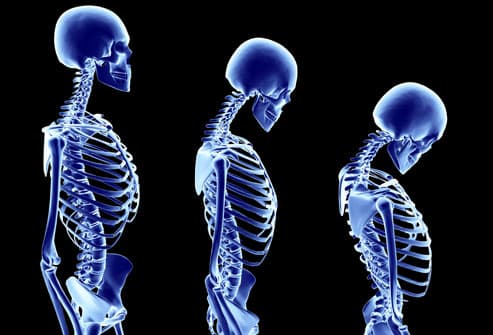
Sleep apnea linked to bone loss, study claims

A study shows that sleep apnea is linked to bone loss and osteoporosis.

Sleep apnea is tied to osteoporosis and bone fractures, new research finds. 
About 54 million Americans over the age of 50 are affected by low bone mass, and about 10 million of them have osteoporosis, which leads to brittle bones and fractures. 
Obstructive sleep apnea is a sleep disorder that occurs commonly in this population as well, and has been linked to multiple adverse health effects, including high blood pressure, heart disease. and depression.
Researchers at Oregon Health and Science University in Portland theorize that sleep apnea may be an unrecognized cause of osteoporosis because it seems to affect bone remodeling, a process necessary for bone health. During remodeling, mature bone is removed from the skeleton and new bone tissue is rebuilt, even while we sleep.
The authors of the new study reviewed research that deals with bone metabolism and found important indications that sleep apnea interrupts the bone remodeling process.
"If sleep disorders like obstructive sleep apnea affect bone metabolism, they may have diagnostic and therapeutic implications for many patients, including those affected by sleep apnea in their early, bone modeling years," said lead author Dr. Christine Swanson.
The study is published in the Journal of Bone and Mineral Research.

Read more here

Friday, February 06, 2015

Asthma and sleep apnea

This article explains a link between asthma and sleep apnea.

Two troublesome adult breathing issues -- asthma and sleep apnea -- may have a connection, a new study suggests.
Adults who struggle with asthma face an increased risk for also developing the nighttime breathing disorder known as obstructive sleep apnea, the new research reveals.
The finding stems from the long-term tracking of about 550 men and women, of whom a little over 15 percent had asthma.
All were participants in the Wisconsin Sleep Cohort Study. At the study's launch in 1988, all the enrollees were between the ages of 30 and 60. Every four years since that time, each completed general health questionnaires, while also completing in an overnight in-laboratory sleep test.
At the very first four-year follow-up, the study authors found that more than a quarter of the asthma patients (27 percent) also had newly developed sleep apnea. This compared with just 16 percent of the non-asthmatic patients.
Over the full study period, the team concluded that asthma patients faced an almost 40 percent greater risk for sleep apnea than asthma-free participants.
What's more, the longer an individual had asthma, the greater their increased risk for developing OSA, investigators found.
However, while the study could point to an association between asthma and sleep apnea, it couldn't prove a cause-and-effect relationship.
The study was led by Dr. Mihaela Teodorescu, of the William S. Middleton Memorial Veteran's Hospital and the University of Wisconsin School of Medicine and Public Health, both in Madison, Wisc. They published the findings in the Jan. 13 issue of Journal of the American Medical Association.
Read more here