Showing posts with label preemie. Show all posts

Wednesday, May 31, 2017

ECI Texas - Parents of Babies / Children in ECI - Interesting Event in Houston

This looks likE an interesting event for anyone with a child under 3 with special needs. Meeting otehr parents is very powerful and helpful - JR


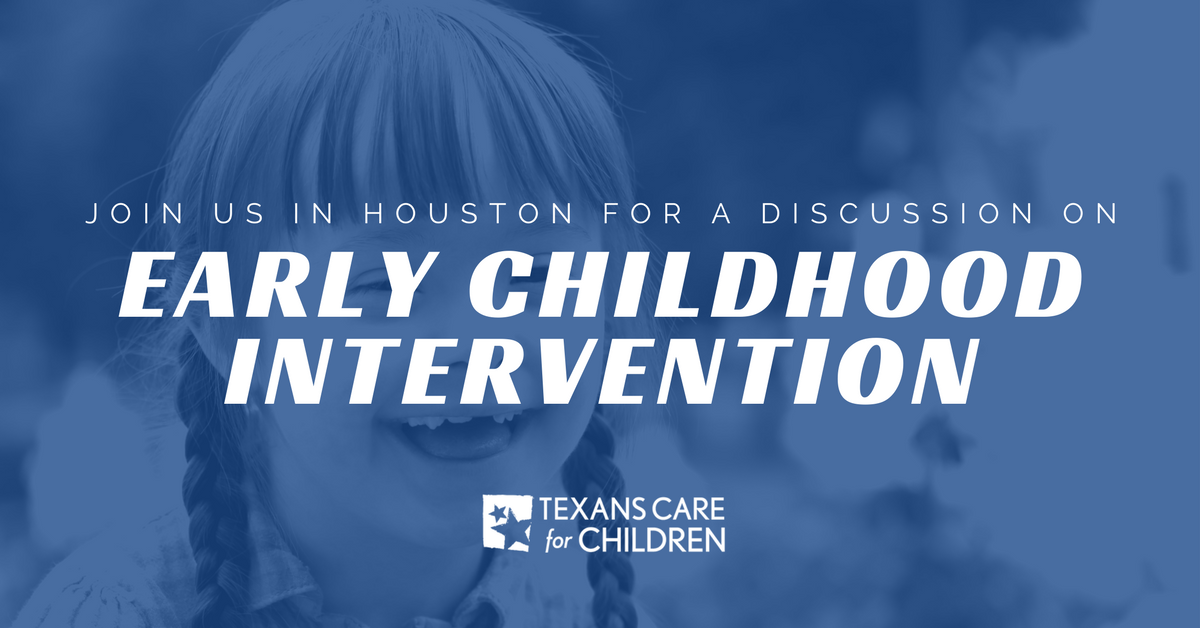
JOIN US FOR A DISCUSSION ON ECI IN HOUSTON ON JUNE 19TH


HOUSTON AREA PARENTS, COMMUNITY LEADERS, AND PROVIDERS

You’re invited to share your experience with Early Childhood Intervention (ECI) services, including successes and challenges with the screening and referral process. Early Childhood Intervention (ECI) is a statewide program for families with children, birth to three (0-3), with disabilities and developmental delays.  From 2010-2015, ECI enrollment fell 32% in Harris County and enrollment decreases disproportionately impacted Black children in the Houston area.  See the released report by Texans Care for Children.

Community Conversation on Early Childhood Intervention (ECI)
Monday, June 19th, 2017, 6:00 pm – 8:30 pm
One Voice Texas
2020 North Loop West, SUITE 200 Houston, Texas 77018

TO PARTICIPATE:

Tuesday, January 26, 2016

Study: Link between preterm birth and autism

A study indicates that premature infants could be at an increased risk of developing autism.

According to a new study, very premature infants may have an increased risk of being diagnosed with autism by age 4, although the research questions just how high the odds are.
The Australian study, published online Jan. 21 in Pediatrics, found that just under 2 percent of tiny preemies were later diagnosed with autism between 2 and 4 years of age.
That prevalence, the researchers say, is lower than what's been seen in past studies -- where figures have ranged from roughly 4 percent to 13 percent.
They also said there are reasons to trust the reliability of their findings. This study is one of the few to directly evaluate children, rather than using parent questionnaires, said lead researcher Margo Pritchard, a professor of neonatal nursing at Australian Catholic University, in South Brisbane.
"What we found is that being born very preterm is a risk factor, which is consistent with previous studies," Pritchard said. "But when diagnostic rigor is applied, using direct assessment, the rate of autism is lower than reported in other studies."
However, Dr. Paul Wang, senior vice president of medical research for the nonprofit organization Autism Speaks, said it's not clear what to make of the lower prevalence.
Studies differ in their methods, and some have followed children for longer periods -- to age 8 and beyond -- so it's hard to know which estimates are closer to the truth, Wang said.
Instead, he saw the new findings as further support for the overall picture. "Prematurity and low birth weight are risk factors for autism," Wang said.
He also stressed, however, that there is no single contributing factor to autism spectrum disorder -- a developmental disorder thought to affect one in 68 children in the United States, according to the U.S. Centers for Disease Control and Prevention.
Autism is complex, Wang said, and the mix of causes varies from one child to the next. But in general, experts believe it starts with a genetic vulnerability, in combination with certain environmental exposures at a critical point in development -- particularly in the womb.
Researchers are still trying to understand the environmental influences, Wang said.
According to Autism Speaks, studies have implicated a number of factors other than preterm birth. Those include older age of the parents at conception, as well as prenatal exposure to certain infections, air pollution or particular medications -- such as the anti-seizure drug valproic acid (Depakote).
For the new study, Pritchard's team assessed 169 young children born before the 29th week of pregnancy. They were screened at ages 2 and 4 years for possible signs of autism -- such as language delays, or a lack of interest in other children.
Overall, 13 percent of the children screened "positive" and underwent further evaluation. In the end, just under 2 percent were diagnosed with autism.
Still, Wang pointed out, nearly all of the children who screened positive but did not get a formal diagnosis did have significant problems -- with communication, imaginative play or repetitive behavior, for example.
And since very preterm babies are at risk of various developmental problems, it can be hard to definitively diagnose autism at a young age, Wang said.
Pritchard agreed that it's challenging to pinpoint autism in those children. But, she added, "gold standard" assessments such as the Autism Diagnostic Observation Schedule -- which was used in this study -- can help identify the disorder at an early age.
Whatever the true prevalence of autism is among preemies, it's important that these children have routine developmental screenings, Wang and Pritchard said.
"These children all need to be followed closely and screened," Wang said. That way, any impairments -- physical, mental or social -- can be caught early and addressed.
"Identifying early differences in development can help to link children with effective intervention practices," Pritchard agreed.
"The take-home message," she added, "is to take advantage of developmental monitoring and keep children born very preterm on these programs through childhood."
Read more here

Sunday, May 10, 2015

Study: Premature birth linked to altered brain connectivity and developmental disorders

According to a recent study, premature birth is linked to altered brain connectivity.- JR

Premature birth can alter the connectivity between key areas of the brain, according to a new study led by King's College London. The findings should help researchers to better understand why premature birth is linked to a greater risk of neurodevelopmental problems, including autistic spectrum disorders and attention deficit disorders.

The NIHR-funded study, published in the journal PNAS, used functional magnetic resonance imaging (fMRI) to look at specific connections in the brains of 66 infants, 47 of whom were born before 33 weeks and were therefore at high risk of neurological impairment, and 19 born at term. The brain connections investigated were between the thalamus and the cortex, connections which develop rapidly during the period a preterm infant is cared for on a neonatal unit.

Researchers found that those born in the normal window of birth (37-42 weeks) showed a remarkably similar structure to adults in these brain regions, strengthening existing evidence that the brain's network of connections is quite mature at the time of birth.

However, infants born prematurely (before 33 weeks gestation) were found to have less connectivity between areas of the thalamus and particular areas of the brain's cortex known to support higher cognitive functions, but greater connectivity between the thalamus and an area of primary sensory cortex which is involved in processing signals from the face, lips, jaw, tongue, and throat.
The greater the extent of prematurity, the more marked were the differences in the pattern of brain connectivity.

The authors suggest that the stronger connections involving face and lips in babies born preterm may reflect their early exposure to breastfeeding and bottlefeeding, while the reduced connectivity in other brain regions may be linked to the higher incidence of difficulties seen in later childhood.
Dr Hilary Toulmin, first author from the Centre for the Developing Brain at King's College London, said: 'The next stage of our work will be to understand how these findings relate to the learning, concentration and social difficulties which many of these children experience as they grow older.'
Professor David Edwards, senior author from the Centre for the Developing Brain at King's College London, said: 'The ability of modern science to image the connections in the brain would have been inconceivable just a few years ago, but we are now able to observe brain development in babies as they grow, and this is likely to produce remarkable benefits for medicine.'
Read more here

Saturday, February 28, 2015

Premature babies predisposed to depression

A recent study claims that premature babies have a high risk of depression later in life.

People born extremely premature have a significantly higher risk of developing psychiatric problems later in life, a new Canadian study says.
Researchers at McMaster University in Hamilton, Ont., studied 174 people born in Ontario between 1977 and 1982 — 84 of whom weighed less than 1 kg (2.2 lbs.) at birth, and 90 of whom fell into the range of normal birth weight.
The low-birth-weight babies were 2.5 times more likely to develop a mental health problem such as depression, an anxiety disorder or attention-deficit/hyperactivity disorder (ADHD), the study found.
The likelihood is even higher — nearly 4.5 times — for those whose mothers received a high dose of steroids before giving birth.
At the same time, the research found a positive outcome: the low-birth-weight babies were nearly three times less likely to develop an alcohol or substance abuse disorder.
The study was published in the journal Pediatrics.
Read more here

Friday, November 21, 2014

Study: Pregnant women with PTSD more likely to give birth early

A study found that pregnant women with PTSD are more likely to give birth early.

Pregnant women with post-traumatic stress disorder are at increased risk of giving birth prematurely, a new study from the Stanford University School of Medicine and the U.S. Department of Veterans' Affairs has found.
The study, which examined more than 16,000 births to female veterans, is the largest ever to evaluate connections between PTSD and preterm birth.
Having PTSD in the year before delivery increased a woman's risk of spontaneous premature delivery by 35 percent, the research showed. The results will be published online Nov. 6 in Obstetrics & Gynecology.
"This study gives us a convincing epidemiological basis to say that, yes, PTSD is a risk factor for preterm delivery," said the study's senior author, Ciaran Phibbs, PhD, associate professor of pediatrics and an investigator at the March of Dimes Prematurity Research Center at Stanford University. "Mothers with PTSD should be treated as having high-risk pregnancies."
Spontaneous preterm births, in which the mother goes into labor and delivers more than three weeks early, account for about six deliveries per 100 in the general population. This means that the risk imposed by PTSD translates into a total of about two additional premature babies for every 100 births. In total, about 12 babies per 100 arrive prematurely; some are born early because of medical problems for the mother or baby, rather than because of spontaneous labor.
A piece of the prematurity puzzle
"Spontaneous preterm labor has been an intractable problem," said Phibbs, noting that rates of spontaneous early labor have barely budged in the last 50 years. "Before we can come up with ways to prevent it, we need to have a better understanding of what the causes are. This is one piece of the puzzle."
Doctors want to prevent prematurity because of its serious consequences. Premature babies often need long hospitalizations after birth. They are more likely than full-term babies to die in infancy. Many of those who survive face lasting developmental delays or long-term impairments to their eyesight, hearing, breathing or digestive function.
Phibbs' team analyzed all deliveries covered by the Veterans Health Administration from 2000 to 2012, a total of 16,344 births. They found that 3,049 infants were born to women with PTSD diagnoses. Of these, 1,921 births were to women with "active" PTSD, meaning the condition was diagnosed in the year prior to giving birth, a time frame that the researchers thought could plausibly affect pregnancy.
The researchers examined the effects of several possible confounding factors. Being older, being African-American or carrying twins all increased the risk of prematurity, as extensive prior research has shown.
The researchers also looked at the effects of maternal health problems (high blood pressure, diabetes and asthma); possible sources of trauma (deployment and military sexual trauma); mental health disorders other than PTSD; drug or alcohol abuse; and tobacco dependence. However, these factors had little influence on risk for premature birth.
The effect of stress
In other words, although pregnant women with PTSD may have other health problems or behave in risky ways, it's the PTSD that counts for triggering labor early.
"The mechanism is biologic," Phibbs said. "Stress is setting off biologic pathways that are inducing preterm labor. It's not the other psychiatric conditions or risky behaviors that are driving it."
However, if a woman had been diagnosed with PTSD in the past but had not experienced the disorder in the year before giving birth, her risk of delivering early was no higher than it was for women without PTSD. "This makes us hopeful that if you treat a mom who has active PTSD early in her pregnancy, her stress level could be reduced, and the risk of giving birth prematurely might go down," said Phibbs, adding that the idea needs to be tested.
Although PTSD is more common in military veterans than the general population, a fairly substantial number of civilian women also experience PTSD, Phibbs noted. "It's not unique to the VA or to combat," he said, noting that half of the women in the study who had PTSD had never been deployed to a combat zone. "This is relevant to all of obstetrics."
The VA has already incorporated the study's findings into care for pregnant women by instructing each VA medical center to treat pregnancies among women with recent PTSD as high-risk. And Phibbs' team is now investigating whether PTSD may also contribute to the risk of the mother or baby being diagnosed with a condition that causes doctors to recommend early delivery for health reasons.
Read more here

Thursday, September 25, 2014

Caffeine therapy, preemies, and sleep trouble

A study found that preemies are at risk for having sleep issues and sleep disorders later in life, regardless of any caffeine therapy they may have had in the NICU.

Using caffeine to treat premature newborns for apnea - dangerous pauses in breathing during sleep - does not have long-term harmful effects on their sleep or breathing patterns, according to research led by Children's Hospital of Philadelphia. 


But the new study also found that prematurity itself is a risk factor for sleep disorders years later. Children born preterm had high rates of obstructive sleep apnea and periodic limb movement during sleep, whether or not they had caffeine therapy in the neonatal intensive care unit.
The very idea of caffeinating fragile preemies may sound misguided. But eight years ago, an international study that compared the stimulant to a placebo found it had benefits, including relieving sleep apnea.
Still, there were lingering concerns. Caffeine works in the brain, blocking a molecule that promotes sleep. Animal studies suggest that such early biochemical tinkering can lead to permanent sleep and breathing abnormalities.
"I think we all know from daily life the effect that caffeine has on us," said lead author Carole L. Marcus, a pediatric pulmonologist and director of the sleep center at Children's Hospital. "We give the equivalent of six cups of coffee a day for a week or more - and these are little babies whose brains are still developing."
The new study, published Friday in the American Journal of Respiratory and Critical Care Medicine, tracked down 201 of the original 2006 premature babies, now ages 5 to 12. Half had gotten caffeine therapy, the other half a placebo.
For two weeks, the children wore a noninvasive sensor at night to monitor their sleep. The parents also filled out questionnaires.
There were no differences in the children's sleep patterns, including how long they took to fall asleep and how soundly they slept.
But both caffeine and placebo groups had high rates of sleep disorders. Overall, about 10 percent had periodic limb movement disorder (episodes of involuntary movement, usually of the legs), and 14 percent had obstructive sleep apnea. In general, less than 4 percent of school-age children have apnea, and 5 percent to 8 percent have the limb movement disorder.
Obstructive sleep apnea is different from the apnea of prematurity. In the obstructive form, the throat airway collapses or becomes blocked. In preemies, breathing stops because their immature nervous systems cannot yet enable continuous respiration.
Obstructive apnea can lead to daytime sleepiness, learning problems, high blood pressure, and heart disease. Limb movement disorder is less understood but has been linked to attention deficit hyperactivity disorder and a serious sleep problem called restless leg syndrome.
If caffeine isn't a culprit, why are sleep disorders common in former premature babies?
One possibility, the researchers noted, is enlarged tonsils. About a quarter of the children had already undergone tonsillectomies, the primary treatment for childhood obstructive sleep apnea.
"We're thinking the rate of apnea would have been even higher if not for the tonsillectomies," Marcus said.
The limb movement may be related, at least partly, to iron deficiency. Low blood iron levels were found in the children with the movement disorder who underwent testing.
All the children with apnea or limb movement disorder were referred for more testing and treatment, but most former preemies are not even checked for such problems. The study suggests that should change.
"We should be screening these children," Marcus said. "Then we could prevent problems, or treat them earlier."
Read more here

Sunday, March 23, 2014

Preterm Birth and Learning Problems in Math


Preterm Birth and Dyscalculia


    Do specific math disorders increase in premature infants?


Objective

To evaluate whether the risk for dyscalculia in preterm children increases the lower the gestational age (GA) and whether small-for-gestational age birth is associated with dyscalculia.

Study design

A total of 922 children ranging from 23 to 41 weeks' GA were studied as part of a prospective geographically defined longitudinal investigation of neonatal at-risk children in South Germany. At 8 years of age, children's cognitive and mathematic abilities were measured with the Kaufman Assessment Battery for Children and with a standardized mathematics test. Dyscalculia diagnoses were evaluated with discrepancy-based residuals of a linear regression predicting children's math scores by IQ and with fixed cut-off scores. We investigated each GA group's ORs for general cognitive impairment, general mathematic impairment, and dyscalculia by using binary logistic regressions.

Results

The risk for general cognitive and mathematic impairment increased with lower GA. In contrast, preterm children were not at increased risk of dyscalculia after statistically adjusting for child sex, family socioeconomic status, and small-for-gestational age birth.

Conclusion

The risk of general cognitive and mathematic impairments increases with lower GA but preterm children are not at increased risk of dyscalculia.

Tuesday, October 22, 2013

Study: Sunny climates may reduce ADHD

A study indicates many risk factors for ADHD, and interestingly notes that sunny and warm climates may reduce the condition.

Attention-deficit/hyperactivity disorder, or ADHD, is the most common childhood psychiatric disorder. Scientists do not know what causes it, but genetics play a clear role. Other risk factors have also been identified, including premature birth, low birth weight, a mother's use of alcohol or tobacco during pregnancy, and environmental exposures to toxins like lead.
ADHD is characterized by an inability to focus, poor attention, hyperactivity, and impulsive behavior, and the normal process of brain maturation is delayed in children with ADHD. Many individuals with ADHD also report sleep-related difficulties and disorders. In fact, sleep disorder treatments and chronobiological interventions intended to restore normal circadian rhythms, including light exposure therapy, have been shown to improve ADHD symptoms.
Estimates suggest that the average worldwide prevalence of ADHD ranges from about 5 to 7%, but it also varies greatly by region. A simple visual comparison of data maps released by the U.S. Centers for Disease Control and Prevention and the U.S. Department of Energy that display ADHD prevalence rates by state and solar intensities (sunlight) across the country, respectively, reveals an interesting pattern indicative of an association. So does this mean that there could be an identifiable relationship between ADHD prevalence rates and the sunlight intensity levels of particular regions?
The accumulation of these points led Dr. Martijn Arns and his colleagues to systematically and scientifically investigate this question. They collected and analyzed multiple data-sets from the United States and 9 other countries. Reporting their findings in the current issue of Biological Psychiatry, they did find a relationship between solar intensity and ADHD prevalence.
Even after controlling for factors that are known to be associated with ADHD, both U.S. and non-U.S. regions with high sunlight intensity have a lower prevalence of ADHD, suggesting that high sunlight intensity may exert a 'protective' effect for ADHD.
To further validate their work, they also looked at this same relationship with autism and major depressive disorder diagnoses. They found that the findings were specific to ADHD, with no associations observed between the other two disorders.
"The reported association is intriguing, but it raises many questions that have no answers," commented Dr. John Krystal, Editor of Biological Psychiatry. "Do sunny climates reduce the severity or prevalence of ADHD and if so, how? Do people prone to develop ADHD tend to move away from sunny climates and if so, why?"
As with all scientific research, further work is necessary, including a prospective replication of these findings. It is also important to realize that this data reflects only an association -- not a causation -- between ADHD and solar intensity levels so worried parents should not start planning cross-country moves.
However, these findings do have significant implications, explains Dr. Arns. "From the public health perspective, manufacturers of tablets, smartphones and PCs could investigate the possibility of time-modulated color-adjustment of screens, to prevent unwanted exposure to blue light in the evening."
"These results could also point the way to prevention of a sub-group of ADHD, by increasing the exposure to natural light during the day in countries and states with low solar intensity. For example, skylight systems in classrooms and scheduling playtime in line with the biological clock could be explored further."
Read more here

Monday, September 09, 2013

Preemies may face neurodevelopmental problems

A study shows that preemies born at or earlier than 25 weeks are likely to have extremely low IQ or other neurodevelopmental issues during childhood.

Babies who are born at 25 weeks' gestation or earlier and survive early life have a "substantial likelihood" of having a very low IQ or other neurodevelopmental problems in childhood, researchers said today.
In a review of nine past studies, they found between 24 and 43 percent of extremely premature infants went on to have moderate or severe impairment, depending on just how early the babies were born.
Dr. Henry Lee, from the Division of Neonatal & Developmental Medicine at Stanford University and Lucile Packard Children's Hospital in California, said it's a "very difficult circumstance for the family" when a baby is born between 22 and 25 weeks.
Normal gestation is 37 to 42 weeks. Twenty-two weeks is considered the earliest a baby can be born and still have a chance of surviving. But the odds can be so low, and the risks so high, that some hospitals might not even offer aggressive care to preemies delivered at 22 to 23 weeks, said Lee, who wasn't involved in the new research.
"First of all, they're at high risk of not even surviving, even when everything is done to help them," he told Reuters Health. "Even when they do survive, they have high rates of disability."
By 25 weeks in the womb, a baby's chances of surviving and going on to lead a normal life are thought to be significantly better.
Lee said the new data could be used to help counsel families of extremely premature infants.
"It's hopefully an informed decision that the family makes in terms of how they're going to proceed, whether to try to provide very aggressive, intensive care to these infants or potentially to provide palliative and comfort care," he said.
"The hard part too is there is still uncertainty. Even though there is this risk, there are some infants at each of these gestational ages that will survive and not have disability."
For their analysis, researchers led by Dr. Gregory Moore from The Ottawa Hospital in Ontario, Canada, pooled the results of nine studies that assessed kids born between 22 and 25 weeks' gestation when they were four to eight years old. Most of the studies were conducted in Europe and together they included close to 900 children.
Moderately or severely impaired children were those scoring in the lowest 2 to 3 percent on IQ tests, children with cerebral palsy and those who were fully or mostly deaf or blind.
Studies varied widely in the frequency of impairment they reported, likely based in part on different practices in different regions, the researchers said.
They found that across the board, children were at risk of neurodevelopmental problems - although those risks declined for every extra week in the womb.
Among babies born at 22 weeks, 43 percent were impaired. That compared to 40 percent of those born at 23 weeks, 28 percent born at 24 weeks and 24 percent born at 25 weeks' gestation, the study team reported Monday in JAMA Pediatrics.
About 4 to 5 percent of full-term babies go on to have some type of developmental problem, Moore said, but that includes children with milder impairment as well.
"Although substantial numbers of extremely preterm infants go on to develop moderate to severe (neurodevelopmental impairment), the results are not completely bleak in that over half of the children studied did not go on to develop moderate to severe impairment," Dr. Kimberly Noble, a pediatrician who studies child brain development at Columbia University in New York, said.
Noble, who wasn't involved in the new research, told Reuters Health in an email that it's unclear whether rates of impairment would be similar for U.S. babies born very early.
Moore, also from The Children's Hospital of Eastern Ontario, said the findings were limited by the small number of children born at the earliest gestations included in the studies.
"We don't want these (data) to make a physician automatically say, ‘There's no hope' or, ‘There's no chance,'" he told Reuters Health.
But, he added, "Many parents do think of long-term impairment as a major concern for them, and some parents think of it as a bigger concern than death, for example. For some parents knowing this data and knowing the limitations of it and speaking with a caring neonatologist about it, we would hope that that would help them in their decision making."
Read more here

Wednesday, April 24, 2013

Potential causes of ADD and ADHD

This article discusses possible causes of ADD and ADHD compiled from different sources. Causes include genetic factors, premature birth, and other complications. ADD/ ADHD is a complex illness with few simple solutions. JR

A study in the British Medical Journal, Lancet, has reported for the first time, direct evidence of a genetic link with ADHD. Another study published in the medical journal, Pediatrics, has suggested that increased exposure to pesticides may also be linked to ADHD. Other causes may include premature birth, complications during childbirth such as hypoxia (lack of oxygen), and prolonged exposure to anesthesia at early ages.

The study on the genetic link with ADHD, even more so, makes it increasingly clear that ADHD is not caused by bad parenting or high sugar diets. There has been too much misunderstanding about the causes of ADHD with the child and the parents being unfairly stigmatised. Misconceptions such as if the parents did a better job of parenting or if the child tried harded and wasn't lazy, then the child would not have ADHD. These are all misconceptions that only do harm to the child's self esteem as well as the parents' self esteem.

It needs to be understood that ADHD or ADD is a neurophysiologic disorder, not a result of parenting.....

The most important point is that early intervention for the child's ADHD or ADD is likely to produce the best clinical outcome. Parenting a child with ADD or ADHD is a much more challenging child rearing experience than parenting a child without ADHD or ADD. Normal parenting methods frequently are not adequate as the parents are likely to experience increased frustrations with normal parenting methods not having the impact that they desire. 

The child is more vulnerable to developing low self esteem as they feel they are not as smart as their peers, or that it will never get better for them academically,or why try hard if it doesn't make a difference. If they are impulsive, then they will trigger a lot of disapproval from adults and may get rejected by peers.

Neurologically, the ADHD or ADD child's concentration or attentional system is underfunctioning so they are unable to successfully meet their academic and even sometimes day to day challenges. When their self esteem suffers, the parent's self esteem may also suffer. Again, the earliest intervention can produce the best clinical outcome and prevent psychological problems as they get older.

Read more here

Wednesday, April 17, 2013

Study: Music therapy beneficial for preemies

A study shows that music and lullabies have extremely beneficial effects on preemie's sleep and eating. Positive effects are also seen in the parents of preemies.


A new study finds that singing lullabies or playing womb-like music helps soothe pre-term babies and their parents, improving the infants' sleeping and eating patterns and increasing opportunities for parent-child bonding.
The findings, published online in the journal Pediatrics on Monday, refute earlier studies that suggest all sound is overstimulating to premature babies, showing instead that soft music, closely matched to a preemie's vital signs, can have clear benefits.
"Music therapy is on the horizon," study author Joanne Loewy, director of the Louis Armstrong Department of Music Therapy at Beth Israel Medical Center in New York told The Huffington Post. "It's part of integrative medicine -- programs talking about culture, about the effects of [things like] mood and religion in health care."
Loewy and her colleagues tested the effects of live music therapy on 272 premature newborns 32 weeks or older in multiple Neonatal Intensive Care Units (NICUs). They examined three types of music: a lullaby, selected and sung by the baby's parents; an "ocean disc," a round instrument filled with small metal balls that mimics the "whooshing" of the womb; and a gato box, a small, rectangular instrument used to simulate a heartbeat. The instruments were played live, by trained musical therapists who matched their performance to the babies' breathing.
Overall, music helped improve the infants' vital signs, sleep patterns and feeding. "Gentle stimulation, applied by any of these three interventions, [brought] about significant changes in the babies' responses," Loewy said.
Dr. Catherine Love, a neonatologist at Miami Children's Hospital who reviewed the new study but did not work on it, said she is particularly excited by the idea that lullabies and music can help parents, too.
The study showed that singing lullabies to their infants helped enhance bonding and decreased some of the stress that parents feel when caring for a baby in the NICU.
"In our [NICU], the whole family is important," Love said. "Parents are put in this awkward situation where they don't get to be with their babies every day. We want to help establish the relationship. For us, that's equally important."
In general, Love said, the doctors and nurses who work in the NICU try to stay as quiet as possible, and the only sounds babies hear are beeping machines.
"We always look at more generalized sound level [in the NICU] and the effect of the human voice," she said, calling the study an exciting first step in a new area. "This looks more in detail at exactly what sounds work and how exactly they impact different behaviors of babies."
According to Centers for Disease Control and Prevention estimates one of every nine babies born in the U.S. each year is born premature, before 37 weeks.
Read more here

Wednesday, February 20, 2013

Reduced Risk of Preterm Birth for Pregnant Women who Received Flu Vaccination

Women who were vaccinated for H1N1 in 2009 were less likely to have their children pre-term.

Pregnant women who received the H1N1 influenza vaccine during the 2009 pandemic were less likely to have premature babies, and their babies weighed more on average.

Influenza infection during pregnancy is associated with adverse infant outcomes such as preterm birth. Emory researchers from the Rollins School of Public Health, in a joint study with Kaiser Permanente of Georgia and the Mid-Atlantic States, evaluated the effectiveness of the H1N1 influenza vaccine in pregnant women against adverse infant outcomes during the 2009 pandemic. They compared birth outcomes among pregnant women who received the vaccine to those among pregnant women who were not vaccinated.
The researchers used de-identified electronic medical records for 3,327 women enrolled in Kaiser Permanente managed care organization sites between April 2009 and April 2010. The study looked at whether women got the H1N1 influenza vaccine during pregnancy and their birth outcomes such as premature birth and birth weight. Overall findings showed that vaccinated mothers were less likely to deliver their babies prematurely. On average, infants of vaccinated mothers also weighed more at birth than infants born to unvaccinated mothers.
"Our findings confirm the importance of receiving the influenza vaccine during pregnancy in order to protect the infant's health," explains Jennifer Richards, MPH, first author of the study. "Previous studies have shown that seasonal influenza vaccination may prevent preterm birth. This study shows that moms who were vaccinated during the H1N1 pandemic were less likely to have premature babies."
Influenza infection is especially dangerous for pregnant women. It increases risk of adverse infant outcomes, and of complications such as hospitalization for flu. During the 2009 H1N1 influenza pandemic, pregnant women in the U.S. experienced higher influenza-associated morbidity and mortality in comparison to the general population. Getting the flu vaccine during pregnancy can not only help to prevent infection for the mother, but studies have shown that it also protects the fetus and infant after birth.
"There is always an understandable heightened sense of caution by pregnant women," explains senior study author Saad B. Omer, PhD, assistant professor of global health at Rollins and an affiliate investigator at Kaiser Permanente Georgia. "Getting vaccinated has proven to be the best protection. Our study supports the U.S. policy to prioritize pregnant moms to receive the influenza vaccine."
Read more here

Saturday, October 27, 2012

Study: Preemies from Low-Income Families at High Risk for Dangerous Brain Bleeds

A study from Johns Hopkins shows that premies who are born to a low socioeconomic family are more likely to have dangerous hemorrhages.

While interesting, I never know how to apply this data in the office, the NICU or my cerebral palsy clinics.... JR

Babies born prematurely to low-income parents have a disproportionately high risk for developing dangerous brain bleeds that require multiple surgeries and extensive follow-up, according to a small Johns Hopkins Children's Center study.

The findings -- published online Sept. 28 in the journal Pediatric Neurosurgery and based on an analysis of 38 patients referred to Johns Hopkins for treatment of brain hemorrhages related to premature birth -- offer a sobering reminder of the role socio-economic factors can play in health outcomes, the researchers say.
The link between poverty and premature birth has been well-documented, the investigators say, but the new findings go a step further and focus on the consequences of one particularly dire and fairly common complication of prematurity -- brain hemorrhages.
"Our study shows just how detrimental and far-reaching the effects of prematurity can be, medically and otherwise, highlighting the critical need to better identify high-risk pregnancies and reduce the number of premature births," says Edward Ahn, M.D., pediatric neurosurgeon and senior author on the research.
"Brain hemorrhages can have a lifelong impact on a child's neurological and cognitive development, but also create a financial burden on the families, many of whom in our study were already economically challenged," Ahn adds.
The premature brain's blood vessels are highly vulnerable to rapid changes in blood and brain pressure that occur around birth. While some brain bleeds are small and contained within the blood vessel, others can spread further and significantly damage the brain, particularly if not diagnosed and treated promptly. Serious hemorrhages require surgery, intensive follow-up and, often, long-term care to deal with the neurological and developmental after-effects of the condition.
The study tracked 38 babies treated at Hopkins Children's between 2007 and 2010 for complications of brain hemorrhages they had suffered during preterm birth. Most infants in the study (65 percent) were from low-income families and received public health insurance(63 percent). Household income is not part of a standard medical record, but the researchers used zip code and Medicaid status as proxies for income. Medicaid is the public health insurance program for low-income children.
In addition to the higher risk for brain bleeds, the study showed babies from lower-income homes and those with public health insurance had fewer scheduled follow-up appointments and more emergency room visits, compared with babies with private health insurance and with those from higher income homes. The researchers note the differences were clear, even though they didn't reach statistical significance due to the small number of patients in the study.
"If a family foregoes a scheduled follow-up and instead ends up in the ER with a serious, yet likely preventable complication, the medical and financial consequences can be far worse not only for the family but for the health care system as a whole because ER care is more expensive than routine check-ups," Ahn says.
The investigators said their findings need to be replicated on a wider scale in order to further tease out the reasons behind the disproportionate risk.
Read more here

Thursday, July 05, 2012

Study: Small babies at higher risk of autism


Babies born small or prematurely go on to develop autism at higher rates, although the risk is still small, according to a new study from Finland.

The research is part of a global push to identify the culprits behind the developmental disorder and the recent uptick in its occurrence, which has had scientists scratching their heads for years.

"Previous reports of how birth weight or gestational age is associated with autism have not been consistent," Dr. Andre Sourander, a psychiatrist at Turku University, told Reuters Health by email.

"Because autism spectrum disorders are one of the major challenges in child mental health it is extremely important to get more understanding of its causes," Sourander said.

Autism spectrum disorders, which range from mild Asperger syndrome to severe mental retardation and social disability in childhood autism, are diagnosed in about one in 88 children in the U.S., according to the Centers for Disease Control and Prevention.

The new results, published in the Journal of Pediatrics, are based on almost two decades' worth of data from more than one million births in Finland.

As of 2005, the rate of autism in the Northern European country was 9 per 10,000 children in Finland, whereas Asperger was diagnosed in 14.5 children out of 10,000.

After accounting for the mother's age, smoking, number of previous births and other factors, Sourander's team found an increased risk of autism, but not Asperger syndrome, in preemies and babies that were very small at birth.

For instance, those who weighed less than 1,500 grams, or 3.3 pounds, at birth had three times the odds of developing autism.

However, because autism is relatively rare, most children who are born very small don't end up with autism, said Sourander.

No one is certain why some children develop autism spectrum disorders, but scientists assume it's caused by an interplay between genes and environment, such as infections or other medical problems during pregnancy.

Read more here

Sunday, May 20, 2012

Baby's head and neck control may be an autism clue

Early research suggests that if a 6-month old baby has "head lag," or weak head and neck control, it may be an early sign of autism or another language/social developmental delay.

The test is simple – babies who are lying on the floor are pulled up into a sitting position. If the baby's head is not moving forward as you pull the baby up, it's a sign of weak head and neck control.

Researchers already know that head lag could be an early sign that a child's nervous system is not developing correctly. They've seen this in children with cerebral palsy and preterm infants, for example. But so far it had not been documented in children with autism.

Researchers at Baltimore's Kennedy Krieger Institute looked at a small sample of babies who were already at high risk for autism because they had a sibling with autism. If a couple already has one child with an autism spectrum disorder there's a nearly 1 in 5 chance that the second child will have autism too. According to the latest CDC estimates , 1 in 88 children in the United States has an autism diagnosis. It's 5 times more common in boys than girls.

A group of 40 babies were tested at 6 months. Ten children were later diagnosed with ASD at the age of 3. Nine of those 10 babies had head lag when they were 6 months old.

More than half of the children (54%) who were later diagnosed with language or social developmental delays but not autism also had head lag at 6 months, says Rebecca Landa, one of the study authors and the director of the Center for Autism and Related Disorders at Kennedy Krieger.

In a second study that compared 20 high risk babies to 21 low-risk babies, 75% in the high risk category showed signs of head lag at six months compared to only 33% in the low-risk group.

Landa acknowledges that this research, presented Thursday at a meeting of the International Society for Autism Research in Toronto, is very preliminary and needs to be confirmed in larger studies.

She also cautions that weak head and neck control doesn't automatically mean your baby will develop autism. But, Landa says, if you already have a child with autism and your baby is showing this kind of problem, you should take the child to see a specialist.

"If you don't have a family history of autism, and your child had head lag at 6 months - it might be something else, or might be nothing, but it's important to check it out," she says.

The goal is to identify a child with autism as early as possible so therapy can start early.

"We don't want to wait until children are 1 or 2 when they are more likely to show symptoms of autism."

Alycia Halladay, director of research for environmental sciences at the advocacy group Autism Speaks, says this is a very important study and deserves replication. She says it's too early to consider head lag a diagnostic marker, it's one of many red flags that parents may notice very early in development and something a doctor can easily check out.

Halladay, who was not involved in the research, says "this provides something that parents can bring to their doctors beyond just a concern."

Landa says she doesn't want to scare every parent into thinking their child may have autism because their little one has poor postural control, especially because in some children the problem goes away.

However, this is a simple test that doesn't cost anything, doesn't hurt a child, and - if a child were referred to therapy - doesn't hurt a child but can enrich their development, with or without a subsequent autism diagnosis.

Landa says parents can easily be trained to help their baby improve head and neck control. She suggests Googling "tummy time," which can lead parents to a lot of good information on fun and supportive tummy time exercises to help build their baby's neck muscles.

She also suggests sitting babies up, holding babies at the hips and slowly rocking them from side to side - just enough so that the baby leans to the center, which she says activates the core muscles so the baby stays balanced. Babies love it, especially if you sing a song while doing this.

Read more here