Showing posts with label childrens asthma. Show all posts

Friday, May 24, 2013

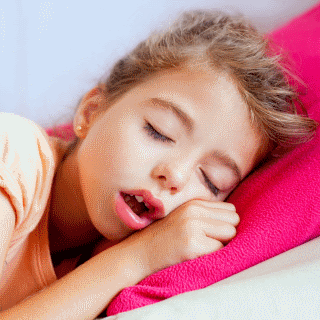
Asthma may cause poor sleep and academic performance

Research shows that uncontrolled asthma symptoms can result in poor sleep quality and poor performance in school for children.

The negative effects of poorly controlled asthma symptoms on sleep quality and academic performance in urban schoolchildren has been confirmed in a new study.

"While it has been recognized that missed sleep and school absences are important indicators of asthma morbidity in children, our study is the first to explore the associations between asthma, sleep quality, and academic performance in real time, prospectively, using both objective and subjective measures," said principal investigator Daphne Koinis-Mitchell, PhD, Associate Professor of Psychiatry & Human Behavior (Research) and Associate Professor of Pediatrics (Research) at Brown University's Alpert Medical School in Providence, Rhode Island. "In our sample of urban schoolchildren (aged 7 to 9), we found that compromised lung function corresponded with both poor sleep efficiency and impaired academic performance."
The results of the study will be presented at the American Thoracic Society's 2013 International Conference.
The study included data on 170 parent-child dyads from urban and African-American, Latino, and non-Latino white backgrounds who reside in Greater Providence, RI. These data are part of a larger 5-year study of asthma and allergic rhinitis symptoms, sleep quality and academic performance (which will include 450 urban children with persistent asthma and healthy controls) funded by The Eunice Kennedy Shriver National Institute of Child Health and Human Development. Project NAPS (Nocturnal Asthma and Performance in School) is administered through Rhode Island Hospital at The Bradley Hasbro Research Center.
Asthma symptoms were assessed over three 30-day monitoring periods across the school year by spirometry, which measures the amount and speed of exhaled air, and with diaries maintained by children and their caregivers. Sleep quality was assessed with actigraphy, which measures motor activity that can be used to estimate sleep parameters. Asthma control was assessed with the Asthma Control Test (ACT), a brief questionnaire used to measure asthma control in children. Academic functioning was assessed by teacher report during the same monitoring periods.
Compared with children with well-controlled asthma, those with poorly controlled asthma had lower quality school work and were more careless with their school work, according to teacher reports. Higher self-reported and objectively measured asthma symptom levels were associated with lower quality school work. Poorer sleep quality was also associated with careless school work. Increased sleep onset latency (the amount of time children take to fall asleep) was associated with more difficulty in remaining awake in class.
"Our findings demonstrate the detrimental effects that poorly controlled asthma may have on two crucial behaviors that can enhance overall health and development for elementary school children; sleep and school performance," said Dr. Koinis-Mitchell. "Urban and ethnic minority children are at an increased risk for high levels of asthma morbidity and frequent health care utilization due to asthma. Given the high level of asthma burden in these groups, and the effects that urban poverty can have on the home environments and the neighborhoods of urban families, it is important to identify modifiable targets for intervention."
"Family-level interventions aimed at asthma control and improving sleep quality may help to improve academic performance in this vulnerable population," Dr. Konis-Mitchell continued. "In addition, school-level interventions can involve identifying children with asthma who miss school often, appear sleepy and inattentive during class, or who have difficulty with school work. Working collaboratively with the school system as well as the child and family may ultimately enhance the child's asthma control."
Read more here


Thursday, May 02, 2013

Texting children with asthma improves health outcomes

Providing information to children with asthma through text messages resulted improved health outcomes.

Simply sending children with asthma a text message each day asking about their symptoms and providing knowledge about their condition can lead to improved health outcomes.


In a study by the Georgia Institute of Technology, pediatric patients who were asked questions about their symptoms and provided information about asthma via SMS text messages showed improved pulmonary function and a better understanding of their condition within four months, compared to other groups.
"It appears that text messages acted as an implicit reminder for patients to take their medicine and by the end of the study, the kids were more in tune with their illness," said study leader Rosa Arriaga, senior research scientist in the College of Computing's School of Interactive Computing at Georgia Tech.
T.J. Yun, former Georgia Tech Ph.D. student, and Arriaga will present their research, "A Text Message a Day Keeps the Pulmonologist Away", today at the ACM SIGCHI Conference on Human Factors in Computing Systems 2013 in Paris.The research won a best paper award in the Replichi category, which highlights best practices in study methodology.
It is also a replication study of an SMS health intervention for pediatric asthma patients originally published in early 2012 in the Proceedings of the 2nd ACM SIGHIT International Health Informatics Symposium.
The results of the research hold promise for the future of mHealth studies, a trend based on the idea that mobile devices can be used to improve health and wellness.
Asthma is the most prevalent chronic respiratory disorder in the U.S., affecting about 17.3 million individuals, including more than 5 million children. Medication is the main way patients manage symptoms, but research shows less than 30 percent of teens use their inhalers regularly.
Texting, on the other hand, is something teens do regularly and enjoy. Nearly 75 percent of American teens have mobile devices. Georgia Tech researchers were interested in seeing if this ubiquitous, easy-to-use technology could help young patients manage their asthma.
In both studies, the researchers randomly assigned 30 asthmatic children from a private pediatric pulmonology clinic in Atlanta into three groups -- a control group that did not receive any SMS messages; a group that received text messages on alternate days and a group that received texts every day. The children were between 10 and 17 years old, owned a mobile phone and could read at least at a fifth grade level.
Over four months, the intervention groups received and responded to SMS messages 87 percent of the time, and the average response time was within 22 minutes. After the study, the research team analyzed patients who had follow-up visits with their physician and found that sending at least one text message a day, whether it was a question about symptoms or about asthma in general, improved clinical outcomes.
"The results indicate that both awareness and knowledge are crucial to individuals engaging in proactive behavior to improve their condition," Arriaga said.
In another mHealth study that highlighted the role that online social networks can have on wellness, Arriaga, Georgia Tech Regents Professor of Interactive Computing Gregory Abowd and graduate student Hwajung Hong investigated whether social networking could help individuals with autism improve their social connectedness.
One of the challenges individuals with autism face is not having a large enough network of people who can provide advice about everyday situations, such as home upkeep, financial planning or relationships. They tend to over-rely on a primary caregiver, which limits their independence and may burden the caregiver.
The study involved three individuals with Asperger's Syndrome, a diagnosis that reflects average or above average language skills, but impaired social skills and patterns of behaviors and interests. Individuals with Asperger's Syndrome can have difficulty using traditional social networking sites such as Facebook because it requires a degree of social nuance. They also may be vulnerable to users trying to take advantage of them.
To address this issue, Georgia Tech researchers set up a specialized social network for participants using the commercial cross-platform service, GroupMe. Each participant was linked with a small, pre-determined number of family and friends that he or she could reach out to about everyday life issues and questions.
Over four weeks, GroupME motivated each participant to communicate with this trusted circle of members and reduce reliance on his or her primary caregiver. The circle actively engaged and shared the responsibility for responding to the participant's queries. Primary caregivers gave positive reviews of the specialized social network, saying that they were happy with the diversity of feedback that the system provided and that the load felt lighter thanks to the help of the circle members. Results indicate that positive online interactions lead to real-life interactions between the individuals and their circle members.
Read more here

Wednesday, September 05, 2012

Reasons Why Children Snore


This article discusses many reasons that could cause children to snore.

With school days upon us, a good night's sleep should be on the top of each child's list of supplies. But for some children, getting the rest they need means more than an early bedtime. At Clarity Allergy Center in Chicago, allergy, asthma, and immunology expert, Dr. Brian Rotskoff, is helping parents recognize the signs of childhood obstructive sleep apnea by carefully monitoring childhood snoring and childhood nasal allergies.

Many children snore from time to time, particularly if they have a cold or asthma. But as Dr. Rotskoff, a highly specialized pediatric nasal congestion and sleep apnea expert explains, "if your child is a restless sleeper who chronically snores and mouth breaths and shows signs of daytime difficulties, obstructive sleep apnea could be the cause." He also points out that the symptoms ofsleep apnea in kids can be subtler than those of adult sleep apnea.

Beyond restless nights, Dr. Rotskoff encourages parents who suspect their child may have obstructive sleep apnea to watch for these warning signs that can begin as early as 2-6 years of age.
Nighttime Sleep Apnea Symptoms
  • Persistent snoring and mouth breathing
  • Gasping or labored breathing
  • Frequent bedwetting beyond normal age range
  • Night sweats
  • Unusual sleeping positions
Daytime Sleep Apnea Symptoms
  • Allergies, asthma, or frequent ear infections
  • Poor school performance or trouble focusing on tasks
  • Behavioral or social problems
  • Bad mood or constant agitation
  • Depression or anxiety
Childhood Nasal Allergies and Asthma
It's highly common for children with sleep apnea to have other breathing issues. "Some children are just persistent snorers and don't necessarily have sleep apnea," acknowledges Dr. Rotskoff, "but compounding issues, such as enlarged tonsils and adenoids, can elevate to sleep apnea."
Dr. Rotskoff is one of few allergy and asthma experts to give childhood sleep apnea the attention it deserves. Even if your child is getting 10-12 hours of sleep each night, sleep apnea can cause enough disruption to affect mood, school performance, and overall behavior. "Studies show that middle school and high school kids with moderate to severe sleep apnea achieve lower grades and have greater trouble focusing or paying attention in class," he says.
If you think your child suffers from sleep apnea, Dr. Rotskoff suggests a thorough exploration of all symptoms and physical factors that could contribute to breathing problems. Beyond monitoring your child's tonsil and adenoid size, Dr. Rotskoff will evaluate their soft palate and uvula, tongue, jaw positioning, and nasal passages and airways. He works closely with parents to determine the most conservative and effective treatment.
"Addressing your child's sleep issues early will not only improve academic and social performance, it will also position them for healthy adult sleep habits," concludes Dr. Rotskoff.
Read more here

Monday, August 20, 2012

Sleep Loss Often Disruptive for City Kids With Asthma


Sleep Loss Often Disruptive for 

City Kids With Asthma

HealthDay news image
Study linked combination to missed school days, ER visits and less sports participation

SUNDAY, Aug. 5 (HealthDay News) -- Sleep loss is common among children with asthma who live in cities, and it is a major reason for missed school days, emergency room visits and lower levels of involvement in sports, according to new research.
This is especially true for Hispanic children, according to the study, which included the parents of nearly 150 children with asthma treated at the Bradley Hasbro Research Center at Brown Medical School in Providence, R.I.
"Children with asthma from urban backgrounds are at increased risk of disrupted sleep, which can greatly impact their daytime functioning," study lead author Lauren Daniel said in an American College of Allergy, Asthma and Immunology news release.
"It is important for parents and health care providers to routinely monitor sleep in children with asthma to minimize sleep disruptions and ensure proper asthma control," she added.
Asthma accounts for 10.5 million missed school days each year in the United States, according to the ACAAI.
Children with high levels of anxiety and general worries had trouble getting back to sleep after being awakened during the night by asthma symptoms. The study also found that parents said their quality of life was considerably lower when their child's asthma was not well controlled.
The findings were published in the July issue of the journal Annals of Allergy, Asthma & Immunology.
SOURCE: American College of Allergy, Asthma and Immunology, news release, July 11, 2012