Information, News & Discussion about Infant Pediatric & Adolescent Neurology & Sleep Disorders. Science Diagnostics Symptoms Treatment. Topics include: Seizures Epilepsy Spasticity Developmental Disorders Cerebral Palsy Headaches Tics Concussion Brain Injury Neurobehavioral Disorders ADHD Autism Serving Texas Children's Neurology, Epilepsy, Developmental & Sleep Problems in The Houston Area and The San Antonio / Central & South Texas Areas
Sunday, September 20, 2015
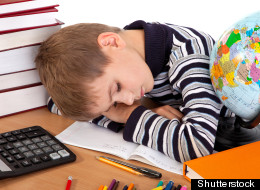
Children with issues in classroom may have sleep disorder
Monday, December 08, 2014
Sleep apnea in children and behavioral problems
Attention deficit hyperactivity disorder (ADHD) is the most-commonly diagnosed behavioral disorder in children. The current standard of care for youngsters with attention deficit disorder (ADD) and ADHD is prescription medication such as Adderall, Ritalin and Dexadrine. These medications may have concerning side effects such as reduced height and weight, cardiovascular effects, tics, evidence of carcinogenic and reproductive effects, and substance abuse.
Sadly, many of these children are being misdiagnosed. A child who exhibits behavior problems or difficulty paying attention at home or school may actually be suffering from another disorder, an underlying undiagnosed sleep-related breathing disorder known as obstructive sleep apnea (OSA).
Dr. Stephen Sheldon, professor of pediatrics at Northwestern University School of Medicine and director of the Sleep Medicine Center says, “There are a number of sleep disorders that if looked at, an attention deficit problem can be identified. If you take a large number of children that have attention deficit and you evaluate them for sleep-disordered breathing, about a fifth to a quarter of those youngsters will have pediatric obstructive sleep apnea.”
He continues, “The most important aspect of evaluating a child for ADHD or other attention problems is to do a sleep evaluation in every single child. One hundred percent of these children need a sleep evaluation.”
...
Nighttime symptoms of youngsters with sleep-related breathing disorders are: snoring, bruxism, mouth breathing, bed wetting, frequent awakenings, nightmares, insomnia and physically restless sleep. Resulting daytime symptoms and findings are neurocognitive impairment, headaches, hyperactivity, behavioral issues, tiredness and poor school performance.
Lack of sleep and/or poor-quality sleep affects a child’s physical and emotional health, cognitive function, behavior and academic success. Parents, teachers, counselors or anyone concerned with the growth and development, academic performance, or health and well-being of a child must have greater awareness of sleep issues. Sleep screening and interventions to improve sleep must become part of every child’s routine clinical exam.
Early diagnosis and treatment of pediatric OSA is vital if we are going to have an impact on the epidemic of OSA in our country. Today, research indicates that one in four adults in this country suffers from obstructive sleep apnea. Of these, 80 percent remain undiagnosed and untreated. Although there is a growing awareness and therefore an increase in the number of adults treated for OSA, the key is prevention and early intervention.
A YouTube video, “Finding Conner Deegan,” tells a mother’s story of her struggling son who was labeled a “troubled child” early in his life. Having exhausted every resource, potential diagnosis and treatment known to his medical community, there appeared no other options. But through his mother’s perseverance, love, relentless search and striving to understand her son, her prayers were answered. Conner, in fact, suffered from undiagnosed pediatric OSA. He simply couldn’t breathe!
Parents, teachers, counselors and doctors need to be made aware of the need to screen children for sleep-related breathing disorders and understand the significant role timely diagnosis and thorough treatment play in the healthy growth and development of our children.
Read more here
Friday, January 10, 2014
Study: Extra medication for aggressive children with ADHD
Sunday, November 24, 2013
What changes quality of life in a child with epilepsy? An action plan for families and neurologists.
- Data were obtained from the Health Related Quality of Life in Children with Epilepsy Study, a prospective multisite study of children 4–12 years old with new–onset epilepsy followed for 24 months.
- Health–related quality of life was measured using the Quality of Life in Childhood Epilepsy questionnaire.
- Trajectories of HRQL were investigated using latent class trajectory modeling.
- Multinomial logistic regression was used to identify child, parent, and family predictors of HRQL trajectories.
- A total of 374 families responded at baseline and 283 (76%) completed the study.
- Five HRQL trajectories were observed: low–increasing (4%), moderate–decreasing (12%), moderate–increasing (22%), high–increasing (32%), and high–stable (30%).
- Many children in the low–increasing, moderate–increasing, high–increasing, and high–stable had clinically meaningful improvements in HRQL: 82%, 47%, 63%, and 44%, respectively.
- In contrast, the majority of children in the moderate–decreasing group (56%) experienced clinically meaningful declines in their HRQL.
- Factors predicting trajectories were number of antiepileptic drugs prescribed, presence of comorbid behavior or cognitive problems, parent depression, and family functioning and demands.
Monday, July 15, 2013
Preschoolers who sleep less have more behavior issues
Thursday, September 27, 2012
Study Claims Sleep Problems In Young Children Linked To Greater Need For Special Education
Tuesday, September 18, 2012
Researchers Show Migraines Linked To Behavioral Problems In Kids
Children with migraines are much more inclined to suffer from behavioral issues, such as anxiety, depression, and social and attention issues than those who do not have headaches.
The more recurrent the headaches, the more likely the chance of a behavioral disorder developing, according to the new study published in Cephalagia.
Marco Arruda, director of the Glia Institute in São Paulo, Brazil, together with Marcelo Bigal of the Albert Einstein College of Medicine in New York, conducted a study of 1,856 Brazilian children ages 5 to 11 which looked at the connection of emotional symptoms with migraine and tension-type headaches (TTH).
The study used headache surveys, in addition to the Child Behavior Checklist (CBCL), to measure emotional symptoms. The researchers instructed teachers how to walk parents through the questionnaires, step by step.
Children with migraines had a much greater probability of irregular behavioral scores than children without headaches, primarily in social, anxiety-depressive, internalizing, and attention areas.
Children with TTH were affected in the same areas, but to a lesser extent. With more frequency of headaches, abnormal behavioral scores increased. Over half of the migraine sufferers had issues with internalizing behaviors. Externalizing behaviors, such as breaking rules or becoming aggressive, were no more likely among the children with headaches. The authors advised that the CBCL may not be efficient enough to measure this correlation in detail.
Arruda explains:
"As previously reported by others, we found that migraine was associated with social problems. The 'social' domain identifies difficulties in social engagement as well as infantilized behavior for the age and this may be associated with important impact on the personal and social life."
Children frequently suffer from migraines, which affect over three percent to one fifth of children from early childhood to adolescence. Earlier research has suggested that children with migraines are more likely to have other psychological and physical problems, includingdepression, anxiety, hyperactivity, and attention disorders.
Authors suggest including factors, such as headache frequency, is important, although often left out of studies - until recently. Health providers can now be aware of this possibility in children and properly treat the problem.
Saturday, August 18, 2012
Loud Snoring in Young Children May Predict Behavior Issues
Saturday, June 30, 2012
A window of opportunity for intervention? Early identification of sleep problems in preschool children with behavioral problems.
This article suggests that children with behavioral problems should be screened for sleep apnea early before cognitive problems are noted. JR
Sleep-disordered breathing in preschool children is associated with behavioral, but not cognitive, impairments.
Jackman AR, Biggs SN, Walter LM, Embuldeniya US, Davey MJ, Nixon GM, Anderson V, Trinder J, Horne RS.
Source
Abstract
BACKGROUND:
METHODS:
RESULTS:
CONCLUSIONS:
Wednesday, May 02, 2012
Being Left Out Puts Youths at Risk for Depression
The challenges that come with battling a chronic medical condition or developmental disability are enough to get a young person down. But being left out, ignored or bullied by their peers is the main reason youths with special health care needs report symptoms of anxiety or depression, according to a study to be presented`123 April 29, at the Pediatric Academic Societies (PAS) annual meeting in Boston.
Being bullied has been shown to increase students' risk for academic and emotional problems. Little research has been done specifically on how being a victim of bullying affects youths with special needs.
In this study, researchers led by Margaret Ellis McKenna, MD, senior fellow in developmental-behavioral pediatrics at Medical University of South Carolina, investigated the impact of bullying, ostracism and diagnosis of a chronic medical condition on the emotional well-being of youths with special health care needs.
Participants ages 8-17 years were recruited from a children's hospital during routine visits with their physicians. A total of 109 youths and their parents/guardians completed questionnaires that screen for symptoms of anxiety and depression. Youths also completed a screening tool that assessed whether they had been bullied or excluded by their peers.
The main categories of youths' diagnoses included attention-deficit/hyperactivity disorder (39 percent), cystic fibrosis (22 percent), type 1 or 2 diabetes (19 percent), sickle cell disease (11 percent), obesity (11 percent), learning disability (11 percent), autism spectrum disorder (9 percent) and short stature (6 percent). Several children had a combination of these diagnoses.
Results of the youths' answers on the questionnaires showed that being bullied and/or ostracized were the strongest predictors of increased symptoms of depression or anxiety. When looking at both parent and child reports, ostracism was the strongest indicator of these symptoms.
"What is notable about these findings is that despite all the many challenges these children face in relation to their chronic medical or developmental diagnosis, being bullied or excluded by their peers were the factors most likely to predict whether or not they reported symptoms of depression," Dr. McKenna said.
"Professionals need to be particularly alert in screening for the presence of being bullied or ostracized in this already vulnerable group of students," she added.
In addition, schools should have clear policies to prevent and address bullying and ostracism, Dr. McKenna suggested, as well as programs that promote a culture of inclusion and sense of belonging for all students.
Read more here
Unruly Behavior May Be Caused By Mental Disorder
When children behave badly, it's easy to blame their parents. Sometimes, however, such behavior may be due to a mental disorder. Mental illnesses are the No. 1 cause of medical disability in youths ages 15 and older in the United States and Canada, according to the World Health Organization.
"One reason we haven't made greater progress helping people recover from mental disorders is that we get on the scene too late," said Thomas R. Insel, MD, director of the National Institute of Mental Health (NIMH) and the featured speaker at the American Academy of Pediatrics' Presidential Plenary during the Pediatric Academic Societies (PAS) annual meeting in Boston.
Dr. Insel discussed signs of mental illnesses in young children and the importance of early diagnosis and intervention in his presentation, "What Every Pediatrician Needs to Know about Mental Disorders," on April 29, in the Hynes Convention Center.
As the first line of defense, pediatricians can detect mental disorders early and ensure children get treatment as soon as possible, Dr. Insel said. While questionnaires currently are the best way for doctors to screen for mental illness, better tools are on the horizon, such as cognitive and genetic tests.
It's also important to understand that mental illnesses are a developmental brain disorder even though they can look like behavior problems, Dr. Insel explained.
"The future of mental illness has to be at the point where we aren't treating behavior separately from the rest of the person," he said. "There needs to be full integration of behavior and medical concerns to ensure that we are able to care for the whole person and not just one system."
In addition to serving as director of the NIMH, Dr. Insel is acting director of the National Center for Advancing Translational Sciences, a new arm of the National Institutes of Health that aims to accelerate the development of diagnostics and therapeutics.
Read more here
Excessive Sleepiness May Cause Learning, Attention and School Problems

Children who have learning, attention and behavior problems may be suffering from excessive daytime sleepiness, even though clinical tests show them sleeping long enough at night, a new study reports.
Tuesday, April 24, 2012
Parents: How to know if your child has a sleep disorder
There are more than 100 sleep disorders. Isn’t that an amazing figure? Some sleep disorders are more common in infants, children and adolescents than adults. All affect sleep quality. Poor sleep may result in behavioral and learning problems, not to mention moodiness during the day.
If you answer yes to one or more of the following questions, your child may be suffering from a treatable sleep disorder. Does your child:
Snore or have breathing pauses in sleep?
Wake up gasping for air or choking?
Have problems falling or staying asleep night after night?
Wake up too early most mornings before getting sufficient sleep?
Experience unusual sensation in the legs regularly at night, such as a pins-and-needles feeling?
Have growing pains more than twice a week?
Have restless sleep – your child constantly tosses, turns, flails and never seems to settle down?
Sweat excessively in sleep?
Wake up unrefreshed after sufficient sleep?
Awaken with morning headaches?
Experience daytime difficulties in focus, attention, memory or concentration?
Sleep excessively during day and night, or falls asleep at inappropriate times?
Have ADD-ADHD like symptoms?
Have difficulty getting up in the morning most days?
Of course, plenty of children experience occasional growing pains or have difficulty falling asleep from time to time. But I believe in parents’ instinct. If any of the descriptions above fit your child and you think it’s possible your child has a sleep disorder, contact your pediatrician or call a pediatric sleep specialist for evaluation.
Evaluation includes a physical exam of your child, an analysis of your child’s medical history and possibly an overnight sleep test called a polysomnogram. Most pediatric sleep centers have a quiet, comfortable room with a bed for the child and for a parent. Sleep testing is not painful: There are no shots. Many centers allow you to bring familiar objects such as the child’s pillow, blanket, or stuffed animal.
The good news: Once diagnosed, sleep disorders can be treated. That means a better night’s sleep for the child and for the parents.
Read more here
Read more here: http://www.charlotteobserver.com/2012/04/17/3181085/how-do-i-know-if-my-child-Rrerererer
Saturday, March 31, 2012
Children's Sleep Problems Signal Later Emotional Troubles
A milestone in child development, at least for many parents, is when the kid finally sleeps through the night. But a recent study suggests that it’s a good idea for parents to monitor how the wee ones are sleeping as well as how long.
Published in the journal Pediatrics, the study shows that children who have problems breathing while they sleep are more likely to experience behavioral problems such as hyperactivity and aggressiveness when they get older. They’re also more likely to have emotional issues such as difficult peer relationships.
Researchers from the University of Michigan and the Albert Einstein College of Medicine at Yeshiva University followed the sleeping patterns of more than 11,000 children for six years. They found that kids who snored, breathed heavily through their mouths and experienced apnea—long pauses between breaths during sleep—were at risk.
Collectively known as sleep-disordered breathing (SDB), the problem peaks when children are between 2 and 6 years old, but can occur when they are younger. Approximately 1 in 10 children snores regularly and 2 to 4 in 100 have sleep apnea, according to the American Academy of Otolaryngology–Health and Neck Surgery (AAO-HNS). Common causes of SDB are enlarged tonsils or adenoids, but be wary of the “quick-fix” of tonsillectomy—as we have reported, that surgical procedure is often unnecessary, and to conclude that tonsils contribute to sleep disorders requires careful diagnosis.
Quite simply, the study’s authors said, “Parents and pediatricians alike should be paying closer attention to sleep-disordered breathing in young children, perhaps as early as the first year of life.”
Although earlier studies indicated sleep problems could signal later difficulties, they involved only small numbers of patients, short follow-up of a single symptom or limited control of individual traits such as low birth weight that could be responsible for some symptoms.
In the new, more substantial study, children whose symptoms peaked between the ages of six and 18 months were much more likely to experience behavioral problems when they were 7 compared with children who breathe normally during sleep. Children whose SDB symptoms persisted throughout the evaluation period, and were most severe at 30 months, expressed the most severe behavioral problems.
Researchers theorize that SDB might be responsible for behavioral problems because of its effect on the brain. Decreased oxygen levels and increased carbon dioxide interrupts the restorative process of sleep and disrupts various chemical systems. Such malfunctions can impair one’s ability to pay attention, plan ahead and organize. They also impede one’s ability to regulate emotions.
To learn more about SDB and treatment options, consult the AAO-HNS fact sheet.
Read more here