Showing posts with label infant sleep. Show all posts

Saturday, July 09, 2016

Optimal infant sleep habits may help prevent childhood obesity

"When parents keep babies up longer, they just sleep less". 

"the babies in the bedtime techniques group gaining weight more slowly than the control group, and less likely to be overweight by age one"- JR

Healthy infant sleep habits may help prevent childhood obesity
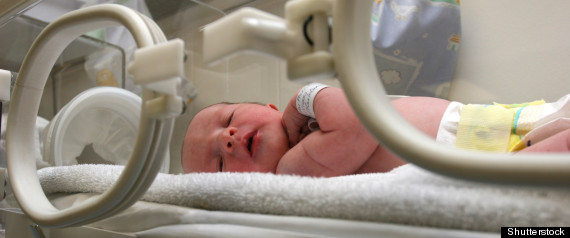
Perfect Baby (free image labeled for reuse. Not a patient)

-Review of research published in JAMA Pediatrics discussing the importance of regulating an infant's sleep schedule. -JR

US research out this week suggests that teaching parents techniques to help encourage healthy sleep habits in their children could help to prevent obesity. The new study, conducted by Penn State College of Medicine researchers, could lead to a new intervention technique to help tackle the growing levels of obesity worldwide.
The team studied the use of the intervention using data from the INSIGHT study (Intervention Nurses Start Infants Growing on Healthy Trajectories), a longitudinal trial study which looks at how responsive parenting intervention can prevent obesity.
A total of 291 mother and baby pairs were recruited, with the mothers randomly assigned to one of two groups.
One group was given obesity prevention education that covered sleep-related behaviours, bedtime routines, improving sleep duration and avoiding feeding and rocking to sleep. The other group, a control, were given safety education about preventing sudden infant death syndrome.
The study showed that the infants of parents who had learned the bedtime techniques went to bed earlier, had a more consistent bedtime routine, and slept for longer than the infants whose parents had been given safety education.
The infants were also more likely to self-soothe to sleep without being fed, and were less likely to be fed back to sleep when they awoke during the night.
And at nine months, infants who both self-soothed and went to bed by 8 p.m. slept for on average 80 minutes longer or more than those whose bedtimes were after 8 p.m. and did not self-soothe.
In addition, the team saw that the intervention also had a positive effect on obesity as well as sleep, with the babies in the bedtime techniques group gaining weight more slowly than the control group, and less likely to be overweight by age one.

Misconceptions about infant sleep
Commenting on the findings lead author Ian M. Paul had this advice for parents, “A lot of parents try to keep their babies up longer, thinking that then they’ll sleep longer at night and they won’t wake up. We found that’s not true. When parents keep babies up longer, they just sleep less.”
“If you want your baby to sleep longer and better, put them to sleep earlier. Regardless of what time you put babies to sleep, they wake overnight. If we don’t set the expectation that they’re going to be picked up and fed, they learn to soothe themselves back to sleep.”
In addition to helping prevent obesity, better sleep habits also have added health benefits for both parents and children, with lack of sleep previously shown to have a negative effect on a child’s development and parents’ psychological well-being.

Thursday, October 23, 2014

Safe sleep for infants

This article discusses Sudden Infant Death Syndrome (SIDS) and how to keep an infant's sleep safe.

The number of infants who die each year from sudden infant death syndrome (SIDS) has decreased in recent decades as awareness of safe sleeping habits has increased. Yet each year, babies still die from sudden, unexplained causes.
Most parents know that it's best for infants to sleep on their backs, rather than on their sides or bellies. But other caregivers may not -- especially if they raised their children in a time when there was less awareness about safe sleeping habits.
Leigh Brown, a health educator at Penn State Hershey Children's Hospital's Pediatric Trauma Injury Prevention Program, said a baby's sleeping environment during the first year of life is one of the biggest factors in SIDS deaths.
"It's confusing for parents because in the media you see these cribs that look all cute and soft and comfortable, when all you really need is a mattress with a tight-fitting sheet," she said.
Items such as crib bumpers, extra bedding, stuffed animals and loose sheets and blankets can cause suffocation for infants who aren't yet able to roll or extract themselves from dangerous situations.
"People have the misconception that babies are freezing, but overheating them is a risk factor as well," Brown said. "If you are comfortable in your house, they probably are as well."
If you must use a blanket with an infant, she suggests tucking it in tightly along the sides and bottom of the crib and no higher than the infant's armpit so it doesn't get near the face.
Brown says parents shouldn't bother to spend their money on items such as sleep positioners, which claim to reduce the risk of SIDS or create a safe environment.
"Those items haven't proven to be safe," she said.
Nor do parents need to worry about the infant rolling from back to side or belly during sleep. If the child is able to roll, he or she is likely able to avoid suffocation.
Many SIDS deaths occur when parents practice bed sharing -- placing the baby between the parents in a regular bed. If parents want their baby to be nearby, it's best to practice room sharing instead by placing the baby in a separate crib or cradle near but not in the adult bed.
Mothers who tend to drift off to sleep while breastfeeding their babies run the risk of having their babies wedge into the crevice of their arm and suffocate.
Exposure to secondhand smoke on an adult's clothing or in the home environment can also increase the chances of a SIDS death.
Read more here

Thursday, September 25, 2014

Caffeine therapy, preemies, and sleep trouble

A study found that preemies are at risk for having sleep issues and sleep disorders later in life, regardless of any caffeine therapy they may have had in the NICU.

Using caffeine to treat premature newborns for apnea - dangerous pauses in breathing during sleep - does not have long-term harmful effects on their sleep or breathing patterns, according to research led by Children's Hospital of Philadelphia. 


But the new study also found that prematurity itself is a risk factor for sleep disorders years later. Children born preterm had high rates of obstructive sleep apnea and periodic limb movement during sleep, whether or not they had caffeine therapy in the neonatal intensive care unit.
The very idea of caffeinating fragile preemies may sound misguided. But eight years ago, an international study that compared the stimulant to a placebo found it had benefits, including relieving sleep apnea.
Still, there were lingering concerns. Caffeine works in the brain, blocking a molecule that promotes sleep. Animal studies suggest that such early biochemical tinkering can lead to permanent sleep and breathing abnormalities.
"I think we all know from daily life the effect that caffeine has on us," said lead author Carole L. Marcus, a pediatric pulmonologist and director of the sleep center at Children's Hospital. "We give the equivalent of six cups of coffee a day for a week or more - and these are little babies whose brains are still developing."
The new study, published Friday in the American Journal of Respiratory and Critical Care Medicine, tracked down 201 of the original 2006 premature babies, now ages 5 to 12. Half had gotten caffeine therapy, the other half a placebo.
For two weeks, the children wore a noninvasive sensor at night to monitor their sleep. The parents also filled out questionnaires.
There were no differences in the children's sleep patterns, including how long they took to fall asleep and how soundly they slept.
But both caffeine and placebo groups had high rates of sleep disorders. Overall, about 10 percent had periodic limb movement disorder (episodes of involuntary movement, usually of the legs), and 14 percent had obstructive sleep apnea. In general, less than 4 percent of school-age children have apnea, and 5 percent to 8 percent have the limb movement disorder.
Obstructive sleep apnea is different from the apnea of prematurity. In the obstructive form, the throat airway collapses or becomes blocked. In preemies, breathing stops because their immature nervous systems cannot yet enable continuous respiration.
Obstructive apnea can lead to daytime sleepiness, learning problems, high blood pressure, and heart disease. Limb movement disorder is less understood but has been linked to attention deficit hyperactivity disorder and a serious sleep problem called restless leg syndrome.
If caffeine isn't a culprit, why are sleep disorders common in former premature babies?
One possibility, the researchers noted, is enlarged tonsils. About a quarter of the children had already undergone tonsillectomies, the primary treatment for childhood obstructive sleep apnea.
"We're thinking the rate of apnea would have been even higher if not for the tonsillectomies," Marcus said.
The limb movement may be related, at least partly, to iron deficiency. Low blood iron levels were found in the children with the movement disorder who underwent testing.
All the children with apnea or limb movement disorder were referred for more testing and treatment, but most former preemies are not even checked for such problems. The study suggests that should change.
"We should be screening these children," Marcus said. "Then we could prevent problems, or treat them earlier."
Read more here

Wednesday, June 25, 2014

Snoring in Children

This article discusses what is important to know about snoring in children.

Snoring in children is a common event, with estimates placing it at about 12 to 15 percent. Most of these children are healthy, show no symptoms and have primary snoring. Snoring happens during sleep due to a blockage of air when breathing as it passes through the back of the mouth. The loudness is affected by how much air passes through and how fast the throat tissue is vibrating. Snoring can be due to an upper respiratory infection, allergies, or it can be a sign of obstructive sleep apnea (OSA).
Infants and toddlers spend over half of their lives sleeping and, by adolescence, greater than on third of our lives are spent sleeping. Quality sleep is essential for proper development and daily functioning. Proper sleep helps with learning, consolidating memories, physical growth, recharging the body and helping our bodies fight infections.
Approximately 2 to 3 percent of children have OSA, which occurs when the posterior air collapses and blocks the throat. Frequent pauses in breathing, lasting from several seconds to a minute, often lead to the brain briefly waking up and causing us to breathe. This leads to gasping or snorting, waking us up and re-breathing. This can occur all through out the night.
Interrupted sleep can lead to behavioral issues, problems with social function, poor school performance and poor growth. These children are also more likely to be hyperactive and have trouble paying attention in school, mimicking signs of attention-deficit hyperactivity disorder (ADHD).
Studies also show that children with OSA are at risk of developing heart and lung problems which can lead to serious consequences later in life if it goes undetected. Untreated OSA, in the short term, often leads to daytime sleepiness, morning headaches, irritability, bed wetting and mouth breathing. The risk of apnea is higher in overweight children.
Other signs might include large tonsils and/or adenoids with frequent mouth breathing, restless sleep or sleep in abnormal positions, sleep in elevated position or with neck extended, excessive sweating during sleep, nasal speech, poor weight gain or being overweight, and high blood pressure. Even primary snoring (i.e. snoring without breathing pauses, frequent arousals, or drips in oxygen levels), which was once thought to be normal, still can lead to problems in school performance or behavior issues.
If you suspect your child may have symptoms of OSA don’t assume his or her snoring will go away on its own. Talk to your child’s doctor. The American Academy of Pediatrics has recognized this as a serious problem and has published recent guidelines for screening of obstructive sleep apnea, which will help doctors recognize, diagnose, and treat children with OSA.
Testing can be done if your child is suspected of having OSA, including an overnight sleep study. You may also videotape your child’s sleep to bring to the doctor for review. Night-time pulse oximetry to measure oxygen levels is also a useful tool. Your doctor may refer your child to a sleep specialist as well, as sometimes these tests are normal even when your child may still have OSA.
Once your child has been found to have obstructive sleep apnea syndrome, referral to doctors who specialize in treating OSA include pediatric otolaryngologists (ENT), pulmonologists and neurologists. Treatment options usually include removing enlarged tonsils and adenoids (T&A). Often removing the tonsils and adenoids stops the snoring and helps with improved appetite and growth in young children. It also improves academic performance and behavior in school-aged children as they get more uninterrupted, quality sleep. Other options include treating allergies or helping children lose weight. A night-time treatment called continuous positive airway pressure (CPAP) therapy is another option for children who can’t have surgery or have persistent OSA even after a T&A has been performed.
Remember to be suspicious that your child may have OSA if he or she regularly snores and has apnea, daytime sleepiness or school/behavior problems. If detected early, treatment of this problem may be reversible.
Read more here

Saturday, March 01, 2014

Acupressure helps babies sleep!

This article reports that acupressure helps babies sleep, and can help with other issues that babies have.

Promoting better baby sleep from the perspective of Chinese medicine is very different from the standard American approach. 
Modern pediatric sleep advice is an incredibly contentious subject as any trip to the bookstore will demonstrate. There are books on the many different behavioral modification methods, from the cry-it-out approaches to the attachment-parenting styles. And if you go to any online parenting discussion board, there will be heated discussions among parents who defend their choice of sleep method for babies. 
Regardless of parenting style and culture, Chinese medicine techniques can help improve sleep because they alter the energetics of sleep and focus on physiology rather than behavior.
While a reliable sleep routine will be enough for most babies to establish a healthy sleep pattern, others may need additional support. This is when Chinese medicine and its attention to individual energetics can come to the rescue.

Causes of Poor Sleep 

In Chinese medicine, there are many different patterns of sleep disturbance, each with their own unique treatment. With babies, it is usually an excess of yang energy (fire) and a deficiency of yin energy (water), but it could also be due to a weak spleen (earth) and an excess liver (wood) or other elemental imbalance. 
Balancing these energies with acupressure can be done easily and effectively with the use of a good acupressure reference guide or the recommendations of a pediatric acupuncturist.

Better Digestion 

In Chinese medicine, the source of sound sleep is good digestion. A visit to a pediatric acupuncturist to treat sleep disturbances will always begin with an analysis of digestion. There can’t be good sleep if there is gas, bloating, constipation, or diarrhea. Regular abdominal massage can be incredibly beneficial to regulating the digestive processes.
To help digestion, you can massage in circles with medium pressure around the belly button, going counter-clockwise (against the flow of the intestines) to treat diarrhea and clockwise (with the course of the intestines) to treat gas, bloating, and constipation. 
To do a well-baby treatment, begin with 50 circles against the flow of the intestines and then finish with 50 circles going with the flow of the intestines. This is guaranteed to ease tummy troubles that interfere with good sleep.

Teething and Sleep Trouble 

Teething pain can disrupt even the best sleepers. Massaging acupressure points that have an energetic relationship to the gums helps to relieve the pain, heat, and swelling that accompany teething. In Chinese medicine, the primary channels that intersect the gums are the stomach and large-intestine meridians. 
To help ease teething discomfort, massage the point on the thumb-side of the index finger from the corner of the nail base to the nail tip (large intestine point), and the web between the second and third toe (stomach point) for two minutes per point as often as needed. This is very effective for improving sleep.

Deeper Relaxation 

Massaging between your baby’s eyes can also greatly improve sleep. This very relaxing acupressure point can induce sleep in even the most reluctant sleeper. This point is located above the bridge of the nose between the eyes. You can massage upward with medium strokes until the baby drifts off to dreamland. It is good for adults too.

Daily Massages 

A daily acupressure massage can also be used to promote good baby sleep. The entire body is crossed with energy channels that correspond to the internal organs. There are six channels that traverse the arms and six channels that traverse the legs. Regular massage along these energetic pathways will keep a baby’s immune system strong, improve digestion, and assist with good growth and development. 
For an easy massage that will benefit the whole body, begin by massaging one finger and follow that line all the way up to the shoulder. Continue with each finger until you’ve done the both hands and both sides of the body. 
Then do the same on the lower body by starting at each toe and massaging up each leg. Do both sides. Then continue with circular massage on the abdomen like the one to promote good digestion: Do 100–200 clockwise circles. 
Finish with a series of nine upward strokes on the back. Start these strokes at the base of the spine and finish them at the neck. Babies will love the attention and their health will benefit as a result of this tender care.
Parents should be persistent with their use of baby acupressure. Babies respond amazingly quickly to acupressure treatments, but if their parents’ efforts are not enough to work through sleep challenges, then a consultation with a pediatric acupuncturist may be necessary. They can do a more thorough evaluation and plan a comprehensive treatment strategy to put the baby on a better sleep track.

Babies benefit immensely from Chinese medicine’s unique perspective on pediatric sleep and its gentle and effective acupressure solutions. Regardless of parenting style and sleep philosophy, all families can utilize these simple and easy-to-implement strategies to improve their baby’s sleep. It just takes a little time and attention, and the result can be a better night’s sleep for both the baby and the parents.
Read more here

Tuesday, December 03, 2013

What do I do when my baby won't sleep??

This article addresses what action parents should take when their baby won't sleep, and warning signs that could require further attention.

The quest for a good night’s sleep is one of the main reasons parents take their children to a pediatrician.
But doctors familiar with sleep disorders say the issue is often more about behaviour than it is about medicine.
“In my private practice it’s a very common concern, ‘My child doesn’t sleep,’ ” said pediatrician Dr. Wilma Arruda, Island Health medical director of childhood and family health.
“It can start at a very young age and it can cause a fair bit of trouble for a family,” Arruda said in an interview. “As parents, we also need our sleep.”
She said it is entirely appropriate for parents to take their sleep concerns to a doctor. Family doctors are typically the first to be consulted. If further expertise is required, a referral can be made.
Parents should be aware, however, there is likely no easy, medical answer.
“[Doctors] can’t just give them a pill and all of a sudden the kids are falling asleep every night and it’s all perfect,” Arruda said.
“In many cases it is a behavioural situation,” she said. “A lot of things around sleep are related to certain behavioural adaptations that kids will make. And it takes some effort to a manage those behaviours into something that might be more suitable for a family.”
She and other doctors say concerns about children’s sleep appear to be increasing. One suspected reason is the increase in the rates of childhood obesity. Fat in the neck can obstruct the airway, causing snoring and often a cessation of breathing.
Another reason may be the reluctance of parents and doctors in recent decades to remove tonsils. If tonsils become enlarged, they can obstruct the airway.
There is also an increased awareness of the neurobiological disorder of ADHD, attention deficit hyperactivity disorder. Children with ADHD often say they have trouble sleeping — and the lack of sleep aggravates the challenge of their disorder.
Dr. Atul Khullar, medical director of the Northern Alberta Sleep Clinic in Edmonton, said any parent seeking help for a child with a sleep problem should consider keeping a log.
“It’s extraordinarily helpful,” Khullar said. “You can start to see the triggers yourself and that’s really helpful to a doctor.”
He said in his practice, where he treats mostly teens but also some young children, the No. 1 reason for sleep trouble is anxiety.
“We see a lot of kids with the first onset of an anxiety disorder,” Khullar said. “It doesn’t necessarily require medication, but some sort of acknowledgment of the anxiety, perhaps getting them into some sort of therapy or group, is helpful.”
Khullar also said a growing realization is dawning of the medical importance of sleep. An entire family needs to recognize and work to ensure everyone gets a good night’s sleep, he said. Parents and children should acknowledge and speak to its importance and develop good sleep habits.
“Kids tend to model what their parents are doing,” Khullar said. “A kid starts out OK, but they start imitating the maladapted behaviour of their parents.
“The parents, if they have sleep problems, they tend to pass them along to their children — subconsciously, but they do.”

Warning signs

Snoring. Children who struggle to breathe, noisily pause, gasp or choke at night are at risk for obstructive sleep apnea, a treatable condition.
Difficulty falling or staying asleep. Everyone, adults included, has occasional problems falling asleep. But chronic insomnia can make it difficult for children to stay focused and alert during the day.
Sleepwalking, night terrors or other nighttime activities. Many children walk, talk or cry out during sleep. If these incidents become frequent, parents should seek help to learn potential triggers.
Sleeping too much. Children who have trouble waking up in the morning, getting to school on time or fall asleep in class have clear signs of a sleep problem.
Snoring. Children who struggle to breathe, noisily pause, gasp or choke at night are at risk for obstructive sleep apnea, a treatable condition.
Difficulty falling or staying asleep. Everyone, adults included, has occasional problems falling asleep. But chronic insomnia can make it difficult for children to stay focused and alert during the day.
Sleepwalking, night terrors or other nighttime activities. Many children walk, talk or cry out during sleep. If these incidents become frequent, parents should seek help to learn potential triggers.
Sleeping too much. Children who have trouble waking up in the morning, getting to school on time or fall asleep in class have clear signs of a sleep problem.

Tips for sleeping

Make sleep a priority. Without a good night’s sleep, kids will have trouble participating fully in school, homework, sports or play.
Develop a bedtime routine. Everyone needs a short period of calm time before bed.
Keep schedules consistent between weekdays and weekends. Sleeping in a bit on Saturdays or staying up a little bit late is OK. But try to keep the flex to 45 minutes.
In fact, keep schedules consistent every day. Going to bed and getting up around the same time trains the brain to account for the hours needed for regular activities.
Make the bedroom restful. TVs and videogames are distracting and can produce a bright light that signals the brain to wakefulness.
Sleep in the same place every night. Children who sleep on the couch, on the floor, or in different beds have more trouble developing good sleep habits.
Avoid caffeine. Soft drinks, coffee, tea or energy drinks can keep children and adults awake.
Put your child to bed when they are sleepy, but not fully asleep. Self-soothing and relaxation are good skills for children to learn. Putting them to bed before they are fully asleep gives them a chance to develop them.
Address anxiety. Anxiety makes sleep difficult for everyone.
Read more here

Saturday, August 10, 2013

Baby owls sleep like baby humans do!

As owls get older, their sleeping habits change in a similar way that humans do.

Baby birds have sleep patterns similar to baby mammals, and their sleep changes in the same way when growing up. This is what a team from the Max Planck Institute for Ornithology and the University of Lausanne found out working with barn owls in the wild. The team also discovered that this change in sleep was strongly correlated with the expression of a gene involved in producing dark, melanic feather spots, a trait known to covary with behavioral and physiological traits in adult owls. These findings raise the intriguing possibility that sleep-related developmental processes in the brain contribute to the link between melanism and other traits observed in adult barn owls and other animals.
Sleep in mammals and birds consists of two phases, REM sleep ("Rapid Eye Movement Sleep") and non-REM sleep. We experience our most vivid dreams during REM sleep, a paradoxical state characterized by awake-like brain activity. Despite extensive research, REM sleep's purpose remains a mystery. One of the most salient features of REM sleep is its preponderance early in life. A variety of mammals spend far more time in REM sleep during early life than when they are adults. For example, as newborns, half of our time asleep is spent in REM sleep, whereas last night REM sleep probably encompassed only 20-25% percent of your time snoozing.
Although birds are the only non-mammalian group known to clearly engage in REM sleep, it has been unclear whether sleep develops in the same manner in baby birds. Consequently, Niels Rattenborg of the MPIO, Alexandre Roulin of Unil, and their PhD student Madeleine Scriba, reexamined this question in a population of wild barn owls. They used an electroencephalogram (EEG) and movement data logger in conjunction with minimally invasive EEG sensors designed for use in humans, to record sleep in 66 owlets of varying age. During the recordings, the owlets remained in their nest box and were fed normally by their parents. After having their sleep patterns recorded for up to five days, the logger was removed. All of the owlets subsequently fledged and returned at normal rates to breed in the following year, indicating that there were no long-term adverse effects of eves-dropping on their sleeping brains.
Despite lacking significant eye movements (a trait common to owls), the owlets spent large amounts of time in REM sleep. "During this sleep phase, the owlets' EEG showed awake-like activity, their eyes remained closed, and their heads nodded slowly," reports Madeleine Scriba from the University of Lausanne (see video in the link below). Importantly, the researchers discovered that just as in baby humans, the time spent in REM sleep declined as the owlets aged.
In addition, the team examined the relationship between sleep and the expression of a gene in the feather follicles involved in producing dark, melanic feather spots. "As in several other avian and mammalian species, we have found that melanic spotting in owls covaries with a variety of behavioral and physiological traits, many of which also have links to sleep, such as immune system function and energy regulation," notes Alexander Roulin from the University of Lausanne. Indeed, the team found that owlets expressing higher levels of the gene involved in melanism had less REM sleep than expected for their age, suggesting that their brains were developing faster than in owlets expressing lower levels of this gene. In line with this interpretation, the enzyme encoded by this gene also plays a role in producing hormones (thyroid and insulin) involved in brain development.
Although additional research is needed to determine exactly how sleep, brain development, and pigmentation are interrelated, these findings nonetheless raise several intriguing questions. Does variation in sleep during brain development influence adult brain organization? If so, does this contribute to the link between behavioral and physiological traits and melanism observed in adult owls? Do sleep and pigmentation covary in adult owls, and if so how does this influence their behavior and physiology? Finally, Niels Rattenborg from the Max Planck Institute for Ornithology in Seewiesen hopes that "this naturally occurring variation in REM sleep during a period of brain development can be used to reveal exactly what REM sleep does for the developing brain in baby owls, as well as humans."
Read more here

Sunday, June 09, 2013

Why Babies in Finland Sleep in Cardboard Boxes

Finnish babies sleep in cardboard boxes and it greatly reduces their risk of dying from Sudden Infant Death Syndrome (SIDS).

In Finland expecting mothers can count on a baby shower gift from the government, ABC News reported.
The women are sent a box containing items such as reusable diapers, snowsuits, and other basic needs. The box comes with a mattress in the bottom and is meant to be used as a crib.
Finnish mothers-to-be get to choose between the box, or 140 euros.
Out of the 60,000 maternity grants that are issued every year, 40,000 of them are the care packages.
"The maternity box promotes [having a separate] bed for the newborn instead of sleeping in the same bed with other siblings and/or parents," said Mika Gissler, a research professor for the Finland National Institute for Health and Welfare.
The box may seem like a strange place for a baby to sleep, but it can greatly reduce the risk of sudden infant death syndrome.
"One thing we know about baby's sleep patterns [is that] there's a connection between [Sudden Infant Death Syndrome] and sleep environment," said Dr. Dennis Rosen, the associate medical director of Pediatric Sleep Disorders at Boston Children's hospital. "You want to keep the baby on relatively firm bedding. You don't want to cover the baby up too much...you want to keep the baby on their backs."
The government has been distributing the packages since 1937 when the Maternity Grants Act was passed in an effort to lower the infant mortality rate.
In the 1930s the mortality rate in Finland was about 65 deaths per 1,000, today that number has fallen to 3.38 deaths.
Currently, 100 percent of Finland's women receive prenatal care, which is a big jump since the 1940's when only 20 percent got help.
"[The box] can be seen as a symbol of transformation from a poor agriculture country to a [richer] industrial, welfare state," Gissler said. "It also highlights that the government's will to increase the fertility in Finland and thus it can be seen...as a guarantee for future of the country."
Read more here

Thursday, May 30, 2013

Factors affecting a baby's naps and sleep at night

Genetics play a role in if a baby sleeps through the night, but sleep habits determine how well a baby naps during the day.

Genes play the biggest role in getting toddlers to sleep through the night, but environmental factors are more important for daytime naps, a twin study showed.
Genetic influences explained about half the variability in nighttime sleep duration from ages 6 months through 2 years, Jacques Montplaisir, MD, PhD, of Sacré-Coeur Hospital in Montreal, and colleagues reported in the June issue of Pediatrics.
There was a window of greater influence from surroundings and family habits at 18 months, which accounted for 48% of variability at that time. Environmental factors also accounted for up to almost 80% of variation in how long toddlers napped during the day by age 2.
Age 18 months may be a good opportunity to intervene for kids who don't sleep through the night, suggested Shalini Paruthi, MD, a pediatric sleep specialist at Saint Louis University in St. Louis.
"You really want to make sure your environment is as good as it can be," she told MedPage Today, which might include "keeping a dark and quiet room for them to sleep in and making sure they have their own sleep space so they're not bumping into a sibling on the mattress or on the bed."
"That doesn't mean every child in the same family is going to have the same sleep patterns," Paruthi noted, cautioning against overinterpretation.
The study also shouldn't be generalized to older children, she added.
Environment seems the biggest contributor to how long adults sleep at night, with a prior adult twin study suggesting less than 45% heritability.
Teens and pre-teens seem to follow adults in that pattern. However, young children haven't been followed longitudinally in the same way through the period when sleep is shifting toward a mature circadian rhythm.
Montplaisir's study included 995 sets of twins (405 identical) in the population-based Quebec Newborn Twin Study, which included pairs born without major medical conditions in the greater Montreal area from November 1995 through July 1998.
Mothers reported on their twins' sleep at 6, 18, 30, and 48 months of age, with a 2-week period between assessment for the two children to minimize homogenization of answers.
Genetics explained 47% of variability in how long kids slept without waking up their parents at 6 months of age, 58% at 30 months, and 54% at 48 months.
Sleep appeared to be more fragmented than parents were aware of, though, because video recordings in a subgroup showed that even "good sleepers" woke up three times a night on average.
With regard to daytime naps, environmental influences shared by the twins appeared to explain more of the variance in sleep duration as they got older.
These factors accounted for 33% of nap duration at 18 months of age, 48% at 30 months, and 79% at 2 years.
Nap duration seemed moderately stable through age 2 and declined gradually over time, with only 4% having a faster than normal trajectory in that regard.
Only 4% had stopped taking naps by age 2.
Little variation in either daytime or nighttime sleep appeared linked to environmental factors unique to one twin, not shared with the other.
However, the researchers cautioned that the heritability estimate may have been inflated by using a single "informant" for the twin pairs.
Another limitation was use of ordinal categories for daytime and nighttime sleep duration, so the study needs replication with quantitative measures, such as actigraphy or polysomnography, they noted.
Read more here

Wednesday, April 17, 2013

Study: Music therapy beneficial for preemies

A study shows that music and lullabies have extremely beneficial effects on preemie's sleep and eating. Positive effects are also seen in the parents of preemies.


A new study finds that singing lullabies or playing womb-like music helps soothe pre-term babies and their parents, improving the infants' sleeping and eating patterns and increasing opportunities for parent-child bonding.
The findings, published online in the journal Pediatrics on Monday, refute earlier studies that suggest all sound is overstimulating to premature babies, showing instead that soft music, closely matched to a preemie's vital signs, can have clear benefits.
"Music therapy is on the horizon," study author Joanne Loewy, director of the Louis Armstrong Department of Music Therapy at Beth Israel Medical Center in New York told The Huffington Post. "It's part of integrative medicine -- programs talking about culture, about the effects of [things like] mood and religion in health care."
Loewy and her colleagues tested the effects of live music therapy on 272 premature newborns 32 weeks or older in multiple Neonatal Intensive Care Units (NICUs). They examined three types of music: a lullaby, selected and sung by the baby's parents; an "ocean disc," a round instrument filled with small metal balls that mimics the "whooshing" of the womb; and a gato box, a small, rectangular instrument used to simulate a heartbeat. The instruments were played live, by trained musical therapists who matched their performance to the babies' breathing.
Overall, music helped improve the infants' vital signs, sleep patterns and feeding. "Gentle stimulation, applied by any of these three interventions, [brought] about significant changes in the babies' responses," Loewy said.
Dr. Catherine Love, a neonatologist at Miami Children's Hospital who reviewed the new study but did not work on it, said she is particularly excited by the idea that lullabies and music can help parents, too.
The study showed that singing lullabies to their infants helped enhance bonding and decreased some of the stress that parents feel when caring for a baby in the NICU.
"In our [NICU], the whole family is important," Love said. "Parents are put in this awkward situation where they don't get to be with their babies every day. We want to help establish the relationship. For us, that's equally important."
In general, Love said, the doctors and nurses who work in the NICU try to stay as quiet as possible, and the only sounds babies hear are beeping machines.
"We always look at more generalized sound level [in the NICU] and the effect of the human voice," she said, calling the study an exciting first step in a new area. "This looks more in detail at exactly what sounds work and how exactly they impact different behaviors of babies."
According to Centers for Disease Control and Prevention estimates one of every nine babies born in the U.S. each year is born premature, before 37 weeks.
Read more here

Saturday, March 30, 2013

10 Reasons Babies Wake Up At Night

Most babies wake up at night, and this article discusses 10 common reasons why they do.


Most babies wake up at night. And although some superhero babies sleep 10-12 hours straight starting around 3-4 months of age, most infants wake up during the night and cry out for their parents. There are scientific reasons and some developmental and behavioral explanations for these awakenings. I spoke with my friend Dr. Maida Chen, a pediatric pulmonologist, mother to three and director of the Pediatric Sleep Disorders Center in Seattle. I put this list together regarding why babies wake up at night. I'll author a follow-up blog on ways you can help your baby when they wake up, too.
10 Reasons Babies Wake Up At Night:
1. Sleep Cycle: Babies wake up during the night primarily because their brain waves shift and change cycles as they move from REM (rapid eye movement) sleep to other stages of non-REM sleep. The different wave patterns our brains make during certain periods define these sleep cycles or "stages" of sleep. As babies move from one stage of sleep to another during the night, they transition. In that transition, many babies will awaken. Sometimes they call out or cry. Sometimes they wake hungry. It's normal for babies (and adults) to wake 4-5 times a night during these times of transition. However, most adults wake up and then fall back to sleep so rapidly that we rarely remember awakening. At 4 months of age, many parents notice awakenings after a first chunk of deeper sleep. This is normal, and often due to development of delta wave sleep (deep sleep). The trick for parents is to do less and less as each month of infancy unfolds during these awakenings; we want to help our babies self-soothe more and more independently (without our help) during these awakenings so that sleeping through the night becomes a reality.
2. Brain Waves: The majority of babies are really capable of sleeping for a prolonged 6+ hour period of time 1/2 way through infancy, around 6 months. As Dr. Chen explains, "When doing sleep studies we follow brain wave activity." After 6 months of age she says, "We see brain waves at 6 months of age and up that are similar in pattern to that of adults." Now that doesn't mean that babies that wake throughout the night have abnormal brain waves, but it does mean as they progress through infancy, they get more and more mature when it comes to sleep. Dr Chen says, "If you look at sleep studies on newborns and infants, they will look very different compared to older children. But by 6 months of age, the baby's brain wave patterns will look much like an 18-year-olds." That being said, unlike an 18-year-old, once some babies are awakened during transitions, they may call out for your help!
3. "Good Sleepers" Versus "Bad Sleepers": Some babies are just better sleepers right out of the gate. Dr Chen reminded me, "There are good sleepers and there are bad sleepers. Part of that is organically hard-wired. But there are also good sleepers with bad habits." Our job as parents is to do the best we can in creating good sleep habits. Most of that has to do with consistency from one night to the next. Some babies make habitual associations like always nursing to sleep, always being rocked to sleep or always being held to fall asleep. Then, when they have awakenings at night, they may cry out to have those associations (bottle, nursing or rocking to sleep) to get back to sleep. These associations can cause a good sleeper to have bad sleep, because of the habit.
4. Crying Is Part Of Being A Baby: There is a pretty serious ongoing debate and national dialogue between parents, psychologists, pediatricians, lactation consultants and scientists about letting babies cry-it-out versus not cry-it out. I'll not delve into much of the debate here, but if you're worried that letting your baby cry-it-out will damage them, try to relax. Dr Chen says, "We don't think that some crying is bad for a baby. The evidence to support long-term damage from crying at night is nil." Many pediatricians recommend letting your baby gradually learn to self-soothe or cry-it-out once they have self-soothing skills (turning over, sucking on fingers or hand, and more mobility) starting somewhere around 4-6 months of age.
5. Mom or Dad's Role At Night: Studies have evaluated how parents can change an infant's sleep. Studies have found that infant sleep disorders are affected by how many times a parent comforts them at night. The more parents camp out (remain in the room until baby is asleep), the more parents transfer the baby into the crib after asleep and the more they picked the baby up at night, the more likely the baby has sleep challenges. And although most studies have evaluated a mother's role in overnight awakenings, a2010 Tel Aviv study found that when fathers were more involved in infant care (day and night), in addition to mothers, their babies had fewer overnight awakenings. Take turns!
6. Development: Developmental milestones shift and change sleep. As described in the video, after 4 months of age, most babies have a prolonged period of sleep and then wake up every couple of hours because of sleep cycle changes. Sometimes they will wake up and roll over and then freak out and cry when they get stuck or move into a new position. The rolling milestone may translate into awakenings. At 6 months of age, babies are exploring the world, putting all sorts of objects and germs in their mouths, and subject to more infection. They're also learning to sit at 6 months of age and this milestones often triggers awakenings. At 9 months of age, babies learn how to pull themselves up in the crib and stand-up -- don't be surprised if they are awake more. Most parents are unpleasantly surprised to find their 9-month-old up and awake in the middle of the night standing up, ready to rock and roll.
7. Teething: There's no question that teething wakes children at night and disrupts sleep. Teething typically commences around 6 months of age but I hear about teething waking babies all the way through their toddlerhood. Acetaminophen is the only medication I recommend for teething.
8. Behavioral Changes: Many babies will have more frequent awakenings around 6 or 9 months of age due to advancing sense of independence and self-awareness. At 6 months of age, I often hear from parents their babies will wake up in the middle of the night and start talking, just go through their different sounds. No need to go to them if they are not fussing! When babies develop separation anxiety around 9 months of age, they will often change their sleep patterns. Often during those times of behavior change they will wake and scream out when they realize you're not at their side.
9. Infection: Infants and children typically have an upswing in infections after 6 months of age. This occurs primarily because once a baby reaches 6 months, they are capable of putting lots of new objects (including their hands) in their mouths, so their exposure to germs increases dramatically. Many babies who have colds or upper respiratory infections will wake due to congestion or coughing. Fever, vomiting and diarrhea will awaken babies at night, too. Hang on and support your baby with a little TLC. Sleep schedules typically go back to normal within a few weeks after the illness began, especially if you can keep up good sleep routines.
10. Pacifiers/Bottle: Many babies are conditioned to fall asleep (or fall back to sleep) while sucking on something. This starts just after birth, when newborns instantly fall asleep with breastfeeding or a bottle in their mouth. Many infants who use a pacifier will wake up between 6-12 months of age when the pacifier falls out. The easiest solution is to get rid of it all together! But remember, big habits die hard, if a baby learns to fall asleep sucking and does so for 6+ months, it can take awhile to unlearn the habit.
Read more here

Rising number of children with sleep disorders

This article discusses how sleep issues in children are rising through stories of specific children and the stories of their sleep issues.


When it came to her son's sleeping habits Sherrie Sharlow considered herself lucky. It was common for her 1-year-old son Ethan Cain to sleep for a solid 12 hours, providing a respite for his parents.

Facts

Sleep Tips for Children and Infants 


Babies up to 1 year old should always be placed on their backs on a firm surface to reduce the risk of Sudden Infant Death Syndrome.
Establish a routine by setting your child's bedtime at the same time each night and doing similar activities before bed.
All children and adolescents who snore regularly should be tested for sleep apnea. Additional symptoms can include labored breathing during sleep, gasps, snorts or pauses in breath.
Create a technology curfew by requiring children to hand over devices such as laptops, tablets, cellphones and turning off television before bedtime.

SOURCE: American Academy of Pediatrics
But despite the child's long slumbers, he was always tired. Sharlow, 44, also noticed that her son would gasp for air while sleeping and would frequently snore. A doctor confirmed Ethan Cain had obstructive sleep apnea, a condition in which breathing slows or decreases during sleep due to a narrow or blocked airway.
"He was such a good baby," the Port Orange resident recalled. "He would just fall asleep on me or we'd be out and the next thing I knew, he was sleeping. Everyone said I was so lucky, but the whole while sleep was doing damage to my child and I had no idea."
Like the majority of children diagnosed with sleep apnea, Ethan Cain had surgery to remove his tonsils and adenoids. Sharlow said her son, now 9, is able to sleep throughout the night and she's seen an improvement in his behavior and mood.
Sleep disorders affect 20 to 25 percent of children and adolescents, according to the American Academy of Pediatrics. While childhood obesity is a contributing factor to disorders like sleep apnea, sleepless nights also appear to be intensified by modern life's hectic schedules and dependence on technology, said Dr. Mary Wagner, director of the pediatric sleep lab at the University of Florida.
"Sometimes there are other disruptions that are causing kids to stay up late," Wagner said. "Maybe they are on their phones or texting. Because there is so much fun stuff do to 24/7, sometimes it's hard to get in bed, turn the lights off and go to sleep."
Edgewater resident Kimberly Adams believes that placing her 1-year-old daughter, Zoe, and 4-year-old son, Zane, on a strict bedtime schedule has made a difference in their behavior. Because her husband wakes up for work each morning at 4:30, the entire family goes to bed at 8 p.m., she said.
"We try not to do a lot of running around during the week," Adams said. "We sit down to dinner every night at 6, and then shower and get ready for bed. We have always had a consistent schedule from when my son was first born."
The AAP recommends children ages 5 to 13 receive 10 hours of sleep per night, and eight to nine hours each night for 14- to 18-year-olds. Irregular or disrupted sleep in children can cause side effects such as lack of concentration, impulsiveness and irritability. Researchers are studying the correlation between sleep disorders and attention deficit hyperactivity disorder because of the similar side effects.
"We are seeing an increase in children and teens with sleep disorders, especially with obstructive sleep apnea because of obesity and weight issues," said Amy Korn-Reavis, program director of the neurodiagnostic technology program at Concorde Career Institute in Orlando. "We don't know if there is a correlation but the symptoms of sleep disorders and ADHD are exactly the same."
A 2007 study published in the Journal of the AAPfound that 50 percent of parents of children and adolescents with ADHD reported sleep problems but the relationship is not well understood.
"It's unclear whether the sleep problem or the psychiatric disorder is the primary problem," researchers wrote in the study.
Joellen Salce Rogers, a licensed school psychologist and behavioral analyst in Daytona Beach, said the ADHD screenings she conducts with her patients evaluate habits such as eating and sleeping.
"If they don't sleep well or fitfully there is a possibility that there is a correlation and it warrants looking into," Rogers said. "There is no question that our lives are crazier now and we are running in different directions. But there is also a huge genetic component associated with ADHD."
Wagner said that education among doctors, parents and psychologists is important for making sure a child is receiving the best treatment for sleep and behavioral disorders. She also recommends that children who are being tested for ADHD are also screened for sleep disorders.
"We are getting better at making diagnoses, but the people who know children best are the parents," Wagner said. "They should bring concerns to the attention of a primary care provider."
Read more here