Showing posts with label developmental disorders. Show all posts

Tuesday, June 24, 2014

Autism Risk Higher Near Pesticide-Treated Fields


Another interesting epidemiological study about the link between pesticide exposure in pregnancy and developmental delays - not just autism. -JR

Autism Risk Higher Near Pesticide-Treated Fields

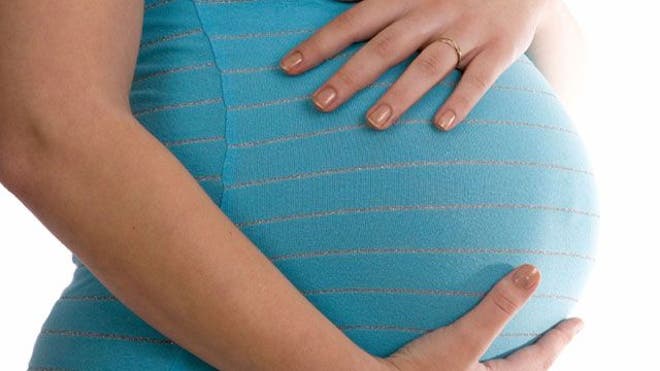
Babies whose moms lived within a mile of crops treated with widely used pesticides were more likely to develop autism, according to new research 
|


....Babies whose moms lived within a mile of crops treated with widely used pesticides were more likely to develop autism, according to new research. 


The study of 970 children, born in farm-rich areas of Northern California, is part of the largest project to date that is exploring links between autism and environmental exposures.
The University of California, Davis research – which used women’s addresses to determine their proximity to insecticide-treated fields – is the third project to link prenatal pesticide exposures to autism and related disorders.

pesticides cause for autism rate“The weight of evidence is beginning to suggest that mothers’ exposures during pregnancy may play a role in the development of autism spectrum disorders,” said Kim Harley, an environmental health researcher at the University of California, Berkeley who was not involved in the new study.


When women in the second trimester lived near fields treated with chlorpyrifos – the most commonly applied organophosphate pesticide – their children were 3.3 times more likely to have autism, according to the study. 
Credit: Wonderlane via Flickr
One in every 68 U.S. children has been identified with an autism spectrum disorder—a group of neurodevelopmental disorders characterized by difficulties with social interactions, according to the Centers for Disease Control and Prevention.
“This study does not show that pesticides are likely to cause autism, though it suggests that exposure to farming chemicals during pregnancy is probably not a good thing,” said Dr. Bennett Leventhal, a child psychiatrist at University of California, San Francisco who studies autistic children. He did not participate in the new study.....
The biggest known contributor to autism risk is having a family member with it. Siblings of a child with autism are 35 times more likely to develop it than those without an autistic brother or sister, according to the National Institutes of Health.
By comparison, in the new study, children with mothers who lived less than one mile from fields treated with organophosphate pesticides during pregnancy were about 60 percent more likely to have autism than children whose mothers did not live close to treated fields. Most of the women lived in the Sacramento Valley.
The study also reported an increased risk of developmental delays, but not autism, in kids whose moms lived near fields where carbamates, including methomyl and Sevin, were applied.
The researchers said that pesticides could impair brain development and signaling in a way that affects social interactions, learning and behavior.
Previous studies have also linked pesticide use in California to autism spectrum disorders.
In 2007, Harley and her colleagues found a two-fold increase in pervasive developmental disorders (the larger group to which autism belongs) among 531 children in California’s Salinas Valley whose mothers’ urine had higher levels of organophosphate pesticides.
Another study from 2007 found that mothers who lived near fields with the highest applications of two now-banned pesticides – endosulfan and dicofol – were six times more likely to have kids with autism spectrum disorders.

Sunday, March 23, 2014

Autism and the environment

A study discusses how environmental factors may increase a person's risk of developing autism.

A large U.S. study suggests environmental pollution might be contributing to autism risk, although the specific culprit toxins remain unknown.
Researchers analyzed medical records and found a correlation between U.S. counties' autism rates and their rates of genital birth defects in boys, which could be a sign of some common environmental contributors.
However, the findings, which were reported March 13 in the journal PLoS Computational Biology, do not prove that any particular environmental exposure directly raises the risk for the developmental disorder, experts said.
There's no "smoking gun," said Alycia Halladay, senior director of environmental and clinical sciences for the advocacy group Autism Speaks.
"This study was not designed to figure out what the [environmental] factors are," said Halladay, who was not involved in the research.
Still, she said, experts believe autism arises from a combination of genetic vulnerability and any number of environmental exposures. Some suspects include infections such as flu during pregnancy, certain prescription drugs taken during pregnancy and environmental toxins.
These latest findings support the "scientific agreement that it's a mix of genes and environment," Halladay said.
The lead researcher on the study agreed. "Both genes and environment are important," said Andrey Rzhetsky, a professor of genetic medicine at the University of Chicago.
The task ahead, Rzhetsky said, is to figure out which environmental exposures matter.
Autism refers to a collection of disorders, usually diagnosed during childhood, that affect language and social skills.
For the study, Rzhetsky's team analyzed nearly 100 million U.S. health insurance claims for a county-by-county look at rates of autism and intellectual disability. They also examined rates of genital malformations in boys -- such as micropenis, undescended testicles and hypospadias (in which the urethral opening is on the underside of the penis).
Those genital malformations were used as an indicator of parents' exposure to environmental pollutants, Rzhetsky said. The exact causes of those birth defects are not clear, but some studies have suggested that certain environmental toxins -- including pesticides and lead -- might play a role, he said.
In this study, county rates of genital birth defects ranged from none to just over 2 percent. Overall, the researchers found, for every 1 percent increase in those birth defects, the rate of autism rose by close to 300 percent.
Even accounting for county demographics, a strong link existed between rates of genital defects and autism, Rzhetsky said.
But the reasons for the correlation aren't clear. Genes could play some role, Rzhetsky said, and so could environmental factors other than pollutants.
Halladay said endocrine disruptors -- chemicals found in plastics, food cans and other everyday products -- have been linked to genital birth defects. But so far, researchers haven't found a connection to autism risk.
On the other hand, some studies have found a link between high exposure to air pollution during pregnancy and an increased autism risk, Halladay said.
Researchers continue to look for the environmental players in autism, Halladay said. Autism Speaks has a program that funds research on the environmental factors -- including toxic exposures and nutrition during pregnancy -- that might affect autism risk.
Rzhetsky said he hopes his team's findings help fuel the interest in that type of research. "There is a lot of research focused on the genetics," he said. "But environment plays a big role."
But chemicals in the environment are only one potential reason autism rates vary across the United States.
Rzhetsky's team also found lower rates of autism in states where regulations require a doctor's diagnosis of autism before kids can qualify for special education.
Halladay said the finding is consistent with past studies suggesting that differences in diagnosis help explain regional differences in autism rates.
A 2012 study from the U.S. Centers for Disease Control and Prevention found that one in 88 U.S. children had an autism spectrum disorder -- up almost 25 percent from just a few years before. But the rate varied widely, from one in 47 in Utah to one in 210 in Alabama.
Experts speculated that the national increase had a lot to do with better detection, and that differences in awareness and autism services might explain the regional differences.
Read more here

Monday, September 09, 2013

Preemies may face neurodevelopmental problems

A study shows that preemies born at or earlier than 25 weeks are likely to have extremely low IQ or other neurodevelopmental issues during childhood.

Babies who are born at 25 weeks' gestation or earlier and survive early life have a "substantial likelihood" of having a very low IQ or other neurodevelopmental problems in childhood, researchers said today.
In a review of nine past studies, they found between 24 and 43 percent of extremely premature infants went on to have moderate or severe impairment, depending on just how early the babies were born.
Dr. Henry Lee, from the Division of Neonatal & Developmental Medicine at Stanford University and Lucile Packard Children's Hospital in California, said it's a "very difficult circumstance for the family" when a baby is born between 22 and 25 weeks.
Normal gestation is 37 to 42 weeks. Twenty-two weeks is considered the earliest a baby can be born and still have a chance of surviving. But the odds can be so low, and the risks so high, that some hospitals might not even offer aggressive care to preemies delivered at 22 to 23 weeks, said Lee, who wasn't involved in the new research.
"First of all, they're at high risk of not even surviving, even when everything is done to help them," he told Reuters Health. "Even when they do survive, they have high rates of disability."
By 25 weeks in the womb, a baby's chances of surviving and going on to lead a normal life are thought to be significantly better.
Lee said the new data could be used to help counsel families of extremely premature infants.
"It's hopefully an informed decision that the family makes in terms of how they're going to proceed, whether to try to provide very aggressive, intensive care to these infants or potentially to provide palliative and comfort care," he said.
"The hard part too is there is still uncertainty. Even though there is this risk, there are some infants at each of these gestational ages that will survive and not have disability."
For their analysis, researchers led by Dr. Gregory Moore from The Ottawa Hospital in Ontario, Canada, pooled the results of nine studies that assessed kids born between 22 and 25 weeks' gestation when they were four to eight years old. Most of the studies were conducted in Europe and together they included close to 900 children.
Moderately or severely impaired children were those scoring in the lowest 2 to 3 percent on IQ tests, children with cerebral palsy and those who were fully or mostly deaf or blind.
Studies varied widely in the frequency of impairment they reported, likely based in part on different practices in different regions, the researchers said.
They found that across the board, children were at risk of neurodevelopmental problems - although those risks declined for every extra week in the womb.
Among babies born at 22 weeks, 43 percent were impaired. That compared to 40 percent of those born at 23 weeks, 28 percent born at 24 weeks and 24 percent born at 25 weeks' gestation, the study team reported Monday in JAMA Pediatrics.
About 4 to 5 percent of full-term babies go on to have some type of developmental problem, Moore said, but that includes children with milder impairment as well.
"Although substantial numbers of extremely preterm infants go on to develop moderate to severe (neurodevelopmental impairment), the results are not completely bleak in that over half of the children studied did not go on to develop moderate to severe impairment," Dr. Kimberly Noble, a pediatrician who studies child brain development at Columbia University in New York, said.
Noble, who wasn't involved in the new research, told Reuters Health in an email that it's unclear whether rates of impairment would be similar for U.S. babies born very early.
Moore, also from The Children's Hospital of Eastern Ontario, said the findings were limited by the small number of children born at the earliest gestations included in the studies.
"We don't want these (data) to make a physician automatically say, ‘There's no hope' or, ‘There's no chance,'" he told Reuters Health.
But, he added, "Many parents do think of long-term impairment as a major concern for them, and some parents think of it as a bigger concern than death, for example. For some parents knowing this data and knowing the limitations of it and speaking with a caring neonatologist about it, we would hope that that would help them in their decision making."
Read more here

Saturday, August 24, 2013

Risk of autism linked to induced labor

This article discusses a study that claims women who have induced labor are more likely to have an autistic child.

A new study finds that pregnant women who have their labor started or sped up artificially are slightly more likely to have autistic children.

The increased autism risk likely stems from an underlying problem with the pregnancy, rather than any of the methods used to jump-start labor, says lead author Simon Gregory of the Duke Institute of Molecular Physiology.

It's possible that "infants destined to develop autism are less likely to send out the correct biochemical signals for normal progression of labor," says Tara Wenger, a pediatric genetics fellow at the Children's Hospital of Philadelphia, who wasn't involved in the new study, published in JAMA Pediatrics.

Pregnancy complications increase the risk of many developmental disorders, says Michael Rosanoff, associate director for public health research and scientific review at Autism Speaks, an advocacy group.

And a growing number of studies now link autism to a variety of things that can compromise the health of a pregnancy, says Rosanoff, who wasn't involved in the study, funded by the Environmental Protection Agency. Researchers are increasingly looking at prenatal risk factors for autism, because this period plays a key role in brain development. Science has ruled out vaccines as a cause of autism, he says.

But studies have found that children are at higher risk for autism if they are born early or very small; if they are in medical distress during delivery; if they have older mothers or fathers; or if they are born less than a year after an older sibling. Autism risk also goes up if a mother has diabetes or high blood pressure; is obese; is exposed to significant air pollution during pregnancy; had low levels of folic acid; takes medications such as an anti-seizure drug called valproic acid; or makes antibodies toxic to the fetal brain.

Gregory notes that his findings are still preliminary and that women shouldn't resist a doctor's recommendation about jump-starting labor out of fear of autism.

Inducing labor can often reduce the risk of stillbirth, such as when a pregnancy lasts more than a week or so beyond the usual 40 weeks, says co-author Chad Grotegut, a Duke maternal-fetal medicine specialist. Augmenting labor, which may be done when natural labor stalls, can reduce the risk of maternal or fetal infections or post-partum hemorrhage.

And while the link between autism and jump-starting labor is consistent with smaller, earlier studies, the research doesn't prove that labor induction or augmentation actually causes autism, Gregory says.

In the new study, researchers analyzed the records of 625,042 North Carolina births, which were linked to school records that noted any diagnosis of autism.

Those records didn't specify where children fell on the autism spectrum, the study says.

Doctors can induce or speed up labor in several ways, such as by applying a hormone gel to the cervix or giving women intravenous oxytocin, an artificial version of a natural hormone involved in labor, Gregory says.

Women whose labor was induced were 13% more likely to have an autistic child, compared to women whose labor wasn't induced. Women whose labor was sped up were 16% more likely to have a child later diagnosed with autism, the study found. Those whose labor was both induced and augmented were 27% more likely to have an autistic child.

In comparison, the risk of autism went up 23% when the mother had diabetes, and 25% when the fetus was in distress, the study says.

There was no increase in autism risk among women who had C-sections, Gregory says.

He says scientists should look more closely at labor induction with oxytocin. Oxytocin, sometimes called the "love hormone," plays a key role in social behavior and reasoning.

Gregory and other researchers are investigating oxytocin to treat some of the symptoms of autism.

About one in 88 American children have an autism diagnosis, according to the Centers for Disease Control and Prevention.

Rather than one disease, autism is now regarded as a collection of conditions with similar traits but different causes, Rosanoff says. People on the autism spectrum are extremely diverse. Some are non-verbal and profoundly disabled; others have successful careers, particularly in science and technology, describing themselves as different, rather than disabled.

"Autism is so heterogeneous," Rosanoff says. "We're never going to get to the one cause."

Read more here

Thursday, August 15, 2013

Risks of taking epilepsy drugs while pregnant

Keep in mind ...What does the WHO recommend

Recommendation(s)

  • Women with epilepsy should have seizures controlled as well as possible with the minimum dose of antiepileptic drug taken in monotherapy, wherever possible. Antiepileptic drug polytherapy should be avoided. Valproic acid should be avoided if possible.  Strength of recommendation: STRONG
  • Folic acid should routinely be taken by women with epilepsy of child bearing age who are on antiepileptic drugs.  Strength of recommendation: STRONG
  • Standard breast feeding recommendations remain appropriate for women with epilepsy on the antiepileptic drugs included in this review (phenobarbital, phenytoin, carbamazepine and valproic acid). Strength of recommendation: STRONG
  • JR


Risks of taking epilepsy drugs while pregnant
This article discusses the various risks associated with pregnant women taking drugs for epilepsy, such as having a child with developmental delays or showing signs of autism.

Women with epilepsy who take anti-seizure medication while they are pregnant are more likely to later report delays in their child's development and autism symptoms, according to a new study from Norway.

The findings probably won't change the conversation too much between women and their doctors in terms of managing epilepsy during pregnancy, because it's already understood that the medications carry some risks, said Dr. Lewis Holmes, director of the Antiepilepsy Drug Registry at Massachusetts General Hospital, who was not involved in the research.

However, studies like this are badly needed, he added, because women are often asking about risks to their children's development, and "it hasn't really been mapped out."

The researchers could not prove that the anti-epileptic drugs are to blame, but the findings add to other evidence linking the medications to effects on children's development.

Seizure medication taken during pregnancy is already tied to a higher risk of physical malformations in the baby, and the drugs are linked with a greater chance of complications during pregnancy and childbirth.

One study from Denmark earlier this year also found that women who took the epilepsy drug valproate during pregnancy were three times more likely to have a child with an autism spectrum disorder.

"The risk of other effects on fetal development, that is, development and behavior, is less clear," said Dr. Gyri Veiby, lead author of the new study and a researcher at the University of Bergen in Norway.

She said that among all pregnancies, about three to five women out of every 1,000 use anti-epileptic drugs during pregnancy.

"It is reasonable to assume that most (anti-epileptic drugs) have the potential to harm the developing fetus. On the other hand, seizures should also be avoided during pregnancy," Veiby wrote in an email.

"In order to assess whether antiepileptic drug treatment during pregnancy is justified, we need to know as much as possible about the potential risks for the fetus," she said.

Veiby and her colleagues examined data from a large survey of mothers across Norway.

More than 108,000 women filled out a questionnaire asking about the behavior and development of their children at 18 and 36 months of age.

The survey included questions about social, physical and verbal skills, mannerisms, aggression and other traits.
Among the women in the study, 634 had epilepsy and 333 of them took epilepsy medication while they were pregnant - that translated to about 46 percent of the children of epileptic mothers having been exposed to one or more of the medications.
Children whose mothers took epilepsy drugs while pregnant were more likely to score outside the normal range on several developmental measurements, the researchers report in the journal Epilepsia.

For instance, 3.3 percent of three-year-olds whose mothers did not have epilepsy did not meet milestones for physical skills, whereas 7.5 percent of kids exposed to epilepsy drugs in utero failed to meet these milestones.

In addition, 4.8 percent of three-year-olds whose mothers did not have epilepsy scored abnormally on their ability to form sentences, while 11.2 percent of the children whose mothers took anti-seizure medication were delayed in their sentence skills.

The kids whose mothers took epilepsy medication while pregnant were also more likely to have autistic traits - 6 percent - compared to just 1.8 percent of the kids who mothers did not have epilepsy.

A mother's epilepsy itself did not appear to contribute to the heightened risk. Mothers with the condition who did not take any medication were no more likely to have a child with delays than mothers without epilepsy.

Dr. Cynthia Harden, a neurology professor at Hofstra-North Shore LIJ School of Medicine in Hempstead, New York, said it's possible the findings could be explained in part by something called "selection bias."

Mothers who take epilepsy medication while pregnant, for example, might be more concerned and therefore looking out for developmental delays, so they could be more likely to report them.

But Harden also said it's possible the drugs themselves have a negative effect on babies' development.

"There might be something real going on here, but it's possible that the magnitude of the effect is exaggerated by selection bias," said Harden, who is also the director of the Comprehensive Epilepsy Care Center at North Shore-LIJ Medical Group in Great Neck, NY.

Holmes said the findings support parents taking action on cues that their child might have a delay.

"Because there are concerns about subtle effects, I think it's smart to go ahead and think about obtaining some formal testing...as a way of making sure that everything is OK before first grade," Holmes said.

Harden agreed that the study doesn't change the discussion about epilepsy management during pregnancy too much.
Already, patients and physicians are aware of the potential hazards of the drugs, yet "seizures are dangerous, and we cannot permit our patients to have seizures during pregnancy," she said.

Physicians try to reduce the dose of the medication, trim back the treatment to one type of drug if possible, and avoid the use of valproate.

Veiby added that another way to minimize the risks during pregnancy is to plan ahead to figure out the safest treatment strategy, and to avoid unplanned pregnancies.

"Unfortunately, many women on (anti-epileptic drugs) do not receive the appropriate pre-pregnancy counseling," she said.

Read more here

Sunday, August 11, 2013

Brain chemistry changes over time in children with autism

A study reveals that the brain chemistry in children with autism can change over time meaning autism is different than other developmental disorders.

Children with autism exhibit unusual brain chemistry that can change over time, new research shows.
That particular chemistry differs from both children with other developmental delays and children with typical development, the University of Washington researchers noted, and it adds to a growing body of evidence that suggests early interventions can alter outcomes in kids with autism.
The findings support the notion that autism spectrum disorder is fundamentally different from other developmental disorders, said study author Stephen Dager, associate director of the university's Center on Human Development and Disability.
"Children with autism showed a very different developmental course than kids who had developmental delays without autism," Dager said. "We're hoping to better understand what the processes are so we can develop more focused interventions that can help to modify these processes to the benefit of the individual."
The discovery also emphasizes the positive impact that early intervention can have on children with autism, said autism expert Dr. Ali Carine, an osteopathic pediatrician in Columbus, Ohio.
"Autism stands as a different type of process than a stagnant developmental process," Carine said. "We need to identify autistic children and start intervention when the potential for change is greatest. Clinically, we know the younger we catch these kids, the more they respond to intervention."
One of the researchers put it this way:
"A substantial number of kids with early, severe autism symptoms make tremendous improvements," said study co-author Annette Estes, director of the University of Washington's Autism Center. "We're only measuring part of the iceberg, but this is a glimmer that we might be able to find a more specific period of vulnerability that we can measure and learn how to do something more proactively."
Experts estimate that by age 8, one out of every 88 children will develop some form of autism, according to the U.S. Centers for Disease Control and Prevention. Boys are four times more likely than girls to have an autism spectrum disorder.
In the study, researchers used MRI scans to measure the tissue-based brain chemicals of children at 3 to 4 years, 6 to 7 years and 9 to 10 years. They measured kids who had been diagnosed with autism, kids diagnosed with developmental delays and kids with typical development.
The investigators found particularly interesting changes in N-acetylaspartate (NAA), a chemical thought to play an important role in the development and regulation of synaptic connections in the brain. NAA levels are lower in people with conditions such as Alzheimer's, traumatic brain injury or stroke.
The researchers found that at ages 3 to 4, children in the autism and developmental delay groups had low NAA concentrations in the gray matter of their brains. However, by ages 9 to 10, children with autism had NAA levels that had caught up to those exhibited by typically developing kids, while NAA remained low in the developmentally delayed group.
The results were reported online July 31 in JAMA Psychiatry.
While these findings are illuminating, they do not pinpoint when autism is likely to develop in children or why it happens, Dager said.
Future research will likely need to investigate children as young as 1 to 2 years old to capture the first brain chemistry changes that lead to autism, Carine said.
"They really believe, based on other published data, that they didn't capture the most dynamic period of children's brain development," Carine said of the new study. "Age 1 to 2 years old is the time when parents of autistic kids say their children seemed to stall, or they had speech and lost it."
Dager and other researchers at the University of Washington are currently using more advanced MRI methods to study infants considered at risk for autism because they have an older sibling with the disorder.
"We're looking prospectively at these children, starting at 6 months, to determine if we can detect very early alterations in brain cell signaling or related cellular disruption that may precede early, subtle clinical symptoms of autism spectrum disorder," Dager said.
Read more here