Showing posts with label socioeconomics. Show all posts

Sunday, July 13, 2014

Neighborhood's Socioeconomic Level Linked to Sleep Duration

A study found that a neighborhood's amount of socioeconomic deprivation was linked to both longer and shorter sleep duration than is recommended for adults.

A new study of adult twins suggests that the level of socioeconomic deprivation in a neighborhood is associated with the sleep duration of residents.
Results show that increased socioeconomic deprivation was significantly associated with decreased sleep duration across all twins. Further analysis within twin pairs found that this association remained significant after accounting for genetics and shared family environment, indicating a robust relationship.
"These results are a starting point for discussing the impact that neighborhood-level factors have on sleep duration," said principal investigator Dr. Nathaniel Watson, president-elect of the American Academy of Sleep Medicine and professor of neurology at the University of Washington in Seattle, where he is co-director of the University of Washington Medicine Sleep Center and director of the Harborview Medical Center Sleep Clinic. "If we improve upon social deprivation, we may have an opportunity to improve upon habits that influence how long people sleep."
The research abstract was published recently in an online supplement of the journal Sleep and was presented in Minneapolis, Minnesota, at SLEEP 2014, the 28th annual meeting of the Associated Professional Sleep Societies LLC.
The study group comprised 2,202 twin pairs -- 1,268 monozygotic pairs and 934 dizygotic pairs -- from the University of Washington Twin Registry. The mean age of study subjects was 37 years, and 62.1 percent were female. Mean self-reported nightly sleep duration was 7.4 hours.
Community socioeconomic deprivation was measured using the Singh Index (SI), a composite, area-level measure. The index combines 17 indicators measuring factors such as poverty, income, education and housing.
Watson's research team also found an intriguing gene by environment interaction. As socioeconomic deprivation increased, the total genetic and non-shared environmental variability of sleep duration also went up.
"The more socioeconomically deprived the neighborhood, the more erratic the sleep duration, both shorter and longer than the healthy seven to nine hours per night that we recommend," he said.
Read more here

Saturday, October 27, 2012

Study: Preemies from Low-Income Families at High Risk for Dangerous Brain Bleeds

A study from Johns Hopkins shows that premies who are born to a low socioeconomic family are more likely to have dangerous hemorrhages.

While interesting, I never know how to apply this data in the office, the NICU or my cerebral palsy clinics.... JR

Babies born prematurely to low-income parents have a disproportionately high risk for developing dangerous brain bleeds that require multiple surgeries and extensive follow-up, according to a small Johns Hopkins Children's Center study.

The findings -- published online Sept. 28 in the journal Pediatric Neurosurgery and based on an analysis of 38 patients referred to Johns Hopkins for treatment of brain hemorrhages related to premature birth -- offer a sobering reminder of the role socio-economic factors can play in health outcomes, the researchers say.
The link between poverty and premature birth has been well-documented, the investigators say, but the new findings go a step further and focus on the consequences of one particularly dire and fairly common complication of prematurity -- brain hemorrhages.
"Our study shows just how detrimental and far-reaching the effects of prematurity can be, medically and otherwise, highlighting the critical need to better identify high-risk pregnancies and reduce the number of premature births," says Edward Ahn, M.D., pediatric neurosurgeon and senior author on the research.
"Brain hemorrhages can have a lifelong impact on a child's neurological and cognitive development, but also create a financial burden on the families, many of whom in our study were already economically challenged," Ahn adds.
The premature brain's blood vessels are highly vulnerable to rapid changes in blood and brain pressure that occur around birth. While some brain bleeds are small and contained within the blood vessel, others can spread further and significantly damage the brain, particularly if not diagnosed and treated promptly. Serious hemorrhages require surgery, intensive follow-up and, often, long-term care to deal with the neurological and developmental after-effects of the condition.
The study tracked 38 babies treated at Hopkins Children's between 2007 and 2010 for complications of brain hemorrhages they had suffered during preterm birth. Most infants in the study (65 percent) were from low-income families and received public health insurance(63 percent). Household income is not part of a standard medical record, but the researchers used zip code and Medicaid status as proxies for income. Medicaid is the public health insurance program for low-income children.
In addition to the higher risk for brain bleeds, the study showed babies from lower-income homes and those with public health insurance had fewer scheduled follow-up appointments and more emergency room visits, compared with babies with private health insurance and with those from higher income homes. The researchers note the differences were clear, even though they didn't reach statistical significance due to the small number of patients in the study.
"If a family foregoes a scheduled follow-up and instead ends up in the ER with a serious, yet likely preventable complication, the medical and financial consequences can be far worse not only for the family but for the health care system as a whole because ER care is more expensive than routine check-ups," Ahn says.
The investigators said their findings need to be replicated on a wider scale in order to further tease out the reasons behind the disproportionate risk.
Read more here

Sunday, September 23, 2012

Gestational Diabetes and Poverty Linked to Increased Chance of ADHD

While gestational diabetes and poverty are shown to have an increased chance of a child having ADHD, breastfeeding shows the opposite effect.

Gestational diabetes and a lower socioeconomic status are the latest environmental factors to be associated with an increased risk of attention-deficit/hyperactivity disorder (ADHD), according to new research.
The German study found that children born to mothers who developed high blood sugar during pregnancy (gestational diabetes) were almost twice as likely to have ADHD as children born to mothers without gestational diabetes. The study also found more than double the risk of ADHD for children born into a family with a low socioeconomic status compared to those in the highest socioeconomic class. Children in the middle class had almost a 60 percent higher rate of ADHD compared to the upper-class children.
"This study found interesting associations that have public health implications," said Dr. Andrew Adesman, chief of developmental and behavioral pediatrics at the Steven and Alexandra Cohen Children's Medical Center of New York, in New Hyde Park, N.Y. Adesman wasn't involved in the current research.
"The U.S. is experiencing an increasing epidemic of obesity, which is a risk factor for gestational diabetes. We need to be mindful of the broader implications of these unfortunate trends. They won't just have an impact on the mother's health, but can also affect the offspring," Adesman said.
The good news from this study is they found that breast-feeding appeared to be protective. Children who were breast-fed were almost 20 percent less likely to develop ADHD, according to the study.
Results of the study were published online as a research letter in the Sept. 10 issue of the Archives of Pediatrics & Adolescent Medicine.
In the United States, more than 5 million children between 3 and 17 years of age have been diagnosed with ADHD, a neurobiological condition that often persists into adulthood. ADHD is characterized by difficulty focusing on tasks and controlling behavior, unusual restlessness and impulsiveness.
The authors of the new study noted they had seen a U.S. study suggesting that gestational diabetes and socioeconomic status might be linked to ADHD. So, they reviewed health information from a national German database and focused on more than 13,000 children and teens from 3 years to 17 years old.
Of that group, nearly 5 percent had an ADHD diagnosis.
In addition to the gestational diabetes and socioeconomic status findings, the researchers found a number of factors associated with the development of ADHD. Boys were more than four times as likely to develop the condition as girls were, according to the study.
Maternal smoking was associated with a nearly 50 percent increased risk of ADHD in the child. Perinatal health problems (such as birth defects, preterm birth and low birthweight) increased the risk of a child developing ADHD by 69 percent, according to the study. Researchers also found that having the allergic skin condition eczema was associated with a 62 percent increased risk of ADHD.
"During pregnancy and for the first few years after birth, the brain is undergoing active development, and is vulnerable to a range of influences," Adesman said.
Dr. Mary Rosser, an assistant professor of obstetrics, gynecology and women's health at Montefiore Medical Center, in New York City, said the study covers new ground.
"We've known for a while that perinatal factors have been cited as potential causes for many childhood problems," Rosser said. "Smoking during pregnancy has always been one of the factors that has been linked to ADHD in kids. This study is one of the first I've seen that's looking at gestational diabetes and ADHD."
Noting that "an unfavorable uterine environment can cause developmental issues," Rosser recommended that women see an obstetrician before getting pregnant, and that they continue prenatal care throughout their pregnancies. This can help prevent or treat some of the issues, such as gestational diabetes, that may contribute to ADHD in the child.
In addition, she recommended that women breast-feed their babies. Breast-feeding may be protective for ADHD, and it's known to be beneficial for the baby's overall health, she said.
The study did not prove that gestational diabetes and a lower socioeconomic status cause ADHD, it merely found an association.
Read more here

Tuesday, September 04, 2012

How Socioeconomics Impacts Proper Sleep Apnea Diagnosis And Treatment


This article discusses why people from lower socioeconomic backgrounds are disproportionately effected by sleep apnea.

A wide range of serious health problems disproportionately afflict individuals from economically disadvantaged backgrounds. These conditions, which reduce quality of life and shorten lifespan, include heart disease, stroke, diabetes, asthma, and cancer. Other health problems commonly associated with poverty are obesity, pregnancy complications, increased infant mortality, HIV/AIDS and dental disease. The U.S. Department of Health and Human Service's "Healthy People 2020," which sets 10-year national objectives for improving the health of the nation, has prioritized the need to close the gap in these "health disparities." There are numerous potential targets for improving the health of low-income people, such as improving nutrition and access to health care. In addition, accumulating research points to a need to improve sleep as means for improving alertness and daily functioning, as well as for reducing the risk of developing chronic diseases such as diabetes and heart disease.
Sleep disorders and sleep deficiency (akin to a vitamin deficiency, reflecting a lack of an essential ingredient for healthy functioning) afflict a high proportion of both children and adults. Notably, individuals from disadvantaged neighborhoods and racial/ethnic minorities are at increased risk for poor sleep and for sleep disorders due to a variety of environmental exposures, occupational and psychosocial conditions, and possibly genetic factors. As will be discussed next week by Drs. Buxton and Okechukwu, persons of color and from poor neighborhoods are significantly more likely to be sleep-deprived and to have poor sleep quality, which often leads to elevations in blood pressure, abnormalities in blood sugar, weight gain and obesity, and other health problems.
The sleep disorder sleep apnea is also especially common in minority groups and individuals from disadvantaged neighborhoods. This disorder occurs when the throat closes during sleep, resulting in snoring (vibration of the tissues of the throat as the air passages narrow and increase) and periods when breathing briefly but repeatedly stops ("apnea"=no breathing). These interruptions in breathing, which may occur hundreds of times during the night in individuals with sleep apnea, can lead to marked decreases in the body's oxygen levels, frequent awakenings, release of stress hormones, and marked spikes in blood pressure. These stresses, however, are not confined to the night, but also often lead to persistent physiological abnormalities that affect the cardiovascular and endocrine systems. In fact, sleep apnea results in a marked increase in risk for developing high blood pressure, heart failure, stroke, diabetes, abnormal heart rhythms (atrial fibrillation), and early death. Sleep apnea is also is associated withpregnancy complications. In children, sleep apnea is associated with elevations in blood pressure, a predisposition to diabetes, and behavioral problems such as attention-deficient hyperactivity disorder.
Why are minority and low-income people at increased risk for sleep apnea? The answer is not completely clear, but it appears that some of the risk is associated with elevated exposure to poor air quality due to environmental tobacco smoke and air pollution-factors that may cause chronic inflammation of the tissues near the throat. The increased risk is partly associated with higher frequencies of overweight, which itself may be a result of sleep deprivation, a cause of overeating. Sleep apnea tends to run in families, and it appears that genetic factors may also contribute to disease risk.
Despite the relatively high prevalence of sleep apnea in low-income populations, it is often under-recognized and inadequately treated in these groups. Recognition may be hampered when individuals do not receive regular medical care, when health care providers only focus on their patient's known medical problems and do not ask about sleep problems, when patients themselves do not recognize the potential dangers of their poor sleep and snoring and do not discuss these issues with their doctors.
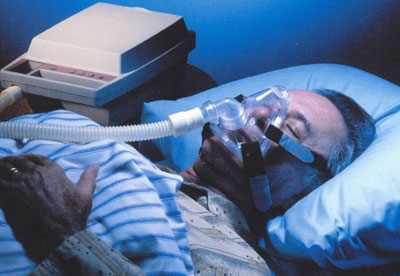
Treatment of sleep apnea also is often inadequate in individuals with more limited resources. The "gold standard" treatment of sleep apnea involves using a device on a nightly basis that keeps the throat from collapsing (a CPAP machine). This treatment is highly effective, but often requires initial support from an experienced team of sleep specialists to make sure the device is properly fit for the patient, who may need to be supported while adjusting to this new treatment. This requires a solid partnership between the patient and medical team, which sadly, is less common for many low-income patients. Research indeed shows that use of prescribed CPAP is often suboptimal in minority and low-income patients. Thus, it is likely that large numbers of patients with sleep apnea are left undiagnosed and/or untreated for a treatable condition that can have profound health effects.
Colleen Lance
Recognizing the importance of this emerging public health issue, this past June, Harvard University and its partner institutions sponsored a symposium "Sleep Health Disparities: Opportunities to Improve the Health of the Community" to bring together experts in health disparities research, sleep medicine, population health, community outreach, and environmental science to foster new dialogue, consider emerging questions, and identify important next steps to move forward the field of sleep health disparities. Presenters and participants explored the mediating role of sleep disorders in health disparities, potential mechanisms linking sleep disorders to chronic health conditions, and barriers to clinical recognition and treatment of sleep deficiency and sleep disorders in disadvantaged populations. Participants endorsed a need to better identify the determinants of poor sleep in low-income populations, including focusing on risk factors operating in households and the work place and behaviors that influence parents and their children. The consensus: a clear need to improve recognition of sleep apnea by primary care providers and to understand how to best support treatment in minority and low-income populations.
Read more here