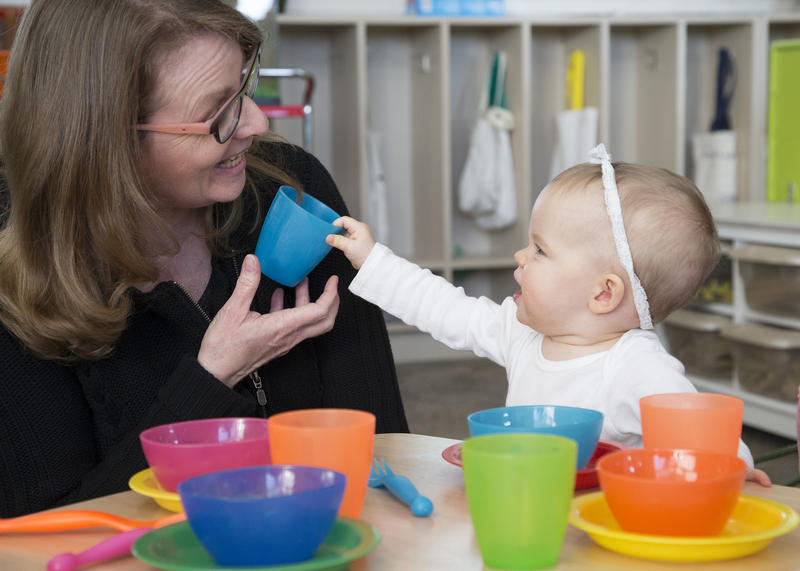
A study indicates that premature infants could be at an increased risk of developing autism.
According to a new study, very premature infants may have an increased risk of being diagnosed with autism by age 4, although the research questions just how high the odds are.
The Australian study, published online Jan. 21 in Pediatrics, found that just under 2 percent of tiny preemies were later diagnosed with autism between 2 and 4 years of age.
That prevalence, the researchers say, is lower than what's been seen in past studies -- where figures have ranged from roughly 4 percent to 13 percent.
They also said there are reasons to trust the reliability of their findings. This study is one of the few to directly evaluate children, rather than using parent questionnaires, said lead researcher Margo Pritchard, a professor of neonatal nursing at Australian Catholic University, in South Brisbane.
"What we found is that being born very preterm is a risk factor, which is consistent with previous studies," Pritchard said. "But when diagnostic rigor is applied, using direct assessment, the rate of autism is lower than reported in other studies."
However, Dr. Paul Wang, senior vice president of medical research for the nonprofit organization Autism Speaks, said it's not clear what to make of the lower prevalence.
Studies differ in their methods, and some have followed children for longer periods -- to age 8 and beyond -- so it's hard to know which estimates are closer to the truth, Wang said.
Instead, he saw the new findings as further support for the overall picture. "Prematurity and low birth weight are risk factors for autism," Wang said.
He also stressed, however, that there is no single contributing factor to autism spectrum disorder -- a developmental disorder thought to affect one in 68 children in the United States, according to the U.S. Centers for Disease Control and Prevention.
Autism is complex, Wang said, and the mix of causes varies from one child to the next. But in general, experts believe it starts with a genetic vulnerability, in combination with certain environmental exposures at a critical point in development -- particularly in the womb.
Researchers are still trying to understand the environmental influences, Wang said.
According to Autism Speaks, studies have implicated a number of factors other than preterm birth. Those include older age of the parents at conception, as well as prenatal exposure to certain infections, air pollution or particular medications -- such as the anti-seizure drug valproic acid (Depakote).
For the new study, Pritchard's team assessed 169 young children born before the 29th week of pregnancy. They were screened at ages 2 and 4 years for possible signs of autism -- such as language delays, or a lack of interest in other children.
Overall, 13 percent of the children screened "positive" and underwent further evaluation. In the end, just under 2 percent were diagnosed with autism.
Still, Wang pointed out, nearly all of the children who screened positive but did not get a formal diagnosis did have significant problems -- with communication, imaginative play or repetitive behavior, for example.
And since very preterm babies are at risk of various developmental problems, it can be hard to definitively diagnose autism at a young age, Wang said.
Pritchard agreed that it's challenging to pinpoint autism in those children. But, she added, "gold standard" assessments such as the Autism Diagnostic Observation Schedule -- which was used in this study -- can help identify the disorder at an early age.
Whatever the true prevalence of autism is among preemies, it's important that these children have routine developmental screenings, Wang and Pritchard said.
"These children all need to be followed closely and screened," Wang said. That way, any impairments -- physical, mental or social -- can be caught early and addressed.
"Identifying early differences in development can help to link children with effective intervention practices," Pritchard agreed.
"The take-home message," she added, "is to take advantage of developmental monitoring and keep children born very preterm on these programs through childhood."
According to a study, autism may be covered by ADHD in children.
Symptoms attributed to attention-deficit hyperactivity disorder (ADHD) may overshadow or mask autism spectrum disorder in very young children, a new study reveals.
This can create a significant delay in the diagnosis of autism. It took an average of three years longer to diagnose autism in children initially thought to have just ADHD, the researchers said.
That delay can make a big difference in the future of the child, said study author Dr. Amir Miodovnik, a developmental pediatrician at Boston Children's Hospital.
"It's been shown the earlier that you implement these therapies for autism, the better children do in terms of outcomes," Miodovnik said. "Three years is a significant amount of time for the kids to not be receiving therapy."
The study was published online Sept. 14 and will appear in the October print issue ofPediatrics.
Autism and ADHD are very different neurological conditions, but they share a number of symptoms, genetic factors and brain pathways, the study authors said in background information.
For example, children who are hyperactive, impulsive and inattentive could be diagnosed with ADHD, but similar symptoms also are found in kids with autism spectrum disorder, the study said.
To see whether an early diagnosis of ADHD would interfere with detection of autism, the researchers looked at data on nearly 1,500 children with autism drawn from the 2011-2012 National Survey of Children's Health.
In the survey, parents were asked whether their children had been diagnosed with ADHD or autism. They were also asked to provide the ages when they received their diagnosis. About 43 percent of the kids had been told they have both conditions, parents reported.
More than two out of every five kids diagnosed with both ADHD and autism had been diagnosed with ADHD first, the researchers found.
Most of those children initially diagnosed with ADHD -- about 81 percent -- wound up diagnosed with autism after age 6.
In fact, kids diagnosed first with ADHD were nearly 17 times more likely to be diagnosed with autism after age 6 compared to kids who only received a diagnosis of autism.
The children also were 30 times more likely to receive an autism diagnosis after age 6 when compared with kids who were diagnosed with ADHD and autism at the same time, or diagnosed initially with autism and later with ADHD.
These results indicate that doctors may be rushing to apply a diagnosis of ADHD at an age that's much too early, said Dr. Daniel Coury, chief of developmental and behavioral pediatrics at Nationwide Children's Hospital and a professor of clinical pediatrics and psychiatry at the Ohio State University College of Medicine.
"In fact, these children may have a neurodevelopmental problem that is going to change over the next few years, and will be much more apparent at 4 or 5 years than it is at 2," Coury said. "We don't usually make a diagnosis of ADHD in 3- and 4-year-old children. If we're making a diagnosis at that early age, maybe we should be thinking about a developmental disorder that is more common for that age group, like autism."
Miodovnik agreed, noting that in his study kids with autism were diagnosed with ADHD at around 5 years old on average, much younger than the national average of 7 years old for a typical ADHD diagnosis.
Coury said the findings line up with what he's seen in his practice.
"My personal clinical experience is that we see a fair number of children we evaluate for autism spectrum disorder at an older age who previously have had an ADHD diagnosis," he said. "There is a tendency that once a patient has a diagnosis, because they have a number of symptoms that fit that diagnosis, clinicians can develop a bit of tunnel vision where some other findings might be overlooked."
Parents who believe that a child younger than 5 has ADHD should take their child to a developmental pediatrician, rather than a family physician, to make sure that possible autism will not be overlooked, Miodovnik said.
"If you suspect ADHD in very young children, it's probably best for them to be evaluated by a specialist, partly to not miss a diagnosis of autism, and also because managing a child with ADHD can be complicated," he said.
Around 7% of children can outgrow autism by the time they hit elementary school, but learning issues persist.
For some parents, the miracle does occur. Their child, diagnosed with autism spectrum disorder as a toddler, will test as normal (socially and cognitively) once in elementary school. A new study finds that one in every 14 autistic toddlers will no longer meet the diagnostic criteria once they reach elementary school. However, the majority of these exceptional children will continue to display some emotional or behavioral symptoms at that stage and so require some form of special education, note the researchers who spoke at the annual meeting of the Pediatric Academic Societies.
“Understanding the full range of possible outcomes is important for parents, clinicians, and the educational system,” wrote the authors in their presentation abstract.
Surprised by what they had seen in practice, an early intervention program team of doctors and researchers examined the medical records of 38 remarkable children. Part of a group of 569 children total, all had been diagnosed with autism by the team. The total children, who lived in the Bronx, represented a range of racial, ethnic, and socioeconomic backgrounds: just under half were on Medicaid (46 percent), while 44 percent were Hispanic, 36 percent Caucasian, and 10 percent African-American.
Between the years of 2003 and 2013, all these hundreds of children met the diagnostic criteria for autism spectrum disorder, yet, when re-evaluated four years later, 38 (or seven percent) no longer displayed symptoms of the disorder. Importantly, the same intervention team diagnosing the children had provided therapy and treatment and also monitored the children's progress over time.
During the follow-up examination, three of the 38 exceptional children displayed no disabilities of any kind. They had outgrown all of their social, psychological, and cognitive difficulties.
Still, the overwhelming majority (92 percent) of the 38 had residual learning and/or emotional/behavioral problems. Two-thirds displayed a language/learning disability, while nearly half were diagnosed with attention deficit hyperactivity disorder, oppositional defiant disorder, or disruptive behavior disorder. About a quarter showed signs of a mood disorder, an anxiety disorder, obsessive compulsive disorder, or selective mutism.
Despite remaining challenges, it is still both astounding and inspiring that some of the children had overcome a primary hurdle of autism.
“Autism generally has been considered a lifelong condition, but seven percent of children in this study who received an early diagnosis experienced a resolution of autistic symptoms over time,” Dr. Lisa Shulman of the Albert Einstein College of Medicine/Children’s Hospital at Montefiore stated in a press release. Certainly, the hope is these remarkable children may someday surmount their residual challenges as well.
A study shows that girls are diagnosed with autism later than boys are.
Current statistics on autism spectrum disorder (ASD) show that boys are nearly five times more likely than girls to have autism. Now a new study proves that in addition to being diagnosed less, girls are also diagnosed at a later age than boys.
The study, conducted by the Kennedy Krieger Institute in in Baltimore, Maryland, analyzed data from the Institute’s Interactive Autism Network (IAN), an online information registry of nearly 50,000 people affected by autism and their families. Researchers took into account the age that both boys and girls were diagnosed with autism for 9,932 children, and Social Responsiveness Scale data from 5,103 children, which identifies the presence and severity of social impairment.
Results showed that girls with a type of autism called pervasive developmental disorder (PDD)— which is characterized by delays in the development of socialization and communication skills— were diagnosed at an average age of 4 years old, compared to 3.8 years old in boys. In addition to PPD diagnosis, researchers found that Asperger’s syndrome diagnoses also happened later for girls – at 7.6 years old compared to 7.1 years of age for boys.
“The later diagnosis of girls appears to be tied to their areas of delay being less apparent, showing up more as shyness and quietness rather than the more unusual behaviors seen in boys, ” Dr. Paul Lipkin, study author and director of the Interactive Autism Network at Kennedy Krieger told FoxNews.com.
Lipkin said findings suggest that when it comes to social cognition, or the ability to interpret social cues, girls struggle more than boys, while boys have more difficulty with more obvious symptoms like severe mannerisms and repetitive behaviors.
“At the present time, autism screeners are not designed to look at boys and girls differently. This and other studies suggest that such may be needed, particularly around social skill development,” Lipkin said. “So parents, pediatric clinicians, therapists, educators now should give careful consideration to girls who are having difficulties in social situations and assist these girls early.”
Researchers noted an increase in the number of girls diagnosed with autism from 2010-2013 compared to the statistic measured four years earlier. Lipkin said he thinks the reason for the rise might be better public awareness and screening methods.
“We need to look at large groups of girls with autism and better understand their developmental pathways, in order to find the best means for their early identification and to find the best treatments for the challenges they experience,” he said. “One can no longer assume that boys and girls with autism are alike.”
Lipkin said he hopes the findings help change the way autism is diagnosed, and that further research will determine whether less recognizable symptoms in girls are not only leading to later diagnosis, but also under-identification of the condition.
“We need to find the best ways to identify those at both ends of the spectrum, those with severe problems and those with milder problems in social development,” he said. “The quiet girl with social difficulties may have an ASD and may benefit from special treatments aimed at these delays in social development.”
Wow! This article explains that autism symptoms can be missed in routine pediatric exams. 39% of experts could not identify the children with autism in a typical well-child exam setting. Please schedule a separate appointment to discuss developmental concerns. JR
As the rate of children with autism continues to grow, a new study authored by a BYU professor shows that a typical pediatric exam may not be adequate to detect autism risk. It was published in the journal Pediatrics this week.
For the study, autism experts analyzed 10-minute videos of children aged 15 to 33 months being evaluated in a clinical setting. They found that the brief window of time wasn’t enough to reliably identify those children with autism. The study’s lead author and BYU assistant professor Terisa Gabrielsen says many children with autism display mostly typical behavior.
“For some kids with autism, 10 minutes may be plenty of time to let you know that they have autism and you need to refer them, or that you suspect they may have autism, but for 39 percent of the kids in our study, even our experts did not pick up on the autism symptoms,” Gabrielsen says.
She says many children aren't identified until they reach the school system, and a delayed diagnosis can mean missing out on some prime years for intervention. “There’s a lot we don’t know about autism, but one thing we do know for sure is that early intervention can be very effective and can change the outcome of a person’s life.”
Gabrielsen says the study backs up the American Academy of Pediatrics recommendation that doctors should screen all children for autism between 18 and 24 months, regardless of whether the child displays symptoms.
A two minute brain imaging test is being developed to diagnose autism.
Virginia Tech Carilion Research Institute scientists have developed a brain-imaging technique that may be able to identify children with autism spectrum disorder in just two minutes.
This test, while far from being used as the clinical standard of care, offers promising diagnostic potential once it undergoes more research and evaluation.
"Our brains have a perspective-tracking response that monitors, for example, whether it's your turn or my turn," said Read Montague, the Virginia Tech Carilion Research Institute professor who led the study.
"This response is removed from our emotional input, so it makes a great quantitative marker," he said. "We can use it to measure differences between people with and without autism spectrum disorder."
The finding, slated for online publication next week in Clinical Psychological Science, demonstrates that the perspective-tracking response can be used to determine whether someone has autism spectrum disorder.
Usually, diagnosis -- an unquantifiable process based on clinical judgment -- is time consuming and trying on children and their families. That may change with this new diagnostic test.
The path to this discovery has been a long, iterative one. In a 2006 study by Montague and others, pairs of subjects had their brains scanned using functional magnetic resonance imaging, or MRI, as they played a game requiring them to take turns.
From those images, researchers found that the middle cingulate cortex became more active when it was the subject's turn.
"A response in that part of the brain is not an emotional response, and we found that intriguing," said Montague, who also directs the Computational Psychiatry Unit at the Virginia Tech Carilion Research Institute and is a professor of physics at Virginia Tech. "We realized the middle cingulate cortex is responsible for distinguishing between self and others, and that's how it was able to keep track of whose turn it was."
That realization led the scientists to investigate how the middle cingulate cortex response differs in individuals at different developmental levels. In a 2008 study, Montague and his colleagues asked athletes to watch a brief clip of a physical action, such as kicking a ball or dancing, while undergoing functional MRI.
The athletes were then asked either to replay the clips in their mind, like watching a movie, or to imagine themselves as participants in the clips.
"The athletes had the same responses as the game participants from our earlier study," Montague said. "The middle cingulate cortex was active when they imagined themselves dancing -- in other words, when they needed to recognize themselves in the action."
In the 2008 study, the researchers also found that in subjects with autism spectrum disorder, the more subdued the response, the more severe the symptoms.
Montague and his team hypothesized that a clear biomarker for self-perspective exists and that they could track it using functional MRI. They also speculated that the biomarker could be used as a tool in the clinical diagnosis of people with autism spectrum disorder.
In 2012, the scientists designed another study to see whether they could elicit a brain response to help them compute the unquantifiable. And they could: By presenting self-images while scanning the brains of adults, they elicited the self-perspective response they had previously observed in social interaction games.
In the current study, with children, subjects were shown 15 images of themselves and 15 images of a child matched for age and gender for four seconds per image in a random order.
Like the control adults, the control children had a high response in the middle cingulate cortex when viewing their own pictures. In contrast, children with autism spectrum disorder had a significantly diminished response.
Importantly, Montague's team could detect this difference in individuals using only a single image.
Montague and his group realized they had developed a single-stimulus functional MRI diagnostic technique. The single-stimulus part is important, Montague points out, as it enables speed. Children with autism spectrum disorder cannot stay in the scanner for long, so the test must be quick.
"We went from a slow, average depiction of brain activity in a cognitive challenge to a quick test that is significantly easier for children to do than spend hours under observation," Montague said. "The single-stimulus functional MRI could also open the door to developing MRI-based applications for screening of other cognitive disorders."
By mapping psychological differences through brain scans, scientists are adding a critical component to the typical process of neuropsychiatric diagnosis -- math.
Montague has been a pioneering figure in this field, which he coined computational psychiatry. The idea is that scientists can link the function of mental disorders to the disrupted mechanisms of neural tissue through mathematical approaches. Doctors then can use measurable data for earlier diagnosis and treatment.
An earlier diagnosis can also have a tremendous impact on the children and their families, Montague said.
"The younger children are at the time of diagnosis," Montague said, "the more they can benefit from a range of therapies that can transform their lives."
A blood test is in development to detect autism, which can lead to earlier diagnosis and treatment.
In a potentially major advance in diagnosing autism spectrum disorder, San Diego's Pediatric Bioscience is preparing to sell a blood test later this year that would detect risk of one of its most common forms.
The company's test detects antibodies in a woman’s blood that can cause what it calls “maternal autoantibody-related” autism, which the company says, based on clinical studies, represents 23 percent of all autism cases.
The test delivers a false positive response just 1.3 percent of the time, said Jan D’Alvise, the company's president and chief executive.
If the test lives up to its billing, it could significantly improve care and prevention of autism spectrum disorder, which now occurs in 1 of 68 births. The disorder is treatable with therapy to encourage social skills. But therapy works best when started as early as possible, when the brain is still young and plastic.
"About 500,000 kids are born with developmental delays each year," she said. "Pediatricians say it can take six to 12 months to be referred to a specialist for diagnosis."
A positive test in mothers of infants or young children could expedite referral for assessment, she said. Also, if given before a planned pregnancy, the test could help women decide whether they should turn to parenting alternatives such as surrogate pregnancy or adoption.
Children of those who test positive would be sent to a specialist for a final diagnosis, expediting therapy.
Pediatric Bioscience plans to start selling the test in the third quarter of this year, D'Alvise said at the Biotech Showcase conference in San Francisco, an annual meeting of biotech investors and companies held concurrently with the JP Morgan Healthcare Conference. The company is now raising funds for that launch.
The test will cost about $1,000, and the company will partially subsidize the test for the women who aren't able to pay. Insurers are expected to reimburse for the test once they're familiar with it and have received recommendations from clinicians.
The market for such a screening method could be worth $1.8 billion annually, D’Alvise said.
While the form of autism identified by the test represents less than a quarter of all cases, a positive response for a potential mother greatly increases the overall risk, D'Alvise said at the conference.
Women who have a child with a developmental delay already have a 12 percent chance of having an autistic child. But the chance rises to 64 percent chance for those who score positive on the test.
Women who already have an autistic child have an overall 17 percent risk of having another autistic child; that risk jumps to 72 percent for those who score positive.
Risk is also higher in general for women over the age of 35.
According to the U.S. Centers for Disease Control and Prevention, about 1.2 million Americans younger than 21 have autism. That’s 30 percent higher than what the CDC reported two years ago, and more than double what the agency calculated in 2002.
Behavioral tests
No test now exists that reliably links autism to biological markers, said Eric Courchesne, a top autism researcher at UC San Diego. Genetic variants have been found that correlate with autism, but these represent only a "very, very tiny subset" of all autism cases, Courchesne said.
"For some of those genes, defects are found in non-autistic individuals as well," he said. "So the search for genetic markers of autism is ongoing."
Tests for autism all look for behavioral clues, said Courchesne, who recently published research pointing to structural abnormalities in the brains of autistic children. These abnormalities were found by examining postmortem brain tissue from children with and without autism, all between the ages of 2 and 15.
But such analysis can't be performed on the living, so assessments look at behavior.
In 2010, UC San Diego autism researcher Karen Pierce co-authored a study in the Archives of General Psychiatry showing that an autism diagnosis was foreshadowed for infants as young as 14 months if they preferred seeing movies of geometric shapes to children dancing or doing yoga.
And abnormalities in eye-tracking in 2-to-6-month-old infants correlate to later autism diagnosis. Research on the correlation waspublished by Emory University researchers in November, 2013 in the journal Nature.
These tests indicate that the attention of autistic children is fixated on objects instead of other people.
Immune research
Pediatric Bioscience chief executive D'Alvise said the company started developing its test several years ago, based on studies led by UC Davis researcher Judy Van de Water, an immunologist who has long been investigating how the immune system is involved with autism.
Pediatric Bioscience's blood test for autism is based on studies led by UC Davis researcher Judy Van de Water.
Scientists traditionally assumed that immune activity was reduced in pregnant women to allow the mother to tolerate the developing baby. However, recent research has found that the immune system becomes hyperactive.
For example, a study by Stanford University researchers found that the immune cells of pregnant women over-react to flu viruses. The research, led by Dr. Catherine Blish, was published Sept. 22, 2014in the Proceedings of the National Academy of Sciences.
Because of this hyperactivity, the test isn't appropriate for pregnant women, D'Alvise said.
In autism, the theory is that in some women, antibodies attack certain proteins important to the fetal brain, impairing its normal development.
Van de Water and colleagues have so far identified seven antibodies involved in autism. They expect to find more as research continues.
In their most recent study, published in the journal Cerebral Cortex, the scientists tested the effect of human maternal autoantibodies on fetal mice. They found that the antibodies affect glial brain cells in the ventricular zone of the developing mouse brain. This provides a mechanism to explain development of autism, the study concluded.
Elizabeth Thomas, a scientist who studies autism and other neurological disorders at The Scripps Research Institute, commended Van de Water and colleagues as "pioneers in this provocative area of research." However, Thomas, who was sent the Cerebral Cortex study for review, said the research isn't quite at the stage where an autism spectrum disorder test should be marketed.
"While these studies are compelling to provide a pathogenic mechanism for how maternal antibodies may cause ASD symptoms, it is still not clear that the implicated proteins are the most relevant ones for ASD; hence it seems a bit premature to be marketing a diagnostic test for ASD based on these proteins," Thomas said by email.
"Antibodies often bind to many possible targets. A more convincing study would employ the use of individual antibodies purified against each of the proteins making up the diagnostic screen, and studying their effects on mouse neurodevelopment and behavior," Thomas wrote.
D'Alvise replied that she is aware of the criticism among researchers, but is confident the test will pass regulatory muster and be clinically useful. The test is now being examined for certification for use in a lab certified under CLIA standards.
"We have a team who has done this so many times, who have launched literally hundreds of clinical diagnostic tests," D'Alvise said. "We know what is required, and we all wouldn't be so dedicated and committed to this if we didn't believe that this test is going to meet all the standards with flying colors."
While more research is needed and ongoing, D'Alvise said the set of autoantibodies used in the test functions as a "very specific set of biomarkers for a major subtype of ASD."
The test will go through a large, blinded clinical validation study, which the company plans to complete this spring, D'Alvise said. The results will then be presented to CLIA. The company expects CLIA will then certify the Pediatric Bioscience testing laboratory, allowing it to market the test.
Van de Water also replied in an emailed response, stating that the research on the maternal autoantibodies extends far beyond the Cerebral Cortex article and even autism itself.
"The notion that an autoantibody can be a useful biomarker of disease risk, even when the role of those autoantibodies in disease pathogenies remains unclear, has precedence in several autoimmune disorders including those associated with SLE (anti-Ro/SSA, anti-La/SSB, anti-snRNP, and anti-Sm, and anti-double stranded DNA (anti-dsDNA))," van de Water wrote.
"While detection of autoantibodies to these nuclear antigens have been used for the diagnosis and monitoring of SLE for decades, their specific role in the pathology of this disorder are still largely unknown. This is the case for several, but not all, autoantibody associated autoimmune disordersm" Van de Water wrote.
"While it is hoped that in the future we might be able to use our knowledge regarding the identity of these autoantigens to explore possible therapeutic avenues, there is still a great deal of research to be done regarding which of the autoantibodies are most relevant to the changes in brain development."
From research to test
As one part of getting the findings from research to clinical use, Pediatric Bioscience had to calibrate how to interpret the presence or absence of the maternal antibodies to make the test reliable, with a special emphasis on reducing false positives. This is important to avoid providing false alarms.
At the same time, a positive result must predict a significant enough increase in risk to make it worthwhile.
The test was originally scheduled to launch late last year. During that time, the company changed how it performs the screening — from a complicated manual process that takes highly trained personnel to run -- to a more automated system that can scale to to the volume expected. D'Alvise said the automated system provides results as good or probably better than the original method.
“That gave us the confidence to move into full-stage development,” she added.
The company, which now has about 7 full-time employees, is preparing to expand with the introduction of the test. The company expects to have about 18 employees by the end of 2015, D'Alvise said.
Researchers in Scotland are trying to find a way to diagnose autism before a child is born. There’s a potential breakthrough regarding autism. Doctors might now be able to tell if achildhas autism before they’re born. Making a diagnosis of autism depends on signs and symptoms as a child grows anddevelops. “Right now, we consider an early diagnosis made anywhere between 18 months and 3 years of age. Making a diagnosis before 18 months of age is really, really difficult. I don’t think anyone is making the diagnosis of autism before 18 months of age. However, you can find red flags before 18 months,” CHP Developmental PediatricianDr. Diego Chaves-Gnecco said. Even as a baby, not making eye contact, not turning when their name is called, not pointing to needs — these are red flags. But, what if you could tell even before birth? Researchers in Scotland are working on this. In their studies, they found as early as 20 weeks gestation, head and abdomen sizes are larger in the fetuses that grew into childrenlater diagnosed with autism. “The earlier we make the diagnosis, the more intensive the servicesare being received. That makes a difference,” Dr. Chaves-Gnecco said. Services like physical, occupational, speech and behavioral therapy. The study included 40 children diagnosed with autism, compared to 120 who were not. This type of study can only show associations, but not cause and effect. Of course, just having a large head as a fetus does not mean you will definitely have autism as a child. “I don’t think you can make the diagnosis of autism with just measures,” Dr. Chaves-Gnecco said. “You can have a large head for many reasons. Families might have large heads.” Prenatal care and pediatric care are important, so that any hints of something wrong can be followed. These preliminary findings were presented at a professional conference, but have not yet been published in a peer-reviewed journal. The gist of these findings is that perhaps, someday, there will be a prenatal measure to guide testing for the earliest possible diagnosis and intervention. Read more here
Autism diagnoses may miss minority kids, a new study claims.
Black and Hispanic students are less likely to be identified as having autism than white students, a new study reveals.
Researchers analyzed autism identification rates at schools across the United States between 2000 and 2007. These rates reflect how many students have been identified by schools -- not necessarily a doctor -- as having autism.
Rates among black, Hispanic and white students increased in all states and the District of Columbia, but the overall increase was smaller than predicted by the U.S. Centers for Disease Control and Prevention.
Rates among black students climbed in all states except Alaska and Montana, and rates among Hispanic students increased in all states except Kentucky, Louisiana and the District of Columbia, the investigators found.
Rate increases among black and Hispanic students were much smaller than among whites, according to the study in the November issue of theJournal of Special Education.
"Nearly every state that had proportional representation of students in 2000 underidentified black and Hispanic students in 2007," Jason Travers, assistant professor of special education at the University of Kansas, and colleagues, wrote.
"Although there is no firm epidemiological evidence that race is predictive of autism, we found substantial racial differences in the ways U.S. schools identify students with autism," they added.
The findings suggest that black and Hispanic students may not be getting the same level of autism services as white students, the researchers said in a university news release.
The racial differences suggest a number of problems, including unequal access to autism services, according to Travers.
"These data depict what's going on in schools," he said in the news release. "Whether or not they match with clinical diagnoses, the numbers can be associated with a variety of costs. They tell us about the human costs, financial resources dedicated to services, administrative costs, community costs and many others."
 A study indicates that premature infants could be at an increased risk of developing autism.