Showing posts with label diabetes. Show all posts

Wednesday, January 27, 2016

Sleeping in on weekends can lessen risk of diabetes

Sleeping in on weekends and playing "catch up" on lost sleep can lessen the risk of diabetes due to sleep deprivation.

Two consecutive nights of extended sleep, a typical weekend occurrence, appears to counteract the increased risk of diabetes associated with short-term sleep restriction during the work week, at least in lean, healthy, young men eating a controlled diet.
The finding, based on a study performed at the University of Chicago sleep laboratory published early online by the journal Diabetes Care, could affect large numbers of people who work long hours.
The pattern of cutting back on sleep during the work week followed by catching up on sleep over the weekend is common. Even short-term sleep restriction, with four or five hours of sleep per night, can increase the risk of developing diabetes by about 16 percent--comparable to the increase in risk caused by obesity.
"In this short-term study, we found that two long nights spent catching up on lost sleep can reverse the negative metabolic effects of four consecutive nights of restricted sleep," said study author Josiane Broussard, PhD, now an assistant research professor in the Department of Integrative Physiology at the University of Colorado, Boulder.
The researchers recruited 19 volunteers, all healthy young men. On one occasion, they were allowed to sleep normally, spending 8.5 hours in bed for four nights. On another occasion, the same volunteers were first sleep deprived, allowed only 4.5 hours in bed for four consecutive nights. They spent an average of 4.3 of those hours asleep each night. Subsequently, they were allowed 2 nights of extended sleep, during which they averaged 9.7 hours of sleep.
Investigators then determined the subjects' insulin sensitivity--the ability of insulin to regulate blood sugars--and the disposition index, a predictor of diabetes risk. After four nights of sleep restriction, the volunteers' insulin sensitivity decreased by 23 percent and their diabetes risk increased by 16 percent.
After two nights of extended sleep, however, insulin sensitivity and the risk of diabetes returned to normal sleep levels.
"The metabolic response to this extra sleep was very interesting and encouraging," said senior author Esra Tasali, MD, associate professor of medicine at the University of Chicago. "It shows that young, healthy people who sporadically fail to get sufficient sleep during the work week can reduce their diabetes risk if they catch up on sleep during the weekend."
"Though this is evidence that weekend catch-up sleep may help someone recover from a sleep-deprived week," Broussard said, "this was not a long-term study and our subjects went through this process only once. Going forward we intend to study the effects of extended weekend sleep schedules in people who repeatedly curtail their weekday sleep."
Increased risk of developing diabetes is not the only drawback associated with inadequate sleep, the authors point out. The volunteers in this study were given a calorie-controlled diet, but sleep-deprived adults outside the laboratory setting tend to eat more, with a strong preference for sweets and high-fat foods. Chronically sleep deprived people are more likely to develop other health problems such as increased inflammation and high blood pressure. They also show cognitive problems, tend to be less alert and have difficulty concentrating, reasoning and solving problems. They are prone to traffic accidents. The impact of extra weekend sleep on other adverse health and safety outcomes remains to be determined.
Read more here

Saturday, February 28, 2015

The link between not getting enough sleep and diabetes

Not getting enough sleep causes changes in the body which can mimic diabetes thus explaining the link between the two.

Lack of sleep can elevate levels of free fatty acids in the blood, accompanied by temporary pre-diabetic conditions in healthy young men, according to new research published online February 19, 2015, in Diabetologia, the journal of the European Association for the Study of Diabetes.
The study, the first to examine the impact of sleep loss on 24-hour fatty acid levels in the blood, adds to emerging evidence that insufficient sleep -- a highly prevalent condition in modern society -- may disrupt fat metabolism and reduce the ability of insulin to regulate blood sugars. It suggests that something as simple as getting enough sleep could help counteract the current epidemics of diabetes and obesity.
"At the population level, multiple studies have reported connections between restricted sleep, weight gain, and type 2 diabetes," said Esra Tasali, MD, assistant professor of medicine at the University of Chicago and senior author of the study. "Experimental laboratory studies, like ours, help us unravel the mechanisms that may be responsible."
The researchers found that after three nights of getting only four hours of sleep, blood levels of fatty acids, which usually peak and then recede overnight, remained elevated from about 4 a.m. to 9 a.m. As long as fatty acid levels remained high, the ability of insulin to regulate blood sugars was reduced.
The results provide new insights into the connections, first described by University of Chicago researchers 15 years ago, between sleep loss, insulin resistance and heightened risk of type 2 diabetes.
The researchers recruited 19 healthy male subjects between the ages of 18 and 30. These volunteers were monitored through two scenarios in randomized order. In one, they got a full night's rest -- 8.5 hours in bed (averaging 7.8 hours asleep) during four consecutive nights. In the other, they spent just 4.5 hours in bed (averaging 4.3 hours asleep) for four consecutive nights. The two studies were spaced at least four weeks apart.
Each subject's sleep was carefully monitored, diet was strictly controlled and blood samples were collected at 15 or 30 minute intervals for 24 hours, starting on the evening of the third night of each study. The researchers measured blood levels of free fatty acids and growth hormone, glucose and insulin, and the stress hormones noradrenaline and cortisol. After four nights in each sleep condition, an intravenous glucose-tolerance test was performed.
They found that sleep restriction resulted in a 15 to 30 percent increase in late night and early morning fatty acid levels. The nocturnal elevation of fatty acids (from about 4 a.m. to 6 a.m.) correlated with an increase in insulin resistance -- a hallmark of pre-diabetes -- that persisted for a nearly five hours.
Cutting back on sleep prolonged nighttime growth hormone secretion and led to an increase in noradrenaline in the blood, both of which contributed to the increase in fatty acid levels.
Although glucose levels were unchanged, the ability of available insulin to regulate blood glucose levels decreased by about 23 percent after a short sleep, "suggesting," the authors note, "an insulin-resistant state."
"It definitely looks like a packaged deal," said the study's lead author, Josiane Broussard, PhD, a former graduate student at the University of Chicago who is now a post-doctoral research scientist at Cedars-Sinai Medical Center's Diabetes and Obesity Research Institute in Los Angeles.
"Curtailed sleep produced marked changes in the secretion of growth hormone and levels of noradrenaline -- which can increase circulating fatty acids," Broussard said. "The result was a significant loss of the benefits of insulin. This crucial hormone was less able to do its job. Insulin action in these healthy young men resembled what we typically see in early stages of diabetes."
Plasma free or non-esterified fatty acids are an important energy source for most body tissues. The demand for fatty acids goes up during exercise, for example, where they are used by cardiac and skeletal muscle; this preserves glucose for use by the brain. But constantly elevated fatty-acid levels in the blood are usually seen only in obese individuals as well as those with type 2 diabetes or cardiovascular disease. A 2012 study by a related research team emphasized the connections between sleep loss and the disruption of human fat cell function in energy regulation.
"This study opens the door to several intriguing questions," according to a Commentary in the journal by sleep specialists Jonathan Jun, MD, and Vsevolod Polotsky, MD, PhD, of Johns Hopkins University School of Medicine. Could variations in individual responses to short sleep explain susceptibility to metabolic consequences? Could dysregulation of fatty acid metabolism represent a common pathway linking various sleep disorders to metabolic syndrome? And why don't clinicians routinely ask their patients about sleep?
The study provides evidence for "potential mechanisms by which sleep restriction may be associated with insulin resistance and increased type 2 diabetes risk," the authors conclude. It supports the growing sense that insufficient sleep may disrupt fat metabolism. And it suggests that an intervention as simple as getting enough sleep could counteract the current epidemics of diabetes and obesity.
Read more here

Monday, September 08, 2014

Teenagers need more sleep

This article explains that teenagers need more sleep, and not getting enough sleep can lead to health consequences.

Health experts say if you don't snooze, you lose. They say teenagers actually do need their beauty sleep.
'Let them sleep!' said the nations largest pediatrician group, the American Academy of Pediatrics. Studies have shown that only one in five teens get nine hours of sleep on school nights, the recommended amount.
The AAP is urging schools to start high school and middle school classes at 8:30 a.m. or later. Lack of sleep in adolescents is shown to increase risk for obesity, stroke and Type 2 diabetes. There is even an increase in anxiety and depression, which can lead to risk-taking behaviors.
The AAP said naps and caffeine only temporarily counteract the lack of sleep, but it's not enough.
"Kids who, for example, take a biology class at 7:20 in the morning, if you compare that group of kids to kids that take that class at 10, 11 or 1 and then you give them all the same standardized tests, as a group the kids that take that class later in the day perform better," said Chief of Division of Pediatric Sleep Medicine Heidi Connolly.
With much controversy surrounding later start times at schools, there may be a long road ahead for teen sleep.
Read more here

Tuesday, August 12, 2014

No link between sleep apnea and cancer

A study shows there is no link between sleep apnea and cancer.

Canadian researchers have found no apparent connection between sleep apnea and cancer in a new study of more than 10,000 people with this common sleep disorder.
People with sleep apnea experience repeated periods of disrupted breathing during sleep. Studies suggesting a link between the condition and cancer risk theorized that low oxygen levels might trigger cell mutations connected with cancer.
"We were not able to confirm previous hypotheses that obstructive sleep apnea is a cause of overall cancer development through intermittent lack of oxygen," said lead author Dr. Tetyana Kendzerska, from the Institute for Clinical Evaluative Sciences and Women's College Hospital at the University of Toronto.
The report, published Aug. 5 in the Canadian Medical Association Journal, is unlikely to put the question to rest, however.
"Additional studies are needed to find out whether there is an independent effect of sleep apnea on specific types of cancer," Kendzerska said.
Dr. Leonard Lichtenfeld, deputy chief medical officer of the American Cancer Society, said the findings suggest that sleep apnea by itself is not related to an increased risk of cancer. "However, for some people the factors that cause sleep apnea are related to an increased risk of cancer," he said.
Risk factors for sleep apnea include smoking, chronic lung disease, obesity and diabetes, Lichtenfeld said. "It is these conditions that are more likely to cause the increased cancer risk seen in other studies, not the sleep apnea itself," he said.
This study isn't the "final answer," he said. "More research will have to be done."
For the study, Kendzerska and colleagues studied about 10,150 patients suffering from sleep apnea who took part in a sleep study between 1994 and 2010. They linked this data to health databases from 1991 to 2013.
At the start of the study, about 5 percent of the patients had cancer. Over an average of nearly eight years of follow-up, an additional 6.5 percent of the participants developed cancer. Most common were prostate, breast, colorectal and lung cancers, the researchers said.
Although no link was seen for cancer in general, the researchers did find that low oxygen levels related to sleep apnea were associated with smoking-related cancers, such as lung cancer.
Dr. Yosef Krespi, director of the Center for Sleep Disorders at Lenox Hill Hospital in New York City, cautioned that while sleep apnea may not cause cancer, it is a serious condition that needs to be treated.
"One should not ignore sleep apnea," Krespi said. "Sleep apnea is a chronic progressive disorder that if left untreated can result in serious heart problems."
More than 18 million American adults have sleep apnea, according to the National Sleep Foundation. Some experts say the condition is increasing because of the obesity epidemic.
Sleep apnea can make a cancer patient's life more difficult, Krespi said.
"The quality of life of sleep apnea patients with cancer and their ability to tolerate treatments such as chemotherapy and radiation can be very different than those without the condition," he said.
Read more here

Monday, August 11, 2014

Link between diabetes and poor sleep

Recent research shows a link between diabetes and person having poor sleep.

In the June 6, 2014, online edition of The American Journal of Respiratory and Critical Care Medicine, researchers concluded there appears to be a confirmed link between sleep apnea and the risk of developing diabetes.

The study notes the risk of developing diabetes increases by over 30 percent with the occurrence of severe obstructive sleep apnea. The study analyzed 8,678 adults who were tested for obstructive sleep apnea (median age was 48 years, and 62 percent were male) over a period of seven years, from 1994 to 2011. Nearly 12 percent of the study group developed diabetes during the 67 months of follow-up.
“This study is significant because I believe it represents the first time any research has shown a direct correlation between sleep apnea and diabetes. Of course, it’s a well known fact that sleep apnea has been linked to heart disease, stroke, high blood pressure and even depression,” says Shad Morris, DMD, a member of the American Academy of Dental Sleep Medicine, a diplomat of the American Academy of Sleep and Breathing, and CEO of Premier Sleep Solutions LLC. [Morris was not involved in the study.] “Simply stated, the research findings indicate to me that if we can treat sleep apnea in its early stages, we may be able to help many people avoid diabetes,” he adds.
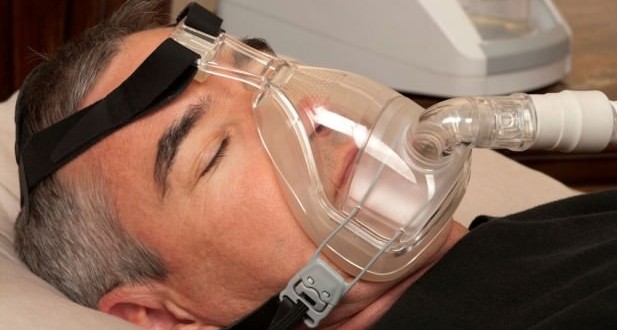
Morris states that the most common treatment for obstructive sleep apnea has traditionally been in the form of continuous positive airway pressure (CPAP) machines. “While CPAP machines have been used for years, recent research has shown that in many cases, custom-made oral appliances can be as effective as CPAP in treating sleep apnea. Plus, in my experience, a substantial percentage of patients find CPAP machines to be so cumbersome and uncomfortable that they eventually refuse to use them regularly, and as a result, their overall health suffers.”
According to Morris, dentists with experience in oral appliance therapy are most familiar with the various designs of appliances, and can help determine which is best suited for a patient’s specific needs. A board-certified sleep medicine physician must first provide a diagnosis and recommend the most effective treatment approach. Then, a dentist with experience in treating obstructive sleep apnea may provide treatment and follow-up. Follow-up care serves to assess the treatment of the patient’s sleep disorder, the condition of the patient’s appliance and the patient’s physical response to the appliance.
Most insurance companies now cover oral appliance therapy and the oral appliances. Morris notes that Medicare is leading the way relative to standards of care within the industry.
Read more here

Saturday, July 05, 2014

Obesity and diabetes may be helped by migraine medication

A migraine medication that blocks specific pain receptors may also treat obesity and diabetes.

By blocking a key pain receptor in mice models, a team of researchers has discovered a potential new method for treating obesity and diabetes. 

In a study published in the May 22, 2014, issue of Cell, Andrew Dillin, PhD, and researchers at the University of California, Berkeley found genetically modified mice that lacked a certain pain receptor called TRPV1 lived 14% longer than mice that had it. 

“In long-lived TRPV1 knockout mice, the nuclear exclusion of the transcriptional coactivator CRTC1 within pain sensory neurons originating from the spinal cord … decreases production of the neuropeptide CGRP from sensory endings innervating the pancreatic islets, subsequently promoting insulin secretion and metabolic health,” the authors wrote. “In contrast, CGRP homeostasis is disrupted with age in wild-type mice, resulting in metabolic decline.”  

Furthermore, the researchers found TRPV1-deficient mice had lower levels of the CGRP proteins that are responsible for blocking insulin release and increasing blood glucose levels, which ultimately affect the development of type 2 diabetes and obesity. As a result, treated mice were able to quickly remove sugar from their systems, regardless of exercise frequency or aging. 

“We think that blocking this pain receptor and pathway could be very, very useful — not only for relieving pain, but (also) for improving lifespan and metabolic health, and, in particular, for treating diabetes and obesity in humans,” Dillin said in a press release. 

The investigators noted an anti-migraine medication produces similar results, since it inhibits a CGRP protein that triggers TRPV1. In fact, older mice treated with the drug in the study had increased longevity compared to untreated older mice, and they were also metabolically similar to younger mice. 

Moving forward, Dillin said he plans to further examine the influence of TRPV1 and CGRP in both mice and humans. 

“Our findings suggest that pharmacological manipulation of TRPV1 and CGRP may improve metabolic health and longevity,” Dillin noted. “Alternatively, chronic ingestion of compounds that affect TRPV1 might help prevent metabolic decline with age and lead to increased longevity in humans.”

Read more here

Wednesday, June 25, 2014

Study shows a link between osteoporosis and sleep apnea

Negative health consequences of sleep apnea include diabetes, and more recently, osteoporosis.

There seems to be a growing list of factors that could increase the risk of a person ultimately developing diabetes. Recently, sleep apnea was also added to the list. A new study was published in the American Journal of Respiratory and Critical Care Medicine recently. The study findings show that sleep apnea increases the likelihood of developing diabetes by 30%.
The team led by Dr Tetyana Kendzerska of the University of Toronto analysed data from 8,678 adults with suspected OSA and without diabetes at baseline who took part in a diagnostic sleep study between 1994 and 2010.
All of the participants were tested for OSA and graded according to the severity of their sleep apnoea, based on the number of apnoeas (complete blockage of the upper airway) and hypopnoeas (partial blockage of airway) experienced per hour of sleep, and followed for development of diabetes.
In addition, Rapid eye movement sleep, lack of oxygen in the blood, and activation of the sympathetic nervous system, as indicated by a higher average heart rate during sleep, were linked to higher diabetes risk.
“After adjusting for other potential causes, we were able to demonstrate a significant association between OSA severity and the risk of developing diabetes,” Dr Kendzerska said in a statement. “Our findings that prolonged oxygen desaturation, shorter sleep time and higher heart rate were associated with diabetes are consistent with the pathophysiological mechanisms thought to underlie the relationship between OSA and diabetes.”
The lead author added that the results “address some of the limitations of earlier studies on the connection between OSA and diabetes”, as their study involved a larger sample size and a longer median follow-up.
The researchers did, however, acknowledge a few limitations to the study, including not being able to screen for family history of diabetes and ethnicity.
“The OSA-related predictors of increased diabetes risk that we found in our study may allow for early preventative interventions in these patients,” Dr. Kendzerska concluded.
Read more here

Friday, June 06, 2014

What causes poor sleep, and how do I get better sleep?

This article discusses health conditions that cause a person to get poor sleep, and discusses things everyone can do to get better sleep.

With any illness, injury or sniffle, you'll hear one common suggestion: Get plenty of rest. Whether we're nursing a broken bone or trying to recover from the flu, we are led to believe that adequate sleep will put us right on the path to recovery. But just how important is sleep, and what about those of us who can't seem to get quality sleep?
Lack of sleep is linked to several health concerns:
Colds, flu, viruses and infections. One of the first systems to be adversely affected by lack of quality sleep is immune function. When you're tired, you feel worn down -– and that's not just a feeling. Your body is using all energy reserves to fight off the viruses and exposure to germs that might not affect a person with a thriving immune system. Also, if you receive vaccines, the sleep-deprived are slow to respond to the immunity the vaccines are designed to build.
Heart disease. According to Donna Arand, clinical director of the Kettering Sleep Disorder Centers in Dayton, Ohio, lack of sleep causes an inflammatory response to the cardiovascular system. Rises in C-reactive protein due to impaired sleep are warning signs that the body is responding to a perceived injury, infection or disease. In this case, lack of sleep is that perceived threat that results in inflammation. Poor sleep also causes the body to produce more stress hormones, which may contribute to cardiovascular disease. Chronic stress coupled with lack of quality sleep causes double trouble for the heart, arteries and ventricles.
Diabetes. In the past decade, there has been growing evidence that too little sleep can affect hormones and metabolism in ways that promote diabetes. According to a study published in the Lancet in 1999, healthy men with a week of impaired sleep –- only four hours a night –- showed dramatic changes in glucose tolerance. They also had higher-than-normal glucose levels after just one week. This study involved healthy people with no previous record of insulin resistance or history of diabetes.
For those already diagnosed with diabetes, sleep deprivation leads to extremely poor blood sugar control. These studies do not include control factors of the snowball effect that often starts with losing a night's sleep. Sleepy people don't usually reach for healthy foods as snacks and meals. They don't usually choose to walk during their lunch break -– or head to the weight room after work. Tight glucose control involves nutrition and exercise parameters, and both of those are adversely affected by just one night of impaired sleep.
How Can We Improve Our Sleeping Patterns? 
1. Keep the bedroom for sleep and sex. Don't let the bedroom become the home office. Keep the clutter and distraction of that quickly approaching timeline out of the bedroom. Keep a cool temperature, and design the room for its purpose. Walking into your bedroom should be a clear change from the rest of the house.
2. Put down the screens. An hour or more before bedtime, put down the computer, smartphone and TV. Dim the lights throughout the house, and start getting your mind ready to wind down. Some people use blackout shades in the bedroom during the summer months. Before electricity, people stayed awake two or three hours past dusk with candlelight, and their natural circadian rhythms prompted them to sleep. There's a lot of research that links artificial light –- including blue-light from screens -– with interrupted sleep patterns. If we're staying up six or more hours past dusk with fluorescent light glowing, our bodies don't know when it’s time to sleep.
3. Pay attention to what you eat and drink before bedtime. Try not to go to bed ravenous or stuffed. Be aware that a glass of wine might help calm the nerves, but metabolizing alcohol keeps the body in an alert mode while the mind is trying to snooze. Have that glass of wine earlier in the evening. And yes, eating bad pizza right before bed can cause nightmares. So can stuffing yourself with any food minutes before trying to sleep. Your body is trying to do two things: metabolize food and sleep. The food is going to win, and that's a cause for dreams and other disruptions to quality sleep.
4. Move your body. There is substantial evidence that exercise helps you sleep. Even moderate exercise like a daily walk promotes better sleep -– in terms of quality and quantity. Be careful with your exercise timing, so you're not too energized with endorphins to sleep. There's also a direct link between exercise and stress, and stress is a big factor in sleep-deprived people. Move your body. Manage your stress. Get quality sleep.
Read more here

Monday, June 02, 2014

Sleep quality and obesity in children

A new study provides more evidence that sleep and sleep quality are linked to obesity in children.

Young children who get too little sleep are more likely than others to be obese by age 7, according to a new study.
Previous research has suggested insufficient sleep before age 4 raised the risk of obesity. But the new study, published online May 19 inPediatrics, observed the link from infancy to mid-childhood.
"Insufficient sleep is an independent and strong risk factor for childhood obesity and the accumulation of total fat and abdominal fat," said study researcher Dr. Elsie Taveras, chief of general pediatrics at Massachusetts General Hospital for Children in Boston.
"The main strength of this study is we looked at sleep at multiple periods," she added.
Excess body fat in childhood sets the stage for serious health problems, such as heart disease and diabetes.
Taveras and her team studied more than 1,000 children. Curtailed sleep was defined as fewer than 12 hours a day from ages 6 months to 2 years, fewer than 10 hours daily for ages 3 and 4, and fewer than nine hours a day for ages 5 to 7.
Kids who were most sleep deprived were about 2.5 times more likely to be obese than those who slept the most, the study found.
They were also 2.5 times more likely to have higher total fat, higher abdominal fat and a higher waist and hip circumference, said Taveras.
Many possible explanations exist for this association, Taveras said.
"If you sleep too little, it disrupts some of the hormones that regulate how hungry we are and how full we are," Taveras said.
In households with no consistent bedtime for children, there is likely to be chaos around regular mealtimes, too, and that can affect weight, she added.
Children who don't sleep enough may watch more television than kids who go to bed earlier, she said. Watching TV has long been linked with eating more, especially in response to food commercials, she said.
Or the children may have other "high-tech distractions," she said.
The new findings don't surprise Dr. William Muinos, director of the weight management program at Miami Children's Hospital in Florida, who was not involved in the study.
His advice for parents? Set a consistent bedtime. "Limit caffeinated beverages late in the day. Cut out all those electronic distractions; get them out of the bedroom," Taveras said.
Insist that children go to bed earlier, Muinos said. "Lack of sleep does change the physiology," he added. "It will put you in what is called stress mode. The body will read it as, 'I need to hold onto calories and accumulate fat.'"
The new research, Muinos said, "is very good because it studied a large group of children for a long period of time."
Ongoing studies are looking at whether improving sleep may directly improve weight control in children, Taveras said. And it's already known that good sleep has other benefits. "There's really good evidence that shows it improves schoolwork," she said.
For the study, mothers reported their children's usual sleep duration in a 24-hour period, beginning at age 6 months. They also reported it every year from age 1 to 7.
The children got a sleep score, ranging from zero (insufficient sleep) to 13 (consistent sufficient sleep). The average sleep score was 10.2. However, about 4 percent of kids were in the insufficient range, zero to 4. About 40 percent had a score of 12 or 13, termed enough sleep.
Those who slept less than average were more likely to be from poorer families with less educated mothers, the study found.
Read more here

Thursday, May 29, 2014

Autism in adults leads to many health problems

This article discusses how autism in adults can result in many other health problems.

Autism apparently isn't a stand-alone disorder, with new research revealing that adults with autism often face a host of mental and physical illnesses.
Kaiser Permanente researchers found that nearly all medical conditions are significantly more common in adults with autism spectrum disorders than those without, ranging from depression to gastrointestinal problems to obesity. Notably, however, adults with autism are much less likely to smoke or use alcohol than other adults, and cancer rates are similar.
"Some of these conditions we've seen in children with autism, so we expected higher rates of anxiety and depression, and some of the medical disorders, such as gastrointestinal disturbances, in adults," said study author Lisa Croen, director of the Kaiser Permanente Autism Research Program in Oakland, Calif.
"That's been reported for a long time in children, so we're not surprised to see those continue to be elevated," she added. "But we were surprised by the magnitude of what we found."
The study is scheduled to be presented Thursday at the International Meeting for Autism Research in Atlanta. Research presented at scientific conferences typically has not been peer-reviewed or published and results are considered preliminary.
Diagnosed in about 1 in 68 American children, autism spectrum disorder is the fastest-growing serious developmental disability in the United States, according to the advocacy and research organization Autism Speaks.
The disorder can be mild or severe, but symptoms typically include social and communication difficulties and repetitive behaviors.
Croen and her colleagues examined medical records from 2008 to 2012, and compared the prevalence of psychiatric, behavioral and medical diagnoses among 2,100 adults with an autism spectrum disorder to 21,000 adults without the disorder.
Adults diagnosed with an autism spectrum disorder had markedly higher rates of mental health problems than the other adults:
  • Depression (38 percent versus 17 percent)
  • Anxiety (39 percent versus 18 percent)
  • Bipolar disorder (30 percent versus 9 percent)
  • Suicide attempts (1.6 percent versus 0.3 percent)
People with autism spectrum disorders were also more likely than adults without the disorder to have physical ailments, such as:
  • Diabetes (6 percent versus 4 percent)
  • Gastrointestinal disorders (47 percent versus 38 percent)
  • Epilepsy (12 percent versus 1 percent)
  • Sleep disorders (19 percent versus 10 percent)
  • High cholesterol (26 percent versus 18 percent)
  • High blood pressure (27 percent versus 19 percent)
  • Obesity (27 percent versus 16 percent)
"What the data show is really an extension of what we've learned already of children and adolescents with autism," said Dr. Paul Wang, senior vice president and head of medical research for Autism Speaks, who wasn't involved in the study. "It's not just a brain disorder -- it's really a disorder that affects the whole body. And this shows that these problems don't go away."
Croen said that many possible reasons exist for the wide gap in mental and physical ailments suffered by adults with autism, including a potential genetic basis. But the "core impairments" of those with autism -- such as communication problems and heightened sensitivity to touch -- can also make it difficult for them to be properly examined by clinicians, she said.
"People with autism often have very selective eating and their nutrition suffers," Croen added. "Their social impairments can lead to isolation, which leads to a lack of exercise. So some lifestyle factors can create more unhealthy lifestyles."
Social isolation may also explain why adults with autism are less likely to drink alcohol or smoke, noted Croen, also a senior research scientist at Kaiser Permanente Northern California Division of Research.
"Smoking and drinking are more social behaviors, especially in young people," she said. "Or, that's how it gets started. These young people with autism are out of the mainstream."
Croen and Wang agreed that autism researchers should extend their focus beyond the brain to multiple bodily systems as well as examine the transition from pediatric to adult health care.
"I hope these findings raise awareness among the medical community and others that adults with autism have a really high burden of medical and psychiatric conditions, much more than people think," Croen said. "There's a real need for doctors to be educated about autism and the characteristics of these adults so they can provide adequate and effective care."
Read more here

Monday, April 14, 2014

Study: Insomnia increases risk of stroke

A study shows that insomnia, especially as a young adult, can significantly increase a person's risk of stroke.

The risk of stroke may be much higher in people with insomnia compared to those who don't have trouble sleeping, according to new research in the American Heart Association journal Stroke.


The risk also seems to be far greater when insomnia occurs as a young adult compared to those who are older, said researchers who reviewed the randomly-selected health records of more than 21,000 people with insomnia and 64,000 non-insomniacs in Taiwan.
They found:
  • Insomnia raised the likelihood of subsequent hospitalization for stroke by 54 percent over four years.
  • The incidence of stroke¬ was eight times higher among those diagnosed with insomnia between 18-34 years old. Beyond age 35, the risk continually decreased.
  • Diabetes also appeared to increase the risk of stroke in insomniacs.
"We feel strongly that individuals with chronic insomnia, particularly younger persons, see their physician to have stroke risk factors assessed and, when indicated, treated appropriately," said Ya-Wen Hsu, Ph.D., study author and an assistant professor at Chia Nan University of Pharmacy and Science and the Department of Medical Research at Chi-Mei Medical Center in Taiwan. "Our findings also highlight the clinical importance of screening for insomnia at younger ages. Treating insomnia is also very important, whether by medication or cognitive therapy."
The study is the first to try to quantify the risk in a large population group and the first to assess if the risk of stroke differs by insomnia subtypes, Hsu said.
Researchers divided participants -- none of whom had a previous diagnosis of stroke or sleep apnea -- into different types of insomnia. In general, insomnia included difficulty initiating or maintaining sleep; chronic or persistent insomnia lasted one to six months; relapse insomnia was a return of insomnia after being diagnosed free of disease for more than six months at any assessment point during the four-year study; and remission was a change from a diagnosis of insomnia to non-insomnia at the subsequent time point.
During the four-year follow-up, 583 insomniacs and 962 non-insomniacs were admitted for stroke. Persistent insomniacs had a higher three-year cumulative incidence of stroke compared to the other participants in the remission group.
The mechanism linking insomnia to stroke is not fully understood, but evidence shows that insomnia may alter cardiovascular health via systematic inflammation, impaired glucose tolerance, increased blood pressure or sympathetic hyperactivity. Some behavioral factors (e.g., physical activity, diet, alcohol use and smoking) and psychological factors like stress might affect the observed relationship.
The researchers said it's unclear if the findings also apply to people in other nations, but studies in other countries have also pointed to a relationship between insomnia and stroke.
"Individuals should not simply accept insomnia as a benign, although difficult, condition that carries no major health risks," Hsu said. "They should seek medical evaluation of other possible risk factors that might contribute to stroke."
Read more here

Friday, March 28, 2014

Sleep necessary for mental health and well-being

This article discusses how crucial good sleep is for a person's mental health and well-being, and the consequences of not having good quality sleep.
Having a good quality and restorative sleep is essential for one to be able to function well throughout the day. Failure to do so will lead to numerous impacts to health, both long- and short-term.
According to the Sleep Disorder Society Malaysia (SDSM) president Dr Muhammad Muhsin Ahmad Zahari, some of the short-term negative impacts include short attention span, memory recall and learning; while its long-term effects have long been associated with hypertension, ischaemic heart disease, stroke, obesity, diabetes, weakened immune system, and cancer.
Dr Muhammad Muhsin added that sleep disorder can also increase the risk of accidents.
"People who suffer from insomnia are seven times more likely to become involved in an accident which then resulted in death or serious injury," he said at the launch of the `World Sleep Day Celebration and Sleep 2014 Conference' at Cititel Hotel, here, today.
He revealed that sleep disorder actually constitute a global epidemic that threatens health and quality of life for up to 45% of the world's population, thus it is essential for everyone to have a better understanding of sleep conditions.
"Sleep is a basic human need and it is crucial not only to our health and well-being, it also plays an important role in the metabolic regulation in children," said Dr Muhammad adding that SDSM is working closely with the relevant authorities, associations and organisations in improving the quality of service of sleep medicine.
"With regards to the quality service in sleep medicine, facilities such as sleep laboratory are vital. As our population grows, there is definitely a need to increase the number of sleep laboratory in public hospitals to cater to the need of the people." he added.
Read more here

Sunday, March 23, 2014

Study: Losing sleep hurts obese teen's health

A study shows that lack of sleep can hurt the health of obese teens and may increase their risk of heart disease and diabetes.

Obese teens who get too little sleep are at increased risk for heart disease and diabetes, a small study suggests.
Researchers assessed the health, physical activity levels and sleeping habits of 37 obese American youngsters, aged 11 to 17.
Among the study participants, only one-third met the minimum recommendations of being physically active at least one hour per day. Most slept about seven hours a night, typically waking up at least once. Only five got the minimum recommended 8.5 hours of sleep each night.
Too little sleep was associated with an increased risk of heart disease and diabetes, independent of other risk factors, such as lack of physical activity and high levels of body fat, according to the University of Michigan Health System and Baylor University researchers.
The findings, published March 6 in The Journal of Pediatrics, suggest that sleep assessments may be useful in spotting teens at risk for heart disease and diabetes.
Further studies are needed to find out if getting more sleep would help reduce teens' risk for these health problems, lead author Heidi IglayReger, supervisor of the Physical Activity Laboratory at the Michigan Metabolomics and Obesity Center, and colleagues noted in the news release.
Previous research has shown that obesity and lack of sleep are linked with increased risk of heart disease and diabetes in adults and young children, but that association has not been clear in teens, the study authors pointed out.
While the study showed an association between lack of sleep and a raised risk for heart disease and diabetes in teens, it did not prove a cause-and-effect relationship.

Sunday, March 16, 2014

Those with sleep apnea are more likely to develop pneumonia

People who have sleep apnea are more likely to develop pneumonia.

People with sleep apnea may be at greater risk for developing pneumonia, according to a new study. And the more severe the sleep apnea, the greater the risk, the research suggests.
"This study showed that sleep apnea is an independent risk factor for incident pneumonia," wrote Dr. Vincent Yi-Fong Su and Dr. Kun-Ta Chou of the department of chest medicine at Taipei Veterans General Hospital in Taiwan. "Our results also demonstrated an exposure-response relation in that patients with more severe sleep apnea may have a higher risk of pneumonia than patients with sleep apnea of milder severity."
The sleep disorder causes the upper airway to become blocked, cutting off oxygen during sleep. The researchers said this increases the risk for aspiration, or inhaling contents or fluid from the throat into the lungs. This can put people at greater risk for pneumonia.
The 11-year study, published March 3 in CMAJ, involved 34,100 patients. Close to 7,000 of these participants had sleep apnea, and about 27,000 did not.
The researchers found that more than 9 percent of the sleep apnea group developed pneumonia, compared to less than 8 percent of those without the sleep disorder. The risk was higher among patients using continuous positive airway pressure (CPAP) therapy, considered the gold standard for treating sleep apnea.
However, those who developed pneumonia were older and had other health problems, such as heart disease, diabetes and dementia.
While the study showed an association between sleep apnea and pneumonia risk, it did not prove a cause-and-effect link.
Read more here

Saturday, March 01, 2014

Study: Sleep apnea can worsen if diabetes is not treated

A study claims that a person who has diabetes can worsen their sleep apnea if their diabetes is untreated.

People with diabetes and sleep apnea could worsen their diabetes if the sleep disorder isn't properly treated, a new University of Chicago study says.

Published in the Diabetes Journal, the study looked at 115 people with Type 2 diabetes and sleep apnea to examine the impact of sleep apnea on someone's metabolic rate and control of blood sugars.

Sleep apnea causes pauses in breathing during sleep, and is known to raise the risk of Type 2 diabetes.

Patients who had interrupted breathing during REM sleep had worse long-term effects on their blood sugar control, the researchers found.

The researchers found that best results aren't achieved from the typical treatment, using continuous positive airway pressure (CPAP) for four hours.

Some patients remove their CPAP mask in the night because of discomfort, but can miss the REM sleep period that often occurs in the hours before waking.

Patients who had CPAP for seven hours, receiving the air during REM sleep, would have a better blood sugar control long-term, the study found.

Read more here

Wednesday, January 22, 2014

Insufficient sleep epidemic

Insufficient sleep is a huge public health issue and is becoming an epidemic leading to negative health outcomes. This article tells you the possible negative health outcomes from insufficient sleep, how much sleep you should be getting, and general sleep hygiene tips.

Sleep is increasingly recognized as important to public health, with sleep insufficiency linked to motor vehicle crashes, industrial disasters and medical and other occupational errors. Unintentionally falling asleep, nodding off while driving, and having difficulty performing daily tasks because of sleepiness all may contribute to these hazardous outcomes. People experiencing sleep insufficiency also are more likely to suffer from chronic diseases such as hypertension, diabetes, depression and obesity, as well as from cancer, increased mortality and reduced quality of life and productivity. Sleep insufficiency may be caused by broad scale societal factors such as round-the-clock access to technology and work schedules, but sleep disorders such as insomnia or obstructive sleep apnea also play an important role. An estimated 50 to 70 million U.S. adults have sleep or wakefulness disorder. Notably, snoring is a major indicator of obstructive sleep apnea.

In recognition of the importance of sleep to the nation's health, Centers for Disease Control and Prevention surveillance of sleep-related behaviors has increased in recent years. Additionally, the Institute of Medicine encouraged collaboration between the CDC and the National Center on Sleep Disorders Research to support development and expansion of adequate surveillance of the U.S. population's sleep patterns and associated outcomes. Two new reports on the prevalence of unhealthy sleep behaviors and self-reported sleep-related difficulties among U.S. adults provide further evidence that insufficient sleep is an important public health concern.

Sleep-related unhealthy behaviors
The Behavioral Risk Factor Surveillance System survey included a core question regarding perceived insufficient rest or sleep in 2008 (included since 1995 on the Health Related Quality of Life module) and an optional module of four questions on sleep behavior in 2009. Data from the 2009 survey's Sleep module were used to assess the prevalence of unhealthy sleep behaviors by selected sociodemographic factors and geographic variations in 12 states. The analysis determined that among 74,571 adult respondents in 12 states, 35.3 percent reported fewer than seven hours of sleep during a typical 24-hour period, 48.0 percent reported snoring, 37.9 percent reported unintentionally falling asleep during the day at least once in the preceding month, and 4.7 percent reported nodding off or falling asleep while driving at least once in the preceding month. This is the first CDC surveillance report to include estimates of drowsy driving and unintentionally falling asleep during the day. The National Department of Transportation estimates drowsy driving to be responsible for 1,550 fatalities and 40,000 nonfatal injuries annually in the United States.

Self-reported sleep-related difficulties among adults
The National Health and Nutrition Examination Survey introduced the Sleep Disorders Questionnaire in 2005 for participants 16 years of age and older. This analysis was conducted using data from the last two survey cycles (2005 to 2006 and 2007 to 2008) to include 10,896 respondents aged older than or equal to 20 years. A short sleep duration was found to be more common among adults ages 20 to 39 years (37.0 percent) or 40 to 59 years (40.3 percent) than among adults aged older than or equal to 60 years (32.0 percent), and among non-Hispanic blacks (53.0 percent) compared to non-Hispanic whites (34.5 percent), Mexican-Americans (35.2 percent) or those of other race/ethnicity (41.7 percent). Adults who reported sleeping less than the recommended seven to nine hours per night were more likely to have difficulty performing many daily tasks.

How much sleep do we need? And how much sleep are we getting?
How much sleep we need varies among individuals but generally changes as we age. The National Institutes of Health suggests that school-age children need at least 10 hours of sleep daily, teens need nine to 10 hours, and adults need seven to eight hours. According to data from the National Health Interview Survey, nearly 30 percent of adults reported an average of less than or equal to six hours of sleep per day from 2005 to 2007. In 2009, only 31 percent of high school students reported getting at least eight hours of sleep on an average school night.

Sleep hygiene tips

The promotion of good sleep habits and regular sleep is known as sleep hygiene. The following sleep hygiene tips can be used to improve sleep:

* Go to bed at the same time each night and rise at the same time each morning.

* Avoid large meals before bedtime.

* Avoid caffeine and alcohol close to bedtime.

* Avoid nicotine.

Read more here

Wednesday, October 09, 2013

Botox helps rats lose weight

A study using rats showed that botox can be used as a weight loss aid.

Researchers from the Norwegian University of Science and Technology have had promising experimental results from using Botox as a weight loss tool in rats. The research group hopes to win approval for human testing in the near future.
You may know Botox from its use by the rich and famous to eliminate facial wrinkles. But now Helene Johannessen, a PhD candidate at the Norwegian University of Science and Technology (NTNU), is studying whether or not Botox could be used as an alternative to treating morbid obesity, replacing costly and dangerous operations.

Tests on rats have shown that treatments with Botox injected into the vagus nerve in the stomach can lead to weight loss. When Johannessen injected rats with Botox, the animals ate less and lost 20-30 per cent of their body weight over five weeks. The treatment effectively paralyzes the vagus nerve, which triggers the sense of hunger and controls the passing of food through the intestines.

Paralyzing the nerve paralyzes muscles in the stomach, which appears to slow the passage of food through the stomach. This effect might one day lead to treatments that cause people to feel fuller for longer.

EU project fights obesity
The hope is that the use of botox can be developed into an alternative to gastric bypass surgery. Johannessen and her research are part of the Experimental Surgery and Pharmacology research group, which is exploring alternatives to gastric surgery. The Botox treatment study is part of an EU project called Full4Health.

Botox is actually botulinum toxin, which when ingested in spoiled foods can lead to both paralysis and death. Nowadays Botox is used in the medical treatment of dystonias and spasms, as well for its more famous cosmetic use. If Johannessen and her colleagues succeed in their efforts, it might also become useful in giving people a healthier and less weighty life.
Clinical studies coming
Johannessen told the Norwegian Broadcasting Corporation (NRK) that her research team will start human clinical studies as soon as Norwegian medical ethics authorities give their approval.
"As a start, we will be inviting patients who are candidates for obesity operations but who, for one reason or another, cannot undergo one,"  Johannessen told NRK.

Obesity is a growing problem across the globe. Being overweight can lead to severe diseases and conditions including diabetes and heart problems. The World Health Organization estimates that obesity is responsible for 2-8 percent of health care costs and 10-13 percent of deaths in different parts of Europe.

Read more here