Showing posts with label osteoporosis. Show all posts

Saturday, February 28, 2015

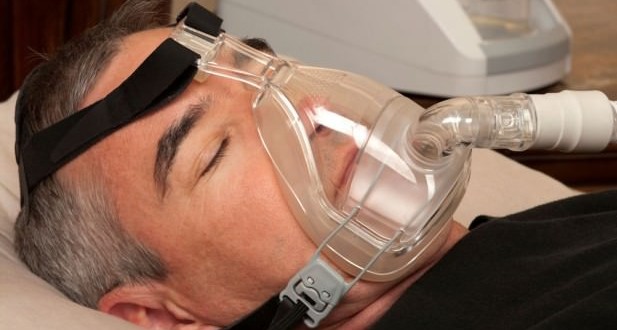
Sleep apnea linked to bone loss, study claims

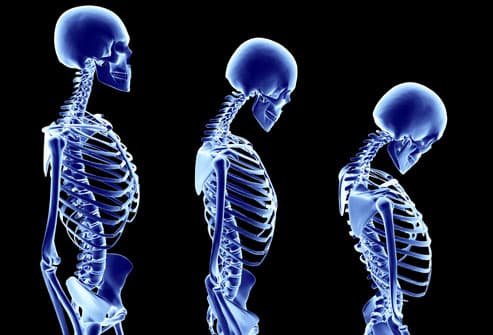
A study shows that sleep apnea is linked to bone loss and osteoporosis.

Sleep apnea is tied to osteoporosis and bone fractures, new research finds. 
About 54 million Americans over the age of 50 are affected by low bone mass, and about 10 million of them have osteoporosis, which leads to brittle bones and fractures. 
Obstructive sleep apnea is a sleep disorder that occurs commonly in this population as well, and has been linked to multiple adverse health effects, including high blood pressure, heart disease. and depression.
Researchers at Oregon Health and Science University in Portland theorize that sleep apnea may be an unrecognized cause of osteoporosis because it seems to affect bone remodeling, a process necessary for bone health. During remodeling, mature bone is removed from the skeleton and new bone tissue is rebuilt, even while we sleep.
The authors of the new study reviewed research that deals with bone metabolism and found important indications that sleep apnea interrupts the bone remodeling process.
"If sleep disorders like obstructive sleep apnea affect bone metabolism, they may have diagnostic and therapeutic implications for many patients, including those affected by sleep apnea in their early, bone modeling years," said lead author Dr. Christine Swanson.
The study is published in the Journal of Bone and Mineral Research.

Read more here

Wednesday, June 25, 2014

Study shows a link between osteoporosis and sleep apnea

Negative health consequences of sleep apnea include diabetes, and more recently, osteoporosis.

There seems to be a growing list of factors that could increase the risk of a person ultimately developing diabetes. Recently, sleep apnea was also added to the list. A new study was published in the American Journal of Respiratory and Critical Care Medicine recently. The study findings show that sleep apnea increases the likelihood of developing diabetes by 30%.
The team led by Dr Tetyana Kendzerska of the University of Toronto analysed data from 8,678 adults with suspected OSA and without diabetes at baseline who took part in a diagnostic sleep study between 1994 and 2010.
All of the participants were tested for OSA and graded according to the severity of their sleep apnoea, based on the number of apnoeas (complete blockage of the upper airway) and hypopnoeas (partial blockage of airway) experienced per hour of sleep, and followed for development of diabetes.
In addition, Rapid eye movement sleep, lack of oxygen in the blood, and activation of the sympathetic nervous system, as indicated by a higher average heart rate during sleep, were linked to higher diabetes risk.
“After adjusting for other potential causes, we were able to demonstrate a significant association between OSA severity and the risk of developing diabetes,” Dr Kendzerska said in a statement. “Our findings that prolonged oxygen desaturation, shorter sleep time and higher heart rate were associated with diabetes are consistent with the pathophysiological mechanisms thought to underlie the relationship between OSA and diabetes.”
The lead author added that the results “address some of the limitations of earlier studies on the connection between OSA and diabetes”, as their study involved a larger sample size and a longer median follow-up.
The researchers did, however, acknowledge a few limitations to the study, including not being able to screen for family history of diabetes and ethnicity.
“The OSA-related predictors of increased diabetes risk that we found in our study may allow for early preventative interventions in these patients,” Dr. Kendzerska concluded.
Read more here

Sunday, April 27, 2014

Osteoporosis linked to sleep apnea

A study shows that poor bone health and osteoporosis are linked with sleep apnea.

People with sleep apnea, a common sleep disorder, may be at increased risk for the bone-thinning disease osteoporosis, especially women and older people, a new study suggests.
Sleep apnea causes repeated, brief interruptions in breathing during sleep. Untreated sleep apnea can increase a person’s risk of heart disease, heart attack and stroke.
“Ongoing sleep disruptions caused by obstructive sleep apnea can harm many of the body’s systems, including the skeletal system,” said study co-author Dr. Kai-Jen Tien, of Chi Mei Medical Center in Tainan, Taiwan.
“When sleep apnea periodically deprives the body of oxygen, it can weaken bones and raise the risk of osteoporosis,” Tien said. “The progressive condition can lead to bone fractures, increased medical costs, reduced quality of life and even death.”
For the study, published April 15 in the Journal of Clinical Endocrinology & Metabolism, researchers analyzed the medical records of nearly 1,400 people in Taiwan diagnosed with obstructive sleep apnea between 2000 and 2008. They compared them with more than 20,600 people who did not have the sleep disorder.
Over six years of follow-up, people with sleep apnea were 2.7 times more likely to be diagnosed with osteoporosis. The risk for the bone-thinning disease was highest among women and older people with sleep apnea, according to the study.
“As more and more people are diagnosed with obstructive sleep apnea worldwide, both patients and health care providers need to be aware of the heightened risk of developing other conditions,” Tien said in a journal news release. “We need to pay more attention to the relationship between sleep apnea and bone health so we can identify strategies to prevent osteoporosis.”
However, the study only noted an association between sleep apnea and osteoporosis. It does not prove that one causes the other.
Read more here

Saturday, May 19, 2012

Long-term Treatment Outcomes of Children&Adolescents who have Cerebral Palsy with Secondary Osteoporosis.


Editor's Note:  I start screening my most severe patients and teenagers for osteoporosis when treating cerebral palsy. JR

Curr Med Res Opin. 2012 May;28(5):737-47. Epub 2012 Apr 18.

Long-term outcomes of children and adolescents who had cerebral palsy with secondary osteoporosis.

Source

Kitasato University School of Medicine , Sagamihara , Japan.

Abstract

Abstract Objective: To investigate the long-term efficacy and index of treatment with vitamin D alone or with a bisphosphonate in children and adolescents who have cerebral palsy (CP) with secondary osteoporosis. Research design and methods: Thirty patients diagnosed with CP and secondary osteoporosis were analyzed for 5 years, and the efficacy of treatment was compared. Treatment was divided into three groups: The monotherapy group, consisting of patients taking only alfacalcidol (0.03 µg/kg/day); the polytherapy group, consisting of those taking alfacalcidol and risedronate (0.05 mg/kg/day); and the control group, consisting of patients who discontinued taking their medications for reasons unrelated to these therapies. Bone mineral density (BMD), bone-specific alkaline phosphate (BAP), and N-telopeptides of type I collagen (NTX/Cr) were measured on each patient just before and at discontinuation of treatment, after 6 months, and again at 1 and 3 years, respectively. The changes in BMD (ΔBMD), BAP (ΔBAP), and NTX/Cr (ΔNTX/Cr) were evaluated at these intervals, because the normal value of each parameter varies over time during childhood. Results: ΔBMD significantly increased in the polytherapy group at ≥1 year (p = 0.006), and the difference in BMD between the polytherapy and the control groups at ≥1 year was also significant (p = 0.005). ΔBAP was increased in the monotherapy and polytherapy groups at ≥1 year (p = 0.021 and p = 0.033). ΔNTX/Cr decreased in the polytherapy group at ≥1 year, which was consistent with the polytherapy group of the period from 1 month to 1 year (p = 0.033). The relation between ΔBMD to ΔBAP was a positive correlation in the second period in the monotherapy group (r = 0.46). And the relations between ΔBMD to ΔNTX/Cr were not recognized negative correlations in the monotherapy and polytherapy groups. Thus, ΔBMD reflected ossification of secondary osteoporosis in patients with CP, and ΔBAP and ΔNTX/Cr was significantly related to the increase and decrease of ΔBMD. There were no effects of other factors except sexual maturity. Limitations of this study include that each index of examination was the evaluation according to rate of change. Therefore, the results of this study were limited to longitudinal evaluations. Conclusion: Evaluation according to ΔBMD and both methods of monotherapy and polytherapy were useful for CP patient taking antiepileptic drugs (AEDs) and regardless of sex. Especially, polytherapy for longer than 1 year led to improvement in BMD in children who had CP with secondary osteoporosis. BAP and NTX/Cr were useful for the index of the progression osteoporosis with or without these therapies.


Read More: http://informahealthcare.com/doi/abs/10.1185/03007995.2011.645562