Showing posts with label anxiety. Show all posts

Monday, June 01, 2015

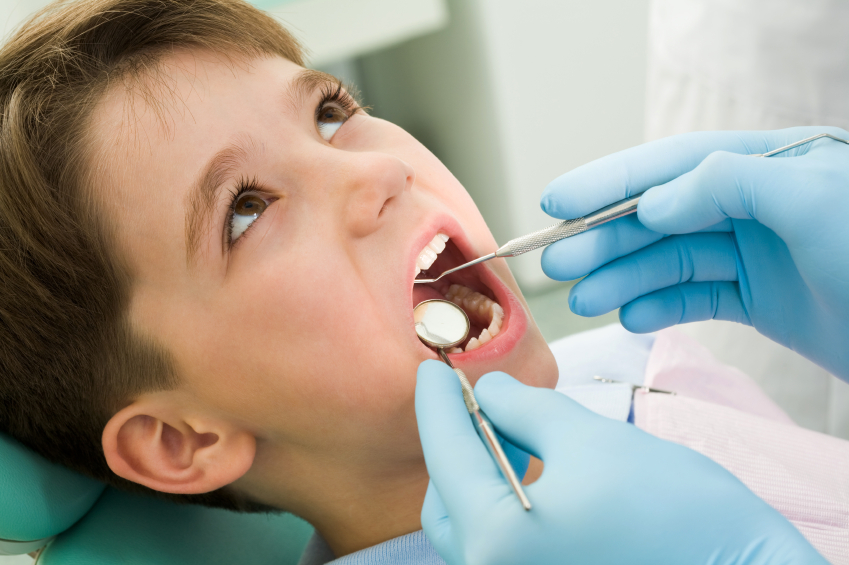
Making the dentist more enjoyable for children with autism

Adjusting the physical environment of the dentist's office can make the experience easier for children with autism.

Going to the dentist might have just gotten a little less scary for the estimated 1 in 68 U.S. children with autism spectrum disorder as well as children with dental anxiety, thanks to new research from USC.
In an article published on May 1 by the Journal of Autism and Developmental Disorders, researchers from USC and Children's Hospital Los Angeles (CHLA) examined the feasibility of adapting dental environments to be more calming for children with autism spectrum disorder.
"The regular dental environment can be quite frightening for children with autism who, not knowing how to react, tend to be completely averse to whatever we're trying to do," said one of the study's authors, José Polido DDS, head of dentistry at CHLA and assistant professor at the Herman Ostrow School of Dentistry of USC.
Children with autism spectrum disorders -- as well as some typically developing children -- often show heightened responses to sensory input and find these sensations uncomfortable. As such, the dental office, with its bright lights, loud sounds from the dental equipment, and touch of children in and around the mouth, present particular challenges for such children.
In the study, 44 CHLA patients -- 22 with autism and 22 "typically developing" (defined as children not on the autism spectrum)--underwent two professional dental cleanings. One cleaning took place in a regular dental environment, the other in a sensory adapted dental environment. During each session, the child's physiological anxiety, behavioral distress and pain intensity were measured.
"I've talked to several parents who have said, 'We really put off taking our child to the dentist because we know how hard it is and we know he's going to scream and cry,'" said Sharon Cermak, the study's lead author and professor at the USC Mrs. T.H. Chan Division of Occupational Science and Occupational Therapy, as well as professor of pediatrics at the Keck School of Medicine of USC.
To help combat that reaction, researchers adapted the dental environments by turning off overhead office lights and headlamps, projecting slow-moving visual effects onto the ceiling and playing soothing music.
Instead of using traditional means to secure the child in the dental chair, practitioners used a seat cover that looked like a gigantic butterfly whose wings wrapped around the child and provided a comforting, deep-pressure hug.
The research team found that both children who are typically developing as well as those with autism spectrum disorders exhibited decreased psychological anxiety and reported lower pain and sensory discomfort in the sensory-adapted dental environment.
The study -- which represents a unique collaboration between pediatric dentists and occupational therapists--could help improve oral health care for children with autism -- a group reported to suffer from poor oral health, research shows.
The findings could also represent a cost savings to the health care system, with fewer insurance reimbursements paid to dental offices for the additional staff members and general anesthesia often necessary for children with autism.
Next up for the researchers is to increase their sample size -- they'll be using 110 children in each group -- to determine which factors (e.g. age, anxiety, sensory over-responsitivity) best predict which children respond best to the intervention.
"One of our long-term goals with this study is to help dentists develop protocols for their own dental clinics to see how sensory components are contributing to behavioral issues," Cermak said. "I think these protocols can then be translated across the globe."
Read more here

Monday, December 15, 2014

Getting to bed early helps mental health

Going to sleep early can help a person's mental health.

There are many benefits of going to bed early- and now, a team of researchers have found how this teeny tiny habit could have a positive impact on not just your physical health, but mental health as well.

Researchers from Binghamton University have found a possible connection between sleeping disorders and anxiety. It has been found that depression, anxiety, stress and obsessive compulsive disorders may cause heavy psychological traffic that could have an individual clinging too much to the past.

This new study, which took into consideration one hundred young adults, asked them to fill out questionnaires and carry out certain computerized tasks while the researchers assessed the extent of their obsessive behavior and thinking and worrying with respect to it. The study subject included individuals having different sleeping habits- some of them were night owls, while others had regular sleeping hours.

They found that individuals who slept less or went to bed late had signs of negative thinking as compared to those who slept early. While repetitive negative thinking isn’t a disorder as such, it does increase the risk of several anxiety disorders including depression and stress.

While the reason behind this phenomenon is unclear, scientists are making assumptions to decode it all. They have noted that sleeping late at night tends to disrupt the biological clock of the body, which also plays a negative impact on the levels of certain chemicals in our body.

These kinds of irregular sleeping patterns tend to upset the chemical production in the brain as well as other organs, even if you manage to get your much needed 8 hours of sleep a day.

Read more here

Sunday, November 30, 2014

Teenagers proscribed anti-anxiety or sleep medications more likely to abuse them

When teenagers are proscribed anti-anxiety or sleep medication, they are more likely to abuse those drugs later in life.

The medical community may be inadvertently creating a new generation of illegal, recreational drug users by prescribing anti-anxiety or sleep medications to teenagers, say University of Michigan researchers.
Teens prescribed anxiety or sleep medications are up to 12 times more likely to abuse those drugs than those who had never had a prescription, either by using someone else's prescription pills or to get high or experiment, according to a study from the U-M School of Nursing.
Nearly 9 percent of the 2,745 adolescent study participants had received a prescription for anxiety or sleep medications during their lifetime, and more than 3 percent received at least one prescription during the three-year study period.
"I recognize the importance of these medications in treating anxiety and sleep problems," said the study's first author Carol Boyd, the Deborah J. Oakley Professor of Nursing. "However, the number of adolescents prescribed these medications and the number misusing them is disturbing for several reasons."
Anxiety and sleep medications can be addictive or even fatal when mixed with narcotics or alcohol, said Boyd, who is also a professor of women's studies and research professor at the Institute for Research on Women and Gender and at the U-M Addiction Research Center in the Department of Psychiatry.
"What happened to [actor] Heath Ledger could happen to any teen who is misusing these medications, particularly if the teen uses alcohol in combination with these drugs," Boyd said.
Examples of anti-anxiety medications include Klonopin, Xanax and Ativan; sleep medications include Ambien, Restoril and Lunesta. These are controlled substances partly because of the potential for abuse, and it's a felony to share them, Boyd said.
The U-M study included students from five Detroit-area schools grouped into three categories: those never prescribed anxiety or sleep medications; those prescribed those medications within the three-year study period; and those previously prescribed those medications but not during the study period.
Key findings include:
Adolescents prescribed anxiety medications during their lifetime, but not during the study, were 12 times more likely to use someone else's anxiety medication than participants who had never been prescribed such drugs.
Those prescribed anxiety or sleep medications during the study period were 10 times more likely to abuse them within two years, to get high or to experiment, than teens without prescriptions.
White students were twice as likely as black students to use others' medications, and females older than 15 and teens who had prescriptions for longer periods of time were more likely to abuse the medications.
It's the first longitudinal study to determine whether teens' recent medical use of anxiety or sleep medications is associated with later taking somebody else's prescription medication illegally, either for self-treatment or recreational use.
Boyd said the group intended to write a paper about teens abusing their own prescriptions, but changed course when the results became clear.
"I looked at these numbers and said, 'There's a story here.' It just catches you off guard that so many adolescents are being prescribed these medications," Boyd said. "Why is it that our youth are anxious and sleepless? Is it because they are under stress, consuming too much caffeine or seeking an altered state? "
The study recommends better education for parents and adolescents prescribed these medications, monitoring refills and making it standard practice to give teens a substance use assessment before prescribing these drugs.
Boyd's co-authors include Elizabeth Austic, Quyen Epstein-Ngo, Philip Veliz and Sean Esteban McCabe of the U-M Institute for Research on Women and Gender. Epstein-Ngo also has appointments at the U-M Injury Research Center and Institute for Clinical and Health Research.
Read more here

Tuesday, August 12, 2014

Drinking before pregnancy may indicate behavior problems in children

A study found that women who drink before pregnancy are more likely to have children with behavioral problems.

Risk drinking before pregnancy can increase the risk of the development behavioral problems in toddlers. This comes from a new study using data from the Norwegian Mother and Child Cohort Study (MoBa). Early intervention to help and support mothers and their children could help to prevent these problems from developing into long term behavioral problems.

In the study, several screening questions were used to measure maternal drinking behavior; how many drinks were needed to feel high, had others irritated or hurt them by criticizing their alcohol consumption, had they felt they ought to drink less alcohol, and had they ever drunk alcohol in the morning to relieve a hangover.
The study shows that risk drinking before pregnancy increases the risk of early behavior problems among children. According to the researchers, risk drinking may be due to other associated risk factors in maternal behavior such as anxiety, depression or attention deficit hyperactivity disorder (ADHD), which also are known to have an impact on child behavioral problems.
Prenatal exposure to alcohol is known to affect the developing fetus, with adverse cognitive and behavioral effects. Most risk drinking women therefore limit or stop drinking alcohol while pregnant. Paternal risk drinking is also known to have a negative impact on toddler behavior. This is the first study to study the impact of risk drinking before pregnancy. The results could not be explained by alcohol consumption during pregnancy and after birth.
"This increased risk for behavioral problems in the child is probably not due to the risk drinking per se, but rather to the general mental health and lifestyle of some of the mothers. Risk drinking behavior before pregnancy may indicate that these families could need closer follow-up and support during the early years of the child's life" says Ann Kristin Knudsen, primary author of the article published in the European Child and Adolescent Psychiatry journal.
The study considered both internalizing and externalizing behavioral problems among the toddlers. Internalizing behavioral problems include anxiety, inhibition, withdrawal or depression. Restlessness, defiance, fighting and lack of remorse are examples of externalizing behavior. These are known risk factors for behavior problems in childhood and adolescence, which sometimes continue into adulthood.
Read more here

Monday, July 07, 2014

Lifelong changes in brain caused by early life stress

A study shows that stress during early life can cause lifelong effects on the brain.

For children, stress can go a long way. A little bit provides a platform for learning, adapting and coping. But a lot of it — chronic, toxic stress like poverty, neglect and physical abuse — can have lasting negative impacts.
A team of University of Wisconsin-Madison researchers recently showed these kinds of stressors, experienced in early life, might be changing the parts of developing children’s brains responsible for learning, memory and the processing of stress and emotion. These changes may be tied to negative impacts on behavior, health, employment and even the choice of romantic partners later in life.
The study, published in the journal Biological Psychiatry, could be important for public policy leaders, economists and epidemiologists, among others, says study lead author and recent UW Ph.D. graduate Jamie Hanson.
“We haven’t really understood why things that happen when you’re 2, 3, 4 years old stay with you and have a lasting impact,” says Seth Pollak, co-leader of the study and UW-Madison professor of psychology.
Yet, early life stress has been tied before to depression, anxiety, heart disease, cancer, and a lack of educational and employment success, says Pollak, who is also director of the UW Waisman Center’s Child Emotion Research Laboratory.
“Given how costly these early stressful experiences are for society … unless we understand what part of the brain is affected, we won’t be able to tailor something to do about it,” he says.
For the study, the team recruited 128 children around age 12 who had experienced either physical abuse, neglect early in life or came from low socioeconomic status households.
Researchers conducted extensive interviews with the children and their caregivers, documenting behavioral problems and their cumulative life stress. They also took images of the children’s brains, focusing on the hippocampus and amygdala, which are involved in emotion and stress processing. They were compared to similar children from middle-class households who had not been maltreated.
Hanson and the team outlined by hand each child’s hippocampus and amygdala and calculated their volumes. Both structures are very small, especially in children (the word amygdala is Greek for almond, reflecting its size and shape in adults), and Hanson and Pollak say the automated software measurements from other studies may be prone to error.
Indeed, their hand measurements found that children who experienced any of the three types of early life stress had smaller amygdalas than children who had not. Children from low socioeconomic status households and children who had been physically abused also had smaller hippocampal volumes. Putting the same images through automated software showed no effects.
Behavioral problems and increased cumulative life stress were also linked to smaller hippocampus and amygdala volumes.
Why early life stress may lead to smaller brain structures is unknown, says Hanson, now a postdoctoral researcher at Duke University’s Laboratory for NeuroGenetics, but a smaller hippocampus is a demonstrated risk factor for negative outcomes. The amygdala is much less understood and future work will focus on the significance of these volume changes.
“For me, it’s an important reminder that as a society we need to attend to the types of experiences children are having,” Pollak says. “We are shaping the people these individuals will become.”
But the findings, Hanson and Pollak say, are just markers for neurobiological change; a display of the robustness of the human brain, the flexibility of human biology. They aren’t a crystal ball to be used to see the future.
“Just because it’s in the brain doesn’t mean it’s destiny,” says Hanson.
Read more here

Friday, June 27, 2014

How anxiety affects kids' brains

A study shows how anxiety can affect children's brains.

Children with anxiety problems actually have a bigger "fear center" in their brain, researchers report.
The study included 76 children aged 7 to 9, which is when anxiety-related traits and symptoms can first be reliably detected, according to the Stanford University School of Medicine researchers.
The parents provided information about their youngsters' anxiety levels, and the children also underwent MRI scans of their brain structure and function.
The investigators focused on an area of the brain called the amygdala, which is a person's "fear center," and found that kids with high anxiety levels had a larger amygdala compared to children with low anxiety levels. This part of the brain, the researchers noted, had more connections to other brain regions involved in attention, emotion perception and regulation.
The researchers also developed a way to predict children's anxiety levels based on brain scan measurements of amygdala size and its level of connection to other brain areas, according to the study in the June issue of the journal Biological Psychiatry.
"It is a bit surprising that alterations to the structure and connectivity of the amygdala were so significant in children with higher levels of anxiety, given both the young age of the children and the fact that their anxiety levels were too low to be observed clinically," first author Dr. Shaozheng Qin said in a journal news release.
The study is an important advance in identifying young children at risk for anxiety disorders and improves understanding of how anxiety develops in people, according to Qin.
While the study found an association between reported levels of anxiety and the structure and connectivity of the amygdala in kids, it did not prove a cause-and-effect relationship.
Read more here

Thursday, May 29, 2014

Autism in adults leads to many health problems

This article discusses how autism in adults can result in many other health problems.

Autism apparently isn't a stand-alone disorder, with new research revealing that adults with autism often face a host of mental and physical illnesses.
Kaiser Permanente researchers found that nearly all medical conditions are significantly more common in adults with autism spectrum disorders than those without, ranging from depression to gastrointestinal problems to obesity. Notably, however, adults with autism are much less likely to smoke or use alcohol than other adults, and cancer rates are similar.
"Some of these conditions we've seen in children with autism, so we expected higher rates of anxiety and depression, and some of the medical disorders, such as gastrointestinal disturbances, in adults," said study author Lisa Croen, director of the Kaiser Permanente Autism Research Program in Oakland, Calif.
"That's been reported for a long time in children, so we're not surprised to see those continue to be elevated," she added. "But we were surprised by the magnitude of what we found."
The study is scheduled to be presented Thursday at the International Meeting for Autism Research in Atlanta. Research presented at scientific conferences typically has not been peer-reviewed or published and results are considered preliminary.
Diagnosed in about 1 in 68 American children, autism spectrum disorder is the fastest-growing serious developmental disability in the United States, according to the advocacy and research organization Autism Speaks.
The disorder can be mild or severe, but symptoms typically include social and communication difficulties and repetitive behaviors.
Croen and her colleagues examined medical records from 2008 to 2012, and compared the prevalence of psychiatric, behavioral and medical diagnoses among 2,100 adults with an autism spectrum disorder to 21,000 adults without the disorder.
Adults diagnosed with an autism spectrum disorder had markedly higher rates of mental health problems than the other adults:
  • Depression (38 percent versus 17 percent)
  • Anxiety (39 percent versus 18 percent)
  • Bipolar disorder (30 percent versus 9 percent)
  • Suicide attempts (1.6 percent versus 0.3 percent)
People with autism spectrum disorders were also more likely than adults without the disorder to have physical ailments, such as:
  • Diabetes (6 percent versus 4 percent)
  • Gastrointestinal disorders (47 percent versus 38 percent)
  • Epilepsy (12 percent versus 1 percent)
  • Sleep disorders (19 percent versus 10 percent)
  • High cholesterol (26 percent versus 18 percent)
  • High blood pressure (27 percent versus 19 percent)
  • Obesity (27 percent versus 16 percent)
"What the data show is really an extension of what we've learned already of children and adolescents with autism," said Dr. Paul Wang, senior vice president and head of medical research for Autism Speaks, who wasn't involved in the study. "It's not just a brain disorder -- it's really a disorder that affects the whole body. And this shows that these problems don't go away."
Croen said that many possible reasons exist for the wide gap in mental and physical ailments suffered by adults with autism, including a potential genetic basis. But the "core impairments" of those with autism -- such as communication problems and heightened sensitivity to touch -- can also make it difficult for them to be properly examined by clinicians, she said.
"People with autism often have very selective eating and their nutrition suffers," Croen added. "Their social impairments can lead to isolation, which leads to a lack of exercise. So some lifestyle factors can create more unhealthy lifestyles."
Social isolation may also explain why adults with autism are less likely to drink alcohol or smoke, noted Croen, also a senior research scientist at Kaiser Permanente Northern California Division of Research.
"Smoking and drinking are more social behaviors, especially in young people," she said. "Or, that's how it gets started. These young people with autism are out of the mainstream."
Croen and Wang agreed that autism researchers should extend their focus beyond the brain to multiple bodily systems as well as examine the transition from pediatric to adult health care.
"I hope these findings raise awareness among the medical community and others that adults with autism have a really high burden of medical and psychiatric conditions, much more than people think," Croen said. "There's a real need for doctors to be educated about autism and the characteristics of these adults so they can provide adequate and effective care."
Read more here

Sunday, March 16, 2014

Study: Treating youth anxiety has long lasting benefits

A study shows that treating youth anxiety has many beneficial long-lasting benefits for the child. - JR

A study published in the March 2014 issue of the Journal of the American Academy of Child and Adolescent Psychiatry found that the majority of youth with moderate to severe anxiety disorders responded well to acute treatment with cognitive behavioral therapy (CBT), medication (sertraline), or a combination of both. They maintained positive treatment response over a 6 month follow-up period with the help of monthly booster sessions.

As part of the NIMH Child/Adolescent Anxiety Multimodal Study (CAMS), a group of researchers led by Dr. John Piacentini of the UCLA Semel Institute for Neuroscience and Human Behavior, followed 412 children and adolescents ages 7-17 after they completed 12 weeks of acute treatment. Treatment responders were offered 6 additional monthly booster sessions, with those initially on medication continuing this treatment; all youth, regardless of status at week 12, were re-evaluated 3 and 6 months later by trained clinicians. Twenty-seven percent of study participants also reported receiving outside (e.g. nonstudy) psychotherapy and/or medication for mental health symptoms over the 6 month follow-up period.
The study found that over 80% of youth rated as positive responders to one of the three CAMS treatments at Week 12 were also rated as responders at both the 3 and 6 month follow-up evaluations. Conversely, only 5% of youth who received combined CBT plus sertraline, and 15-16% of youth receiving either CBT-only or sertraline-only, failed to achieve responder status at any time during the study. Youth in the combined CBT+sertraline group showed greater treatment benefits on some but not all outcome measures and used less nonstudy treatments than those in the CBT-only and sertraline-only groups.
Collectively, anxiety disorders are the most common mental disorders in children and adolescents. Often overlooked, severe anxiety can significantly impair children's school, social, and family functioning, and if untreated, can increase the risk of depression, alcohol and substance abuse, and occupational difficulties in adulthood.
CAMS is the largest randomized controlled comparative treatment trial for child/adolescent anxiety disorders ever conducted. Participants were recruited at six regionally dispersed sites throughout the United States (UCLA, Duke University, Columbia University/New York University, Johns Hopkins University, Temple University, and the Western Psychiatric Institute and Clinics/University of Pittsburgh) and randomly assigned to 12 weeks of treatment with cognitive behavioral therapy (Coping cat), the selective serotonin reuptake-inhibiting [SSRI] medication sertraline, cognitive behavioral therapy combined with sertraline, or pill placebo. All participants had moderate to severe separation anxiety disorder, generalized anxiety disorder or social phobia, with most having multiple anxiety or other mental health disorders..
"The results of this study provide further evidence of the benefits of cognitive behavioral therapy and SSRI medication, alone or in combination, for treating clinically significant anxiety in children and adolescents," said Dr. Piacentini. "A separate project by the CAMS researchers is now gathering information on how study participants are doing up to 10 years after study participation."
Read more here

Thursday, March 13, 2014

Children with autism face more health complications when obese

Children who have autism and are obese are more likely to suffer from other health complications, such as anxiety, depression, and sleep problems.

Adding to the complications of autism, overweight and obese children with the disorder are prone to a host of other troubles, including depression, anxiety and sleep problems, reports a study published 2 February in the Journal of Autism and Developmental Disorders.
The findings suggest that excess weight can signal, or even trigger, less obvious conditions in autism, and that variations in weight may affect results about the prevalence of sleep, mood and anxiety problems in behavioral research studies.
In the new study, researchers calculated the body mass index (BMI), a measure of body fat based on weight and height, of 376 children with autism living in Oregon. (The healthy range for a BMI is between 18 and 25.) The participants, ranging in age from 2 to 18 years, are part of the Autism Treatment Network, a group of collaborating hospitals organized by the research and advocacy group Autism Speaks.
The researchers then analyzed the relationship between parent and clinician reports and the children’s BMI. The reports documented the children’s behavior and other conditions.
Roughly 18 percent of the children in the study were overweight — with a BMI between 25 and 30 — and 17 percent were obese, with a BMI above 30. For comparison, about 32 percent of typically developing children are overweight or obese.
Among teenagers with developmental disabilities, those with autism are the most likely to be obese, according to a study published 20 February in Maternal and Child Health Journal. The study found that 32 percent of adolescents with autism are obese, compared with 20 percent of those with developmental disabilities such as intellectual disability and attention deficit hyperactivity disorder. In contrast, 13 percent of typical teenagers are obese.
Studies have suggested that depressive symptoms may be both a cause and a consequence of childhood obesity. The Oregon study found that obese children younger than 6 years are more likely to suffer from anxiety and mood problems, such as depression, than are children who weigh less.
Obese children older than 6 years do not show this trend, but that may be because their version of the test poses different questions.  
Roughly 85 percent of overweight and obese children with autism under 11 years also struggle with sleep. Children with the disorder tend not to sleep well in general.
The new study found that roughly 75 percent of the children with autism under 11 years of age with a healthy weight don’t sleep well.
Possibly as a consequence, one in three obese children with autism take the sleep-promoting hormone melatonin, compared with one in five children with autism who have a healthy BMI.
Interestingly, however, some symptoms of autism are less severe among children carrying extra weight. The study found that children with the disorder who are overweight, but not those who are obese, have lower levels of repetitive behaviorsthan their slender peers do.
This relationship is difficult to interpret, the researchers note. It’s possible that repetitive behaviors burn many calories, contributing a healthy BMI, but that does not explain the severity of the behavior among obese children with autism. The researchers also suggest that children with severe repetitive behaviors may take medications, such as risperidone, that cause them to gain weight.
Read more here

Thursday, January 30, 2014

Ecstasy may help those with Anxiety and PTSD

A study shows that the way Ecstasy acts on the brain could benefit those with anxiety and PTSD.

Researchers say they've discovered how the club drug Ecstasy acts on the brain, and their findings suggest the drug might be useful in treating anxiety and post-traumatic stress disorder.
The study included 25 volunteers who underwent two functional MRI brain scans -- one after taking Ecstasy (MDMA) and one after taking a placebo. Both times, the participants did not know which substance they had been given.
Ecstasy decreased activity in the brain's limbic system, which is involved in emotional responses. The drug also reduced communication between the brain's medial temporal lobe and medial prefrontal cortex, which is involved in emotional control, according to the study, which was published online Jan. 13 in the journal Biological Psychiatry.
These effects are the opposite of brain patterns that occur in people with anxiety, said the researchers, from Imperial College London, in England.
The researchers also found that Ecstasy increased communication between the amygdala and the hippocampus. Previous research has shown that people with post-traumatic stress disorder (PTSD) have reduced communication between these brain areas.
"We found that MDMA caused reduced blood flow in regions of the brain linked to emotion and memory," study author Dr. Robin Carhart-Harris, of the department of medicine, said in a college news release. "These effects may be related to the feelings of euphoria that people experience on the drug."
"In healthy volunteers, MDMA seems to lessen the impact of painful memories," Carhart-Harris said. "This fits with the idea that it could help patients with PTSD revisit their traumatic experiences in psychotherapy without being overwhelmed by negative emotions, but we need to do studies in PTSD patients to see if the drug affects them in the same way."
Another researcher advised caution in applying the study results to other groups of people.
"The findings suggest possible clinical uses of MDMA in treating anxiety and PTSD, but we need to be careful about drawing too many conclusions from a study in healthy volunteers," study co-leader David Nutt, a professor of neuropsychopharmacology, said in the news release. "We would have to do studies in patients to see if we find the same effects."
A recent pilot study in the United States investigated the use of MDMA along with psychotherapy in the treatment of PTSD patients and yielded positive results, the researchers said.
Read more here

Friday, January 10, 2014

Quitting smoking can help you with a good night's sleep

A recent study shows that quitting smoking has many health benefits, such as increasing her sleep quality.

As if cancer, heart disease and other diseases were not enough motivation to make quitting smoking your New Year's resolution, here's another wake-up call: New research published in the January 2014 issue of The FASEB Journal suggests that smoking disrupts the circadian clock function in both the lungs and the brain. Translation: Smoking ruins productive sleep, leading to cognitive dysfunction, mood disorders, depression and anxiety.
"This study has found a common pathway whereby cigarette smoke impacts both pulmonary and neurophysiological function. Further, the results suggest the possible therapeutic value of targeting this pathway with compounds that could improve both lung and brain functions in smokers," said Irfan Rahman, Ph.D., a researcher involved in the work from the Department of Environmental Medicine at the University of Rochester Medical Center in Rochester, N.Y. "We envisage that our findings will be the basis for future developments in the treatment of those patients who are suffering with tobacco smoke-mediated injuries and diseases.
Rahman and colleagues found that tobacco smoke affects clock gene expression rhythms in the lung by producing parallel inflammation and depressed levels of brain locomotor activity. Short- and long- term smoking decreased a molecule known as SIRTUIN1 (SIRT1, an anti-aging molecule) and this reduction altered the level of the clock protein (BMAL1) in both lung and brain tissues in mice. A similar reduction was seen in lung tissue from human smokers and patients with chronic obstructive pulmonary disease (COPD). They made this discovery using two groups of mice which were placed in smoking chambers for short-term and long-term tobacco inhalation. One of the groups was exposed to clean air only and the other was exposed to different numbers of cigarettes during the day. Researchers monitored their daily activity patterns and found that these mice were considerably less active following smoke exposure.
Scientists then used mice deficient in SIRT1 and found that tobacco smoke caused a dramatic decline in activity but this effect was attenuated in mice that over expressed this protein or were treated with a small pharmacological activator of the anti-aging protein. Further results suggest that the clock protein, BMAL1, was regulated by SIRT1, and the decrease in SIRT1 damaged BMAL1, resulting in a disturbance in the sleep cycle/molecular clock in mice and human smokers. However, this defect was restored by a small molecule activator of SIRT1.
"If you only stick to one New Year's resolution this year, make it quitting smoking," said Gerald Weissmann, M.D., Editor-in-Chief of The FASEB Journal. "Only Santa Claus has a list longer than that of the ailments caused or worsened by smoking. If you like having a good night's sleep, then that's just another reason to never smoke."
Read more here

How long you sleep can influence depression and anxiety development

Research shows that a person's sleep duration can influence the development and symptom severity for anxiety and depression.

Short and long sleep duration, but not insomnia, predict a chronic course of depressive and anxiety disorders independent of symptom severity, research indicates.

Patients with persistent depression or anxiety were more likely to have insomnia than those without persistent disorders. However, insomnia was not independently associated with persistence after accounting for symptom severity.

“Our results also show that it is important to differentiate between insomnia and sleep duration, since there was no interaction effect between insomnia and sleep duration,” the researchers note in the Journal of Clinical Psychiatry.

They studied 1069 individuals aged an average of 42.7 years with DSM-IV-diagnosed depression or anxiety, 59% of whom had insomnia, diagnosed as a Women’s Health Initiative Insomnia Rating Scale score of 9 or above. At 2-year follow-up, persistent depressive and/or anxiety disorder, according to the Composite International Diagnostic Interview, was seen in 61.1% of patients.

Patients who reported sleeping an average of 10 hours or more per night were a significant 2.52 times more likely to have persistent (6-month diagnosis) depression and/or anxiety over 2 years of follow-up than patients who reported sleeping for a normal 7 to 9 hours per night. This was after adjusting for sociodemographic characteristics, chronic medical disorders, psychotropic medication, and symptom severity.

Those who reported short sleep durations of 6 hours or less per night were a significant 1.64 times more likely to have persistent depression and/or anxiety, but, as with insomnia, significance was lost after adjustment for symptom severity.

Both long and short sleep duration were also independently associated with a chronic course (no remission, and at least mild symptoms for 2 years of follow-up) of depression and/or anxiety, increasing the risk a significant 2.91-fold and 1.50-fold, respectively.

When the researchers looked at the effects of sleep duration on the course of depression and anxiety separately, they found that both long and short sleep duration predicted a chronic course of anxiety symptoms, with significant odds ratios of 7.73 and 1.62, respectively. The same was true for chronic depressive symptoms, with corresponding odds of 4.34 and 2.03.

Long and short sleep duration also predicted persistent depressive disorder, at significant odds ratios of 2.52 and 1.49, respectively, but neither predicted persistent anxiety disorder.

“[O]ur study adds significant information on the impact of sleep disturbances on the course of psychopathology,” say lead researcher Josine van Mill (EMGO Institute for Health and Care Research, Amsterdam, the Netherlands)and colleagues.

They add: “In clinical practice, routinely asking for sleep duration might identify subjects at risk for a chronic course.”

Read more here

Tuesday, December 03, 2013

What do I do when my baby won't sleep??

This article addresses what action parents should take when their baby won't sleep, and warning signs that could require further attention.

The quest for a good night’s sleep is one of the main reasons parents take their children to a pediatrician.
But doctors familiar with sleep disorders say the issue is often more about behaviour than it is about medicine.
“In my private practice it’s a very common concern, ‘My child doesn’t sleep,’ ” said pediatrician Dr. Wilma Arruda, Island Health medical director of childhood and family health.
“It can start at a very young age and it can cause a fair bit of trouble for a family,” Arruda said in an interview. “As parents, we also need our sleep.”
She said it is entirely appropriate for parents to take their sleep concerns to a doctor. Family doctors are typically the first to be consulted. If further expertise is required, a referral can be made.
Parents should be aware, however, there is likely no easy, medical answer.
“[Doctors] can’t just give them a pill and all of a sudden the kids are falling asleep every night and it’s all perfect,” Arruda said.
“In many cases it is a behavioural situation,” she said. “A lot of things around sleep are related to certain behavioural adaptations that kids will make. And it takes some effort to a manage those behaviours into something that might be more suitable for a family.”
She and other doctors say concerns about children’s sleep appear to be increasing. One suspected reason is the increase in the rates of childhood obesity. Fat in the neck can obstruct the airway, causing snoring and often a cessation of breathing.
Another reason may be the reluctance of parents and doctors in recent decades to remove tonsils. If tonsils become enlarged, they can obstruct the airway.
There is also an increased awareness of the neurobiological disorder of ADHD, attention deficit hyperactivity disorder. Children with ADHD often say they have trouble sleeping — and the lack of sleep aggravates the challenge of their disorder.
Dr. Atul Khullar, medical director of the Northern Alberta Sleep Clinic in Edmonton, said any parent seeking help for a child with a sleep problem should consider keeping a log.
“It’s extraordinarily helpful,” Khullar said. “You can start to see the triggers yourself and that’s really helpful to a doctor.”
He said in his practice, where he treats mostly teens but also some young children, the No. 1 reason for sleep trouble is anxiety.
“We see a lot of kids with the first onset of an anxiety disorder,” Khullar said. “It doesn’t necessarily require medication, but some sort of acknowledgment of the anxiety, perhaps getting them into some sort of therapy or group, is helpful.”
Khullar also said a growing realization is dawning of the medical importance of sleep. An entire family needs to recognize and work to ensure everyone gets a good night’s sleep, he said. Parents and children should acknowledge and speak to its importance and develop good sleep habits.
“Kids tend to model what their parents are doing,” Khullar said. “A kid starts out OK, but they start imitating the maladapted behaviour of their parents.
“The parents, if they have sleep problems, they tend to pass them along to their children — subconsciously, but they do.”

Warning signs

Snoring. Children who struggle to breathe, noisily pause, gasp or choke at night are at risk for obstructive sleep apnea, a treatable condition.
Difficulty falling or staying asleep. Everyone, adults included, has occasional problems falling asleep. But chronic insomnia can make it difficult for children to stay focused and alert during the day.
Sleepwalking, night terrors or other nighttime activities. Many children walk, talk or cry out during sleep. If these incidents become frequent, parents should seek help to learn potential triggers.
Sleeping too much. Children who have trouble waking up in the morning, getting to school on time or fall asleep in class have clear signs of a sleep problem.
Snoring. Children who struggle to breathe, noisily pause, gasp or choke at night are at risk for obstructive sleep apnea, a treatable condition.
Difficulty falling or staying asleep. Everyone, adults included, has occasional problems falling asleep. But chronic insomnia can make it difficult for children to stay focused and alert during the day.
Sleepwalking, night terrors or other nighttime activities. Many children walk, talk or cry out during sleep. If these incidents become frequent, parents should seek help to learn potential triggers.
Sleeping too much. Children who have trouble waking up in the morning, getting to school on time or fall asleep in class have clear signs of a sleep problem.

Tips for sleeping

Make sleep a priority. Without a good night’s sleep, kids will have trouble participating fully in school, homework, sports or play.
Develop a bedtime routine. Everyone needs a short period of calm time before bed.
Keep schedules consistent between weekdays and weekends. Sleeping in a bit on Saturdays or staying up a little bit late is OK. But try to keep the flex to 45 minutes.
In fact, keep schedules consistent every day. Going to bed and getting up around the same time trains the brain to account for the hours needed for regular activities.
Make the bedroom restful. TVs and videogames are distracting and can produce a bright light that signals the brain to wakefulness.
Sleep in the same place every night. Children who sleep on the couch, on the floor, or in different beds have more trouble developing good sleep habits.
Avoid caffeine. Soft drinks, coffee, tea or energy drinks can keep children and adults awake.
Put your child to bed when they are sleepy, but not fully asleep. Self-soothing and relaxation are good skills for children to learn. Putting them to bed before they are fully asleep gives them a chance to develop them.
Address anxiety. Anxiety makes sleep difficult for everyone.
Read more here

Monday, December 02, 2013

Teaching children with Autism to turn their symptoms into strengths

This article looks at how some treat Autism symptoms by helping the child turn his or her symptoms into strengths.

A novel approach to treating children diagnosed with autism spectrum disorder could help them navigate their world by teaching them to turn their symptoms into strengths.
In the article "Symptoms as Solutions: Hypnosis and Biofeedback for Autonomic Regulation in Autism Spectrum Disorders," published in the winter edition of the American Journal of Clinical Hypnosis, Dr. Laurence Sugarman, a pediatrician and researcher at Rochester Institute of Technology, details a treatment method that teaches affected children how to control their psychophysiology and behavior using computerized biofeedback and clinical hypnosis.
The article coincides with the publication of the second edition of Sugarman's textbook, Therapeutic Hypnosis with Children and Adolescents, Crown House Publishing, 2013, written with William Wester.
Sugarman's model is tied to learning to self-regulate the autonomic nervous system -- including the fight or flight mechanism -- that, for many people with autism, is an engine idling on high.
"Teaching kids with autism spectrum disorder skills in turning down their fight or flight response and turning up the opposite may fundamentally allow them to be more socially engaging, decrease some of the need for cognitive rigidity and repetitive behaviors and, more importantly, allow them to feel better," says Sugarman, director of RIT's Center for Applied Psychophysiology and Self-regulation in the Institute for Health Sciences and Technology.
His treatment model underlies three ongoing projects at the center involving different age groups: teaching coping skills to RIT students with anxiety or autism; developing a computer-based role-playing game using autonomous biofeedback for teenagers; and creating a new service and research program for family members with autism for AutismUp (formerly Upstate New York Families for Effective Autism Treatment). The latter, called the Parent Effectiveness Program, began this fall and will repeat in the spring. The study trains parents of young children diagnosed with autism and measures results of their training on the behaviors of their affected children.
Sugarman developed his method in response to the rise in autism spectrum disorders he has witnessed in his 30 years working with children in primary care and, then, in developmental behavioral pediatrics at the Easter Seals Diagnostic and Treatment Center in Rochester. Instead of trying to change the symptoms associated with autism, his approach recognizes the symptoms as an effort to self-regulate inner turmoil.
The treatment integrates autonomic biofeedback and clinical hypnosis into his therapy. Sensors attached to his patients measure respiration, perspiration, heart rate and variation, and blood flow/circulation. Children with autism learn to correlate the signals and visual representations displayed on the computer screen (the "Dynamic Feedback Signal Set") with their emotions. During therapy sessions, the children practice changing their feedback response and learn to manipulate their own internal wiring. Sugarman uses clinical hypnosis to generalize and internalize feedback techniques -- discerning situations and controlling their responses -- into their daily lives.
Sugarman is a proponent of clinical hypnosis. He is the past-president of the American Board of Medical Hypnosis, the credentialing body for competency in clinical hypnosis for physicians in the United States. He also has a long association with the American Society of Clinical Hypnosis as an approved consultant, fellow in clinical hypnosis, past vice president and past co-director of education for the society.
"Hypnosis is a 250-year-old Western study of how social influence and internal physiology can be changed," he says. "Mindfulness is a slice of this."
Sugarman teaches pediatric hypnosis workshops around the world. This fall, he presented at the Regional Center for Child and Adolescent Psychiatry in Oslo, Norway, and the Milton Erickson Geselleschaft in Heidelberg, Germany. In Heidelberg, Sugarman also presented his treatment model and research using biofeedback and hypnosis with children with autism receiving "very affirmative responses."
"We think we can make a big difference for young people with autism spectrum disorder," Sugarman says. "The need is there."
Read more here

Friday, November 22, 2013

Social status can change brain activity

A person's social status can alter their brain activity as well as their physical and mental health.

 New studies released today reveal links between social status and specific brain structures and activity, particularly in the context of social stress. The findings were presented at Neuroscience 2013, the annual meeting of the Society for Neuroscience and the world's largest source of emerging news about brain science and health.
Using human and animal models, these studies may help explain why position in social hierarchies strongly influences decision-making, motivation, and altruism, as well as physical and mental health. Understanding social decision-making and social ladders may also aid strategies to enhance cooperation and could be applied to everyday situations from the classroom to the boardroom.
Today's new findings show that:
  • Adult rats living in disrupted environments produce fewer new brain cells than rats in stable societies, supporting theories that unstable conditions impair mental health and cognition
  • People who have many friends have certain brain regions that are bigger and better connected than those with fewer friends. It's unknown whether their brains were predisposed to social engagement or whether larger social networks prompted brain development
  • In situations where monkeys can potentially cooperate to improve their mutual reward, certain groups of brain cells work to accurately predict the responses of other monkeys
  • Following extreme social stress, enhancing brain changes associated with depression can have an anti-depressant effect in mice
Other recent findings discussed show that:
  • Defeats heighten sensitivity to social hierarchies and may exacerbate brain activity related to social anxiety
"Social subordination and social instability have been associated with an increased incidence of mental illness in humans," said press conference moderator Larry Young, PhD, of Emory University, an expert in brain functions involved with social behavior. "We now have a better picture of how these situations impact the brain. While this information could lead to new treatments, it also calls on us to evaluate how we construct social hierarchies -- whether in the workplace or school -- and their impacts on human well-being."
Read more here

Tuesday, September 17, 2013

Genetics may influence children's school anxiety

A study discusses how parents' anxiety genetically passes to children and can influence the child's back to school attitude and anxiety level.

Many parents may have noticed their children seemed on edge during their first week of school. They may have been agitated, withdrawn or more focused on themselves, rather than what was going on around them. Such behaviours are classic symptoms of high anxiety, says Université de Montréal researcher Richard Tremblay.
Tremblay is a professor emeritus whose area of expertise is childhood psychology and psychiatry, particularly antisocial behaviour. In 1984, he launched a longitudinal study that focused on the development of children from conception on. Many of the original participants are now in their mid-30s. Thanks in part to funding from the Canada Foundation for Innovation, Tremblay was able to build a mobile lab in 2005 that allowed him to park this study at participants' front door -- a convenience that helped ensure their cooperation over decades.
He says the longer timelines of his study gave him the chance to better understand the hereditary and environmental factors that lead a child to become aggressive, depressed or anxious.
Tremblay says the anxiety young students feel as they return to school is often related to the uncertainties they feel about their new teacher and classroom environment, the kids they'll interact with and whether their bullies will hunt them down during recess.
"It's a big change in the rhythm of life for everybody, especially children," says Tremblay. "Those who have problems with anxiety often create worst-case scenarios, almost like horror stories in their minds."
But Tremblay adds that being prone to such back to school horrors is not isolated to the imaginations of young students. Rather, their sky-is-falling tendencies may have been inherited from their parents, he says.
"There is a big genetic effect in terms of anxiety behaviours," says Tremblay. "The best predictors of anxiety or depression among children are their parents' own struggles with the same disorders. In other words, if you have a very anxious mother or father, you are at high risk of being an anxious child."
Parents pass their anxious tendencies to children through their genes, predisposing the next generation to bouts of apprehension, says Tremblay. "But a child's anxiety can be amplified by their environment," he adds. "If you're brought up by an anxious mother or father and you're genetically predisposed to these conditions, you will have a difficult time learning how to control your anxiety."
Tremblay outlines the consequences of this increased on-edge behaviour, suggesting the tightly-wound types are more likely to become depressed. They may have serious problems paying attention in school which could eventually affect their scholastic achievement and social relations.
And jittery students often have an additional worry to deal with. Not only are they nervous about going back to school but they tend to be anxious about being anxious once they get there. "It's a meta problem," says Tremblay, referring to how anxiety about one thing can generate anxiety about another.
To deal with such concerns, Tremblay encourages parents to monitor their children's behaviour in the first week of school. "Parents need to think about who their child is, how they're child has coped in the past and what worked and what didn't," says Tremblay.
He suggests parents who've suffered from anxiety watch for any behavioural similarities reflected in their children. Once identified, they can use their own memories of how they coped to guide their children through nerve-wracking encounters.
If children aren't able to relax within the first few weeks of school, Tremblay recommends parents seek help from the school, from counsellors or even from the young child's grandparents. He believes they can offer grounded insight into what it's like raising a high-strung kid who then has an anxious child of their own.
"Grandmama knows things that can be very helpful," says Tremblay. "People imagine that new psychological knowledge will solve all their problems but those old experiences are very good."
Read more here