Showing posts with label mouse. Show all posts

Friday, November 21, 2014

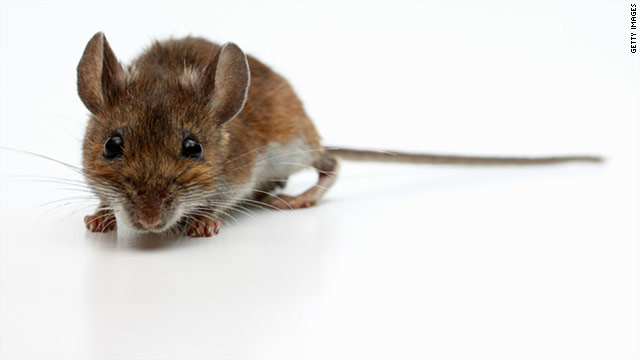
Researching darting mice could help study ADHD, autism, and bipolar disorder

A study of mice with darting behavior could help research ADHD, autism, and bipolar disorder in humans.

A darting mouse may hold an important clue in the development of Attention Deficit Hyperactivity Disorder (ADHD), autism and bipolar disorder, according to a study by a Vanderbilt University-led research team recently published in the Proceedings of the National Academy of Sciences.
The transgenic mouse, into which was inserted a rare human genetic variation in the dopamine transporter (DAT), could lead to improvements in the diagnosis and treatment of these all-too-common brain disorders, said Randy Blakely, Ph.D., the report's senior author.
The mutation, which has been found in people with ADHD, autism and bipolar disorder, affects the function of DAT, a protein that regulates the brain's supply of the neurotransmitter by removing excess dopamine from the synapse, or the space between nerve cells.
The DAT mutation causes the transporter to become "leaky" and spew out dopamine like "a vacuum cleaner in reverse," said Blakely, Allan D. Bass Professor of Pharmacology.
While mice with leaky DAT proteins have too much dopamine hanging around their synapses, surprisingly they aren't particularly hyperactive, possibly because DAT can still remove some of the dopamine.
But the mice exhibit an unusual "darting behavior." While their wild-type littermates are docile and quite unresponsive when researchers pick them up, those with the mutation "take off."
"Early on," Blakely said, "we could tell which ones carried the mutation by observing this response." Heightened anxiety does not appear to be the cause.
Blakely and his colleagues wonder whether this behavior is a form of "impulsivity." Rather than acting on their memories of being picked up a lot, the mice are opting for an inappropriate escape strategy.
Normal mice also stand up a lot to explore their cage. This "rearing" behavior is exacerbated by stimulant drugs. But not in these mice.
"We wonder whether this may be a sign that their behavior is driven less by searching for clues to appropriate behavior versus acting on innate impulses," Blakely said.
Other, better tests of impulsivity that evaluate premature decision-making can be applied in rodents and humans. "These tests are next on our docket," he said.
The actions of amphetamine and methylphenidate (Ritalin) are also affected by the mutation. In normal animals and people without ADHD, the stimulants flood the synapse with dopamine, eliciting hyperactivity.
But when given to the mutant animals, the drug demonstrates a "blunted" effect on both dopamine release and on locomotor activation compared to normal animals.
Blakely wonders whether stimulants like Adderall and Ritalin quell hyperactive and impulsive behaviors in some children with ADHD by reducing inappropriate dopamine leak. "These mice may give us much better clues as to how these drugs are acting," he said.
To that end, Blakely recently received a five-year, $2-million grant from the National Institutes of Health (NIH grant number MH109054) to pursue explorations of these mice.
"Dopamine has classically been implicated in reward and the ability to detect novelty and to respond to pleasure and to engage in effective social interactions," he continued. The darting mice thus might shed light on a much broader spectrum of behaviors.
"We've got a lot to do," he said, "a lot of needy people (to help)."
Read more here

Mouse models help find new genetic links to autism

New genetic links to autism have been found using mouse models.

With the help of mouse models, induced pluripotent stem cells (iPSCs) and the "tooth fairy," researchers at the University of California, San Diego School of Medicine have implicated a new gene in idiopathic or non-syndromic autism. The gene is associated with Rett syndrome, a syndromic form of autism, suggesting that different types of autism spectrum disorder (ASD) may share similar molecular pathways.


"I see this research as an example of what can be done for cases of non-syndromic autism, which lack a definitive group of identifying symptoms or characteristics," said principal investigator Alysson Muotri, PhD, associate professor in the UC San Diego departments of Pediatrics and Cellular and Molecular Medicine. "One can take advantage of genomics to map all mutant genes in the patient and then use their own iPSCs to measure the impact of these mutations in relevant cell types. Moreover, the study of brain cells derived from these iPSCs can reveal potential therapeutic drugs tailored to the individual. It is the rise of personalized medicine for mental/neurological disorders."
But to effectively exploit iPSCs as a diagnostic tool, Muotri said researchers "need to compare neurons derived from hundreds or thousands of other autistic individuals." Enter the "Tooth Fairy Project," in which parents are encouraged TO register for a "Fairy Tooth Kit," which involves sending researchers like Muotri a discarded baby tooth from their autistic child. Scientists extract dental pulp cells from the tooth and differentiate them into iPSC-derived neurons for study.
"There is an interesting story behind every single tooth that arrives in the lab," said Muotri.
The latest findings, in fact, are the result of Muotri's first tooth fairy donor. He and colleagues identified a de novo or new disruption in one of the two copies of the TRPC6 gene in iPSC-derived neurons of a non-syndromic autistic child. They confirmed with mouse models that mutations in TRPC6 resulted in altered neuronal development, morphology and function. They also noted that the damaging effects of reduced TRPC6 could be rectified with a treatment of hyperforin, a TRPC6-specific agonist that acts by stimulating the functional TRPC6 in neurons, suggesting a potential drug therapy for some ASD patients.
The researchers also found that MeCP2 levels affect TRPC6 expression. Mutations in the gene MeCP2, which encodes for a protein vital to the normal function of nerve cells, cause Rett syndrome, revealing common pathways among ASD.
"Taken together, these findings suggest that TRPC6 is a novel predisposing gene for ASD that may act in a multiple-hit model," Muotri said. "This is the first study to use iPSC-derived human neurons to model non-syndromic ASD and illustrate the potential of modeling genetically complex sporadic diseases using such cells."
Read more here

Tuesday, July 08, 2014

PTSD may be preventable by a drug

Researchers have found a drug that may be able to prevent PTSD.

Scientists at Yerkes National Primate Research Center, Emory University have identified a drug that appears to make memories of fearsome events less durable in mice.
The finding may accelerate the development of treatments for preventing PTSD (post-traumatic stress disorder). The drug, called osanetant, targets a distinct group of brain cells in a region of the brain that controls the formation and consolidation of fear memories.
The results were published in the journal Neuron.
"Potentially, drugs that act on this group of cells could be used to block fear memory consolidation shortly after exposure to a trauma, which would aid in preventing PTSD," says Kerry Ressler, MD, PhD, professor of psychiatry and behavioral sciences at Emory University School of Medicine and Yerkes National Primate Research Center. "PTSD is unique among psychiatric disorders in that we know when it starts -- at the time of the trauma. Finding ways to prevent its development in the first place -- in the emergency department or the battlefield -- is an important and exciting avenue of research in this area."
The first author of the paper is postdoctoral fellow Raül Andero Galí, PhD. Ressler and Andero were sifting through a list of many genes that are activated in the brains of mice after they learn to become afraid of a sound, because the sound is paired with a mild electric shock. The researchers were probing for changes in the central amygdala, a region of the brain known to regulate fear learning.
Out of thousands of genes they examined, their "top gene" was Tachykinin 2 or Tac2. The Tac2 gene was turned on more strongly during fear learning in mice that were previously exposed to a model of traumatic stress.
"The Tac2 gene is robustly activated after fear learning and belongs to a pathway that can be specifically blocked with a drug," Ressler says. "It was interesting that Tac2 is highly expressed in one particular part of the amygdala, but with low or no expression in other brain areas related to the formation of fear memories. Also, we found that the cells that express Tac2 are distinct from those other investigators had previously identified as being involved in fear expression."
Tac2 is part of a family of messengers in the nervous system known as tachykinins. Drugs that block a product encoded by Tac2's relative, Tac1, are antiemetics, often prescribed when someone is receiving chemotherapy for cancer.
Osanetant, which blocks the action of Tac2, has been tested in previous clinical studies for schizophrenia and was safe but not effective in addressing that disorder. It has not been tested in humans for PTSD prevention.
"Osanetant is a safe and well-tolerated drug in humans and could be potentially used to prevent PTSD when given shortly after trauma, although more research is needed," Andero says.
Under the influence of osanetant, mice could still learn to become afraid of a sound paired with a shock, but the mice did not freeze as much in response to the sound a day later, even if the drug was given an hour after training.
"Our goal is to specifically impair emotional memories related to a traumatic event instead of all memories associated with it. Thus, the trauma and its circumstances are remembered but the consolidation of fear memories is impaired, which could decrease the likelihood of developing fear-related disorders," Andero says.
Read more here

Tuesday, June 10, 2014

Neural transplant reduces seizures in mice

A neural transplant reduces a specific type of
epileptic seizures in mice.

New research from North Carolina State University pinpoints the areas of the cerebral cortex that are affected in mice with absence epilepsy and shows that transplanting embryonic neural cells into these areas can alleviate symptoms of the disease by reducing seizure activity. The work may help identify the areas of the human brain affected in absence epilepsy and lead to new therapies for sufferers.
Absence epilepsy primarily affects children. These seizures differ from "clonic-tonic" seizures in that they don't cause muscle spasms; rather, patients "zone out" or stare into space for a period of time, with no memory of the episode afterward. Around one-third of patients with absence epilepsy fail to respond to medication, demonstrating the complexity of the disease.
NC State neurobiology professor Troy Ghashghaei and colleagues looked at a genetic mouse model for absence epilepsy to determine what was happening in their brains during these seizures. They found that the seizures were accompanied by hyperactivity in the areas of the brain associated with vision and touch -- areas referred to as primary visual and primary somatosensory cortices in the occipital and parietal lobes, respectively.
"There are neurons that excite brain activity, and neurons that inhibit activity," Ghashghaei says. "The inhibitory neurons work by secreting an inhibitory neurotransmitter called gamma-aminobutyric acid, or GABA. The 'GABAergic' interneurons were recently shown by others to be defective in the mice with absence seizures, and we surmised that these malfunctioning neurons might be part of the problem, especially in the visual and somatosensory cortical areas."
Ghashghaei's team took embryonic neural stem cells from a part of the developing brain that generates GABAergic interneurons for the cerebral cortex. They harvested these cells from normal mouse embryos and transplanted them into the occipital cortex of the genetic mice with absence seizures. Absence seizure activity in treated animals decreased dramatically, and the mice gained more weight and survived longer than untreated mice.
"This is a profound and remarkably effective first result, and adds to the recent body of evidence that these transplantation treatments can work in mouse models of epilepsy. But we still don't understand the mechanisms behind what the normal inhibitory cells are doing in areas of the visual cortex of absence epileptic mice," Ghashghaei says. "We know that you can get positive results even when a small number of transplanted neurons actually integrate into the cortex of affected mice, which is very interesting. But we don't know how the transplanted cells are connecting with other cells in the cortex and how they alleviate the absence seizures in the mouse model we employed.
"Our next steps will be to explore these questions. In addition, we are very interested in methods being devised by multiple labs around the world to 'reprogram' cells from transplantation patients to generate normal GABAergic and other types of neurons. Once established, this would eliminate the need for embryonic stem cells for this type of treatment. The ultimate goal is to develop new therapies for humans suffering from various forms of epilepsies, especially those for whom drugs do not work."
The research appears online in Cerebral Cortex.
Read more here

Friday, March 28, 2014

In rats, brain damage occurs with no signs of concussion

Brain damage is seen in rats after repeated "subconcussive" brain trauma, or a head injury that shows no concussion symptoms.

A standard experimental model of concussion in rats causes substantial brain damage -- but no behavioral changes comparable to those seen in patients with concussion, reports a study in the April issue of Neurosurgery, official journal of the Congress of Neurological Surgeons. The journal is published by Lippincott Williams & Wilkins, a part of Wolters Kluwer Health.
The results highlight the "disconnect" between preclinical and clinical studies of concussion, according to the report by Dr. Charles L. Rosen of West Virginia University, Morgantown, and colleagues. The study also adds to concerns over the possible long-term effects of repeated, "subconcussive" brain trauma -- causing no concussion symptoms -- in humans.
Despite Diffuse Brain Damage, No Signs of 'Concussion' in Rats
Concussions are thought to be a form of "mild traumatic brain injury." However, there is no definitive diagnostic test to determine when a concussion has occurred. Instead, concussion is diagnosed on the basis of symptoms such as headache, nausea, dizziness, and confusion.
In contrast, animal studies of concussion have focused on directly observed injury to brain tissues, with little attention to the possible behavioral and functional consequences of the brain trauma. Thus there is a "clear disconnect" between experimental and clinical studies of concussion, according to Dr. Rosen and colleagues.
To address this discrepancy, they used a standard technique, called the "impact-acceleration model," to induce brain injury in rats. As reported by previous studies, this technique caused "diffuse axonal injury" to the brain, with visible evidence of damage on the cellular level.
The researchers also compared injured and uninjured animals on a wide range of functional and behavioral tests. The tests were chosen to reflect symptoms and functions similar to those used to diagnose concussion in humans -- for example, locomotor activity, coordination/balance, cognitive function, and anxiety- and depression-like behaviors.
But despite a rather extensive pattern of brain injury, the rats had no significant abnormalities on any of the tests. That was so on the day after brain injury as well as up to one week afterward. "The lack of functional deficits is in sharp contrast to neuropathological findings indicating neural degeneration, astrocyte reactivity, and microglial activation." Dr. Rosen and colleagues write.
Findings Support Concerns about 'Subconcussive Injury'
The new study comes at a time when new researchers are finding evidence of long-term neurodegenerative changes in the brains of people who have never been diagnosed with a concussion. One key study in high school football players found changes in neurological function and health in athletes who never had concussion symptoms, but had sustained "repetitive subconcussive blows."
Traditionally, concussion has been regarded as a temporary problem that resolves with no long-term effects. But that view has changed in recent years, with studies in athletes and others showing chronic traumatic encephalopathy linked to repetitive head injury -- both the concussive and subconcussive types.
The new experiments support the concept that significant brain damage may be present in individuals who have completely normal results on symptom-based assessments currently used to diagnose concussions. Dr. Rosen and coauthors write, "It appears that even subconcussive injury, or injury below the current clinical threshold for detection using standard measures, may have lasting neurological effects."
The researchers emphasize that their short-term study in rats provides no direct evidence of long-term changes caused by "mild" traumatic brain injury in humans. They discuss the need for further research to clarify the effects of traumatic brain injury over time, and to develop new models for understanding the long-term impact of repeated head trauma.
Read more here

Tuesday, October 22, 2013

Study claims toxins are eliminated by brain during sleep

A new study using mice showed that the brain clears out toxins from itself during sleep.

A good night's rest may literally clear the mind. Using mice, researchers showed for the first time that the space between brain cells may increase during sleep, allowing the brain to flush out toxins that build up during waking hours. These results suggest a new role for sleep in health and disease. The study was funded by the National Institute of Neurological Disorders and Stroke (NINDS), part of the NIH.

"Sleep changes the cellular structure of the brain. It appears to be a completely different state," said Maiken Nedergaard, M.D., D.M.Sc., co-director of the Center for Translational Neuromedicine at the University of Rochester Medical Center in New York, and a leader of the study.

For centuries, scientists and philosophers have wondered why people sleep and how it affects the brain. Only recently have scientists shown that sleep is important for storing memories. In this study, Dr. Nedergaard and her colleagues unexpectedly found that sleep may be also be the period when the brain cleanses itself of toxic molecules.

Their results, published in Science, show that during sleep a plumbing system called the glymphatic system may open, letting fluid flow rapidly through the brain. Dr. Nedergaard's lab recently discovered the glymphatic system helps control the flow of cerebrospinal fluid (CSF), a clear liquid surrounding the brain and spinal cord.

"It's as if Dr. Nedergaard and her colleagues have uncovered a network of hidden caves and these exciting results highlight the potential importance of the network in normal brain function," said Roderick Corriveau, Ph.D., a program director at NINDS.

Initially the researchers studied the system by injecting dye into the CSF of mice and watching it flow through their brains while simultaneously monitoring electrical brain activity. The dye flowed rapidly when the mice were unconscious, either asleep or anesthetized. In contrast, the dye barely flowed when the same mice were awake.

"We were surprised by how little flow there was into the brain when the mice were awake," said Dr. Nedergaard. "It suggested that the space between brain cells changed greatly between conscious and unconscious states."

To test this idea, the researchers used electrodes inserted into the brain to directly measure the space between brain cells. They found that the space inside the brains increased by 60 percent when the mice were asleep or anesthetized.

"These are some dramatic changes in extracellular space," said Charles Nicholson, Ph.D., a professor at New York University's Langone Medical Center and an expert in measuring the dynamics of brain fluid flow and how it influences nerve cell communication.

Certain brain cells, called glia, control flow through the glymphatic system by shrinking or swelling. Noradrenaline is an arousing hormone that is also known to control cell volume. Similar to using anesthesia, treating awake mice with drugs that block noradrenaline induced unconsciousness and increased brain fluid flow and the space between cells, further supporting the link between the glymphatic system and consciousness.

Previous studies suggest that toxic molecules involved in neurodegenerative disorders accumulate in the space between brain cells. In this study, the researchers tested whether the glymphatic system controls this by injecting mice with labeled beta-amyloid, a protein associated with Alzheimer's disease, and measuring how long it lasted in their brains when they were asleep or awake. Beta-amyloid disappeared faster in mice brains when the mice were asleep, suggesting sleep normally clears toxic molecules from the brain.

"These results may have broad implications for multiple neurological disorders," said Jim Koenig, Ph.D., a program director at NINDS. "This means the cells regulating the glymphatic system may be new targets for treating a range of disorders."

The results may also highlight the importance of sleep.

"We need sleep. It cleans up the brain," said Dr. Nedergaard.

Read more here

Wednesday, October 09, 2013

Botox helps rats lose weight

A study using rats showed that botox can be used as a weight loss aid.

Researchers from the Norwegian University of Science and Technology have had promising experimental results from using Botox as a weight loss tool in rats. The research group hopes to win approval for human testing in the near future.
You may know Botox from its use by the rich and famous to eliminate facial wrinkles. But now Helene Johannessen, a PhD candidate at the Norwegian University of Science and Technology (NTNU), is studying whether or not Botox could be used as an alternative to treating morbid obesity, replacing costly and dangerous operations.

Tests on rats have shown that treatments with Botox injected into the vagus nerve in the stomach can lead to weight loss. When Johannessen injected rats with Botox, the animals ate less and lost 20-30 per cent of their body weight over five weeks. The treatment effectively paralyzes the vagus nerve, which triggers the sense of hunger and controls the passing of food through the intestines.

Paralyzing the nerve paralyzes muscles in the stomach, which appears to slow the passage of food through the stomach. This effect might one day lead to treatments that cause people to feel fuller for longer.

EU project fights obesity
The hope is that the use of botox can be developed into an alternative to gastric bypass surgery. Johannessen and her research are part of the Experimental Surgery and Pharmacology research group, which is exploring alternatives to gastric surgery. The Botox treatment study is part of an EU project called Full4Health.

Botox is actually botulinum toxin, which when ingested in spoiled foods can lead to both paralysis and death. Nowadays Botox is used in the medical treatment of dystonias and spasms, as well for its more famous cosmetic use. If Johannessen and her colleagues succeed in their efforts, it might also become useful in giving people a healthier and less weighty life.
Clinical studies coming
Johannessen told the Norwegian Broadcasting Corporation (NRK) that her research team will start human clinical studies as soon as Norwegian medical ethics authorities give their approval.
"As a start, we will be inviting patients who are candidates for obesity operations but who, for one reason or another, cannot undergo one,"  Johannessen told NRK.

Obesity is a growing problem across the globe. Being overweight can lead to severe diseases and conditions including diabetes and heart problems. The World Health Organization estimates that obesity is responsible for 2-8 percent of health care costs and 10-13 percent of deaths in different parts of Europe.

Read more here

Sunday, September 01, 2013

Understanding jet lag may help develop drugs to help with time zone changes

A study using jet lagged mice helps researchers determine what makes people slow to adjust to jet lag and may help develop medication to make the transition easier.

New research in mice reveals why the body is so slow to recover from jet lag and identifies a target for the development of drugs that could help us to adjust faster to changes in time zone.
With funding from the Wellcome Trust and F. Hoffmann La Roche, researchers at the University of Oxford, University of Notre Dame and F. Hoffmann La Roche have identified a mechanism that limits the ability of the body clock to adjust to changes in patterns of light and dark. And the team show that if you block the activity of this gene in mice, they recover faster from disturbances in their daily light/dark cycle that were designed to simulate jet-lag.
Nearly all life on Earth has an internal circadian body clock that keeps us ticking on a 24-hour cycle, synchronising a variety of bodily functions such as sleeping and eating with the cycle of light and dark in a solar day. When we travel to a different time zone our body clock eventually adjusts to the local time. However this can take up to one day for every hour the clock is shifted, resulting in several days of fatigue and discombobulation.
In mammals, the circadian clock is controlled by an area of the brain called the suprachiasmatic nuclei (SCN) which pulls every cell in the body into the same biological rhythm. It receives information from a specialised system in the eyes, separate from the mechanisms we use to 'see', which senses the time of day by detecting environmental light, synchronising the clock to local time. Until now, little was known about the molecular mechanisms of how light affects activity in the SCN to 'tune' the clock and why it takes so long to adjust when the light cycle changes.
To investigate this, the Oxford University team led by Dr Stuart Peirson and Professor Russell Foster, used mice to examine the patterns of gene expression in the SCN following a pulse of light during the hours of darkness. They identified around 100 genes that were switched on in response to light, revealing a sequence of events that act to retune the circadian clock. Amongst these, they identified one molecule, SIK1, that terminates this response, acting as a brake to limit the effects of light on the clock. When they blocked the activity of SIK1, the mice adjusted faster to changes in light cycle.
Dr Peirson explains: "We've identified a system that actively prevents the body clock from re-adjusting. If you think about, it makes sense to have a buffering mechanism in place to provide some stability to the clock. The clock needs to be sure that it is getting a reliable signal, and if the signal occurs at the same time over several days it probably has biological relevance. But it is this same buffering mechanism that slows down our ability to adjust to a new time zone and causes jet lag."
Disruptions in the circadian system have been linked to chronic diseases including cancer, diabetes, and heart disease, as well as weakened immunity to infections and impaired cognition. More recently, researchers are uncovering that circadian disturbances are a common feature of several mental illnesses, including schizophrenia and bipolar disorder.
Russell Foster, Director of the recently established Oxford University Sleep and Circadian Neuroscience Institute supported by the Wellcome Trust, said: "We're still several years away from a cure for jet-lag but understanding the mechanisms that generate and regulate our circadian clock gives us targets to develop drugs to help bring our bodies in tune with the solar cycle.Such drugs could potentially have broader therapeutic value for people with mental health issues."
Read more here

Friday, August 30, 2013

Omega-3 makes ADHD symptoms less severe in rats

A study shows that rats when eating more omega-3 fatty acids reduce their ADHD symptoms.

A new multidisciplinary study shows a clear connection between the intake of omega-3 fatty acids and a decline in ADHD symptoms in rats.
Researchers at the University of Oslo have observed the behaviour of rats and have analyzed biochemical processes in their brains. The results show a clear improvement in ADHD-related behaviour from supplements of omega-3 fatty acids, as well as a faster turnover of the signal substances dopamine, serotonin and glutamate in the nervous system. There are, however, clear sex differences: a better effect from omega-3 fatty acids is achieved in male rats than in female.
Unknown biology behind ADHD
Currently the psychiatric diagnosis ADHD (Attention Deficit/Hyperactivity Disorder) is purely based on behavioural criteria, while the molecular genetic background for the illness is largely unknown. The new findings indicate that ADHD has a biological component and that the intake of omega-3 may influence ADHD symptoms.
"In some research environments it is controversial to suggest that ADHD has something to do with biology. But we have without a doubt found molecular changes in the brain after rats with ADHD were given omega-3," says Ivar Walaas, Professor of Biochemistry.
The fact that omega-3 can reduce ADHD behaviour in rats has also been indicated in previous international studies. What is unique about the study in question is a multidisciplinarity that has not previously been seen, with contributions from behavioural science in medicine as well as from psychology, nutritional science and biochemistry.
Hyperactive rats
The rats used in the study are called SHR rats -- spontaneously hypertensive rats. Although this is primarily a common type of rat, random mutations in their genes have resulted in genetic damage that produces high blood pressure. It is therefore first and foremost blood-pressure researchers who have so far been interested in these rats.
However, the rats do not suffer from high blood pressure until they have reached puberty. Before that age they present totally different symptoms -- namely hyperactivity, poor ability to concentrate and impulsiveness. It is exactly these three criteria that form the basis for making the ADHD diagnosis in humans. The animals also react to Ritalin, the central nervous system stimulant, in the same way as humans with ADHD: the hyperactive responses are stabilized. SHR rats are therefore increasingly used in research as a model for ADHD.
Supplements as early as the fetal stage
Researchers believe that omega-3 can have an effect from the very beginning of life. Omega-3 was therefore added to the food given to mother rats before they were impregnated, and this continued throughout their entire pregnancy and while they fed their young. The baby rats were also given omega-3 in their own food after they were separated from their mother at the age of 20 days. Another group of mother rats were given food that did not have omega-3 added, thus creating a control group of SHR offspring that had not been given these fatty acids at the fetal stage or later.
The researchers started to analyze the behaviour of the offspring some days after they were separated from the mother. They studied behaviour driven by reward as well as spontaneous behaviour. Substantial differences were noted for both types of behaviour between the rats that had been given the omega-3 supplement as foetuses and as baby rats and those that had not.
Rewards made male rats more concentrated
The reward-driven behaviour was such that the rats were allowed access to a drop of water each time they pressed an illuminated button. The ADHD rats that had not been given omega-3 could not concentrate on pressing the button, whereas the rats that had been brought up on omega-3 easily managed to hold their concentration for the seconds this takes and were able to enjoy a delicious drop of water as a reward.
Surprisingly enough, it was only male rats that showed an improvement in reward-driven behaviour. However, with regard to the rats' spontaneous behavior, the same type of reduction in hyperactivity and attention difficulties was noted in both male and female rats that had been given the omega-3 supplement.
Changes in brain chemistry
Professor Walaas and his research group became involved in the study at this point in order to analyze the molecular processes in the rats' brains.
The group analyzed the level of the chemical connections in the brain, the so-called neurotransmitters that transfer nerve impulses from one nerve cell to another. The researchers measured how much of the neurotransmitters such as dopamine, serotonin and glutamate was released and broken down within the nerve fibres. A key player in this work was Kine S. Dervola, PhD candidate, who reports clear sex differences in the turnover of the neurotransmitters -- just as there had been in the reward-driven behaviour.
"We saw that the turnover of dopamine and serotonin took place much faster among the male rats that had been given omega-3 than among those that had not. For serotonin the turnover ratio was three times higher, and for dopamine it was just over two and a half times higher. These effects were not observed among the female rats. When we measured the turnover of glutamate, however, we saw that both sexes showed a small increase in turnover," Ms Dervola tells us.
Transferrable to humans?
The researchers are cautious about drawing conclusions as to whether the results can be transferred to humans.
"In the first place there is of course a difference between rats and humans, and secondly the rats are sick at the outset. Thirdly the causes of ADHD in humans are in no way mapped sufficiently well. But the end result of what takes place in the brains of both rats and humans with ADHD is hyperactivity, poor ability to concentrate and impulsiveness," says Professor Walaas, and concludes:
"Giving priority to basic research like this will greatly increase our detailed knowledge of ADHD."
Read more here

Wednesday, August 28, 2013

Jet lagged mice used to study sleep disorders

A study using jet lagged mice helped researchers study different sleep disorders.

Many factors keep us from getting a good night’s sleep. Prime culprits include overnight flights across the ocean, graveyard shifts, and stress-induced insomnia. A new study from McGill and Concordia Universities gives hope, however, that these common sleep disturbances may one day be put to bed.
The Earth’s rotation is responsible for creating day and night, and the daily rhythms of all living beings. Mammals have a “circadian clock” in their brains that drive the daily rhythms in sleep and wakefulness, feeding and metabolism, and many other essential processes. Until now, however, the inner workings and molecular processes of this complex brain clock have eluded scientists.
The findings, published in Neuron, identify how a fundamental biological process called protein synthesis is controlled within the body’s circadian clock. The researchers hope their work will help shed light on future treatments for disorders triggered by circadian clock dysfunction, including jet lag, shift work disorders, and chronic conditions like depression and Parkinson’s disease.
“To understand and treat the causes and symptoms of circadian abnormalities, we have to take a closer look at the fundamental biological mechanisms that control our internal clocks,” says Dr. Shimon Amir, professor in Concordia University’s Department of Psychology.
Amir worked with Dr. Nahum Sonenberg, a James McGill professor in the Dept. of Biochemistry, Faculty of Medicine, at the Goodman Cancer Research Centre at McGill University, to study how protein synthesis is controlled in the brain clock. “We identified a repressor protein in the clock and found that by removing this protein, the brain clock function was surprisingly improved,” explains Dr. Sonenberg.
The circadian clocks of all mammals are similar, so the team was able to use mice to conduct their experiments. The mouse model used lacked this specific protein, known as 4E-BP1. The protein blocks the important function of protein synthesis. The mice that lacked this protein were able to overcome disruptions to their circadian clocks more quickly, the team found.
“In modern society, with the frequency of trans-time zone travel, we often deal with annoying jet lag problems, which usually require a couple of weeks of transition,” says Dr.Ruifeng Cao, a postdoctoral fellow who works with Drs. Sonenberg and Amir, “However, by inducing a state like jet lag in the mice lacking that protein, we found they were able to adapt to time zones changes in about half of the time required by regular mice.”
The research team also found, in mice lacking the protein 4E-BP1,there was a small increase in another small protein necessary for brain clock function, vasoactive intestinal peptide or VIP. This indicates to the researchers the functioning of the circadian clock could be improved by genetic manipulations, opening doors on new ways to treat circadian clock-related disorders.
“A stronger clock function may help improve many physiological processes, such as aging,” says Cao. “In addition, understanding the molecular mechanisms of biological clocks may contribute to the development of time-managing drugs,” Amir concurs, noting that “the more we know about these mechanisms, the better able we will be to solve problems associated with disruptions to our bodies’ internal clocks”.
Read more here

Wednesday, July 03, 2013

Researchers able to prevent epilepsy in mice

Duke researchers were able to prevent epilepsy in mice. This brings hope that epilepsy can similarly be preventable in humans.

Duke University scientists have developed a way to prevent epilepsy in mice, a promising step in the quest to find a preventative treatment for the disease in humans.

The researchers used a well-known early warning sign of the neurological disease to focus their treatment, said Dr. James McNamara, Professor of Neuroscience in the Duke School of Medicine.

An estimated 40 percent of young children who have a single prolonged seizure will eventually develop epilepsy later in life, and for more than two decades researchers have tried to figure out why, McNamara said.
“How does a fleeting experience lead to a lifelong change in brain function?” he said.
McNamara’s group focused on the activity of a protein receptor found on the surface of neurons, the building blocks of the nervous system. When these receptors receive a certain protein signal, the neurons increase their excitability and eventually a seizure can happen.
In the research published online Thursday in the journal Neuron, McNamara’s group blocked the receptor’s activity for a short period of time immediately after the initial prolonged seizure. With just two weeks of treatment, there was a dramatic reduction in the development of epilepsy later in life.
The study presented “very convincing evidence that the treatment is truly preventative,” said Dr. Michele Simonato of the University of Ferrara in Italy, an epilepsy expert unaffiliated with the research. The study represents “a very important step forward” in the effort to prevent epilepsy, but “it’s still a very long road” to treatment, Simonato said in an interview.
Epilepsy, marked by recurrent seizures, is a common neurological disorder that affects 1 in 26 children, said Patricia Gibson, executive director of the Epilepsy Foundation of N.C. The causes vary, including tumors, malformation, or trauma in various parts of the brain, which makes preventative treatment difficult.
The seizures studied by the Duke research team, originating in the temporal lobe, are not the violent ones seen in movies, but are more subdued episodes of impaired awareness, short-term memory loss, and semi-purposeful behavior such as lip smacking and thigh rubbing. Approximately one third of people with this type of epilepsy have seizures in spite of current drug treatments.
The Duke researchers used mice that were genetically modified so that a certain chemical could be used to change the activity of the targeted receptors. By using this chemical-genetic approach, the scientists could choreograph the timing and mechanism of mouse brain changes in order to better match the way the disorder actually progresses in humans.
“Carefully aligning the animal model with the human condition is of the utmost importance,” said McNamara.
This emerging approach in medical research is important for many varieties of medical maladies. For example, a mouse that is genetically engineered to develop cancer may not be the best equivalent to an older person who slowly develops a tumor over time and only detects it at a late stage.
The Duke research is important because it addressed the underlying cause of epilepsy, not just the symptoms, said Dr. Jaideep Kapur of the University of Virginia, another epilepsy expert not connected to the research.
“These are very exciting findings,” Kapur said in an interview.
Before human treatments for epilepsy can be developed, the ideal start time and length of treatment following the initial seizure must be determined, McNamara said. And translating the chemical-genetic approach into a deliverable drug is another challenge.
McNamara was hesitant to comment on the timeline of future human treatments, but that is clearly the ultimate goal.
“We want to fix sick people,” he said. “We’re working on trying to find drugs that would be effective.”
Read more here


Read more here: http://www.kansascity.com/2013/06/20/4303899/duke-researchers-move-towards.html#storylink=cpy
The researchers used a well-known early warning sign of the neurological disease to focus their treatment, said Dr. James McNamara, Professor of Neuroscience in the Duke School of Medicine.
An estimated 40 percent of young children who have a single prolonged seizure will eventually develop epilepsy later in life, and for more than two decades researchers have tried to figure out why, McNamara said.
“How does a fleeting experience lead to a lifelong change in brain function?” he said.
McNamara’s group focused on the activity of a protein receptor found on the surface of neurons, the building blocks of the nervous system. When these receptors receive a certain protein signal, the neurons increase their excitability and eventually a seizure can happen.
In the research published online Thursday in the journal Neuron, McNamara’s group blocked the receptor’s activity for a short period of time immediately after the initial prolonged seizure. With just two weeks of treatment, there was a dramatic reduction in the development of epilepsy later in life.
The study presented “very convincing evidence that the treatment is truly preventative,” said Dr. Michele Simonato of the University of Ferrara in Italy, an epilepsy expert unaffiliated with the research. The study represents “a very important step forward” in the effort to prevent epilepsy, but “it’s still a very long road” to treatment, Simonato said in an interview.
Epilepsy, marked by recurrent seizures, is a common neurological disorder that affects 1 in 26 children, said Patricia Gibson, executive director of the Epilepsy Foundation of N.C. The causes vary, including tumors, malformation, or trauma in various parts of the brain, which makes preventative treatment difficult.
The seizures studied by the Duke research team, originating in the temporal lobe, are not the violent ones seen in movies, but are more subdued episodes of impaired awareness, short-term memory loss, and semi-purposeful behavior such as lip smacking and thigh rubbing. Approximately one third of people with this type of epilepsy have seizures in spite of current drug treatments.
The Duke researchers used mice that were genetically modified so that a certain chemical could be used to change the activity of the targeted receptors. By using this chemical-genetic approach, the scientists could choreograph the timing and mechanism of mouse brain changes in order to better match the way the disorder actually progresses in humans.
“Carefully aligning the animal model with the human condition is of the utmost importance,” said McNamara.
This emerging approach in medical research is important for many varieties of medical maladies. For example, a mouse that is genetically engineered to develop cancer may not be the best equivalent to an older person who slowly develops a tumor over time and only detects it at a late stage.
The Duke research is important because it addressed the underlying cause of epilepsy, not just the symptoms, said Dr. Jaideep Kapur of the University of Virginia, another epilepsy expert not connected to the research.
“These are very exciting findings,” Kapur said in an interview.
Before human treatments for epilepsy can be developed, the ideal start time and length of treatment following the initial seizure must be determined, McNamara said. And translating the chemical-genetic approach into a deliverable drug is another challenge.
McNamara was hesitant to comment on the timeline of future human treatments, but that is clearly the ultimate goal.
“We want to fix sick people,” he said. “We’re working on trying to find drugs that would be effective.”

Read more here: http://www.kansascity.com/2013/06/20/4303899/duke-researchers-move-towards.html#storylink=cpy

Read more here: http://www.kansascity.com/2013/06/20/4303899/duke-researchers-move-towards.html#storylink=cpy

Saturday, May 12, 2012

New Animal Model for ADHD


The number of attention deficit hyperactivity disorder (ADHD) cases in the United States are exploding. According to a 2011 statement by the Centers for Disease Control and Prevention, nearly one in 10 American children is diagnosed with the disorder. To better understand the cause of ADHD and to identify methods to prevent and treat it, researchers at Oregon Health & Science University (OHSU) and OHSU's Oregon National Primate Research Center have developed a new form of specially bred mouse that mimics the condition.

The research is published in the current edition of the PLoS ONE, a journal of the Public Library of Science.

The research, led by OHSU and ONPRC scientists Jacob Raber, Ph.D., and Sergio Ojeda, D.V.M., found that mice carrying a certain mutated form of gene displayed the human-like symptoms of ADHD. The scientists believe that mice bred with this unique genome can greatly assist in research to combat ADHD.

The specific gene that was studied in this research is called SynCAM1, which is found in glial cells -- a type of cell in the central nervous system involved in cellular communication. The researchers found that mice carrying a dominant/negative form of the gene were hyperactive. The mice displayed enhanced and more frequent activity during rest periods. In addition, the mice exhibited reduced anxiety, similar to children diagnosed with ADHD. The mutated gene caused these conditions because it blocks the actions of the normal gene.

"While some animal models for ADHD exist, they are far from perfect," explained Raber, a professor of behavioral neuroscience and neurology in the OHSU School of Medicine and an affiliate scientist at ONPRC "For instance, a rat model of this condition displays high blood pressure also known as spontaneous hypertensive rats or SHR, which is not observed in humans with ADHD. When hypertension is eliminated by crossing SHR rats to another commonly studied rat breed, the resulting rat has normal blood pressure but no longer responds to the methylphenidate in a way that humans with ADHD do."

"We believe that this animal model may more closely mimic ADHD and shed new light on this condition," added Ojeda, a senior scientist at ONPRC.

Read more here

Tuesday, November 29, 2011

Breakthrough: Human stem cells successfully transplanted into mouse brains


In research published this week, scientists report that they've successfully transplanted human stem cell-derived neurons into the brains of living mice. That's right, we're talking about a functioning trans-species transplant of brain matter. The researchers took human embryonic stem cells, and grew them in a culture with mouse neurons that had a specific trait — they're activated by light. The stem-cell derived neurons don't normally have this ability, but progressively gained it when grown with the mouse neurons.

The stem-cell neurons were then implanted into a living mouse's hippocampus, where the transplants were able to reciprocally interact with the mouse's neuronal network, and integrate into it. They became part of the network, and functioned normally.

While the whole "transplanting into a mouse" thing is very cool, it's not really why this work is important. The best part is that you can train neurons, and then successfully transplant them into a brain, giving us another avenue to help treat those effected with Parkinsons and Alzheimers diseases, stroke, and epilepsy.

Read more: http://io9.com/5862310/breakthrough-human-stem-cells-successfully-transplanted-into-mouse-brains