Showing posts with label stroke. Show all posts

Wednesday, January 27, 2016

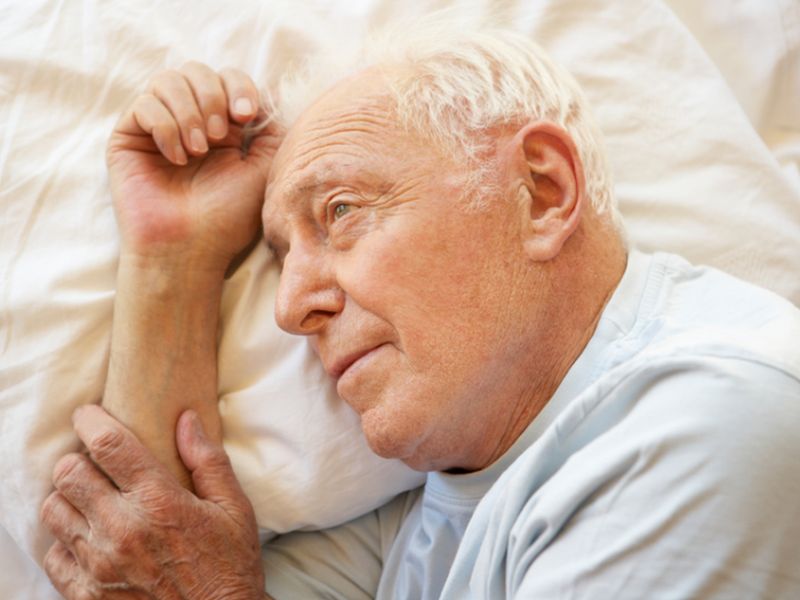
Poor sleep could mean strokes for seniors

Poor sleep could raise stroke risk in seniors.

Poor sleep may raise seniors' risk of hardening of the brain arteries, and possibly contribute to the chances of a stroke, a new study suggests.
Researchers examined the autopsied brains of 315 people, average age 90, who had undergone at least one full week of sleep quality assessment before their death. Twenty-nine percent of them had suffered a stroke, and 61 percent had moderate-to-severe damage to blood vessels in the brain.
Those with the highest levels of sleep fragmentation -- repeated awakenings or arousals -- were 27 percent more likely to have hardening of the brain arteries. Among study participants, sleep was disrupted an average of nearly seven times an hour.
For each additional two arousals during one hour of sleep, there was a 30 percent greater likelihood of having visible signs of oxygen deprivation in the brain, the study authors said.
However, the study was not designed to prove a cause-and-effect link between poor sleep and stroke risk.
The findings were independent of other stroke and heart disease risk factors, such as weight, diabetes, smoking and high blood pressure, as well as other health conditions such as Alzheimer's disease, depression, heart failure and pain, according to the study published Jan. 14 in the journal Stroke.
"The forms of brain injury that we observed are important because they may not only contribute to the risk of stroke but also to chronic progressive cognitive and motor impairment," lead investigator Dr. Andrew Lim, an assistant professor of neurology at the University of Toronto, said in a journal news release.
"However, there are several ways to view these findings: sleep fragmentation may impair the circulation of blood to the brain, poor circulation of blood to the brain may cause sleep fragmentation, or both may be caused by another underlying risk factor," said Lim, who is also a neurologist and scientist at Sunnybrook Health Sciences Center in Toronto.
While the findings suggest that sleep monitoring could help identify seniors at risk for stroke, further research is needed to clarify a number of areas.
One expert praised the research, but added that it wasn't the last word on the topic.
"This is an excellent study, highly provocative, but not definitive because of the design, as mentioned by the authors themselves," said Dr. Richard Libman, vice chairman of neurology at Long Island Jewish Medical Center in New Hyde Park, N.Y.
"There appears to be a clear association between poor sleep [sleep fragmentation] and hardening of the arteries and risk of stroke," Libman said. "As noted, the direction of this association is uncertain.
"Sleep, to some degree, is within our control and we should all make attempts to improve the quality of our sleep," he added.
Read more here

Sleep apnea and heart problems

This article explains heart problems that can be caused by obstructive sleep apnea.

A common sleep problem is bad for your heart, and the number of people that have it has increased by double digits over the past decade.  Studies suggest as many as 26 percent of all Americans may have mild to severe sleep apnea, and only about 10 percent are aware that they have it.
So, as many as 75 million people have a condition that many of know little about.  Sleep apnea is a condition that intrudes into daily living by causing snoring, daytime sleepiness, headache, and poor concentration, but it also can lead to potentially deadly cardiac issues.
Let’s take a look at some of the heart problems that studies have shown sleep apnea can cause:
  1. Atrial fibrillation.  Traditional treatment for the irregular heart rhythm called atrial fibrillation consists of blood thinners, medications, and an invasive, expensive procedure called ablation.  There may be a more natural approach.  Atrial fibrillation has been cured in people who are overweight and have sleep apnea.  The treatment consists of weight loss, and sometimes using a device called CPAP to improve oxygen levels during sleep.  According to the Sleep Heart Health Study, the likelihood of developing afib if you have untreated sleep apnea increases fivefold, and treatment improves the likelihood that your rhythm will stay regular into the future.   
  2. Hypertension.  There is no doubt that undiagnosed and untreated obstructive sleep apnea can result in high blood pressure.  In addition, apnea can make hypertension very difficult to treat with medication, and one-third of people with a condition called resistant hypertension have undiagnosed sleep apnea. Again, weight loss and using a CPAP mask as prescribed by a sleep specialist can make a huge difference
  3. Stroke.  Obstructive sleep apnea (called OSA), has been shown to increase the risk of both stroke and premature dementia.  An analysis published just this month in the journal PLOS One demonstrated that treating the condition with CPAP was associated with a lower incidence of stroke and cardiac events.       
  4. Coronary artery disease.  Not only does untreated OSA worsen atherosclerotic coronary disease  (the blockages that cause heart attacks), it also messes with metabolism, worsening cholesterol and sugar levels. This can lead to fatal heart attacks.   Reggie White, the Philadelphia Eagle great, died at age 43, most likely from OSA.
  5. Pulmonary hypertension. This condition, in which blood pressure in the lungs can be markedly elevated, is another cardiovascular disease with a well-established relationship to OSA.  Sleep apnea is also associated with congestive heart failure, and inflammation that may have an impact on other non-cardiac problems such as Parkinson’s disease.
Obstructive sleep apnea is often associated with being overweight, and losing weight can be a cure.   If you are a guy with a neck size over 18 inches, or a woman with a neck measuring more than 17 inches, there is an increased chance that you may have OSA.  It is more common in men than women, with up to 34% of men and 17% of women having undiagnosed OSA.
Central sleep apnea, the less common type, and is not related to weight. 
The only way to diagnose sleep apnea is to have a sleep study.  For years, this had to be done in a clinic, but now more people are being screened at home.
Treatment with a CPAP machine requires wearing a mask over your nose or mouth while sleeping, a deal breaker for many.  Newer technologies including smaller masks and mouth appliances have improved treatment, so if this fear has prevented you from getting checked out, it may be a good time to reconsider.
Seeing a sleep specialist now may avert the need to see a cardiologist in the future. 

Read more here

Friday, July 10, 2015

How sleep can affect your heart

This article describes the negative effects of getting a poor night's sleep, especially on your heart.

You might think that those nights when you don’t get a wink of sleep can’t do you any harm apart from the frustration you feel knowing that you have to work the next day and you might be asleep at the wheel.

However, sleep disorders have been associated with many conditions that you might develop later on in life. There are studies proving that insomnia or very few hours of sleep per night are linked to memory loss or to strokes as you become older.
Thus, it was proved that people who have the tendency to sleep less than seven hours every day are more likely to suffer a stroke.
A new research now shows that fewer hours of sleep every night might also be a cause for heart attacks later on in life.
The study conducted by researchers at World Health Organization revealed that sleeping disorders are as bad for your heart as smoking or leading a sedentary life.
“Sleep is not a trivial issue. Sleeping disorders were associated with greatly increased incidences of both heart attack and stroke. Poor sleep should be considered a modifiable risk factor for cardiovascular disease along with smoking, lack of exercise and poor diet,” said Professor Valery Gafarov.
He also added that a normal person should sleep between 7 and 8 hours every night and, if they don’t manage to do that, they should seek specialized help from a sleep doctor.
The study, which began in 1994, involved 657 men whose ages varied from 25 to 64 years old, from Russia. They had never suffered any heart attack or stroke and they did not have diabetes, which is a disease that can lead to these conditions.
Their sleep quality was rated according to the Jenkins Sleep Scale and it was regarded as either very bad, bad or poor for those who had a sleeping disorder.
They were monitored for heart attacks and strokes over the next 14 years and it was revealed that 63 percent of those who suffered a heart attack also suffered from a sleeping disorder.
Therefore, it was shown that people who had sleeping problems were more than 2 times more likely to have a heart attack and 1.5 to 4 times more at risk of having a stroke that those who had a  normal sleep every night.
These findings are extremely worrying, given the fact that the mortality rate associated with heart attacks is extremely high. It was estimated that it represents half of the causes of death all over the world, making it the leading cause in many countries, including the U.S.
This is why preventive measures are extremely important. We need to sleep well, exercise regularly, avoid smoking and drinking alcohol, eat healthy food and maintain a normal body weight.
Read more here

Wednesday, July 01, 2015

Study: Link between insomnia and stroke

A recent study indicates that those suffering from insomnia have a greater risk of stroke than those who do not have insomnia.

Insomniacs face a much higher risk of stroke than restful sleepers, according to a recent study.
The study, published in the peer-reviewed scientific journal Stroke, an American Heart Association (AHA) publication, sought to link cardiovascular health with sleep-related health.
Past research has shown that not getting enough sleep can lead to a significant number of health problems, including elevated stress levels, symptoms of Alzheimer's disease, and even widespread pain conditions such as fibromyalgia.
Now, researchers from Taiwan's Chia Nan University of Pharmacy and Science, and the Department of Medical Research at Chi-Mei Medical Center, have tied insomnia - a condition of chronic sleep deprivation - to an elevated risk of stroke.
To determine this, the researchers analyzed the medical records of more than 21,000 insomniacs in Taiwan, China. The medical data on these patients was observed for a four-year period, allowing the researchers to conclusively differentiate the intensity of each insomniacs' condition.
The participants were identified as having either chronic or persistent insomnia - disturbed sleep lasting for more than a month; relapse insomnia - return of insomnia symptoms after being free of the condition for more than 6 months; or remission insomnia - becoming non-insomniatic at any point during the study.
These groups were then compared to the medical histories of over 60,000 people who did not have insomnia.
Looking at hospital records, the researchers were able to determine that the patients with insomnia had a 54 percent increased risk of stroke than the non-insomniacs. Even more alarming, insomniacs who were diagnosed with the sleeping disorder when they were young-adults between 18 and 35 years old were a whopping eight times more likely to be hospitalized for stroke, compared to non-insomniacs.
Predictably, the risk of stroke was also found to be greatest in those who suffered from chronic or persistent insomnia or had diabetes.
According to the researchers, although they did not determine a cause-and-effect relationship with this study, past research has suggested that the stress disturbed sleep can have on your heart can cause inflammation, increased blood pressure, and even impaired glucose levels.
Read more here

Wednesday, March 11, 2015

Increased stroke risk seen with people who sleep too much

Sleeping for more than 8 hours per day can increase a person's risk of having a stroke.

People who sleep for more than eight hours a day have an increased risk of stroke, according to a study by the University of Cambridge -- and this risk doubles for older people who persistently sleep longer than average. However, the researchers say it is unclear why this association exists and call for further research to explore the link.
Previous studies have already suggested a possible association between sleep and risk of stroke, but today's study, published in the journal Neurology, is the first to provide detailed information about the British population and to examine the relationship between a change in sleep duration over time and subsequent stroke risk.
Researchers from the Department of Public Health and Primary Care at the University of Cambridge followed just under 10,000 people aged 42-81 years of age from the European Prospective Investigation into Cancer (EPIC)-Norfolk cohort over 9.5 years. During 1998-2000 and then again four years later, they asked the cohort how many hours on average they slept in a day and whether they generally slept well. Almost seven out of ten participants reported sleeping between six and eight hours a day, whilst one in ten reported sleeping for over eight hours a day. Participants who slept for less than six hours or more than eight hours were more likely to be older, women and less active.
Over the almost ten year period of the study, 346 participants suffered a stroke, either non-fatal or fatal stroke. After adjusting for various factors including age and sex, the researchers found that people who slept longer than eight hours a day were at a 46% greater risk of stroke than average. People who slept less than six hours a day were at an 18% increased risk, but the small number of people falling in this category meant the association was not statistically significant*.
Participants who reported persistently long sleep -- in other words, they reported sleeping over eight hours when asked at both points of the study -- were at double the risk of stroke compared to those with persistently average sleep duration (between six and eight hours a day). This risk was even greater for those whose reported sleep increased from short to long over the four years -- their risk was close to four times that of people who maintained an average sleep duration.
In addition to studying the EPIC-Norfolk cohort, the researchers carried out a study of combined data from 11 other studies related to identify the association between sleep duration and patterns of stroke risk. Their final analysis, including 560,000 participants from seven countries, supported the findings from the EPIC-Norfolk cohort study.
Yue Leng, a PhD candidate at the University of Cambridge, says: "It's apparent both from our own participants and the wealth of international data that there's a link between sleeping longer than average and a greater risk of stroke. What is far less clear, however, is the direction of this link, whether longer sleep is a symptom, an early marker or a cause of cardiovascular problems."
While older people have less work and fewer social demands and therefore often have the option of sleeping longer, previous research has shown that in fact, they tend to sleep on average for shorter periods.
The researchers say it is unclear yet why the link between sleep and stroke risk should exist. Lack of sleep has been linked with factors such as disrupted metabolism and raised levels of the 'stress hormone' cortisol, all of which may lead to higher blood pressure and increased stroke risk. However, the current study suggests that the association between longer sleep duration and higher risk of stroke was independent of normal risk factors for cardiovascular disease.
Professor Kay-Tee Khaw, senior author on the study, adds: "We need to understand the reasons behind the link between sleep and stroke risk. What is happening in the body that causes this link? With further research, we may find that excessive sleep proves to be an early indicator of increased stroke risk, particularly among older people."
The study was supported by the Medical Research Council and Cancer Research UK.
*The absolute risk of stroke was 4.1% for less than six hours' sleep, 3.1% for six to eight hours, and 5.3% for over eight hours. Note: these figures are before adjustment for age, sex, etc. -- figures for after adjustment were not available.
Read more here

Thursday, September 25, 2014

Cutting calories can help sleep apnea

Obese adults eating fewer calories can have positive effects on sleep apnea and blood pressure.

A recent study conducted by Brazilian researchers reported that consuming fewer calories could improve sleep apnea and lower blood pressure in obese adults.
Sleep apnea is a potentially serious sleep disorder in which breathing stops and starts during sleep. Additionally, the disorder is associated with high blood pressure, heart problems, and stroke.
The Brazilian study involved 21 obese adults, between 20 and 55 years old, with sleep apnea. Some of the 21 adults reduced their caloric intake by 800 calories over a 16-week period, while the remaining made no changes to their diet.
At the study’s end, investigators found that those who reduced calories had lower blood pressure, had lost more weight, had fewer breathing issues during sleep, and had higher amounts of oxygen in their blood.
Findings of the study were announced at the American Heart Association high blood pressure meeting in San Francisco last week. Data and research presented at medical seminars is deemed inconclusive unit it is published in a peer-reviewed journal.
Dr. Marcia Klein, study co-author and adjunct professor at the University of Rio de Janero State University in Brazil, said the study’s findings reveal that moderate energy restriction in obese adults can improve sleep apnea, as well as blood pressure and heart rate.
Even a slight energy restriction, said Klein, can improve an obese adult’s entire cardiovascular system.
Klein also said that losing weight through dieting and exercise should remain the number one combative against sleep apnea. As a result, systolic blood pressure is often lowered by weight reduction.
Systolic blood pressure is the top number in a blood pressure reading that reflects the force of blood in the arteries when the heart beats. The bottom number in a reading, diastolic blood pressure, measures pressures in the arteries between heart beats. A good blood pressure reading is considered to be below 120/80 mm Hg.
Read more here

Monday, September 08, 2014

Teenagers need more sleep

This article explains that teenagers need more sleep, and not getting enough sleep can lead to health consequences.

Health experts say if you don't snooze, you lose. They say teenagers actually do need their beauty sleep.
'Let them sleep!' said the nations largest pediatrician group, the American Academy of Pediatrics. Studies have shown that only one in five teens get nine hours of sleep on school nights, the recommended amount.
The AAP is urging schools to start high school and middle school classes at 8:30 a.m. or later. Lack of sleep in adolescents is shown to increase risk for obesity, stroke and Type 2 diabetes. There is even an increase in anxiety and depression, which can lead to risk-taking behaviors.
The AAP said naps and caffeine only temporarily counteract the lack of sleep, but it's not enough.
"Kids who, for example, take a biology class at 7:20 in the morning, if you compare that group of kids to kids that take that class at 10, 11 or 1 and then you give them all the same standardized tests, as a group the kids that take that class later in the day perform better," said Chief of Division of Pediatric Sleep Medicine Heidi Connolly.
With much controversy surrounding later start times at schools, there may be a long road ahead for teen sleep.
Read more here

Tuesday, May 27, 2014

Older migraine sufferers have more brain injuries

This article discusses that older people who suffer from migraines are more likely to have silent brain injuries which could have implications for having a stroke.

Older migraine sufferers may be more likely to have silent brain injury, according to research published in the American Heart Association’s journal Stroke.
In a new study, people with a history of migraine headaches had double the odds of ischemic silent brain infarction compared to people who said they didn’t have migraines. Silent brain infarction is a brain injury likely caused by a blood clot interrupting blood flow to brain tissue. Sometimes called “silent strokes,” these injuries are symptomless and are a risk factor for future strokes.
Previous studies indicated migraine could be an important stroke risk factor for younger people.
“I do not believe migraine sufferers should worry, as the risk of ischemic stroke in people with migraine is considered small,” said Teshamae Monteith, M.D., lead author of the study and assistant professor of clinical neurology and chief of the Headache Division at the University of Miami Miller School of Medicine. “However, those with migraine and vascular risk factors may want to pay even greater attention to lifestyle changes that can reduce stroke risk, such as exercising and eating a low-fat diet with plenty of fruits and vegetables.”
High blood pressure, another important stroke risk factor, was more common in those with migraine. But the association between migraine and silent brain infarction was also found in participants with normal blood pressure.
Because Hispanics and African-Americans are at increased stroke risk, researchers from the Northern Manhattan Study (NOMAS) – a collaborative investigation between the University of Miami and Columbia University – studied a multi-ethnic group of older adults (41 percent men, average age 71) in New York City. About 65 percent of participants were Hispanic. Comparing magnetic resonance imaging results between 104 people with a history of migraine and 442 without, they found:
  • A doubling of silent brain infarctions in those with migraine even after adjusting for other stroke risk factors;
  • No increase in the volume of white-matter hyperintensities (small blood vessel abnormalities) that have been associated with migraine in other studies;
  • Migraines with aura — changes in vision or other senses preceding the headache — wasn’t common in participants and wasn’t necessary for the association with silent cerebral infarctions.
“While the lesions appeared to be ischemic, based on their radiographic description, further research is needed to confirm our findings,” Monteith said.
The research raises the question of whether preventive treatment to reduce the severity and number of migraines could reduce the risk of stroke or silent cerebral infarction.
“We still don’t know if treatment for migraines will have an impact on stroke risk reduction, but it may be a good idea to seek treatment from a migraine specialist if your headaches are out of control,” Monteith said.
Read more here

Monday, April 28, 2014

Lost sleep increases risk of stroke

A study shows that losing sleep can significantly increase a person's risk of having a stroke.

People with insomnia may be more likely to have a stroke than people who don’t have trouble sleeping, according to a new study.

Study participants who had insomnia had a 54 per cent higher risk of stroke over four years than the people who were not diagnosed with the sleep disorder. 

They also found that, among people with insomnia, stroke was eight times more common in people ages 18 to 34 than in those older than 34.

“Our results add support to the prior findings on the link between insomnia and a wide range of health risks,” said study author Ya-Wen Hsu, an assistant professor at Chia Nan University of Pharmacy and Science in Taiwan.

“Though insomnia is the most common sleep complaint, it should be perceived more as a symptom of another disease,” Hsu told Live Science. People with insomnia should be treated early to prevent other conditions, he said.

Although the number of deaths from stroke in the United States declined by 22.8 per cent between 2000 and 2010, about 795,000 people have a stroke each year, according to the American Heart Association. In 2010, stroke was responsible for one out of every 19 deaths in the US.

In the study, the researchers followed a group of 21,438 people with insomnia and 64,314 healthy people for four years. During the study, 583 (2.7 per cent) of those with insomnia were admitted to a hospital for stroke, whereas 962 (1.5 per cent) of those without insomnia were admitted for stroke.

The link was strongest in people who’d had trouble sleeping for up to six months, according to the study.

The researchers said they don’t know how or why insomnia may be linked with an increased risk of stroke. 

However, they speculated that the sleeping disorder may contribute to inflammation, increase blood pressure and deregulate metabolism and, therefore, affect people’s cardiovascular health, Hsu said.

“We feel strongly that individuals with chronic insomnia, particularly younger persons, see their physician to have stroke risk factors assessed and, when indicated, treated appropriately,” Hsu said in a statement.

Read more here

Sunday, April 27, 2014

Osteoporosis linked to sleep apnea

A study shows that poor bone health and osteoporosis are linked with sleep apnea.

People with sleep apnea, a common sleep disorder, may be at increased risk for the bone-thinning disease osteoporosis, especially women and older people, a new study suggests.
Sleep apnea causes repeated, brief interruptions in breathing during sleep. Untreated sleep apnea can increase a person’s risk of heart disease, heart attack and stroke.
“Ongoing sleep disruptions caused by obstructive sleep apnea can harm many of the body’s systems, including the skeletal system,” said study co-author Dr. Kai-Jen Tien, of Chi Mei Medical Center in Tainan, Taiwan.
“When sleep apnea periodically deprives the body of oxygen, it can weaken bones and raise the risk of osteoporosis,” Tien said. “The progressive condition can lead to bone fractures, increased medical costs, reduced quality of life and even death.”
For the study, published April 15 in the Journal of Clinical Endocrinology & Metabolism, researchers analyzed the medical records of nearly 1,400 people in Taiwan diagnosed with obstructive sleep apnea between 2000 and 2008. They compared them with more than 20,600 people who did not have the sleep disorder.
Over six years of follow-up, people with sleep apnea were 2.7 times more likely to be diagnosed with osteoporosis. The risk for the bone-thinning disease was highest among women and older people with sleep apnea, according to the study.
“As more and more people are diagnosed with obstructive sleep apnea worldwide, both patients and health care providers need to be aware of the heightened risk of developing other conditions,” Tien said in a journal news release. “We need to pay more attention to the relationship between sleep apnea and bone health so we can identify strategies to prevent osteoporosis.”
However, the study only noted an association between sleep apnea and osteoporosis. It does not prove that one causes the other.
Read more here

Monday, April 14, 2014

Study: Insomnia increases risk of stroke

A study shows that insomnia, especially as a young adult, can significantly increase a person's risk of stroke.

The risk of stroke may be much higher in people with insomnia compared to those who don't have trouble sleeping, according to new research in the American Heart Association journal Stroke.


The risk also seems to be far greater when insomnia occurs as a young adult compared to those who are older, said researchers who reviewed the randomly-selected health records of more than 21,000 people with insomnia and 64,000 non-insomniacs in Taiwan.
They found:
  • Insomnia raised the likelihood of subsequent hospitalization for stroke by 54 percent over four years.
  • The incidence of stroke¬ was eight times higher among those diagnosed with insomnia between 18-34 years old. Beyond age 35, the risk continually decreased.
  • Diabetes also appeared to increase the risk of stroke in insomniacs.
"We feel strongly that individuals with chronic insomnia, particularly younger persons, see their physician to have stroke risk factors assessed and, when indicated, treated appropriately," said Ya-Wen Hsu, Ph.D., study author and an assistant professor at Chia Nan University of Pharmacy and Science and the Department of Medical Research at Chi-Mei Medical Center in Taiwan. "Our findings also highlight the clinical importance of screening for insomnia at younger ages. Treating insomnia is also very important, whether by medication or cognitive therapy."
The study is the first to try to quantify the risk in a large population group and the first to assess if the risk of stroke differs by insomnia subtypes, Hsu said.
Researchers divided participants -- none of whom had a previous diagnosis of stroke or sleep apnea -- into different types of insomnia. In general, insomnia included difficulty initiating or maintaining sleep; chronic or persistent insomnia lasted one to six months; relapse insomnia was a return of insomnia after being diagnosed free of disease for more than six months at any assessment point during the four-year study; and remission was a change from a diagnosis of insomnia to non-insomnia at the subsequent time point.
During the four-year follow-up, 583 insomniacs and 962 non-insomniacs were admitted for stroke. Persistent insomniacs had a higher three-year cumulative incidence of stroke compared to the other participants in the remission group.
The mechanism linking insomnia to stroke is not fully understood, but evidence shows that insomnia may alter cardiovascular health via systematic inflammation, impaired glucose tolerance, increased blood pressure or sympathetic hyperactivity. Some behavioral factors (e.g., physical activity, diet, alcohol use and smoking) and psychological factors like stress might affect the observed relationship.
The researchers said it's unclear if the findings also apply to people in other nations, but studies in other countries have also pointed to a relationship between insomnia and stroke.
"Individuals should not simply accept insomnia as a benign, although difficult, condition that carries no major health risks," Hsu said. "They should seek medical evaluation of other possible risk factors that might contribute to stroke."
Read more here

Sunday, April 13, 2014

Risks of sleep apnea - stroke, heart attack, pneumonia, dementia.

This article discusses the risks associated with untreated sleep apnea. My only comment for this article  is that "Sleep hygiene" does NOT treat sleep apnea. - JR


Sleep Apnea: The Real Risks Involved

"18 million Americans suffer from it. It can lead to both physical and psychological problems. Perhaps you, as many do, have it and aren’t even aware of it.
Sleep apnea is a sleep disorder that is characterized by snoring and pauses in breathing at night, waking the person momentarily before they fall back asleep. This disruption of sleep can occur several times a night, 5 to 30 times or more in just one hour. A person, both adults and children alike, can suffer from this disorder for years, even decades, before realizing it.
Studies have shown that sleep apnea can lead to problems like irritability, daytime fatigue, depression, hypertension, heart attack, and stroke, but recent studies have shown that the risks are actually more serious than, well, a heart attack. And while obesity can lead to this disorder, the disorder itself can lead to obesity.
The authors of a review posted in The Lancet Diabetes & Endocrinology journal wrote, “Metabolic health … is largely dependent on behavioral factors such as dietary habits and physical activity. In the past few years, sleep loss as a disorder characterizing the 24-hour lifestyle of modern societies has increasingly been shown to represent an additional behavioral factor adversely affecting metabolic health.”
...
“Our findings show that sleep apnea is an independent risk factor for incident pneumonia,” theysaid. “Our results also demonstrated an exposure-response relation in patients with more severe sleep apnea may have a higher risk of pneumonia than patients with sleep apnea of milder severity.”
Heart disease, dementia, diabetes … the negative effects continue to mount up. However, along with the worrisome research comes some hope.
Continuous positive airway pressure devices, or CPAP machines, are currently the most common treatment out there. They consist of a plastic facial mask, which the patient wears at night, connected by a flexible tube to a small bedside machine. Using air pressure, it keeps the patient’s airways open during sleep.
“We know that obstructive sleep apnea is a potential cause of high blood pressure, and we know that CPAP use is associated with reductions in blood pressure in people with hypertension,” sayssleep specialist Vishesh K. Kapur, MD. “And now there is reasonable evidence that this treatment can prevent high blood pressure in patients who don’t already have it.”
Modern CPAP machines also come with a built-in humidifier to help prevent dryness in the throat/nasal passages."
...

Read more here

Friday, March 28, 2014

Sleep necessary for mental health and well-being

This article discusses how crucial good sleep is for a person's mental health and well-being, and the consequences of not having good quality sleep.
Having a good quality and restorative sleep is essential for one to be able to function well throughout the day. Failure to do so will lead to numerous impacts to health, both long- and short-term.
According to the Sleep Disorder Society Malaysia (SDSM) president Dr Muhammad Muhsin Ahmad Zahari, some of the short-term negative impacts include short attention span, memory recall and learning; while its long-term effects have long been associated with hypertension, ischaemic heart disease, stroke, obesity, diabetes, weakened immune system, and cancer.
Dr Muhammad Muhsin added that sleep disorder can also increase the risk of accidents.
"People who suffer from insomnia are seven times more likely to become involved in an accident which then resulted in death or serious injury," he said at the launch of the `World Sleep Day Celebration and Sleep 2014 Conference' at Cititel Hotel, here, today.
He revealed that sleep disorder actually constitute a global epidemic that threatens health and quality of life for up to 45% of the world's population, thus it is essential for everyone to have a better understanding of sleep conditions.
"Sleep is a basic human need and it is crucial not only to our health and well-being, it also plays an important role in the metabolic regulation in children," said Dr Muhammad adding that SDSM is working closely with the relevant authorities, associations and organisations in improving the quality of service of sleep medicine.
"With regards to the quality service in sleep medicine, facilities such as sleep laboratory are vital. As our population grows, there is definitely a need to increase the number of sleep laboratory in public hospitals to cater to the need of the people." he added.
Read more here

Monday, July 29, 2013

The Dangers of Sleep Apnea

This article discusses what exactly sleep apnea is and why it is a dangerous condition.

If you suffer from sleep apnea, you may be unaware of the fact. Sleep apnea is a sleep disorder whereby a person suffers from repeated interruptions to their sleep because of breathing difficulties. The patient typically stops breathing for around 10 seconds before the brain is forced to wake up and kick start the breathing process again. Most people with sleep apnea also snore heavily.

Symptoms of Sleep Apnea

Unless your partner has told you that you snore and stop breathing on a regular basis, look out for the following signs of sleep apnea:
  • Sore throat in the morning
  • Feeling very tired when you wake up
  • Waking up repeatedly during the night gasping for air
  • Anxiety and depression
  • Men may suffer from impotence

Snoring is No Joke

Snoring is often considered to be a bit of a joke, but the reality is that excessive snoring and associated sleep apneais no joke whatsoever. It is bad for your health and extremely bad for your close relationships—most people find it very taxing to sleep with a partner who snores heavily and wakes up multiple times per night snorting and gasping for oxygen. Even if you felt romantic when you first went to bed with them, after a few nights of snoring and snorting, the passion will soon be long gone.

Health Problems Caused by Sleep Apnea

Sleep apnea is linked to a number of serious health problems, including:
  • Weight gain –   Gaining weight can lead to snoring, which in turn can exacerbate sleep apnea. Unfortunately, poor sleep affects the endocrine system and the body is more likely to crave sugary and starchy foods, which leads to weight gain. So it all becomes a vicious circle.
  • Heart disease – People with sleep apnea are much more likely to suffer from heart attacks. This could be as a result of low oxygen levels, but research has also found that some sleep apnea patients have irregular heart rhythms.
  • Strokes – Having sleep apnea puts you at greater risk of suffering from a stroke because oxygen deprivation has an effect on blood flow through the arteries and brain.
  • High blood pressure – Frequent patterns of interrupted sleep can play havoc with the endocrine system, which affects blood pressure. Oxygen deprivation can also cause spikes in blood pressure.
  • Type 2 diabetes – There is no definite link betweensleep apnea and type 2 diabetes, but at least 80% of diabetic patients suffer from sleep apnea.

Other Complications of Sleep Apnea

Aside from the serious health problems listed above, sleep apnea can be hazardous to your wellbeing in a number of other ways. As we have already mentioned, sleep apnea can lead to impotence in men, which is unlikely to be great for your long-term relationships. Excessive tiredness can also contribute to problems at work, or in extreme circumstances, directly cause car accidents if you end up falling asleep whilst driving.
If you suspect you may be suffering from sleep apnea, it is a good idea to make an appointment for a full medical check-up. Ignoring the problem is not likely to make it go away, whereas if you seek treatment, you could be on the way towards obtaining a CPAP breathing machine and seeing a significant improvement in your sleep patterns.
Read more here

Saturday, February 16, 2013

Study: Stroke During Childhood May Raise Risk for Epilepsy

A study claims that 13% of children who had a stroke at a young age developed epilepsy later in life.


Infants and children who survive a bleeding stroke may be at increased risk for seizures and epilepsy, a new study finds.
Each year in the United States, about six and a half newborns and children out of every 100,000 suffer strokes. About half of the strokes are bleeding strokes, typically caused by the rupturing of weakened or malformed blood vessels.

In this study, researchers looked at 73 infants and children, ranging from newborns to 18 years old, who suffered bleeding in their brain tissue, a type of stroke called intracerebral hemorrhage.
About 60 percent of the newborns and 43 percent of the older children had visible seizures at the time of the stroke or within one week after the stroke. Of the 32 patients who had continuous brain monitoring, 28 percent had seizures that would otherwise have gone undetected.
The researchers plan to explore whether these subtle seizures are a risk factor for more seizures, epilepsy or other problems over the long-term, according to the study.
The findings were scheduled for presentation Thursday at the American Stroke Association's annual meeting in Honolulu. The study also will be published simultaneously in the journal JAMA Neurology.
The investigators also found that 13 percent of the patients developed epilepsy within two years, and that those who had elevated pressure in the brain that required medical or surgical treatment were more likely to have seizures and epilepsy later.
"Information on the risk for later seizures and epilepsy provides practitioners with concrete numbers that can be presented to families," study lead author Dr. Lauren Beslow, an instructor of pediatrics and neurology at Yale University, said in an American Heart Association news release.
"While an estimate of 13 percent may seem low at two years, the rate of epilepsy might be greater at later points," she added.
Read more here

Saturday, January 26, 2013

Women With Migraine With Aura May Have Higher Risk of Heart Attack and Blood Clots

This article discusses health concerns for women who have migraines with aura. Such health concerns include cardiovascular problems such as heart attach and stroke.

Women who have migraines with aura, which are often visual disturbances such as flashing lights, may be more likely to have problems with their heart and blood vessels, and those on newer contraceptives may be at higher risk for blood clots, according to two studies released today that will be presented at the American Academy of Neurology's 65th Annual Meeting in San Diego, March 16 to 23, 2013.

The first study showed that migraine with aura is a strong contributor to the development of major cardiovascular events such as heart attack and stroke. The Women's Health Study involved 27,860 women, 1,435 of whom had migraine with aura. During the 15-year study, there were 1,030 cases of heart attack, stroke or death from a cardiovascular cause. The study examined the relative contribution of various vascular risk factors to these major cardiovascular events.
"After high blood pressure, migraine with aura was the second strongest single contributor to risk of heart attacks and strokes," said study author Tobias Kurth, MD, ScD, of INSERM, the French National Institute of Health and Medical Research in Bordeaux and Brigham and Women's Hospital in Boston. Kurth is also a Fellow of the American Academy of Neurology. "It came ahead of diabetes, current smoking, obesity, and family history of early heart disease."
Kurth cautioned that while people with migraine with aura have an increased risk, it does not mean that everyone with migraine with aura will have a heart attack or stroke. He said people with migraine with aura can reduce their risk in the same ways others can, such as not smoking, keeping blood pressure low and weight down and exercising.
The second study looked at women with migraine who take hormonal contraceptives and the occurrence of blood clots. The study involved women with migraine with and without aura who were taking both newer contraceptives such as the contraceptive patch and ring and older contraceptives. Of the 145,304 women who used the contraceptives, 2,691 had migraine with aura and 3,437 had migraine without aura.
Women with migraine with aura were more likely to have experienced blood clot complications such as deep vein thrombosis with all types of contraceptives than women with migraine without aura. For example, 7.6 percent of women with migraine with aura who used a newer generation combined hormonal contraceptive had deep vein thrombosis compared to 6.3 percent of women with migraine without aura, but the timing of the two events is not clear. The occurrence of blood clot complications was also higher in women with migraine who took contraceptives than women taking the contraceptives who did not have migraine.
"Women who have migraine with aura should be sure to include this information in their medical history and talk to their doctors about the possible higher risks of newer contraceptives, given their condition," said study author Shivang Joshi, MD, MPH, RPh, of Brigham and Women's Falkner Hospital in Boston and a member of the American Academy of Neurology.
Read more here

Tuesday, December 04, 2012

Link Between Women and Migraines

This article discusses the basics of migraine headaches and why there is such a strong link between women and migraines.

THE fact that three out of every four persons struck with a migraine are women has resulted in this condition being considered the most common disabling problem faced by women globally that results in them having to see a doctor.
Here are some of the most common questions women ask about migraines.
What are migraines and who gets them?
It is a severe type of headache that is accompanied by other changes apart from just pain. For example, some persons might feel nauseous, some persons may actually vomit and, some persons may have visual changes like blurred vision or flashing lights. Some persons also have numbness on one side of their body.
While the causes of migraines are still not known, researchers say that those with a family history of migraine are more likely to have it. This is also the case for those who have a history of depression, anxiety, stroke or high blood pressure.
Why do more women than men suffer from migraines?
Researchers have noted that migraines mostly affect women who are between the ages of 15 and 55 years old. However, there are no definitive reasons as to why. "It could be hormonal, but I couldn't give you a good explanation for that," said Dr Campbell.
What are some of the things that trigger migraines?
Food allergies, bright lights, loud nights, strong odours, weather changes, hormonal changes during menstruation, lack of or too much sleep, stress and anxiety, caffeine, skipped meals, alcohol can be triggers.
Food additives like dyes are usually important triggers. For some people it's chocolate, for others, citrus. MSG is a culprit too.
What is the difference between a migraine headache and a bad tension headache?
There are several other types of headaches besides migraines. There is the tension headache, for example, which is less severe and debilitating.
"For a tension headache, the presentation is going to be different. That has to be a sort of a clinical diagnosis, but usually with a tension headache, the headaches come as a result of spasm of the muscles in the head," explained Dr Campbell. "But to determine which is which, one ought to be examined by a physician."
What can I do to ease my migraine pain?
While there is no cure, there are certain medications that can help to ease the pain. It is always important to be diagnosed by a doctor who can prescribe these treatments. However, magnesium, fish oil and guinea hen weed are generally helpful. The doctor said she personally uses guinea hen weed.
"I get the root of the guinea hen weed, wash it, chop it up, throw rum on it, and if I feel a headache coming on, I inhale it," she said.


Read more here