Showing posts with label heart disease. Show all posts

Thursday, October 29, 2015

Study: CPAP use may reverse negative changes in brain stem activity

A study shows that treating sleep apnea with a CPAP may reverse brain stem activity. -JR

Sleep apnea treatment may reverse changes in brain stem activity associated with increased risk of heart disease, a new study suggests.
The findings "highlight the effectiveness of CPAP treatment in reducing one of the most significant health issues [heart disease] associated with obstructive sleep apnea," the researchers concluded. CPAP stands for continuous positive airway pressure.
Previous research suggests that people with obstructive sleep apnea have greater activity in nerves associated with stress response, which can lead to high blood pressure and heart problems. This increased nerve activity is due to altered brain stem function caused by sleep apnea, earlier studies have shown.
In this small study, published recently in the Journal of Neurophysiology, Australian researchers found that CPAP treatment reduced that nerve activity by restoring normal brain stem function.
The study included 13 sleep apnea patients who were assessed before and after six months of CPAP treatment.
"These data strongly suggest that functional and anatomical changes within the brain stem, which we believe underlie the elevated sympathetic activity in individuals with untreated obstructive sleep apnea, can be restored to healthy levels by CPAP treatment," the University of Sydney researchers wrote.
In obstructive sleep apnea, muscles in the airway collapse during sleep and block breathing. A CPAP device keeps airways open by delivering a steady flow of air while patients sleep.
Read more here

Monday, October 26, 2015

Both too much and too little sleep can harm the heart

Too much and too little sleep can hurt the heart according to a recent study.

Otherwise healthy people who have poor sleep habits may be putting themselves at risk for early signs of heart disease, a new study suggests.
Folks who get too much or too little sleep -- or not enough quality rest -- are more likely to suffer from stiffened arteries and calcium deposits on the walls of their major arteries, said study lead author Dr. Chan-Won Kim.
"Coronary calcium develops way before heart attack symptoms occur, and a greater amount of calcium in the coronary arteries predicts future development of heart disease," said Kim, a clinical associate professor in the Center for Cohort Studies at Kangbuk Samsung Hospital in Seoul, South Korea.
The sweet spot appears to be about seven hours of sleep, the researchers reported. People who got more or less sleep tended to have increased signs of potential future heart problems.
Earlier studies have linked poor sleep to bad heart health, but this research goes a step further by looking for precursors of heart disease in people who appear healthy, said Dr. David Meyerson, a cardiologist at Johns Hopkins Bayview Medical Center in Baltimore and a national spokesman for the American Heart Association.
Because the study authors took this route, their implications more directly highlight sleep as a potential risk factor for heart disease, Meyerson said.
"Quality and duration of sleep is not always asked by every physician during a cardiovascular risk assessment session, and perhaps it should be," he said.
While the study uncovered a link between poor sleep and potential heart problems, it did not prove a cause-and-effect connection.
The study involved more than 47,000 young and middle-aged adults who completed a sleep questionnaire and had advanced tests to measure arterial stiffness and detect early artery lesions caused by calcium deposits.
The findings revealed that study participants who:
  • got five or fewer hours of sleep a day had 50 percent more calcium in their arteries than those who slept seven hours a day.
  • slept nine or more hours a day had at least 70 percent more calcium compared to those who slept seven hours.
  • reported poor sleep quality had more than 20 percent more calcium than those who reported good sleep quality.
"Since we studied apparently healthy young and middle-age men and women without major diseases, it is unlikely that other health problems can explain the association between extreme sleep duration and early markers of heart disease," Kim said.
Doctors don't yet know exactly why the proper amount of sleep appears to protect heart health, said Meyerson and Dr. Mark Urman, a cardiologist with Cedars-Sinai Heart Institute in Los Angeles.
During sleep, a complex dance of metabolic changes, hormone releases, body repair and brain refreshment takes place. These processes affect blood pressure, blood sugar, inflammation, stress hormones and a host of other factors that can increase risk of heart disease, the cardiologists said.
"We know our bodies every day need this ability to recharge our batteries, to put everything at ease and calm everything down," Urman said, adding that poor sleep has been linked to heart risk factors like diabetes and obesity.
Sleep should be considered part of an overall heart-healthy lifestyle, Urman said.
"This adds to the importance of getting a good night's sleep on a regular basis, in addition to regular exercise and a heart-healthy diet, in reducing risk of heart disease," he said. "This is one more thing that's part of that package."
People who want to improve their sleep should dim the lights in their living room or bedroom as bedtime approaches, and they should go to bed at the same time every day, Kim said.
"It is also important to avoid exposure to electronic media at bedtime," Kim said. He added that "people who experience inadequate sleep need to avoid caffeine-containing beverages after lunch."
The study findings were published Sept. 10 in the American Heart Association journalArteriosclerosis, Thrombosis and Vascular Biology.
Read more here

Monday, July 07, 2014

Lifelong changes in brain caused by early life stress

A study shows that stress during early life can cause lifelong effects on the brain.

For children, stress can go a long way. A little bit provides a platform for learning, adapting and coping. But a lot of it — chronic, toxic stress like poverty, neglect and physical abuse — can have lasting negative impacts.
A team of University of Wisconsin-Madison researchers recently showed these kinds of stressors, experienced in early life, might be changing the parts of developing children’s brains responsible for learning, memory and the processing of stress and emotion. These changes may be tied to negative impacts on behavior, health, employment and even the choice of romantic partners later in life.
The study, published in the journal Biological Psychiatry, could be important for public policy leaders, economists and epidemiologists, among others, says study lead author and recent UW Ph.D. graduate Jamie Hanson.
“We haven’t really understood why things that happen when you’re 2, 3, 4 years old stay with you and have a lasting impact,” says Seth Pollak, co-leader of the study and UW-Madison professor of psychology.
Yet, early life stress has been tied before to depression, anxiety, heart disease, cancer, and a lack of educational and employment success, says Pollak, who is also director of the UW Waisman Center’s Child Emotion Research Laboratory.
“Given how costly these early stressful experiences are for society … unless we understand what part of the brain is affected, we won’t be able to tailor something to do about it,” he says.
For the study, the team recruited 128 children around age 12 who had experienced either physical abuse, neglect early in life or came from low socioeconomic status households.
Researchers conducted extensive interviews with the children and their caregivers, documenting behavioral problems and their cumulative life stress. They also took images of the children’s brains, focusing on the hippocampus and amygdala, which are involved in emotion and stress processing. They were compared to similar children from middle-class households who had not been maltreated.
Hanson and the team outlined by hand each child’s hippocampus and amygdala and calculated their volumes. Both structures are very small, especially in children (the word amygdala is Greek for almond, reflecting its size and shape in adults), and Hanson and Pollak say the automated software measurements from other studies may be prone to error.
Indeed, their hand measurements found that children who experienced any of the three types of early life stress had smaller amygdalas than children who had not. Children from low socioeconomic status households and children who had been physically abused also had smaller hippocampal volumes. Putting the same images through automated software showed no effects.
Behavioral problems and increased cumulative life stress were also linked to smaller hippocampus and amygdala volumes.
Why early life stress may lead to smaller brain structures is unknown, says Hanson, now a postdoctoral researcher at Duke University’s Laboratory for NeuroGenetics, but a smaller hippocampus is a demonstrated risk factor for negative outcomes. The amygdala is much less understood and future work will focus on the significance of these volume changes.
“For me, it’s an important reminder that as a society we need to attend to the types of experiences children are having,” Pollak says. “We are shaping the people these individuals will become.”
But the findings, Hanson and Pollak say, are just markers for neurobiological change; a display of the robustness of the human brain, the flexibility of human biology. They aren’t a crystal ball to be used to see the future.
“Just because it’s in the brain doesn’t mean it’s destiny,” says Hanson.
Read more here

Friday, June 06, 2014

What causes poor sleep, and how do I get better sleep?

This article discusses health conditions that cause a person to get poor sleep, and discusses things everyone can do to get better sleep.

With any illness, injury or sniffle, you'll hear one common suggestion: Get plenty of rest. Whether we're nursing a broken bone or trying to recover from the flu, we are led to believe that adequate sleep will put us right on the path to recovery. But just how important is sleep, and what about those of us who can't seem to get quality sleep?
Lack of sleep is linked to several health concerns:
Colds, flu, viruses and infections. One of the first systems to be adversely affected by lack of quality sleep is immune function. When you're tired, you feel worn down -– and that's not just a feeling. Your body is using all energy reserves to fight off the viruses and exposure to germs that might not affect a person with a thriving immune system. Also, if you receive vaccines, the sleep-deprived are slow to respond to the immunity the vaccines are designed to build.
Heart disease. According to Donna Arand, clinical director of the Kettering Sleep Disorder Centers in Dayton, Ohio, lack of sleep causes an inflammatory response to the cardiovascular system. Rises in C-reactive protein due to impaired sleep are warning signs that the body is responding to a perceived injury, infection or disease. In this case, lack of sleep is that perceived threat that results in inflammation. Poor sleep also causes the body to produce more stress hormones, which may contribute to cardiovascular disease. Chronic stress coupled with lack of quality sleep causes double trouble for the heart, arteries and ventricles.
Diabetes. In the past decade, there has been growing evidence that too little sleep can affect hormones and metabolism in ways that promote diabetes. According to a study published in the Lancet in 1999, healthy men with a week of impaired sleep –- only four hours a night –- showed dramatic changes in glucose tolerance. They also had higher-than-normal glucose levels after just one week. This study involved healthy people with no previous record of insulin resistance or history of diabetes.
For those already diagnosed with diabetes, sleep deprivation leads to extremely poor blood sugar control. These studies do not include control factors of the snowball effect that often starts with losing a night's sleep. Sleepy people don't usually reach for healthy foods as snacks and meals. They don't usually choose to walk during their lunch break -– or head to the weight room after work. Tight glucose control involves nutrition and exercise parameters, and both of those are adversely affected by just one night of impaired sleep.
How Can We Improve Our Sleeping Patterns? 
1. Keep the bedroom for sleep and sex. Don't let the bedroom become the home office. Keep the clutter and distraction of that quickly approaching timeline out of the bedroom. Keep a cool temperature, and design the room for its purpose. Walking into your bedroom should be a clear change from the rest of the house.
2. Put down the screens. An hour or more before bedtime, put down the computer, smartphone and TV. Dim the lights throughout the house, and start getting your mind ready to wind down. Some people use blackout shades in the bedroom during the summer months. Before electricity, people stayed awake two or three hours past dusk with candlelight, and their natural circadian rhythms prompted them to sleep. There's a lot of research that links artificial light –- including blue-light from screens -– with interrupted sleep patterns. If we're staying up six or more hours past dusk with fluorescent light glowing, our bodies don't know when it’s time to sleep.
3. Pay attention to what you eat and drink before bedtime. Try not to go to bed ravenous or stuffed. Be aware that a glass of wine might help calm the nerves, but metabolizing alcohol keeps the body in an alert mode while the mind is trying to snooze. Have that glass of wine earlier in the evening. And yes, eating bad pizza right before bed can cause nightmares. So can stuffing yourself with any food minutes before trying to sleep. Your body is trying to do two things: metabolize food and sleep. The food is going to win, and that's a cause for dreams and other disruptions to quality sleep.
4. Move your body. There is substantial evidence that exercise helps you sleep. Even moderate exercise like a daily walk promotes better sleep -– in terms of quality and quantity. Be careful with your exercise timing, so you're not too energized with endorphins to sleep. There's also a direct link between exercise and stress, and stress is a big factor in sleep-deprived people. Move your body. Manage your stress. Get quality sleep.
Read more here

Monday, June 02, 2014

Sleep quality and obesity in children

A new study provides more evidence that sleep and sleep quality are linked to obesity in children.

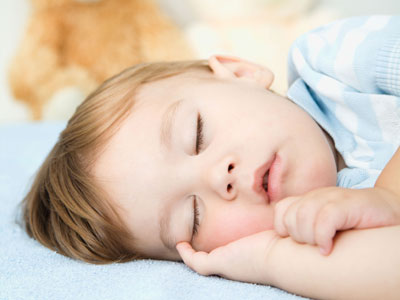
Young children who get too little sleep are more likely than others to be obese by age 7, according to a new study.
Previous research has suggested insufficient sleep before age 4 raised the risk of obesity. But the new study, published online May 19 inPediatrics, observed the link from infancy to mid-childhood.
"Insufficient sleep is an independent and strong risk factor for childhood obesity and the accumulation of total fat and abdominal fat," said study researcher Dr. Elsie Taveras, chief of general pediatrics at Massachusetts General Hospital for Children in Boston.
"The main strength of this study is we looked at sleep at multiple periods," she added.
Excess body fat in childhood sets the stage for serious health problems, such as heart disease and diabetes.
Taveras and her team studied more than 1,000 children. Curtailed sleep was defined as fewer than 12 hours a day from ages 6 months to 2 years, fewer than 10 hours daily for ages 3 and 4, and fewer than nine hours a day for ages 5 to 7.
Kids who were most sleep deprived were about 2.5 times more likely to be obese than those who slept the most, the study found.
They were also 2.5 times more likely to have higher total fat, higher abdominal fat and a higher waist and hip circumference, said Taveras.
Many possible explanations exist for this association, Taveras said.
"If you sleep too little, it disrupts some of the hormones that regulate how hungry we are and how full we are," Taveras said.
In households with no consistent bedtime for children, there is likely to be chaos around regular mealtimes, too, and that can affect weight, she added.
Children who don't sleep enough may watch more television than kids who go to bed earlier, she said. Watching TV has long been linked with eating more, especially in response to food commercials, she said.
Or the children may have other "high-tech distractions," she said.
The new findings don't surprise Dr. William Muinos, director of the weight management program at Miami Children's Hospital in Florida, who was not involved in the study.
His advice for parents? Set a consistent bedtime. "Limit caffeinated beverages late in the day. Cut out all those electronic distractions; get them out of the bedroom," Taveras said.
Insist that children go to bed earlier, Muinos said. "Lack of sleep does change the physiology," he added. "It will put you in what is called stress mode. The body will read it as, 'I need to hold onto calories and accumulate fat.'"
The new research, Muinos said, "is very good because it studied a large group of children for a long period of time."
Ongoing studies are looking at whether improving sleep may directly improve weight control in children, Taveras said. And it's already known that good sleep has other benefits. "There's really good evidence that shows it improves schoolwork," she said.
For the study, mothers reported their children's usual sleep duration in a 24-hour period, beginning at age 6 months. They also reported it every year from age 1 to 7.
The children got a sleep score, ranging from zero (insufficient sleep) to 13 (consistent sufficient sleep). The average sleep score was 10.2. However, about 4 percent of kids were in the insufficient range, zero to 4. About 40 percent had a score of 12 or 13, termed enough sleep.
Those who slept less than average were more likely to be from poorer families with less educated mothers, the study found.
Read more here

Sunday, April 27, 2014

Osteoporosis linked to sleep apnea

A study shows that poor bone health and osteoporosis are linked with sleep apnea.

People with sleep apnea, a common sleep disorder, may be at increased risk for the bone-thinning disease osteoporosis, especially women and older people, a new study suggests.
Sleep apnea causes repeated, brief interruptions in breathing during sleep. Untreated sleep apnea can increase a person’s risk of heart disease, heart attack and stroke.
“Ongoing sleep disruptions caused by obstructive sleep apnea can harm many of the body’s systems, including the skeletal system,” said study co-author Dr. Kai-Jen Tien, of Chi Mei Medical Center in Tainan, Taiwan.
“When sleep apnea periodically deprives the body of oxygen, it can weaken bones and raise the risk of osteoporosis,” Tien said. “The progressive condition can lead to bone fractures, increased medical costs, reduced quality of life and even death.”
For the study, published April 15 in the Journal of Clinical Endocrinology & Metabolism, researchers analyzed the medical records of nearly 1,400 people in Taiwan diagnosed with obstructive sleep apnea between 2000 and 2008. They compared them with more than 20,600 people who did not have the sleep disorder.
Over six years of follow-up, people with sleep apnea were 2.7 times more likely to be diagnosed with osteoporosis. The risk for the bone-thinning disease was highest among women and older people with sleep apnea, according to the study.
“As more and more people are diagnosed with obstructive sleep apnea worldwide, both patients and health care providers need to be aware of the heightened risk of developing other conditions,” Tien said in a journal news release. “We need to pay more attention to the relationship between sleep apnea and bone health so we can identify strategies to prevent osteoporosis.”
However, the study only noted an association between sleep apnea and osteoporosis. It does not prove that one causes the other.
Read more here

Friday, March 28, 2014

Sleep necessary for mental health and well-being

This article discusses how crucial good sleep is for a person's mental health and well-being, and the consequences of not having good quality sleep.
Having a good quality and restorative sleep is essential for one to be able to function well throughout the day. Failure to do so will lead to numerous impacts to health, both long- and short-term.
According to the Sleep Disorder Society Malaysia (SDSM) president Dr Muhammad Muhsin Ahmad Zahari, some of the short-term negative impacts include short attention span, memory recall and learning; while its long-term effects have long been associated with hypertension, ischaemic heart disease, stroke, obesity, diabetes, weakened immune system, and cancer.
Dr Muhammad Muhsin added that sleep disorder can also increase the risk of accidents.
"People who suffer from insomnia are seven times more likely to become involved in an accident which then resulted in death or serious injury," he said at the launch of the `World Sleep Day Celebration and Sleep 2014 Conference' at Cititel Hotel, here, today.
He revealed that sleep disorder actually constitute a global epidemic that threatens health and quality of life for up to 45% of the world's population, thus it is essential for everyone to have a better understanding of sleep conditions.
"Sleep is a basic human need and it is crucial not only to our health and well-being, it also plays an important role in the metabolic regulation in children," said Dr Muhammad adding that SDSM is working closely with the relevant authorities, associations and organisations in improving the quality of service of sleep medicine.
"With regards to the quality service in sleep medicine, facilities such as sleep laboratory are vital. As our population grows, there is definitely a need to increase the number of sleep laboratory in public hospitals to cater to the need of the people." he added.
Read more here

Sunday, March 23, 2014

Study: Losing sleep hurts obese teen's health

A study shows that lack of sleep can hurt the health of obese teens and may increase their risk of heart disease and diabetes.

Obese teens who get too little sleep are at increased risk for heart disease and diabetes, a small study suggests.
Researchers assessed the health, physical activity levels and sleeping habits of 37 obese American youngsters, aged 11 to 17.
Among the study participants, only one-third met the minimum recommendations of being physically active at least one hour per day. Most slept about seven hours a night, typically waking up at least once. Only five got the minimum recommended 8.5 hours of sleep each night.
Too little sleep was associated with an increased risk of heart disease and diabetes, independent of other risk factors, such as lack of physical activity and high levels of body fat, according to the University of Michigan Health System and Baylor University researchers.
The findings, published March 6 in The Journal of Pediatrics, suggest that sleep assessments may be useful in spotting teens at risk for heart disease and diabetes.
Further studies are needed to find out if getting more sleep would help reduce teens' risk for these health problems, lead author Heidi IglayReger, supervisor of the Physical Activity Laboratory at the Michigan Metabolomics and Obesity Center, and colleagues noted in the news release.
Previous research has shown that obesity and lack of sleep are linked with increased risk of heart disease and diabetes in adults and young children, but that association has not been clear in teens, the study authors pointed out.
While the study showed an association between lack of sleep and a raised risk for heart disease and diabetes in teens, it did not prove a cause-and-effect relationship.

Sunday, March 16, 2014

Those with sleep apnea are more likely to develop pneumonia

People who have sleep apnea are more likely to develop pneumonia.

People with sleep apnea may be at greater risk for developing pneumonia, according to a new study. And the more severe the sleep apnea, the greater the risk, the research suggests.
"This study showed that sleep apnea is an independent risk factor for incident pneumonia," wrote Dr. Vincent Yi-Fong Su and Dr. Kun-Ta Chou of the department of chest medicine at Taipei Veterans General Hospital in Taiwan. "Our results also demonstrated an exposure-response relation in that patients with more severe sleep apnea may have a higher risk of pneumonia than patients with sleep apnea of milder severity."
The sleep disorder causes the upper airway to become blocked, cutting off oxygen during sleep. The researchers said this increases the risk for aspiration, or inhaling contents or fluid from the throat into the lungs. This can put people at greater risk for pneumonia.
The 11-year study, published March 3 in CMAJ, involved 34,100 patients. Close to 7,000 of these participants had sleep apnea, and about 27,000 did not.
The researchers found that more than 9 percent of the sleep apnea group developed pneumonia, compared to less than 8 percent of those without the sleep disorder. The risk was higher among patients using continuous positive airway pressure (CPAP) therapy, considered the gold standard for treating sleep apnea.
However, those who developed pneumonia were older and had other health problems, such as heart disease, diabetes and dementia.
While the study showed an association between sleep apnea and pneumonia risk, it did not prove a cause-and-effect link.
Read more here

Saturday, January 04, 2014

The danger of overlooking insomnia

The article details how important it is to get insomnia symptoms checked by a doctor, and discusses what health outcomes could occur from not doing so.

With our busy lives, it can be tempting to shrug off—or ignore altogether—difficulties with sleep. Trouble falling asleep, difficulty staying asleep throughout the night, waking feeling tired and unrefreshed: these are commonly experienced disruptions to sleep for millions of adults. Too often, these sleep problems aren’t taken seriously, or are considered the less-than-ideal price to pay for living full and sometimes hectic lives.
Difficulty falling asleep, waking during the night, waking very early in the morning, and experiencing un-restorative sleep are all symptoms of insomnia, a serious sleep disorder. People may experience these symptoms all at once, or some of them and not others. They may experience them chronically or every so often. They are signs of disrupted, poor quality sleep and they should never be ignored.
New research indicates how high a price we may pay for overlooking signs of insomnia. Scientists at Massachusetts’ Brigham & Women’s Hospital have identified a link between insomnia symptoms and elevated risk of death. Their study, which included more than 23,000 men, found certain symptoms of insomnia associated with higher mortality risk from cardiovascular disease. The men were all participants in the Health Professionals’ Follow-Up Study, a long-term, ongoing research endeavor that investigates issues related to men’s health. In 2004, 23,447 men reported to researchers about their sleep and any insomnia symptoms. Researchers followed up with the men over a period of 6 years, during which time 2,025 of the men died. After adjusting for other mortality-influencing factors including age, lifestyle habits, and other health problems, researchers analyzed data on men’s mortality as related to the presence of the following insomnia symptoms:
  • Trouble falling asleep
  • Difficulty maintaining sleep
  • Waking in the early morning
  • Experiencing non-restorative sleep
They found that several symptoms of insomnia were associated with higher rates of cardiovascular death among the men. In particular:
  • Men who reported having difficulty falling asleep had a 55% increased risk of death from cardiovascular disease as compared to those men who did not experience this sleep difficulty.
  • Men who reported experiencing un-refreshing sleep most of the time were at 32% higher risk for cardiovascular death than men who did not report this symptom.
Poor sleep is well understood to have a serious, negative impact on heart health. Not sleeping well, or enough, raises the risks for a number of cardiovascular problems, including high blood pressure, heart attack, heart failure, and stroke. Protecting the quality of sleep as we age is a critical component of protecting long-term cardiovascular health.
This isn’t the first scientific evidence of a link between poor sleep and increased mortality risk. But the news is particularly worrisome because these symptoms are quite common, particularly as we age. Estimates suggest that 30% or more of American adults experience some insomnia symptoms at least periodically, and for 10-15%, insomnia is chronic. Insomnia grows increasingly common with age: more than half of adults over the age of 65 experience symptoms of insomnia. Women are at higher risk than men for insomnia, due in part to hormonal cycles during childbearing years and to the hormonal changes associated with menopause. This current study included only men, but other research has shown higher risks of mortality associated with poor sleep in both men and women:
  • In a number of studies that included both men and women, sleeping fewer than 6 hours and more than 8 hours per night has been associated with increased mortality risk.
  • Obstructive sleep apnea in men and in women is linked to significantly highercardiovascular and overall mortality risks. Studies have shown that mortality risks from cardiovascular problems are 2 or more times greater for adults with obstructive sleep apnea. The more severe the obstructive sleep apnea, the greater the mortality risks.
  • Research has also linked use of sleeping pills to increased mortality risk. The link between higher rates of mortality and sleeping pill use exists even after factoring out other possible contributors to death risk, including health problems, age, and gender.
Ready for some good news? While sleep problems left untreated may shorten longevity, improving sleep can have powerful positive health benefits. A study conducted recently in the Netherlands found that a regular routine of 7-8 hours of sleep may have as significant an impact on risk for cardiovascular death as not smoking.Regular, sufficient amounts of high-quality sleep have also been linked to reduced riskfor type 2 diabetes, largely because of the positive effect that sleep can have on improving insulin sensitivity.
If you have symptoms of insomnia, don’t ignore them. Share them with your doctor. Make an honest assessment of your sleep habits and make a commitment to taking simple steps to improve your sleep routine and your overall sleep hygiene. Taking steps to improve the quality and quantity of your sleep is one important way to protect your cardiovascular and overall health for the duration of your life. And sleeping well may actually help you extend that duration.
Read more here

Monday, December 23, 2013

Children's blood pressure may raise with a bad night's sleep

Children who had a bad night's sleep, or who lost hours of sleep, see a moderate raise in their blood pressure. This can lead to health complications later in life such as heart disease.

Kids who don't get enough sleep at night may experience a slight spike in their blood pressure the next day even if they are not overweight or obese, a new study suggests.
The research included 143 kids aged 10 to 18 who spent one night in a sleep lab for observation. They also wore a 24-hour blood pressure monitor and kept a seven-day sleep diary.
The participants were all normal weight. None had significant sleep apnea -- a condition characterized by disrupted breathing during sleep. The sleep disorder has been linked to high blood pressure.
According to the findings, just one less hour of sleep per night led to an increase of 2 millimeters of mercury (mm/Hg) in systolic blood pressure. That's the top number in a blood pressure reading. It gauges the pressure of blood moving through arteries.
One less hour of nightly sleep also led to a 1 mm/Hg rise in diastolic blood pressure. That's bottom number, which measures the resting pressure in the arteries between heart beats.
Catching up on sleep over the weekend can help improve blood pressure somewhat, but is not enough to reverse this effect entirely, report researchers led by Chun Ting Au, at the Chinese University of Hong Kong.
So, even though the overall effect of sleep loss on blood pressure was small, it could have implications for risk of heart disease in the future, they suggested.
Exactly how lost sleep leads to increases in blood pressure is not fully understood, but Au and colleagues speculate that it may give rise to increases in stress hormones, which are known to affect blood pressure. The findings are published online Dec. 16 and in the January print issue of Pediatrics.
Participants in the study slept anywhere from seven hours or less to more than 10 hours. The less sleep they got, the higher their blood pressure was the following day.
U.S. experts said the new findings emphasize the importance of good quality sleep for all kids.
"The study separates the effect of sleep apnea from sleep loss, and conclusively shows that sleep loss in the absence of sleep apnea raises both systolic and diastolic blood pressure," said Dr. Sanjeev Kothare, a pediatric sleep expert at NYU Langone Medical Center, in New York City.
"Pediatricians must screen for diabetes, and [high blood pressure] in teenagers with sleep loss besides screening for snoring and sleep apnea in obese teenagers," Kothare said.
According to the National Sleep Foundation, children aged 5 to 12 need 10 to 11 hours of sleep. Teens need about 9.25 hours of sleep each night to function best, but for some, 8.5 hours is enough.
"Being healthy is not only getting regular exercise and eating right, but also trying to get the appropriate amount of sleep," said Dr. Rubin Cooper, chief of pediatric cardiology at Cohen Children's Medical Center, in New Hyde Park, N.Y.
To encourage better sleep, "start a bedtime routine that helps your children wind down before bed and limit texting or social media at night," Cooper said. "Keep a similar schedule on weekdays and weekends." Other sleep hygiene tips include avoiding caffeine before bedtime.
These measures may be even more important among kids who are overweight and obese. "If you have kids who are staying up late and getting up early on top of obesity and sleep apnea, it is the perfect storm," Cooper said. But exactly how big of a difference better sleep would make in this scenario is unknown, he noted.
Although the study found an association between kids getting less sleep and a slight increase in blood pressure, it did not establish a cause-and-effect relationship.

The bottom line is that "sleep isn't optional for adolescents," said Dr. Metee Comkornruecha, an adolescent medicine specialist at Miami Children's Hospital.
Read more here

Tuesday, September 17, 2013

Study claims insufficient sleep is more likely in African Americans

A study shows that African Americans are more likely than whites to get insufficient sleep.

Black Americans are more likely than whites to get too little sleep and this disparity is greatest among people in professional occupations, a new study shows.
Lack of sleep has been linked with increased risk of health problems, such as obesity, high blood pressure, diabetes, heart disease and even death.
For the study, researchers analyzed data collected from nearly 137,000 American adults between 2004 and 2011, and found that 30 percent of them were short sleepers (getting less than seven hours of sleep a night), 31 percent were optimal sleepers (getting about seven hours of sleep a night), and 39 percent were long sleepers (getting more than seven hours of sleep a night).
Further analysis revealed that 37 percent of black participants were short sleepers, compared with 28 percent of white participants. Among people in professional or management positions, blacks were much more likely than whites to be short sleepers (42 percent versus 26 percent), according to the Harvard School of Public Health researchers.
Blacks working in support services or as laborers were also more likely than whites to be short sleepers, 37 percent versus 26 percent and 35 percent versus 32 percent, respectively. The only job sectors in which blacks and whites had similar rates of short sleep were the retail and food industries.
The findings were published online Sept. 9 in the American Journal of Epidemiology.
"With increasing numbers of blacks entering professional and management roles in numerous industries, it is important to investigate and address the social factors contributing to the short sleep disparities in blacks compared with whites in general, and particularly in professional settings," study author Chandra Jackson, a postdoctoral research fellow in the department of nutrition, said in a Harvard news release.
Possible sleep-disrupting factors that affect blacks more than whites include: job stress; workplace discrimination or harassment that can increase job stress; limited control over job demands or prestige; long work hours; stress at home; and limited access to professional and social networks that provide emotional or financial support.
In addition, blacks are more likely than whites to do shift work and are also more likely to live in city neighborhoods with high noise levels at night, the researchers noted.
And, the study authors pointed out, it's also possible that a high work ethic among blacks -- a strong desire to succeed against all odds -- could lead to stress, disrupted sleep and harmful health effects.
Read more here

Monday, July 29, 2013

The Dangers of Sleep Apnea

This article discusses what exactly sleep apnea is and why it is a dangerous condition.

If you suffer from sleep apnea, you may be unaware of the fact. Sleep apnea is a sleep disorder whereby a person suffers from repeated interruptions to their sleep because of breathing difficulties. The patient typically stops breathing for around 10 seconds before the brain is forced to wake up and kick start the breathing process again. Most people with sleep apnea also snore heavily.

Symptoms of Sleep Apnea

Unless your partner has told you that you snore and stop breathing on a regular basis, look out for the following signs of sleep apnea:
  • Sore throat in the morning
  • Feeling very tired when you wake up
  • Waking up repeatedly during the night gasping for air
  • Anxiety and depression
  • Men may suffer from impotence

Snoring is No Joke

Snoring is often considered to be a bit of a joke, but the reality is that excessive snoring and associated sleep apneais no joke whatsoever. It is bad for your health and extremely bad for your close relationships—most people find it very taxing to sleep with a partner who snores heavily and wakes up multiple times per night snorting and gasping for oxygen. Even if you felt romantic when you first went to bed with them, after a few nights of snoring and snorting, the passion will soon be long gone.

Health Problems Caused by Sleep Apnea

Sleep apnea is linked to a number of serious health problems, including:
  • Weight gain –   Gaining weight can lead to snoring, which in turn can exacerbate sleep apnea. Unfortunately, poor sleep affects the endocrine system and the body is more likely to crave sugary and starchy foods, which leads to weight gain. So it all becomes a vicious circle.
  • Heart disease – People with sleep apnea are much more likely to suffer from heart attacks. This could be as a result of low oxygen levels, but research has also found that some sleep apnea patients have irregular heart rhythms.
  • Strokes – Having sleep apnea puts you at greater risk of suffering from a stroke because oxygen deprivation has an effect on blood flow through the arteries and brain.
  • High blood pressure – Frequent patterns of interrupted sleep can play havoc with the endocrine system, which affects blood pressure. Oxygen deprivation can also cause spikes in blood pressure.
  • Type 2 diabetes – There is no definite link betweensleep apnea and type 2 diabetes, but at least 80% of diabetic patients suffer from sleep apnea.

Other Complications of Sleep Apnea

Aside from the serious health problems listed above, sleep apnea can be hazardous to your wellbeing in a number of other ways. As we have already mentioned, sleep apnea can lead to impotence in men, which is unlikely to be great for your long-term relationships. Excessive tiredness can also contribute to problems at work, or in extreme circumstances, directly cause car accidents if you end up falling asleep whilst driving.
If you suspect you may be suffering from sleep apnea, it is a good idea to make an appointment for a full medical check-up. Ignoring the problem is not likely to make it go away, whereas if you seek treatment, you could be on the way towards obtaining a CPAP breathing machine and seeing a significant improvement in your sleep patterns.
Read more here

Tuesday, July 16, 2013

Women's Sleep and Heart Health

This article discusses how the amount and quality of sleep women get is extremely important to their heart health.

Getting enough sleep on a regular basis is one important way to protect the health of your heart. Poor and insufficient sleep is associated with a range of cardiovascular problems, including high blood pressure,heart attack, and heart failure. Both men and women are at increased risk for these conditions. But we continue to learn that when it comes to health problems associated with sleep, the particular risks to men and women are not always the same. A new study suggests that for women who already have heart disease, poor sleep may be particularly dangerous to their heart health.
Statistics from the American Heart Association reveal that heart disease is a bigger problem for women than most of us think:
Heart disease is the No. 1 killer of women, and is more deadly than all forms of cancer combined.
  • Heart disease causes 1 in 3 women’s deaths each year, killing approximately one woman every minute.
  • An estimated 43 million women in the U.S. are affected by heart disease.
  • Since 1984, more women than men have died each year from heart disease.
  • Only 1 in 5 American women believe that heart disease is her greatest health threat.
Research indicates that poor-quality sleep—and waking too early in particular—is associated with increased inflammation among women with heart disease. There was no similar association found for men, suggesting that women with heart disease and sleep problems may be at particular risk for inflammation that can be damaging to the heart.
Researchers at the University of California San Francisco investigated the relationship between sleep quality and inflammation linked to coronary heart disease. They also sought information about how an association between sleep and inflammation might differ between men and women. Their investigation included 980 men and women at the outset, and 626 completed the 5-year study. All of those included were suffering from coronary heart disease. The average age of men in the study was 66. Women were slightly younger, with an average age of 64. Researchers measured sleep quality by asking participants to rate their sleep over the previous month. They also asked for reports of some of the most common sleep problems, including difficulty falling asleep, difficulty staying asleep, waking frequently throughout the night, and waking too early in the morning. Researchers assessed inflammation levels using 3 biomarkers: Interkeukin-6, C-reactive protein, and Fibrinogen.
After 5 years, researchers repeated tests for inflammation and once again sought reports on sleep quality and sleep problems. When they analyzed data for both men and women together, researchers found no links between inflammation and sleep quality. However, when they analyzed data taking gender into account, researchers found a relationship between inflammation and sleep existed for women, but not for men:
  • Women who reported poor sleep quality experienced greater increases in levels of inflammation over the 5-year period than men.
  • Women who reported their sleep quality as “very poor” or “fairly poor.” experienced increases to their inflammation markers that were 2.5 times greater than men who reported the same levels of poor sleep.
  • The association between inflammation and sleep remained intact for women even after taking into account other factors that might influence inflammation, including age, cardiac function, body mass index, medication use, and lifestyle factors.
  • The link between inflammation and sleep for women with coronary heart disease was particularly strong among those women who had a tendency to wake too early in the morning.
  • Women were more likely than men to report waking too early. They were slightly more likely than men to report waking frequently during the night and having difficulty falling asleep.
  • Because the majority of women in the study were post-menopausal,researchers hypothesized that low estrogen levels might explain the link between poor sleep and inflammation. This question was not examined in the study itself.
This is not the first study to suggest that lack of sleep may be particularly dangerous for women’s heart health. Researchers in the United Kingdom also found inflammation linked to lack of sleep in women. This large-scale study included 4,600 adult men and women. As in the current research, changes to women’s inflammation levels were linked to sleep problems, whereas no such association was found in men. In an Italian studythat included both men and women, women with resistant hypertension—a form of high blood pressure that is not responsive to medication—were 5 times as likely to have sleep problems. There was no similar link between resistant hypertension and poor sleep in men.
This latest study provides some important information about one way that sleep may affect heart health. It’s also another reminder that when it comes to health in general and sleep in particular, gender matters.  In recent years there has been an increased focus on learning more about the differences in sleep between men and women, and how these differences may contribute to specific health risks. Evidence suggests that circadian rhythms in men and women are markedly different. Our circadian clocks are remarkably sensitive and precise, and even a small difference in circadian timing can have a significant impact on sleep. We need to continue to pay attention to gender differences in sleep, as a way to better understand, diagnose, and treat both sleep problems and the broad array of health concerns now associated with poor sleep.
Read more here