Showing posts with label migraine treatment. Show all posts

Wednesday, January 27, 2016

Study: Migraines in children are under-treated

A study indicates that migraines in children are under-treated and usually do not received evidence-based treatment.

While evidence-based guidelines are fine-tuning a safe, effective approach to acute migraine care, it appears many younger patients are not receiving the care they need for their migraine attacks.
Nearly half of pediatric patients did not receive any treatment for their migraines, and a vast majority of children did not receive evidence-based prescriptions or recommendations, according to the results of a multi-state retrospective study.
The trend appears especially apparent in urban health care centers and emergency department (ED) facilities, where patients seem less likely to receive proper evidence-based treatments or receive any treatment at all.
“This is not just a pediatric problem, we actually know from a number studies over the last 20 years that headache is an underdiagnosed condition,” Robert A. Nicholson, PhD, LCP, FAHS, from the Mercy Clinic Headache Center & Mercy Health Research in St. Louis, Missouri, told Practical Pain Management.
When a patient presents with migraine, evidence-based guidelines typically recommend some form of abortive treatment, such as triptans or nonsteroidal anti-inflammatory drugs (NSAID). However, many patients do not receive any of these treatments, and this appears to be the case for younger patients as well.
“This study does point out that, for adults and children, migraine and headache tends to be undertreated. The fact that many patients, young and older, are sent home with no specific migraine treatment is discouraging, but not surprising,” said Lawrence Robbins, MD,  a headache specialist practicing in Riverbrooks, Illinois.
Read more here

Friday, July 10, 2015

A new drug may be able to preemptively treat migraine headaches before they happen.

Patients may now have a solution to their migraines even before the attack happens, as experts found a new class of drugs shows great potential for migraine management. These medicines are the first of its kind that specifically target prevention of migraine. Research findings show that these drugs can greatly help alleviate the symptoms of the patients.
The drug belongs to a new class called Calcitonin Gene-Related Peptide (CGRP) monoclonal antibodies. CGRP is a neurotransmitter or chemical that transmits signals within the brain and throughout the body. So far, the compounds are exhibiting favorable effects in the management of chronic migraine and frequent but intermittent migraine.
"We've known for a long time that CGRP was involved in the mechanism of migraines, so during migraine attacks you can measure elevation of CGRP in the blood of the person having the migraine," said Dr. Richard Lipton, director of the Montefiore Headache Center at the Albert Einstein College of Medicine in New York. "If you treat it, CGRP blood levels fall."
Various pharmaceutical companies have been testing the effects of substances that target the CGRP; these companies include Amgen, Alder Pharmaceuticals, Teva Pharmaceuticals and Eli Lilly and Company.
Teva conducted its studies and submitted it to the American Headache Society meeting. In the phase IIb trials, where patients with migraine were tested, patients experienced a notable drop in the hours of headache experienced one week after the trial was started. Half of the said patients reported that the frequency of headache was reduced by 50 percent or more.
Lilly also presented how efficient their product is. They conducted their phase II trials by testing their product against a placebo, which were both administered every month. Amgen also presented their phase II data that reveal how their product was able to reduce the days of migraine attacks by 50 percent in half of their study participants in a span of 12 weeks. Alder Pharmaceutical also demonstrated their phase II trial results, but specific details were not presented at the meeting.
"The potential of these new compounds is enormous and gives us real hope that effective specific treatments for migraine may be on the near horizon," said Peter J. Goadsby, MD, PhD, Chief of the UCSF Headache Center and chair of the American Headache Society's annual Scientific Meeting. "The development of CGRP antibodies offers the simple, yet elegant and long awaited option for migraine patients to finally be treated with migraine preventives; it's a truly landmark development."
In America, more than 36 million people have migraine, which is far more than the incidence of patients with diabetes and asthma combines. Chronic migraine, which is characterized by 15 migraine days monthly, is experienced by approximately four million Americans.
Read more here

Wednesday, July 01, 2015

FDA Approved Nasal Spray to

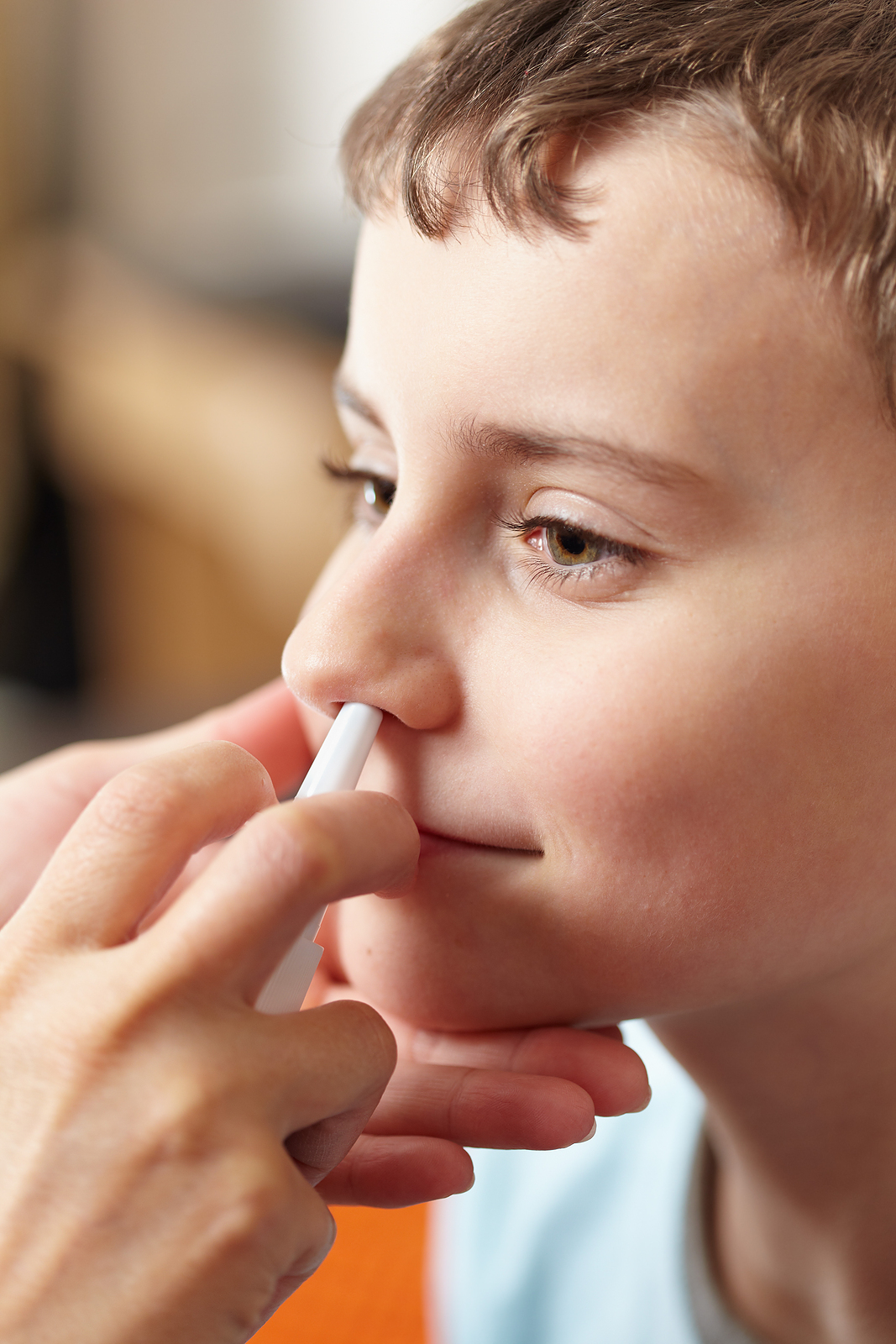
The FDA recently approved a nasal spray to treat migraines in children. Please see the entire press release for more information.

Impax Specialty Pharma, a division of Impax Laboratories, Inc. (NASDAQ: IPXL), announced today that the U.S. Food and Drug Administration (FDA) has approved ZOMIG Nasal Spray for use in pediatric patients 12 years of age and older for the acute treatment of migraine with or without aura.
ZOMIG Nasal Spray is the first nasal-delivered prescription medicine approved for the treatment of acute migraine attacks in pediatric patients. Nasal sprays may offer an alternative method of administration when patients experience migraine-associated nausea, have difficulty taking oral formulations, or do not have liquids available.
ZOMIG Nasal Spray's approval came after the FDA's review of safety and efficacy data from pivotal clinical trials demonstrating that ZOMIG Nasal Spray 5 mg is significantly more effective than placebo in providing no headache pain, relief of headache, and other associated symptoms of migraine when treating migraine in pediatric patients. In clinical trials, the medication also had a safety profile similar to that demonstrated in adults. For full safety and efficacy information, please see the prescribing information.
The American Migraine Prevalence and Prevention (AMPP) Study estimated the 1-year prevalence of migraine among US children ages 12 to 19 at 6.3%, with prevalence among boys at 5.0% and among girls 7.7%.2 "Until now, there have been few medications to treat pediatric patients with painful, debilitating attacks of migraine," said Dr. Alan M. Rapoport, Past President of the International Headache Society and Clinical Professor of Neurology at the David Geffen School of Medicine. "We are pleased that ZOMIG Nasal Spray has been approved by the FDA for use in patients ages 12 to 17."
"Treatment options have been limited for pediatric patients and we are pleased with FDA's decision and look forward to bringing migraine relief to pediatric patients by making ZOMIG Nasal Spray available to this 'school age' patient population," said Fred Wilkinson, President and Chief Executive Officer of Impax Laboratories. "This expanded indication exemplifies our strategy to broaden the reach of our current product portfolio to address unmet needs in underserved therapeutic areas, thereby adding value for patients and shareholders alike."
The recommended starting dose for ZOMIG Nasal Sprays in pediatric patients 12 years of age and older is 2.5 mg. As the individual response to ZOMIG Nasal Spray may vary, the dose should be adjusted on an individual basis. The maximum recommended single dose of ZOMIG is 5 mg. The maximum daily dose should not exceed 10 mg in any 24 hour period.
About ZOMIG Nasal Spray
ZOMIG Nasal Spray was first approved by the U.S. Food and Drug Administration (FDA) in September 2003for the acute treatment of migraine attacks, with or without aura, in adults. In clinical trials, ZOMIG Nasal Spray provided relief in as soon as 15 minutes for some patients and the maximum effect was reached within 2–4 hours for most adult patients. At 2 hours, 69% of patients taking the 5mg dose had headache response (taking the patient from moderate to severe pain to mild or no pain) and 36% were pain free.1
Read more here

Friday, April 17, 2015

How do I get relief from a migraine?

This article talks about the difference between headaches and migraines and how to get relief from them.

Everyone gets a headache now and then, but migraine headaches are characterized by recurring attacks of moderate to severe headache pain. Often called migraines, these headaches are a common neurologic condition that can negatively affect an individual’s quality of life.
If you suffer from migraines, you are not alone. According to the National Headache Foundation and the American Migraine Study, more than 37 million individuals in the United States are affected by migraines, making them the second-most common type of headache. Migraines are most common among individuals ages 25 to 50, and migraines are three times more common in females than in males.
Migraines typically start in childhood and may get better or worse as an affected individual ages. Research from the National Headache Foundation suggests that migraines tend to run in some families and that 70 to 80 percent of migraine sufferers have a family history of migraines.
Signs and Symptoms
Migraines may last four to 72 hours and can disrupt your life. Some individuals who get migraines experience warning symptoms, known as an aura, before the onset of the migraine. An aura involves a group of symptoms including vision changes. The most common symptom associated with migraines is a throbbing pain on one side of the head.
The signs and symptoms vary among individuals and may include:
  • Nausea
  • Vomiting
  • Blurred vision and/or a temporary blind spot
  • A zigzagging or flashing light
  • Sensitivity to light, smell and sound
  • Dizziness
  • Fatigue
  • Difficulty concentrating
Cause and Common Triggers
While the exact cause of migraines is not known, genetics and environmental factors have been identified as possible causes. Several triggers include:
  • Stress
  • Fatigue
  • Anxiety
  • Caffeine withdrawal
  • Changes in weather, altitude and/or air pressure
  • Hormonal changes, like those that occur during a menstrual cycle or pregnancy
  • Environmental factors, such as noise, bright lights or certain odors
  • Consumption of vasoactive substances in certain foods, such as nitrates, tyramine (i.e. in aged cheese) red wine and monosodium glutamate
  • Alcohol consumption
  • Use of certain pharmacologic agents, such as nitrates, oral contraceptives, nifedipine and postmenopausal hormones
  • Changes in sleep or eating patterns
  • Smoking
Diagnosis
There is no single test for diagnosing migraines. If you suspect you are having a migraine, your doctor will review your medical history and symptoms as well as conduct complete physical and neurologic exams. Other medical tests, such as computed tomography or magnetic resonance imaging, may be ordered to rule out other medical conditions.
Treatment
The medications used for managing migraines are typically classified as preventive or pain-relieving medications. Treatment is determined by the frequency and severity of your migraines, the cause of your migraines, your other medical conditions, and your allergy history. Your pharmacist will explain how to take your medication. Some medications are taken daily, while others are taken at the onset of a migraine. In addition, several OTC products are marketed for the treatment of mild to moderate migraines. These products contain analgesics such as acetaminophen, ibuprofen and aspirin, as well as caffeine.
It is important to note that self-treatment of migraines is only recommended after a diagnosis has been confirmed. To prevent drug interactions, contraindications or adverse reactions, it is important to discuss the use of these products with your doctor or pharmacist beforehand.
Some patients with migraines may find relief by using alternative remedies such asbiofeedback, acupuncture, relaxation techniques and nutritional supplements.
Management and Prevention
The best way to prevent migraines is to take your medication at the first sign of a migraine or before being exposed to a known trigger. Keeping a headache diary may help you identify possible triggers. Lifestyle modifications may reduce the frequency and severity of migraines; modifications include avoiding known triggers, exercising regularly, taking medication as directed and not skipping meals.
You can ease the pain and discomfort associated with migraines by:
• Getting sufficient sleep

• Keeping a headache diary to determine your headache triggers

• Resting and relaxing when possible, and reducing stress
Conclusion
Migraine pain can be unbearable, so it is important for you to take your medication as directed and to seek immediate medical care if you do not obtain relief or if your migraine worsens. If you are taking any other medications, have other medical conditions, or are pregnant or breast-feeding, you should never take any medication until you have consulted your primary health care provider.
Read more here

Saturday, February 28, 2015

Migraines in children

This article discusses how migraines manifest themselves in children.

Migraines aren't just a problem for adults -- about 6 percent of children and more than one-quarter of teens aged 15 to 17 have migraines, according to the American Migraine Foundation (AMF).
"There are many things that can be done if your child suffers from migraine, or if you suspect that he or she does," foundation chair Dr. David Dodick, a professor of medicine at the Mayo Clinic College of Medicine in Scottsdale, Ariz., said in an AMF news release.
If you suspect your child has migraines, take him or her to a doctor to be assessed and receive treatment if necessary. Options include treatment to stop the pain and prevent a migraine from getting worse, along with measures to prevent or reduce the frequency, severity and duration of migraines.
If your child is prescribed a migraine medication, it's important for you to make sure he or she takes the medicine as directed. Inform your doctor if there are changes in your child's migraines, such as becoming more frequent or severe. A new treatment approach may be required, according to the headache experts.
A number of factors may contribute to your child's migraines, such as too little or too much sleep or stress. Parents need to help their children follow healthy lifestyles and cope with stress. Recent research in stress management suggests that a type of counseling called cognitive behavioral therapy can benefit children with chronic headache, according to the AMF.
Other potentially helpful stress-control techniques include relaxation therapy and biofeedback.
Keeping a migraine diary can help youngsters understand why they get migraines and how to prevent them. The diary tracks migraines, the severity, how long they last, what patients were doing before and during the migraine, and what foods they ate.
Mobile phone apps may be an ideal way for children and teens to tracks their migraines and to take their medications as prescribed, the experts suggested.
Read more here

Friday, November 21, 2014

Nasal spray to treat migraines

This article explains a nasal spray being developed to treat migraines.

Scientists from Nevada's Roseman University of Health Sciences presented their work on a nasal spray formulation of the antipsychotic prochlorperazine for the treatment of migraines at the American Association of Pharmaceutical Scientists annual meeting in San Diego.

"Prochlorperazine is a dopamine receptor antagonist that is widely used as an anti-nausea medication," said Venkata Yellepeddi, assistant professor of pharmaceutical sciences at Roseman University, in a statement. "Comparative clinical studies have shown that prochlorperazine provides better pain relief than other anti-migraine drugs such as sumatriptan, metoclopramide and ketorolac. Currently, there are no marketed nasal spray formulations of prochlorperazine available for the treatment of migraine. Prochlorperazine is only available in tablet form, which has delayed onset of action."

According to the FDA and the National Institutes of Health's medicine library, the generic drug prochlorperazine maleate is available in tablet form from Sandoz, the generics unit of Novartis, and Teva for the treatment of severe nausea and vomiting, schizophrenia and the short-term treatment of generalized nonpsychotic anxiety.

The Roseman University team hypothesizes that the reformulation will be effective, fast-acting and improve patient adherence, according to the release. It also avoids side effects associated with the use of preservatives.

Using high-performance liquid chromatography and microbiological assays, Yellepeddi showed that the nasal spray remained stable for up to 120 days, according to the release. Next, he will test the safety, efficacy and pharmacokinetics of the spray in rats. His research is being funded by a grant from the International Academy of Compounding Pharmacists Foundation.

While Yellepeddi's research is still in the early stages, in June, Avanir Pharmaceuticals touted positive results from a Phase III trial of its AVP-825 sumatriptan intranasal powder for migraines as compared with an oral formulation of the same treatment.
- read the release

Read more here

Saturday, October 11, 2014

New noninvasive device for migraines - Using Cefaly in The Office to Treat Headaches.

A new noninvasive device has been developed to treat migraine headaches.

I have been very impressed so far. - JR


Two new prescription devices approved by the U.S. Food and Drug Administration (FDA) may provide some relief for people with migraine headaches who don't tolerate migraine medications well, according to a new study.
One device -- the Cefaly -- is designed to prevent migraines, while the other device -- the Cerena -- is meant to be used when migraines first start, according to an FDA news release.
"Patients have been looking for alternative migraine treatments. Because these devices aren't ingested or metabolized like drug therapies, they don't necessarily have the same types of side effects," Michael Hoffmann, a biomedical engineer with the FDA, said in the news release.
Migraines involve severe pulsing or throbbing pain in one part of the head. These intense headaches can also cause people to develop nausea and vomiting as well as sensitivity to light and sound. About one-third of people with migraines experience an aura, or visual effects such as flashing lights, dots or a blind spot, which marks the onset of the headache, said the FDA.
Migraines can last as long as 72 hours if left untreated. These headaches affect 37 million people in the United States. Although anyone -- even children -- can get migraines, women are affected more often than men, the FDA reported.
"There are many drugs to reduce migraine pain and symptoms," said Dr. Eric Bastings, a neurologist with the FDA, in the news release. "Although these drugs are quite effective, they are not for everyone. Some can make you tired, drowsy or dizzy. Some can affect your thinking. And some migraine drugs can cause birth defects; so pregnant women can't use them," he said.
The Cerena Transcranial Magnetic Stimulator can be used as soon as patients feel a migraine coming on. It's held against the back of the head. After pressing a button, a very short magnetic pulse stimulates the area of the brain that processes visual information, the FDA said.
The Cefaly transcutaneous electrical nerve stimulation device is also FDA-approved as a preventative treatment for migraine. Patients can use this device daily before a migraine develops. This portable, battery-powered device involves an electrode patch that is placed on patients' foreheads. The patch is connected to a headband. The device sets off an electrical current to stimulate a large nerve in the head that has been linked to migraines, the agency said.
"It's a set-time therapy -- running for 20 minutes and stopping automatically," Hoffmann noted.
Reported side effects for both devices were minor and resolved quickly, including:
  • Skin irritation
  • Discomfort
  • Sleepiness
  • Dizziness
  • Pain at site of application
The FDA researchers noted the safety and effectiveness of the Cerena and Cefaly have not been evaluated in use by children, pregnant women and those with pacemakers.
Read more here

Monday, August 18, 2014

How to manage your migraine headaches

This article discusses how to manage and cope with migraine headaches.

Migraines can be debilitating, and can affect people in different ways. There may be blurred vision, a pulsating headache, nausea, vomiting, etc. They can negatively affect your work, social life and general well-being. Therefore, learning ways of coping with migraines is very important.
Migraines occur when certain arteries in your head constrict and dilate. This may stimulate a pain response in some nerves.
Although the exact mechanisms that cause migraines are not clearly understood, there are a number of factors that have been associated with increased incidence and severity of these headaches. These may include hormones, mental state, diet and environment.
The hormonal fluctuations in a woman's menstrual cycle often trigger migraines. If women suffer from migraines during other times, they are often not as severe. Furthermore, hormonally induced mood changes are also associated with migraines.
Your mental state is an important consideration in these headaches. Stress (including Post Traumatic Stress Disorder) and depression have both been associated with increased incidence, as has chemical exposures and even obesity.
Diet is obviously an important consideration. The foods we eat can not only affect our weight, but also have the potential to trigger migraines in other ways. Food sensitivities should definitely be considered in treating migraines, as their elimination may decrease the amount of migraines experienced.
Because so many imbalances are associated with migraine headaches, working toward correcting the imbalances that contribute to migraine triggers are an important aspect of treatment.
Therapies such as herbal and homeopathic remedies in combination with lifestyle choices and diet may be used to gently detoxify your body. This may be used to help eliminate harmful chemicals and toxins, thus supporting the normal function of your body. By doing this, the factors affecting hormonal imbalances and chemical triggers may be reduced.
Another treatment that may be considered is acupuncture. Acupuncture may be used to balance your body's energetic system and is an amazing tool for pain relief.
By working toward bringing balance to your body and mind, a number of factors such as your hormones and mental and emotional well-being may be improved. By improving these factors, it may be possible to reduce the incidence and severity of the migraines you experience.
Read more here

Tuesday, August 12, 2014

Common treatments for migraines

This article provides information on migraine headaches and discusses treatments for migraine headaches.

Suffering from migraines can have a seriously negative impact on both your work and social life, but what exactly causes those splitting headaches?

Men, women and children can suffer from migraines. Some people may have a migraine as often as a few times a week, whereas others might only experience them occasionally.
According to the NHS, there are several types of migraine. These include:
  • Migraine with aura – where there are warning signs before the migraine begins, such as seeing flashing lights.
  • Migraine without aura – where the migraine occurs without warning signs.
  • Migraine aura without headache, also known as silent migraine – where an aura or other migraine symptoms are experienced, but a headache does not develop.
Although the exact cause of migraine is unknown, triggers are thought to include hormonal, emotional, physical, dietary, environmental and medical changes to your usual routine.
If you suffer from regular migraines it is important to visit your GP, as some experts have found migraines to indicate other underlying health issues such as abnormal blood vessel structure in the brain.
Migraine remains undiagnosed and under-treated in at least 50% of patients, and less than 50% of migraine patients consult a physician – but your GP could really help you to reduce your suffering.
GPs can help you to identify the triggers of your migraine and also prescribe medication to help you manage your condition like painkillers, triptans (medications that can help reverse the changes in the brain that may cause migraines), or anti-emetics (medications often used to reduce nausea and vomiting).
Read more here

Tuesday, June 10, 2014

Facts about migraines

This article details facts about migraines, and discusses some tips for treatment.

While many people turn to prescription drugs to try to control migraines once they start, there aren’t any that are terribly effective and none that will stop the migraines before they happen. There is, however, another option and it doesn’t involve taking medication.
The Problem
Almost 5 million people in the U.S. experience at least one migraine attack a month. More than 11 million people blame migraines for causing moderate to severe disability and 91 percent of them can’t function normally during migraine attack, according to the American Migraine Study, which also reveals that the average migraine sufferer misses two days of work per year.
It’s an expense both in terms of career—lost work—and medical costs. Migraine sufferers use 2.5 times the amount of prescription drugs and have six times as many diagnostic tests and services as nonsufferers. The average monthly health cost of a migraine sufferer is 60 percent higher than that of people who don’t suffer from migraines, according to the National Institutes of Health.
According to The Migraine Trust, migraine often occurs for the first time in teens and young adults but is most common in the 30-something age group.
Who Can Help
Specially trained neuromuscular dentists can perform a dental procedure that can help. They use special equipment to find the optimal resting position of the jaw and create an orthotic—which looks like an athlete’s mouth guard. When inserted into the mouth, it can change your bite. Many treated this way find their chronic migraines are prevented.
Why It Works
That’s because chronic moderate to severe headaches, including migraine, are a common indicator of malocclusion, or a bad bite, commonly called TMD or jaw joint disorder.
“That’s particularly true of headaches that are focused behind the eyes, near the temples, around the jaw and ears, or at the back of the head in the area of the neck and shoulders,” explains Mark Duncan, clinical director at LVI Global, where many of the dentists train.
Read more here

Sunday, March 23, 2014

New device approved by FDA for migraines

The FDA approved a headband-like device that helps prevent migraine headaches.

ON Tuesday, the Food and Drug Administration announced its approval of a device for preventing migraines.
Called Cefaly, it's the first transcutaneous electrical nerve stimulation (TENS) device designed for use prior to the crushing pain of such headaches.
Migraines are defined as throbbing or pulsing pain in one area of the head, and symptoms can include sensitivity to light and sound, and nausea. A migraine lasts four to 72 hours if untreated.
"Cefaly provides an alternative to medication for migraine prevention," Christy Foreman, director of the Office of Device Evaluation at the FDA's Center for Devices and Radiological Health, said in a statement.
"This may help patients who cannot tolerate current migraine medications or treating attacks."
The small, battery-operated, portable device resembles a plastic headband. It's placed on top of the ears and worn across the forehead, delivering electrical impulses to stimulate the trigeminal nerve.
This nerve is believed to contribute to migraine pain. According to the FDA, the device should be worn once daily for about 20 minutes and is intended for those 18 and older.
The FDA approved the device following a small clinical study in Belgium involving 67 people. Participants experienced at least two migraines per month and hadn't taken drugs to prevent the headaches for three months prior to the study.
While Cefaly didn't prevent migraines completely, it did help participants experience fewer "migraine days" per month. Most common issues were tingling sensations and sleepiness during device use, and subsequent headaches. The FDA reported no serious side effects.
A patient satisfaction survey asking 2,313 Cefaly users in France and Belgium to rate the device found about 53% satisfied with Cefaly treatment and willing to purchase the device.
Read more here

Wednesday, January 29, 2014

New surgery option for people with migraines

This is an interesting area of literature that is developing with a small number of articles comparing efficacy and surgical techniques.
For instance, see this article  JR


UT Southwestern is offering a new surgery to help people who suffer from migraine headaches.

A new surgery for migraine headache relief is being pioneered at UT Southwestern Medical Center in Dallas, and the results thus far have been incredibly promising.
The news comes by way of a release from UT Southwestern, which tells the story of 18 year-old Meredith Messerli, whose prospects of being able to attend college were hampered by persistent, debilitating migraine headaches, which were so life-altering that the teen missed two years of high school as a result of her hypersensitivity to light and a headache that literally never went away. “Once I got a headache, it never went away,” Meredith explained in a recent interview. “Having a headache for that long changes your personality. You don’t want to talk to anyone. You don’t want to do anything.”
For years, Meredith and her family searched for medical answers to her severe migraines, which in themselves still remain a partial mystery to researchers. She and her family had consultations who tested her for a wide range of different causes and prescribed almost fifty different types of medicines. She was even admitted to the hospital several times for for weeks in order to receive D.H.E. 45 treatments, which is considered to be a last-resort medication prescribed for migraines. However, this past summer, Meredith underwent a novel procedure for migraines at UT Southwestern, which has since then relieved her never-ending headaches.
The procedure, known as nerve decompression surgery, has recently gained in popularity as an alternative therapy for chronic headache sufferers that has shown to offer migraine headache relief to those who have not been able to find relief elsewhere. The first stage of the procedure is a process for identifying the compressed nerves that are causing the migraine, usually through the use of Botox and nerve blocks. Once the problem areas have been identified, surgeons sever the tiny muscles and tissues that cause the compression of these nerves, thus relieving the pain once and for all.
Migraine surgery involves first identifying the compressed nerves through a clinical history and exam or use of Botox and nerve blocks. Then, the pressure causing the migraines is relieved by severing tiny muscles and other tissues pressing on and irritating these headache-trigger nerves.
Dr. Bardia Amirlak, an Assistant Professor of Plastic Surgery at UT Southwestern who performed the surgery on Meredith, has quickly established himself as a leading pioneer of the surgery, having successfully performed more than 100 such procedures over the past two years. Dr. Amirlak has refined the surgery with his own method of using an endoscope to target smaller blood vessels, and as a result, has also improved on the procedure’s outcome. “This surgery is an option for patients with chronic headaches, nerve-compression headaches, occipital neuralgia, new daily persistent headaches, episodic migraines, and chronic migraines,” said Dr. Amirlak. “However, before considering surgery, all patients should first be evaluated by a neurologist and try medical management.”
From Dr. Amirlak’s own accounts, the surgery is quickly becoming a popular approach to migraine headache relief, thanks to its relatively high success rate: Amirlak reports that 60 percent of his patients get complete relief after the surgery, and for the remaining 40 percent, nearly 90 percent of those experience at least a 50 percent reduction in pain.
As a result, he is currently performing two to three migraine surgeries a week. “Patients are coming from all over the country as well as from other countries,” he said.
Of course, the surgery is not an option for everyone looking for relief from migraines, as the procedure is an invasive one. “Not all migraine sufferers are candidates. We must be careful selecting candidates for this type of surgery,” Dr. Amirlak. However, the doctor does believe that is a particularly well-suited surgery for young patients like Meredith who are otherwise healthy, but whose migraines are having major life-altering consequences. “I would rather operate on a young patient to prevent lifelong pain and suffering than to wait many years after their school, work, and social life has suffered. Here at UT Southwestern we are trying to establish standard protocols for migraine surgery in children,” he added.
Both Meredith and her family attest to Dr. Amirlak’s commitment to helping her get out of pain, and his expertise in the field of treating migraines. “He spent an hour talking to us. He seemed really passionate about helping people, and we felt we had a bond with him,” Meredith said, adding, “I wouldn’t be in college right now if not for Dr. Amirlak. I can do everything I used to do before. I’m excited to be myself again.”
Read more here

Tuesday, December 31, 2013

Study: Cognitive behavioral therapy can help kids with migraines

A study shows that symptoms of chronic migraines in children are reduced with cognitive behavioral therapy (CBT).

Among children and adolescents with chronic migraine, the use of cognitive behavioral therapy (CBT) resulted in greater reductions in headache frequency and migraine-related disability compared with headache education, according to a study appearing in the December 25 issue of JAMA.

"In adults, more than 2 percent of the population has  and in children and adolescents the prevalence is up to 1.75 percent. In pediatric patients who seek care in  specialty clinics, up to 69 percent have chronic migraine; however, there are no interventions approved by the U.S. Food and Drug Administration for the treatment of chronic migraine in young persons. As a result, current clinical practice is not evidence-based and quite variable," according to background information in the article.
Scott W. Powers, Ph.D., of Cincinnati Children's Hospital Medical Center, and colleagues randomized 135 participants (79 percent female) 10 to 17 years of age diagnosed with chronic migraine (≥ 15 days with headache/month) and a Pediatric Migraine Disability Assessment Score (PedMIDAS) greater than 20 points (disability score range: 0-10 for little to none, 11-30 for mild, 31-50 for moderate, >50 for severe) to CBT (n = 64) or headache education (n = 71). The study was conducted in the Headache Center at Cincinnati Children's Hospital between October 2006 and September 2012; 129 participants completed 20-week follow-up and 124 completed 12-month follow-up. The interventions consisted of 10 CBT or 10 headache education sessions involving equivalent time and therapist attention; CBT included training in pain coping, modified to include a biofeedback component. Each group received amitriptyline; follow-up visits were conducted at 3, 6, 9, and 12 months.
On average, at the beginning of the trial, participants reported 21 of 28 days with a headache and a PedMIDAS of 68 points, indicating a severe grade of disability. From pretreatment to posttreatment, CBT resulted in a decrease of 11.5 headache days vs. 6.8 days with headache education. At 12-month follow-up, 86 percent of CBT participants had a 50 percent or greater reduction in days with headache vs. 69 percent of the headache education group; 88 percent of CBT participants had a PedMIDAS of less than 20 points (mild to no disability) vs. 76 percent of the headache education group.
"Now that there is strong evidence for CBT in headache management, it should be routinely offered [to younger people] as a first-line treatment for chronic migraine along with medications and not only as an add-on if medications are not found to be sufficiently effective. Also, CBT should be made more accessible to patients by inclusion as a covered service by health insurance as well as testing of alternate formats of delivery, such as using online or mobile formats, which can be offered as an option if in-person visits are a barrier," the authors write.
System barriers may affect the likelihood of CBT being implemented as a first-line treatment for pediatric chronic migraine, writes Mark Connelly, Ph.D., of Children's Mercy Hospitals and Clinics, Kansas City, in an accompanying editorial.
"Creative means of delivering CBT for pediatric chronic migraine (e.g., via telehealth or Internet-based programs, using behavioral health consultants in primary care offices) will be necessary for reducing current access and referral barriers that could be encountered by many families and physicians. Widening the availability of interdisciplinary models of training and treatment delivery also will be important for helping ensure that children with chronic migraine routinely receive combination therapies rather than being referred for psychological therapy only after other approaches fail."
"Ideally with the efforts of the health care community and other relevant stakeholders, the suggestion by Powers et al to consider CBT along with medication as a first-line treatment for chronic migraine in children will be implemented into practice well before the typical translation gap. Additional studies are warranted, however, to identify methods of preventing chronic migraine development and to determine the medications and combination therapies that further maximize improvements in health and quality of life outcomes for children and adolescents with chronic ."
Read more here

Monday, December 23, 2013

Device to relieve migraine pain approved by the FDA

The FDA has approved a device that can relieve the pain of migraines when preceded by an aura.

The Food and Drug Administration has approved the marketing of the first transcranial magnetic stimulation (TMS) device for the relief of pain caused by migraine headaches preceded by an aura. Studies show the device is effective about a third of the time.

The Cerena TMS is a handheld prescription device meant to be used after the onset of migraine pain. The device is placed at the back of the head to release a pulse of magnetic energy to the occipital cortex in the brain, which may stop or lessen the pain associated with migraine headaches.
“Millions of people suffer from migraines and this new device represents a new treatment option for some patients,” said Christy Foreman, director of the Office of Device Evaluation in the FDA’s Center for Devices and Radiological Health.
About 31 million adult Americans suffer from migraine. It affects three times as many women as men. In addition to headache pain and nausea, migraine can also cause vomiting, blurriness or visual disturbances, and sensitivity to sound and light (aura).
TMS had previously been approved by the FDA to treat depression, but it is also being used off-label to treat addiction, fibromyalgia and migraines.
TMS generates highly concentrated magnetic fields to target a part of the brain involved with mood regulation. The magnetic fields produce small electric currents that activate cells within the brain, which are thought to release neurotransmitters (serotonin, norepinephrine and dopamine), chemical messengers that improve mood and make depressed people feel better.
The FDA reviewed the Cerena TMS device in a small clinical trial of 201 patients who had mostly moderate to strong migraine headaches, and who had auras preceding their migraines at least 30% of the time.
The study showed that nearly 38% of the patients who used the Cerena TMS were pain-free two hours after using the device, compared to about 17% of patients in a control group. After 24 hours, nearly 34% of the Cerena TMS users were pain-free, compared to 10 percent in the control group.
The study did not show that the Cerena TMS is effective in relieving other migraine symptoms, such as sensitivity to light, sensitivity to sound, and nausea.  Nor did the study evaluate the device’s performance when treating other types of headaches besides migraines.
The FDA reviewed the Cerena TMS through a regulatory pathway for low- to moderate-risk medical devices that are not similar to an approved device already on the market. The device is only approved for people 18 years of age and older.
The FDA said dizziness may be a side effect of using the device.
The Cerena device is manufactured by eNeura Therapeutics of Sunnyvale, California. The device has already been approved for use in Great Britain where it is sold as the Spring TMS Total Migraine System.
A similar device worn on the head uses neurostimulation to deliver small electrical signals to a nerve center in the brain to prevent or treat migraines and headaches. Wearing the stimulator for just 20 minutes a day reduces the number of migraines just as effectively as migraine drugs or other types of migraine therapy, according to a small study published in Neurology, the medical journal of the American Academy of Neurology.
Read more here