Showing posts with label epilepsy in child. Show all posts

Friday, November 21, 2014

Medication to help children with life threatening seizures

Research has shown that an investigational medication can help treat children with potentially life threatening seizures.

In its first clinical application in pediatric patients, an investigational medication developed and manufactured at UC Davis has been found to effectively treat children with life-threatening and difficult-to-control epileptic seizures without side effects, according to a research report by scientists at UC Davis and Northwestern University.
The investigational formulation of allopregnanolone was manufactured by UC Davis Health System's Good Manufacturing Practice Laboratory. Two children were treated with the allopregnanolone formulation, one at UC Davis Children's Hospital, the other at the Ann & Robert Lurie Children's Hospital in Chicago. Both children were weaned from general anesthetics and other seizure treatments and their seizures resolved. In both instances the children are recovering.
The research is published online in Annals of Neurology, an official journal of the American Neurological Association and the Child Neurology Society.
Super-refractory status epilepticus is a condition diagnosed in patients with refractory status epilepticus being treated with infusions of general anesthetics when seizures continue for longer than 24 hours, despite anesthesia, or when seizures recur on reduction or withdrawal of the anesthesia. Super-refractory status epilepticus has high morbidity and mortality. There are no Food and Drug Administration (FDA)-approved treatments for the condition.
Allopregnanolone is a positive allosteric modulator of GABAA receptors in the brain. Research in animals has shown that allopregnanolone protects against seizures and can stop status epilepticus. Although the allopregnanolone used to manufacture the investigational treatment was produced by chemical synthesis according to procedures regulated by the FDA, it is synthesized normally in small quantities in the body from progesterone.
"Our laboratory studies have shown that allopregnanolone is effective in stopping status epilepticus that is refractory to treatment," said Michael Rogawski, professor in the UC Davis Department of Neurology and a co-author of the report.
In both of the clinical cases, the patients continued to have seizures despite weeks of intensive treatment with medications, including infusion of anesthetics. Emergency treatment with the investigational medication was approved by the FDA; the two patients received the medication over a five-day period, during which time both were weaned from anesthetics and other seizure medications. Status epilepticus did not recur after treatment. There were no adverse drug effects, the researchers said.
Mortality rates in super-refractory status epilepticus can be as high as 50 percent, and those who survive experience high rates of subsequent neurological impairment. The authors note that progesterone and ganaxolone, a chemical analog of allopregnanolone, have been studied in clinical trials for epilepsy and have shown benefit. Researchers at UC Davis, led by Rogawski, currently are investigating the use of allopregnanolone as a treatment for traumatic brain injury.
"Neurosteroids, including allopregnanolone, are a promising treatment for epilepsy and refractory status epilepticus that may overcome resistance to benzodiazepines and barbiturates and facilitate the withdrawal of these agents by preventing rebound seizures, a key problem in treatment of super-refractory status epilepticus," Rogawski said.
Read more here

Friday, June 06, 2014

How a child's fever can turn into a seizure

This article discusses how a child's fever can turn into a seizure, and explains the different types of seizures.

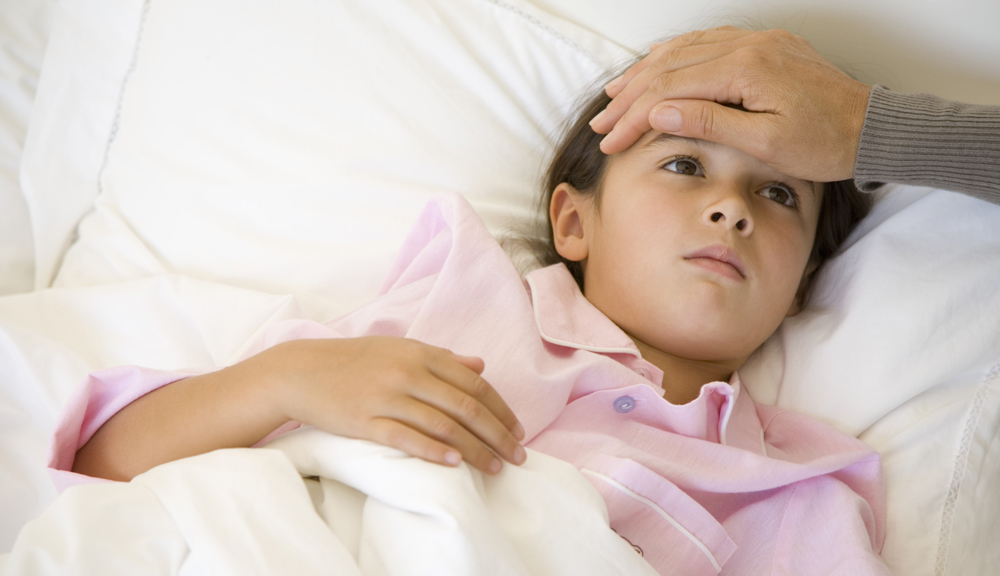
When a child has a fever, their body can ache. They are restless and they just don’t feel well. While a fever is a part of our natural response to infection, the fever itself can lead to complications. One rare complication is a febrile seizure. A febrile seizure is when your child (ages six months to six years of age) experiences convulsions that occur in the setting of a fever.
Parents can’t imagine too many things more distressing than seeing their already-ill child suffer through a seizure, but febrile seizures are usually not life threatening.
During a febrile seizure, a child:
  • Will lose consciousness
  • Experience body stiffness
  • Have full-body shaking
A seizure lasts only a minute or two, but can go on longer. Febrile seizures rarely require medication. The majority of the cases physicians see do not require hospital admission.
Facts about febrile seizures
  • Majority of seizures occur between 12 and 18 months of age.
  • The most common type of childhood seizure, affecting 2 to 5 percent of children.
  • The exact cause in which a fever can provoke a seizure in this age group is not fully understood, genetic predisposition is a factor.
  • Children who suffer a febrile seizure do not have epilepsy. That diagnosis requires the presence of two or more seizures that were not caused by a fever.
  • Seizures due to an infection of the brain and its protective lining (meninges) or seizures associated with metabolic problems are not febrile seizures.
Two categories of febrile seizures
Febrile seizures are divided into two categories: simple and complex febrile seizures.
1. Simple
These types of seizures are more common. They involve full-body shaking and last less than 15 minutes. Studies show that simple febrile seizures do not affect future school performance or intelligence.
2. Complex
A febrile seizure is considered complex if it affects only a part of the body, lasts longer than 15 minutes or recurs within 24 hours. Complex febrile seizures have a slightly higher rate of future complications.
Is there a connection between epilepsy and febrile seizures?
The chances of epilepsy developing in a healthy developmentally typical child who has had a simple febrile seizure are estimated to be 2 to 4 percent, while the rate in the general population is about 1 to 2 percent. Although febrile seizures are scary, they are usually not associated with significant health problems. Short febrile seizures do not cause brain damage.
Four Steps: What you can do if your child has a seizure
If your child has a seizure, febrile or otherwise, it is important to stay calm. While you’re remaining calm, follow these four steps:
  1. Your child should be placed on his or her side to prevent choking. There is no need to restrain or try to stop the shaking; the seizure will run its course regardless.
  2. Never put anything in your child’s mouth. This can lead to chipped teeth, damaged gums or even a blocked airway.
  3. Time the seizure. If your child’s seizure lasts more than five minutes, call 911. Medication may be needed to end the seizure.
  4. Have your child evaluated that day. While brief seizures don’t require emergency services, the evaluation is mainly to check for the cause of your child’s fever.
Follow up care after a seizure
Treatment of febrile seizures is usually limited to fever-lowering agents such as acetaminophen or ibuprofen. These will not decrease the chance of having another febrile seizure, but will make your child more comfortable. Daily anti-seizure drugs are not recommended. Even though your child will be evaluated on the day of their seizure (step 4 above), certain situations require further diagnostic testing. If your child experiences a simple febrile seizure, he or she may not need to be hospitalized once their fever evaluation is complete. Blood and urine tests are only performed if needed to evaluate the fever.
If your child has a prolonged febrile seizure, they’ll be given a medication to use only if they have another long seizure. The chance of recurrence is generally 30 to 35 percent. Factors such as young age (less than 12 months) or a family history of seizures can increase the recurrence rate.
Seizures are scary, but knowing what to do if one occurs is important. If your child has a febrile seizure, make sure he or she sees your pediatrician or an emergency department physician as soon as possible. While simple febrile seizures are not harmful, we need to make sure they are not a symptom of a more serious illness. Talk with your pediatrician to determine if a consultation with apediatric neurology specialist is appropriate for your child.
Read more here

Friday, April 25, 2014

Children with epilepsy at higher risk of injury

A study looks at epileptic children and found that they are at a significantly higher risk of injury than children without epilepsy.

Children and young adults with epilepsy are more likely to suffer broken bones, burns and poisonings compared to those without the neurological disorder, new research has found.
The study, led by academics at The University of Nottingham and funded by the National Institute for Health Research, shows that young people with the condition are at significantly greater risk of being poisoned by medication, leading the authors to call for further research into whether these poisonings are intentional.
The results, taken in tandem with previous research findings, highlight the need for further research into whether young people with the condition are at greater risk from an overdose, accidental or intentional, of their epilepsy drugs or other medication. And the researchers say that doctors and other healthcare professionals should use the results of the study to help warn epilepsy patients of the increased risk associated with their illness.
The study, published in the latest edition of the journal Pediatrics, found that young people with epilepsy were more than twice as likely to be poisoned by medication. This jumped to four times the risk in patients aged between 19 and 24 years old.
The patients, all aged between 12 months and 24 years old at the time of their diagnosis, were also almost one and a half times more likely to suffer a burn-related injury and almost 25 per cnet more at risk of breaking an arm or leg.
Dr Vibhore Prasad, of the University’s Division of Primary Care, said: “More research is needed to understand why people with epilepsy have a greater number of medicine-related poisonings and whether the poisonings are intentional or accidental. This is the first study in the UK population to estimate the risk of fractures, burns and poisonings. The risk of a poisoning in the next five years for 1,000 people with epilepsy is about 20 extra poisonings compared to people who do not have epilepsy.”
Epilepsy is a chronic condition caused by a sudden burst of electrical activity in the brain, causing a temporary interruption in the way the brain normally works and resulting in a seizure. In the UK alone there are more than 600,000 people with epilepsy.
Previous studies into the condition have suggested that these seizures — and the side effects caused by some anti-epilepsy drugs — put patients at a greater risk of accidental injuries.
However, most research may have overestimated this risk because they focused primarily on people with more severe epilepsy, such as institutionalised adults or those being treated in epilepsy clinics.
This latest study is the first to investigate the potential risk of injury exclusively in children and young people with and without epilepsy.
The research, which was carried out in association with academics at the London School of Hygiene and Tropical Medicine, used GP records from almost 12,000 patients with epilepsy to study the incidence of injury over an average of two and a half years and compared it with the records of around 47,000 non-epileptic people.
The authors say that doctors and other healthcare professionals can use the findings of the research to make children and young adults diagnosed with epilepsy, and their parents, more aware of the risk of injury and to inform existing guidelines on treatment. In particular, they cite the need for more information relating to the safe storage of medicines and the supervision of children while taking their medication to be given by doctors at the time of prescribing and by pharmacists when dispensing prescriptions.
Read more here

Sunday, February 23, 2014

Seizures caused by fevers alleviated by epilepsy drug

A study shows that seizures caused by fevers in children can be alleviated by antiepileptic drugs.

Early treatment with antiepileptic drugs reduces the length of fever-related seizures in children, according to a new study.
Published Feb. 6 in the journal Epilepsia, the study also found that a standard emergency medical services treatment guideline for prolonged fever-related seizures is needed in the United States.
Most fever-related seizures, also called febrile seizures, are brief, but up to 10 percent can last more than 30 minutes. These prolonged seizures can put children at risk for short- and long-term complications, including developing epilepsy, according to a journal news release.
The new study included nearly 200 children, aged 1 month to 6 years, who had one seizure or a group of seizures that lasted more than 30 minutes. The researchers examined the connection between time to treatment and length of the seizure.
About 90 percent of the children were given at least one antiepileptic drug, and the first dose was given by EMS crews or emergency-room staff an average of 30 minutes after the seizure began, the study found.
The average length of seizure was 81 minutes among children who received an antiepileptic drug before they arrived at the emergency room and 95 minutes for those who did not. On average, seizures ended about 38 minutes after a child received the first dose of an antiepileptic drug.
"The time from the start of the seizure to treatment is crucial to improving patient outcomes," study lead author Dr. Syndi Seinfeld, an assistant professor in the division of child neurology at Children's Hospital of Richmond, at Virginia Commonwealth University, said in the news release.
"Our study is the first to examine the treatment of [febrile seizures] by EMS, which currently does not have a standard therapy protocol for prolonged seizures," Seinfeld said.
"Our findings clearly show that early [antiepileptic drug] initiation results in shorter seizure duration," she said. "A standard [prolonged seizure] treatment protocol prior to arrival at the hospital, along with training for EMS staff, is needed across the United States to help improve outcomes for children with prolonged seizures."
Read more here

Wednesday, January 22, 2014

Normal life for a person with epilepsy

This article provides much information on epilepsy and describes what an average day is like for a person who has epilepsy.

The roots of epilepsy have been traced as far as 3000 years ago. Because of its disturbing and dramatic features, back then epilepsy was feared and was thought to be a result of some sort of supernatural force or evil influence.
Today we are in the 21st century, yet people with epilepsy are not free from the social stigma, discrimination and isolation. In many rural parts of the country, it is still believed that people with epilepsy are mentally challenged and cannot be treated or lead a normal life. Women with epilepsy face problems in getting married because of the belief that they cannot have children or if they do their children will also be affected. (Read: World Epilepsy Day 2012: Top myths about epilepsy busted)
This clearly shows a lack of understanding of the disorder. Epilepsy doesn’t mean being mentally challenged or having an abnormal life. A person with epilepsy can lead a normal life, get married and have children as well. All you need is a better understanding of the disorder and ways to treat and prevent it.
What is epilepsy?
Epilepsy is a chronic brain condition having unique characteristics. One of the characteristics of people with epilepsy is the recurrence of seizures. That is why epilepsy is commonly known as seizure disorder.
The brain functions with the help of millions of neurons that transmits and receives signals. Epilepsy is caused when the normal pattern of transmission of signals to and from the brain is disturbed. This results in seizures that affect consciousness, body movements and sensations in the affected person for a short period of time until the electric impulses settle. Physical changes that occur during an epileptic seizure may arise either from disturbance in one part of the brain (partial seizure) or in nerve cells from different parts of the brain (generalized seizures). (Read: Epilepsy patients’ brain activity to be monitored)
What is the difference between seizures and epilepsy?
Seizure is just a sign of epilepsy. All patients with epilepsy have seizures but all people having seizures may not have epilepsy. An episode of a single seizure doesn’t indicate that the person is suffering from epilepsy. Seizures can also be triggered by synchronised activity of neurons in the brain occurring in different conditions like high fever, lack of oxygen supply to the brain and hypoglycaemia. Epilepsy is a condition that makes a person susceptible to seizures.
What happens during an epileptic seizure?
Several physical changes take place during an epileptic seizure. Although nothing can describe what the person going through an epileptic attack feels, but the following signs may be seen during an epileptic seizure:
  • Sudden jerking movements or twitches in the arm, legs and facial muscles (clonic movements) 
  • Rapid movement of the eye balls and head
  • Altered consciousness or complete loss of consciousness
  • Abdominal discomfort
  • Tendency of tongue biting and incontinence.
  • Later the patient may feel confused, drowsy and weak
What causes epilepsy?
The exact cause of epilepsy is not found in most cases. Since epilepsy involves the brain function at the neuronal level, several events or conditions that affect the brain may cause epilepsy.
  • Trauma to the brain or head injury
  • Lack of oxygen supply to the brain during birth
  • Brain tumors
  • Infections such as meningitis and encephalitis which affect the brain.
  • Stroke caused by damage to a blood vessel in the brain
  • Neurological diseases such as Alzheimer disease
  • Genetic conditions
  • Lead poisoning or carbon monoxide poisoning can cause epilepsy
  • Drug addiction and overuse of certain antidepressants
Does epilepsy affect a particular age group? Who is at risk?
Dr Arjun Srivatsa, renowned neurosurgeon and founding trustee of Spine Trust India says, ‘Epilepsy is statistically more prevalent in older population. In children, nearly 30 percent of cases are reported in the first 5 years of age. ‘ ‘There is no particular group of people who have greater chances of getting epilepsy,’ he adds further. 
How is epilepsy diagnosed?
According to the Indian Guidelines of Epilepsy, diagnosis of epilepsy requires a detailed medical history of the patient. Dr Srivatsa mentions that epilepsy is usually well described by an eye witness. Therefore, family members and friends of the patient may be required to describe the event and the physical changes observed. The guidelines suggest video recording of the epileptic event can be useful for correct diagnosis.
The doctor will then examine pulse rate and blood pressure of the patient. Presence of subcutaneous nodules and other neurological signs are also examined.
Confirmation of epilepsy is done through various brain imaging procedures. An electroencephalogram (EEG) is a common diagnostic tool used to detect signals from the neurons in the brain and classify the type of epilepsy. The waves resulting from these signals may show a specific pattern which helps the doctor to confirm epilepsy as the cause of seizures. A CT scan or MRI scan may be taken to detect other conditions that may be causing seizures. A positron emission tomography (PET)  scan may be performed to analyze which centers in the brain are involved in seizures. (Read: World Epilepsy Day: Epilepsy more disabling than acknowledged)
How is epilepsy treated? Are there any advances in treatment?
The aim of treatment in epilepsy is to control seizures through anti-epileptic drug (AED) therapy and surgery.
Anti-epileptic drug (AED) therapy: AED is the most common form of treatment given to patients with epilepsy. A single AED (monotherapy) is first given to the patient. Drugs like phenytoin, oxcarbazepine, valproate, phenobarbitone and carbamazepine are conventional drugs used for monotherapy. A combination of these drugs may be given if monotherapy shows no effect on reduction in seizure events. Complete withdrawal of drugs is considered only when the patient is seizure-free. Usually the dosage of drug is reduced gradually and over a period of 3–6 months (or longer) the patient may be free from seizures. Dr Srivatsa says ‘A small group of patients having seizures may need life long medications because of chances of relapse’ (Read: Scientists cure epilepsy in mice) 
Surgery:
‘There is a small population of patients, who do not respond to drug treatments at all. Such patients are termed as refractive to treatment,’ Dr Srivatsa says. ‘However, in such patients, if appropriate diagnosis is done and the areas of the brain which are prone to seizures are mapped using advanced EEG, surgery can be considered,’ he mentions.  
  • Removal of seizure focus:It is the most common type of surgery where a small part of the brain where disturbance in signals is observed is removed.
  • Multiple Subpial Transection: Sometimes, when the affected part cannot be removed, the surgeon may introduce series of incisions to prevent the signals from the affected part to reach other parts of the brain. 
  • Lesionectomy: Epilepsy caused by the presence of a lesion can be treated by surgical removal of the legion.
‘There are newer methods like Vagus nerve stimulation (VNS) which are considered in patients who are not fit for surgeries,’ says  Dr Srivatsa. In this method, a device called vagus nerve stimulator is implanted under the skin of the patient in the chest. The device remains attached to the vagus nerve that delivers electrical signals to the brain thereby reducing seizures by 20-40 percent. 
Diet:
Researchers believe that diet rich in fats and low in carbohydrates (ketogenic diet) may help to reduce the frequency of seizures.
Can epilepsy be prevented? How?
Because the cause of epilepsy is not known, it cannot be prevented. However, childhood epilepsy can be prevented with good care during pregnancy. Genetic screening may help the mother to identify the chances of epilepsy in her child. Preventing head injuries can be taken as a preventive measures since they can lead to epilepsy.
People with epilepsy can control the frequency of their seizures by:
  • Adhering to recommended prescribed medication
  • Following a regular sleep cycle
  • Avoiding stress
  • Modifying diet
  • Undergoing regular medical checkups and adhering to their follow-up schedule.
Read more here

Saturday, January 04, 2014

The effect of anti-epileptic drugs on children's growth

A recent study looked into how the use of anti-epilepsy drugs effects children's growth and health, and results showed that the use of certain drugs to impair the growth of children with epilepsy.

This study investigated whether long–term treatment with antiepileptic drugs (AEDs) had negative effects on statural growth and serum calcium levels in children with epilepsy in Taiwan. These results raise serious concerns about the growth of pediatric epilepsy patients who use AEDs, and potentially the need to closely monitor growth in children with epilepsy and adolescents under AED treatment, especially VPA.
Methods
  • Children with epilepsy treated with one prescription of AEDs (monotherapy) for at least 1year were selected.
  • The AEDs included valproic acid (VPA; Deparkin) in 27 children (11 boys and 16 girls) aged 4-18years, oxcarbazepine (Trileptal) in 30 children (15 boys and 15 girls) aged 5-18years, topiramate (Topamax) in 19 children (10 boys and 9 girls) aged 6-18years, and lamotrigine (Lamicta) in eight children (5 boys and 3 girls) aged 5-13years.
  • Patients with a history of febrile convulsions were selected as the controls.
Results
  • One year of VPA treatment significantly impaired the statural growth of pediatric patients with epilepsy (p<0.005) compared with the control group.
  • The underlying mechanism may have been due to the direct effect of VPA on the proliferation of growth plate chondrocytes rather than alterations of serum calcium.
Read more here

Thursday, October 17, 2013

Same mutations seen in epilepsy and autism

The same mutations are seen in children with epilepsy and autism indicating that the disorders may be linked.

Mutations in GABRB3, a brain receptor linked to autism, are prevalent in severe childhood epilepsy, according to a study published 12 September inNature1.
The study also found that many of the spontaneous, or de novo, mutations found in children with epilepsy overlap with those linked to autism and fragile X syndrome.
About one-third of people with autism suffer from epilepsy. This overlap suggests that the two disorders may have a common origin — a theory borne out by examples of shared genetics.
Studies suggest that, biologically, autism is the result of an imbalance between excitatory and inhibitory brain signals, which may also underlie epilepsy.
In the new study, researchers sequenced the protein-coding DNA, or exomes, of 264 children who suffer from either infantile spasms or Lennox-Gastaut syndrome, and their parents. Both disorders are characterized by multiple seizures during sleep, which may lead to cognitive problems.
The researchers found multiple mutations in nine genes in the children with epilepsy that are not present in their parents. In particular, four children have a mutation in GABRB3, a receptor that transmits calming signals to neurons. None of 610 controls or their parents have a mutation in this gene.
A 2009 study found a rare variant of GABRB3 that affects neuronal signaling in 17 of 1,152 families with autism and 1 of 292 controls2. 
Overall, the researchers found 277 mutations in the exomes of children with epilepsy that are not present in their parents. Of these, 41 are also seen in children with autism and 64 may be regulated by FMRP, the protein missing in fragile X syndrome.
Read more here

Monday, October 07, 2013

Myths about Epilepsy

This article discusses nine myths about epilepsy and what the real answer is.

Myth 1 – You need to put a spoon or cloth to stop a fitting person from biting his/her tongue. You also need to restrain them so they cannot hurt themselves.
Do not do this – you may obstruct his/her airway and cause him/her to choke. You can cause more harm by doing so. Other than causing them to choke, you may end up injuring their gums, breaking their teeth or even their jaw! Do not restrain them. What you should do is to put a fitting person in the left lateral or recovery position. Cushion their head so that they do not injure their head on any hard surface. Remove dangerous objects like broken glasses or scissors away from them so that they could not accidentally hurt themselves while they were having a fit. If fits occurred by a busy roadside, in the water or any environment that can endanger them – you need to move him/her to a safer place.
Myth 2 – People with epilepsy are crazy, spiritually possessed, have bad blood or victims of black magic. No medication can cure them.
There is a lot of stigma associated with epilepsy and because of this misconception – many chose to suffer in silence and did not seek medical help. Epilepsy is a medical condition and not due to black magic or spiritual possession. Symptoms of seizures can be difficult to handle but can be controlled with medications. For certain patients with a type of focal epilepsy, they can even be cured with brain surgery.
Myth 3 – Epileptics or people suffering from epilepsy are stupid and disabled.
Epilepsy can occur as a single condition, or may accompany other conditions affecting the brain such as cerebral palsy, mental retardation, autism, Alzheimer’s, and traumatic brain injury. So yes – many epileptics are considered mentally and socially disabled because of their associated conditions. But not all of them are disabled. In fact, many have the same range of abilities and intelligence as the rest of us. Some may have severe seizures and because of that, they could not work. There are also others who have only occasional mild seizure or seizure-free under the control of medications, who managed to excel in their work.
Myth 4 – Epileptics cannot lead a normal life. They cannot work, cannot marry and have kids.
Epilepsy is a chronic medical problem just like diabetes and asthma. For many people, they can be successfully treated. For them, they can lead a normal seizure-free life.
Unfortunately, treatment does not work for everyone. Some still have occasional breakthrough seizures despite being on medications, while others suffered from side effects from their medications. These problems make life difficult for people living with epilepsy. They find it difficult to work and there are limitations over simple things normal people take for granted like driving, cycling or swimming.
Instead of ignoring their plight, what we can do is to support them at home, workplace and in public. Employers can help by providing jobs to people with epilepsy. Co-workers can help by learning first aid in case he/she develops seizure in his/her workplace. Family members can help them by driving them to school or work. Patients also need to be compliant, taking medications on time and avoid things that can precipitate their seizures.
Myth 5 – Seizures only occur in childhood.
Seizures brought by fever or also known as febrile seizures, are common in childhood. Many would no longer have seizures after they grow up but some ended up with seizures throughout their adulthood. The elderly and adults may develop seizures after a stroke, traumatic brain injury, brain tumour or infections to the brain. Adults can also develop alcohol or drug related seizures.
Myth 6 – Epilepsy does not harm you. It cannot kill you.
Epilepsy patients can develop into a prolonged seizure which is called status epilepticus. Status epilepticus is when a seizure lasts for more than 30 minutes or a multiple short runs of seizures lasting for 30 minutes or more, with little or no recovery of consciousness in between.
Any type of seizure can become status epilepticus. Status epilepticus is a medical emergency because the longer a seizure lasts; the more likely the brain can get damaged irreversibly. Without medical help, patient can die or suffer permanent brain injury.
Myth 7 – Epilepsy is contagious.
You cannot get ‘infected’ with seizures by living/working/playing with an epilepsy patient.
Women with epilepsy who wants to get pregnant need to be counseled by their doctors before they try to conceive. The rate of conception for an epileptic woman is 25% to 33% lesser than an average woman.
They can get pregnant provided their seizures are well controlled on the lowest possible drug dosage, preferably only on one type of anti epileptic medication. First, they need to be assessed by a neurologist and later closely monitored by both an obstetrician and neurologist from conception to birth. They must avoid certain medications like Topiramate (which could cause cleft palate in their new born child) during the first three months of pregnancy and be on the lowest possible dose of anti epileptic medication such as sodium valproate.
If you get pregnant while on anti epileptic drugs, you need to inform your doctor immediately. Do not stop your medication on your own. Get a doctor’s advice, preferably a neurologist. You would need an early detailed ultrasound scan to identify any congenital abnormality in the unborn child. If you stop your medications against the doctor’s advice – you may end up getting prolonged seizure which can harm you and your unborn child.
Myth 8 – Epilepsy is a mental illness.
Epilepsy is a physical disorder that has nothing to do with mental health or illness. However, some epilepsy patients ended up getting depression due to social stigma to epilepsy. They became socially ostracized and limit themselves at home. This is the reason we need to change the public perception of epilepsy and provide support to them and their carers.
Myth 9 – Epilepsy can be cured by alternative therapy. This therapy has no side effect and will not interfere with my medications.
There are a lot of alternative therapies believed to cure epilepsy such as herbal supplements, special diets, chelating therapy, hypnosis and many more. But the fact remains that with these therapies – their safety and efficacy are not proven yet through clinical trials. When patients ask me is it safe to take these natural remedies – I would tell them that I do not know. Without clinical studies on its efficacy and safety – it is impossible for any doctors to tell you whether these therapies are safe or do they really work. Doctors could not tell you whether taking this therapy with your anti epileptic medication is safe or not, or will it cause side effects and interact with your medication. This is because there is no large scale study done on these therapies and how will they interact with your anti epileptic medications. Always tell your doctor if you are using any alternative therapy that might interfere with your epilepsy treatment.
Read more here

Monday, September 09, 2013

Zebrafish help find model to treat childhood epilepsy

A study by the National Institute of Health (NIH) shows that zebrafish may help model a treatment for Dravet syndrome, a severe childhood epilepsy.

According to new research on epilepsy, zebrafish have certainly earned their stripes. Results of a study in Nature Communications suggest that zebrafish carrying a specific mutation may help researchers discover treatments for Dravet syndrome (DS), a severe form of pediatric epilepsy that results in drug-resistant seizures and developmental delays.
Scott C. Baraban, Ph.D., and his colleagues at the University of California, San Francisco (UCSF), carefully assessed whether the mutated zebrafish could serve as a model for DS, and then developed a new screening method to quickly identify potential treatments for DS using these fish. This study was supported by the National Institute of Neurological Disorders and Stroke (NINDS), part of the National Institutes of Health and builds on pioneering epilepsy zebrafish models first described by the Baraban laboratory in 2005.
Dravet syndrome is commonly caused by a mutation in the Scn1a gene, which encodes for Nav1.1, a specific sodium ion channel found in the brain. Sodium ion channels are critical for communication between brain cells and proper brain functioning.
The researchers found that the zebrafish that were engineered to have the Scn1a mutation that causes DS in humans exhibited some of the same characteristics, such as spontaneous seizures, commonly seen in children with DS. Unprovoked seizure activity in the mutant fish resulted in hyperactivity and whole-body convulsions associated with very fast swimming. These types of behaviors are not seen in normal healthy zebrafish.
“We were also surprised at how similar the mutant zebrafish drug profile was to that of Dravet patients,” said Dr. Baraban. “Antiepileptic drugs shown to have some benefits in patients (such as benzodiazepines or stiripentol) also exhibited some antiepileptic activity in these mutants. Conversely, many of the antiepileptic drugs that do not reduce seizures in these patients showed no effect in the mutant zebrafish.”
In this study, the researchers developed a fast and automated drug screen to quickly test the effectiveness of various compounds in mutant zebrafish. The researchers tracked behavior and measured brain activity in the mutant zebrafish to determine if the compounds had an impact on seizures.
“Scn1a mutants seize often, so it is relatively easy to monitor their seizure behavior at baseline and then again after a drug application,” said Dr. Baraban. “Using zebrafish placed individually in a 96-part petri dish we can accurately quantify this seizure behavior. In this way, we can test almost 100 fish at one time and quickly determine whether a drug candidate has any effect on these spontaneous seizures.”
In the first such application of this approach, UCSF researchers screened 320 compounds and found that clemizole was most effective in inhibiting seizure activity. Clemizole is approved by the U.S. Food and Drug Administration and has a safe toxicology profile. “This finding was completely unexpected. Based on what is currently known about clemizole, we did not predict that it would have antiepileptic effects,” said Dr. Baraban.
These findings suggest that Scn1a mutant zebrafish may serve as a good model of DS and that the drug screen may be effective in quickly identifying novel therapies for epilepsy.
Dr. Baraban also noted that someday these experiments can be “personalized,” by looking at mutated zebrafish that use genetic information from individual patients.
This research was funded by the Exceptional, Unconventional Research Enabling Knowledge Acceleration (EUREKA) program at NIH that supports innovative research with the potential for big impact in biomedical science.
“The goal of the EUREKA program is to provide a means to test high-risk ideas to see if they are worth pursuing further. These kinds of ideas often come from left field and are very creative. Since they are so unique, however, there may not be any existing preliminary data to support the hypothesis or demonstrate feasibility. EUREKA grants provide an opportunity to gather this information,” said Brandy Fureman, Ph.D., program director at NINDS.
This particular study was chosen in response to a request by NINDS to help spur novel research on epilepsy. “This research was selected for a EUREKA grant because it proposed a well-designed, inventive model of genetic epilepsy that could accelerate the pace of drug-screening for this devastating form of pediatric epilepsy” said Dr. Fureman.
Dr. Fureman noted that these findings not only describe a novel model of Dravet syndrome, but the positive results with an unexpected FDA-approved drug may lead to new therapeutic avenues. “There is more work to be done, but I am very pleased to see these initial results. These kinds of new directions are exactly what we hoped to stimulate with the EUREKA program,” she said.
For more information about Dravet syndrome and epilepsy, please visit:
Read more here

Thursday, August 22, 2013

Genetic factors for severe childhood epilepsies

Genetic components for serious forms of severe childhood epilepsies have been identified which may suggest new methods for treatment.

Researchers have identified two new genes and implicated 25 distinct mutations in serious forms of epilepsy, suggesting a new direction for developing tailored treatments of the neurological disorders.
The findings by an international research collaboration, which includes investigators from Duke Medicine, appear Aug. 11 in the journal Nature.
Epileptic encephalopathies are a devastating group of severe brain disorders characterized by the onset of seizures at an early age. The seizures are often accompanied by cognitive and behavioral issues, which can hinder the quality of life of affected children and their families.
The cause of epileptic encephalopathies is largely unknown; while genes are believed to play an important role, specific genes have only been identified in a small number of cases.
"One important aspect of the study is that we identified an unusually large number of distinct disease-causing mutations -- 25 in total, all of which were de novo mutations. These mutations will be an invaluable resource to scientists working to elucidate the underlying causes of the epilepsies," said study author David Goldstein, PhD, director of the Duke Center for Human Genome Variation.
A de novo mutation is a new alteration in a gene that appears for the first time in a family, and results from a genetic mutation in a parent's germ cell (egg or sperm).
Learning more about the disorders' origin will guide development of effective therapies, which is the goal of Epi4K, an international research consortium funded by the National Institute of Neurological Diseases and Stroke (NINDS).
"This research focusing on epileptic encephalopathies is the first large-scale project of Epi4K," said study author Erin Heinzen, PhD, assistant professor of medicine in the Division of Medical Genetics at Duke. "The study was designed to identify de novo mutations and search for ones that contribute to risk."
The Epi4K researchers partnered with the Epilepsy Phenome/Genome Project, another NINDS-funded group working to unlock the mysteries of epilepsy. Led by Daniel Lowenstein, M.D., professor of neurology at the University of California, San Francisco, the researchers in the Epilepsy Phenome/Genome Project gathered genetic information on 264 children with epileptic encephalopathies and their parents.
The Epi4K researchers then focused on identifying all new mutations in the children using next-generation sequenced data, which looks at the part of genome that encodes protein. The Center for Human Genome Variation at Duke conducted this analysis, and confirmed 329 de novo mutations. Most of these mutations had no connection to the risk of disease, but the researchers showed that a fraction of them strongly influence risk.
The researchers saw that the genes already known to cause epileptic encephalopathies carried multiple de novo mutations. However, they found multiple de novo mutations in two additional genes- GABRB3 and ALG13 -- not previously connected to epileptic encephalopathies. Developing and applying new statistical approaches to determine risk factors, the researchers identified a statistical excess of mutations of those genes, and concluded that the two new genes were influencing epileptic encephalopathies.
Combining the known genetic mutations with the newly identified genetic mutations, the researchers have now pinpointed the genetic cause of more than 10 percent of epileptic encephalopathies.
"It won't be long before a reasonable fraction of epileptic encephalopathy patients come into the clinic genetically explained," said Goldstein. "Right now, the vast majority of patients are genetically unexplained, and in consequence, genetics plays little role in patient care. What we see here is a clear direction for the systematic identification of the genes responsible for severe epilepsies, and the beginnings of a program to use that information to improve the care of patients with epilepsy. It's about as encouraging as we could have hoped for when we started this work."
Genetics can be applied to clinical care in a variety of ways. Most fundamentally, genetics can provide new information about the underlying biology of the disease, suggesting new directions for treatment. Genetics can also help stratify patients in ways that are meaningful both for prognosis and for optimizing treatment.
In the case of epileptic encephalopathies, tailoring treatment to each mutation would be challenging, given the rarity of the mutations. However, the researchers observed that the mutations identified organize into a small number of biologic pathways. Focusing drug development efforts on the pathways involved would allow physicians to treat patients based on the affected pathways.
"These promising results highlight the strength of supporting large international research teams devoted to studying the genetics behind highly complex neurological disorders," said Story Landis, PhD, director of the NINDS.
Read more here

Wednesday, August 21, 2013

Sleeping issues in children with epilepsy

This study shows that children with epilepsy get significantly worse sleep than children
without epilepsy.

The purposes of this study were to explore the prevalence of sleep disturbances in a large cohort of school–aged children with partial epilepsy, to compare the findings with those in children without epilepsy of the same age and gender, and to evaluate the relationship between sleep disturbances and health–related quality of life (HRQoL). This study confirms the high prevalence of disturbed sleep, as well as its effect on quality of life, in a large group of children with partial epilepsy. The abnormalities are both more prevalent and more severe than in children without epilepsy.
Methods
  • One hundred thirty children with partial epilepsy aged 4 to 10 years, who were treated in the outpatient setting of a Dutch epilepsy clinic, and 161 age- and sex-matched controls participated in this study.
  • In addition to providing information about their child's demography and health, parents of both groups of children completed three questionnaires to measure their child's sleep [Sleep Disturbance Scale for Children (SDSC), Medical Outcomes Study-Sleep Scale (MOSS-S), and Groningen Sleep Quality Scale (GSQS)] and one questionnaire to measure quality of life (Kidscreen-27).
  • Parents of children with epilepsy also completed the Hague Scales to measure the severity of epilepsy.
  • The prevalence of sleep disturbances and scores on HRQoL in children with and without epilepsy were compared.
  • Additionally, the HRQoL scores were compared between children with and without sleep disturbances in children both with and without epilepsy.
Results
  • The answers for all three questionnaires suggested worse sleep in children with epilepsy than in children of the same age and gender without epilepsy.
  • Pathological scores (T-value > 70) for total SDSC were seen twelve times more frequently in children with epilepsy (36.92% vs. 3.01%, p < 0.001).
  • Children with epilepsy also scored significantly lower for all dimensions of HRQoL.
  • Between subgroups of children with and without disturbed sleep, insignificant differences in quality of life were found, with the lowest scores in children with sleep disturbances in both groups.
Read more here

Monday, August 05, 2013

Study: One in eight children with autism also has epilepsy

A new study shows that one out of eight children with autism also has epilepsy which may help to diagnose those at a higher risk for epilepsy.

One in eight children with autism spectrum disorder (ASD) also has epilepsy, a study has found.
Researchers at Brown University in the US conducted an investigation to determine the prevalence of epilepsy among children with ASD, a range of related developmental disorders that affect about one in every 100 children.
They analyzed data on 5,815 children with ASD to see how many also had epilepsy.
In addition, they looked at the youngsters’ demographic and clinical characteristics to see if there were any differences between those with and without epilepsy.
Analysis revealed that 12.5 per cent (one in eight) of children with ASD, aged two to 17 years, had epilepsy.
This proportion rose to 26 per cent among children aged 13 and older.
The researchers observed that epilepsy was more common in older children and youngsters with lower cognitive ability, as well as those with poorer adaptive and language functioning.
Other factors that were associated with an increased risk of epilepsy included a history of developmental regression and severe ASD symptoms.
However, only age and cognitive ability were independently associated with epilepsy risk.
For instance, children aged ten and over were 2.35 times more likely to be diagnosed with epilepsy than younger patients, while the chances of having epilepsy fell by 47 per cent for every standard deviation increase in IQ.
Publishing their findings in the journal PLoS One, the study authors claimed that theirs is one of the largest studies to date to look at the co-occurrence of epilepsy in patients with ASD.
“Based on a representative sample of children with ASD, the average prevalence of epilepsy is approximately 12 per cent and reaches 26 per cent by adolescence,” they revealed.
The study authors confirmed that independent associations were found between epilepsy and older age and lower cognitive ability, but that other risk factors – such as poor language and developmental regression – “are not associated with epilepsy after controlling for IQ”.
They concluded: “These findings can help guide prognosis and alert clinicians to patients with ASD who are at increased risk for epilepsy.”
Read more here

Sunday, August 04, 2013

'Epilepsy in a dish' may result in better drug treatment

The 'epilepsy in a dish' technique using skin cells from an epileptic person reveals much about epilepsy's origins and potentially how to better treat epilepsy.

A new stem cell-based approach to studying epilepsy has yielded a surprising discovery about what causes one form of the disease, and may help in the search for better medicines to treat all kinds of seizure disorders.
The findings, reported by a team of scientists from the University of Michigan Medical School and colleagues, use a technique that could be called "epilepsy in a dish."
By turning skin cells of epilepsy patients into stem cells, and then turning those stem cells into neurons, or brain nerve cells, the team created a miniature testing ground for epilepsy. They could even measure the signals that the cells were sending to one another, through tiny portals called sodium channels.
In neurons derived from the cells of children who have a severe, rare genetic form of epilepsy called Dravet syndrome, the researchers report abnormally high levels of sodium current activity. They saw spontaneous bursts of communication and "hyperexcitability" that could potentially set off seizures. Neurons made from the skin cells of people without epilepsy showed none of this abnormal activity.
They report their results online in the Annals of Neurology, and have further work in progress to create induced pluripotent stem cell lines from the cells of patients with other genetic forms of epilepsy. The work is funded by the National Institutes of Health, the American Epilepsy Society, the Epilepsy Foundation and U-M.
The new findings differs from what other scientists have seen in mice -- demonstrating the importance of studying cells made from human epilepsy patients. Because the cells came from patients, they contained the hallmark seen in most patients with Dravet syndrome: a new mutation in SCN1A, the gene that encodes the crucial sodium channel protein called Nav1.1. That mutation reduces the number of channels to half the normal number in patients' brains.
"With this technique, we can study cells that closely resemble the patient's own brain cells, without doing a brain biopsy," says senior author and team leader Jack M. Parent, M.D., professor of neurology at U-M and a researcher at the VA Ann Arbor Healthcare System. "It appears that the cells are overcompensating for the loss of channels due to the mutation. These patient-specific induced neurons hold great promise for modeling seizure disorders, and potentially screening medications."
With the new paper, Parent, postdoctoral fellow Yu Liu, M.D., Ph.D. and their collaborators Lori Isom, Ph.D., professor of Pharmacology and of Molecular and Integrative Physiology at U-M, and Miriam Meisler, Ph.D., Distinguished University Professor of Human Genetics at U-M, report striking discoveries about what is happening at the cell level in the neurons of Dravet syndrome patients with a mutated SCN1A gene.
They also demonstrated that the effect is rooted in something that happens after function of the gene is reduced due to the mutation, though they don't yet know how or why the nerve cells overcompensate for partial loss of this channel.
And, they found that the neurons didn't show the telltale signs of hyperexcitability in the first few weeks after they were made -- consistent with the fact that children with Dravet syndrome often don't suffer their first seizures until they are several months old.
"In addition, reproduction of the hyperactivity of epileptic neurons in these cell cultures demonstrates that there is an intrinsic change in the neurons that does not depend on input from circuits in the brain," says co-author Meisler.
A platform for testing medications
Many Dravet patients don't respond to current epilepsy medications, making the search for new options urgent. Their lives are constantly under threat by the risk of SUDEP, sudden unexplained death in epilepsy -- and they never outgrow their condition, which delays their development and often requires round-the-clock care.
"Working with patient families, and translating our sodium channel research to a pediatric disease, has made our basic science work much more immediate and critical," says Isom, who serves on the scientific advisory board of the Dravet Syndrome Foundation along with Meisler. Parent, who co-directs U-M's Comprehensive Epilepsy Program, was recently honored by the foundation.
The team is now working toward screening specific compounds for seizure-calming potential in Dravet syndrome, by testing their impact on the cells in the "epilepsy in a dish" model. The National Institutes of Health has made a library of drugs that have been approved by the U.S. Food and Drug Administration available for researchers to use -- potentially allowing older drugs to have a second life treating an entirely different disease from what they were initially intended.
Parent and his colleagues hope to identify drugs that affect certain aspects of sodium channels, to see if they can dampen the sodium currents and calm hyperexcitability. The team is exploring new techniques that can make this process faster, using microelectrodes and calcium-sensitive dyes. They also hope to use the model to study potential drugs for non-genetic forms of epilepsy.
Having a U-M team that includes experts in induced pluripotent stem cell biology, sodium channel physiology and epilepsy genetics expertise helps the research progress, Parent notes. "Epilepsy is a complicated brain network disease," he says. "It takes team-based science to address it."
Patients as part of the research team
The U-M team's research wouldn't be possible without the participation of patients with Dravet syndrome and other genetic forms of epilepsy, and their parents.
More than 100 of them have joined the International Ion Channel Epilepsy Patient Registry, which is based at U-M and Miami Children's Hospital and co-funded by the Dravet Syndrome Foundation and the ICE Epilepsy Alliance. The researchers hope to be able to conduct clinical trials of potential drugs with participation by these patients and others.
Meanwhile, patients with other genetically based neurological diseases can also help U-M scientists discover more about their conditions, by taking part in other efforts to create induced neurons from skin cells. Parent and his team have worked with several other U-M faculty to create stem cell lines from skin cells provided by patients with other diseases including forms of ataxia and lysosmal storage disease.
Read more here