Showing posts with label trouble falling back asleep. Show all posts

Saturday, January 04, 2014

The danger of overlooking insomnia

The article details how important it is to get insomnia symptoms checked by a doctor, and discusses what health outcomes could occur from not doing so.

With our busy lives, it can be tempting to shrug off—or ignore altogether—difficulties with sleep. Trouble falling asleep, difficulty staying asleep throughout the night, waking feeling tired and unrefreshed: these are commonly experienced disruptions to sleep for millions of adults. Too often, these sleep problems aren’t taken seriously, or are considered the less-than-ideal price to pay for living full and sometimes hectic lives.
Difficulty falling asleep, waking during the night, waking very early in the morning, and experiencing un-restorative sleep are all symptoms of insomnia, a serious sleep disorder. People may experience these symptoms all at once, or some of them and not others. They may experience them chronically or every so often. They are signs of disrupted, poor quality sleep and they should never be ignored.
New research indicates how high a price we may pay for overlooking signs of insomnia. Scientists at Massachusetts’ Brigham & Women’s Hospital have identified a link between insomnia symptoms and elevated risk of death. Their study, which included more than 23,000 men, found certain symptoms of insomnia associated with higher mortality risk from cardiovascular disease. The men were all participants in the Health Professionals’ Follow-Up Study, a long-term, ongoing research endeavor that investigates issues related to men’s health. In 2004, 23,447 men reported to researchers about their sleep and any insomnia symptoms. Researchers followed up with the men over a period of 6 years, during which time 2,025 of the men died. After adjusting for other mortality-influencing factors including age, lifestyle habits, and other health problems, researchers analyzed data on men’s mortality as related to the presence of the following insomnia symptoms:
  • Trouble falling asleep
  • Difficulty maintaining sleep
  • Waking in the early morning
  • Experiencing non-restorative sleep
They found that several symptoms of insomnia were associated with higher rates of cardiovascular death among the men. In particular:
  • Men who reported having difficulty falling asleep had a 55% increased risk of death from cardiovascular disease as compared to those men who did not experience this sleep difficulty.
  • Men who reported experiencing un-refreshing sleep most of the time were at 32% higher risk for cardiovascular death than men who did not report this symptom.
Poor sleep is well understood to have a serious, negative impact on heart health. Not sleeping well, or enough, raises the risks for a number of cardiovascular problems, including high blood pressure, heart attack, heart failure, and stroke. Protecting the quality of sleep as we age is a critical component of protecting long-term cardiovascular health.
This isn’t the first scientific evidence of a link between poor sleep and increased mortality risk. But the news is particularly worrisome because these symptoms are quite common, particularly as we age. Estimates suggest that 30% or more of American adults experience some insomnia symptoms at least periodically, and for 10-15%, insomnia is chronic. Insomnia grows increasingly common with age: more than half of adults over the age of 65 experience symptoms of insomnia. Women are at higher risk than men for insomnia, due in part to hormonal cycles during childbearing years and to the hormonal changes associated with menopause. This current study included only men, but other research has shown higher risks of mortality associated with poor sleep in both men and women:
  • In a number of studies that included both men and women, sleeping fewer than 6 hours and more than 8 hours per night has been associated with increased mortality risk.
  • Obstructive sleep apnea in men and in women is linked to significantly highercardiovascular and overall mortality risks. Studies have shown that mortality risks from cardiovascular problems are 2 or more times greater for adults with obstructive sleep apnea. The more severe the obstructive sleep apnea, the greater the mortality risks.
  • Research has also linked use of sleeping pills to increased mortality risk. The link between higher rates of mortality and sleeping pill use exists even after factoring out other possible contributors to death risk, including health problems, age, and gender.
Ready for some good news? While sleep problems left untreated may shorten longevity, improving sleep can have powerful positive health benefits. A study conducted recently in the Netherlands found that a regular routine of 7-8 hours of sleep may have as significant an impact on risk for cardiovascular death as not smoking.Regular, sufficient amounts of high-quality sleep have also been linked to reduced riskfor type 2 diabetes, largely because of the positive effect that sleep can have on improving insulin sensitivity.
If you have symptoms of insomnia, don’t ignore them. Share them with your doctor. Make an honest assessment of your sleep habits and make a commitment to taking simple steps to improve your sleep routine and your overall sleep hygiene. Taking steps to improve the quality and quantity of your sleep is one important way to protect your cardiovascular and overall health for the duration of your life. And sleeping well may actually help you extend that duration.
Read more here

Monday, December 30, 2013

Insomnia symptoms can raise risk of death

Both insomnia, and the symptoms of insomnia such as issues falling asleep or staying asleep, have been shown to risk a person's risk of death.

With our busy lives, it can be tempting to shrug off -- or ignore altogether -- difficulties with sleep. Trouble falling asleep, difficulty staying asleep throughout the night, waking feeling tired and unrefreshed: These are commonly experienced disruptions to sleep for millions of adults. Too often, these sleep problems aren't taken seriously, or are considered the less-than-ideal price to pay for living full and sometimes hectic lives.
Difficulty falling asleep, waking during the night, waking very early in the morning, and experiencing un-restorative sleep are all symptoms of insomnia, a serious sleep disorder. People may experience these symptoms all at once, or some of them and not others. They may experience them chronically or every so often. They are signs of disrupted, poor quality sleep and they should never be ignored.
New research indicates how high a price we may pay for overlooking signs of insomnia. Scientists at Massachusetts' Brigham & Women's Hospital have identified a link between insomnia symptoms and elevated risk of death. Their study, which included more than 23,000 men, found certain symptoms of insomnia associated with higher mortality risk from cardiovascular disease. The men were all participants in the Health Professionals' Follow-Up Study, a long-term, ongoing research endeavor that investigates issues related to men's health. In 2004, 23,447 men reported to researchers about their sleep and any insomnia symptoms. Researchers followed up with the men over a period of six years, during which time 2,025 of the men died. After adjusting for other mortality-influencing factors including age, lifestyle habits, and other health problems, researchers analyzed data on men's mortality as related to the presence of the following insomnia symptoms:
  • Trouble falling asleep
  • Difficulty maintaining sleep
  • Waking in the early morning
  • Experiencing non-restorative sleep
They found that several symptoms of insomnia were associated with higher rates of cardiovascular death among the men. In particular:
  • Men who reported having difficulty falling asleep had a 55 percent increased risk of death from cardiovascular disease as compared to those men who did not experience this sleep difficulty.
  • Men who reported experiencing un-refreshing sleep most of the time were at 32 percent higher risk for cardiovascular death than men who did not report this symptom.
Poor sleep is well understood to have a serious, negative impact on heart health. Not sleeping well, or enough, raises the risks for a number of cardiovascular problems, includinghigh blood pressure, heart attack, heart failure, and stroke. Protecting the quality of sleep as we age is a critical component of protecting long-term cardiovascular health.
This isn't the first scientific evidence of a link between poor sleep and increased mortality risk. But the news is particularly worrisome because these symptoms are quite common, particularly as we age. Estimates suggest that 30 percent or more of American adults experience some insomnia symptoms at least periodically, and for 10-15 percent, insomnia is chronic. Insomnia grows increasingly common with age: More than half of adults over the age of 65 experience symptoms of insomnia. Women are at higher risk than men for insomnia, due in part to hormonal cycles during childbearing years and to the hormonal changes associated with menopause. This current study included only men, but other research has shown higher risks of mortality associated with poor sleep in both men and women:
  • In a number of studies that included both men and women, sleeping fewer than six hours and more than eight hours per night has been associated with increased mortality risk.
  • Obstructive sleep apnea in men and in women is linked to significantly highercardiovascular and overall mortality risks. Studies have shown that mortality risksfrom cardiovascular problems are two or more times greater for adults with obstructive sleep apnea. The more severe the obstructive sleep apnea, the greater the mortality risks.
  • Research has also linked use of sleeping pills to increased mortality risk. The link between higher rates of mortality and sleeping pill use exists even after factoring out other possible contributors to death risk, including health problems, age, and gender.
Ready for some good news? While sleep problems left untreated may shorten longevity, improving sleep can have powerful positive health benefits. A study conducted recently in the Netherlands found that a regular routine of 7-8 hours of sleep may have as significant an impact on risk for cardiovascular death as not smoking.Regular, sufficient amounts of high-quality sleep have also been linked to reduced risk for Type 2 diabetes, largely because of the positive effect that sleep can have on improving insulin sensitivity.
If you have symptoms of insomnia, don't ignore them. Share them with your doctor. Make an honest assessment of your sleep habits and make a commitment to taking simple steps to improve your sleep routine and your overall sleep hygiene. Taking steps to improve the quality and quantity of your sleep is one important way to protect your cardiovascular and overall health for the duration of your life. And sleeping well may actually help you extend that duration.
Read more here
Monday, June 03, 2013

Why you wake up in the middle of the night

This article discusses why you may be waking up in the middle of the night and having difficulty falling back asleep. It also discusses what to do and what not to do when this happens.

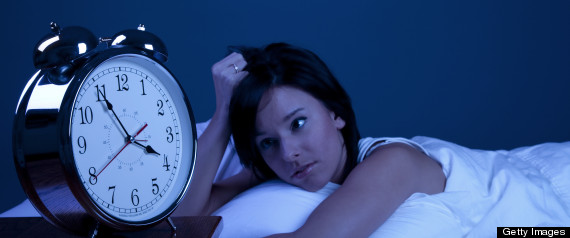
You drifted off to sleep easily enough. But all of a sudden, it's 4 a.m. and you're wide awake. What gives?
To an extent, this phenomenon -- called middle insomnia, or difficulty maintaining sleep -- is normal. After all, sleep goes in cycles throughout the night, moving from deeper, slow wave sleep to lighter sleep, explains James Findley, Ph.D., CBSM, clinical director of the Behavioral Sleep Medicine Program at the University of Pennsylvania. But as the night goes on, "we're moving toward lighter stages of sleep, so we're more likely to have an awakening," he tells HuffPost. For that reason, many people are more likely to experience fragmented sleep in the morning.
Age can also be a factor; Findley notes that people tend to wake up more often during the night as they get older.
"Usually it's one of those 'you wake up, you roll over, you fall back asleep' kind of awakenings, and those are fine," Findley says. But when your middle-of-the-night-awakenings end up being more than 30 minutes per night for three or more days a week, it's a sign there could be a deeper problem at play. It might be...
…a sleep disorder.
People with insomnia not only have trouble falling asleep, but they also tend to have more awakenings throughout the night, Findley says. And sleep apnea, where a person stops breathing intermittently throughout the night causing disrupted sleep, can also trigger you to wake up.
"With sleep apnea, you might not notice it unless you have a bed partner saying you're having pauses in breathing during sleep," he says.
A more obvious sleep disorder that can also lead to nighttime wakefulness isnarcolepsy -- which is when a person has bouts of extreme sleepiness during the day, causing them to fall asleep -- though usually people would realize that this was the root of their sleep woes due to the other more obvious symptoms, Findley says.
… an underlying condition.
Sometimes it's something else inside your body that's triggering problems with staying asleep. For instance, indigestion can wake you up in the middle of the night if you ate too big of a meal before bedtime. And people who have certain psychiatric conditions -- like anxiety or bipolar disorder -- are also known to be more prone to waking up, Findley says.
In addition, an enlarged prostate can cause middle-of-the-night wakeup calls for some men, as it may cause them to wake up to use the bathroom. Similarly, some medications (such as drugs for high blood pressure) can act as diuretics, spurring nighttime bathroom use.
Sometimes the underlying condition can be quite simple: Findley adds that stress can also be a culprit. "When people are under stress, they tend to have more awakenings during the night, but that's a transient phenomenon that comes and goes," he says.
…your environment. 
Findley says that practicing good sleep hygiene and keeping an optimal sleeping environment ("Your bedroom should be like a cave," he says) are typically important for initially falling asleep, but they could also play a role in helping you stay asleep.
For example, intermittent light shining into your room at night could wake you up without you even realizing it. "Sometimes light coming through the shades can be a problem, so you can get heavy curtains to cover that," Findley says. Same with light that may peek in from under a door, or the shine from an alarm clock. An easy fix? He suggests turning the alarm clock away from your face as you sleep.
Same goes for noise -- the sound of a loud truck or ambulance in the middle of the night could be enough to jolt you awake. Short of soundproofing your room, Findley suggests using a white noise machine (he doesn't recommend other sounds, like rainforest sounds, since they have variations in volume and pitch) or even ear plugs while sleeping if you're sensitive to noise.
While practicing good before-sleep habits -- like not eating a huge, heavy meal, or exercising, right before bedtime -- are mostly only good for falling asleep, Findley says they could play a small part in how well you stay asleep, too. He adds that people who struggle to stay asleep should try to avoid taking naps during the day so that they'll be more tired when night comes around. But -- and this is a big "but" -- if you need to do something where your or others' safety will be in danger if you don't nap (like driving home after work, for instance) he advises taking a snooze for about 45 minutes. Any longer than that, and you'll enter deep sleep, which can affect your nighttime shuteye. (For more napping tips, click here.)
Alcohol is also a known sleep disruptor, with recent research showing that it can cause disrupted sleep by affecting normal sleep rhythms. Particularly, that study, published in the journal Alcoholism: Clinical & Experimental Research, showed that alcohol seems to up the time spent in "deep sleep," but reduces time spent in REM sleep by disrupting sleep in this stage.
So what to do if you are one of those people who constantly wakes up in the middle of the night? Findley offers these tips:
- Don't stay in bed. If you can't drift back to dreamland after about 20 minutes, he recommends getting out of bed and doing a quiet, relaxing activity like stretching, reading or doing crossword puzzles.
- Avoid your phone or tablet. Do not turn on any electronics, because the blue-spectrum light emitted from such objects is known to impede sleep.
If you find yourself having chronic problems staying asleep at night, Findley recommends talking to your doctor about having a possible sleep study. And if it's feasible, he also says that cognitive behavioral therapy is the best treatment for insomnia -- including middle of the night insomnia.
Read more here