Showing posts with label heart issues in children. Show all posts

Tuesday, July 15, 2014

Study claims that ADHD medication can increase risk of heart issues

A study claims that medication used to treat ADHD might increase the risk of heart complications in children.

Whether drugs used to treat attention deficit hyperactivity disorder boost the risk of heart conditions in children remains a subject of concern. Now, research from Denmark suggests medications such as Ritalin and Concerta make rare cardiac problems twice as likely, although still uncommon.
"The risk of adverse cardiac effects of ADHD medication is real and should not be forgotten," said study lead author Dr. Soren Dalsgaard, an associate professor at Aarhus University.
However, doctors and parents should not be alarmed and take kids off stimulant medication if they have benefits from it and no cardiac symptoms, he said. "But we should continue to monitor cardiovascular status," he added.
The findings aren't definitive because they don't prove cause-and-effect and they seem to conflict with some previous research that looked at fewer heart conditions over shorter periods of time.
The inattention, hyperactivity and impulsivity associated with ADHD can make it hard for children with the disorder to learn and socialize. Stimulant drugs taken on a daily basis can help control these behaviors.
Worldwide, the number of children and teens with ADHD who take stimulant medications is increasing, according to background research in the study. Experts say these drugs can boost heart rate and blood pressure.
"The most common cardiac effects are benign -- very small, clinically insignificant increases in heart rate or blood pressure," said Dr. Andrew Adesman, chief of developmental and behavioral pediatrics at Cohen Children's Medical Center of New York in New Hyde Park.
Alarms sounded because of reports of sudden deaths, heart attack and stroke related to ADHD drugs, which has led some physicians to assess heart health before starting young people on the drugs.
But a 2011 study of U.S. children and young adults published in the New England Journal of Medicine found no link between ADHD drugs and heart attacks, sudden death and stroke. And in 2012, a study in the Journal of the American Medical Association found no sign of a link in young and middle-aged adults either.
The new study, published online recently in the Journal of Child and Adolescent Psychopharmacology, followed 714,000 children in Denmark, born from 1990 to 1999, for an average of 9.5 years. Of those, 8,300 were diagnosed with ADHD after age 5.
Of the total with ADHD, 111 kids -- or a little more than 1 percent -- had a heart problem such as high blood pressure, cardiac arrest, irregular heartbeat or general cardiovascular disease.
When the researchers adjusted their statistics to take into account certain differences, they found those who took methylphenidates such as Ritalin or Concerta -- whether diagnosed with ADHD or not -- were about twice as likely to suffer from heart problems.
The researchers didn't examine whether ADHD itself could be linked to heart problems.
In a news release, journal editor Dr. Harold Koplewicz said the study "confirms the small but real risk we have understood for some time through prior reports and clinical experience." Koplewicz is president of the Child Mind Institute in New York City.
The findings raise the question of whether the benefits of the drugs outweigh the possible harms. In the big picture, few children who took the drugs actually developed heart problems, study lead author Dalsgaard said.
"Indeed, the benefits from ADHD medication can be worth the risk of adverse effects, but we should not underestimate the risk of cardiac effects," he said.
Adesman emphasized the rarity of heart problems in ADHD patients. Parents may wish to talk to a pediatric cardiologist if their child has an existing heart problem and they wish to put them on a stimulant for ADHD, he said.
"In my experience, most cardiologists will support treatment with stimulant medication for most children with congenital heart disease -- even for kids who have had open heart surgery to repair a malformed heart," he said.
More research is planned, Dalsgaard said, especially to unravel an unusual finding in the study. Children seemed at higher risk of heart problems if their doctors had lowered their drug dosage. It's not clear if the change in dose contributed to the heart issues or whether there's another explanation.
Read more here

Monday, December 23, 2013

Children's blood pressure may raise with a bad night's sleep

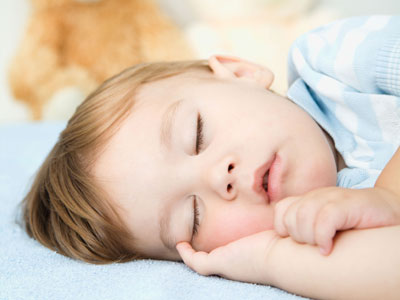
Children who had a bad night's sleep, or who lost hours of sleep, see a moderate raise in their blood pressure. This can lead to health complications later in life such as heart disease.

Kids who don't get enough sleep at night may experience a slight spike in their blood pressure the next day even if they are not overweight or obese, a new study suggests.
The research included 143 kids aged 10 to 18 who spent one night in a sleep lab for observation. They also wore a 24-hour blood pressure monitor and kept a seven-day sleep diary.
The participants were all normal weight. None had significant sleep apnea -- a condition characterized by disrupted breathing during sleep. The sleep disorder has been linked to high blood pressure.
According to the findings, just one less hour of sleep per night led to an increase of 2 millimeters of mercury (mm/Hg) in systolic blood pressure. That's the top number in a blood pressure reading. It gauges the pressure of blood moving through arteries.
One less hour of nightly sleep also led to a 1 mm/Hg rise in diastolic blood pressure. That's bottom number, which measures the resting pressure in the arteries between heart beats.
Catching up on sleep over the weekend can help improve blood pressure somewhat, but is not enough to reverse this effect entirely, report researchers led by Chun Ting Au, at the Chinese University of Hong Kong.
So, even though the overall effect of sleep loss on blood pressure was small, it could have implications for risk of heart disease in the future, they suggested.
Exactly how lost sleep leads to increases in blood pressure is not fully understood, but Au and colleagues speculate that it may give rise to increases in stress hormones, which are known to affect blood pressure. The findings are published online Dec. 16 and in the January print issue of Pediatrics.
Participants in the study slept anywhere from seven hours or less to more than 10 hours. The less sleep they got, the higher their blood pressure was the following day.
U.S. experts said the new findings emphasize the importance of good quality sleep for all kids.
"The study separates the effect of sleep apnea from sleep loss, and conclusively shows that sleep loss in the absence of sleep apnea raises both systolic and diastolic blood pressure," said Dr. Sanjeev Kothare, a pediatric sleep expert at NYU Langone Medical Center, in New York City.
"Pediatricians must screen for diabetes, and [high blood pressure] in teenagers with sleep loss besides screening for snoring and sleep apnea in obese teenagers," Kothare said.
According to the National Sleep Foundation, children aged 5 to 12 need 10 to 11 hours of sleep. Teens need about 9.25 hours of sleep each night to function best, but for some, 8.5 hours is enough.
"Being healthy is not only getting regular exercise and eating right, but also trying to get the appropriate amount of sleep," said Dr. Rubin Cooper, chief of pediatric cardiology at Cohen Children's Medical Center, in New Hyde Park, N.Y.
To encourage better sleep, "start a bedtime routine that helps your children wind down before bed and limit texting or social media at night," Cooper said. "Keep a similar schedule on weekdays and weekends." Other sleep hygiene tips include avoiding caffeine before bedtime.
These measures may be even more important among kids who are overweight and obese. "If you have kids who are staying up late and getting up early on top of obesity and sleep apnea, it is the perfect storm," Cooper said. But exactly how big of a difference better sleep would make in this scenario is unknown, he noted.
Although the study found an association between kids getting less sleep and a slight increase in blood pressure, it did not establish a cause-and-effect relationship.

The bottom line is that "sleep isn't optional for adolescents," said Dr. Metee Comkornruecha, an adolescent medicine specialist at Miami Children's Hospital.
Read more here

Friday, November 01, 2013

Sleep apnea not only affects adults. It can affect children too!

This article discusses sleep apnea in children and how it is associated with obesity and heart issues. Recall that symptoms are most prevalent in preschool and younger years AND many do not improve without treatment.  Surgical treatment can be incomplete. Children and teens should consult their pediatric specialists. JR

People with sleep apnea experience pauses in their breathing or shallow breaths while they sleep. In adults, the condition has been linked to diabetes and heart disease, but that link is less clear in younger people with sleep apnea.
In a recent study, researchers found that obstructive sleep apnea (OSA) was linked with greater cardiometabolic risk markers in obese youth. Cardiometabolic risk markers are signs of a patient's overall risk for type 2 diabetes and heart disease.
The findings also showed that teenage boys had a higher risk of having OSA than teenage girls.
The authors believe this relationship needs to be considered when undergoing evaluation for OSA. They also believe further research is needed on OSA and its association with cardiometabolic risk markers — especially for young men.
This study was conducted through the Indiana University School of Medicine in Indianapolis, Indiana. The lead author was S. E. Watson, MD, from the section of Pediatric Endocrinology and Diabetology in the Department of Pediatrics.
Participant data was pulled from medical records of patients who were part of the Pediatric Overweight Education and Research (POWER) Program between January 2009 and November 2011.
The researchers assessed 96 adolescents, between the ages of 12 and 16, who were obese and referred for polysomnography (PSG; sleep study that measures brain waves, oxygen level in the blood, heart rate, breathing and leg and arm movements) during the POWER program.
In order to have been referred for PSG, there had to be either parental concern or complaints of "...snoring accompanied by excessive daytime sleepiness, morning headache and/or behavioral problems suspected to be related to sleep disruption." Patient medical history was obtained at the first visit, and the patients were tested for levels of fat cells in blood, liver enzymes, glucose and insulin.
The participants underwent overnight PSG in order to calculate their apnea-hypopnea (disorder which involves overly shallow breathing or an abnormally low respiratory rate) index, or AHI. The AHI is determined by adding the total number of OSA and hypopnea events during an hour of sleep.
The researchers then put the participants in two groups: 1) the participants with AHI scores of less than five, indicating mild or no OSA, and 2) the participants with of five or more, indicating moderate or severe OSA. Eighty of the participants had mild or no OSA, and 16 of the participants had moderate or severe OSA.
Significantly more teen boys (11) were found to have moderate or severe OSA than teen girls (5), despite similar levels of obesity. Hispanic males were especially affected, with two out of five having moderate or severe OSA.
The researchers also found that there was lower insulin sensitivity — or higher insulin resistance — in the moderate and severe cases of OSA, compared to the participants with mild or no OSA. Insulin is a hormone that the body produces to help manage levels of blood sugar. If someone has a lower insulin senstivity, the body can't use the insulin properly, which puts them at risk for high blood sugar and type 2 diabetes.
The participants with moderate or severe OSA were also found to have a higher levels of fat in their blood than the other participants.
Ultimately, there was a low percentage of participants with OSA in the study sample; therefore the researchers maintained that the OSA-related symptoms of daytime drowsiness and snoring were not reliable indicators of OSA.
The researchers see a need for further research on potential race/ethnicity determinants of OSA and the associated cardiometabolic risk factors in youth — especially in young men.
The authors mentioned a few limitations of their study.
First, there was a small number of Hispanic participants, so the findings on Hispanic men could be over- or underestimated.
Second, the researchers could not draw conclusions about the underlying pathways for the relationship between cardiometabolic risk factors and the degree of OSA because of the retrospective and clinical nature of the participant data.
Third, there were no uniform measures of the risk factors the participants were tested foronly comparisons within the study group. Lastly, the study population consisted of patients who had specifically been referred for OSA testing, so the researchers argue that the study results cannot be applied to the general pediatric population without further study.
Read more here

Friday, August 23, 2013

Sleep problems and heart function in children

A study of blood pressure and sleep problems in children found that there was no association between the two conditions.

The study aims to assess the associations of sleep problems with 24–hour ambulatory blood pressure and cardiovascular reactivity in children. The results suggest that in a healthy community sample of prepubertal children, sleep problems are not associated with an unhealthy cardiovascular phenotype at this age. However, associations may be underestimated because of the low prevalence of sleep breathing disorders in this sample and may not generalize to older populations.
Methods
  • Sleep problems in 285 term-born, healthy 8-year-olds (mean [standard deviation]=8.1 [0.3]years) were measured with a parent-rated Sleep Disturbance Scale for Children.
  • Ambulatory blood pressure (n=241) was measured for 24hours (41% nonschool days) with an oscillometric device.
  • The children (n=274) underwent the Trier Social Stress Test for Children during which blood pressure, electrocardiography, and thoracic impedance were recorded and processed offline to give measures of cardiovascular and autonomic function.
Results
  • No associations were found between sleep problems and 24-hour ambulatory blood pressure.
  • Children with sleep breathing disorders (n=5) had higher baseline sympathetic vascular activity (p=.014) and higher heart rate (p=.044) and sympathetic cardiac activity (p=.031) in reaction to stress.
  • Children with disorders of excessive somnolence (n=55) had higher baseline parasympathetic activity (p=.016).
  • None of the associations remained significant after controlling for multiple testing.
Read more here