Showing posts with label physical activity. Show all posts

Thursday, July 07, 2016

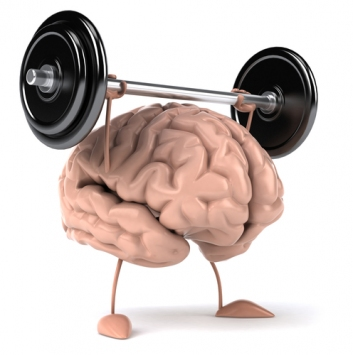
Want to Make Your Brain Sharper? Get Out and Move!

How physical exercise makes your brain work better

Research shows different activities have quite specific mental effects – here’s how moving your body could sharpen your ideas.


Ben Martynoga is a neuroscientist, science writer and a visiting researcher at the Francis Crick Institute in London
-Great read for the season; the ways that physical exercise boosts memory, improves concentration, enhances creativity, and improves mental health. Get out and move! -JR


The brain is often described as being “like a muscle”. It’s a comparison that props up the brain training industry and keeps school children hunched over desks. We judge literacy and numeracy exercises as more beneficial for your brain than running, playing and learning on the move.
But the brain-as-muscle analogy doesn’t quite work. To build up your biceps you can’t avoid flexing them. When it comes to your brain, an oblique approach can be surprisingly effective. In particular, working your body’s muscles can actually benefit your grey matter.


Scientists are showing that the runner’s high and the yogi’s tranquility have profound effects on your brain. Moreover, specific physical activities can markedly alter its structure in precise ways.
A wave of studies exploring the unexpected links between mental and bodily fitness is emerging from labs. This research might give you the impetus to get more active. It can also help you choose the best ways to prepare physically for mental challenges such as exams, interviews and creative projects.

Friday, July 10, 2015

Sleep can be improved by some exercises but not others

A study claims that certain traditional exercises (e.g., walking, aerobics, yoga, etc.) can help you get better sleep at night while others (such as child care and household chores) may hurt your sleep.

Certain types of physical activity help you sleep better, while others might leave you tossing and turning, a new study finds.
Researchers looked at data from a survey of more than 429,000 American adults. They found that activities such as walking, bicycling, running, weight lifting, aerobics/calisthenics, gardening, yoga/Pilates and golfing were all linked to better odds of a good night's slumber.
But, people who got physical activity from household chores and child care had a greater risk of poor sleep, according to the study.
Results of the study were presented this week at the annual meeting of the Associated Professional Sleep Societies, in Seattle. Findings presented at meetings are generally viewed as preliminary until they've been published in a peer-reviewed journal.
The results of this study were surprising, according to study leader Michael Grandner, a psychiatry instructor at the Center for Sleep and Circadian Neurobiology at the University of Pennsylvania in Philadelphia.
"Not only does this study show that those who get exercise simply by walking are more likely to have better sleep habits, but these effects are even stronger for more purposeful activities, such as running and yoga, and even gardening and golf," Grandner said in a university news release.
"It was also interesting that people who receive most of their activity from housework and child care were more likely to experience insufficient sleep -- we know that home and work demands are some of the main reasons people lose sleep," Grandner added.
"These results are consistent with the growing scientific literature on the role of sleep in human performance. Lab studies show that lack of sleep is associated with poor physical and mental performance, and this study shows us that this is consistent with real-world data as well," he explained.
But since the study design only allowed the researchers to find associations between activity and sleep, instead of proof of a cause-and-effect relationship, more studies are needed, according to Grandner.
Read more here

Thursday, January 08, 2015

Interesting facts about sleep

This article discusses a few interesting facts about sleep.

A proper sleep cycle ensures the well-being of our physical and mental health, but surprisingly we do very little to maintain our sleep cycle. These intriguing facts about sleep will motivate, if not coerce, you to take your 'sleep' more seriously.

· Economizing on sleep may lead to shrinking of brain
It's a fact that human brain does shrink with age, but people who sleep for less duration are prone to increased rate of reduction. The fact is backed by a research. There are many factors like cholesterol levels, physical activity which are linked to the rate of change in brain volume over a period of time—and sleep has emerged as one of the important factors. A study carried out by Claire Sexton, DPhil, lead researcher found that people who sleep less clocked a higher rate of decline in the size of the frontal, temporal, and parietal lobe areas of the brain.

· Less sleep may lead to or speed up Dementia 
Researchers and doctors promote sleep for an enhanced memory. Now studies have found out that less sleep may lead to dementia or accelerate the emergence of this disease. More research is needed to establish if lack of sleep actually causes dementia; till then, the best thing to do is to relax and sleep for sufficient number of hours.

· Brain makes decision while we are asleep
Remember those times when you were irked to make a decision but couldn't make it. You closed your work and went to sleep. And when you woke up you realized that you've made the decision. Ever wondered why and how? This is a result of your brain that was busy organizing information, processing data and clearing up unnecessary information while you were asleep. The fact was brought to light in a study that was done by a team of French and UK researchers. In this research, a group of adults were given a task of word classification, one when they were awake, and the other while they were asleep. The researchers found that same pattern of brain activities were happening when individuals were presented with even more words while they were asleep. This perfectly explains why we respond when someone calls out our name while we are asleep.

· Sleep Apnea can be treated better with the help of family
Sleep apnea is a sleep disorder which is characterized by breathing pauses or breaks during sleep. There are two types of sleep apnea: obstructive sleep apnea and central sleep apnea. The problem can be mild or severe, based on how often your lungs don't get enough air. Continuous positive airway pressure (CPAP) is the best method for treating sleep disorders. Family support is vital to make a person adhere to this treatment. Studies suggest, people who rated their family relationship quality higher, adhered to CPAP treatment more closely.

· Night birds have more difficulty sticking to an exercise routine
Early risers are found to be disciplined when it comes to exercise routine. It is quite easy for them to get out of bed early morning, and go out for jogging, running, or other exercises. While on the other hand, night owls find it troublesome to stick to an exercise routine. For them getting out of bed early morning is next to impossible. In a study, it was found that night owls generally spent their time sitting aimlessly, feel like doing nothing and gave excuses for not being able to exercise like insufficient number of hours in the day.

· Sleeping with a pet alongside messes your sleep
The world is filled with pet lovers. Out of these pet lovers some even go to an extent where they share bed with their pets. This may sound wonderful but it actually affects your sleep. A research presented at the annual meeting of the Associated Professional Sleep Societies, found that 30% of pet owners who shared bed with their pets get interrupted sleep as they had to get up at least once in the night due to the barks, meows, tail wags, and more. So, overall this idea of sharing bed, however cute it sounds, will disrupt your sleep and affect your health.

Read more here

Sunday, November 16, 2014

Any physical activity benefits your brain

This study observes how any physical activity has positive benefits for adult brains. -JR

Everyone knows that exercise makes you feel more mentally alert at any age. But do you need to follow a specific training program to improve your cognitive function? Science has shown that the important thing is to just get moving. It's that simple. In fact, this was the finding of a study conducted at the Institut universitaire de gériatrie de Montréal (IUGM), an institution affiliated with Université de Montréal, by Dr. Nicolas Berryman, PhD, Exercise Physiologist, under the supervision of Dr. Louis Bherer, PhD, and Dr. Laurent Bosquet, PhD, that was published in the journal AGE (American Aging Association) in October.
The study compared the effects of different training methods on the cognitive functions of people aged 62 to 84 years. Two groups were assigned a high-intensity aerobic and strength-training program, whereas the third group performed tasks that targeted gross motor activities (coordination, balance, ball games, locomotive tasks, and flexibility). While the aerobics and strength-training were the only exercises that led to physical fitness improvements after 10 weeks (in terms of body composition, VO2 max, and maximum strength), all three groups showed equivalent improvement in cognitive performance.
The subjects in the third group performed activities that can easily be done at home, which is excellent news for sedentary people who can't see themselves suddenly going to a gym to work out. To improve your cognitive health, you can simply start by doing any activity you like.
"Our study targeted executive functions, or the functions that allow us to continue reacting effectively to a changing environment. We use these functions to plan, organize, develop strategies, pay attention to and remember details, and manage time and space," explained Dr. Louis Bherer, PhD.
"For a long time, it was believed that only aerobic exercise could improve executive functions. More recently, science has shown that strength-training also leads to positive results. Our new findings suggest that structured activities that aim to improve gross motor skills can also improve executive functions, which decline as we age. I would like seniors to remember that they have the power to improve their physical and cognitive health at any age and that they have many avenues to reach this goal," concluded Dr. Nicolas Berryman, PhD.
Read more here

Saturday, October 25, 2014

Study: Autistic children more sedentary than other children

A new study claims that autistic children are more sedentary than children without autism. JR

A new Oregon State University study of children with autism found that they are more sedentary than their typically-developing peers, averaging 50 minutes less a day of moderate physical activity and 70 minutes more each day sitting.
The small study of 29 children, some with autism and some without, showed that children with autism perform as well as their typical peers on fitness assessments such as body mass index, aerobic fitness levels and flexibility. The results warrant expanding the study to a larger group of children, said Megan MacDonald, an assistant professor in OSU's College of Public Health and Human Sciences.
"These kids, compared to their peers, are similarly fit," MacDonald said. "That's really exciting, because it means those underlying fitness abilities are there."
The findings were published this month in the journal Autism Research and Treatment. Co-authors are Kiley Tyler, a doctoral student at OSU, and Kristi Menear of the University of Alabama at Birmingham. The study was funded in part by the U.S. Department of Education with additional support from OSU.
For the study, researchers tested the fitness and physical activity levels of 17 children with autism and 12 children without autism. The fitness assessments, conducted in the Movement Studies in Disability Lab at OSU, included a 20-meter, multi-stage shuttle run to measure aerobic fitness; a sit-and-reach test to measure flexibility and a strength test to measure handgrip strength; as well as height, weight and body mass index measurements.
The fitness tests were selected in part because they are commonly used in schools, MacDonald said. Children in the study also wore accelerometers for a week to measure their movement, and parents filled out supplemental forms to report other important information.
Even though they were more sedentary, the children with autism lagged behind their peers on only one fitness measure, the strength test. The results were surprising but also encouraging because they show that children with autism are essentially on par with their peers when it comes to physical fitness activities, MacDonald said.
"That's really important for parents and teachers to understand, because it opens the door for them to participate in so many activities," she said.
More research is needed to determine why children with autism tend to be more sedentary, MacDonald said. It may be that children with autism have fewer opportunities to participate in organized sports or physical education activities, but if that is the case, it needs to change, she said.
"They can do it. Those abilities are there," she said. "We need to work with them to give them opportunities."
MacDonald encourages parents to make physical activity such as a daily walk or trip to the park part of the family's routine. She's also an advocate for adaptive physical education programs, which are school-based programs designed around a child's abilities and needs. Some communities also offer physical fitness programs such as soccer clubs that are inclusive for children with autism or other disabilities, she said.
"Physical fitness and physical activity are so important for living a healthy life, and we learn those behaviors as children," MacDonald said. "Anything we can do to help encourage children with autism to be more active is beneficial."
Read more here

Monday, September 08, 2014

Athletes worsen after recovering from concussion and returning to exercise

A study showed that athletes who have recovered from a concussion can worsen after returning to exercise.

Athletes who seem to have recovered from a concussion may actually show a subtle worsening in a particular mental ability after they return to exercise, a small study suggests.
The findings come from a study of 19 high school athletes who suffered a concussion and then got medical clearance to return to physical activity -- most often football, although a few were on soccer, wrestling or volleyball teams.
Researchers found that for 12 of those athletes, a particular mental ability that had been improving post-concussion reversed course once they were up and moving again.
Specifically, the athletes' ability to simultaneously walk and do simple mental tasks "regressed," the researchers report in the journal Medicine & Science in Sports & Exercise.
In real-life terms, that means walking down the street while talking to a friend would be a bit harder, explained Li-Shan Chou, one of the researchers on the study.
The shift would be too subtle for a person to actually notice, said Chou, a professor of human physiology at the University of Oregon in Eugene.
But he and his colleagues were able to detect the regression in lab tests where the athletes walked while performing basic mental tasks -- like listening to a spoken word, then saying whether it was a high or low pitch.
What does it all mean? That's not clear, said Kenneth Podell, a concussion expert who was not involved in the study.
For one, since the study group was so small, the findings need to be replicated in larger studies to know whether they are "real," according to Podell, co-director of the Houston Methodist Concussion Center in Texas.
He also questioned how the athletes could show an improvement in their test performance early on, when they were "most concussed," but then worsen after all their other signs and symptoms had improved.
Chou agreed that the implications of his findings are unclear. For now, he said the study highlights the importance of giving concussions time to heal.
"Have patience, and give the brain time to recover," Chou added.
According to the American Academy of Neurology (AAN), more than 1 million athletes in the United States suffer a concussion each year.
Concussion symptoms include headache, dizziness, nausea, ringing in the ears, fatigue and confusion -- though these problems may not become noticeable until hours after the jolt to the head. And contrary to popular belief, concussions usually do not cause unconsciousness.
When athletes are recovering from a concussion, the "standard of care" is to gradually return them to physical activity before they can get back on the field, Podell said.
In fact, all 50 states and the District of Columbia now have some kind of law on youth concussions, protecting athletes from returning to the playing fields too soon.
But there is no "set timeline" for safe return to play, according to the AAN. And judging recovery is subjective, Chou said, because it involves asking patients how they feel.
The current findings are based on 19 high school athletes who were periodically assessed for two months after sustaining a concussion. All returned to physical activity, with medical clearance, during that time.
Chou's team found that once they were active again, 12 of the athletes showed some reversal in their ability to walk and perform mental tasks simultaneously. The problem showed up as a subtle change in their walking speed or balance.
Still, Podell said, it's not clear what to make of that. Even if the athletes' gait did regress when they first started physical activity, it might have been "fine" by the time they got back into their sport, he noted.
"The take-away for parents is, the return from concussion is complex, and the best clinical practice calls for a slow and gradual return to activity under the guidance of professionals," Podell said.
But it's not only physical activity that matters, he added. Concussed kids should also take a break from mental stress and only gradually return to schoolwork.
"Just because a student-athlete is ready to exercise does not mean they are 100-percent ready for a full load at school," Podell said.
Read more here

Tuesday, July 22, 2014

PTSD and poor sleep

A study claims that poor sleep in people with PTSD could lead to a decrease in physical activity and an increase in obesity.

Poor sleep quality may lower physical activity in people with post-traumatic stress disorder, according to a recent study.
Researchers found that PTSD was independently associated with worse sleep quality at baseline, and participants with current PTSD at baseline had lower physical activity one year later.
Further analysis found that sleep quality completely mediated the relationship between baseline PTSD status and physical activity at the one-year follow-up, suggesting that the association of reduced sleep quality with reduced physical activity could comprise a behavioral link to negative health outcomes such as obesity.
"We found that sleep quality was more strongly associated with physical activity one year later than was having a diagnosis of PTSD," Lisa Talbot, lead author of the study and postdoctoral fellow at the San Francisco VA Medical Center and the University of California- San Francisco, said in a statement. "The longitudinal aspect of this study suggests that sleep may influence physical activity."
For the study, researchers collected and analyzed data from  the Mind Your Heart Study, a prospective cohort study of 736 outpatients recruited from two Department of Veterans Affairs (VA) medical centers. PTSD was assessed with the Clinician-Administered PTSD Scale (CAPS).  At baseline participants rated their sleep quality overall during the last month, and at baseline and again one year later they reported how physically active they have been during the last month. Of the 736 military veteran participants, 258 had current or subsyndromal PTSD.
Researchers said the results suggest that behavioral interventions to increase physical activity should include an assessment for sleep disturbance.
"The findings also tentatively raise the possibility that sleep problems could affect individuals' willingness or ability to implement physical activity behavioral interventions," Talbout said. "Sleep improvements might encourage exercise participation."
The findings were recently published in the  Journal of Clinical Sleep Medicine, which is published by the American Academy of Sleep Medicine.
Read more here

Sunday, September 15, 2013

High amounts of exercise can decrease epilepsy risk

A new study indicates that high levels of exercise reduced the risk of developing epilepsy.

A new study conducted in Sweden has revealed that lower fitness rate in men aged 18 has a direct relationship to increased epilepsy risks, the study was a long one covering over 40 years. “During the 40 years, we know that certain people had TBI, we know people had cardiovascular events, and we know some had diabetes because we could follow these from the registers in Sweden,” said Dr. Ben-Menachem. “We also looked at the genetic part and even if we correct for all of those different aspects, we still get the people with high cardiovascular fitness having a lower risk compared to the lower cardiovascular group.”
The association of cardiovascular fitness with epilepsy was still quite significant even allowing for the other known factors responsible for epilepsy. Another interesting factor that came into light is that in a family if 1 brother has epilepsy then the risk becomes two times more for the other brother or brothers to develop epilepsy later in life.
Read more here

Wednesday, July 24, 2013

Keeping the brain healthy with exercise

New research shows that an active lifestyle can help keep the brain healthy in addition to the body.

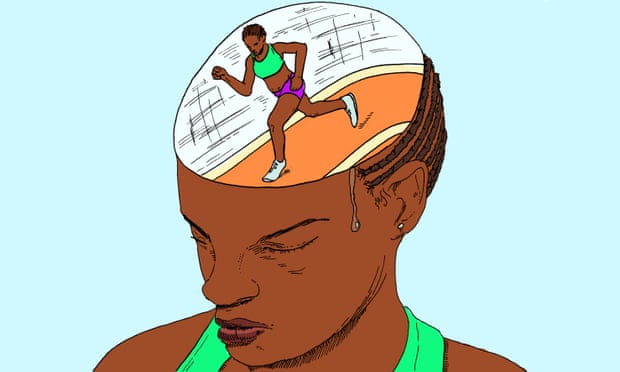
An active lifestyle has long been promoted as a way to keep the heart pumping strong. Now new research shows that physical activity may help to keep the brain robust as well, preserving areas critical for thinking and memory and possibly even helping to ward off Alzheimer’s disease in old age.
Earlier studies have linked activities like walking and ballroom dancing to a lower risk for dementia. Exercise is known to boost cardiovascular health, and what’s good for the heart is good for the brain, the thinking goes.
Now scientists at the University of California, Los Angeles, have examined the effects of remaining active directly on the brain. For the report, they looked at detailed records of 876 older adults, average age 78, over decades. Some had Alzheimer’s disease or serious memory problems, while others were cognitively alert. Along with medical reports, the records included information on how often each participant engaged in activities like gardening and yard work, bicycling or riding an exercise bike, dancing, and recreational activities like golfing, walking or tennis.
"We had 20 years of clinical data on this group, including body mass index and lifestyle habits," said Dr. Cyrus Raji, a radiology resident at U.C.L.A, one of the study leaders. "We drew our patients from four sites across the country, and we were able to assess energy output in the form of kilocalories per week." The findings were reported at the annual meeting of the Radiological Society of North America.
Using specialized brain scans, the researchers created 3-D maps of the brain, including areas of gray matter critical for thinking and memory. "Gray matter volume is a key marker of brain health. Larger gray matter volume means a healthier brain. Shrinking volume is seen in Alzheimer's disease," Dr. Raji said.
The researchers found that those men and women who were most active had more gray matter in parts of the brain critical for memory and thinking. They took into account such factors as age, head size, body mass index, and education, which can influence Alzheimer’s risk.
"The areas of the brain that benefited from an active lifestyle are the ones that consume the most energy and are very sensitive to damage," Dr. Raji said. "What struck me most about the study results is that it is not one but a combination of lifestyle choices and activities that benefit the brain."
Dr. Raji said the benefits of an active lifestyle on the brain were likely due to improved blood vessel health. "Virtually all of the physical activities examined in this study are some variation of aerobic physical activity, which we know from other work can improve cerebral blood flow and strengthen neuronal connections," he said. Although more research is needed in this area, “our initial results show that brain aging can be alleviated through an active lifestyle," he said.
In a separate study also presented at the Radiological Society of North America’s annual meeting, scientists at the Medical University of South Carolina in Charleston reported that men and women with Alzheimer’s disease had different patterns of gray matter loss, or atrophy.
"We found that the extent and distribution of regional gray matter volume loss in the brain was strongly influenced by gender," said lead researcher Dr. Maria Vittoria Spampinato. "The female patients in our study initially had more gray matter atrophy than the male patients, but over time, the men caught up. In the men, the disease developed more aggressively in a shorter period of time."
The findings could have implications for monitoring the effects of new Alzheimer’s drugs on the brain. "Knowing the difference between the male and female patterns of atrophy will help researchers better decipher a patient's response to drug therapy," Dr. Spampinato said.
Read more here

Tuesday, June 04, 2013

Physical jobs lead to sleep duration extremes

A new study shows that jobs that are high-activity and physically demanding lead to either short sleep duration or long sleep duration.

A study from the Perelman School of Medicine at the University of Pennsylvania has found that people who work in jobs that are more physically demanding tend to be either shorter sleepers (fewer than 6 hours a night) or longer sleepers (longer than 9 hours).
Since previous research has shown that people who report short or long sleep are more likely to have worse health over time, such as weight gain, heart disease and diabetes, the new study suggests that people's jobs may predispose them to unhealthy sleep patterns that could detrimentally affect their health. The findings go against the concept that physical activity in general seems to be healthy, and physical activity tends to be good for sleep.
Penn researchers examined sleep patterns and job classifications of over 17,000 study participants. Job activity was classified as low (mostly sitting or standing), moderate (mostly walking), or high (mostly manual labor). Compared to those in low activity jobs, those working moderate activity jobs, such as postal service employees, were more likely to be short sleepers and long sleepers, and those working high-activity jobs, such as construction workers, were more likely to be short sleepers.
According to the research team, possible explanations for the findings include:
1) the higher demands of the job require longer hours, not allowing for a full night of sleep;
2) job-related stress is keeping people up at night; and
3) the physical demands of the job are causing persons to stay awake.
The research team includes Holly E. Barilla, Charles Corbitt, Subhajit Chakravorty, Michael Perlis, PhD, and Michael Grandner, PhD.
The study is scheduled to be presented June 3 at SLEEP 2013, the annual meeting of the Associated Professional Sleep Societies in Baltimore.
Read more here

Wednesday, April 24, 2013

How exercise helps sleep

This article discusses the positive influences exercise has on your sleep.


We all know exercise is good for us. Good for our health, good for our waistlines, good for stress and for our clarity of mind. Exercise is also very—very—good for sleep. Research has shown that exercise can improve sleep, including for people with sleep disorders and other sleep-related illnesses. And now there’s even more evidence of the sleep benefits that can come with regular physical activity.
The National Sleep Foundation devoted its annual Sleep in America poll to exploring the relationship between exercise and sleep. Their results found that people who exercise regularly experience better quality and more consistent sleep than those who do not. People who exercise are also significantly less likely to feel sleepy during the day, and to experience symptoms of sleep disorders such as insomnia and obstructive sleep apnea. And the news gets better: while more vigorous exercise is best, people participating in light exercise—as little as 10 minutes of walking a day—reported substantially better sleep than non-exercisers.
The NSF interviewed a nationally representative sample of 1,000 adults between the ages of 23-60. Participants were asked to report on their physical activity in the past week, providing details on the frequency, duration, and intensity of their exercise. They also were asked to report on the quantity and quality of their sleep, as well as sleep problems including symptoms of disordered sleep and daytime drowsiness. Participants provided information about their overall health, and personal habits including alcohol and smoking.
Based on the reports of physical activity, respondents were divided into four categories, according to their exercise habits:
  1. Vigorous: These people participated in activities like running, biking, swimming, and other pursuits that require significant physical exertion.
  2. Moderate: Respondents in this category spent time doing activities that included higher-than-normal levels of physical exertion, including yoga and weight training.
  3. Light: People in this category were physical active at normal levels of exertion, getting their exercise primarily by walking.
  4. No activity: The respondents in this category did not engage in exercise.

The results were striking. All respondents—from vigorous exercisers to non-exercisers—reported getting roughly the same amount of sleep on a nightly basis, an average of 6 hours and 51 minutes on workdays, and 7 hours and 37 minutes on non-workdays. All groups also reported needing about the same amount of sleep to meet the demands of their daily lives: an average of 7 hours and 17 minutes. But exercisers at all levels reported sleeping substantially better than those who did not exercise:
  • More than half of exercisers (56-67%) reported getting a good night’s sleep every night or almost every night, compared to 39% of non-exercisers.
  • Exercisers at all levels also reported higher quality of sleep than non-exercisers. More than three-quarters (76-83%) said their sleep was “very good” or “fairly good,” compared to 56% of non-exercisers.
  • More than half of exercisers at all levels also reported feeling their quality of sleep improve on days they engaged in physical activity.
While all exercisers reported significantly better sleep, the highest quality sleep was reported by those who engaged in the most vigorous physical activity. Vigorous exercisers reported the highest sleep quality, and the most robust daytime energy levels. And they were least likely to have problems with their sleep:
  • 26% of vigorous exercisers said their quality of sleep was “very good,” compared to 16% of light exercisers.
  • 66% of vigorous exercisers said they got more sleep than they needed, compared to 53% of moderate and light exercisers.
  • Vigorous exercisers had fewer sleep problems than moderate and light exercisers, including less difficulty falling asleep and staying asleep, waking too early and not being able to fall back asleep. All exercisers reported fewer of these problems than people who did not exercise at all.
  • 50% of vigorous exercisers said they had no problems maintaining enthusiasm for the demands of their daily lives, compared to 40% of moderate and light exercisers and 33% of non-exercisers.
People who engaged in no exercise didn’t just report lower quality sleep, they also reported in greater numbers a range of difficulties with their health and their daily lives:
  • Non-exercisers were significantly more likely to say they experienced “very bad” sleep than exercisers. Fourteen percent of non-exercisers categorized their sleep as very bad, compared to 3-4% of exercisers.
  • More than half—61%–of non-exercisers reported “rarely” or “never” getting a good night’s sleep on workdays, compared to 29% of vigorous exercisers.
  • Non-exercisers were more likely to feel sleepy during the day. Nearly twice as many non-exercisers reported daytime sleepiness as exercisers.
  • Daytime sleepiness interfered with non-exercisers daily activities and their safety more often than for those who exercised. 14% of non-exercisers reported having trouble staying awake while driving, eating, or engaging in social activity 1 or more times in the previous two weeks, compared to 4-6% of exercisers.
  • Non-exercisers were significantly more likely to have symptoms of sleep disorders including obstructive sleep apnea. Forty-four percent of non-exercisers demonstrated a moderate risk for sleep apnea, based on standard clinical indications for the sleep disorder. This number was more than twice as high as for vigorous exercisers, only 19% of whom indicated a moderate risk of sleep apnea.
The message here is clear: put some time every day toward exercise, and when bedtime comes around you’ll sleep better. For those trying to juggle a regular exercise routine amid busy schedules, there’s some more good news in these poll results. The survey found that exercise at any time of day was good for sleep, including within 4 hours of bedtime. It’s been a common recommendation—including from the National Sleep Foundation itself—to avoid exercise during the final 4 hours of the waking day, in order to prevent physical exertion from interfering with sleep. Based on these results, the NSF has revised its recommendation, and encourages normal sleepers to exercise at any time of day, provided that their exercise does not interfere with their sleep. People with insomnia and other sleep disorders should continue to schedule their exercise earlier in the day. And anyone who finds their sleep diminished by late-day exercise should do the same.
So, where do you fit in the sleep-exercise picture that these survey results illustrate? Are you sleeping as much, and as well, as you need? If you’re looking for ways to improve your sleep, your daily exercise routine is a great place to start.
Read more here

Saturday, March 16, 2013

Exercise helps ward off stress in children

Research shows that exercise plays an important role in helping children shield off stress.

Exercise may play a key role in helping children cope with stressful situations, according to a recent study accepted for publication in The Endocrine Society's Journal of Clinical Endocrinology & Metabolism (JCEM).

When they are exposed to everyday stressors, the study found sedentary children had surges of cortisol -- a hormone linked to stress. The most active children had little or no increase in their cortisol levels in similar situations.
"The findings suggest physical activity plays a role in mental health by buffering children from the effects of daily stressors, such as public speaking," said the study's lead author, Silja Martikainen, MA, of the University of Helsinki, Finland.
The cross-sectional study monitored physical activity and cortisol levels in a birth cohort of eight-year-old children. The 252 participants wore accelerometer devices on their wrists to measure physical activity. Saliva samples were taken to measure cortisol levels. To measure reactions to stress, children were assigned arithmetic and story-telling tasks. The study is the first to find a link between physical activity and stress hormone responses in children.
The children were divided into three groups -- most active, intermediate and least active. The most active children's cortisol levels were the least reactive to stressful situations. The most active children exercised more vigorously and for longer periods of time than their counterparts.
"Clearly, there is a link between mental and physical well-being, but the nature of the connection is not well understood," Martikainen said. "These results suggest exercise promotes mental health by regulating the stress hormone response to stressors."
Read more here

Sunday, January 06, 2013

Study shows why resolutions about physical activity are difficult to keep

An interesting study shows a neurological basis of why New Years Resolutions regarding physical activity are difficult to keep.

Physical inactivity is a major public health problem that has both social and neurobiological causes. According to the results of an Ipsos survey published on December 31, the French have put "taking up a sport" at the top of their list of good resolutions for 2013. However, Francis Chaouloff, research director at Inserm's NeuroCentre Magendie (Inserm Joint Research Unit 862, Université Bordeaux Ségalen), Sarah Dubreucq, a PhD student and François Georges, a CNRS research leader at the Interdisciplinary Institute for Neuroscience (CNRS/Université Bordeaux Ségalen) have just discovered the key role played by a protein, the CB1 cannabinoid receptor, during physical exercise. In their mouse studies, the researchers demonstrated that the location of this receptor in a part of the brain associated with motivation and reward systems controls the time for which an individual will carry out voluntary physical exercise. These results were published in the journal Biological Psychiatry.

The collective appraisal conducted by Inserm in 2008 highlighted the many preventive health benefits of regular physical activity. Such activity is limited, however, by our lifestyle in today's industrial society. While varying degrees of physical inactivity may be partly explained by social causes, they are also rooted in biology.
"The inability to experience pleasure during physical activity, which is often quoted as one explanation why people partially or completely drop out of physical exercise programmes, is a clear sign that the biology of the nervous system is involved," explains Francis Chaouloff.
But how exactly? The neurobiological mechanisms underlying physical inactivity had yet to be identified.
Francis Chaouloff (Giovanni Marsicano's team at the NeuroCentre Magendie; Inserm joint research unit, Université Bordeaux Ségalen) and his team have now begun to decipher these mechanisms. Their work clearly identifies the endogenous cannabinoid (or endocannabinoid) system as playing a decisive role, in particular one of its brain receptors. This is by no means the first time that data has pointed to interactions between the endocannabinoid system, which is the target of delta9-tetrahydrocannabinol (the active ingredient of cannabis), and physical exercise. It was discovered ten years ago that physical exercise activated the endocannabinoid system in trained sportsmen, but its exact role remained a mystery for many years. Three years ago, the same research team in Bordeaux observed that when given the opportunity to use a running wheel, mutant mice lacking the CB1 cannabinoid receptor, which is the principal receptor of the endocannabinoid system in the brain, ran for a shorter time and over shorter distances than healthy mice. The research published in Biological Psychiatry this month seeks to understand how, where and why the lack of CB1 receptor reduces voluntary exercise performance (by 20 to 30%) in mice allowed access to a running wheel three hours per day.
The researchers used various lines of mutant mice for the CB1 receptor, together with pharmacological tools. They began by demonstrating that the CB1 receptor controlling running performance is located at the GABAergic nerve endings. They went on to show that the receptor is located in the ventral tegmental area of the brain (see diagram below), which is an area involved in motivational processes relating to reward, whether the reward is natural (food, sex) or associated with the consumption of psychoactive substances.
VTA: Ventral tegmental area/NAcc: nucleus accumbens/PFC: prefrontal cortex/DA: dopamine
Based on the results of this study and earlier work, the Bordeaux team suggests the following neurobiological explanation: at the beginning and for the duration of physical exercise, the CB1 receptor is constantly simulated by the endocannabinoids, lipid molecules that naturally activate this receptor in response to pleasant stimuli (rewards) and unpleasant stimuli (stress). Endocannabinoid stimulation of the CB1 receptor during physical exercise inhibits the release of GABA, an inhibitory neurotransmitter that controls the activity of the dopamine neurons associated with the motivation and reward processes. This stimulation of the CB1 receptor "inhibits inhibition," in other words, it activates the dopaminergic neurons in the ventral tegmental area. The CB1 receptor must therefore be stimulated before the exercise can go on for longer and the body must receive the necessary motivation.
Conversely, without these CB1 receptors, the "GABAergic brake" continues to act on the dopaminergic neurons in the ventral tegmental area, leading to the reduced performance levels observed above.
It is already known that CB1 receptors play a regulatory role in the motivation to consume rewards, whether natural or not. What is original about this research is that it shows that physical exercise can be added to the array of natural rewards regulated by the endocannabinoid system. "If confirmed, this motivational hypothesis would imply that the role played by the CB1 receptor has more to do with 'staying power' in the exercise than with actual physical performance levels" explain the researchers.
This work reveals that the endocannabinoid system plays a major role in physical exercise performance through its impact on motivational processes. It thus opens up new avenues of research into the mediators of pleasure -- and even addiction -- associated with regular physical exercise. "After endorphins, we now need to consider endocannabinoids as another potential mediator of the positive effects that physical exercise has on our mood," the researchers conclude.
Read more here