Showing posts with label causes of seizures. Show all posts

Friday, July 08, 2016

Could a baby have a seizure? Review the signs and what you can do...

Signs of Seizures in Babies


Is your baby having a seizure? Find out the signs of seizures in babies and what to do if your child has one.

Signs of Seizures in Babies

  • Febrile seizures. Your baby may roll her eyes, and her limbs may either stiffen or twitch and jerk. Up to 4 out of every 100 children age 6 months to 5 years have one of these seizures, which are triggered by high fevers, usually above 102°.
  • Infantile spasms. This rare type of seizure occurs during an infant's first year (typically between 4 and 8 months). Your baby may bend forward or arch her back as her arms and legs stiffen. These spasms tend to occur when a child is waking up or going to sleep, or after a feeding. Infants can have hundreds of these seizures a day.
  • Focal seizures. Your baby may sweat, vomit, become pale, and experience spasms or rigidity in one muscle group, such as fingers, arms, or legs. You may also observe gagging, lip smacking, screaming, crying, and loss of consciousness.
  • Absence (petit mal) seizures. Your baby appears to be staring into space or daydreaming. She may blink rapidly or appear to be chewing. These episodes typically last less than 30 seconds and may occur several times a day.
  • Atonic (drop attack) seizures. Your baby experiences a sudden loss of muscle tone that makes her go limp and unresponsive. Her head may drop suddenly, or if she is crawling or walking she might fall to the floor.
  • Tonic seizures. Parts of your baby's body (arms, legs) or her entire body suddenly stiffen.
  • Myoclonic seizures. A group of muscles, usually in the baby's neck, shoulders, or upper arms, starts to jerk. These seizures usually occur in clusters, several times a day and several days in a row.

    What to do if Your Baby Has a Seizure

    See your pediatrician if you think your baby is having seizures. "If possible, take a video of the episode on your smartphone to show to your doctor," suggests Dr. Hartman, who is also a member of the American Academy of Pediatrics' (AAP) Section on Neurology. It's important to pay attention to these things:
      • How long the seizure lasts
      • Where the seizure started (arms, legs, eyes) and whether it spread to other body parts
      • What the movement looked like (staring, jerking, stiffening)
      • What your baby was doing right before the episode (waking up, eating)

      Friday, June 06, 2014

      How a child's fever can turn into a seizure

      This article discusses how a child's fever can turn into a seizure, and explains the different types of seizures.

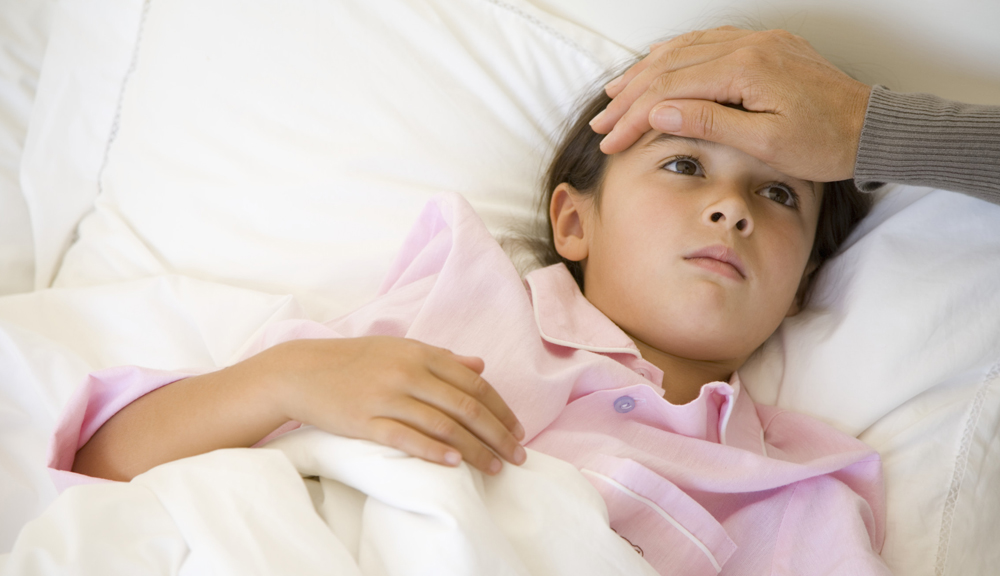
      When a child has a fever, their body can ache. They are restless and they just don’t feel well. While a fever is a part of our natural response to infection, the fever itself can lead to complications. One rare complication is a febrile seizure. A febrile seizure is when your child (ages six months to six years of age) experiences convulsions that occur in the setting of a fever.
      Parents can’t imagine too many things more distressing than seeing their already-ill child suffer through a seizure, but febrile seizures are usually not life threatening.
      During a febrile seizure, a child:
      • Will lose consciousness
      • Experience body stiffness
      • Have full-body shaking
      A seizure lasts only a minute or two, but can go on longer. Febrile seizures rarely require medication. The majority of the cases physicians see do not require hospital admission.
      Facts about febrile seizures
      • Majority of seizures occur between 12 and 18 months of age.
      • The most common type of childhood seizure, affecting 2 to 5 percent of children.
      • The exact cause in which a fever can provoke a seizure in this age group is not fully understood, genetic predisposition is a factor.
      • Children who suffer a febrile seizure do not have epilepsy. That diagnosis requires the presence of two or more seizures that were not caused by a fever.
      • Seizures due to an infection of the brain and its protective lining (meninges) or seizures associated with metabolic problems are not febrile seizures.
      Two categories of febrile seizures
      Febrile seizures are divided into two categories: simple and complex febrile seizures.
      1. Simple
      These types of seizures are more common. They involve full-body shaking and last less than 15 minutes. Studies show that simple febrile seizures do not affect future school performance or intelligence.
      2. Complex
      A febrile seizure is considered complex if it affects only a part of the body, lasts longer than 15 minutes or recurs within 24 hours. Complex febrile seizures have a slightly higher rate of future complications.
      Is there a connection between epilepsy and febrile seizures?
      The chances of epilepsy developing in a healthy developmentally typical child who has had a simple febrile seizure are estimated to be 2 to 4 percent, while the rate in the general population is about 1 to 2 percent. Although febrile seizures are scary, they are usually not associated with significant health problems. Short febrile seizures do not cause brain damage.
      Four Steps: What you can do if your child has a seizure
      If your child has a seizure, febrile or otherwise, it is important to stay calm. While you’re remaining calm, follow these four steps:
      1. Your child should be placed on his or her side to prevent choking. There is no need to restrain or try to stop the shaking; the seizure will run its course regardless.
      2. Never put anything in your child’s mouth. This can lead to chipped teeth, damaged gums or even a blocked airway.
      3. Time the seizure. If your child’s seizure lasts more than five minutes, call 911. Medication may be needed to end the seizure.
      4. Have your child evaluated that day. While brief seizures don’t require emergency services, the evaluation is mainly to check for the cause of your child’s fever.
      Follow up care after a seizure
      Treatment of febrile seizures is usually limited to fever-lowering agents such as acetaminophen or ibuprofen. These will not decrease the chance of having another febrile seizure, but will make your child more comfortable. Daily anti-seizure drugs are not recommended. Even though your child will be evaluated on the day of their seizure (step 4 above), certain situations require further diagnostic testing. If your child experiences a simple febrile seizure, he or she may not need to be hospitalized once their fever evaluation is complete. Blood and urine tests are only performed if needed to evaluate the fever.
      If your child has a prolonged febrile seizure, they’ll be given a medication to use only if they have another long seizure. The chance of recurrence is generally 30 to 35 percent. Factors such as young age (less than 12 months) or a family history of seizures can increase the recurrence rate.
      Seizures are scary, but knowing what to do if one occurs is important. If your child has a febrile seizure, make sure he or she sees your pediatrician or an emergency department physician as soon as possible. While simple febrile seizures are not harmful, we need to make sure they are not a symptom of a more serious illness. Talk with your pediatrician to determine if a consultation with apediatric neurology specialist is appropriate for your child.
      Read more here

      Monday, October 28, 2013

      Prevalence of EEG paroxysmal activity in a population of children with obstructive sleep apnea syndrome.


      SleepSleepSleep 2009; 32(4)

      Prevalence of EEG paroxysmal activity in a population of children with obstructive sleep apnea syndrome.

      Silvia Miano, Maria Chiara Paolino, Rosa Adrados, Marilisa Montesano, Salvatore Barberi, Maria Pia Villa
      View via PMCView Original ArticleLikeCommentShare

      STUDY OBJECTIVES:

      Sleep breathing disorders may trigger paroxysmal events during sleep such as parasomnias and may exacerbate preexisting seizures. We verified the hypothesis that the amount of EEG paroxysmal activity (PA) may be high in children with obstructive sleep apnea syndrome (OSAS).

      DESIGN:

      Prospective study.

      SETTINGS:

      Sleep unit of an academic center.

      PARTICIPANTS:

      Polysomnographic studies were performed in a population of children recruited prospectively, for suspected OSAS, from January to December 2007, with no previous history of epileptic seizures or any other medical conditions. All sleep studies included > or = 8 EEG channels, including centrotemporal leads. We collected data about clinical and respiratory parameters of children with OSAS and with primary snoring, then we performed sleep microstructure analysis in 2 OSAS subgroups, matched for age and sex, with and without paroxysmal activity.

      MEASUREMENTS AND RESULTS:

      We found 40 children who met the criteria for primary snoring, none of them showed PA, while 127 children met the criteria for OSAS and 18 of them (14.2%) showed PA. Children with PA were older, had a predominance of boys, a longer duration of OSAS, and a lower percentage of adenotonsillar hypertrophy than children without PA. Moreover, PA occurred over the centrotemporal regions in 9 cases, over temporal-occipital regions in 5, and over frontocentral regions in 4. Children with PA showed a lower percentage of REM sleep, a lower CAP rate and lower A1 index during slow wave sleep, and lower total A2 and arousal index than children without EEG abnormalities.

      CONCLUSIONS:

      We found a higher percentage of paroxysmal activity in children with OSAS, compared to children with primary snoring, who did not exhibit EEG abnormalities. The children with paroxysmal activity have peculiar clinical and sleep microstructure characteristics that may have implications in the neurocognitive outcome of OSAS.

      Tuesday, October 08, 2013

      Causes, symptoms and treatments for epilepsy

      This article gives a great general overview of the causes, symptoms and treatment options for epilepsy.

      Epilepsy is usually identified only after the occurrence of more than one seizure in a person and the chances of Epileptic seizures increases with age and leads to abnormal, excessive or hypersynchronous neuronal activity in the brain. Moreover, the condition is also very common among the infants. Presently over 50 million people are victim of Epilepsy globally of which about 80 percent cases are observed in the developing countries. So, in order to avoid Epileptic condition it is very important to know about thecauses, symptoms, treatment and prevention of Epilepsy. Moreover you should also know about the types of seizure as well as diagnosis of Epilepsy.

      Types of Seizure
      Depending upon the source of seizure, they are primarily classified into two types of which first is called partial or focal onset seizures in which the seizure within the brain is localized. However, in the second type of seizure called generalized seizures, the seizure within the brain is distributed.
      Partial seizures depending upon the extent to which alertness is affected is further divided into two types called the simple partial seizure in which the awareness is unaffected, while the second type is called complex partial (psychomotor) seizure.
      Generalized seizures are further divided as per the effect on the body but over all involve loss of consciousness and alertness. The types of generalized seizures include absence (petit mal), myoclonic, clonic, tonic, tonic-clonic (grand mal), and atonic seizures.
      Causes of Epilepsy
      Though, in most of the cases the reason behind Epileptic seizures are not known but the major cause of Epilepsy is injury to the brain due to some reasons. The major causes of Epilepsy can be characterized by:
      • Inadequate oxygen during birth.
      • Any head injury at the time of birth or as a result of some accident during the adulthood.
      • Recovering patients as a consequence of brain surgery.
      • Due to brain tumors.
      • Central nervous system (CNS) infections and trauma.
      • Some of the genetic factors can also result in epileptic condition such as tuberous sclerosis.
      • People suffering from meningitis or encephalitis have increased chances of Epilepsy.
      • Sudden stroke or brain injury.
      • Abnormal levels of substances such as sodium or blood sugar.
      However, the major causes for Epileptic condition are mentioned above but these are not restricted to these only. There are some factors, which may also provoke Epileptic seizures. These are:
      • Not taking medicines properly.
      • Excessive consumption of alcohol.
      • Consumption of drugs like cocaine and others.
      • Emotional stress, sleep deprivation
      • Taking drugs that interfere with seizure medications.
      Symptoms of Epilepsy
      Symptoms of Epilepsy are seizure and may vary from person to person. While, some people show simple seizure attacks, some are diagnosed by violent seizures leading to loss of alertness. The symptoms of epilepsy depend upon the part of brain affected causing epilepsy. Some of the common symptoms of Epilepsy are:
      • Feeling strange and restless.
      • Sudden jerk in the arms.
      • Twitching and trembling.
      • Sudden unconsciousness. You may fall to the ground due to black out.
      • Sometimes you may feel stiffness in your muscles or limp.
      • You also may get a warning sign, like strange smell before the seizure provokes. These are called auras.
      • Lack of sleep is also a common symptom.
      Diagnosis of Epilepsy
      Diagnosis of Epilepsy is a tedious task as it requires access to various facts and figures about the patients and the cause of seizures due to lack of an absolute diagnostic tool or test. However, it you have suffered two or more seizures, you may be diagnosed with epilepsy. The diagnosis of Epilepsy is based on many factors.
      In order to diagnose Epilepsy, it is very essential to know patient's medical history, which also includes if there is any case of family history of seizures, associated medical conditions, and current medications if any.
      Some of the common questions asked to the patient in order to diagnose Epilepsy are:
      • At what age did you get the first seizures?
      • For how long did you felt the seizure and what was the feeling?
      • What do you think should be the reason for the seizure?
      • What do you feel before, during, and after the seizures?
      • Have you undergone for any treatment for epilepsy before?
      • What are the medications prescribed to you and in what dosages?
      • Was the treatment effective?
      • Are you suffering from any illnesses, diseases, injuries or other medical condition?
      • Do you have any family history of Epilepsy?
      After analyzing and evaluating all your answers to the questions asked by the doctor, the doctor might provide the answer whether you are getting the seizure due to epilepsy or not.
      Treatment of Epilepsy
      Though, there is not any absolute treatment for Epilepsy yet, but there are certain methods usually used to reduce the severity of Epilepsy from being increasing.
      • Ketogenic diet is one of the common practices deployed for the treatment of Epilepsy and has also shown some success in reducing the rate of seizure to certain extent especially among the children.
      • Nerve stimulation through Vagus nerve stimulation method is another option. This treatment is mostly for people who cannot have surgery.
      • In some cases where medication does not show proper result, surgery proves to be quite effective.
      Prevention of Epilepsy
      As such the exact reason of Epilepsy is still unknown. There is no stiff treatment for the disease but by keeping certain common things in mind, you can certainly prevent Epilepsy from being occurring. Some of the preventive measures of Epilepsy are:
      • Try to prevent any type of head injuries by wearing seat belts and helmets while driving.
      • Immediately rush to a doctor after suffering from the first seizure for medical help.
      • Start taking proper medication on doctor's advice after the first or second seizure.
      • Avoid the consumption of alcohol.
      • Avoid the intake of tobacco products and harmful drugs
      • If you are suffering from high blood pressure or any other infection, take proper treatment for that.
      • Proper diet enriched with vitamins and minerals is recommended.
      Read more here

      Tuesday, October 02, 2012

      Effect of Treatment of Obstructive Sleep Apnea on Seizure Outcomes in Children With Epilepsy


      Besides medicine, what else can you do to reduce seizures in children? Check their sleep! JR

      Effect of Treatment of Obstructive Sleep Apnea on Seizure Outcomes in Children With Epilepsy

      Department of Neurology, Children's Hospital Boston, Harvard Medical School, Boston, Massachusetts
      Received 22 October 2011; accepted 8 March 2012.

      Abstract 

      A retrospective review of children with epilepsy and obstructive sleep apnea, treated surgically for their obstructive sleepapnea from January 2008-October 2010, was performed for age, sex, type of epilepsy, antiseizure medications, sleep-study data, and changes in seizure frequency. Twenty-seven subjects (median age, 5 years) with no adjustment to their medications around their time of surgery were identified. Three months after surgery, 10 (37%) patients became seizure-free, three (11%) demonstrated >50% seizure-reduction, and six (22%) exhibited an amelioration of seizure frequency. Two (7%) demonstrated unchanged seizure-frequency, and six (22%) manifested a worsening of seizure frequency. Median seizure frequency before surgery was 8.5 (interquartile range, 2-90), and after surgery, three (interquartile range, 0-75), with a 53% median seizure reduction. Multivariate analysis demonstrated a trend toward seizure freedom with each percentile increase in body mass index and early age of surgery. We conclude that obstructive sleep apnea surgery may decrease seizure frequency, especially in children with elevated body mass index scores and younger age at time of surgery.

      Sunday, July 29, 2012

      New Technology: Tiny Microchip that can Detect an Epileptic Seizure


      A new microchip is being developed that could result in epileptic patients staying in the hospital less. It would be especially useful for children.


      A hi-tech medical patch being developed in Abu Dhabi should soon help epileptics avoid long stays in hospital.

      The 50fil adhesive microchip, the work of a researcher at the Masdar Institute, monitors epileptic seizures.

      It will allow doctors to keep a close eye on patients for up to two weeks without the need for them to stay in hospital attached to a cumbersome and uncomfortable electroencephalograph (EEG) machine.

      It would be applied to the forehead and is expected to be smaller in size than three grains of rice.

      Currently, doctors often have to rely on patients' own descriptions of their seizures. But their recollections of events under such circumstances are notoriously unreliable.

      The chip, which detects rapid eye movements - the early sign of an epileptic seizure - will give doctors a far more accurate picture of what happened, from the length of an attack to its severity.

      The patch is the work of Dr Jerald Yoo, a circuit designer at the Masdar Institute, jointly funded by the Massachusetts Institute of Technology in the United States.

      About 50 million people worldwide suffer from epilepsy. While no exact figure exists for the UAE, it is believed to be about 2 to 3 per cent of the population - more than 100,000 people.

      Dr Yoo said the patch would be especially useful for children or babies, who cannot express what they have suffered.

      The chip can also record seizures while asleep, of which patients might not even be aware.

      "Doctors need to see raw information and data with their own eyes so they can make the right decisions, diagnoses and treatments.

      "You need to learn the patient's seizure traits as they usually have one or two, which allows a more thorough diagnosis and treatment."

      The Taiwan Semiconductor Manufacturing Company and the Abu Dhabi-owned Mubadala - which owns most of the chipmaker, Global Foundries - are looking to start making the chip by the end of this year.

      Dr Sarmad Al Shamma, a neurologist at the Neuro Spinal Hospital in Dubai, said home monitoring would be good for doctors and patients alike.

      "In addition to the discomfort of being in a hospital for more than 24 hours, there is a reduced possibility of an attack in the hospital because patients are lying in bed the entire time," he said.

      "This often means they have to stay in the hospital for an even longer time. By monitoring them outside the hospital, we can learn what is triggering the attacks."

      Epileptic seizures can be triggered in different patients by lack of sleep, stress, low blood sugar and flashing lights.

      Dr Taoufik Al Sadi, the head of neurology at Sheikh Khalifa Medical City, said the chip could help fill "gaps in knowledge" about the condition.

      "If this proves to be scientifically solid it would be an excellent addition to better understand the frequency and severity of the seizures, their duration," he said.

      "It will allow better options for treatment based on solid, objective data, rather than relying on a patient's history and recollection."

      He added that the chip could help reduce the stigma associated with epilepsy.

      "Many sufferers feel deprived from basic privileges, such as driving a car and in some cases, going to school," said Dr Al Sadi.

      "They find it difficult to be in social situations because they never know when they're going to have the next attack.

      "But what they need to know is that after six months of treatment they can drive and resume their normal life."

      Read more here

      Saturday, March 31, 2012

      Autoimmune Epilepsy Clinical Characteristics and Response to Immunotherapy

      This is a very interesting article about patients treated with immunotherapy for autoimmune epilepsy.

       •Online Features
       This Article
       •Full text
       •PDF
       •Author Interview
       •eTables and eFigure
       •Reply to article
       •Send to a friend
       •Save in My Folder
       •Save to citation manager
       •Permissions
       Citing Articles
       •Contact me when this article is cited
       Related Content
       •Related article
       •Similar articles in this journal
       Topic Collections
       •Neurology
       •Epilepsy
       •Prognosis/ Outcomes
       •Drug Therapy
       •Immunologic Disorders
       •Immunology, Other
       •Alert me on articles by topic
       Social Bookmarking
       Add to CiteULike Add to Connotea Add to Delicious Add to Digg Add to Facebook Add to RedditAdd to Technorati Add to Twitter What's this?

      ONLINE FIRST
      Autoimmune EpilepsyClinical Characteristics and Response to Immunotherapy
      Amy M. L. Quek, MBBS; Jeffrey W. Britton, MD; Andrew McKeon, MD; Elson So, MD; Vanda A. Lennon, MD, PhD; Cheolsu Shin, MD; Christopher J. Klein, MD;Robert E. Watson Jr, MD, PhD; Amy L. Kotsenas, MD; Terrence D. Lagerlund, MD; Gregory D. Cascino, MD; Gregory A. Worrell, MD, PhD; Elaine C. Wirrell, MD;Katherine C. Nickels, MD; Allen J. Aksamit, MD; Katherine H. Noe, MD; Sean J. Pittock, MD 
      Arch Neurol. Published online March 26, 2012. doi:10.1001/archneurol.2011.2985


      Objective  To describe clinical characteristics and immunotherapy responses in patients with autoimmune epilepsy.


      Design  Observational, retrospective case series.
      Setting  Mayo Clinic Health System.


      Patients  Thirty-two patients with an exclusive (n = 11) or predominant (n = 21) seizure presentation in whom an autoimmune etiology was suspected (on the basis of neural autoantibody [91%], inflammatory cerebrospinal fluid [31%], or magnetic resonance imaging suggesting inflammation [63%]) were studied. All had partial seizures: 81% had failed treatment with 2 or more antiepileptic drugs and had daily seizures and 38% had seizure semiologies that were multifocal or changed with time. Head magnetic resonance imaging was normal in 15 (47%) at onset. 
      Electroencephalogram abnormalities included interictal epileptiform discharges in 20; electrographic seizures in 15; and focal slowing in 13. Neural autoantibodies included voltage-gated potassium channel complex in 56% (leucine-rich, glioma-inactivated 1 specific, 14; contactin-associated proteinlike 2 specific, 1); glutamic acid decarboxylase 65 in 22%; collapsin response-mediator protein 5 in 6%; and Ma2, N-methyl-D-aspartate receptor, and ganglionic acetylcholine receptor in 1 patient each.


      Intervention  Immunotherapy with intravenous methylprednisolone; intravenous immune globulin; and combinations of intravenous methylprednisolone, intravenous immune globulin, plasmapheresis, or cyclophosphamide.


      Main Outcome Measure  Seizure frequency.


      Results  After a median interval of 17 months (range, 3-72 months), 22 of 27 (81%) reported improvement postimmunotherapy; 18 were seizure free. The median time from seizure onset to initiating immunotherapy was 4 months for responders and 22 months for nonresponders (P < .05). All voltage-gated potassium channel complex antibody–positive patients reported initial or lasting benefit (P < .05). One voltage-gated potassium channel complex antibody–positive patient was seizure free after thyroid cancer resection; another responded to antiepileptic drug change alone.


      Conclusion  When clinical and serological clues suggest an autoimmune basis for medically intractable epilepsy, early-initiated immunotherapy may improve seizure outcome.

      Author Affiliations: Departments of Laboratory Medicine and Pathology (Drs Quek, McKeon, Lennon, Klein, and Pittock), Neurology (Drs Britton, McKeon, So, Lennon, Shin, Klein, Lagerlund, Cascino, Worrell, Wirrell, Nickels, Aksamit, and Pittock), Immunology (Dr Lennon), and Radiology (Drs Watson and Kotsenas), Mayo Clinic, College of Medicine, Rochester, Minnesota; and Department of Neurology, Mayo Clinic, College of Medicine, Scottsdale, Arizona (Dr Noe).


      Abstract here

      What causes epilepsy in newborn babies?


      Epilepsy in newborn babies

      What causes epilepsy in newborn babies?

      There are many different causes of seizures in newborn babies and in the first six months of life. In very premature babies, the most common causes are a reduced blood and oxygen flow to the brain, and bleeding into the brain. Other causes include infections such as meningitis, low blood sugar or calcium, poor development of the brain and rarely, problems with the metabolism. In some cases, the seizures may be due to a faulty gene or chromosome. In other cases no cause can be found.
      See also: What is epilepsy? 

      Types of seizures

      Seizures in newborn babies are often difficult to recognise. This is because the immature brain of a very young child is unable to produce the more obvious seizures that can be seen in older children. In a newborn baby seizures may be very subtle and consist simply of changes in breathing patterns, movements of the eyelids or lips or bicycling movements of the limbs. They may also consist of brief jerks or episodes of stiffening of the body and limbs. The jerks are called myoclonic or clonic seizures and the episodes of stiffening are called tonic seizures, or, sometimes, spasms.
      More information about different types of seizures

      Diagnosis

      It is important that any baby who is suspected of having seizures is referred to a specialist, who may arrange for diagnostic tests. One of the most commonly performed tests is the electroencephalogram (EEG). While the EEG is not a conclusive test for epilepsy, it can be very useful in detecting subtle seizures, and can also provide information about specific seizure types. It is important that the EEG of a newborn baby is interpreted by someone who specialises in this age group. This is because the brainwave patterns and seizures are often very different to those in older children and adults. 

      Treatment

      There is a large range of anti-epileptic medication currently available and new ones continue to be developed. However, one of the older drugs, phenobarbital, seems to be particularly useful in treating seizures in babies; other drugs such as carbamazepine or phenytoin may also be effective. Ultimately, the choice of medication will depend on the child’s seizure type, the age when the epilepsy began, the cause of the epilepsy, if known, and the likely outcome of that particular type of epilepsy.

      Outlook

      Many parents become frustrated as they feel that doctors give them little information about how their child will develop and whether the epilepsy will ever go away. This frustration is understandable, but the lack of information may simply be due to the fact that the doctors themselves do not always know what will happen in the future.
      One of the things parents may worry about is whether their child’s intellectual abilities will be affected by epilepsy. Many children with epilepsy will develop with the same range of intellectual abilities as children without the condition. However, where the epilepsy is caused by damage to the brain, this damage can, in some cases, also cause learning disabilities.
      In the newborn period it is not always possible to predict what the outcome for each child will be. In some cases it is only when particular development milestones are reached, or not reached, that the doctors can try to predict what the future may hold for that child. Ultimately, the outlook for the future, both in terms of general development and future epilepsy, depends on the nature and, most importantly, on the underlying cause of the child’s epilepsy.
      Epilepsy Action has fact sheets about some types of childhood epilepsy. Please contact the Epilepsy Helpline, freephone 0808 800 5050 (UK), orhelpline@epilepsy.org.uk
      For the less common types of epilepsy the UK organisation Contact a Familymay be able to provide information on self-help groups for children with specific conditions.