Showing posts with label epilepsy houston. Show all posts

Friday, January 10, 2014

Houston Pediatric Epilepsy Specialist Achieves Board Certification


Houston Pediatric Epilepsy Specialist Achieves Board Certification

Houston, Katy, Sugar Land, Cypress, San Antonio, Seguin & South Texas served by independent pediatric epileptologist with fast-track access. Dr. Rotenberg is one of a select few physicians nationwide double boarded in epilepsy and sleep medicine.

FOR IMMEDIATE RELEASE

PRLog (Press Release) - Jan. 10, 2014 - HOUSTON -- Texas Pediatric Specialists  & Texas Medical & Sleep Specialists proudly announce that Dr Joshua Rotenberg has achieved subspecialty board certification in Epilepsy in the first-year of the specialty’s existence. He is one of very few child neurologists in the world to achieve double certification in sleep and epilepsy.

Epileptology is a specialty of pediatric neurology focusing on infants, children and adolescents with all types of convulsions, epileptic seizures and seizure disorders.

“Epilepsy is a common illness that extends beyond the seizures,” said Rotenberg “As a specialist with a general pediatrics background, I monitor the broader experience - sleep, nutrition, development, pubertal issues, academics...Access, education and patient-oriented care are the keys to best outcomes.”

According to the American Epilepsy Foundation, 10 percent of Americans have a seizure in their lifetime, including all types of convulsions and febrile seizures. By age twenty, 1 percent of children, teens and young adults suffer from epilepsy.

The American Board of Psychiatry & Neurology (ABPN) first offered subspecialty certification in Epilepsy this year to identify physicians properly trained and experienced in treating epilepsy. In the final step of board certification, Dr. Rotenberg is among the few neurologists nation-wide who passed an examination evaluating proficiency in electroencephalography or EEG, pathophysiology, genetics, diagnosis and treatment of seizure disorders.

About Dr. Joshua Rotenberg

Dr. Rotenberg is a board-certified pediatrician and neurologist. He has been a member of the American Epilepsy Society for 10 years.  His practice offers evaluation and electroencephalography (EEG) in a warm, and personal office setting with advanced treatments for epilepsy including low-carbohydrate diet and vagal nerve stimulation.

Texas Pediatric Specialists focusses on the pediatric specialty mission of Texas Medical & Sleep Specialists, a multi-subspecialty group serving San Antonio and Houston. Before private practice, Dr. Rotenberg served in the US Air Force as the chief of pediatric neurology and pediatric sleep medicine at Wilford Hall USAF Medical Center.

Rotenberg  added “Our practice's staff all share a functional - restorative approach to care and a sensitivity to easing the complex burden on patients and families. For patients with both epilepsy and spasticity, for instance, medication management can be followed by one person,” he said“ I can optimize care, minimize the risk of interactions, reduce trips to specialists and increase quality of life.”

Dr. Rotenberg's offices are in Houston and Sugar Land and he serves Academy Diagnostics Sleep & EEG Center in Houston. Dr. Rotenberg has outreach clinics in San Antonio & Seguin focussing on the dual diagnosis of cerebral palsy and epilepsy. He has clinical privileges at local hospitals including Children’s Memorial Hermann Hospital and Texas Children’s Hospital.

  For more information go to myspecialist.clinc follow his blog or call 713-464-4107.

Contact
Dr. Rotenberg
7134644107
Sunday, July 22, 2012

Epileptic encephalopathies of the Landau-Kleffner and continuous spike and waves during slow-wave sleep types: Genomic dissection makes the link with autism


Epileptic encephalopathies of the Landau-Kleffner


 and continuous spike and waves during slow-wave 


sleep types: 


Genomic dissection makes the link with autism


Summary


Purpose:  The continuous spike and waves during slow-wave sleep syndrome (CSWSS) and the Landau-Kleffner (LKS) syndrome are two rare epileptic encephalopathies sharing common clinical features including seizures and regression. Both CSWSS and LKS can be associated with the electroencephalography pattern of electrical status epilepticus during slow-wave sleep and are part of a clinical continuum that at its benign end also includes rolandic epilepsy (RE) with centrotemporal spikes. The CSWSS and LKS patients can also have behavioral manifestations that overlap the spectrum of autism disorders (ASD). An impairment of brain development and/or maturation with complex interplay between genetic predisposition and nongenetic factors has been suspected. A role for autoimmunity has been proposed but the pathophysiology of CSWSS and of LKS remains uncharacterized.
Methods:  In recent years, the participation of rare genomic alterations in the susceptibility to epileptic and autistic disorders has been demonstrated. The involvement of copy number variations (CNVs) in 61 CSWSS and LKS patients was questioned using comparative genomic hybridization assays coupled with validation by quantitative polymerase chain reaction (PCR).
Key Findings:  Whereas the patients showed highly heterogeneous in genomic architecture, several potentially pathogenic alterations were detected. A large number of these corresponded to genomic regions or genes (ATP13A4CDH9CDH13CNTNAP2CTNNA3,DIAPH3GRIN2AMDGA2SHANK3) that have been either associated with ASD for most of them, or involved in speech or language impairment, or in RE. Particularly, CNVs encoding cell adhesion proteins (cadherins, protocadherins, contactins, catenins) were detected with high frequency (≈20% of the patients) and significant enrichment (cell adhesion: p = 0.027; cell adhesion molecule binding: p = 9.27 × 10−7).
Significance:  Overall our data bring the first insights into the possible molecular pathophysiology of CSWSS and LKS. The overrepresentation of cell adhesion genes and the strong overlap with the genetic, genomic and molecular ASD networks, provide an exciting and unifying view on the clinical links among CSWSS, LKS, and ASD.

Tuesday, June 05, 2012

Treating Epileptic Seizures in Kids by the Clock


Treating Epileptic Seizures in Kids by the Clock

Neurologist Develops Individualized Plans for Patients Who Don't Respond to Conventional Drug Therapies


Tobias Loddenkemper, a pediatric neurologist, works with some of the hardest epilepsy cases—the children whose seizures have been little helped by medication or surgery.
Nearly a third of epilepsy patients don't get sufficient relief from conventional drug treatments. But where advanced techniques don't help, Dr. Loddenkemper hopes a simple solution might: timing patients' medication to better coincide with their seizures.
Epilepsy, which affects 1% of the U.S. population, is a seizure disorder involving a surge of electricity in the brain. Its cause often isn't known, but in children the condition may be congenital or the result of a head injury. When medications can't control seizures, alternative treatments may be attempted, including surgery, strict diets and brain-stimulation techniques. But these have had limited success, according to the Epilepsy Foundation, a patient-advocacy group.
Dr. Loddenkemper, who works at Children's Hospital in Boston, is trying ways to make medication more effective by adjusting dosages based on when a person's seizures typically occur. This month the 39-year-old won the American Academy of Neurology's Dreifuss-Penry Epilepsy Award for young researchers for his work on treatment approaches.
Children's Hospital Boston
'It's heartbreaking when children lose developmental progress,' says Tobias Loddenkemper, in his office at Children's Hospital Boston.
Dr. Loddenkemper's approach seems basic. He asked his patients, or their parents, to keep seizure diaries, a standard practice. From those diaries, he noticed many patients had seizures around the same time every day, but often took the same dose of medication throughout the day. He changed their medication schedule so they took a higher dose when they most frequently had seizures.

Saturday, March 31, 2012

Autoimmune Epilepsy Clinical Characteristics and Response to Immunotherapy

This is a very interesting article about patients treated with immunotherapy for autoimmune epilepsy.

 •Online Features
 This Article
 •Full text
 •PDF
 •Author Interview
 •eTables and eFigure
 •Reply to article
 •Send to a friend
 •Save in My Folder
 •Save to citation manager
 •Permissions
 Citing Articles
 •Contact me when this article is cited
 Related Content
 •Related article
 •Similar articles in this journal
 Topic Collections
 •Neurology
 •Epilepsy
 •Prognosis/ Outcomes
 •Drug Therapy
 •Immunologic Disorders
 •Immunology, Other
 •Alert me on articles by topic
 Social Bookmarking
 Add to CiteULike Add to Connotea Add to Delicious Add to Digg Add to Facebook Add to RedditAdd to Technorati Add to Twitter What's this?

ONLINE FIRST
Autoimmune EpilepsyClinical Characteristics and Response to Immunotherapy
Amy M. L. Quek, MBBSJeffrey W. Britton, MDAndrew McKeon, MDElson So, MDVanda A. Lennon, MD, PhDCheolsu Shin, MDChristopher J. Klein, MD;Robert E. Watson Jr, MD, PhDAmy L. Kotsenas, MDTerrence D. Lagerlund, MDGregory D. Cascino, MDGregory A. Worrell, MD, PhDElaine C. Wirrell, MD;Katherine C. Nickels, MDAllen J. Aksamit, MDKatherine H. Noe, MDSean J. Pittock, MD 
Arch Neurol. Published online March 26, 2012. doi:10.1001/archneurol.2011.2985


Objective  To describe clinical characteristics and immunotherapy responses in patients with autoimmune epilepsy.


Design  Observational, retrospective case series.
Setting  Mayo Clinic Health System.


Patients  Thirty-two patients with an exclusive (n = 11) or predominant (n = 21) seizure presentation in whom an autoimmune etiology was suspected (on the basis of neural autoantibody [91%], inflammatory cerebrospinal fluid [31%], or magnetic resonance imaging suggesting inflammation [63%]) were studied. All had partial seizures: 81% had failed treatment with 2 or more antiepileptic drugs and had daily seizures and 38% had seizure semiologies that were multifocal or changed with time. Head magnetic resonance imaging was normal in 15 (47%) at onset. 
Electroencephalogram abnormalities included interictal epileptiform discharges in 20; electrographic seizures in 15; and focal slowing in 13. Neural autoantibodies included voltage-gated potassium channel complex in 56% (leucine-rich, glioma-inactivated 1 specific, 14; contactin-associated proteinlike 2 specific, 1); glutamic acid decarboxylase 65 in 22%; collapsin response-mediator protein 5 in 6%; and Ma2, N-methyl-D-aspartate receptor, and ganglionic acetylcholine receptor in 1 patient each.


Intervention  Immunotherapy with intravenous methylprednisolone; intravenous immune globulin; and combinations of intravenous methylprednisolone, intravenous immune globulin, plasmapheresis, or cyclophosphamide.


Main Outcome Measure  Seizure frequency.


Results  After a median interval of 17 months (range, 3-72 months), 22 of 27 (81%) reported improvement postimmunotherapy; 18 were seizure free. The median time from seizure onset to initiating immunotherapy was 4 months for responders and 22 months for nonresponders (P < .05). All voltage-gated potassium channel complex antibody–positive patients reported initial or lasting benefit (P < .05). One voltage-gated potassium channel complex antibody–positive patient was seizure free after thyroid cancer resection; another responded to antiepileptic drug change alone.


Conclusion  When clinical and serological clues suggest an autoimmune basis for medically intractable epilepsy, early-initiated immunotherapy may improve seizure outcome.

Author Affiliations: Departments of Laboratory Medicine and Pathology (Drs Quek, McKeon, Lennon, Klein, and Pittock), Neurology (Drs Britton, McKeon, So, Lennon, Shin, Klein, Lagerlund, Cascino, Worrell, Wirrell, Nickels, Aksamit, and Pittock), Immunology (Dr Lennon), and Radiology (Drs Watson and Kotsenas), Mayo Clinic, College of Medicine, Rochester, Minnesota; and Department of Neurology, Mayo Clinic, College of Medicine, Scottsdale, Arizona (Dr Noe).


Abstract here

Wednesday, March 14, 2012

Conversion Disorder? Hysteria? "Real" Illness? The Twitching Girls in Le Roy, NY


Something strange happened shortly after school started last year in Le Roy, a tiny town of 7,500 people in Western New York. A handful of girls were stricken with bizarre twitches, tics, and spasms — all apparently involuntary. Soon the condition spread,and to date 19 people have exhibited symptoms Environmentalists descended on Le Roy, claiming pollution had to be to blame. But as New York Times Magazine staff writer Susan Dominus tells weekends on All Things Considered host Guy Raz, what happened to the girls in Le Roy may be more complicated than that.

Listen to the NPR broadcast or see the transcript here

See the NY Times story mentioned here: http://www.nytimes.com/2012/03/11/magazine/teenage-girls-twitching-le-roy.html?_r=2&pagewanted=1&ref=us


Like everything else in high school, the girls’ symptoms were broken down by status: there were the kids who were really sick and then the kids whose illness was “psychological” and then the kids who were faking it so they could get on the news. No matter how many times the doctors explained that these symptoms were real, something the girls could not control, the finger-pointing persisted. One mother even went on Facebook to publicly accuse her daughter’s best friend of faking, before apologizing the next day. “If they were faking it, I’d like to know how they can cause it,” said Dave Watson, guardian for one of the affected cheerleaders. “It’s not like any one movement is more exaggerated than the next. It’s pretty damn consistent. I’d like someone to explain to me how they could walk around all day and do it consciously.”
Conversion disorder presents something of a paradox in that it engages some voluntary pathways in the brain but is experienced by the patient as wholly involuntary. One study found overlapping, but distinctly different, brain activity in patients diagnosed with conversion disorder and patients asked to “fake” the same illness, in this case a limp ankle, suggesting “more complex mental activity” in patients with conversion disorder. The very notion of what makes a movement feel voluntary — and whether movements actually are voluntary, or only feel that way as a result of some post hoc coordinating that happens in the brain — is another philosophical and neurological question.
Researchers think the illness might have something to do with the amygdala, a locus of startle and fear responses in the brain, which has been shown to be overactive in patients with conversion disorder. “Ordinarily, the amygdala might create psychological distress, but instead, in these cases, it would create an involuntary movement,” says Mark Hallett, a senior investigator at the National Institute of Neurological Disorders and Stroke. He added, though, that while the theory is plausible, “we’re at a primitive level” in terms of understanding how it works.
Conversion disorder is somewhat better understood now than it was when the French neurologist Jean Martin Charcot displayed his patients’ fainting fits to hundreds of dazzled audience members in the 1870s. Fainting and nonepileptic seizures are common symptoms, as are seemingly paralyzed limbs; less common, but still well represented, are certain types of tics and twitches. Recent research has confirmed some of Freud’s early theorizing on the subject, finding that a history of trauma is higher in patients with conversion disorder than in other kinds of psychiatric patients.
Part of what is baffling about the Le Roy case is that it seems to combine two equally poorly understood phenomena: conversion disorder and mass psychogenic illness. Jennifer McVige, a doctor at the Dent Neurologic Institute in Buffalo who has seen 14 patients from Le Roy (neither Katie nor Thera is her patient), has said that most of them are dealing with serious stressors or trauma. That history is somewhat unusual for mass psychogenic illness, which is not generally thought to target people with a particular psychological background. In other ways, however, the case in Le Roy is a textbook example. Half of mass psychogenic illnesses occur in schools, and they are far more common in young women than any other category. Simon Wessely, an epidemiologist at King’s College in London and chairman of the department of psychological medicine, estimates that hundreds of outbreaks occur every year in the United States — just this past November, 22 students fell ill with stomach complaints at a football game in Houston, and no one so much as noticed outside the local news. Motor mass hysterias — twitching, fainting, stuttering — are more rare and draw more attention. In the past 10 years there have been three such outbreaks in the United States, which Robert Bartholomew, a sociologist specializing in the subject at Botany Downs Secondary College in Auckland, New Zealand, says is a surprising number for so short a period of time.
How could one person’s illness be reflected in another person’s neural pathways, playing a trick on consciousness, convincing the host that it originated in her own body? In the last decade, scientists have begun to explore the concept that regions in our brain once thought to activate only our own activity or sensations are also firing what are known as mirror neurons when we witness someone else perform an action or feel a sensation. Mass psychogenic illness could be thought of as the maladaptive version of the kind of empathy that finds expression in actual physical sensation: the contagious yawn or sympathetic nausea or the sibling who grabs his own finger when he sees his brother’s bleed.
Any two people, as they try to delicately disagree or flirt or compare notes on the best route to Boston, might unwittingly match vocal tones or even frequency of eye blinks. In one study, researchers found that subjects trying to form an alliance with someone else subconsciously tap their feet to match the tapping of that person’s foot, or touch their faces with the same frequency. “It’s happening unconsciously, but it is serving the goals you need it to serve,” says Jessica Lakin, the chairwoman of the psychology department at Drew University in New Jersey, who studies what’s known as the chameleon effect. Another study contrived to make subjects feel excluded from an online game; when those subjects were next introduced to someone new, they matched foot-tapping even more assiduously (and equally subconsciously) as if all the more motivated, at some primal level, to bond through physical mimicry. Mass psychogenic illness, whatever its mysterious mechanism, seems deeply connected to empathy and to a longing for what social psychologists call affiliation: belonging.


Monday, February 20, 2012

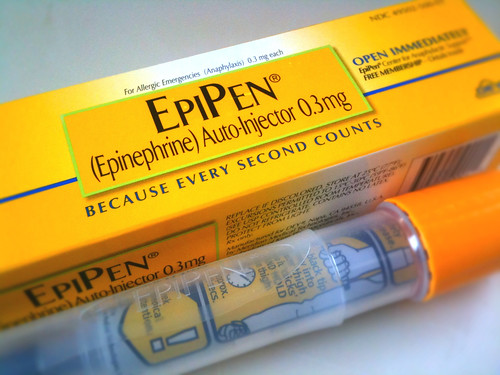
Epi-Pen to Stop Epileptic Seizures?


I used these devices in the military. Its about time that EMS had a better approach. JR


The longer an epileptic seizure lasts, the more likely it is to turn deadly.

Besides administering an oral or anal gel suppository – which can be difficult to give successfully in the midst of a seizure – caregivers are at a race against time, with little to do but wait for paramedics to arrive.

But researchers through the National Institute of Neurological Disorders and Stroke, a branch of the National Institutes of Health, say creating an injectible pen to stop seizures -- much like the popular EpiPen used widely for treating acute allergic reactions - may prove to be a lifesaver.

In a new study, published Wednesday in the New England Journal of Medicine, researchers found that injecting emergency anti-seizure medication into the muscle can stop prolonged seizures -- those seizures that last for five minutes or longer -- faster than if it were administered through an IV line administered by a paramedic.

Nearly 900 patients with epilepsy who experienced seizures lasting longer than five minutes, either were given a shot in the muscle with the anticonvulsant midazolam by paramedics, or the standard IV line of the anticonvulsant drug lorazepam.

On average, the seizures were shorter for those patients who were administered a shot of midazolam directly into the muscle, lasting just 1 1/2 minutes after the medication was injected. Patients who received anticonvulsant drugs by IV drip, by contrast, suffered longer seizures, which continued on average for as long as five minutes before the treatment took effect.

Nearly 55,000 people die each year from prolonged seizures, according to Dr. Robert Silbergleit, emergency physician at the University of Michigan Health System, and lead author of the study.

"It's difficult to start an IV in somebody who's having convulsions, who's shaking, and that difficulty can cause a delay in getting the IV started, which can cause a delay in stopping the seizure," said Silbergleit. "And it can also be a safety hazard for the paramedic who's got a sharp object and a shaking patient," he said.

Although paramedics administered the shot to patients in the study, the findings could pave the way for a shot that can be administered by caregivers before paramedics even arrive, according to Dr. Jason McMullan, assistant professor of clinical emergency medicine at the University of Cincinnati and co-investigator of the study.

"The earlier they are treated, the sooner the seizure will stop, the easier it will be to control and the better the outcome," said McMullan.

The study enrolled adults and children as young as 2 years old.

"Most seizures stop on their own without any type of medication," said McMullan, adding that the findings only apply to those who have prolonged seizures, known as status epilepticus.