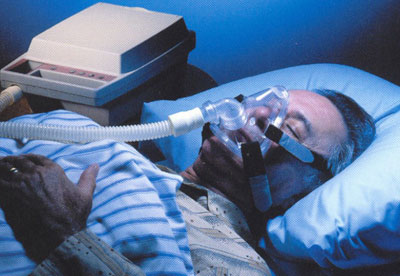
Showing posts with label snoring child causes. Show all posts

Tuesday, February 19, 2013

Sleep Disordered Breathing in Children and its Risks

This article discusses signs of sleep disordered breathing in children, its prevalence and other statistics on sleep disordered breathing, and the risks it poses to the child's health.


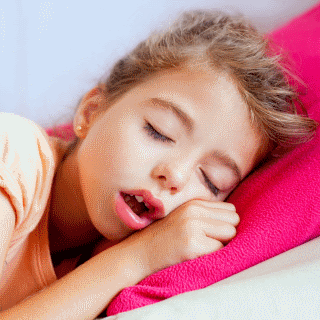
Does your child snore? Does he breathe through his mouth when he sleeps? Do you ever notice pauses in your child's breathing while she's asleep? If you've answered yes to any of these questions, your child may be suffering from sleep-disordered breathing.
Sleep-disordered breathing in children is disruptive to their nightly rest, which can result in other health problems. Scientists are still working to get a sense of how prevalent the disorder is among children. We're also still learning about the risk factors that contribute to sleep-disordered breathing in children, as well as the health consequences for kids who suffer from it. Increasingly, it appears that both the risks and the health effects of sleep-disordered breathing are different in children than they are in adults. A new study examines both the prevalence of sleep disordered breathing in children, and the particular risk factors they face.
Researchers in Finland examined sleep-disordered breathing in 491 children ages 6-8. Their study, which was part of a larger research project on child health, analyzed the prevalence of sleep-disordered breathing among the children. The study also examined risk factors that might contribute to the sleep disorder, including tonsil size, jaw position and facial proportions. For the purpose of this study, sleep-disordered breathing was defined as frequent or loud snoring, mouth breathing during sleep and sleep apnea.
Here are some important highlights of their results:
  • 9.9% of children had some type of sleep-disordered breathing. This rate was the same for both boys and girls in the study
  • Average body-fat percentage was 20.6 for girls and 15.0 for boys
  • 11.4% of boys and 15.6% of girls were overweight or obese
  • Body fat was not associated with an increased risk of sleep-disordered breathing. Sleep-disordered breathing was no more frequent among obese and overweight children in this study than among children at normal weight

Several craniofacial features were associated with elevated risk for sleep-disordered breathing: 
  • Children with enlarged tonsils were 3.7 times as likely to experience symptoms of sleep-disordered breathing

  • Children with cross bite were 3.3 times a likely to have sleep-disordered breathing. Cross bite is a dental condition where teeth are out of alignment with corresponding teeth above or below.

  • Children with convex facial profiles were 2.6 times as likely to suffer from sleep-disordered breathing as children with other facial types. Convex facial features include prominent forehead and brow line and receding chin.
These results suggest that the risk factors for sleep-disordered breathing in children may be very different than those for adults. The most significant risk factor of sleep-disordered breathing in adults is excess body weight. Research indicates that 70% of people who are morbidly obese have obstructive sleep apnea. This study indicates that excess weight may not be a risk factor for children. For them, features of the head, neck and throat, as well as certain dental conditions, may be more significant indicators of risk for sleep-disordered breathing.
The health problems for children who develop sleep-disordered breathing also appear to be different than those for adults. A growing body of research indicates that children who experience sleep-disordered breathing are at greater risk for problems with behavioral, emotional and cognitive development: 
  • This large-scale study of more than 11,000 children found that kids with sleep-disordered breathing were significantly more likely to exhibit behavioral and emotional problems, including hyperactivity, anxiety, depression, social issues with peers, and conduct problems including aggressiveness.

  • Children who exhibit aggressive and bullying behavior in school were twice as likely to have some form of sleep-disordered breathing, according to this research

  • Children with sleep-disordered breathing demonstrated lower intellectual abilities than those without, in this study. This cognitive impairment existed regardless of the degree of severity of the sleep disorder. Even children with mild forms of sleep-disordered breathing experienced cognitive difficulties.
A recent large-scale study in the United States examined the prevalence for sleep disordered breathing among children. Researchers evaluated more than 12,000 children between the ages 6 months and 6.75 years, and found: 
  • 1-2% of children across all ages suffer from chronic sleep apnea

  • As many as 21% of children in this age range snore habitually

  • Children ages 1.5-2.5 years are especially vulnerable to snoring: researchers found a significant increase in rates of snoring among children at this age

  • By the age of six, 25% of children are mouth breathing during sleep

These latest results from Finnish scientists add to the body of research that indicates how significant an issue sleep-disordered breathing is for children. We need to know more about the prevalence of the disorder among children, as well as the risk factors and health consequences. We also need to further explore how the risks to children may differ from adults.
To avoid the behavioral, cognitive and emotional problems associated with sleep-disordered breathing, we also need to get better at identifying the problem. Early intervention can help avoid more serious problems that can occur if the disorder is left untreated. The most effective treatment strategy will involve the cooperation among doctors and dentists. But the process starts with parents. Paying attention to your child's breathing during sleep, and bringing attention to any signs of irregular breathing, is the first and critical step.
Read more here

Wednesday, September 05, 2012

Reasons Why Children Snore


This article discusses many reasons that could cause children to snore.

With school days upon us, a good night's sleep should be on the top of each child's list of supplies. But for some children, getting the rest they need means more than an early bedtime. At Clarity Allergy Center in Chicago, allergy, asthma, and immunology expert, Dr. Brian Rotskoff, is helping parents recognize the signs of childhood obstructive sleep apnea by carefully monitoring childhood snoring and childhood nasal allergies.

Many children snore from time to time, particularly if they have a cold or asthma. But as Dr. Rotskoff, a highly specialized pediatric nasal congestion and sleep apnea expert explains, "if your child is a restless sleeper who chronically snores and mouth breaths and shows signs of daytime difficulties, obstructive sleep apnea could be the cause." He also points out that the symptoms ofsleep apnea in kids can be subtler than those of adult sleep apnea.

Beyond restless nights, Dr. Rotskoff encourages parents who suspect their child may have obstructive sleep apnea to watch for these warning signs that can begin as early as 2-6 years of age.
Nighttime Sleep Apnea Symptoms
  • Persistent snoring and mouth breathing
  • Gasping or labored breathing
  • Frequent bedwetting beyond normal age range
  • Night sweats
  • Unusual sleeping positions
Daytime Sleep Apnea Symptoms
  • Allergies, asthma, or frequent ear infections
  • Poor school performance or trouble focusing on tasks
  • Behavioral or social problems
  • Bad mood or constant agitation
  • Depression or anxiety
Childhood Nasal Allergies and Asthma
It's highly common for children with sleep apnea to have other breathing issues. "Some children are just persistent snorers and don't necessarily have sleep apnea," acknowledges Dr. Rotskoff, "but compounding issues, such as enlarged tonsils and adenoids, can elevate to sleep apnea."
Dr. Rotskoff is one of few allergy and asthma experts to give childhood sleep apnea the attention it deserves. Even if your child is getting 10-12 hours of sleep each night, sleep apnea can cause enough disruption to affect mood, school performance, and overall behavior. "Studies show that middle school and high school kids with moderate to severe sleep apnea achieve lower grades and have greater trouble focusing or paying attention in class," he says.
If you think your child suffers from sleep apnea, Dr. Rotskoff suggests a thorough exploration of all symptoms and physical factors that could contribute to breathing problems. Beyond monitoring your child's tonsil and adenoid size, Dr. Rotskoff will evaluate their soft palate and uvula, tongue, jaw positioning, and nasal passages and airways. He works closely with parents to determine the most conservative and effective treatment.
"Addressing your child's sleep issues early will not only improve academic and social performance, it will also position them for healthy adult sleep habits," concludes Dr. Rotskoff.
Read more here

Tuesday, September 04, 2012

How Socioeconomics Impacts Proper Sleep Apnea Diagnosis And Treatment


This article discusses why people from lower socioeconomic backgrounds are disproportionately effected by sleep apnea.

A wide range of serious health problems disproportionately afflict individuals from economically disadvantaged backgrounds. These conditions, which reduce quality of life and shorten lifespan, include heart disease, stroke, diabetes, asthma, and cancer. Other health problems commonly associated with poverty are obesity, pregnancy complications, increased infant mortality, HIV/AIDS and dental disease. The U.S. Department of Health and Human Service's "Healthy People 2020," which sets 10-year national objectives for improving the health of the nation, has prioritized the need to close the gap in these "health disparities." There are numerous potential targets for improving the health of low-income people, such as improving nutrition and access to health care. In addition, accumulating research points to a need to improve sleep as means for improving alertness and daily functioning, as well as for reducing the risk of developing chronic diseases such as diabetes and heart disease.
Sleep disorders and sleep deficiency (akin to a vitamin deficiency, reflecting a lack of an essential ingredient for healthy functioning) afflict a high proportion of both children and adults. Notably, individuals from disadvantaged neighborhoods and racial/ethnic minorities are at increased risk for poor sleep and for sleep disorders due to a variety of environmental exposures, occupational and psychosocial conditions, and possibly genetic factors. As will be discussed next week by Drs. Buxton and Okechukwu, persons of color and from poor neighborhoods are significantly more likely to be sleep-deprived and to have poor sleep quality, which often leads to elevations in blood pressure, abnormalities in blood sugar, weight gain and obesity, and other health problems.
The sleep disorder sleep apnea is also especially common in minority groups and individuals from disadvantaged neighborhoods. This disorder occurs when the throat closes during sleep, resulting in snoring (vibration of the tissues of the throat as the air passages narrow and increase) and periods when breathing briefly but repeatedly stops ("apnea"=no breathing). These interruptions in breathing, which may occur hundreds of times during the night in individuals with sleep apnea, can lead to marked decreases in the body's oxygen levels, frequent awakenings, release of stress hormones, and marked spikes in blood pressure. These stresses, however, are not confined to the night, but also often lead to persistent physiological abnormalities that affect the cardiovascular and endocrine systems. In fact, sleep apnea results in a marked increase in risk for developing high blood pressure, heart failure, stroke, diabetes, abnormal heart rhythms (atrial fibrillation), and early death. Sleep apnea is also is associated withpregnancy complications. In children, sleep apnea is associated with elevations in blood pressure, a predisposition to diabetes, and behavioral problems such as attention-deficient hyperactivity disorder.
Why are minority and low-income people at increased risk for sleep apnea? The answer is not completely clear, but it appears that some of the risk is associated with elevated exposure to poor air quality due to environmental tobacco smoke and air pollution-factors that may cause chronic inflammation of the tissues near the throat. The increased risk is partly associated with higher frequencies of overweight, which itself may be a result of sleep deprivation, a cause of overeating. Sleep apnea tends to run in families, and it appears that genetic factors may also contribute to disease risk.
Despite the relatively high prevalence of sleep apnea in low-income populations, it is often under-recognized and inadequately treated in these groups. Recognition may be hampered when individuals do not receive regular medical care, when health care providers only focus on their patient's known medical problems and do not ask about sleep problems, when patients themselves do not recognize the potential dangers of their poor sleep and snoring and do not discuss these issues with their doctors.
Treatment of sleep apnea also is often inadequate in individuals with more limited resources. The "gold standard" treatment of sleep apnea involves using a device on a nightly basis that keeps the throat from collapsing (a CPAP machine). This treatment is highly effective, but often requires initial support from an experienced team of sleep specialists to make sure the device is properly fit for the patient, who may need to be supported while adjusting to this new treatment. This requires a solid partnership between the patient and medical team, which sadly, is less common for many low-income patients. Research indeed shows that use of prescribed CPAP is often suboptimal in minority and low-income patients. Thus, it is likely that large numbers of patients with sleep apnea are left undiagnosed and/or untreated for a treatable condition that can have profound health effects.
Colleen Lance
Recognizing the importance of this emerging public health issue, this past June, Harvard University and its partner institutions sponsored a symposium "Sleep Health Disparities: Opportunities to Improve the Health of the Community" to bring together experts in health disparities research, sleep medicine, population health, community outreach, and environmental science to foster new dialogue, consider emerging questions, and identify important next steps to move forward the field of sleep health disparities. Presenters and participants explored the mediating role of sleep disorders in health disparities, potential mechanisms linking sleep disorders to chronic health conditions, and barriers to clinical recognition and treatment of sleep deficiency and sleep disorders in disadvantaged populations. Participants endorsed a need to better identify the determinants of poor sleep in low-income populations, including focusing on risk factors operating in households and the work place and behaviors that influence parents and their children. The consensus: a clear need to improve recognition of sleep apnea by primary care providers and to understand how to best support treatment in minority and low-income populations.
Read more here

Saturday, March 31, 2012

Study: Sleep Apnea Raises Risk For Depression And Other Serious Health Problems


Sleep apnea, a condition that causes sleepers to stop breathing and gasp for air, may be linked to depression, according to a new study. Men with sleep apnea are twice as likely to be depressed and the emotional impact for women is even greater. Female sleep apnea sufferers are five times as likely to show signs of depression compared to normal sleepers, researchers reported.

Sleep apnea often persists undiagnosed. Researchers relied on self reporting and more than 80 percent of people who reported classic sleep apnea symptoms such as snorting or gasping for breath in their sleep were never officially diagnosed.

People who reported sleep apnea symptoms without an official diagnosis were three times more likely to exhibit symptoms of depression, such as hopelessness, feeling like a failure and poor appetite, according to the study.

"Mental health professionals often ask about certain sleep problems such as unrefreshing sleep and insomnia, but likely do not realize that [sleep apnea] may have an impact on their patients' mental health." the researchers, led by Dr. Anne Wheaton, an epidemiologist with the Centers for Disease Control and Prevention, wrote in the study.

Over 100 million people worldwide have sleep apnea, many of whom remain undiagnosed according to theWorld Health Organization. Undiagnosed sleep apnea adds $3.4 billion a year to medical costs, according to a 1999 study.

More research is needed to determine whether treating sleep apnea will alleviate depression symptoms, the researchers wrote.

Sleep apnea is most commonly treated with a continuous positive airway pressure, also known as CPAP, machine. The machine fits over the users face like a mask and blows air into the throat to keep the airway open, allowing the user to sleep without having to wake up to breath. Surgery can also be performed to increase the size of the airway, but is very painful, requires months of recovery and slightly changes facial appearance.

The journal Sleep will publish the study in April.

This study underscores the seriousness of sleep apnea, a condition that is already linked to a multitude of other health issues.

People with severe sleep apnea are at a higher risk of stroke, according to research presented at the American Stroke Association's International Stroke Conference in February. Researchers conducted a sleep study on 61 patients who suffered a stroke without any symptoms, known as a silent stroke, and found 91 percent of them had sleep apnea.

"We found a surprisingly high frequency of sleep apnea in patients with stroke that underlines its clinical relevance as a stroke risk factor," Jessica Kepplinger, lead researcher and research fellow at the Dresden University Stroke Center's Department of Neurology, said in a statement.

Sleep apnea may also be a risk factor for dementia in women, according to a study published in the Journal of the American Medical Association. Researchers studied 105 women with an average age of 82 who were diagnosed with sleep apnea but otherwise healthy. Five years later, 45 percent of the women with sleep apnea had developed some form of dementia. After adjusting for factors such as age, race and smoking status, researchers concluded that people with sleep apnea are 85 percent more likely to develop dementia.

Sleep apnea can also put a damper on your sex life. Researchers compared 80 women with sleep apnea to 240 women without the condition and found women with sleep apnea had a lower libido and more instances of sexual dysfunction, according to a study published in the Journal of Sexual Medicine.

Gasping for air can cause erectile dysfunction as well, according to a study published in the American Journal of Respiratory and Critical Care Medicine. Mice that underwent intermittent periods with a lack of oxygen, much like people with sleep apnea do, had a lower libido and developed erectile dysfunction. The mice did not fully recover six months after the study concluded, leading researchers to conclude sleep apnea can cause long-term damage even once it is treated.

Read more here

Sunday, February 05, 2012

Sleep Apnea May Be Tied to 'Silent' Strokes, Study Finds


Other research also suggests rapid memory loss may be linked to a fatal brain attack
URL of this page: http://www.nlm.nih.gov/medlineplus/news/fullstory_121447.html (*this news item will not be available after 05/01/2012)
Wednesday, February 1, 2012HealthDay Logo
HealthDay news image
WEDNESDAY, Feb. 1 (HealthDay News) -- Sleep apnea, the disorder marked by abnormal pauses in breathing during sleep, is already known to boost the risk of stroke. Now, a new study links sleep apnea to so-called silent strokes, in which there is tissue death in the brain without symptoms.
In another new study, researchers found that rapid memory loss before a stroke boosts the risk of the stroke being fatal.
Both studies are slated for presentation Wednesday at the American Stroke Association's International Stroke Conference in New Orleans.
Stroke affects 795,000 Americans annually, according to the association.
In one study, Dr. Jessica Kepplinger, a fellow at the University of Technology in Dresden, Germany, and her colleagues evaluated 56 patients who had a stroke. They knew that silent strokes had been linked to an increased risk of strokes. However, "there are barely any studies that have investigated the relationship between sleep apnea and the so-called clinically silent strokes," she said.
To look at the relationship, they first gave patients in-hospital testing for apnea. "We found an overall high frequency of sleep apnea, 91 percent, in our study population of acute stroke patients, which underlines the importance of this stroke risk factor," Kepplinger said.
The team also performed brain-imaging studies. Those with sleep apnea were more likely to have the silent strokes, as evidenced on the brain scans, the researchers found. Having more than five episodes a night was linked with having silent strokes. The higher the severity of the apnea, the more likely these silent strokes were found on brain imaging.
The more severe the apnea, the less favorable the outcome when the patient was discharged.
The patients were on average 67 years old, and just over half of them were women, the study authors noted.
While the study found an association between sleep apnea and stroke, it did not prove a cause-and-effect relationship.
In the second study, Qianyi Wang, a graduate student at the Harvard University School of Public Health, and colleagues evaluated nearly 12,000 men and women, all above age 50, enrolled in the U.S. Health and Retirement Study.
All were stroke-free at the start. The men and women were given memory tests every two years for up to 10 years.
Over time, 1,820 strokes were reported, including 364 people who died after the stroke.
The others were stroke-free for the entire follow-up period, the study authors noted.
The research looked at the memory declines over time. Those who later survived a stroke "had memory decline that is nearly twice as fast as stroke-free individuals, even before their stroke," Wang said.
"For people who do not survive stroke, this difference is even more striking," said M. Maria Glymour, an assistant professor of society, human development and health at Harvard and a study co-author. "Prior to stroke, people who later died shortly after stroke were declining three times as fast as the stroke-free."
The study was funded by the U.S. National Institute on Aging and the American Heart Association.
"Our study is the first national picture of how memory changes over the long-term before and after stroke onset, compared to individuals who do not have a stroke," Glymour said.
Both studies provide some valuable information, said Dr. Ralph Sacco, chair of neurology at the University of Miami Miller School of Medicine and past president of the American Heart Association. He reviewed the findings.
"It's been mainly in smaller studies that sleep apnea has been shown to be a risk factor for stroke," Sacco said. The new research, he noted, goes even further by linking sleep apnea with the milder "silent" strokes.
"There are many reasons to treat sleep apnea, including reducing the risk for clinical and now silent stroke," Sacco said.
The memory-loss study, he said, "is telling us that those who have the worst memory loss may have a greater death rate when they have the stroke." Those with more memory loss in the study may also have had more risk factors for stroke, Sacco added.
Even so, he said, the message seems to be that taking care of brain health may help us in several ways. "What is good for our memory may also be good for surviving a stroke," Sacco said.
Because these studies were presented at a medical meeting, the data and conclusions should be viewed as preliminary until published in a peer-reviewed journal.

Article Here
SOURCES: Jessica Kepplinger, fellow, University of Technology Dresden, Germany; Ralph Sacco, M.D., chair of neurology, University of Miami Miller School of Medicine; M. Maria Glymour, S.D., assistant professor of society, human development and health, Harvard School of Public Health; Qianyi Wang, graduate student, Harvard School of Public Health; Feb. 1, 2012, presentations, International Stroke Conference, New Orleans
HealthDay

Related MedlinePlus Pages
Page last updated on 02 February 2012