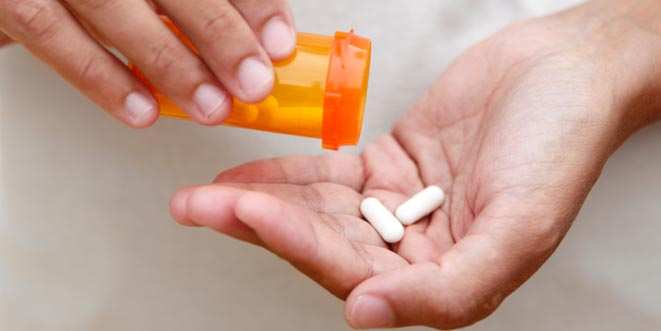
Pharmacists can help reduce errors in anti-epileptic drug prescriptions.
Clinical pharmacists can reduce anti-epileptic drug (AED) prescription errors that commonly result from incomplete or poor documentation, according to a literature review published in Seizure, The European Journal of Epilepsy.
Researchers from the Alder Hey Children’s NHS Foundation Trust in the United Kingdom conducted a 12-month retrospective review of all pediatric outpatient prescriptions of anti-epileptic drugs (AEDs) at a large children’s hospital. In the study, the authors acknowledged that pediatric AEDs are particularly difficult to prescribe, given the wide variety of available choices and potential interactions among AEDs and other medications.
The investigators monitored all new prescriptions for AEDs issued from the hospital’s general pediatric and pediatric neurology departments in 2012. Data was collected regarding patient demographics, diagnosis/indication for the AED, clarity of dosage instructions, prescriber details, and whether a pharmacist intervention was required prior to dispensing the medication.
Over the course of the year, a total of 262 new AED prescriptions were written, with 19 patients receiving more than 1 AED prescription. Of those prescriptions, an astounding 72.1% were deemed incomplete with at least 1 piece of missing information, the study authors noted.
Furthermore, 164 (62.6%) of the prescriptions did not document any diagnosis or reason for prescribing the AED. Of the remaining 98 prescriptions, 50 documented only the word “epilepsy,” while 48 described a non-epileptic diagnosis, such as “migraine,” “behavioral problems,” and “chronic pain.”
AED prescribers recorded their designation and immediate contact details in just 41.6% of all AED prescriptions. Of those detailed prescriptions, 65.1% were written by a senior doctor, 17.4% were prescribed by a specialist trainee or junior doctor, and another 17.4% were illegible or not recorded.
Among all epilepsy diagnoses, the most commonly prescribed AED was sodium valproate, followed by a tie between carbamezapine and levetiracetam. For prescriptions with a designated non-epileptic diagnosis, the most commonly prescribed medication was gabapentin.
Pharmacists contacted physicians concerning 44 prescriptions (16.8%), 15 (34%) of which were due to errors in dosage or frequency of administration. Such dosing errors were identified by pharmacists for carbamazepine, gabapentin, lamotrigine, and topiramate, among other AEDs. According to the researchers, all AED prescriptions with dosing errors were amended prior to being dispensed.
“Although there were high numbers of incomplete or inadequate prescriptions in the current study, no patients had their medication incorrectly dispensed, (which) reflects the pharmacists’ review of each prescription prior to the drug being dispensed,” the study authors concluded. “Clearly, it is the clinician’s responsibility to prescribe the most appropriate AED, but it might be reasonable to have the choice of drug confirmed by a clinical pharmacist.”
Read more here
Information, News & Discussion about Infant Pediatric & Adolescent Neurology & Sleep Disorders. Science Diagnostics Symptoms Treatment. Topics include: Seizures Epilepsy Spasticity Developmental Disorders Cerebral Palsy Headaches Tics Concussion Brain Injury Neurobehavioral Disorders ADHD Autism Serving Texas Children's Neurology, Epilepsy, Developmental & Sleep Problems in The Houston Area and The San Antonio / Central & South Texas Areas
Showing posts with label drugs. Show all posts
Tuesday, September 30, 2014
Tuesday, July 08, 2014
PTSD may be preventable by a drug
Researchers have found a drug that may be able to prevent PTSD.
Scientists at Yerkes National Primate Research Center, Emory University have identified a drug that appears to make memories of fearsome events less durable in mice.
The finding may accelerate the development of treatments for preventing PTSD (post-traumatic stress disorder). The drug, called osanetant, targets a distinct group of brain cells in a region of the brain that controls the formation and consolidation of fear memories.
The results were published in the journal Neuron.
"Potentially, drugs that act on this group of cells could be used to block fear memory consolidation shortly after exposure to a trauma, which would aid in preventing PTSD," says Kerry Ressler, MD, PhD, professor of psychiatry and behavioral sciences at Emory University School of Medicine and Yerkes National Primate Research Center. "PTSD is unique among psychiatric disorders in that we know when it starts -- at the time of the trauma. Finding ways to prevent its development in the first place -- in the emergency department or the battlefield -- is an important and exciting avenue of research in this area."
The first author of the paper is postdoctoral fellow Raül Andero Galí, PhD. Ressler and Andero were sifting through a list of many genes that are activated in the brains of mice after they learn to become afraid of a sound, because the sound is paired with a mild electric shock. The researchers were probing for changes in the central amygdala, a region of the brain known to regulate fear learning.
Out of thousands of genes they examined, their "top gene" was Tachykinin 2 or Tac2. The Tac2 gene was turned on more strongly during fear learning in mice that were previously exposed to a model of traumatic stress.
"The Tac2 gene is robustly activated after fear learning and belongs to a pathway that can be specifically blocked with a drug," Ressler says. "It was interesting that Tac2 is highly expressed in one particular part of the amygdala, but with low or no expression in other brain areas related to the formation of fear memories. Also, we found that the cells that express Tac2 are distinct from those other investigators had previously identified as being involved in fear expression."
Tac2 is part of a family of messengers in the nervous system known as tachykinins. Drugs that block a product encoded by Tac2's relative, Tac1, are antiemetics, often prescribed when someone is receiving chemotherapy for cancer.
Osanetant, which blocks the action of Tac2, has been tested in previous clinical studies for schizophrenia and was safe but not effective in addressing that disorder. It has not been tested in humans for PTSD prevention.
"Osanetant is a safe and well-tolerated drug in humans and could be potentially used to prevent PTSD when given shortly after trauma, although more research is needed," Andero says.
Under the influence of osanetant, mice could still learn to become afraid of a sound paired with a shock, but the mice did not freeze as much in response to the sound a day later, even if the drug was given an hour after training.
"Our goal is to specifically impair emotional memories related to a traumatic event instead of all memories associated with it. Thus, the trauma and its circumstances are remembered but the consolidation of fear memories is impaired, which could decrease the likelihood of developing fear-related disorders," Andero says.
Read more here
Labels:
brain,
brain cells,
drugs,
mouse,
ptsd,
ptsd prevention,
study drugs
Saturday, April 05, 2014
One stop shop for a scholarly review of state-of-the-art research on autism in children
This article reviews the recent research that has been done on autism in 6 main areas.
Recent years have seen exciting progress in key areas of research on autism spectrum disorders (ASD): from possible genetic causes, to effective treatments for common symptoms and clinical problems, to promoting success for young people with ASD entering college. Updates on these and other advances in ASD research are presented in the March special issue of Harvard Review of Psychiatry.
"Autism is one of the most challenging disorders to treat and the public health concerns associated with the disorder are numerous due to its burden on the individual, on the family and on society," write guest editors Drs Jean A. Frazier of University of Massachusetts Medical School and Christopher J. McDougle of Harvard Medical School. The special issue provides a timely update on research into the causes, important clinical issues, and evidence-based treatments for ASD.
Updates on ASD Research in Six Key Areas
Leading experts provide state-of-the-art reviews on six topics: the genetics of ASD; the use of psychoactive drugs; symptoms of special clinical problems, including obesity, gastrointestinal problems, and sensory issues; and transitioning to college.
Genetics. Over the last few years, there have been "unprecedented advances" in understanding the genetic causes of ASD. Hundreds of genes conferring varying degrees of ASD risk have been identified to date. Many of these genes also appear to be risk factors for related neurodevelopmental disorders and psychiatric problems. While many unanswered questions remain, it may soon be possible to make specific genetic diagnoses in children with ASD.
Psychoactive medications. Despite limited evidence, psychotropic drugs are widely used to manage behavior problems and mental health disorders in children with ASD. For medication classes -- including antidepressants and stimulants -- effectiveness may differ for youth versus adults with ASD. New treatments affecting specific neurotransmitters and the hormone oxytocin are under development, and may help in targeting the "core symptoms" of ASD.
Obesity. Obesity is a common problem with a major impact on the health of children with ASD. Some ASD-related genes may also promote obesity; the same is true for antipsychotic drugs used to help manage behavior problems. Other contributing factors may include sleep disorders and barriers to getting enough exercise. Childhood obesity and related health issues may be a "significant threat" to the health and quality of life of children with ASD.
Gastrointestinal issues. Children with ASD also have high rates of gastrointestinal symptoms and disorders. Some genes linked to ASD may also play a role in gastrointestinal disturbances, with a possible link to immune system dysfunction. There's also emerging evidence of a potential "gut-brain" connection, with gastrointestinal dysfunction contributing to the development or severity of ASD symptoms.
Sensory symptoms. Children with ASD have various abnormalities of sensory function, including both over- and under-responsivity as well as "sensory seeking behavior." Although the neurobiology of these sensory symptoms remains unclear, some researchers suggest they are related to known abnormalities of brain structure and function. Recent studies show that sensory symptoms are related to other ASD-related symptoms and behaviors; more research is needed to demonstrate the effectiveness of "sensory integration therapy" and other occupational therapy approaches.
Preparing for college. The final article highlights the need for new approaches to meeting the needs of "high-functioning" ASD patients entering college. Students "on the spectrum" transitioning to college are at risk of both academic and social problems, and may benefit from accommodation and supports. Based on a growing body of research, a set of recommendations for developing more effective transition plans for children with ASD are proposed.
Along with the editors of Harvard Review of Psychiatry, Drs Frazier and McDougal hope their special issue will provide a useful update for clinicians caring for the growing numbers of individuals and families living with ASD. They conclude, "Clearly, more research is needed on every level for the field to help support and treat individuals on the spectrum so that they can optimize their developmental trajectory and as adults become integral members of our work force."
The journal can be found online at:http://journals.lww.com/hrpjournal/Pages/default.aspx
Saturday, February 01, 2014
Study: Thinking migraine drugs will help will boost the positive effects
A new study of migraine sufferers is the latest to demonstrate the remarkable power of the placebo effect, finding that what a doctor tells you when prescribing medicine can influence your body’s response to it. The study, published Wednesday in the journal Science Translational Medicine, compared the effects of the common migraine drug Maxalt (rizatriptan) to an inactive placebo (sugar pill) in 66 sufferers of chronic migraine headaches, a condition whose symptoms include throbbing headaches, nausea, vomiting and sensitivity to light and sound.
The researchers from Harvard Medical School and Beth Israel Deaconess Medical Center (BIDMC) in Boston found that study participants reported relief from the placebos even when they knew they were taking them.
Interestingly, the researchers also found a ‘reverse-placebo’ effect, whereby patients who believed they were getting the placebo found that the real drug did not work as well as it should have.
The so-called ‘placebo effect‘ is a powerful, effective medical treatment and has been found to help treat or reduce the symptoms of a wide variety of conditions such as irritable bowel syndrome (IBS), depression, anxiety, ADHD, restless leg syndrome and others.
However, the current study is the first to quantify how much pain relief is attributed to a drug’s pharmacological effect, and how much to a placebo effect, and demonstrates that a positive message and a powerful medication are both important for effective clinical care.
The study uncovered three key findings: 1) the benefits of Maxalt increased when patients were told they were receiving an effective drug for the treatment of acute migraine; 2) when the identities of Maxalt tablets and placebo pills were switched, patients reported similar reductions in pain from placebo pills labeled as Maxalt as from Maxalt tablets labeled as placebo; and 3) study participants reported pain relief even when they knew the pill they were receiving was a placebo, compared with no treatment at all.
“One of the many implications of our findings is that when doctors set patients’ expectations high, Maxalt [or, potentially, other migraine drugs] becomes more effective,” said Rami Burstein, PhD, the study’s senior author and Director of Pain Research in the Department of Anesthesia, Critical Care and Pain Medicine at BIDMC.
“Increased effectiveness means shorter migraine attacks and shorter migraine attacks mean that less medication is needed,” he said.
“This study untangled and reassembled the clinical effects of placebo and medication in a unique manner,” said the study’s other senior author, Ted Kaptchuk, Director of the Program in Placebo Studies and Therapeutic Encounter (PiPS) at BIDMC and Harvard Medical School.
“Very few, if any, experiments have compared the effectiveness of medication under different degrees of information in a naturally recurring disease. Our discovery showing that subjects’ reports of pain were nearly identical when they were told that an active drug was a placebo as when they were told that a placebo was an active drug demonstrates that the placebo effect is an unacknowledged partner for powerful medications,” Kaptchuk said.
The researchers studied over 450 attacks in the 66 participants. After an initial “no treatment” episode in which patients documented their headache pain and accompanying symptoms 30 minutes after headache onset, and again two hours later (2.5 hours after onset), the participants were provided with six envelopes containing pills to be taken for each of their next six migraine attacks.
Of the six treatments, two were made with positive expectations (envelopes labeled “Maxalt”), two were made with negative expectations (envelopes labeled “placebo”), and two were made with neutral expectations (envelopes labeled “Maxalt or placebo”). In each of the three situations – positive, negative or neutral – one of the two envelopes contained a Maxalt tablet while the other contained a placebo, no matter what the label actually indicated. The patients then documented their pain experiences in the same manner as they had initially in the no-treatment session.
The results consistently showed that giving the pills accompanied by positive information incrementally boosted the efficacy of both the active migraine medication and the inert placebo.
“When patients received Maxalt labeled as placebo, they were being treated by the medication – but without any positive expectation,” Burstein said.
“This was an attempt to isolate the pharmaceutical effect of Maxalt from any placebo effect.”
Conversely, the inert placebo labeled as Maxalt was an attempt to isolate the impact of the placebo effect from pharmaceutical effect.
“Even though Maxalt was superior to the placebo in terms of alleviating pain, we found that under each of the three messages, the placebo effect accounted for at least 50 percent of the subjects’ overall pain relief. When, for example, Maxalt was labeled ‘Maxalt,’ the subjects’ reports of pain relief more than doubled compared to when Maxalt was labeled ‘placebo.’ This tells us that the effectiveness of a good pharmaceutical may be doubled by enhancing the placebo effect,” said Kaptchuk.
The researchers were surprised to find that even when subjects were given a clearly labeled placebo, they reported pain relief when compared with no treatment.
“Contrary to conventional wisdom that patients respond to a placebo because they think they’re getting an active drug, our findings reinforce the idea that open label placebo treatment may have a therapeutic benefit,” wrote the study’s authors.
The researchers said the study’s findings suggest that placebos may someday provide a therapeutic boost to drug treatments, although further research is needed to explore how this is best applied in clinical care settings.
Read more here
Thursday, January 30, 2014
Ecstasy may help those with Anxiety and PTSD
Researchers say they've discovered how the club drug Ecstasy acts on the brain, and their findings suggest the drug might be useful in treating anxiety and post-traumatic stress disorder.
The study included 25 volunteers who underwent two functional MRI brain scans -- one after taking Ecstasy (MDMA) and one after taking a placebo. Both times, the participants did not know which substance they had been given.
Ecstasy decreased activity in the brain's limbic system, which is involved in emotional responses. The drug also reduced communication between the brain's medial temporal lobe and medial prefrontal cortex, which is involved in emotional control, according to the study, which was published online Jan. 13 in the journal Biological Psychiatry.
These effects are the opposite of brain patterns that occur in people with anxiety, said the researchers, from Imperial College London, in England.
The researchers also found that Ecstasy increased communication between the amygdala and the hippocampus. Previous research has shown that people with post-traumatic stress disorder (PTSD) have reduced communication between these brain areas.
"We found that MDMA caused reduced blood flow in regions of the brain linked to emotion and memory," study author Dr. Robin Carhart-Harris, of the department of medicine, said in a college news release. "These effects may be related to the feelings of euphoria that people experience on the drug."
"In healthy volunteers, MDMA seems to lessen the impact of painful memories," Carhart-Harris said. "This fits with the idea that it could help patients with PTSD revisit their traumatic experiences in psychotherapy without being overwhelmed by negative emotions, but we need to do studies in PTSD patients to see if the drug affects them in the same way."
Another researcher advised caution in applying the study results to other groups of people.
"The findings suggest possible clinical uses of MDMA in treating anxiety and PTSD, but we need to be careful about drawing too many conclusions from a study in healthy volunteers," study co-leader David Nutt, a professor of neuropsychopharmacology, said in the news release. "We would have to do studies in patients to see if we find the same effects."
A recent pilot study in the United States investigated the use of MDMA along with psychotherapy in the treatment of PTSD patients and yielded positive results, the researchers said.
Read more here
Saturday, January 11, 2014
Epilepsy drug may help adults learn pitch
Results from a study shows that an epilepsy drug can help adults learn the rare skill of having perfect pitch.
Perfect pitch, also called absolute pitch, is the ability to accurately name any pitch you hear. People with perfect pitch can sing any note of the chromatic scale without hearing reference pitches first.
Until recently, perfect pitch was thought to be an innate ability that very few children possessed. The American Psychological Association estimates that only one in 10,000 Americans have the gift.
But according to a research report published last week, scientists have discovered that Valproate, a drug used to treat epilepsy, can help adults develop perfect pitch.
Research had shown that the drug enabled adult mice to learn habits that were previously only possible for mice to learn during youth.
Harvard researcher Takao Hensch and an international team of scientists, then, decided to give Valproate to a group of adult men who had no prior musical training. They asked the group to complete an online ear-training course that lasted for two weeks.
At the end of the trial, those who took Valproate were significantly better at identifying pitches than those taking a placebo.
Hensch, who is a professor of molecular and cellular biology at Harvard, recently discussed the research team's findings with Linda Wertheimer of NPR. "It's a mood-stabilizing drug, but we found that it also restores the plasticity of the brain to a juvenile state," Hensch said.
In other words, the drug seems to restore the ability to learn certain tasks that were once thought impossible to learn outside of childhood.
Of course, the implications of such a drug are enormous. It could help adults learn a new language and speak that language without an accent, abilities which are thought to peak in early childhood.
For a long time, perfect pitch was thought to be a result of nature, not nurture.
In the NPR interview, Hensch acknowledges that there is a genetic component. But he and many other researchers believe that perfect pitch can be acquired, through early musical training before age seven.
Other researchers disagree, saying that the ability to develop perfect pitch is genetic and can't be taught.
However, there is one point on which researchers tend to agree: It is impossible for adults to develop perfect pitch.
Many musicians regard perfect pitch as the holy grail, the ultimate musical gift. Mozart had perfect pitch, and many experts think Beethoven had it also.
The ability to instantly identify whether any pitch is sharp or flat can help string players play in tune. The ability to sing any pitch can help singers navigate densely chromatic music.
And perfect pitch can help any musician sight-read a difficult score. A drug that could aid adults in developing this ability would probably prove extremely popular among musicians.
But Hensch warns that scientists are only beginning to understand how Valproate affects the brain's ability to learn new things. And the drug is known to have side effects.
So, it may be a long time before Valproate is available to consumers for this purpose. And those who take such a medication may find that perfect pitch has its downside.
Those who have it might not enjoy listening to an orchestra that tunes to a concert "A" that is a little sharp or flat, as some orchestras do. And hearing the out-of-tune pitches of electric appliances, train whistles and other background noises in our environment could become annoying for a whole new reason.
Read more here
Saturday, January 04, 2014
The effect of anti-epileptic drugs on children's growth
A recent study looked into how the use of anti-epilepsy drugs effects children's growth and health, and results showed that the use of certain drugs to impair the growth of children with epilepsy.
This study investigated whether long–term treatment with antiepileptic drugs (AEDs) had negative effects on statural growth and serum calcium levels in children with epilepsy in Taiwan. These results raise serious concerns about the growth of pediatric epilepsy patients who use AEDs, and potentially the need to closely monitor growth in children with epilepsy and adolescents under AED treatment, especially VPA.
Methods
- Children with epilepsy treated with one prescription of AEDs (monotherapy) for at least 1year were selected.
- The AEDs included valproic acid (VPA; Deparkin) in 27 children (11 boys and 16 girls) aged 4-18years, oxcarbazepine (Trileptal) in 30 children (15 boys and 15 girls) aged 5-18years, topiramate (Topamax) in 19 children (10 boys and 9 girls) aged 6-18years, and lamotrigine (Lamicta) in eight children (5 boys and 3 girls) aged 5-13years.
- Patients with a history of febrile convulsions were selected as the controls.
Results
- One year of VPA treatment significantly impaired the statural growth of pediatric patients with epilepsy (p<0.005) compared with the control group.
- The underlying mechanism may have been due to the direct effect of VPA on the proliferation of growth plate chondrocytes rather than alterations of serum calcium.
Read more here
Monday, December 30, 2013
Autism not related to mother's antidepressant use
Despite some concerns to the contrary, children whose moms used antidepressants during pregnancy do not appear to be at increased risk of autism, a large new Danish study suggests.
The results, published Dec. 19 in the New England Journal of Medicine, offer some reassurance, experts said.
There have been some hints that antidepressants called selective serotonin reuptake inhibitors (SSRIs) could be linked to autism. SSRIs are the "first-line" drug against depression, and include medications such as fluoxetine (Prozac), sertraline (Zoloft), citalopram (Celexa) and paroxetine (Paxil).
In one recent U.S. study, mothers' SSRI use during pregnancy was tied to a twofold increase in the odds that her child would have autism. A Swedish study saw a similar pattern, though the risk linked to the drugs was smaller.
But both studies included only small numbers of children who had autism and were exposed to antidepressants in the womb.
The new study is "the largest to date" to look at the issue, using records for more than 600,000 children born in Denmark, said lead researcher Anders Hviid, of the Statens Serum Institute in Copenhagen.
And overall, his team found, there was no clear link between SSRI use during pregnancy and children's autism risk.
Hviid cautioned that the finding is still based on a small number of children who had autism and prenatal exposure to an SSRI -- 52, to be exact. The researchers noted that it's not possible to rule out a small increase in autism risk.
But, Hviid said, "at this point, I do not think this potential association should feature prominently when evaluating the risks and benefits of SSRI use in pregnancy."
Commenting on the findings, Christina Chambers, director of the Center for the Promotion of Maternal Health and Infant Development at the University of California, San Diego, stated, "I think this study is reassuring."
One "important" point, Chambers added, is that the researchers factored in mothers' mental health diagnoses -- which ranged from depression to eating disorders to schizophrenia.
"How much of the risk is related to the medication, and how much is related to the underlying condition?" Chambers said. "It's hard to tease out."
In theory, she noted, depression or other mental health disorders could contribute to autism risk because those moms may be more likely to make unhealthy lifestyle choices, such as smoking or drinking.
In this study, Hviid's team did initially see a slightly increased risk of autism among children whose mothers used SSRIs during pregnancy. But once the researchers factored in the psychiatric disorders themselves, that statistical link fell away.
On top of that, there was a slight increase in autism risk among children whose mothers had used an SSRI in the two years before pregnancy, but not during pregnancy.
Hviid said that all suggests it's the underlying conditions, rather than the drugs, that are associated with a small autism risk -- though the reasons, he added, are unknown.
The study, which was funded by the Danish government, is based on records from Denmark's national system of health databases. Of nearly 627,000 children born between 1996 and 2005, just under 3,900 were later diagnosed with autism.
Among those children, 52 were born to mothers who filled an SSRI prescription during pregnancy. There were just over 6,000 other children whose mothers used the antidepressants during pregnancy but did not develop autism.
Both Hviid and Chambers said the findings do not prove that SSRIs carry no autism risk. And a connection is biologically plausible, Hviid said.
No one knows what causes autism, which affects an estimated one in 88 children. But it involves a disruption in fetal brain development. It's thought that serotonin -- the chemical that SSRIs target -- contributes to early brain development, and in animals, altered serotonin levels can affect brain function and behavior.
"It's still worthwhile to continue to study this," Chambers said.
But, she added, based on the human studies so far, "if there is any increased risk of autism, it appears small."
And for any one woman, Chambers said, that possible risk would have to be balanced against the risks of leaving major depression untreated.
"For some women, the optimal situation may be to take an SSRI, even if there is an association [with autism]," Chambers said.
Hviid agreed, saying that's a decision that has to be left up to women and their health care provider.
Read more here
Thursday, December 26, 2013
Inflammation can be caused by anti-epilepsy drugs
Physicians at the Ruhr-Universität Bochum (RUB) have been investigating if established anti-epilepsy drugs have anti-inflammatory or pro-inflammatory properties -- an effect for which these pharmaceutical agents are not usually tested. One of the substances tested caused stronger inflammations, while another one inhibited them. As inflammatory reactions in the brain may be the underlying cause for epileptic disorders, it is vital to take the trigger for the disorder under consideration when selecting drugs for treatment, as the researchers concluded. They published their report in the journal Epilepsia.
Glial cells play a crucial role in the nervous system
Hannes Dambach from the Department for Neuroanatomy and Molecular Brain Research, together with a team of colleagues, studied how anti-epilepsy drugs affect the survival of glial cells in cultures. Glial cells are the largest cell group in the brain; they are crucial for supplying neurons with nutrients and affect immune and inflammatory responses. The question of how glial cells are affected by anti-epilepsy drugs had previously not been studied in depth. The RUB work group Clinical Neuroanatomy, headed by Prof Dr Pedro Faustmann, analysed four substances: valproic acid, gabapentin, phenytoin and carbamazepine.
Four anti-epilepsy drugs affect glial cells in different ways
Glial cells treated by the researchers with valproic adic and gabapentin had better survival chances than those treated with phenytoin and carbamazepine. However, carbamazepine had a positive effect, too: it reduced inflammatory responses. Valproic acid, on the other hand, turned out to be pro-inflammatory. In how far the anti-epilepsy drugs affected inflammations was also determined by the applied dose. Consequently, different drugs affected glial cells -- and hence indirectly the neurons -- in different ways.
Inflammatory responses should be taken under consideration in clinical studies
"Clinical studies should focus not only on the question in how far anti-epilepsy drugs affect the severity and frequency of epileptic seizures," says Pedro Faustmann. "It is also necessary to test them with regard to the role they play in inflammatory responses in the central nervous system." Thus, doctors could take the underlying inflammatory condition under consideration when selecting the right anti-epilepsy drug.
Epilepsy may have different causes
In Germany, between 0.5 and 1 percent of the population suffer from epilepsy that requires drug treatment. The disease may have many causes: genetic predisposition, disorders of the central nervous system after meningitis, traumatic brain injury and stroke. Inflammatory responses may also be caused by damage to the brain.
Read more here
Thursday, November 28, 2013
Moms with epilepsy should breastfeed their infants
A study shows that breastfeeding mothers with epilepsy should continue to breastfeed their children regardless of taking antiepileptic drugs while breastfeeding. JR
The study aims to determine whether signs of impaired development appear already during the first months of life in children exposed prenatally to antiepileptic drugs, and to explore potential adverse effects of antiepileptic drug exposure through breastfeeding. Prenatal exposure to antiepileptic drugs was associated with impaired fine motor skills already at age 6 months, especially when the child was exposed to multiple drugs. There were no harmful effects of breastfeeding. Women with epilepsy should be encouraged to breastfeed their children irrespective of antiepileptic drug treatment.
Methods
- Mothers at 13 to 17 weeks of pregnancy were recruited in the population-based, prospective Norwegian Mother and Child Cohort Study from 1999 to 2009.
- The mothers reported on their child’s motor and social skills, language, and behavior using items from standardized screening tools at 6 months (n=78744), 18 months (n=61351), and 36 months (n=44147) of age.
- The mothers also provided detailed information on breastfeeding during the first year.
- The risk of adverse development in children according to maternal or paternal epilepsy was estimated as the odds ratio with corresponding 95% confidence interval, adjusted for maternal age, parity, education, smoking, breastfeeding, depression/anxiety, folate supplementation, and congenital malformation in the child.
Results
- At age 6 months, infants of mothers using antiepileptic drugs (n=223) had a higher risk of impaired fine motor skills compared with the reference group (11.5% vs 4.8%, respectively; odds ratio=2.1; 95% CI, 1.3-3.2).
- Use of multiple antiepileptic drugs compared with the reference group was associated with adverse outcome for both fine motor skills (25.0% vs 4.8%, respectively; odds ratio=4.3; 95% CI, 2.0-9.1) and social skills (22.5% vs 10.2%, respectively; odds ratio=2.6; 95% CI, 1.2-5.5).
- Continuous breastfeeding in children of women using antiepileptic drugs was associated with less impaired development at ages 6 and 18 months compared with those with no breastfeeding or breastfeeding for less than 6 months.
- At 36 months, prenatal antiepileptic drug exposure was associated with adverse development regardless of breastfeeding status during the first year.
- Children of women with epilepsy who did not use antiepileptic drugs and children of fathers with epilepsy had normal development at 6 months.
Read more here
Thursday, October 31, 2013
FDA approved marijuana-based CLINICAL TRIAL to treat Epilepsy
PLEASE NOTE: The FDA has recently approved a clinical trial or an experiment with a marijuana-base to treat epileptic disorders. The agent has not been approved for clinical use. If interested call the study sponsors below. JR
The US Federal Drug Association approved clinical studies that aim to determine whether purified cannabidiol (CBD) is a viable anti-seizure treatment. Physician investigators will be provided with Epidiolex, a new 98% CBD product made by GW Pharmaceuticals, and conduct Investigational New Drug studies involving epileptic children.
According to O’Shaughnessy, the clinical studies will be sponsored by Orrin Devinsky, MD, at the NYU School of Medicine, and Roberta Cilio, MD, PhD, at University of California, San Francisco. Both are expected to monitor the progress of 25 patients, but they may enroll more with approval from the FDA. Additionally, Cilio will conduct two individual studies as well.
GW Pharmaceuticals, the British company responsible for the cannabis-based spray Sativex, will provide researchers with their latest “pure CBD” product – Epidiolex. The drug will come in the form of a viscous liquid to be dispensed in syringe droppers. Additionally, there will be two strengths available: 25 milligrams per milliliter and 100 mg/ml.
According to GW, Epidiolex contains no tetrahydrocannabinol (THC), the psychotropic component in cannabis. It is said to contain more than 98% cannabidiol (CBD) and trace amounts of other cannabinoids. GW chairman Geoffrey Guy, MD, told O’Shaughnessy, “Our definition of pure is no THC.”
Guy believes the studies will help provide “better understanding and experience in what cannabidiol does in these different children groups, what benefit we can see, and how the results can best be measured.”
Considering anecdotal evidence that cannabis can help treat epileptic seizures, and nearly 5 years of pre-clinical trial data from GW Pharmaceuticals, Guy expects more studies to come in the future.
“In the coming months, if the FDA is comfortable about how things are going, there will be a number of senior epileptologists in major university centers throughout the U.S., each treating a couple of dozen patients with various epilepsies,” he explained.
Read more here
Thursday, October 17, 2013
Migraine medication overuse
As anyone who has ever suffered from migraines can tell you, the pain in unbearable and they will do almost anything to make it go away. But some medications designed to alleviate the suffering may be doing more harm than good.
Speaking at the Congress of the European Pain Federation in Florence, Italy, Professor Paolo Martelletti – one of the world’s foremost experts on headaches — said the high frequency of medication overuse is a common problem associated with migraine treatment.
“Between 50 and 80% of chronic migraine patients seen in headache clinics overuse acute medications. Although these drugs provide relief from the pain and other symptoms associated with migraine, overuse can actually make headaches worse,” said Martelletti, who is President of the Italian League of Headache Sufferers and a Professor of Internal Medicine at the School of Medicine, Sapienza University of Rome.
There are two types of medication treatment options that can help patients manage their headaches and migraines. Preventive medications, which help stop headaches or migraines from occurring, and acute medications that help stop the pain once the headache or migraine has begun.
While migraine patients are all too familiar with the intense pain caused by the neurological condition, those who have not experienced a severe headache or migraine may not be able to appreciate the wider, unseen impact that the problem can have, Martelletti explained.
“The disruptive nature of regular attacks can affect those around them and can prove detrimental to many aspects of everyday life, bringing about high levels of stress and depression,” he said.
Medication overuse can also influence the onset of comorbidities such as psychiatric and cardiovascular disorders or gastrointestinal complications.
Medication overuse is defined as the regular use of analgesics, ergotamines, triptans or opioids on ten or more days per month for more than three months; or regular use of simple analgesics or any combination of these drugs on more than 15 days per month for more than three months.
“An attempt should be made to limit the use of acute medication to treatment of no more than two or three headaches per week, and with no more than two doses per headache,” said Martelletti.
“Medication overuse should be treated by withdrawing acute medications, and with the use of preventives,” he added.
Martelletti says one promising new treatment for migraines is Botox injections in the muscles of the head, face and neck.
“Botox injections provide a valuable, evidence-based approach to the treatment of chronic migraine. Regular treatments with Botox provide an effective approach to the long-term management of chronic migraine and may have a disease-modifying effect in some cases where the chronic condition, though not entirely cured, may revert to its episodic form,” he said.
According to the World Health Organization, migraines are the third most common condition in the world and more prevalent than other common disorders such as diabetes and asthma.
Worldwide, headaches affect nearly 50% of adults each year. Approximately 11% of cases meet the criteria for migraines. Women are twice as likely to get migraines as men.
Like obesity, high blood pressure and anxiety disorders, migraines have high prevalence rates in the general population, so it’s possible that patients with chronic migraine may be visiting their doctor to discuss these disorders and not their migraines, said Martelletti.
That is why an accurate diagnosis of chronic migraine is crucial.
“Understanding the current medical and emotional state of the patient – as well as having a thorough understanding of patient’s current medication use – is of paramount importance to designing effective therapy.”
Read more here
Wednesday, June 26, 2013
Drug improves common sleep disorder in the blind
A drug that is still being investigated improves a sleep disorder commonly seen in blind people.
An investigational new drug significantly improved a common and debilitating circadian rhythm sleep disorder that frequently affects people who are completely blind, a multicenter study finds.
The results were presented Monday at The Endocrine Society's Annual Meeting in San Francisco.
The new drug, called tasimelteon, selectively targets the master body clock in the brain, which controls the timing of the sleep-wake cycle, alertness patterns and the timing of some hormones, as well as many other aspects of physiology and metabolism. This study found that patients who received tasimelteon had a significantly higher rate of re-synchronization of the body clock as compared to patients who received a placebo. The re-synchronization, in turn, led to an increase in night-time sleep, a reduction in day-time sleep, and greater improvement in overall symptoms as rated by the patients' clinicians. During the course of the study, tasimelteon was safe and well-tolerated.
The timing of wakefulness and sleep is controlled by the circadian, or 24-hour, clock in the brain, which is synchronized, or 'entrained' to the 24-hour day by the light-dark cycle. In addition to promoting wakefulness during daylight hours and sleep during the night-time, the circadian clock helps regulate mood, hormonal rhythms and metabolism.
Among people who are completely blind, however, entrainment of the clock is disrupted due to the total lack of light reaching the brain through the eyes. In the absence of light information, the internal clock reverts to its own non-24-hour rhythm, causing a mismatch between rhythms controlled by the clock, such as the sleep-wake cycle, and the 24-hour social world. On average, the internal clock time is approximately 24.5 hours among totally blind people, and while going to sleep half an hour later each day may not sound significant, it does not take long to become completely misaligned from the 24-hour day. In some cases, this disruption is diagnosed as Non-24 Hour Sleep-Wake Disorder, or N24HSWD. Although changes in sleep are most often recognized and addressed by patients, many aspects of well-being are affected because the circadian clock helps regulate so many systems. In addition to interfering with night-time sleep patterns, misalignment of the circadian clock causes daytime drowsiness, which can make it difficult to function socially and professionally.
"Tasimelteon addresses the root cause of this disorder by resetting the circadian clock in the brain," said the study's lead author Steven W. Lockley, Ph.D., a neuroscientist at Brigham and Women's Hospital and associate professor at Harvard Medical School in Boston, MA. "The medication is able to replace the time cue usually provided by light and synchronize the circadian clock in totally blind people. None of the traditional medications used to treat sleep disorders or sleepiness have this ability and therefore tasimelteon has the potential to be the first circadian regulator approved by the Food and Drug Administration for the treatment of Non-24 Hour Sleep-Wake Disorder in the blind."
Study participants included 84 patients from 34 medical centers in the United States and Germany. They were between the ages of 18 and 75 years, and 40 percent were female. All participants exhibited disordered sleeping patterns related to total blindness.
Investigators randomly assigned participants to receive either the study drug or a placebo at the same time each day, one hour before their normal bedtime, for the duration of the 26-week study. The study was double-masked, which means that neither investigators nor participants knew which group was receiving tasimelteon.
The effect of the drug on the timing of body clock was assessed from the rhythms of melatonin and cortisol measured in urine samples, in addition to obtaining information about sleep patterns and feelings of well-being.
Read more here
Thursday, June 20, 2013
Drug targets both autism and fetal alcohol disorder
In a surprising new finding, a Northwestern Medicine® study has found a common molecular vulnerability in autism and fetal alcohol spectrum disorder. Both disorders have symptoms of social impairment and originate during brain development in utero.
This the first research to explore a common mechanism for these disorders and link their molecular vulnerabilities.
The study found male offspring of rat mothers who were given alcohol during pregnancy have social impairment and altered levels of autism-related genes found in humans. Female offspring were not affected.
Alcohol Damage is Reversible
But the alcohol damage can be reversed. A low dose of the thyroid hormone thyroxin given to alcohol consuming rat mothers at critical times during their pregnancy alleviated social impairments and reversed the expression of autism-related genes in their male offspring, the study reports.
Could Novel Drug Treat Both Disorders?
"The beneficial effects of thyroxin in this animal model raises an exciting question -- whether novel drug targets and treatments could be developed for both these disorders," said Eva Redei, the senior author of the study and professor of psychiatry and behavioral sciences at Northwestern University Feinberg School of Medicine.
The study will be published June 13, 2013 in the journal Alcoholism: Clinical & Experimental Research.
Redei stressed caution in interpreting these results for their relevance to treatments in human fetal alcohol spectrum disorder and autism spectrum disorder.
"Human studies are needed to establish that the parallel we saw in the animal model exists in these diseases," Redei said. The study does not mean alcohol consumed by the mother is the cause of autism, she emphasized.
"The novel finding here is that these two disorders share molecular vulnerabilities and if we understand those we are closer to finding treatments," said Redei, also the David Lawrence Stein Professor of Psychiatric Diseases Affecting Children and Adolescents.
Redei decided to investigate a possible link between the two disorders when she observed similarities between the two. Both are neurodevelopmental, have symptoms of social impairment and affect males more or differently than females. Autism affects males versus females in a nine to one ratio; social impairment in this model of alcohol spectrum disorder is male specific.
In a previous study, Redei and colleagues administered a much larger dose of thyroid hormone to alcohol consuming rat mothers during their pregnancy and found that the male offsprings' learning and memory deficit was reversed by this treatment.
In the current study, Redei wanted to find the smallest dose of thyroid hormone that effectively reverses the behavioral consequences of fetal alcohol spectrum disorder.
"We wanted to find the smallest dose to correct the behavioral abnormalities that wouldn't create an overly high level of thyroid hormones during development, which can be detrimental," Redei said.
Thyroid Hormone Prevents Deficit in Genes and Social Behavior
In the study, Northwestern scientists administered alcohol to pregnant female rats. Then they examined the levels of ten genes known to be vulnerability genes in human autism in the brains of the male offspring. They found the levels of those same genes were affected.
To test the offspring's behavior, the rats were put in a cage with a small, non-threatening rat pup. A normal social interaction is for the rat to spend a lot of time sniffing and engaging the pup. These rats, however, hardly sniffed the pups compared to the control rats, indicating their impaired social behavior.
In a second experiment, low doses of thyroxin were administered to alcohol consuming pregnant rats. When their male offspring subsequently were put in a cage with a rat pup, the offspring exhibited normal sniffing behavior and their brains showed normal levels of the autism-related genes.
"The thyroxin reversed the deficit both in the level of their genes and their social behavior," Redei said.
Elif Tunc-Ozcan, the lead study author and a graduate student in Redei's lab, is researching how prenatal thyroid hormone supplementation reverses the behavioral deficits in the fetal alcohol spectrum disorder model.
"If our study proves to be relevant to human fetal alcohol spectrum disorder and, perhaps, even for autism spectrum disorder, it could help those suffering from these disorders," Tunc-Ozcan said.
Read more here
Wednesday, May 02, 2012
Impulsiveness Has Different Brain Localization in ADHD Than Substance Use
Teens with attention-deficit/hyperactivity disorder (ADHD) and teens who start using cigarettes, drugs or alcohol tend to share at least one personality trait: impulsiveness, experts say.
But a new brain-imaging study of nearly 1,900 14-year-olds finds that the brain networks associated with impulsivity in teens with ADHD are different compared to those who use drugs or alcohol.
What that finding suggests is that multiple underlying mechanisms drive impulsivity -- in other words, the impulsivity that leads kids to blow off their homework and the impulsiveness that drives kids to take a drag off a joint aren't the same, neurologically speaking.
"The behavior of the two groups might look the same, but it's driven by different brain networks," said lead study author Robert Whelan, a postdoctoral research fellow at the University of Vermont.
Moreover, the findings, published in the April 29 online issue of Nature Neuroscience, could suggest that the brain is primed to push some teens -- but not others -- toward substance abuse.
ADHD is a neurobehavioral disorder marked by excessive levels of activity, inattention and impulsiveness beyond what's normal for a child's age.
People with ADHD are at higher risk of substance abuse and alcoholism. The explanation was thought to lie in the lack of self-control or inability to curb impulses that are part of the disorder, Whelan said.
But the brain-imaging study suggests that from a neurological standpoint, ADHD and substance use may not be nearly as closely tied as previously believed, Whelan said.
In the study, researchers used data from an ongoing study of European teens who underwent brain imagining tests every two years starting at age 14. The youths were asked about symptoms of ADHD and if they had tried alcohol, cigarettes or other drugs.
While having their brains scanned, the students took a test used to measure self-control, or inhibition: Participants were told to press a button when they saw a right or a left arrow flash on a screen, but not to press the button when the arrow pointed up.
The kids with ADHD and those who had tried various substances didn't perform any worse on the test of self-control than other kids. However, researchers did find distinct patterns of brain activity in ADHD and in kids who'd tried alcohol, cigarettes or drugs while taking the test.
Among the kids who had tried alcohol, cigarettes or other drugs (mostly marijuana), scans showed different patterns of brain activity in the right inferior frontal gyrus and in the orbital frontal cortex compared to teens who had abstained. Prior research has found the inferior frontal gyrus is involved with inhibition. For example, people with head injuries that damaged that area of the brain have problems with inhibition, Whelan said, while the orbital frontal cortex has been implicated in drug use.
Even teens who reported having only tried a drink or two by age 14 showed a different pattern of activity in the orbital frontal cortex, suggesting the brain differences aren't caused by the substances, but are already present and play a role in what drives certain teens to experiment with alcohol and others to abstain, Whelan said.
In the teens who had symptoms of ADHD, different networks lit up during the self-control test. Kids with ADHD symptoms showed differences in the bilateral frontal lobe and the basal ganglia.
"The fact that we found there were different networks lends credence to the argument that ADHD and substance abuse are not so tightly coupled," Whelan said.
Dr. Lukshmi Puttanniah, director of child and adolescent psychiatry at Lenox Hill Hospital in New York City, said the study strongly suggests that impulsiveness can have many underlying explanations.
"It's adding to a body of knowledge that the fundamental thing underlying both ADHD and substance use is difficulty controlling impulses," Puttanniah said. "Some people thought that whatever neurobiological pathway that underlies it is common between ADHD and substance abuse. But what this study shows is the neurobiological pathways underlying the impulsivity of ADHD and substance use disorders are actually distinct."
Read more here
Subscribe to:
Posts (Atom)