Showing posts with label FDA. Show all posts

Wednesday, July 01, 2015

FDA Approved Nasal Spray to

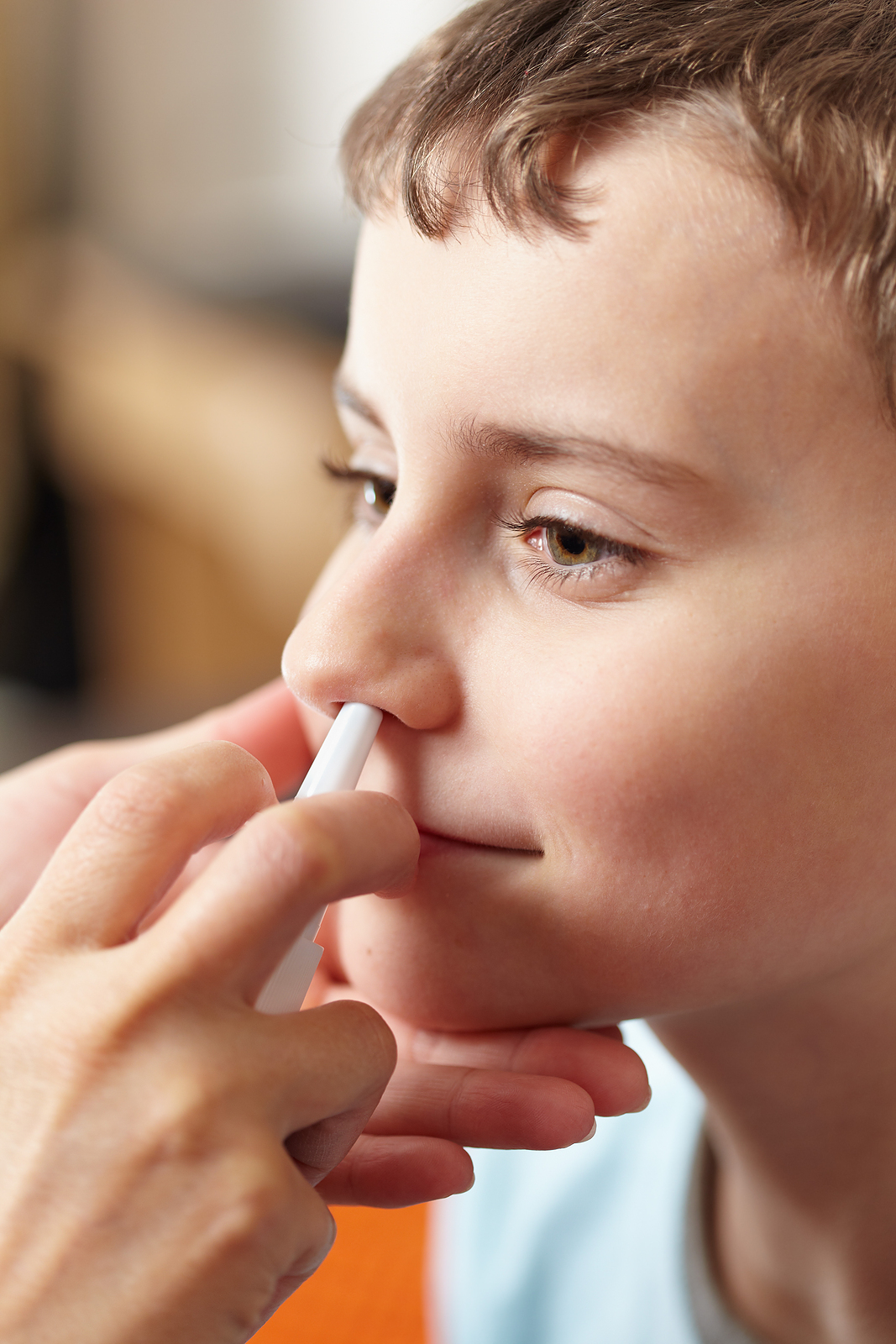
The FDA recently approved a nasal spray to treat migraines in children. Please see the entire press release for more information.

Impax Specialty Pharma, a division of Impax Laboratories, Inc. (NASDAQ: IPXL), announced today that the U.S. Food and Drug Administration (FDA) has approved ZOMIG Nasal Spray for use in pediatric patients 12 years of age and older for the acute treatment of migraine with or without aura.
ZOMIG Nasal Spray is the first nasal-delivered prescription medicine approved for the treatment of acute migraine attacks in pediatric patients. Nasal sprays may offer an alternative method of administration when patients experience migraine-associated nausea, have difficulty taking oral formulations, or do not have liquids available.
ZOMIG Nasal Spray's approval came after the FDA's review of safety and efficacy data from pivotal clinical trials demonstrating that ZOMIG Nasal Spray 5 mg is significantly more effective than placebo in providing no headache pain, relief of headache, and other associated symptoms of migraine when treating migraine in pediatric patients. In clinical trials, the medication also had a safety profile similar to that demonstrated in adults. For full safety and efficacy information, please see the prescribing information.
The American Migraine Prevalence and Prevention (AMPP) Study estimated the 1-year prevalence of migraine among US children ages 12 to 19 at 6.3%, with prevalence among boys at 5.0% and among girls 7.7%.2 "Until now, there have been few medications to treat pediatric patients with painful, debilitating attacks of migraine," said Dr. Alan M. Rapoport, Past President of the International Headache Society and Clinical Professor of Neurology at the David Geffen School of Medicine. "We are pleased that ZOMIG Nasal Spray has been approved by the FDA for use in patients ages 12 to 17."
"Treatment options have been limited for pediatric patients and we are pleased with FDA's decision and look forward to bringing migraine relief to pediatric patients by making ZOMIG Nasal Spray available to this 'school age' patient population," said Fred Wilkinson, President and Chief Executive Officer of Impax Laboratories. "This expanded indication exemplifies our strategy to broaden the reach of our current product portfolio to address unmet needs in underserved therapeutic areas, thereby adding value for patients and shareholders alike."
The recommended starting dose for ZOMIG Nasal Sprays in pediatric patients 12 years of age and older is 2.5 mg. As the individual response to ZOMIG Nasal Spray may vary, the dose should be adjusted on an individual basis. The maximum recommended single dose of ZOMIG is 5 mg. The maximum daily dose should not exceed 10 mg in any 24 hour period.
About ZOMIG Nasal Spray
ZOMIG Nasal Spray was first approved by the U.S. Food and Drug Administration (FDA) in September 2003for the acute treatment of migraine attacks, with or without aura, in adults. In clinical trials, ZOMIG Nasal Spray provided relief in as soon as 15 minutes for some patients and the maximum effect was reached within 2–4 hours for most adult patients. At 2 hours, 69% of patients taking the 5mg dose had headache response (taking the patient from moderate to severe pain to mild or no pain) and 36% were pain free.1
Read more here


Sunday, April 13, 2014

FDA approves migraine prevention medication for adolescents

The FDA has approved Topamax for migraine prevention in adolescents aged 12 to 17 years old. This is the first approved medication for this purpose in this age group.

Today, the U.S. Food and Drug Administration approved Topamax (topiramate) for prevention (prophylaxis) of migraine headaches in adolescents ages 12 to 17. This is the first FDA approval of a drug for migraine prevention in this age group. The medication is taken on a daily basis to reduce the frequency of migraine headaches.
Topamax was first approved by the FDA in 1996 to prevent seizures. It was approved for migraine prevention in adults in 2004.
“Migraine headaches can impact school performance, social interactions, and family life,” said Eric Bastings, M.D., deputy director of the Division of Neurology Products in the FDA’s Center for Drug Evaluation and Research. “Adding dosing and safety information for the adolescent age group to the drug’s prescribing information will help to inform health care professionals and patients in making treatment choices.”
About 12 percent of the U.S. population experiences migraine headaches. Migraine headaches are characterized by episodes of throbbing and pulsating pain in the head, and may occur several times per month. Other common symptoms include increased sensitivity to light, noise, and odors, as well as nausea and vomiting. Many patients experience their first migraine attack before reaching adulthood, and migraine can be just as disabling in teens as it is in adults.
The safety and effectiveness of Topamax in preventing migraine headaches in adolescents ages 12 to 17 was established in a clinical trial that enrolled 103 participants. Those treated with Topamax experienced a decrease in the frequency of migraine of approximately 72 percent compared to 44 percent in participants that took an inactive drug (placebo). 
The most common adverse reactions with the approved dose of Topamax (100 milligrams) were paresthesia (a burning or prickling sensation felt in the hands, arms, legs, or feet), upper respiratory infection, anorexia (loss of appetite), and abdominal pain.
Topamax must be dispensed with a Medication Guide that describes important safety information about the drug. Topamax and all anti-epileptic drugs may increase the risk of suicidal thoughts and behavior, and patients should be advised of the need to be alert for the emergence of, or worsening of, the signs and symptoms of depression, or unusual changes in mood or behavior.
Topamax increases the risk of the development of cleft lip and/or cleft palate (oral clefts) in infants born to women who take the drug during pregnancy. The benefits and risks of Topamax should be carefully weighed before using it in women of childbearing age.  If the decision is made to use the medication by a woman of childbearing age, effective birth control should be used.

Read more here

Sunday, April 06, 2014

How to help children with migraines

This article looks into how parents can help their children who have migraine headaches, and discusses the benefits of cognitive behavioral therapy.
Nearly 2% of the pediatric population suffer from chronic migraine. Yet, the Food and Drug Administration (FDA) has not approved a therapy for treatment of chronic migraine in children or adolescents. So, how does your child's neurologist or headache specialist treat your precious one's head pain?
One study in JAMA suggests a combination treatment regimen of both medical and behavioral therapy. Before reviewing this study, let's understand the basics of what a chronic migraine is.
What is a chronic migraine?
According to the second edition of the International Classification of Headache Disorders (ICHD-II), chronic migraine is defined as a migraine headache that occurs at least 15 days a month for more than 3 months. Additionally, the headaches of chronic migraineurs must have at least two of the following features:
  • One-sided location
  • Pulsating
  • Moderate or severe intensity of pain
  • Head pain is exacerbated by daily physical activity (i.e. walking around your home)
During a migraine attack, an individual must have at least one of the following:
Study Overview
Purpose: To compare two regimens for treating children and adolescents with chronic migraines.
  • Cognitive-Behavioral Therapy (CBT) + amitriptyline
  • Health education + amitriptyline
Amitriptyline (Elavil)  is an tricyclic antidepressant that works by blocking the re-uptake of two neurotransmitters in the brain, serotonin and norepinephrine.  It is a sedating medication and typically taken at bedtime. It is FDA approved as a migraine preventive medication for adults.Cognitive-behavioral therapy entails learning how to identify headache triggers and cope with them in a more adaptive, less stressful manner.
Methods: 135 children and adolescents, between the ages of 10 and 17, who suffered from chronic migraine and scored greater than 20 on the Pediatric Migraine Disability Assessment Score (PedMIDAS) participated in the study.
The participants were randomly assigned to either the CBT + amitriptyline group or the health education + amitriptyline group. Each participant underwent 8 weekly therapy sessions that were one-hour in duration. The participants and their parents were blinded as to whether they were receiving CBT versus health education during these sessions. All of the participants were given a dose of amitriptyline of 1mg/kg/day at dinner time. The children and adolescents were allowed to take medication for acute migraine abortion, like NSAIDs and triptans. They were not allowed to use them for more than 3 times per week. Finally, the participants maintained a headache diary to record various headache measures such as headache occurrence, duration, and associated symptoms.
Results: The two main outcomes measured were number of days per month of headache occurrence and headache disability. By 20 weeks, participants in the CBT + amitriptyline group achieved a ≥50%percent reduction in days with headache when compared to the health education + amitriptyline group (66% versus 36%). This also held true at the 12 month follow-up, with 86% in the CBT + amitriptyline group having a ≥50% reduction in headache frequency versus 69% of the health education + amitriptyline group.
In terms of migraine disability, by the 12 month follow-up, 88% of the CBT + amitriptyline participants had a PedMIDAS of less than 20 points versus 76% of the headache education + amitriptyline group.
What Does This Mean?
The use of cognitive-behavioral therapy with amitriptyline in children and adolescents with chronic migraine reduced migraine frequency and disability, when compared to health education with amitriptyline. This suggests that CBT be considered as a reasonable and effective treatment for chronic migraine in the pediatric population.
If your child suffers from chronic migraine, discuss the use of a behavioral intervention, like CBT, with his or her healthcare provider so you can be an informed parent and remain proactive in your child's health.
Read more here

Sunday, March 23, 2014

New device approved by FDA for migraines

The FDA approved a headband-like device that helps prevent migraine headaches.

ON Tuesday, the Food and Drug Administration announced its approval of a device for preventing migraines.
Called Cefaly, it's the first transcutaneous electrical nerve stimulation (TENS) device designed for use prior to the crushing pain of such headaches.
Migraines are defined as throbbing or pulsing pain in one area of the head, and symptoms can include sensitivity to light and sound, and nausea. A migraine lasts four to 72 hours if untreated.
"Cefaly provides an alternative to medication for migraine prevention," Christy Foreman, director of the Office of Device Evaluation at the FDA's Center for Devices and Radiological Health, said in a statement.
"This may help patients who cannot tolerate current migraine medications or treating attacks."
The small, battery-operated, portable device resembles a plastic headband. It's placed on top of the ears and worn across the forehead, delivering electrical impulses to stimulate the trigeminal nerve.
This nerve is believed to contribute to migraine pain. According to the FDA, the device should be worn once daily for about 20 minutes and is intended for those 18 and older.
The FDA approved the device following a small clinical study in Belgium involving 67 people. Participants experienced at least two migraines per month and hadn't taken drugs to prevent the headaches for three months prior to the study.
While Cefaly didn't prevent migraines completely, it did help participants experience fewer "migraine days" per month. Most common issues were tingling sensations and sleepiness during device use, and subsequent headaches. The FDA reported no serious side effects.
A patient satisfaction survey asking 2,313 Cefaly users in France and Belgium to rate the device found about 53% satisfied with Cefaly treatment and willing to purchase the device.
Read more here

Monday, December 23, 2013

Device to relieve migraine pain approved by the FDA

The FDA has approved a device that can relieve the pain of migraines when preceded by an aura.

The Food and Drug Administration has approved the marketing of the first transcranial magnetic stimulation (TMS) device for the relief of pain caused by migraine headaches preceded by an aura. Studies show the device is effective about a third of the time.

The Cerena TMS is a handheld prescription device meant to be used after the onset of migraine pain. The device is placed at the back of the head to release a pulse of magnetic energy to the occipital cortex in the brain, which may stop or lessen the pain associated with migraine headaches.
“Millions of people suffer from migraines and this new device represents a new treatment option for some patients,” said Christy Foreman, director of the Office of Device Evaluation in the FDA’s Center for Devices and Radiological Health.
About 31 million adult Americans suffer from migraine. It affects three times as many women as men. In addition to headache pain and nausea, migraine can also cause vomiting, blurriness or visual disturbances, and sensitivity to sound and light (aura).
TMS had previously been approved by the FDA to treat depression, but it is also being used off-label to treat addiction, fibromyalgia and migraines.
TMS generates highly concentrated magnetic fields to target a part of the brain involved with mood regulation. The magnetic fields produce small electric currents that activate cells within the brain, which are thought to release neurotransmitters (serotonin, norepinephrine and dopamine), chemical messengers that improve mood and make depressed people feel better.
The FDA reviewed the Cerena TMS device in a small clinical trial of 201 patients who had mostly moderate to strong migraine headaches, and who had auras preceding their migraines at least 30% of the time.
The study showed that nearly 38% of the patients who used the Cerena TMS were pain-free two hours after using the device, compared to about 17% of patients in a control group. After 24 hours, nearly 34% of the Cerena TMS users were pain-free, compared to 10 percent in the control group.
The study did not show that the Cerena TMS is effective in relieving other migraine symptoms, such as sensitivity to light, sensitivity to sound, and nausea.  Nor did the study evaluate the device’s performance when treating other types of headaches besides migraines.
The FDA reviewed the Cerena TMS through a regulatory pathway for low- to moderate-risk medical devices that are not similar to an approved device already on the market. The device is only approved for people 18 years of age and older.
The FDA said dizziness may be a side effect of using the device.
The Cerena device is manufactured by eNeura Therapeutics of Sunnyvale, California. The device has already been approved for use in Great Britain where it is sold as the Spring TMS Total Migraine System.
similar device worn on the head uses neurostimulation to deliver small electrical signals to a nerve center in the brain to prevent or treat migraines and headaches. Wearing the stimulator for just 20 minutes a day reduces the number of migraines just as effectively as migraine drugs or other types of migraine therapy, according to a small study published in Neurology, the medical journal of the American Academy of Neurology.
Read more here

Thursday, October 31, 2013

FDA approved marijuana-based CLINICAL TRIAL to treat Epilepsy

PLEASE NOTE: The FDA has recently approved a clinical trial  or an experiment with a marijuana-base to treat epileptic disorders. The agent has not been approved for clinical use. If interested call the study sponsors below.  JR

The US Federal Drug Association approved clinical studies that aim to determine whether purified cannabidiol (CBD) is a viable anti-seizure treatment. Physician investigators will be provided with Epidiolex, a new 98% CBD product made by GW Pharmaceuticals, and conduct Investigational New Drug studies involving epileptic children.
According to O’Shaughnessy, the clinical studies will be sponsored by Orrin Devinsky, MD, at the NYU School of Medicine, and Roberta Cilio, MD, PhD, at University of California, San Francisco. Both are expected to monitor the progress of 25 patients, but they may enroll more with approval from the FDA. Additionally, Cilio will conduct two individual studies as well.
GW Pharmaceuticals, the British company responsible for the cannabis-based spray Sativex, will provide researchers with their latest “pure CBD” product – Epidiolex. The drug will come in the form of a viscous liquid to be dispensed in syringe droppers. Additionally, there will be two strengths available: 25 milligrams per milliliter and 100 mg/ml.
According to GW, Epidiolex contains no tetrahydrocannabinol (THC), the psychotropic component in cannabis. It is said to contain more than 98% cannabidiol (CBD) and trace amounts of other cannabinoids. GW chairman Geoffrey Guy, MD, told O’Shaughnessy, “Our definition of pure is no THC.”
Guy believes the studies will help provide “better understanding and experience in what cannabidiol does in these different children groups, what benefit we can see, and how the results can best be measured.”
Considering anecdotal evidence that cannabis can help treat epileptic seizures, and nearly 5 years of pre-clinical trial data from GW Pharmaceuticals, Guy expects more studies to come in the future.
“In the coming months, if the FDA is comfortable about how things are going, there will be a number of senior epileptologists in major university centers throughout the U.S., each treating a couple of dozen patients with various epilepsies,” he explained.
Read more here

Wednesday, July 24, 2013

Brain wave test to diagnose ADHD approved by FDA

The FDA approved a brain wave test to diagnose ADHD, one of the only objective tests for this purpose.

The first brain wave test that could help diagnose children and teens with attention-deficit/hyperactivity disorder (ADHD) has been approved by the U.S. Food and Drug Administration.
The device can be used in patients between the ages of 6 and 17 as part of a complete psychological examination to either help confirm an ADHD diagnosis or bolster a doctor's decision that more testing for ADHD or other disorders is needed, the FDA said in a news release Monday.
Called the NEBA system, the 20-minute noninvasive test uses an electroencephalogram (EEG) to calculate the ratio of two brain wave frequencies, called theta and beta, which studies have shown is higher in children and teens with ADHD.
One expert offered a word of caution about the device.
"For clinicians and researchers interested in ADHD, an objective diagnostic test that is accurate, sensitive and specific has been one of the 'holy grails' which has long been sought," said Dr. Andrew Adesman, chief of developmental & behavioral pediatrics at Steven & Alexandra Cohen Children's Medical Center of New York, in New Hyde Park, N.Y.
However, he added, "it is doubtful that this EEG test newly approved by the FDA will be as accurate and reliable as clinicians and families would ideally want.
"Given concerns among the public and some professionals about the steady increase in the number of children and adolescents being diagnosed with ADHD, it would be wonderful if clinicians had an objective test to assist in the diagnostic process," Adesman said. "Although this new EEG test may prove helpful to clinicians, neither parents nor professionals will be able to rely upon it as a standalone 'litmus test' for whether a child has ADHD."
Adesman also noted that the FDA has approved other "objective" diagnostic tests for ADHD that have not become a common part of diagnosing the disorder, and the fate of the NEBA system remains to be seen.
The device, made by NEBA Health of Augusta, Ga., is already used to assess sleep issues, measure unconsciousness, diagnose side effects from head injuries and monitor the brain during surgery, according to CBS News.
The FDA's approval of the device was based on a company-funded study of 275 children and teens with attention or behavioral problems. The study showed that the test, when used with standard diagnostic criteria, helped doctors more accurately diagnose the disorder when compared to a doctor's exam alone, the agency said in its statement.
"Diagnosing ADHD is a multistep process based on a complete medical and psychiatric exam," Christy Foreman, director of the Office of Device Evaluation at the FDA's Center for Devices and Radiological Health, said in the news release. "The NEBA System along with other clinical information may help health care providers more accurately determine if ADHD is the cause of a behavioral problem."
ADHD is a common childhood disorder. Nine percent of American teens have ADHD and the average age of diagnosis is 7, according to the American Psychiatric Association. Symptoms of ADHD include inattention, hyperactivity, impulsivity and behavioral problems. Treatments for ADHD include medication, behavioral modifications and therapy.
Read more here

Sunday, January 13, 2013

FDA Requires Lower Dosage of Sleep Medication for Women

The FDA is now requiring a cut in the recommended doses of sleeping medication for women.


The FDA is requiring manufacturers of certain popular sleepmedications such as Ambien and Zolpimist to cut current recommended doses in half for women. The agency says blood levels of the drugs could still be high enough the following morning to affect activities that require alertness, such as driving.
The agency is also recommending that the labeling of these medications suggest that health care professionals consider a lower dose for men.
Women appear to be more susceptible to a lingering effect because they eliminate the drug’s active ingredient, zolpidem, from their bodies more slowly than men, a statement from the FDA notes.
The action applies to zolpidem products approved for bedtime use, marketed as generics and under the brand names Ambien, Ambien CR, Edluar, and Zolpimist. Data show the risk of morning impairment is highest with extended-release forms of these drugs.
"Because use of lower doses of zolpidem will result in lower blood levels in the morning, FDA is requiring the manufacturers of Ambien, Ambien CR, Edluar, and Zolpimist to lower the recommended dose," the FDA statement notes. "FDA is continuing to evaluate the risk of impaired mental alertness with other insomniadrugs, including over-the-counter (OTC) drugs available without a prescription."
Specific recommendations are:
  • The dose of zolpidem for women should be lowered from 10 mg to 5 mg for immediate-release products (Ambien, Edluar, and Zolpimist) and from 12.5 mg to 6.25 mg for extended-release products (Ambien CR).
  • For zolpidem and other insomnia drugs, doctors should prescribe the lowest dose that treats the patient's symptoms.
  • Inform patients that impairment from sleep drugs can be present, despite feeling fully awake.
The recommended doses of Intermezzo, a lower-dose zolpidem product approved for middle-of-the-night awakenings, are not changing. At the time of Intermezzo’s approval in November 2011, the label already recommended a lower dose for women than for men.
The FDA has prepared a list of questions and answers to provide an additional overview of this safety issue.
More information on today's announcement is available on the FDA web site.
Read more here

Wednesday, April 06, 2011

FDA Panel Says Food Dyes Don't Cause Hyperactivity

by April Fulton The age-old battle pitting a potential public health concern against what can be clearly proven by science played out in Silver Spring, Maryland this week, with science winning this round. As predicted, a Food and Drug Administration advisory panel said today that the current scientific data is just not solid enough to show that artificial food dyes cause hyperactivity in most children. But they did call for more research, particularly on Blue #1.

"It's not like there's nothing, but there's not enough," said committee member A. Wesley Burks, a Duke University immunologist. At the meeting in a generic hotel ballroom, complete with complementary candies on every table that were filled with food dyes, natch, a group of 14 food experts from a variety of fields debated food dyes and kids' behavior. Several people on the panel thought the studies showed a clear link and complained that more studies would take years.

Read the rest of the article here.

Friday, March 25, 2011

U.S. asks if food dyes make kids hyperactive
Fri Mar 25, 2011 5:06pm GMT
By Lisa Richwine

WASHINGTON (Reuters) - U.S. regulators are weighing a question parents have asked since the 1970s: do artificial food dyes make children hyperactive?

A consumer group has petitioned the government to ban blue, green, orange, red and yellow food colourings. The synthetic dyes are common in food and drinks ranging from PepsiCo's Gatorade, Cheetos and Doritos to Kellogg's Eggo waffles and Kraft's Jell-O desserts.

Manufacturers say reviews by regulators around the world confirm the dyes are safe. The Centre for Science in the Public Interest argues, however, there is plenty of data showing the dyes trigger hyperactivity in kids who are predisposed to it.

"There is convincing evidence that food dyes impair the behaviour of some children," said Michael Jacobson, head of the consumer group famous for exposing the fat and calories in movie-theatre popcorn and fast food.

Jacobson and others will testify next week before a Food and Drug Administration advisory committee that will consider the question on Wednesday and Thursday. The FDA will hear the advisers' views before deciding whether to take any action, which could take months or years.

Read the rest of the article here.

Thursday, March 24, 2011

FDA Is Giving Migraine Sufferers A Headache
By NORM ALSTER, INVESTOR'S BUSINESS DAILY
Posted 03/21/2011 06:10 PM ET

Roughly 30 million Americans suffer from painful and often disabling migraine headaches.

But for reasons that have baffled doctors and patients, Midrin and chemically identical meds like Epidrin have disappeared.

Midrin was the first drug that ever worked for Nancy (last name withheld), who previously suffered from crushing headaches that would have her vomiting and bed-ridden for days. "I've been using it for five years," said the Buffalo, N.Y., resident. "It stops the migraine."

The Food and Drug Administration has been pulling many drugs that were sold before laws in 1962 required testing for efficacy (safety tests have been mandated since 1938). This month it pulled 500 prescription cold, cough and allergy remedies off the market.

But the FDA, in a written reply to IBD queries, denies pulling Midrin-type drugs. It did seize products from a maker that didn't meet current manufacturing standards. Also, Excellium Pharmaceutical halted Epidrin production this year. But the FDA says it wasn't involved, and that the move was a "business decision."

Read the rest of the article here.