Showing posts with label post-concussion syndrome. Show all posts

Friday, November 30, 2012

Changes to Brain in Post-Concussion Syndrome may Lead to Better Treatment

Those who suffer from Post-Concussion Syndrome, present in some with traumatic brain injury, may get better treatment after brain changes are identified.


Researchers who identified brain changes in people with post-concussion syndrome say their findings may lead to improved detection and treatment of the disorder.
Symptoms of post-concussion syndrome, which occurs in 20 percent to 30 percent of people who suffer mild traumatic brain injury, include headache and memory and concentration problems.
In this study, published online Nov. 21 in the journal Radiology, researchers conducted MRI brain scans of 18 healthy people and 23 people who had symptoms of post-concussion syndrome two months after suffering a mild-traumatic brain injury.
The MRI scans were done when the participants' brains were in a resting state, such as when the mind wanders or while daydreaming. It is believed that the resting state involves connections among a number of brain regions and that the default-mode network plays a major role, study author Dr. Yulin Ge, an associate professor in the radiology department at the NYU School of Medicine in New York City, said in a journal news release.
Previous research has shown that the default-mode network is altered in people with brain disorders such as Alzheimer's disease, autism and schizophrenia.
This study found that communications and information integration in the brains of the people with post-concussion syndrome were disrupted among key default-mode network structures, and that the brain had to tap into different areas to compensate for this impaired function.
Through their ongoing research, Ge and colleagues hope to identify a biological feature, or biomarker, that can be used to monitor post-concussion syndrome progression and recovery, and to assess the effects of treatment.
Read more here

Wednesday, May 09, 2012

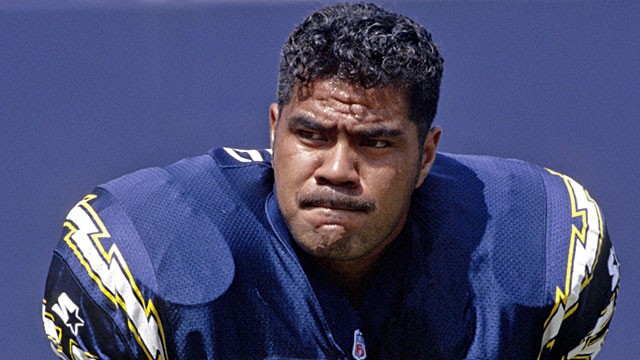
Seau’s Death Puts Spotlight On Concussion Issues in Sports


NFL great Junior Seau's apparent suicide might shock the sports world, but to neurosurgeons and neurologists accustomed to seeing an increase in the incidence of concussions, especially among football players, the news isn't as surprising.

"NFL players often experience post-concussion syndrome. They have a higher rate of depression, substance abuse, and dementia compared to the general population -- it's thought this is connected to head impacts," says James Johnston Jr., M.D., assistant professor of Neurosurgery at the University of Alabama at Birmingham.

"An emerging line of evidence suggests the effects of repeated blows to the head -- both concussive and sub-concussive -- may be associated with long term cognitive and pathologic changes in athletes who play contact sports," Johnston says. Recent studies by neuropathologists have shown evidence of diffused tauopathy or chronic traumatic encephalitis in ex-NFL players, collegiate players and returning combat veterans.

"It's not clear what the threshold is for either acute concussion or long term encephalopathy and it may range from person to person but it has become clear this issue is much more common than previously appreciated and has emerged as a real public health concern," Johnston says.

As many as 3.8 million athletes suffer a concussion each year in the United States, according to the Centers for Disease Control and Prevention.

"Concussions are significantly more of an issue than originally thought. If you have one concussion you are more likely to suffer from subsequent concussions," Johnston says.

Nearly 30 states have passed concussion laws in recent years, with Alabama following suit in June 2011. In 2010, the Alabama High School Athletic Association put new rules into effect that stated if a student athlete exhibited concussion symptoms they must be held out until a physician clears them to return.

"We saw a threefold increase in concussions in the emergency room last year because of the rule change," says Drew Ferguson, M.Ed., director of UAB Sports Medicine and an athletic trainer for more than 40 years. "Probably 90 percent of the ones we see clear up on their own, especially if it's their initial concussion and the guidelines we give them are followed."

Read more here