Showing posts with label menopause. Show all posts

Monday, July 07, 2014

Migraines worse for women during menopause

A study claims that women's migraines may get worse during menopause.

New research confirms what women with migraine headaches have told their doctors for years: migraine attacks seem to get worse in the years before and during menopause.
"In women who have migraine, headaches increase by 50 to 60 percent when they go through the perimenopause and menopausal time periods," said Dr. Vincent Martin, professor of medicine and co-director of the Headache and Facial Pain Program at the University of Cincinnati.
The new finding, Martin said, "basically confirms what women have been telling us physicians for decades. We finally have some evidence."
The perimenopausal period is the time when the body is transitioning to menopause -- when monthly periods end. Perimenopause can last several years, and is often marked by irregular periods, hot flashes and sleep problems. Perimenopause can begin in the 40s, and menopause occurs, on average, at age 51, according to the U.S. National Institute on Aging.
The study is due to be presented on Wednesday at the American Headache Society annual meeting in Los Angeles. Findings presented at meetings are generally considered preliminary until they've been published in a peer-reviewed journal.
Martin and his colleagues surveyed just over 3,600 women, aged 35 to 65, in a mailed questionnaire that asked about their menopausal status and whether they had migraines and, if they did, how often. The women were classified as having high frequency headaches if they had 10 or more headache days a month.
The women in the study were about evenly divided among the three groups: premenopausal, perimenopausal and postmenopausal.
While 8 percent of the premenopausal group had frequent headaches, 12.2 percent of the perimenopausal group did along with 12 percent of the menopausal women.
At first, the results might seem puzzling, since experts know that younger women often get migraines right before and at the beginning of the menstrual cycle, said study researcher Dr. Richard Lipton, director of the Montefiore Medical Center Headache Center and professor of neurology at the Albert Einstein College of Medicine, in New York City.
"Women with migraine are most likely to get them a couple days before bleeding through the first few days of the cycle, when estrogen and progesterone both fall. The idea that women who have fewer periods [during perimenopause] would get more migraines seems paradoxical," said Lipton.
However, he said, experts believe decreasing estrogen levels explain the headaches in both cases.
The study provides welcome information on the problem of migraines, according to Dr. Elizabeth Loder, chief of the division of headache and pain in the department of neurology at Brigham & Women's Hospital in Boston.
"I think this study is particularly valuable because they went to the trouble of carefully determining what phase the women were in," she said.
Loder agreed that the study validates what patients have been telling doctors for years. Its size also lends credibility.
However, she said, it's important to put the study in perspective. "Although the relative differences [in headache frequency] between groups look big, the absolute numbers are not," Loder said. She pointed out that 8 percent of premenopausal women and about 12 percent of older women had frequent headaches.
For relief, Martin suggested, women could ask their headache specialist about adjusting or switching their migraine medicine.
The women might also ask about taking hormone replacement therapy for a brief time, he added, reasoning that raising estrogen might help decrease headaches. However, women and their doctors should discuss the benefits and the risks -- such as an increased risk of stroke -- with hormone use.
Read more here

Monday, October 21, 2013

Sleep apnea risk factors

This article discusses different risk factors for obstructive sleep apnea.

Obstructive sleep apnea is a deadly sleep disorder. Those with obstructive sleep apnea may feel lethargic after a good night's sleep or you may snore loudly. But, there are certain risk factors associated with obstructive sleep apnea. We explore these risk factors.
Risk factors of obstructive sleep apnea:
1) Age: Obstructive sleep apnea is mainly associated with age. Those above 60 are prone to obstructive sleep apnea, but there are other risk factors that bring down the age group for sleep apnea.
2) Males: Having the X and Y chromosomes can make you prone to obstructive sleep apnea.Yes, males have a higher chance of developing apnea.
3) Weight: Excessive weight can result in obstructive sleep apnea. Over weight individuals tend to have thicker necks which make it difficult to breath. But obstructive sleep disorder can also affect individuals who are thin.
4) Genes: Family history of obstructive sleep disorder and narrow airway that you may have inherited are risk factors for obstructive sleep apnea.
5) Menopause: Though obstructive sleep apnea is prone to men, it can affect women after their menopause, especially is they are overweight.
6) Difficulty is breathing: Individuals who have nasal congestion and allergies associated with the respiration system are likely to develop obstructive sleep apnea. But it also depends on the breathing with correlation to the above mentioned risk factors.
7) Smoking: Smoking tends to build up water in the upper airway and also results in inflammation of the air way. These are the risk factors of developing obstructive sleep apnea.
8) Relaxed muscles: Sedatives that relaxes the muscles is a risk factor for obstructive sleep apnea.
Read more here

Thursday, November 08, 2012

10 Health Conditions That Disrupt Your Sleep

This article outlines ten common health conditions that may negatively impact your sleep.


Having problems going to sleep or staying asleep? A health condition could be to blame. Research suggests that sleep disturbances such as insomnia are rooted in certain medical conditions.
“We’re finding that both the quantity and quality of sleep a person gets can be linked to a number of health issues and diseases,” says James Wellman, MD, medical director of the Sleep Disorders Center of Georgia in Augusta. Sleep problems may be caused by physical, emotional, or hormonal conditions — everything from asthma to depression to menopause. Here are the most common culprits.
Depression: Sleep problems and depression are common bedfellows. Some research shows that 90 per cent of people with depression experience troubled sleep. “In low-grade depression, insomnia is often the most prominent symptom,” says Dr. Wellman. Waking up too early in the morning is a hallmark of serious depression. Other depression-related sleep problems include difficulty falling asleep and sleeping excessively. Anxiety (persistent worrying and uneasiness) can also leave you wide awake due to the inability to relax. Appropriate medications can help ease depression and anxiety, as well as the resulting sleep problems.
Menopause: As a woman’s periods start to end, insomnia may begin. According to the National Sleep Foundation, 61 per cent of menopausal women have sleep problems. One possible reason: Progesterone levels drop off during menopause. “Progesterone is a sleep-promoting hormone,” says Wellman. Changing levels of estrogen during menopause can also cause sleep disruptions by bringing on hot flashes, sudden waves of intense body heat, and sweating.
Diabetes: Diabetics often find restful sleep elusive due to blood sugar fluctuations, night sweats, and the need to urinate frequently during the night. Insomnia can also increase the risk of developing diabetes. In a recent study involving 1,741 adults, people who slept less than six hours were more likely to develop type 2 diabetes than those who got more sleep.
Musculoskeletal Disorders: The intense pain of arthritis can make drifting off to dreamland difficult. Plus, arthritis patients who must shift positions during the night often find it hard to fall asleep again. A pain reliever before bed can help ease sleep-stealing arthritis pain. Fibromyalgia, a condition characterized by painful ligaments and tendons, has also been linked with sleep disturbances, as well as next-day fatigue.
Cardiovascular Disease: Two common cardiovascular conditions, coronary artery disease and congestive heart failure, have been linked to sleep problems. In coronary artery disease, fluctuations in circadian rhythms can cause chest pain, an irregular heartbeat, or even a heart attack while sleeping. Congestive heart failure prevents the heart from pumping enough blood to reach all parts of the body. As a result, extra fluid accumulates around the lungs while you are lying down, causing you to wake up during the night. Using pillows to elevate the upper body can help.
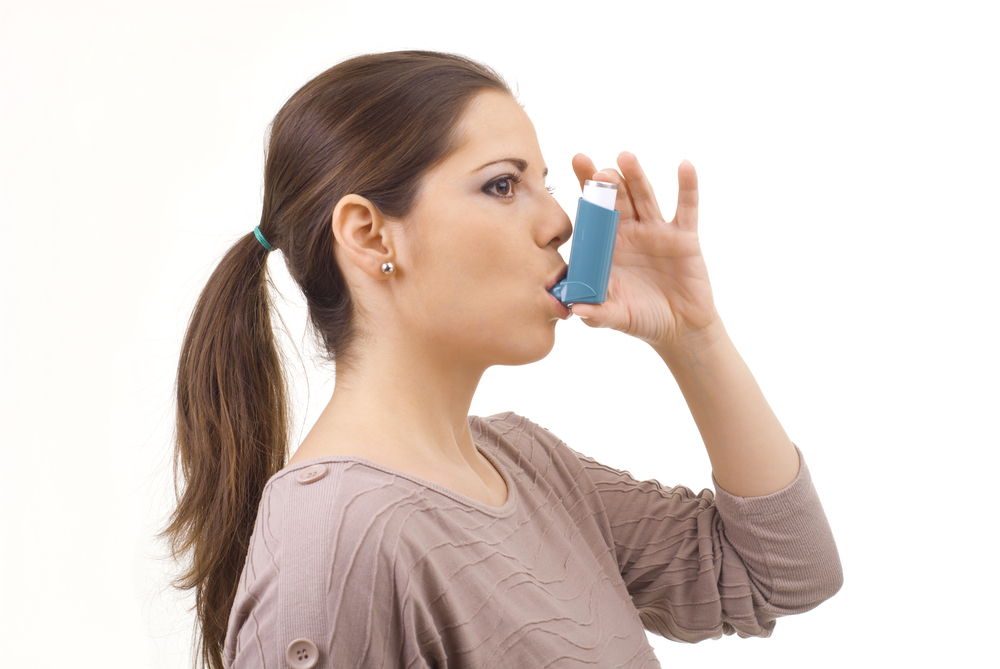
Asthma: People with asthma often have sleep disturbances because of breathing difficulties, wheezing, and coughing, says Wellman. Asthma symptoms are usually worse at night due to night time changes in functioning that constrict the airway, increasing the risk of asthma attacks during the night. Some of the medications used to treat asthma can also cause insomnia and fragmented sleep.
Heartburn Or GERD: In heartburn or gastroesophageal reflux disease (GERD), acidic juices in the stomach flow back into the esophagus, causing irritation and painful burning sensations. This can make it difficult to fall asleep and stay asleep. Lying down often worsens the condition. Avoiding big meals, coffee, and alcohol in the evening may help relieve heartburn and bring on a restful night’s sleep.
Eating Disorders: “Anorexia has been found to interrupt normal sleep patterns, possibly due to malnutrition and excessive weight loss,” says Wellman. Research suggests that anorexics get more non-REM sleep and less REM sleep than people of normal weight, resulting in next-day tiredness. Bulimia is often characterized by eating binges and purges during the night, interfering with a good night’s sleep.
Kidney Disease: Kidney disease prevents the kidneys from filtering wastes from the blood, which can lead to insomnia or restless legs syndrome. Dialysis or even a kidney transplant doesn’t always result in normal sleep, says Wellman. Researchers aren’t sure why.
Thyroid Disease: An overactive thyroid gland (hyperthyroidism) can cause sleep-busting night sweats, while an underactive thyroid gland (hypothyroidism) brings on excessive daytime sleepiness. Both of these thyroid conditions can be diagnosed with a simple blood test and easily treated with medications.
When sleep problems are due to a medical problem or physical condition, treating the condition will often resolve the insomnia and ease sleep disturbances, says Wellman. See your doctor for an evaluation, and you may find that your insomnia does a disappearing act. If not, the next step is to make an appointment with a sleep specialist.
Read more here