Showing posts with label families. Show all posts

Sunday, October 19, 2014

The impact of migraines on the whole family

This article discusses the impact that migraine headaches have on the entire family.

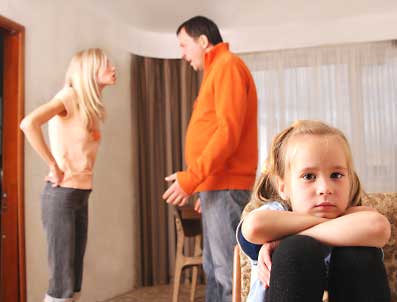
Most Migraine sufferers will tell you that their migraines are worsened by stress. Stress can come from a number of sources, but the ones that seem to be on the top of the list are school, or work, and family. Though all three are tremendously significant, it is infinitely easier to change a classroom, school or even job than it is to change one’s family.
Whether it be marital discord, money concerns, or parent – teen conflict, families issues have a tremendous impact on the migraineur and ignoring this is likely to result in less than successful migraine therapy.
On the flip side, having a supportive, understanding family can be an enormous help to the migraine sufferer…to an extent. Unfortunately, we find that very often with our adolescent patients, the parents are too focused on the migraine; so called “helicopter parents” who are hovering over their teen with repeated inquiries about their pain. In my clinic I had one parent ask her 16 year old son how he was feeling 4 times in a 15 minute visit. This kind of attention only serves to increase the focus on a problem that we are trying to minimize.
Often, having the whole family involved in the therapeutic process is the answer. It may mean scheduling visits at a time that spouses or parents are available, and it may involve family counseling. People often find the prospect of family counseling threatening. It really should not be viewed as such. Seldom do people take classes on being a spouse or a parent before having to be one. Processes that seem right and become family habit sometimes are detrimental in ways not obvious to those involved.
Making the effort to work on sources of family stress and how the family responds to them; learning to be supportive without being overbearing can be the key to improving the life not only of the migraineur, but the whole family.

Read more here

Monday, July 07, 2014

Chronic migraines affect the whole family

A study shows how chronic migraines can affect the whole family.

Suffering chronic migraines takes a huge toll on family life, a new study suggests.
Researchers found that more than two thirds of patients with chronic migraine feel their condition affects their sexual intimacy and that it makes their spouse's life difficult. Patients also report feeling guilty and worried about the effect their headaches have on their partner and children.
"Our research team believes it's very important to bring these data to light, to show that chronic migraine is a burdensome and difficult condition, not only for the people who live with it, but also for the people they love," said lead researcher and clinical psychologist, Dawn Buse, PhD, Department of Neurology, Albert Einstein College of Medicine, and Montefiore Headache Center, Bronx, New York.
"We hope that these data will raise awareness among family members, coworkers, society, healthcare providers, insurers, and government agencies who fund research, so that the magnitude of the effects of chronic migraine is more fully understood."
Dr. Buse will present the research here at the American Headache Society (AHS) 56th Annual Scientific Meeting.
Pulsating Headaches
Chronic Migraine Epidemiology & Outcomes (CaMEO) was a prospective, Internet-based study. People with chronic migraine (experiencing 15 or more headache days a month) and their spouses and children completed questionnaires to provide data on the burden of migraine.
This first analysis included 994 patients with chronic migraine who were assessed by using the validated American Migraine Study/American Migraine Prevalence and Prevention screener, a modification of International Classification of Headache Disorders 3b. They therefore experienced headaches that were pulsating, were of moderate to severe pain intensity, and worsened with routine activity, accompanied by nausea, phonophobia, and photophobia.
The analysis showed that:
  • 64.1% of respondents feel their headaches make their partners life difficult;
  • 72.5% feel they would be better partners if they didn't have headache;
  • 70.2% are easily angered or annoyed by their partners because of headache;
  • 67.2% avoid sexual intimacy because of their headaches;
  • 64.4% feel guilty about how their headaches affect their partner;
  • 59.1% believe they would be better parents if they didn't have headaches;
  • 20% missed planned family vacation within the previous year; and
  • 53.6% had less enjoyment while on vacation because of headaches.
Compared with men, women, who made up 81.7% of the study sample, cancelled plans 23% less often in the previous month because of headache (relative risk [RR], 0.77; 95% confidence interval [CI], 0.61- 0.98; P = .03) and missed 49% fewer holiday/religious events (RR, 0.51; 95% CI, 0.32 - 0.80; P = .003) and 52% fewer weddings/important events (RR, 0.48; 95% CI, 0.30 - 0.79; P = .004).
Read more here

Sunday, June 22, 2014

Whole family needs to sleep to protect against childhood obesity

A study looked into familial sleeping patterns and found that parents and children must get enough sleep to protect against childhood obesity.

Is sleep one of your most important family values? A new University of Illinois study suggests that it should be, reporting that more parental sleep is related to more child sleep, which is related to decreased child obesity.
"Parents should make being well rested a family value and a priority. Sleep routines in a family affect all the members of the household, not just children; we know that parents won't get a good night's sleep unless and until their preschool children are sleeping," said Barbara H. Fiese, director of the U of I's Family Resiliency Center and Pampered Chef Endowed Chair.
And the effects of sleeplessness go beyond just being tired the next day. Studies show that moms, dads, and their children are likely to gain weight as they lose sleep, she said.
Fiese suggests limiting your children's exposure to TV and other electronic devices to two hours a day and turning them off a half-hour before bedtime (needless to say, children should not have televisions in their bedrooms); spending some time in a calming, predictable routine, such as giving the child a bath or reading together; and making sure preschoolers are in bed in time to get the recommended 10 hours of sleep a night.
Then adults should follow a calming routine themselves. "We're learning more and more about how important it is to unplug for a half-hour or so before we go to bed. At a certain time, turn off your electronic devices -- even e-books -- and engage in whatever soothing ritual helps you to relax enough to sleep," she said.
Although the mechanism hasn't yet been identified, Fiese said that restorative sleep is thought to help regulate our metabolism. Her recent study showed that sleep is a protective factor in lowering the incidence of obesity in parents and being overweight in preschool children.
In the study, socioeconomic characteristics were assessed in relation to protective routines and prevalence of being obese or overweight for 337 preschool children and their parents. The routines assessed in parents included adequate sleep (over seven hours) and family mealtime routine. The four protective routines assessed in children were adequate sleep (10 or more hours per night), family mealtime routine, limiting screen-viewing time to less than two hours a day, and not having a bedroom TV.
The only significant individual protective factor against obesity or overweight in children was getting adequate sleep. Children who did not get enough sleep had a greater risk for being overweight than children who engaged in at least three of the protective routines regularly, even after controlling for parents' BMI and socio-demographic characteristics, Fiese said.
But the researchers also learned that the number of hours a parent sleeps is related to how much sleep children are getting, so that a parent's sleep has an effect on the likelihood that their children will be overweight or obese.
"We viewed how long parents slept and how long children slept as part of a household routine and found that they really did go together," she said.
In an earlier study, Fiese followed families for a year and was surprised when parents reported that their five- to seven-year-old children were going to bed as late as 11 p.m. When she looked deeper into the reason for these late bedtimes, she found that parents who worked late into the evening viewed those late-night hours with their children as a special time.
"They described cuddling on the couch, watching television, and the child falling asleep in his parent's arms at 10 or 11 p.m. and being carried to bed. You can understand how it happens, but that's too late for a child who has to get up and go to school the next day," she noted.
She noted that inadequate sleep is not just a problem for preschoolers but for elementary school children and high school students whose brains are still developing. Adults don't function well on inadequate sleep either, she noted.
Fiese sees obesity intervention as a three-legged stool in which every member of the family is able to eat well, play well, and sleep well.
"Paying attention to those three pillars of health -- good nutrition, enough exercise, and adequate sleep -- benefits everyone in the family," she said.
"Parent routines, child routines, and family demographics associated with obesity in parents and preschool-aged children" was published in the April 2014 issue of Frontiers in Psychology. Blake L. Jones of Purdue University and Barbara H. Fiese and the STRONG Kids Team of the University of Illinois co-authored the article. The Illinois Council for Agriculture Research, the U of I Health and Wellness Initiative, and USDA funded the study.
Members of the U of I's Strong (Synergistic Theory and Research on Obesity and Nutrition Group) Kids research team include Kristen Harrison, now of the University of Michigan, and the U of I's Kelly Bost, Sharon Donovan, Brent McBride, Diana Grigsby-Toussaint, Angela Wiley, and Margarita Teran-Garcia.
The University of Illinois Family Resiliency Center is dedicated to advancing knowledge and practices that strengthen families' abilities to meet life's challenges and thrive.
Read more here

Tuesday, June 10, 2014

CPAP adherence improved by family support

Family support may improve a person's adherence to CPAP treatment for sleep apnea.

A new study suggests that people with obstructive sleep apnea (OSA) who are single or have unsupportive family relationships may be less likely to adhere to continuous positive airway pressure (CPAP) therapy.
Results show that individuals who were married or living with a partner had better CPAP adherence after the first three months of treatment than individuals who were single. Higher ratings of family relationship quality also were associated with better adherence. Results were adjusted for potential confounding factors including age, gender and body mass index.
"This is the first study to explore the role of family factors in CPAP adherence," said lead author Faith Luyster, PhD, research assistant professor in the School of Nursing at the University of Pittsburgh. "Having healthy relationships with family members can create an environment that supports the patient's use of CPAP."
The research abstract was published recently in an online supplement of the journal Sleep and will be presented Monday, June 2, in Minneapolis, Minnesota, at SLEEP 2014, the 28th annual meeting of the Associated Professional Sleep Societies LLC.
The study group comprised 253 patients with OSA who were participating in a CPAP adherence intervention trial. Relationship status at baseline was identified, and family relationship quality was assessed using the 12-item General Functioning subscale of the Family Assessment Device. Treatment adherence was measured objectively, and was defined as average hours of CPAP use per night during a three month follow-up period.
According to Luyster, the results provide a potential target for interventions to improve CPAP adherence.
"Family-based CPAP adherence interventions may help patients who would benefit from family support during the initial treatment period," she said.
The American Academy of Sleep Medicine reports that obstructive sleep apnea is a common sleep illness affecting up to seven percent of men and five percent of women. It involves repetitive episodes of complete or partial upper airway obstruction occurring during sleep despite an ongoing effort to breathe. The most effective treatment option for OSA is CPAP therapy, which helps to keep the airway open by providing a stream of air through a mask that is worn during sleep.
Read more here

Tuesday, May 20, 2014

Link between ADHD and family troubles

A study found a link between children with ADHD and suffering from family troubles.

New research indicates that children with attention-deficit hyperactivity disorder may be more likely to be part of families that are affected by poverty, divorce, neighborhood violence and substance abuse.
"Our findings suggest that children with ADHD experience significantly higher rates of trauma than those without ADHD," study author Dr. Nicole Brown said in a news release from the American Academy of Pediatrics. "Providers may focus on ADHD as the primary diagnosis and overlook the possible presence of a trauma history, which may impact treatment."
The researchers analyzed the answers of parents of 65,680 children aged 6-17 who responded to a 2011 survey. About 12 percent of the kids had been diagnosed with ADHD, and their parents reported higher rates of various problems than the parents of kids without ADHD did.
"Knowledge about the prevalence and types of adverse experiences among children diagnosed with ADHD may guide efforts to address trauma in this population and improve ADHD screening, diagnostic accuracy and management," said Brown, an assistant professor of pediatrics at The Children's Hospital at Montefiore, Albert Einstein College of Medicine, New York City.
The findings are to be presented Tuesday at the annual meeting of the Pediatric Academic Societies in Vancouver, Canada. Research presented at meetings should be viewed as preliminary until published in a peer-reviewed medical journal.
Read more here

Saturday, April 05, 2014

Sleep Problems Run In Families - A Challenge for Parental Behavior

This article discusses she most recent Sleep in America Poll which shows that sleep issues can run in families.

Let's model best sleep hygiene by turning off our electronic toys.  JR

The National Sleep Foundation has released its annual Sleep in America Poll. This year, the poll examines sleep in the modern American family. How well—or not—are parents and children sleeping today? What are the challenges facing families in their pursuit of high-quality, plentiful sleep? What are the strategies that parents are using to help their children sleep, and how well are those strategies working? These are some of the questions that this year’s sleep survey investigates. The answers paint a picture of American families needing more sleep than they are getting, and struggling to contend with challenges to sleep that are a product of technologically-driven and highly-scheduled lives.
The survey included 1,103 adults with at least one child between the ages 6-17 living in their households. Among respondents, 54% were mothers. The families surveyed varied in size: 40% of respondents had 2 children, 24% had 1 child, and another 24% had 3 children.  Eleven percent of respondents had 4 or more children in their households. Adults reported on their own sleep and answered sleep questions about their children.
The results indicate challenges to sleep within American families that are, in fact, distinctly modern. Despite a high level of awareness of the importance of sleep to health and well being, neither children nor their parents are getting enough high quality sleep. This appears to be in part because of a heavy rotation of evening activities and commitments for both adults and children. Technology has taken up residence in most bedrooms—parents’ and children’s—to the detriment of sleep for both. The survey also found that parents’ own behaviors about sleep, as well as their willingness to set rules for their children’s sleep, can have a significant effect on sleep within the family:
  • There is broad consensus among parents about the importance of sleep to their family’s mental and physical health. More than 90% of parents reported their belief that sleep is highly important to the health and well being of both adults and children in their family.
  • Despite this recognition about the importance of sleep, both children and their parents are struggling to get enough sleep, and to sleep well. Fewer than 45% of children between the ages 6-17 are sleeping 9 or more hours per night. Recommendations for sufficient sleep amounts for children vary by age, but at all stages of childhood and adolescence, children need at least 9 hours of sleep per night. Younger school-age children need in excess of 10-11 hours nightly.
  • As children age, their nightly sleep shortens, according to these results. Among 12-14 years olds, less than a third were reported to be sleeping 9 hours a night. Among older adolescents ages 15-17, a majority—56%–were reported to be sleeping no more than 7 hours nightly.
  • Researchers compared the amount of sleep to quality of sleep, and found that children who slept less also were more likely to experience lower quality sleep. Among children who slept fewer than 7 hours a night, more than a quarter—28%–were reported to have poor quality sleep.
  • Parents tended to rate their children’s sleep quality as significantly better than their own. Only 13% of adults reported their sleep as excellent, compared to 42% who rated their children’s sleep this highly.
  • When asked about the challenges they face in getting enough sleep for themselves and their children, parents cited busy schedules as the most common obstacle. Evening activities were the most frequently cited challenge, both for parents and for children. For children, homework was also often reported as a nightly obligation that delayed bedtime or otherwise made sleep more difficult.
A substantial majority of adults and children are sleeping in proximity to at least one or more electronic device, according to the survey results. Televisions, computers, tablets, smartphones, gaming and music devices are commonly found in children’s bedrooms as well as in their parents’:
  • 89% of adults and 75% of children have at least 1 electronic device in their bedrooms. Roughly half of children—51%–and 68% of adults have 2 or more electronic devices in their bedrooms.
  • Televisions are the most common electronic devices in both parents’ and children’s bedrooms. MP3 players, tablets and smartphones are also common in both.
  • The results also indicate that these devices are frequently left on during the night, rather than turned off before bedtime.
Electronic devices pose serious hazards to sleep when they take up residence in the bedroom. These devices emit light that disrupts sleep cycles and alters sleep-related hormone levels. The noise and stimulation that they provide is counterproductive to sleep, pushing back bedtimes and risking waking during the night when they are left on. It’s not surprising, then, that the survey found children with electronic devices in their bedrooms slept less and experienced lower quality sleep than those children without these gadgets in their bedrooms. Sleep quality suffered most dramatically when the devices were regularly left on during the night. And the more devices were present, the worse children slept.
Despite the sleep problems associated with electronics in the bedroom, many adults and children use these devices as a means to fall asleep, according to the survey. Sixty-six percent of adults reported a habit of relying on television or videos to help them fall asleep, and 37% used the internet. Parents reported that their children often used these same tactics to help them sleep: 47% of children were reported to watch television to fall asleep with some regularity, and 27% played games or used the internet to help bring about sleep.
One of the more striking details about how technology is intruding on sleep? The prevalence of texting and emailing after initially falling asleep, among both children and their parents. More than one quarter of adults—26%–either read or sent emails and text messages after first falling asleep for the night, as did 16% of children. More than half of the children who texted and emailed during the night had parents who did so as well.
This points out another important finding from the survey: the influence of parents’ sleep -and-technology-related habits on their children’s own sleep behaviors. The results indicate that children with electronic devices in their bedrooms are significantly more likely to have parents’ who also have these devices in their bedrooms. Children who let their devices run during the night are also more likely to have parents who do the same.
Ready for some good news about parental influence on kids’ sleep? Parents who establish sleep-related rules and enforce them consistently report their children sleep longer and better than children whose parents don’t apply regular rules to bedtime. These rules include consistent bedtimes, and also govern before-bed activities like watching television, using phones, playing video games, and drinking soda with caffeine. Children in households with sleep rules that are routinely enforced sleep an average of 1.1 additional hours per night.
There are a lot of moving pieces in this picture of the American family’s sleep life—busy schedules, crowded and active evening hours, constant temptation from technology. These threats to high-quality and plentiful sleep are not going away—in fact, they’re more likely to proliferate. It is our modern-day challenge to find ways to manage these ever-present demands with balance and moderation—and with an eye on protecting sleep.
Read more here

Sunday, November 24, 2013

What changes quality of life in a child with epilepsy? An action plan for families and neurologists.

This study looks at children recently diagnosed with epilepsy and determines their health-related quality of life which can be changed by medications, cognitive problems or behavior, parental depression and family demands.

The objectives of this study were to document trajectories of health–related quality of life (HRQL) and to identify predictors of the trajectory group in children with new–onset epilepsy. Results suggested that children with epilepsy are not homogenous but rather consist of groups with different trajectories and unique predictors of HRQL. Problems associated with child behavior and cognition were the strongest predictors identified. Given that several risk factors are modifiable, it is important to examine these as potential targets within a family–centered framework to improve HRQL of children with new–onset epilepsy.
Methods
  • Data were obtained from the Health Related Quality of Life in Children with Epilepsy Study, a prospective multisite study of children 4–12 years old with new–onset epilepsy followed for 24 months.
  • Health–related quality of life was measured using the Quality of Life in Childhood Epilepsy questionnaire.
  • Trajectories of HRQL were investigated using latent class trajectory modeling.
  • Multinomial logistic regression was used to identify child, parent, and family predictors of HRQL trajectories.
Results
  • A total of 374 families responded at baseline and 283 (76%) completed the study.
  • Five HRQL trajectories were observed: low–increasing (4%), moderate–decreasing (12%), moderate–increasing (22%), high–increasing (32%), and high–stable (30%).
  • Many children in the low–increasing, moderate–increasing, high–increasing, and high–stable had clinically meaningful improvements in HRQL: 82%, 47%, 63%, and 44%, respectively.
  • In contrast, the majority of children in the moderate–decreasing group (56%) experienced clinically meaningful declines in their HRQL.
  • Factors predicting trajectories were number of antiepileptic drugs prescribed, presence of comorbid behavior or cognitive problems, parent depression, and family functioning and demands.
Read more here

Tuesday, October 08, 2013

What increases risk for sleep apnea?

This article discusses 8 things and behaviors that can increase a person's risk for sleep apnea.

It used to be that if someone told you you snored, you shrugged it off as more of an annoyance to them than anything telling about your own health and wellbeing.
Today, we have a greater understanding of at least one potential risk of being a frequent snorer: You could have sleep apnea, a potentially harmful sleep disorder during which people stop breathing, sometimes hundreds of times a night.
Obstructive sleep apnea (OSA) is the most common type of sleep apnea, and occurs when the muscles in the back of the throat collapse, causing the opening through which air passes to disappear. (Watch this video for an in-depth explanation of what happens during OSA.)
But certain people are more likely to experience this interruption of breathing than others. We asked Dr. Matthew Mingrone, lead physician for EOS Sleep Centers in California specializing in sleep apnea and snoring issues, to help explain why.
Obesity
Likely the most indicative risk factor is carrying too much extra weight. Obese adults are seven times more likely to develop OSA than their normal-weight peers, according to WebMD. OSA is essentially a blockage of the upper airway, says Mingrone. Part of the tissue running from the nose to the voicebox collapses, cutting off the passage of oxygen. Excess weight adds to the pressure on tube, he says, making the diameter of the opening even smaller than it already is.
Neck Circumference
neck circumference sleep apnea
Obese people aren't the only demographic with larger-than-average necks. Consider the muscular build of professional athletes, for example, who aren't obese but thanks to muscle development are larger than us mere mortals.
Men with a neck circumference greater than 17 inches and women over 15 inches have a higher risk of OSA, WebMD reported.
Age
People of any age can develop sleep apnea, but the condition is more common the older you get, according to the National Heart Lung and Blood Institute. "As we get older, we lose tone and elasticity as part of the normal aging process," says Mingrone. With that natural softening of the tissue in the throat, there's higher likelihood of collapse, he says.
Family History
It's not that you have a genetic predisposition to developing sleep apnea, says Mingrone, like a specific type of cancer that may run in families. Instead, it's likely that you've inherited certain aspects of your physical makeup that increase sleep apnea risk, he says. If Mom's being treated for sleep apnea and you've inherited her narrow jaw, you may have a similar doctor's visit in your future.
Alcohol Use
sleep apnea alcohol
Because it's a muscle relaxant, alcohol too close to bedtime can lead to episodes of apnea, says Mingrone, even in someone who doesn't have OSA. And in those with the disorder, alcohol can lengthen the duration of apnea episodes, according to the National Institute on Alcohol Abuse and Alcoholism.
Race
Studies show that both sleep apnea risk and sleep apnea severity vary by race. It may be due to anatomical differences in the airways of different ethnic groups, according to Mingrone.
Smoking
sleep apnea smoking
Current smokers are 2.5 times more likely to have OSA than smokers and nonsmokers combined, according to a 2001 study. "Smoking most airway tissue swell because it's an irritant," says Mingrone. Swelling in the nose and the throat further reduces the space for air to flow through.
Gender
Middle-aged men are twice as likely to have OSA than women of the same age, according to the American Lung Association. Mingrone says in his practice, about 15 to 20 percent of patients are female. The variance may be due again to anatomical differences, especially since men are simply bigger than women more often than not.
Read more here

Friday, January 11, 2013

Genetic Link Fount Between Migraine and Epilepsy

Research has found medical evidence of a genetic link between migraine headaches and epilepsy. The research indicates that a strong family history of epilepsy increases the likelihood that an individual will have migraines.

New research reveals a shared genetic susceptibility to epilepsy and migraine. Findings published in Epilepsia, a journal of the International League Against Epilepsy (ILAE), indicate that having a strong family history of seizure disorders increases the chance of having migraine with aura (MA).

Medical evidence has established that migraine and epilepsy often co-occur in patients; this co-occurrence is called "comorbidity." Previous studies have found that people with epilepsy are substantially more likely than the general population to have migraine headache. However, it is not clear whether that comorbidity results from a shared genetic cause.
"Epilepsy and migraine are each individually influenced by genetic factors," explains lead author Dr. Melodie Winawer from Columbia University Medical Center in New York. "Our study is the first to confirm a shared genetic susceptibility to epilepsy and migraine in a large population of patients with common forms of epilepsy."
For the present study, Dr. Winawer and colleagues analyzed data collected from participants in the Epilepsy Phenome/Genome Project (EPGP) -- a genetic study of epilepsy patients and families from 27 clinical centers in the U.S., Canada, Argentina, Australia, and New Zealand. The study examined one aspect of EPGP: sibling and parent-child pairs with focal epilepsy or generalized epilepsy of unknown cause. Most people with epilepsy have no family members affected with epilepsy. EPGP was designed to look at those rare families with more than one individual with epilepsy, in order to increase the chance of finding genetic causes of epilepsy.
Analysis of 730 participants with epilepsy from 501 families demonstrated that the prevalence of MA -- when additional symptoms, such as blind spots or flashing lights, occur prior to the headache pain -- was substantially increased when there were several individuals in the family with seizure disorders. EPGP study participants with epilepsy who had three or more additional close relatives with a seizure disorder were more than twice as likely to experience MA than patients from families with fewer individuals with seizures. In other words, the stronger the genetic effect on epilepsy in the family, the higher the rates of MA. This result provides evidence that a gene or genes exist that cause both epilepsy and migraine.
Identification of genetic contributions to the comorbidity of epilepsy with other disorders, like migraine, has implications for epilepsy patients. Prior research has shown that coexisting conditions impact the quality of life, treatment success, and mortality of epilepsy patients, with some experts suggesting that these comorbidities may have a greater impact on patients than the seizures themselves. In fact, comorbid conditions are emphasized in the National Institutes of Health Epilepsy Research Benchmarks and in a recent report on epilepsy from the Institute of Medicine.
"Our study demonstrates a strong genetic basis for migraine and epilepsy, because the rate of migraine is increased only in people who have close (rather than distant) relatives with epilepsy and only when three or more family members are affected," concludes Dr. Winawer. "Further investigation of the genetics of groups of comorbid disorders and epilepsy will help to improve the diagnosis and treatment of these comorbidities, and enhance the quality of life for those with epilepsy."
Read more here

Thursday, November 29, 2012

Why the Holidays can Trigger Migraines

This article discusses why migraines can result from extra stress resulting from the holidays.

People who suffer from migraine headaches face additional triggers during the holiday season.

"During the holidays, people's sleep/wake cycles are often skewed," said Dr. Karen Lauze, a neurologist at Portsmouth Regional Hospital. "They do not get enough sleep. Traveling through different time zones and the stress of travel can trigger a headache."

And there is the convergence of family members.

"If there are family conflicts," Lauze said, "it can make a difference, although both good and bad stress can trigger a migraine. Excitement, as much as bad stress can be a factor. Then you add in a lot of bright lights, flashing camera bulbs and noises and all your triggers are thrown into play."

Food can also be a trigger, Lauze said, along with red wine, spirits, certain cheeses, chocolate and nuts, as well as foods containing MSG.

"Butternut squash contains a great deal of MSG," she said. "Skipping lunch, altering the timing of food is another. Weather, a change in barometric pressure is a big trigger. Even flying, while the cabin is theoretically pressurized, changes your system. If there is only one trigger, the person may be OK. Add two or more and a migraine is likely."
People who are aware of their susceptibility can take steps to try to prevent migraines. Lauze said they can take increased levels of their prescribed medication, under the advice of their doctor. They can also try to assure they get enough sleep and avoid foods they know are triggers.
"If you are traveling to see family and can afford it, it might be better to pay the extra money for a hotel room," Lauze said. That way, you can retreat to the quiet when family wants to stay up all night. Plan ahead. Maybe use biofeedback meditation and relaxation techniques. We do offer that training here at the hospital."
It takes time to relieve painful symptoms of a migraine. Lauze said medications like Aleve or Imitrex can help. Caffeine has been known to help some people although she cautions that too much can increase anxiety, and make the pain worse.
There are medications that can be prescribed to decrease the frequency of attacks. Healthy lifestyle changes can also reduce the number and severity of migraines. Avoiding the activities, foods or situations that have triggered migraines in the past is one of the best prevention tools. Don't smoke. Estrogen-based medications, such as birth control pills or hormone replacement therapy, may need to be reduced or replaced with other methods.
Lauze said she considers biofeedback techniques and other alternative therapies such as acupuncture and chiropractors as long-term solutions. But, she said they can be used to lessen the severity and frequency of migraine headaches.
Craig Shannon, a Portsmouth based chiropractor, said he treats many patients who suffer from migraines.
"We can't cure migraines but we can lower the triggers," Shannon said. "By adjusting the cervical area (neck) we can remove pinched nerve areas to allow for freer blood circulation and that does help a lot. Think of a garden hose. Step on it and it is blocked. Take your foot off and the water flows again. We see fast results in our patients and I think it's neat to see them come here after trying a lot of other things and finding relief."
Dr. Christopher Santini, a chiropractor in York, Maine, agrees. He said he works to improve proper motion and posture. He also looks at his patient's lifestyle.
"We do nutritional counseling because certain foods or the chemicals in them are factors," Santini said. "If we can figure out when they get the headaches and what they were doing at its onset, we can often help them avoid a future migraine once their body is in proper alignment."
Carie Bernard, a licensed acupuncturist who works with Santini, said she approaches the pain itself.
"Where there is pain, there is an imbalance," Bernard said. "There is a loss of energy and things are not flowing as they should. I do a complete intake. I observe the whole person, take their pulse and look at their tongue. It is not a one size fits all medicine. I need to find out where their blockage is and treat it. Ten people may present in ten different ways."
Portsmouth acupuncturist Bridget Lewis Holzer said once you figure out the trigger, fine needles are used on the proper points to treat the condition. Magnets are used effectively on young children. She said location of the points for the needles varies with the triggers that are responsible.
Adam Learner of Family Acupuncture and Wellness of Portsmouth said acupuncture can provide both immediate relief and can be used as a long term therapy for prevention.
"If it's a chronic problem, they might come weekly at first," Learner said.
"Eventually, they might come once a month, for maintenance of their condition. It varies with the individual. Acupuncture is on of the best treatments for migraine headaches. We treat a fair number of patients here and finding the underlying cause is the key to successful treatment."
Learner added wheat and dairy products to the list of food triggers. He said he puts his patients on a "challenge diet" in order to ferret out their triggers.
The bottom line is that, with care, holiday stress does not have to be the source of a migraine headache, Lauze said.
Read more here

Thursday, July 12, 2012

Study: Schizophrenia and autism may be linked in families


Families with a history of schizophrenia or bipolar disorder are also more likely to have a child with autism, new research from Sweden and Israel suggests.

Researchers found that kids whose parents or siblings had been diagnosed with schizophrenia were almost three times more likely to have an autism spectrum disorder, including autism and Asperger syndrome.

The link was weaker for bipolar disorder, but still consistent, according to findings published this week in the Archives of General Psychiatry.

"Most people with a family history of one of these disorders actually get nothing - the vast majority in fact," said Dr. Patrick Sullivan, the study's lead author from the University of North Carolina at Chapel Hill.

Still, he told Reuters Health, "Maybe there is something that is more fundamental but common to both," such as certain changes in gene patterns that are passed from parents to children.

The number of autism diagnoses in the United States has been rising, and the Centers for Disease Control and Prevention now estimates one in 88 kids has an autism spectrum disorder. That's up from one in 150 a decade ago.

One of the questions in recent autism research has been how much genetics is involved in who gets the condition, versus the prenatal or early childhood environment.

Sullivan and his colleagues note that autism used to be considered the childhood version of schizophrenia, before researchers learned more about the two disorders. And some research has continued to suggest certain genetic changes are common in both conditions, as well as in bipolar disorder.

So for the new study, the researchers analyzed information from three separate databases, including two that tracked kids and families in Sweden and their medical diagnoses and a third that recorded data on all Israeli citizens entering the army draft, including sibling pairs.

All in all, Sullivan's team had data on more than 30,000 young people with autism.

The researchers found that in the Swedish studies, kids whose parent or sibling had been diagnosed with schizophrenia, according to family medical records, were 2.6 to 2.9 times more likely to have autism. The trend was the same for siblings of teens with schizophrenia in Israel.

When a parent had bipolar disorder, on the other hand, kids were 1.6 to 1.9 times more likely to have autism or another autism spectrum disorder.

"It's been questioned for many years, whether there's a relationship" between schizophrenia and autism, said Dr. Andrew Zimmerman, a neurologist from the Lurie Center for Autism at MassGeneral Hospital for Children in Lexington, Massachusetts.

"In fact, I think those of us that see a lot of patients with autism have seen this relationship in relatives for a long time," he added.

Sullivan said there are certain rare genetic mutations that seem to predispose people to both autism and schizophrenia.

And there could be other gene variations, he said, where differences in a person's environment in the womb or growing up could influence whether the same mutation ends up leading to schizophrenia, autism or nothing.

"Just because two things share a risk factor doesn't mean that they're the same thing," Sullivan added. "The needs of people with autism and schizophrenia, and the treatments that we know work for one or the other, don't overlap very well."

Zimmerman, who wasn't involved in the current research, told Reuters Health there are still many questions about how the conditions may be related.

The new study "is important because it makes us think," he said. "It doesn't tell us whether (autism and schizophrenia) are genetic or environmental - certainly both are still possible - but it makes us think there might be relationships between the two."

Read more here