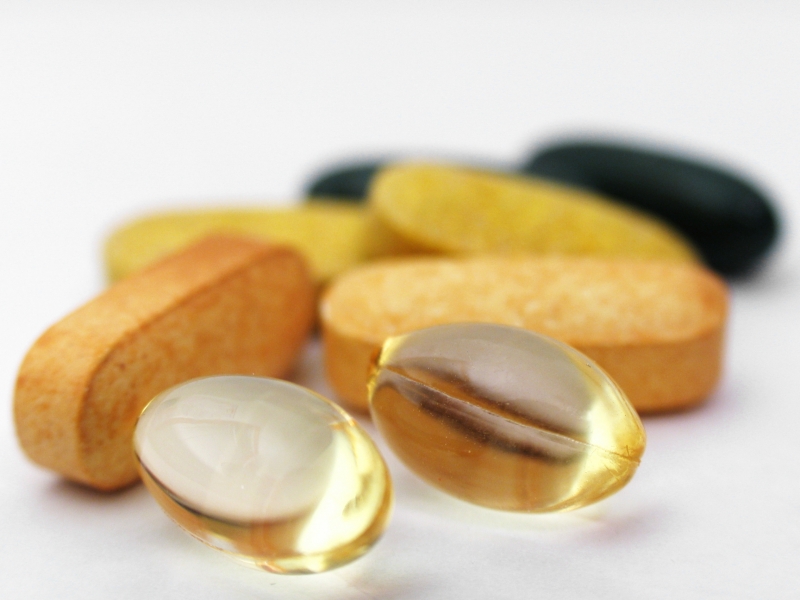
Showing posts with label vitamins. Show all posts

Sunday, December 01, 2013

Sleep disorders, vitamin D and skin pigmentation

This article discusses the link between vitamin D deficiency and the increase of the occurrence of sleep disorders.

Vitamin D Deficiency and Daytime Sleepiness: Skin Pigmentation Is a Complicated Factor

Posted: 01/30/2013 12:11 pm

Vitamin D has received a great deal of attention recently. Vitamin D has long been recognized as primarily a regulator of calcium and phosphorus, helping to protect bone density. In recent years, however, our understanding of the functions of vitamin D in the body has expanded. Vitamin D is now understood to play an important role in metabolic and immune system functions. Vitamin D deficiency has been linked to a number of illnesses and chronic conditions, including high blood pressure, diabetes, metabolic syndrome, pulmonary disease, and chronic pain.
We've seen evidence that vitamin D deficiency is associated with sleep problems, particularly with daytime sleepiness. A new study examined the link between daytime sleepiness and vitamin D, and also considered one of the major risk factors of vitamin D deficiency: skin pigmentation.
Researchers at Louisiana State University investigated the relationship between vitamin D and daytime sleepiness with two specific goals in mind. First, they wanted to determine whether a correlation exists between vitamin D levels in the body and excessive daytime sleepiness. Second, they sought to evaluate the role that race might play in the relationship between daytime sleepiness and vitamin D.
In earlier work, researchers at LSU had observed that more than half of the patients who came to their sleep clinic with sleep problems and with chronic pain were also deficient in vitamin D. They noticed this cluster of symptoms appeared to occur more often in patients who were African-American.
Vitamin D is actually a fat-soluble hormone that the body can receive in food and also through supplements. But the primary -- and most effective -- way the body accumulates vitamin D is during exposure to sunlight. Exposure to sunlight prompts our skin to self-manufacture vitamin D. Increased skin pigmentation lowers the rate of manufacture of vitamin D. Therefore, greater levels of skin pigmentation are considered a risk factor for vitamin D deficiency.
...

The results of the study support a strong correlation between excessive daytime sleepiness and vitamin D. They also indicate that race is a factor in the relationship between vitamin D and daytime sleepiness. But the results were in some ways surprising and indicate a complicated relationship, particularly where race is concerned.
Here's an overview of the most important findings:
  • Sixty-five percent of the study population was found to have a vitamin D deficiency.
  • The patients with greater skin pigmentation had higher average levels of daytime sleepiness and lower average levels of vitamin D, compared to those with less skin pigmentation
  • African-American patients made up 35 percent of the study population, but 55 percent of the group that was deficient in vitamin D
  • Only 6 percent of the group without a vitamin D deficiency were African-American
  • Among those with deficiencies of vitamin D -- under 20 mg/mL as measured by a blood test -- there was no correlation between vitamin D levels and daytime sleepiness. This is the opposite of what was expected based on prior research.
  • An exception to this was found among African-American patients in the study group. Among those African-American patients with vitamin D deficiency, there was a direct correlation between levels of vitamin D and daytime sleepiness. Among these patients, higher vitamin D levels were associated with higher levels of daytime sleepiness -- the exact opposite of what was expected.
It is this last finding that is unexpected, and surprised researchers themselves, who expected to see lower levels of vitamin D associated with higher levels of daytime sleepiness.
Why might this have been the case?    Full article HERE


Sweet Dreams,
Michael J. Breus, PhD 
The Sleep Doctor™ 
www.thesleepdoctor.com
Everything you do, you do better with a good night's sleep™ 
Twitter: @thesleepdoctor 
Facebook: www.facebook.com/thesleepdoctor
For more by Dr. Michael J. Breus, click here.
For more on sleep, click here.

Follow Dr. Michael J. Breus on Twitter: www.twitter.com/thesleepdoctor

Thursday, September 26, 2013

Australian vitamin treatment can significantly reduce migraine severity and frequency

A treatment developed in Australia claims to significantly reduce migraine severity and frequency by using vitamins that work with gene mutations.

AUSTRALIAN migraine sufferers won't have to live in the dark much longer.
Queensland-led genetics researchers have just launched a final, phase three clinical trial for a treatment that could drastically reduce symptoms in 20% of sufferers.
The trial is headed by Professor Lyn Griffiths, the new Executive Director of QUT's Institute for Health and Biomedical Innovation.
She and her world-leading team have identified several genes implicated in migraine and are translating that genetic information into new diagnostics and treatments.
Professor Griffiths said one of those genes causes a mutation in a particular enzyme, which stops the enzyme from working properly.
"We're trialling a specific combination of vitamins that can make that enzyme work better and make the gene then function properly," she said.
"Results so far have shown that, taken preventatively, the treatment has a very big impact on migraine - significantly reducing how severe they are, how frequent they are and the pain associated with any migraines.
"That can be very beneficial to sufferers with that gene mutation.
"This last phase in the trial is focused on dosage levels and, if it proves successful, we expect to have a tablet on the market in just over a year."
This week is Headache and Migraine Week, an initiative of the Brain Foundation.
Roughly 12 per cent of Australians suffer from migraine. It affects around 18 per cent of woman, six per cent of men and four per cent of children.
And there is a strong genetic link - about 90 per cent of people who experience migraines are not the only one in their family.
Professor Griffiths was one of the first scientists in the world to study the DNA links for migraine.
"I suffered from migraine as a teenager, my mum suffered from migraine, but as a geneticist looking at genes for various disorders I didn't even think about migraine until my son at about the age of four started suffering from migraine, including visual disturbances.
"So when you have someone close in your family who you really care about, you realize just how debilitating, how severe, it is; and I thought something needed to be done.
"We haven't identified all the genes yet. There's still a lot more research needed to identify all of them."
Professor Griffiths is urging people who suffer from migraine to join the Headache Register atheadacheaustralia.org.au.
There, sufferers can access the latest in migraine news and research, learn about current and upcoming treatment trials and download a Headache Diary to help them manage their disorder.
Professor Griffiths is confident researchers will find more targeted treatments in the future.
"You can't do this sort of research unless you have people in the public helping you," she said.
"I don't think people realise just how common migraine really is - it's a really common disorder, extremely debilitating and there's a real need to develop new treatments for it.
"We believe there are a number of different gene mutations that play a role in migraine and those different gene mutations need different treatments."
Read more here

Monday, August 19, 2013

Headaches and migraines may be linked to dietary supplements

Association is not necessarily causation! JR

A study discusses how much more likely a person is to get migraines or headaches based on the type of dietary supplement they take and their gender.

The study aims to examine the prevalence of headache or migraine complaints and the use of dietary supplements, and to determine their correlation according to sex. This population–based study confirmed sex–specific associations between headache or migraine complaints and the use of dietary supplements, warranting further investigation of the underlying causes.
Methods
  • This population-based cross-sectional study used data from a 2005 National Health Interview Survey of 15,414 participants (age 18-65 years) in Taiwan.
  • Prevalence of headache or migraine complaints was accessed by a single question on their occurrence during the previous 3 months.
  • Dietary supplement use was evaluated by another single question.
  • Data were stratified by sex and analyzed using independent t-test, chi-square test, and multivariate logistic regression.
Results
  • The prevalence of headache or migraine complaints was 17.2% in males and 32.4% in females.
  • The percentage of women taking supplements was 31.8%, which was much higher than the 15.5% of men.
  • In male supplement users, use of isoflavones had a significantly higher odds ratio (OR) of headache or migraine complaint compared with those of male without use of isoflavones (adjusted OR = 3.86, 95% confidence interval [CI] = 1.68-8.85).
  • In females, vitamin B complex, vitamin C, and green algae supplement use had higher likelihoods of headache or migraine complaint in comparison to those of female without use of supplements (adjusted OR = 1.28, 1.21, and 1.43; 95% CI = 1.05-1.57, 1.03-1.42, and 1.07-1.90, respectively).
Read more here

Wednesday, July 24, 2013

Vitamin D deficiency linked with cognitive impairment in adults

This study shows that Vitamin D deficiency, or hypovitaminosis D, is linked with cognitive impairment in adults affecting their memory.

Hypovitaminosis D is associated with global cognitive impairment in adults. It remains unclear which domain–specific cognitive functions are affected with hypovitaminosis D. Lower serum 25OHD concentrations predict executive dysfunctions, especially on mental shifting, information updating and processing speed. The association with episodic memory remains uncertain.

Abstract

Background: Hypovitaminosis D is associated with global cognitive impairment in adults. It remains unclear which domain-specific cognitive functions are affected with hypovitaminosis D. Objective. To systematically review and quantitatively synthesize the association of serum 25-hydroxyvitamin D (25OHD) concentrations with episodic memory and executive functions in adults. Methods: A Medline and PsycINFO®libraries search was conducted on May 2012, with no limit of date, using the Medical Subject Headings (MeSH) terms “Vitamin D” OR “Hydroxycholecalciferols” combined with the MeSH terms “Memory” OR “Memory Disorders” OR “Executive Function” OR “Attention” OR “Cognition” OR “Cognition disorders” OR “Dementia” OR “Alzheimer disease” OR “Neuropsychological Tests”. Fixed-effects meta-analysis was performed from 12 eligible studies using an inverse-variance method. Results: Of the 285 selected studies, 14 observational studies (including 3 prospective cohort studies) and 3 interventional studies met the selection criteria. All were of good quality. The number of participants ranged from 44–5,692 community-dwellers (0–100% women). In the pooled analysis, although episodic memory disorders showed only modest association with lower 25OHD concentrations (summary effect size of the difference (ES) = −0.09 [95%CI:−0.16;−0.03]), associations of greater magnitude were found with executive dysfunctions (processing speed: mean difference of Trail Making Test (TMT)-A score = 4.0 [95%CI:1.20;6.83]; mental shifting: mean difference of TMT-B score = 12.47 [95%CI:6.78;18.16]; information updating tests: ES = −0.31 [95%CI:−0.5;−0.09]). The pooled risk of incident decline of TMT-B score was OR = 1.25 [95%CI:1.05;1.48] in case of initial lower 25OHD concentrations. Vitamin D repletion resulted in improved executive functions (ES = −0.50 [95%CI:−0.69;−0.32] for before-and-after comparison), but exhibited no difference with control groups (ES = 0.14 [95%CI:−0.04;0.32] for between-group comparison after intervention). Conclusion: Lower serum 25OHD concentrations predict executive dysfunctions, especially on mental shifting, information updating and processing speed. The association with episodic memory remains uncertain.
Methods
  • A Medline and PsycINFO libraries search was conducted on May 2012, with no limit of date, using the Medical Subject Headings (MeSH) terms “Vitamin D” OR “Hydroxycholecalciferols” combined with the MeSH terms “Memory” OR “Memory Disorders” OR “Executive Function” OR “Attention” OR “Cognition” OR “Cognition disorders” OR “Dementia” OR “Alzheimer disease” OR “Neuropsychological Tests”.
  • Fixed–effects meta–analysis was performed from 12 eligible studies using an inverse–variance method.
Results
  • Of the 285 selected studies, 14 observational studies (including 3 prospective cohort studies) and 3 interventional studies met the selection criteria.
  • All were of good quality. The number of participants ranged from 44–5,692 community–dwellers (0–100% women).
  • In the pooled analysis, although episodic memory disorders showed only modest association with lower 25OHD concentrations (summary effect size of the difference (ES) = –0.09), associations of greater magnitude were found with executive dysfunctions (processing speed: mean difference of Trail Making Test (TMT)–A score = 4.0 [95%CI:1.20;6.83]; mental shifting: mean difference of TMT–B score = 12.47 [95%CI:6.78;18.16]; information updating tests: ES = –0.31).
  • The pooled risk of incident decline of TMT–B score was OR = 1.25 [95%CI:1.05;1.48] in case of initial lower 25OHD concentrations.
  • Vitamin D repletion resulted in improved executive functions, but exhibited no difference with control groups (ES = 0.14 [95%CI:–0.04;0.32] for between–group comparison after intervention).
Read more here

Monday, July 15, 2013

Vitamin D recommended for children with epilepsy

This article reviews research leading to the recommendation that children with epilepsy take low-dose Vitamin D supplements to help with their bone health.

The review was done by doctors at Leicester Royal Infirmary’s Department of Paediatric Neurology. Their work shows that bone health in young people with epilepsy may be a bigger problem than was previously thought. These young people may be two or three times more likely to break bones than others their age.
Previous research has shown that epilepsy can affect bone health in some groups. Some anti-epileptic medicines can affect bone metabolism. This is a process that gradually replaces old bone tissue with new tissue – important in healing fractures, for instance. The medicines can prevent the body doing this as effectively as it should.
Young girl smiling with a cast on her armThese medicines can also negatively affect bone density – so that a person’s bones contain less minerals than they should. This makes them easier to break. Previous research has shown increased risks of poor bone-health in older people or menopausal women, for example. However, literature has suggested that young people with epilepsy are not at increased risk of broken bones.
The review from Leicester Royal Infirmary disagrees. While the previous research says that young people are not at a higher risk, the review points out that these older studies only looked at very small numbers of people. They also failed to take into account other factors that could affect bone health in youngsters with epilepsy. These include things like other conditions, how mobile the young person is, what their diet is like and whether they are obese.
The Leicester team say that further research in this area is urgently needed. Still, they say that in the absence of reliable scientific evidence, young people with epilepsy should be prescribed a low-dose vitamin D supplement. This should lower the possible risk of fractures.
In the article was published in The Journal of Paediatric Neurosciences. In it, authors state: “Low-dose vitamin D supplementation… is now recommended for healthy children and it is biologically feasible that children with epilepsy may be at higher risk of clinically significant deficiency. It is important that neurologists ensure that low-dose vitamin D supplementation should be prescribed… in children with epilepsy.”
Read more here

Saturday, January 26, 2013

Study: Vitamin B and folic acid may help Migraine

An Australian study showed that vitamin B and folic acid supplements can reduce the severity and frequency of migraine headaches.

I welcome news of added treatments but I worry about announcing findings BEFORE research is completed. odd. JR


In a relief to migraine sufferers, Australian scientists have claimed that Vitamin B and folic acid supplements can treat severe headaches.
Researchers from Griffith University are on the final phase of this study to determine the most effective vitamin B and folic acid dosage required to treat this debilitating condition.
They have recruited women aged between 18 and 65 who suffer at least four migraine episodes a year, as they are three times more likely than men to experience migraines.
Queensland researcher Bridget Maher said the remedy would help the 20 per cent of migraine sufferers whose condition is genetic.
"It basically reduces the frequency and severity of the migraines," she was quoted as saying by AAP.
One in five people prone to migraines have an enzyme that doesn't work as well as other people, she said adding "By supplementing them with vitamin B and folate you can get around that enzyme's defect."
Migraines linked to genetics are associated with auras, which refers to the experiencing temporary neurological disturbances such as seeing stars, getting pins and needles and numbness.
The team at Griffith is working on the correct dose of the supplements and Maher said the treatment could be available in the market by next few years.
Some people don't respond to current migraine remedies so the new research could significantly help those with a genetic predisposition to the condition.
About 12 per cent of the population suffers from severe headaches, which can last up to three days and make people painfully sensitive to light and sound
Read more here

Saturday, November 24, 2012

Vitamin D Deficiency Linked to Sleep Disorder Epidemic

A clinical trial shows that sufficient levels of vitamin D3 results in normal sleep regardless of the sleep disorder present.


Vitamin D is known as the "Sunshine Vitamin" because spending time outdoors in the sun is known to increase vitamin D in the body via the skin. Our ancestors spent a considerable amount of their time outdoors, but for the first time in history, large amounts of the world population spend most of their time inside their offices and homes. Researchers at the East Texas Medical Center and the University of North Carolina have discovered that vitamin D helps to regulate the sleep-wake cycle. They've found a definite link between vitamin D deficiency and the current global epidemic of sleep disorders.
Rapid eye movement sleep (REM) is one of the deepest levels of sleep. It is the level in which dreaming occurs, and its related to good memory and learning. A disruption of REM sleep or an absence of it, is one form of insomnia. Other sleep disorders include sleep apnea - which involves interrupted or obstructed breathing or snoring during the night; insomnia from hormone fluctuations such as with menstruation or menopause; restless leg syndrome; and periodic limb movement disorder, a condition where the person moves their limbs involuntarily during sleep.
The results of the clinical trial of vitamin D supplementation was published in a recent issue of the journal "Medical Hypothesis". The researchers followed 1500 patients over a 2 year period. A consistent level of vitamin D3 was maintained in their blood over many months. This produced normal sleep in most of the participants, regardless of their type of sleep disorder, which suggests that many types of insomnia may share the same cause. During the research, the authors discovered the presence of high concentrations of vitamin D "receiving sites" or "receptors" in those areas of the brain that are related to the onset and maintenance of sleep.
Calcium is also directly related to our cycles of sleep. In one study, published in the European Neurology Journal, researchers found that calcium levels in the body are higher during the rapid eye movement (REM) phase. This study concluded that disturbances in sleep, especially the absence of REM deep sleep or disturbed REM sleep, are related to a calcium deficiency. Restoration to the normal course of sleep was achieved following the normalization of the blood calcium level. As a note, calcium works best when its balanced with magnesium in a two to one ratio (with twice as much calcium as magnesium).
Natural insomnia remedies containing vitamin D and calcium can be helpful with both falling asleep and staying asleep during the night. One remedy that's designed for many forms of insomnia is Sleep Minerals II fromwww.NutritionBreakthroughs.com. This sleep aid contains highly absorbable forms of vitamin D3, calcium, and magnesium, the best ingredients for sleeplessness and insomnia, as well as for heart health, restless legs syndrome, bone strength, menopause insomnia and teenage insomnia. The formula is delivered in a softgel form with healthy carrier oils, making it more rapidly absorbable than tablets or capsules and providing a deeper, longer-lasting sleep.
Doctor P. P. of Houston, Texas says: "I had developed sleeping problems and took two different sleep medications over the course of several weeks. When I discontinued them, the insomnia came back even worse. I literally got about 20 hours of sleep in 6 weeks time. Sleep Minerals II was just what I needed. I've been taking it for a couple weeks and getting many hours of sleep a night. As a doctor I would definitely avoid prescribing sleeping drugs — I would recommend Sleep Minerals II."
Anita L. of New Caney, Texas says: "I was having hot flashes every 30 minutes to an hour through the night and was so miserable. After about two weeks of taking the Sleep Minerals, I noticed an incredible difference with my sleep. I have much less interruption from flashes, I'm sleeping much better, and I'm a lot more comfortable."
The authors of the vitamin D study noted that sleeping disorders have played a role in the development of medical conditions such as hypertension, heart disease, stroke, diabetes, depression, and chronic pain -- all of which have become widespread similarly to insomnia. The authors suggest further research be done on the management of vitamin D levels in a variety of medical conditions related to sleep.
Read more here

Tuesday, October 16, 2012

Vitamins that can help treat or prevent migraines

This article outlines three vitamins that may help prevent migraines.


If you suffer from migraines and are looking for a way to prevent them, adding riboflavin, magnesium, and/or CoEnzyme Q10 (CoQ10) to your diet could make them less frequent.
Riboflavin
Studies show that migraine sufferers who take 400 milligrams (mg) per day of riboflavin (vitamin B2) appear to get significantly less migraine headaches. Taking riboflavin does not seem to reduce the pain level or length of a migraine, however. In one study, people who took riboflavin had more than 50 percent fewer headaches.
Riboflavin is essential for the body’s energy production at the cell level. Some research suggests that migraine sufferers may have a genetic defect that inhibits their cells' ability to maintain energy reserves. Insufficient energy could trigger migraines.
It can be difficult to consume enough riboflavin in your diet to prevent migraines. Foods that contain riboflavin include:
  • brewer's yeast
  • eggs
  • enriched flour
  • green vegetables
  • meat
  • milk
  • mushrooms
  • nuts
  • organ meats
  • soybeans
  • wheat germ
  • whole grains
  • wild rice
  • yogurt
Magnesium
Migraine sufferers often have lower magnesium levels than people who don't get them. Several studies show that magnesium may reduce the frequency of migraines in individuals who have low magnesium levels. Some studies also suggest that magnesium may help women who get migraines along with their periods.
The body requires magnesium, a mineral, to sustain normal muscle and nerve function, maintain heart rhythm, keep a healthy immune system and develop strong bones. Magnesium is integral in at least 300 biochemical reactions.
Adding 200 to 600 mg of magnesium to your diet daily might help to prevent migraines. Magnesium can cause diarrhea, however. Take a lower amount if this is a problem.
Magnesium relaxes the arterial walls, which allow blood and oxygen to flow more freely. This helps to reduce stress, which is a huge migraine trigger.
Foods high in magnesium include:
  • avocados
  • bananas
  • dark chocolate
  • dried herbs
  • dark green vegetables
  • molasses
  • nuts (almonds, peanuts, cashews)
  • oats
  • raisins
  • rice
  • seeds (sunflower seeds, pumpkin seeds)
  • wheat
  • whole grains
CoEnzyme Q10
Studies suggest that CoQ10 may help to reduce the number of migraine attacks. One study showed that individuals who took CoQ10 got 50 percent less migraines.
CoQ10 helps to create energy inside the body's cells. Low energy production can result in migraines.
Take up to 300 mg of CoQ10 daily to prevent migraines, in two or three doses.
Don't take CoQ10 if you have bleeding disorders or diabetes, or are using blood thinners. CoQ10 can alter how your blood clots and change blood sugar metabolism.
Foods containing CoQ10 include:
  • beef
  • chicken
  • eggs
  • nuts
  • oils
  • pork
  • seeds
Read more here

Friday, September 14, 2012

Study: Female migraine sufferers respond to folate, B6 and B12 supplementation

A new study shows that women with migraines saw less severe symptoms when given folate, vitamin B6, and vitamin B12 daily.


New research from Australia's Griffith University has found that women withmigraine had a 14% reduction in severity of migraine when they ate foods which had a higher folic acid content. The research, reported by Medical Search this morning, builds upon the results of previous studies which have also found links between B vitamin supplementation and better outcomes for migraineurs.
A 2009 study by Queensland researchers found that when migraine sufferers were given 2 mg of folic acid which is a synthetic form of folate, 25 mg vitamin B6, and 400 μg of vitamin B12 daily for six months, their homocysteine levels reduced by nearly 40% and the level of disability from migraine that they suffered halved, including a reduction in pain and severity as well as frequency of migraine attack.
In the current study, researcher Sarah Ingle and colleagues from Griffith University monitored the diets of 147 Australian women with clinically-diagnosed migraine with aura.
During the six-month study, participants were eating more foods with folic acid and blood folate levels had also increased when compared to baseline data. With this increase, came a 14 per cent reduction in migraine severity.
Presenting her research at the International Congress of Dietetics in Sydney this week, Ingle said the results were unexpected.
"We did not anticipate that one month into the study, Australia would start its mandatory fortification of folic acid in all bread-making flour. We think the increased intake of folic acid from the mandatory fortification may have played a role in the decline in migraine severity during the trial," said Ingle.
Diet is just one of many suspected triggers for migraines and stress and lifestyle, genetics and hormonal triggers can all play a role in its development.
Some of the best dietary sources of folate include:
  • leafy greens such as spinach, kale, broccoli, Asian greens, collard greens, turnip greens
  • legumes such as lentils, chickpeas, kidney beans, navy beans, lima beans black beans
Read more here

Tuesday, September 27, 2011

Low Vitamin B12 Levels May Lead to Brain Shrinkage, Cognitive Problems

Older people with low blood levels of vitamin B12 markers may be more likely to have lower brain volumes and have problems with their thinking skills, according to researchers at Rush University Medical Center.


Foods that come from animals, including fish, meat, especially liver, milk, eggs and poultry are usual sources of vitamin B12.
The study involved 121 older residents of the South side of Chicago who are a part of the Chicago Health and Aging Project (CHAP), which is a large, ongoing prospective Rush a biracial cohort of 10,000 subjects over the age of 65.
The 121 participants had blood drawn to measure levels of vitamin B12 and B12-related markers that can indicate a B12 deficiency. The same subjects took tests measuring their memory and other cognitive skills.
An average of four-and-a-half years later, MRI scans of the participants' brains were taken to measure total brain volume and look for other signs of brain damage.
Having high levels of four of five markers for vitamin B12 deficiency was associated with having lower scores on the cognitive tests and smaller total brain volume.
"Our findings definitely deserve further examination," said Christine C. Tangney, PhD, associate professor in the department of clinical nutrition at Rush University Medical Center, and lead author of the study. "It's too early to say whether increasing vitamin B12 levels in older people through diet or supplements could prevent these problems, but it is an interesting question to explore. Findings from a British trial with B vitamin supplementation are also supportive of these outcomes."

Read more: http://www.sciencedaily.com/releases/2011/09/110926165852.htm?utm_source=feedburner&utm_medium=email&utm_campaign=Feed%3A+sciencedaily%2Fmind_brain+%28ScienceDaily%3A+Mind+%26+Brain+News%29