Showing posts with label epilepsy. Show all posts

Thursday, March 19, 2020

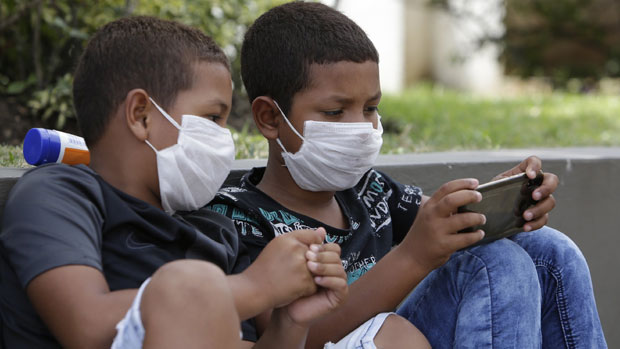
Pediatric Neurology Services at Home During Corona / Covid -19


Image result for covid 19 child
Social Distancing Saves Lives in Child Neurology Too
19 March 2020

Subject: Dr. Rotenberg, Kara Schmidt, Testing and EEG  - Appointments during Coronavirus Emergency 
  • The State of Texas is in the midst of a public health emergency due to coronavirus. 
  • It is imperative to “flatten the curve” of this pandemic by practicing strict social distancing. 
  • Our practice is committed to our patients' needs. 
  • We need to make changes to safely deliver care under these unusual circumstances. 
  • Telemedicine visits are an established part of our practice.  It's business as usual. 
Therefore, effective immediately: 
  1. All appointments will be moved to telemedicine status ONLY. 
  2. New patients will be completed by telemedicine ONLY
  3. Most testing, dietician consults will be completed by telemedicine.  
  4. There will be very few exceptions based on medical need. 
  5. EEG visits will be rescheduled to a different time or place. 
Regarding pulmonary:  Dr. Susarla to release updated guidelines later today. 

This process will stay in place during the course of this emergency. 

Please call your insurance and/or employer to check telemedicine benefits. 

Thank you, 

Dr. Rotenberg 


Information on Covid19


Texas Telemedicine

Governor Abbott Waives Certain Regulations For Telemedicine Care In Texas


March 17, 2020 | Austin, Texas | Press Release
Governor Greg Abbott today waived certain regulations and directed that the Texas Department of Insurance (TDI) issue an emergency rule, all relating to telemedicine care for patients with state-regulated insurance plans to help doctors across Texas continue to treat their patients while mitigating the spread of COVID-19. The suspensions and emergency rule will work together to allow telemedicine visits for patients with state-regulated plans to be paid the same as in-office visits for insurance purposes. These actions build upon waivers the Governor issued last week of portions in the Occupations Code to expand provider flexibility in providing medical services over the phone.
“As the State of Texas responds to COVID-19, we continue to work to maintain regular health care services and operations throughout the state, and telemedicine is one of the most valuable tools we have to ensure Texans continue to receive the health services they need,” said Governor Abbott. “Expanding telemedicine options will help protect the health of patients and health care professionals, and help Texas mitigate the spread of COVID-19.”
Doctors will be eligible for payment from insurance plans regulated by TDI for medical visits they conduct over the phone instead of in-person at the same rate they would receive for in-person visits. 
Medical providers seeking guidance on the impact of the new rule can expect guidance from the Texas Medical Board to be issued in the coming days, including administrative guidance for billing to ensure that claims are processed smoothly.
Insurers seeking guidance on implementation of the emergency rule should contact TDI or visit their webpage for more information.
This coordinated efforts between the Office of the Governor, the Texas Department of Insurance, the Texas Medical Board, and health insurance plans will increase access to health care for all Texans. Today’s action will expand telemedicine options by giving health care providers greater flexibility to perform audio-only telephone consultations with their patients.
As a reminder, Texans covered by CHIP or Medicaid will not be charged copays for test or telemedicine consults. Individuals covered by Medicare or large employer plans should check with their health plan administrator to determine their specific benefits. 

Wednesday, March 18, 2020

Epilepsy & Covid-19 Coronavirus


Epilepsy Coronavirus Covid-19 -  A great site from the Epilepsy Foundation

FB meetup on 18 March

Concerns About COVID-19 (Coronavirus) and Epilepsy


CONTENT HIGHLIGHTS
  • Are people with epilepsy at higher risk of developing COVID-19 (coronavirus)?
  • Can COVID-19 increase seizures if a person gets the virus?
  • How can I get more medicine if my health care provider prescribes it?
  • Are there shortages in seizure medicines in the United States?
  • If COVID-19 is in my community, what should I do?
  • How do I protect myself from getting sick?
  • We are Here for You!

Monday, August 19, 2019

TransCranial Electrical Stimulation - tDCS tACS - What is it?

What is Transcranial Electrical Stimulation? TES


Transcranial Direct Current Stimulation (tDCS)?

Transcranial direct current stimulation (tDCS), is a non-invasive, painless brain stimulation treatment that uses direct electrical currents to stimulate specific parts of the brain.


The therapy works by delivering a low-intensity electrical current to the part of the brain responsible for abnormal pain sensation. This constant, low-intensity current is passed through two electrodes placed over the head which modulates neuronal activity.
The treatment is not surgical and drug-free. 
There are two types of stimulation with tDCS: anodal and cathodal stimulation. Anodal stimulation acts to excite neuronal activity while cathodal stimulation inhibits or reduces neuronal activity.

Is Transcranial Direct Current Stimulation (tDCS) Effective?

Recent studies support the therapeutic potential of tDCS in patients with:
  • Ataxia
  • ADHD
  • Autism
  • Epilepsy
  • COVID - Related Fatigue
  • Fibromyalgia
  • Brain injury
  • Tinnitus (ringing in the ears)
  • Disorders of Consciousness
  • Dyslexia
  • Spasticity
  • Cerebral Palsy
In adults, it has been used for Parkinson’s disease, stroke recovery, traumatic spinal cord injury, depression, and other illnesses.
Similar but different therapies include:  TACS (alternating current)
TES treatments are complementary - that is, they are used after standard therapies have failed.
We use an FDA-approved device for this off-label use.  tDCS devices have not been approved by the FDA for this application.
Although tDCS is still an evolving form of brain stimulation, it has several advantages over other brain stimulation techniques. 
It is economical, non-invasive, minimally uncomfortable, and safe.
Call our office to learn more.


Saturday, February 10, 2018

Cannabis Treatment for Epilepsy: Where is the evidence?


Is there good evidence for cannabis efficacy and safety in treating epilepsy?  Yes.  - JR

Cannabinoids in the Treatment of Epilepsy: Hard Evidence at Last?


Evidence for cannabidiol / CBD superiority over placebo in treating
refractory epilepsy syndromes. 
The interest in cannabis-based products for the treatment of refractory epilepsy has skyrocketed in recent years. Marijuana and other cannabis products with high content in Δ(9) - tetrahydrocannabinol (THC), utilized primarily for recreational purposes, are generally unsuitable for this indication, primarily because THC is associated with many undesired effects. Compared with THC, cannabidiol (CBD) shows a better defined anticonvulsant profile in animal models and is largely devoid of adverse psychoactive effects and abuse liability. Over the years, this has led to an increasing use of CBD-enriched extracts in seizure disorders, particularly in children. Although improvement in seizure control and other benefits on sleep and behavior have been often reported, interpretation of the data is made difficult by the uncontrolled nature of these observations. Evidence concerning the potential anti-seizure efficacy of cannabinoids reached a turning point in the last 12 months, with the completion of three high-quality placebo-controlled adjunctive-therapy trials of a purified CBD product in patients with Dravet syndrome and Lennox-Gastaut syndrome. In these studies, CBD was found to be superior to placebo in reducing the frequency of convulsive (tonic-clonic, tonic, clonic, and atonic) seizures in patients with Dravet syndrome, and the frequency of drop seizures in patients with Lennox-Gastaut syndrome. For the first time, there is now class 1 evidence that adjunctive use of CBD improves seizure control in patients with specific epilepsy syndromes.
J Epilepsy Res > Volume 7(2); 2017 > Article

Thursday, July 07, 2016

Having Close Relatives With Epilepsy May Increase Risk for Autism and Autism Spectrum Disorders (ASD)

Autism and epilepsy

A population-based nationwide cohort study

Heléne E.K. Sundelin, MD, Henrik Larsson, PhD, Paul Lichtenstein, PhD, Catarina Almqvist, PhD, Christina M. Hultman, PhD, Torbjörn Tomson, PhD and Jonas F. Ludvigsson, PhD

Abstract from study recently published in Neurology discussing the potential shared etiology between autism and epilepsy in affected patients and their first-degree relatives -JR

ABSTRACT

Objective: To investigate the risk of autism spectrum disorder (ASD) in individuals with epilepsy and in their first-degree relatives to determine shared etiology.
Methods: Through the Swedish Patient Register, we identified 85,201 individuals with epilepsy, as well as all their siblings (n = 80,511) and offspring (n = 98,534). Each individual with epilepsy was compared with 5 controls, matched for age, sex, calendar period, and county, while siblings and offspring were compared with siblings and offspring of controls. We excluded siblings and offspring with epilepsy. Using Cox regression, we calculated hazard ratios (HRs) for future diagnosis of ASD. Logistic regression was applied to calculate odds ratios (ORs) for prior diagnosis of ASD.
Results: During follow-up, 1,381 (1.6%) individuals with epilepsy and 700 (0.2%) controls were diagnosed with ASD. Individuals with epilepsy were therefore at increased risk of future ASD (HR 10.49, 95% confidence interval [CI] 9.55–11.53), with the highest risk seen in individuals diagnosed with epilepsy in childhood. Both siblings (HR 1.62, 95% CI 1.43–1.83) and offspring (HR 1.64, 95% CI 1.46–1.84) of epilepsy patients were at increased risk of ASD. The risk in the offspring was particularly high in mothers with epilepsy (HR 1.91; 95% CI 1.63–2.23). Epilepsy was also associated with a prior diagnosis of ASD (OR 4.56, 95% CI 4.02–5.18).
Conclusions: Individuals with epilepsy are at increased risk of ASD, especially if epilepsy appears in childhood. Further, ASD is more common in the siblings and offspring of individuals with epilepsy, suggesting shared etiology.

Monday, June 20, 2016

Dietary Hemp? Cannabinoids? Unraveling the Information

Lots of attention to Cannabinoids lately.  Does CBD help epilepsy, spasticity / CP. 

Here is an easy overview of the differences between hemp and marijuana and how the former has  promising effects on the treatments of neurological conditions. -JR


"...Cannabinoids And Dietary Hemp..."

Marco Torres, Prevent Disease


"There are over 400 phytonutrients that exist in Hemp Plants. Hemp is often mistaken for its cannabis cousin, marijuana, even though smoking an entire garbage bag of hemp would not produce an altered state of consciousness. Optimal brain health is achieved when linoleic acid (LA) and alpha linoleic acid (ALA) are consumed in a ratio only naturally found in hemp.
The brain also has a requirement for cannabinoids, which regulate most of the major functions of the body including alertness, emotions, inflammation and cancer defenses.

The brain can make a small number of its own cannabinoids, but as 4,000 years of history and decades of scientific research indicate, it operates optimally when supplied with dietary cannabinoids, such as those found in hemp.
What’s The Difference Between Hemp and Marijuana?
Confusion amongst the public on how exactly hemp oil differs from cannabidiol, or CBD, oil, has prompted the nonprofit Hemp Industries Association to issue a statement explaining the difference between the oils in order to ensure that consumers — specifically, medical marijuana patients — are not misled about the intended uses.
Confusion between hemp oil and marijuana oil has spiked recently, as states have passed medical marijuana laws that allow for the use of strains of marijuana that are low in THC and high in CBD. Consumers often confuse hemp oil with CBD oil because both are low in THC and contain CBD."

Wednesday, November 04, 2015

Similarities and differences between migraines and epilepsy

This article discusses similarities and differences between migraines and epilepsy.

Migraine and epilepsy have several things in common: they often co-occur and share similar symptoms, each is generally undertreated, one is often misdiagnosed as the other,1 and various medications are effective in treating both disorders.2 Recent research may help elucidate the relationship between the two and shed light on more appropriate diagnosis and treatment options.
“Patients with migraine are more likely to have epilepsy, and patients with epilepsy are more likely to experience migraine,” Pavel Klein, MD, director of the Mid-Atlantic Epilepsy and Sleep Center, told Neurology Advisor. In fact, people with seizure disorders are twice as likely to experience migraines which can often lead to misdiagnosis.3
There are commonalities between the two disorders “in clinical symptomatology, particularly with regard to visual and other sensory disturbances, pain, and alterations of consciousness.”For instance, if a patient has a migraine that causes focal neurological symptoms — numbness in the arm or face, for example — it can appear to be a seizure. It is also known that stress can trigger seizures, and in a less common scenario, “in someone with very severe migraine, it is possible that the stress of the pain could trigger a seizure,” Klein explained.
The potential reasons for the close relationship between the two disorders are just as varied. “There could be common substrates that cause both headaches and seizures,” said Klein. For example, a condition called benign epilepsy of childhood is commonly associated with migraine and is often misdiagnosed as such,3 while another possibility is that migraine could lead to mild forms of brain damage that increase the risk of epilepsy. Studies have found that MRI of some patients with migraine show small areas of abnormal lesions or scarring.4,5 Researchers are not yet sure of the cause, but it is possible that the scarring is a result of a stroke that is otherwise asymptomatic, and the “scarring leads to reorganization of the local network that could lead to seizures,” said Klein.

What Role Do Genetics Play?

Research published in Epilepsia in 2013 was the first to investigate the role of genetics in the co-occurrence of migraine and epilepsy.5 After testing 730 participants with epilepsy, researchers divided them into two non-overlapping groups — one with migraine with aura and one with migraine without aura — and interviewed participants about their family history of seizure disorders. The results showed that a history of migraine with aura was “significantly increased in enrolled participants with two or more additional affected first-degree relatives,” supporting the researchers' hypothesis of a shared genetic susceptibility to migraine and epilepsy.
“The hope of scientists, caregivers, and families with epilepsy is that genetics will offer a novel and wider understanding of the causes and the pathophysiology of epilepsy,” study co-author Melodie R. Winawer, MD, MS, an associate professor of neurology at Columbia University, told Neurology Advisor.
Approximately two thirds of epilepsy cases have no known cause, and genetic factors may play a critical role in that subset of cases. A ground-breaking aspect of these findings is in regards to reconceptualizing disease boundaries.
“A disorder does not stand alone but can be seen as part of a network of intersecting disorders — in fact, there have been intersecting bidirectional relationships identified for epilepsy, migraine, anxiety, depression, suicidality, and psychosis,” she said. “As we start to understand that some of these disorders are occurring in a network or a cluster rather than standing by themselves, I think it is going to completely transform treatment strategies” and potentially affect preventive efforts.
Ultimately, the knowledge of a shared pathophysiology could lead to the development of new treatment options, as well as recognition of accompanying disorders beyond seizures that can severely impact a patient's quality of life.
After all, failing to treat co-occuring disorders is a disservice to patients, said Winawer. Treatment of any condition — including migraine and epilepsy — should consider potential comorbidities that could worsen or improve depending on the chosen treatment. “We really need to understand epilepsy in its context,” said Winawer. “There is a huge move in the last few years to do that and I think this work is part of that larger question.” 
Read more here

Wednesday, October 28, 2015

Different types of memory and epilepsy

This article discusses different types of brainwaves, and how they relate to epilepsy.

Our long-term memory is consolidated when we sleep. Short-term memory traces in the hippocampus, an area deep in the brain, are then relocated to more outer parts of the brain. An international team of neuroscientists, among who Mathilde Bonnefond and Til Ole Bergmann from the Donders Institute at Radboud Universiy, now shows how a three-step brain oscillation plays an important part in that process. Nature Neurosciences publishes the results on September 21st.

Bonnefond and Bergmann specialize in research on oscillations: waves of brain activity. 'Non-rapid eye movement (NREM) sleep is responsible for the memory consolidation during our sleep', Bonnefond explains. 'NREM is known for its very slow oscillations (SOs). Other types of oscillations are hidden inside these SOs. We discovered that three types of oscillations are nested inside each other in the hippocampus and have a joint function.'

Slow waves, spindles and ripples

Slow oscillations only happen about once per second (~0.75 Hz). In a specific time frame within these SOs, Bergmann, Bonnefond and their colleagues found clusters of oscillations of an intermediate speed: the so called spindles which happen about 15 times per second (12 -- 16 Hz). And within these spindles, they found clusters of superfast oscillations called ripples, which happen about 90 times per second (80 -- 100 Hz), and which reflect the local reactivation of the memory trace to be shuttled to the cortex.

To summarize: SOs contain spindles, which in their turn contain ripples. 'Earlier studies only coupled these oscillation types in pairs', Bonnefond explains. 'But now, we see that SOs, spindles and ripples are functionally coupled in the hippocampus. And we hypothesize that they provide fine-tuned temporal frames for the transfer of memory traces to the neocortex.'

Epilepsy
The group of researchers investigated the process in human epilepsy patients during natural sleep. Doctors were looking for the brain areas responsible for their epilepsy, and the current research was done at the same time: with special electrodes, the researchers recorded oscillations from inside the brain. Bonnefond: 'This was a great opportunity to investigate the hippocampus, since it's difficult to measure deep brain regions with classical electrophysiological techniques.'

The patients did not have to remember any specific information. 'You're consolidating memories every night, so we investigated the process in general. The next step would be to link these clustered oscillations to specific memories.'

Read more here

Wednesday, June 10, 2015

Academic outcomes for epileptic children post-surgery

A study of epileptic children indicates that those who had brain surgery struggled in their class post-surgery.

A new study by a University of Toronto Mississauga researcher has taken the first-ever look at the academic outcomes of children with epilepsy who have had brain surgery, and found that they have a higher chance of struggling in class following their surgery.
Psychology professor Mary Lou Smith was co-leader of a team of researchers who studied the arithmetic, spelling, reading and reading comprehension abilities of children after having resective epilepsy surgery, a procedure that involves removing a part of the brain in order to halt seizures. The patients completed standardized tests both before their surgery and about 14 months afterwards, and all received lower scores on the second test in the first three academic areas. The results, Smith says, challenge a commonly-held but false assumption that stopping seizures can free up brain power for better academic performance.
"The surgery stops the seizures, but it's not like we put a new brain in there. These children still have a preexisting brain abnormality," says Smith, a UTM psychology professor, and a senior associate scientist in the Neurosciences and Mental Health Program in the Research Institute of the Hospital for Sick Children. The study published in the June 2015 edition of the journal Epilepsy & Behavior.
Brain surgery is performed on patients who don't respond to drugs, and whose source of seizures can be pinpointed in the brain. Smith says that of the approximately 25 per cent of people for whom drugs don't work, about 30 per cent meet the criteria to have epilepsy surgery. Working with three other researchers from SickKids and UTM -- including two UTM graduates -- Smith examined the academic achievement levels of 136 children ages 5 to 18, most of whom live in Ontario, and who had underwent pediatric epilepsy surgery between 1995 and 2013. All had completed academic testing as part of their pre-surgical and post-surgical neurological evaluations.
In the pre-surgery tests, most of the children displayed low or underachievement in at least one of the academic domains. This is because children with epilepsy are at higher risk of having cognitive problems in areas such as language, problem solving, learning and memory. The children's post-surgery test results, meanwhile, revealed drops in marks when it came to reading, spelling and numeral operations. Most students decreased about two to six points, but some declined by 10 points or more. This means that while brain surgery can help improve patients' quality of lives by stopping seizures, it doesn't necessarily stall or reverse the tendency toward lower-than-average academic performance.
"What I think is happening now is as they're getting older, they're not progressing at the same rate their peers are progressing, and so as a result of that, over time, you see these lower scores, because the difference between their performance and what's expected given their increasing age is widening," Smith says.
Smith cannot say whether the findings are due to the surgery, the epilepsy, or the children's development, but she is now conducting more research to figure out why. Meanwhile, she says, this new study may be useful to families weighing the pros and cons of surgery for their child with epilepsy.
"This is a tremendously challenging decision for parents, and they want to know the risks and benefits," Smith says. "I think this information is very important for health care providers if they're counseling patients, and for pursuing evidence-based practice."
Read more here

Friday, May 22, 2015

Relationship between epilepsy and autism may be...

A study looks into the relationship that may exist between epilepsy and autism.

Researchers at the University of Veracruz (UV), in the west coast of Mexico, study the neurobiological link between the Autism Spectrum Disorder (ASD) and epilepsy, in order to understand the reason why the brain of an autistic child is 20-30 percent more susceptible to seizures that an infant without this condition.


To know said relationship, Angel Alberto Puig Lagunes, a doctoral student in Brain Research of the UV works with two experimental models, one with autism and other of epilepsy because 30 percent of autistic people may have at some point in their lives some form of epilepsy, especially during childhood and adolescence.

The research seeks to understand the differences in the amount of neurotransmitters and receptors that may determine susceptibility to seizures. "If we know what happens in the brain structures of lab rats using these models, we can generate new insights into the characteristics that patients with ASD present that make them more susceptible to having seizures and may in the future provide new drugs or non-pharmacological interventions treatments for such illness, "says Angel Puig.

The World Health Organization estimates that worldwide one in 160 children under 12 years of age has autism. In Mexico, there are about 46,000 people with this disease.
The specialist refers that one to 1.5 percent of the global population have epilepsy, the equivalent to 50 million people. Various epidemiological data indicate that between 20 and 35 percent of children with autism have this condition; however, the neurobiological causes of such comorbidity are yet unknown.
In response, Puig Lagunes in collaboration with Maria Leonor López-Meraz, Jorge Manzo Denes and Rebeca Toledo Cárdenas assess neurochemical changes that occur in brain structures such as the hippocampus, amygdala, cerebellum and frontal cortex exposed to valproic acid, areas involved in autism and epilepsy.
The researcher analyzes seizures through drugs like pentylenetetrazol, used to induce crisis, and valproic acid, an anticonvulsant that is applied prenatally to rats, since research has shown that when it is administered to a pregnant woman there is greater likelihood that her child is born with ASD or congenital malformations.
With this method, says Angel Puig, we study whether fetuses exposed to the drug are more susceptible to presenting seizures and can identify, at a neurobiological level, what happens in the brain of an autistic person.
The results of this research show that like children with autism, laboratory rats that were prenatally exposed to valproic acid are more susceptible to presenting tonic-chronic seizures, common in people with generalized epilepsy.
With this research, Angel Puig won third place at the Annual Congress of the Mexican Chapter of the International League Against Epilepsy (Camelice) conducted in León, Guanajuato, center of Mexico.
Read more here

Saturday, May 09, 2015

Link between epilepsy and autism shows...

Four studies investigate the link between epilepsy and autism.

Epilepsy affects nearly 30 percent of all people with autism spectrum disorder (ASD), a neurobehavioral condition marked by impaired social and language development. Conversely, many patients with epilepsy display ASD-like behavior. Recent studies suggest that epileptic seizures impair the neural pathways needed for socialization, but the details of this process remain unclear.

Four studies presented at the American Epilepsy Society's recent Annual Meeting delve deeper into this relationship, revealing biological mechanisms and clinical findings that could help advance treatments for patients with both disorders.
Jennifer Avallone, DO, and colleagues retrospectively examined the video EEG findings and clinical records of 53 children and adults diagnosed with both epilepsy and ASD. The authors uncovered abnormal video EEG findings in 50 of the 53 records studied. Clinical and EEG records indicated that 40% of the patients had focal epilepsy, 30% had generalized epilepsy, 25% had both focal and generalized epilepsy and 5% had an unclear diagnosis. During the period between seizures, subclinical epileptiform activity occurred in 85% of the studies, while non-epileptic abnormalities in EEG activity were observed in 40% of the studies.
"The presence of epilepsy is an important finding in patients with autism spectrum disorder," says Dr. Avallone. "Exploring the variations in EEG activity between and during seizures, and how those variations relate to genetic and behavioral findings in people with ASD, could greatly assist with the management of both conditions."
In a second study, Andrey Mazarati, MD, PhD, and colleagues investigate the relationship between autism-like behavior and epilepsy associated with maternal infection. Previous animal studies have potentially linked epilepsy and autism by showing that immune activation in a pregnant mouse can trigger two immune molecules -- interleukin-6 (IL-6) and interleukin-1β (IL-1β) -- in the offspring, thereby exacerbating the faulty signal transmission through an area of the brain known as the hippocampus.
The authors explored whether epilepsy and ASD might occur concurrently in another established mouse model of epilepsy known as the intrahippocampal kainic acid model. Surprisingly, the authors report fewer seizures in mouse offspring that displayed autism-like behavior and had IL-6 activation. At the same time, more severe epilepsy was observed in mouse offspring with the over-production of both IL-6 and IL-1β. According to the authors, the mouse model reveals evidence for a rivalry, rather than cooperation, between autism- and epilepsy-like features in certain circumstances.
"These observations suggest that the processes contributing to the autism-epilepsy connection are highly complex," says Dr. Mazarati. "Studies exploring the relationship between autism and epilepsy must take this complexity into account when establishing a proper experimental design."
A third study by Mirret El-Hagrassy, MD, and colleagues explore the neurological, physical, and behavioral characteristics of patients diagnosed with ASD, epilepsy and a rare condition known as electrical status epilepticus of slow wave sleep (ESES) that develops in childhood. ESES is marked by neurological/psychological impairment, motor delays, epilepsy, and finding electrical status epilepticus during slow wave sleep on EEG.
The authors analyzed retrospective data from forty-four patients with ESES who underwent video EEG monitoring and were treated with high doses of diazepam during the night to regulate brain activity. Out of those forty-four patients, six had ASD. All ASD patients had communication difficulties, and seemed more likely than the ESES patients without ASD to have language and reading learning disabilities. Four of the ASD patients had normal brain MRIs, but most were done years earlier.
EEG seemed to show some differences in spike locations in the ASD group compared to the group without ASD, the authors report. Overall, both groups largely improved after diazepam with regard to seizure control and neurocognitive status, but comparison between the two groups was difficult.
"ASD can be associated with focal epilepsy, ESES, and multiple neurocognitive comorbidities. Spike locations during ESES in patients with ASD appear to vary on initial analysis from those with ESES but no ASD. Comorbidities also vary between the 2 groups. These differences are difficult to interpret with such small numbers, but may potentially render clues to cortical areas involved in different comorbidities of ASD and ESES, even when imaging is normal. Spike suppression may have implications beyond seizure control," notes Dr. El-Hagrassy. "Further multicenter prospective studies are needed."
In a fourth study, Megan Leigh Lewis, PhD Candidate supervised by Dr. Quentin J. Pittman at the Hotchkiss Brain Institute in Calgary, and colleagues unveiled a new mouse model of ASD and epilepsy to explore the underlying processes that contribute to the ASD-epilepsy relationship.
To create the animal model, the authors inbred mice that display three behavioral characteristics of ASD -- impaired social interactions, unusual vocalizations and repetitive stereotyped behaviors -- and provoked an immune response in the newborn mice that has been shown to boost brain excitability in other rodents.
The mice were later examined for their susceptibility to seizures, their brain activity on EEG, and key ASD-like behaviors. The study confirmed that a single immune challenge in infancy increases brain excitability, and enhances seizure susceptibility and is associated with aberrant EEG activity in adult mice. The study further found that ASD-like behaviors are maintained in adult mice that received the early immune challenge, but not in unchallenged control mice.
"This innovative mouse model could provide a useful tool to discover the molecular processes responsible for the co-existence of ASD and epilepsy," says Lewis.
About Epilepsy The epilepsies affect 50 million people worldwide, including three million in the United States. The disorder can have a single specific, well‐defined cause, such as a head injury, or manifest as a syndrome with a complex of symptoms. It is the third most common neurological disorder after Alzheimer's disease and stroke.
Read more here