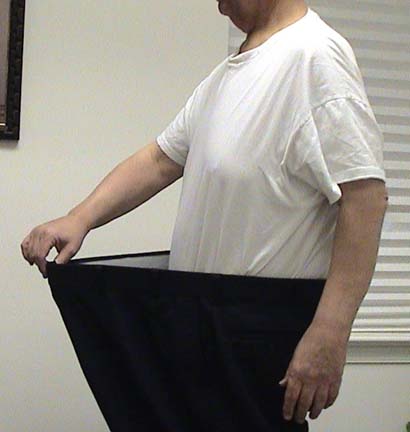
Obesity has long been considered one of the most important risk factors for obstructive sleep apnea (OSA) in adults. In particular, visceral fat—a type of fat that collects in the abdomen—is increasingly regarded as a particularly significant risk factor for sleep apnea. Visceral fat in the abdomen is located within the abdominal cavity, around the body’s organs. Visceral fat itself is considered an important risk factor for a number of serious medical conditions, including cardiovascular disease and diabetes. Although both men and women are at risk for obstructive sleep apnea, men are diagnosed with the disorder in greater numbers, and some studies have indicated that men with OSA are at greater risk of mortality than women.
A new study has found evidence of a strong link between visceral fat and obstructive sleep apnea—a link that is particular to men with the sleep disorder.Researchers in Japan examined the relationship between visceral fat and obstructive sleep apnea in both men and women. They discovered a strong association between sleep apnea and visceral fat accumulation among men, but not among women. The study included 271 men and 100 women who had been treated for obstructive sleep apnea between October 2008 and December 2010. Researchers analyzed the relationships among different measurements of body mass and fat accumulation and indicators of OSA. They found significant differences between these relationships in men and in women:
- BMI and waist circumference were found to be similar in both men and women.
- Men in the study had greater accumulations of visceral fat than women.
- Men also had more severe OSA than women, and also had more severedyslipidemia—abnormal levels of lipids in the blood. High cholesterol and high triglycerides are the most common types of dyslipidemia.
- In men, visceral fat accumulation was associated with two indicators of low blood oxygen, which are themselves considered indicators of sleep apnea.
- In men, visceral fat also was associated with age and with body-mass index (BMI).
- In women, researchers found no association between obstructive sleep apnea and visceral fat accumulation.
- In women, visceral fat was only associated with body-mass index.
These findings may help to explain the elevated risks of cardiovascular disease among men with obstructive sleep apnea. We’ve known for some time that excess fat—especially in the abdominal area—is linked to greater risk for health problems, including both cardiovascular disease and obstructive sleep apnea. Other studies have also found links between visceral fat and OSA, as well as differences between the associated risks to men and women:
- Researchers at Pennsylvania State College of Medicine studied the relationship between visceral fat and OSA in non-obese men and women. In men, they found visceral fat associated with obstructive sleep apnea. In women, visceral fat was not associated with OSA. But another type of fat—subcutaneous fat, located just beneath the skin in the abdomen and throughout the body—was associated with sleep apnea in women.
- A study of obese men and women found that visceral fat was significantly greater in those patients with obstructive sleep apnea than those without, leading researchers to suggest that visceral fat is an important risk factor for OSA in both men and women who are obese.
- People with visceral fat accumulations and sleep-disordered breathing were significantly more likely to experience nighttime acute coronary syndrome, a serious form of heart disease, in this study conducted in Japan.
- There is some good news for obstructive sleep apnea patients who use CPAP therapy to treat their sleep disorder: research has indicated that visceral fat in people with OSA can be significantly reduced with regular, long-term use of this common therapy.
Obstructive sleep apnea occurs when muscles at the back of the throat close, blocking the upper airway and causing an interruption to normal, unobstructed breathing. These instances of interrupted breathing can occur anywhere from a handful of times in a night to hundreds of times in a single sleep period, robbing people of restful sleep and putting them at risk for an array of health problems. It’s estimated that 3-7% of adults in the United States suffer from obstructive sleep apnea, but the disorder is considered significantly under-diagnosed, particularly among women. Sleep apnea is associated with increased risk for cardiovascular disease and diabetes, as well as certain cancers.
There is a significant body of research showing that people with obstructive sleep apnea have greater risk of mortality than those without the sleep disorder, if the disorder is left untreated. There are indications within some research that men are at greater risk for mortality than women, though it’s clear that both men and women with obstructive sleep apnea face elevated health and mortality risks compared to those without the disorder.
The stakes are high for people with obstructive sleep apnea: the disorder is profoundly disruptive to sleep and can lead to serious health problems if not identified and treated. Understanding with greater specificity the health and lifestyle conditions that may increase risk of sleep apnea can lead to better screening and treatment options. It’s also important to continue to evaluate the ways that risks for men and women may differ, and to create screening criteria and treatment protocols tailored to the needs of each. For both men and women, maintaining a healthy weight, with particular attention to abdominal fitness, is important for good sleep and good health.
Read more here